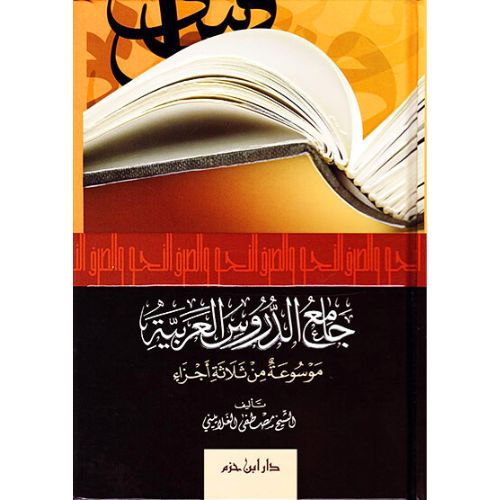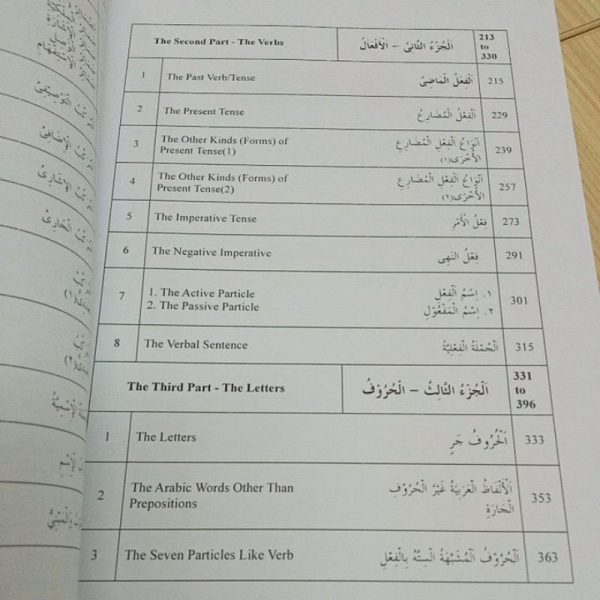
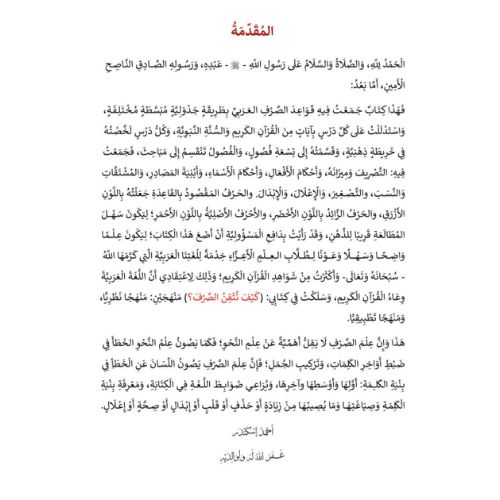
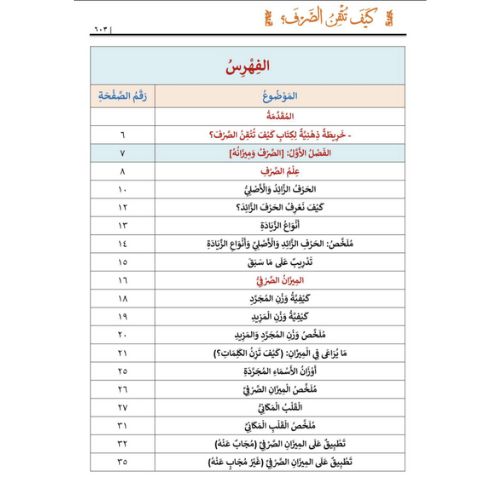
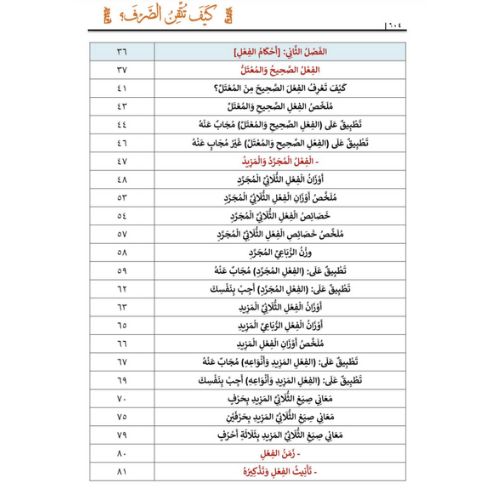
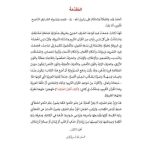
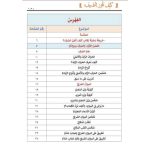
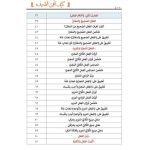
هَذَا كِتَابَ جَمَعْتُ فِيهِ جَمِيعَ قَوَاعِدِ الصَّرْفِ الْعَرَبِيَّ: فَجَمَعْتُ فِيهِ التَّصْرِيفَ وَمِيزَانَهُ، وَأَحْكامَ الْأَفْعَالِ، وَأَحْكَامُ الْأَسْمَا وَأَبنِيَةَ المَصادِرِ، وَالمُشْتَقَاتِ، وَالنَّسَبَ والتَّصْغِيرَ، وَالْإِعْلَالَ وَالْإِبْدَالَ والحَرْفُ المَقْصُودُ بالقَاعِدَةِ جَعَلْتُهُ بِاللَّوْنِ الْأَزْرَقِ، وَالحَرْفُ الزَّائِدُ بِاللَّوْنِ الأَخْضَرِ ، والأخرُفُ الأَصْلِيَّةُ بِاللَّوْنِ الْأَحْمَرِ لِيَكُونَ سَهْلَ المُطَالَعَةِ قَرِيبًا لِلذَّهَنِ والشرح بطريقة جدوَلِيَّةٍ سَهْلَةٍ مُبَشَطَةٍ ، وَاسْتَدْلَلْتُ عَلَى كُلِّ دَرْسٍ بِآيَاتِ مِنَ الْقُرْآنِ الْكَرِيمِ وَالسَّنَّةِ النَّبَوِيَّةِ الشَّرِيفَةِ، وَكُلُّ دَرْسٍ لَخَصْتُهُ فِي خَرِيطَةٍ ذِهْنِيَّةٍ يَجِبُ عَلَيْنَا جَمِيعًا أَنْ نَسْتَى طَوَالَ الْوَقْتِ لِلْحِفَاظِ عَلَى اللُّغَةِ الْعَرَبِيَّةِ لأَنها لُغَةً مُقَدَّسَةً عَظِيمَةً وَهِيَ مَصْدَرُ الْفَخْرِ لَنَا، وَأَن تَعْمَلَ عَلَى تَوْعِيَةِ الْأَحْيَالِ الْقَادِمَةِ بِأَهَمِّيَّةِ اللَّغَةِ الْعَرَبِيَّةِ
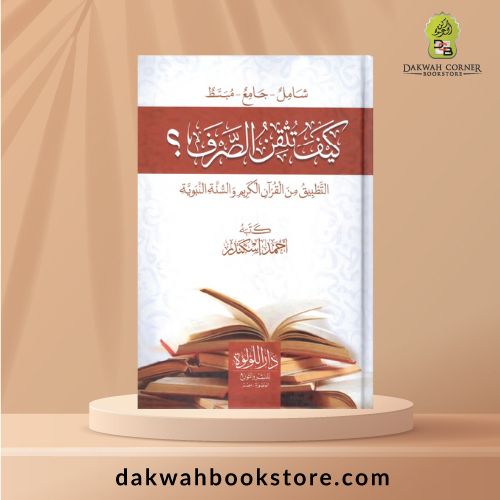
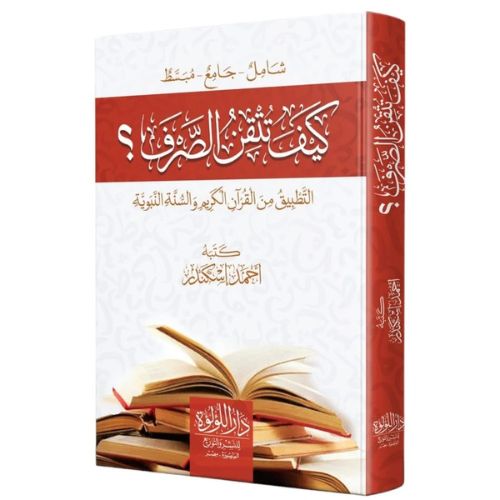
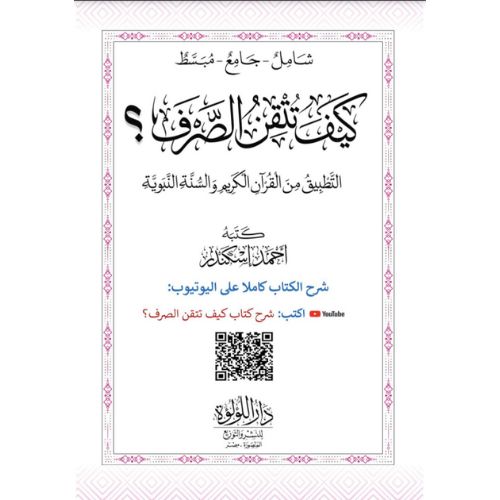
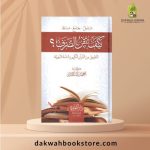
[AR] Kayfa Tutkinun Sorfa (كيف تتقن الصرف التَّطبِيقُ مِنَ الْقُرْآنِ الْكَرِيمِ وَالسُّنَّةِ النَّبَوِيَّةِ)
RM100.00
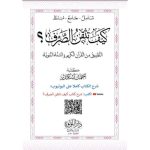
كيف تتقن الصرف
التَّطبِيقُ مِنَ الْقُرْآنِ الْكَرِيمِ وَالسُّنَّةِ النَّبَوِيَّةِ
—-
اسم المؤلف : احمد اسكندر
Frequently Bought Together
| Weight | 1.500 kg |
|---|---|
| Dimensions | 24.5 × 17 × 3 cm |
| Author | |
| ISBN | 9789779976235 |
| Binding | Hardcover |
| Pages | 618 |
| Publisher | Al-Lulu'a (دار اللؤلؤة) |
Be the first to review “[AR] Kayfa Tutkinun Sorfa (كيف تتقن الصرف التَّطبِيقُ مِنَ الْقُرْآنِ الْكَرِيمِ وَالسُّنَّةِ النَّبَوِيَّةِ)” Cancel reply
You must be logged in to post a review.
You may also like…
[MM] Al-Tib An-Nabwi *New Color Edition (الطب النبوي)
قال ابن قيم الجوزية رحمه الله: “وليس طِبُّهُ صلى الله عليه وسلم كطبِّ الأطباء، فإن طبَّ النبيِّ صلى الله عليه وسلم مُتيقَّنٌ قطعيٌّ إلهيٌّ، صادرٌ عن الوحي، ومشكاة النبوَّة، وكمالِ العقل. وطبُّ غيره أكثرُه حَدْسٌ وظنونٌ، وتجاربٌ. ولا يُنْكَرُ عدمُ انتفاع كثيرٍ من المرضى بطبِّ النبوة؛ فإنَّه إنما ينتفعُ به مَن تلقاهُ بالقبول واعتقادِ الشِّفاء به، وكمال التلقِّي له بالإيمان والإذعان”.
[AR] Kayfa Tutkinun Nahwa (كيف تتقن النحو)
يبدأ الكتاب بعلامات النحو والأساليب النحوية ويستمر حتى يصل إلى أهم وأعمق فروع القواعد في هذا المقال سيوضح موقع “مطبات” كل التفاصيل التي ترغبون في معرفتها.
Related Products
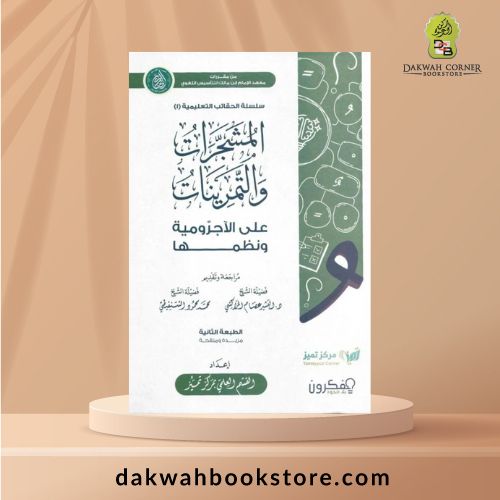
[AR] At-Tatbeeqiyyah an-Nahwiyyah ‘ala Matn al-Ajrumiyyah – التطبيقية النحوية على متن الأجرومية
وقد جمعنا تلك التطبيقات الإعرابية في جداول منهجية مرتبة ومركزة، تضع تحت الشاهد خطين، وتحت المتعلق الإعرابي الأقل أهمية خطا واحدًا، ثم طبع الكتاب أربع طبعات، أول ثلاث منها باسم: “دليل الإعراب المتعلمي التحفة السنية”، وأما الطبعة الرابعة فباسم : “دليل الإعراب المتعلمي الأجرومية”.
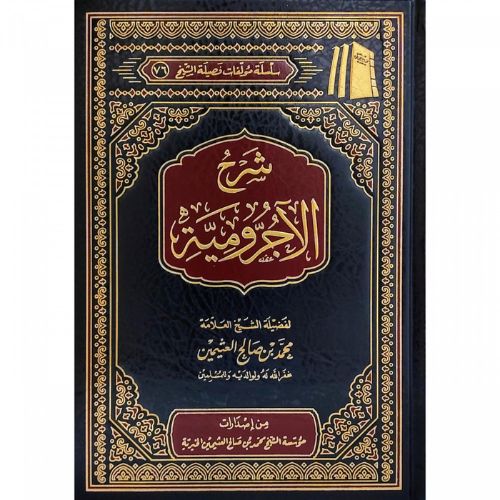
[AR] Sharhu Al-Ajrumiah (شرح الاجرومية)
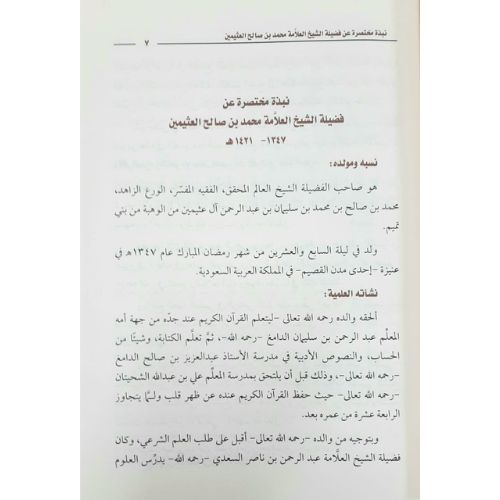
شرح الاجرومية محمد بن صالح العثيمين
هذا شرح تعليمي لمتن ابن آجروم في النحو المعروف بالآجرومية، اعتنى فيه الشارح ببيان مفردات التعاريف، ومحترزاتها، وأمثلتها، مع إضافة بعض الشروط والأمثلة على ما ذكره الماتن، وقد وردت في آخر كل فصل أسئلة مع الإجابة عليها
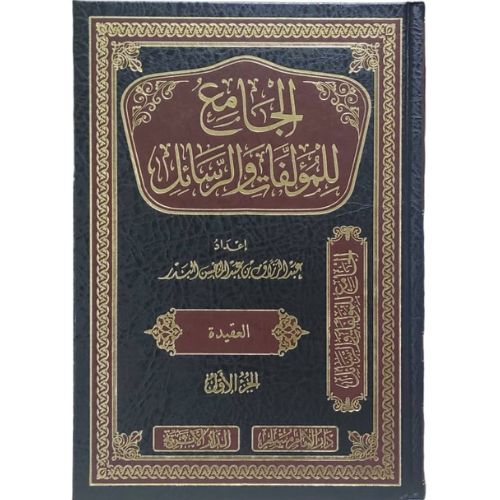
[GB] Al Jami’ Lilmuallafat Wa Rasail 22 Vol (الجامع للمؤلفات والرسائل 22 مجلد)
فهذا سرد لما سطر العالم الجليل والشيخ الفاضل عبد الرزاق بن عبد المحسـن العباد البدر حفظه الله من كتب ورسائل، وما نشره من تحقيقات لتراث أهل العلم، وقد بلغت قائمة ما وقفت عليه من مطبوعات إحدى وتسعين؛ وهي
[ALA] Nashat An Nahu Watarikh Ashahr Alnuha – نشاة النحو وتاريخ اشهر النحاة
Recently Viewed
What Islam Is All About
The global Muslim population continues to increase every year. With a tremendous influx of new converts in communities around the world and Islam under the microscope in media and politics, the need for a clear and comprehensive text that explores the faith—its history, philosophy, principals, laws, and practices—has never been more necessary than it is today.
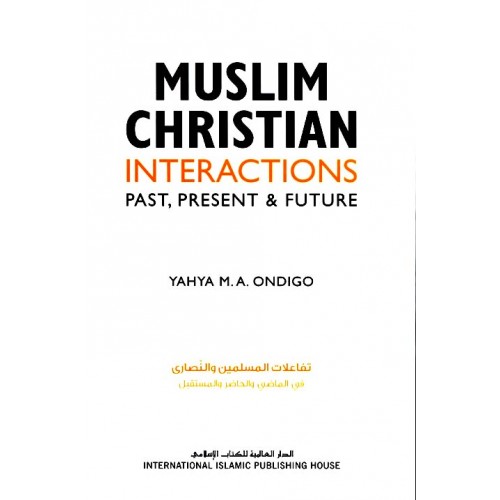
Muslim-Christian Interactions: Past, Present & Future (H/B)
In light of the past, with hope for the future,Muslim-Christian Interactions: Past, Present, and Future addresses a subject that is vital to the 21st century. It provides an in-depth study of Islam and Christianity, taking an analytical approach to their respective edicts while comparing and contrasting them. It offers an investigation of religious concepts with respect to logic and scientific knowledge, and considers the true role and mission of religious figures of both faiths. With a past full of oppression from leaders of both faiths, against their respective doctrines and principles, Muslim-Christian Interactions sorts out the truth of what these religions really stand for. It looks at the manner in which Muslims and Christians have interacted in the past and present, in order to draw lessons for the future.
Now more than ever, it is crucial for Muslims and Christians to seek a path of mutual understanding, allowing compassion for fellow human beings to prevail over divisive politics and views. In the wake of false propaganda against Islam, the author seeks to correct the misconceptions that abound regarding Islam and Muslims.
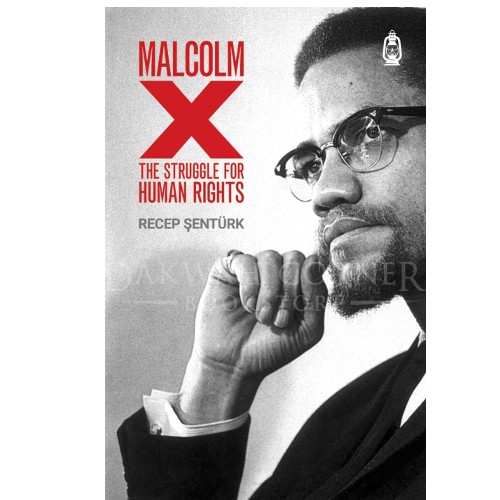
Malcolm X: The Struggle For Human Rights
One of the twentieth century’s most influential Muslims, Malcolm X – El-Hajj Malik Al-Shabazz – led a dynamic life and passed through many phases of thought. But one aspect of his thought remained constant – to never remain silent in the face of oppression.
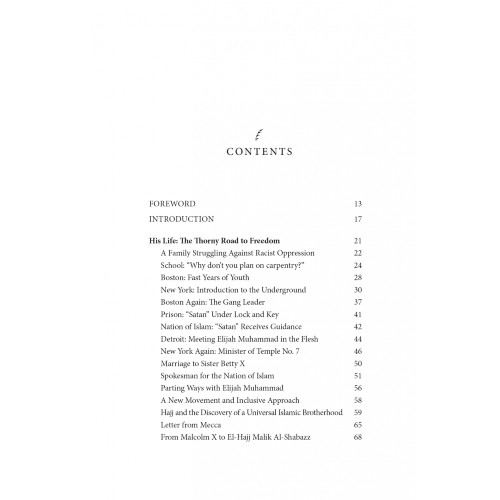
In Malcolm X: The Struggle for Human Rights, Recep Şentürk offers more than a biography of a beloved figure in American history: he explores the concept of universal human rights in Islam using the life of Malcolm X as an example of a human rights struggle.
Engaging and innovative, the book is divided into three sections, dealing with Malcolm X’s life, beliefs and struggle in turn. In the first part, we learn about his early years, his time in prison and his hajj. In a section on his evolving faith, we learn about his youth as a Christian, his time with the Nation of Islam and his discovery of mainstream Islam. In the final section, Şentürk offers a new perspective: how we can relate slavery, abolition, civil rights and voting rights to Malcolm X’s struggle
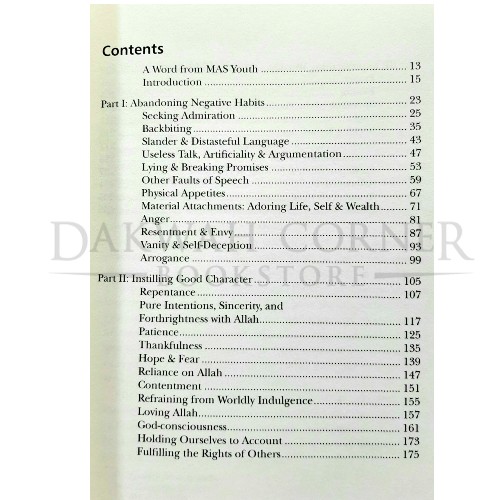
Rising Soul: A Guide To Personal Development
“The beauty of this volume lies in its simple presentation of self-development as a clear process with precise, achievable goals. Young believers and Islamic workers seeking to improve themselves will find this book an invaluable companion.”
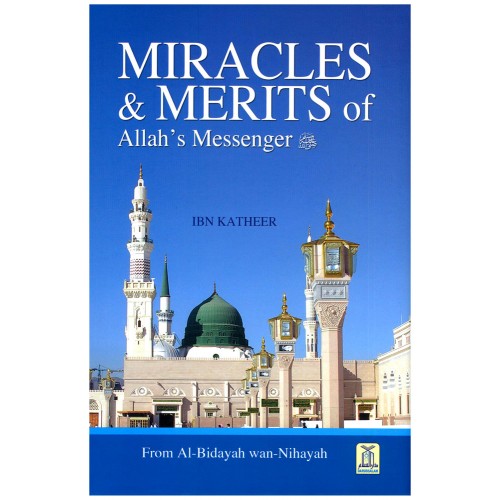
Miracles & Merits of Allah’s Messenger: from Al-Bidayah Wan-nihayah
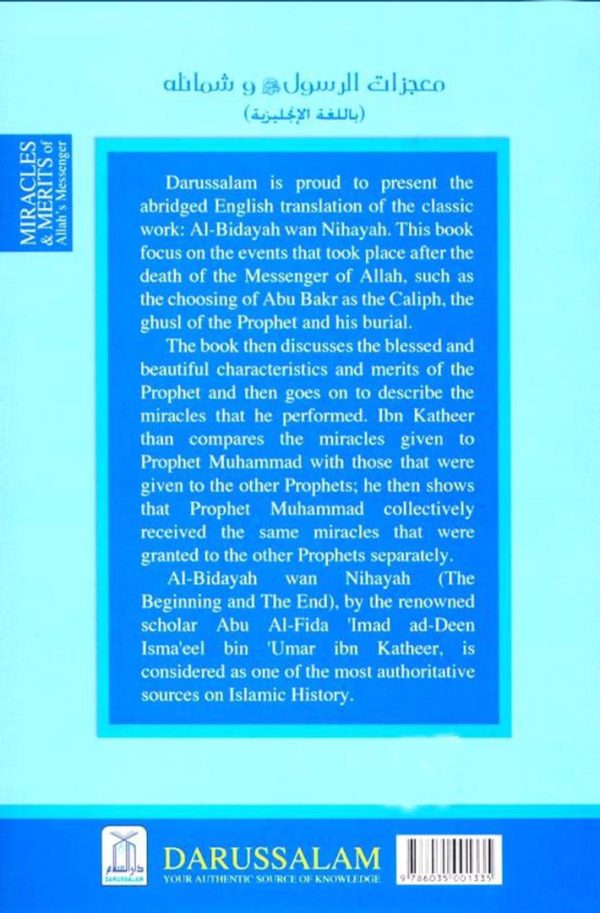
Miracles & Merits of Allah’s Messenger By Ibn Katheer The book then discusses the blessed and beautiful characteristics and merits of the Prophet and then goes on to describe the miracles that he performed. Ibn Katheer than compares the miracles given to Prophet Muhammad with those that were given to the other Prophets; he then shows that Prophet Muhammad collectively received the same miracles that were granted to the other Prophets separately. AI-Bidayah wan Nihayah (The Beginning and The End), by the renowned scholar Abu Al-Fida ‘Imad ad-Deen Isma’eel bin ‘Umar ibn Katheer, is considered as one of the most authoritative sources on Islamic History.
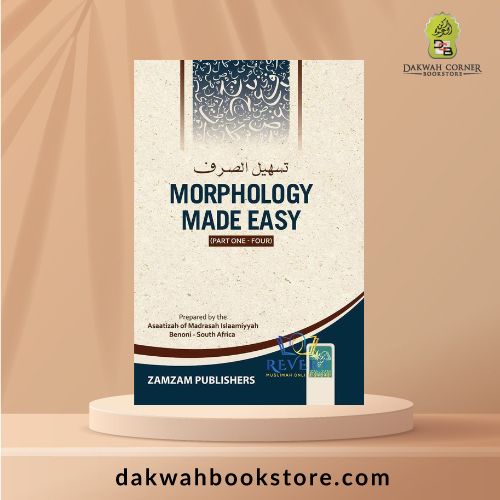
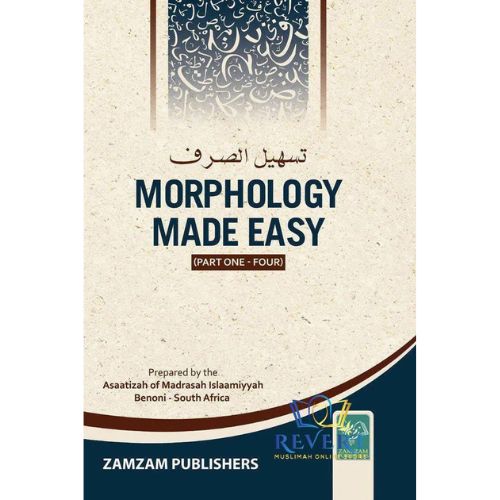
Morphology Made Easy P/B (Part 1-4)
Prepared by the teachers of Madrasa Islamiyah Benoni, South Africa.
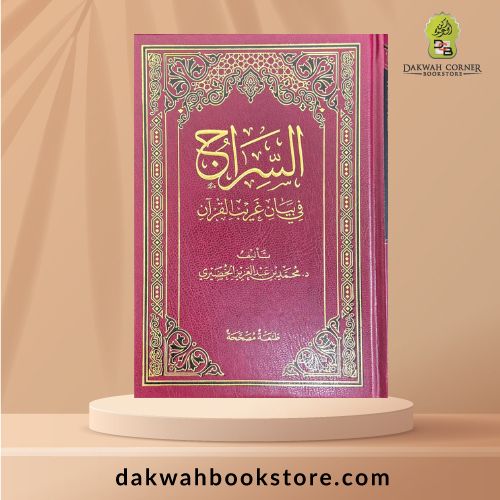
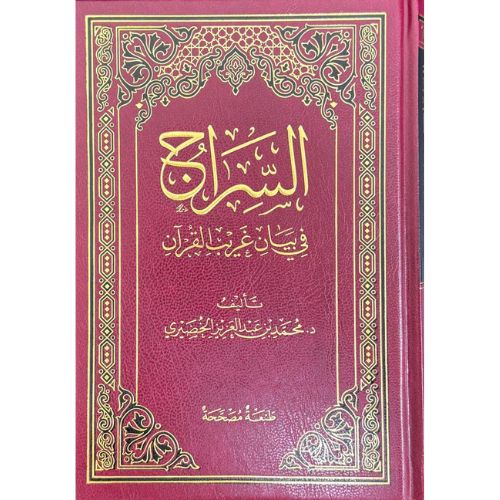
[AUQ]As-Siraj Fi Bayan Gharib Al-Qur’an/ السراج في بيان غريب القرآن
أما عبارة “بيان غريب القرآن” فهي توضّح موضوع الكتاب بدقة، حيث تشير إلى شرح الكلمات النادرة أو الصعبة في القرآن الكريم وبيان معانيها اللغوية. وهذا النوع من الكتب مهم لطلاب العلم والباحثين في اللغة العربية وعلوم القرآن، لأنه يساعد على فهم المفردات القرآنية التي قد تكون غير مألوفة.
وبشكل عام، فإن العنوان يجمع بين الأسلوب البلاغي الجذاب والدلالة العلمية الواضحة، مما يعكس هدف المؤلف في توضيح معاني الألفاظ الغريبة في القرآن الكريم وتسهيل فهمها للقارئ.
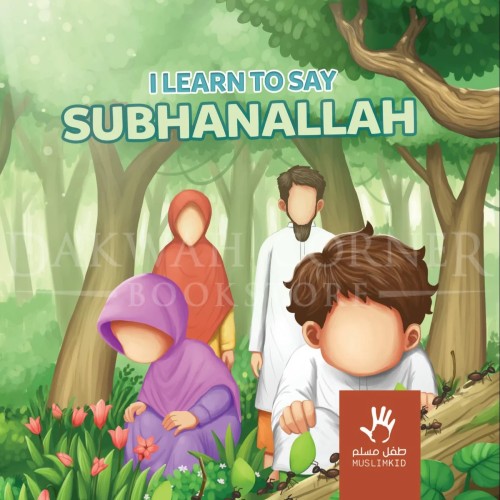
I Learn To Say Subhanallah
Discover a selection of captivating illustrations, accompanied by basic, but important concepts for young Muslim children. I Learn to Say SubhanAllah is the second issue of the “I Learn to Say” series. Throughout this second issue your child will learn when to say SubhanAllah through a beautiful story about Muhammad and Zaynab. This hardcover, 60-page book explains when and why we say SubhanAllah in a fun way. Take your time to read this story with your child, and nurture in them the importance of saying SubhanAllah. The characters in the book are expressionless to help develop young and curious imaginations.
The Right to Education, Work and Welfare in Islam (P/B)
In The Right to Education, Work and Welfare in Islam Professor M.H. Kamali develops an Islamic perspective on three connected and complementary areas of rights and liberties. He urges that education is often a necessary ingredient of professional work even more so now than in earlier times when the range and variety of specialised knowledge were relatively limited. A person who acquires education, whether generally or at advanced levels of specialisation, is more likely to stand in a better position to enter the workforce and thus to contribute to the welfare of the community.
The author commences his discussions on education, work and welfare in Islam by focusing on how each is treated in the Qur’an; and follows this by the example of the Prophet and, after him, the Pious Caliphs who gave prominence to the education and welfare needs of people at times both of scarcity and affluence. Professor Kamali then moves forward to our time and discusses the right to education, the education of children, institutionalisation of learning, academic freedom and the debate between science and religion.
The section on work elaborates on the value of work, work ethics, workers’ and employers’ rights and responsibilities, and the role and responsibility of governments.
Finally, the section on welfare focuses on the importance in Islam of caring for those who are in need and the different forms of provision that can be made available by individuals, the state and charities.
Quranic Arabic With Basic Grammar
This book, which is a compilation of the author’s lectures in seminars during his post-doctoral research at the Centre for Islamic Development Management Studies, Universiti Sains Malaysia, dwells on Arabic language with a focus on Quranic grammar. It comprises of three parts, each part contains various units. The first part contains 15 unit which look into the nouns, pronouns, different types of compounds, the nominal sentence and punctuation. The second part consists of seven units which discuss the various types of tenses, sentences, the imperatives and the particles. The last part featuring five units covers prepositions and different types of words in Arabic.


There are no reviews yet.