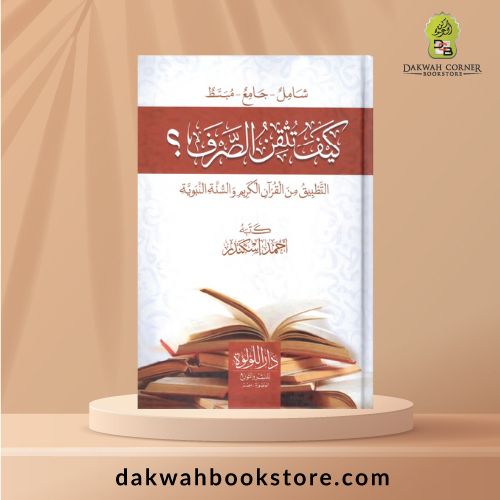
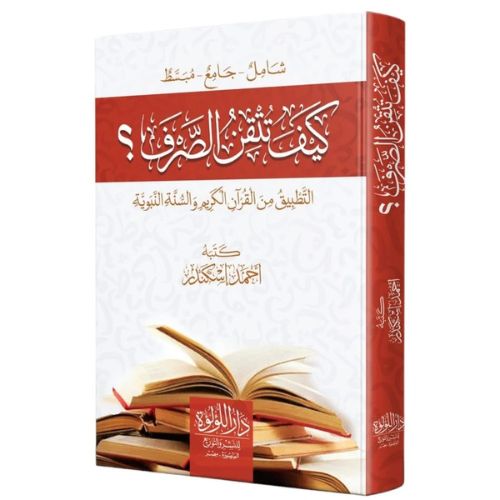
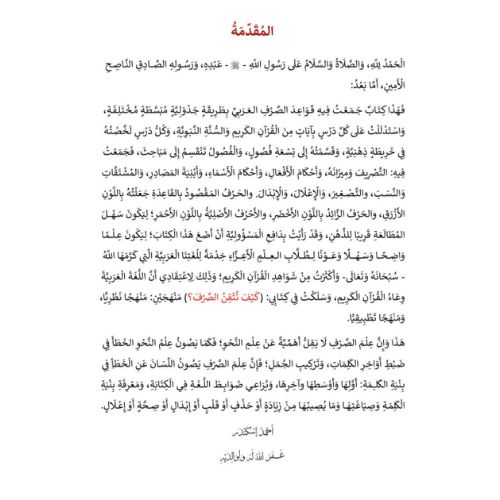
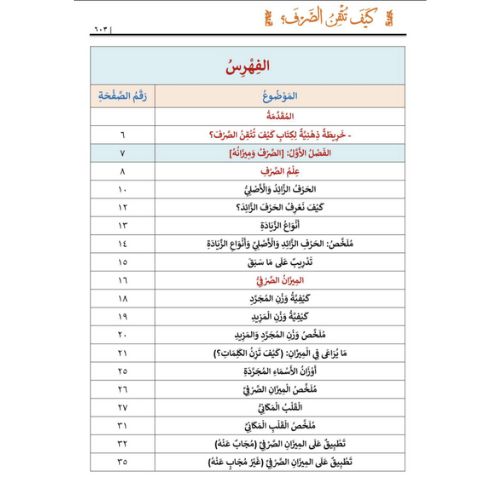
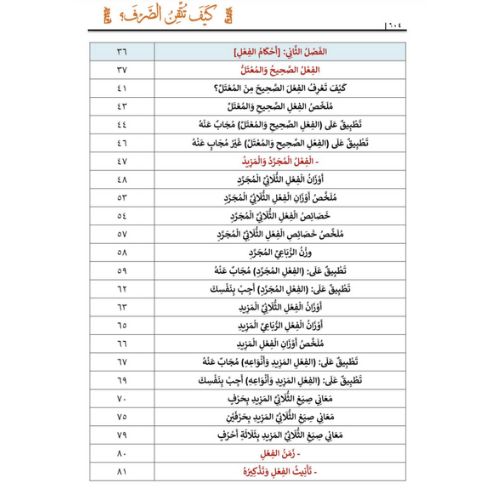

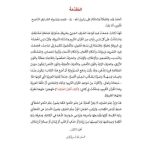
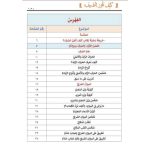
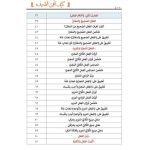
هَذَا كِتَابَ جَمَعْتُ فِيهِ جَمِيعَ قَوَاعِدِ الصَّرْفِ الْعَرَبِيَّ: فَجَمَعْتُ فِيهِ التَّصْرِيفَ وَمِيزَانَهُ، وَأَحْكامَ الْأَفْعَالِ، وَأَحْكَامُ الْأَسْمَا وَأَبنِيَةَ المَصادِرِ، وَالمُشْتَقَاتِ، وَالنَّسَبَ والتَّصْغِيرَ، وَالْإِعْلَالَ وَالْإِبْدَالَ والحَرْفُ المَقْصُودُ بالقَاعِدَةِ جَعَلْتُهُ بِاللَّوْنِ الْأَزْرَقِ، وَالحَرْفُ الزَّائِدُ بِاللَّوْنِ الأَخْضَرِ ، والأخرُفُ الأَصْلِيَّةُ بِاللَّوْنِ الْأَحْمَرِ لِيَكُونَ سَهْلَ المُطَالَعَةِ قَرِيبًا لِلذَّهَنِ والشرح بطريقة جدوَلِيَّةٍ سَهْلَةٍ مُبَشَطَةٍ ، وَاسْتَدْلَلْتُ عَلَى كُلِّ دَرْسٍ بِآيَاتِ مِنَ الْقُرْآنِ الْكَرِيمِ وَالسَّنَّةِ النَّبَوِيَّةِ الشَّرِيفَةِ، وَكُلُّ دَرْسٍ لَخَصْتُهُ فِي خَرِيطَةٍ ذِهْنِيَّةٍ يَجِبُ عَلَيْنَا جَمِيعًا أَنْ نَسْتَى طَوَالَ الْوَقْتِ لِلْحِفَاظِ عَلَى اللُّغَةِ الْعَرَبِيَّةِ لأَنها لُغَةً مُقَدَّسَةً عَظِيمَةً وَهِيَ مَصْدَرُ الْفَخْرِ لَنَا، وَأَن تَعْمَلَ عَلَى تَوْعِيَةِ الْأَحْيَالِ الْقَادِمَةِ بِأَهَمِّيَّةِ اللَّغَةِ الْعَرَبِيَّةِ
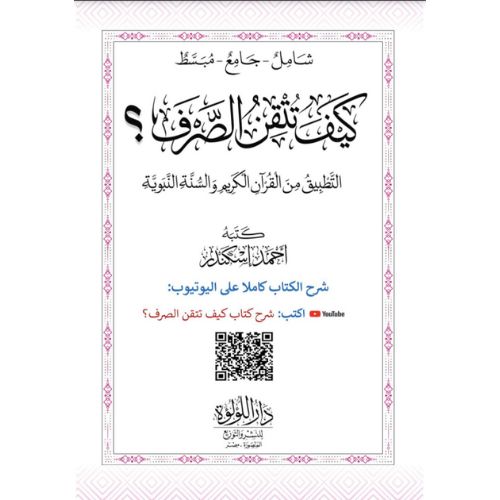
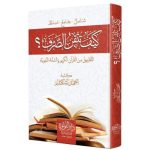
[AR] Kayfa Tutkinun Sorfa (كيف تتقن الصرف التَّطبِيقُ مِنَ الْقُرْآنِ الْكَرِيمِ وَالسُّنَّةِ النَّبَوِيَّةِ)
RM100.00
كيف تتقن الصرف
التَّطبِيقُ مِنَ الْقُرْآنِ الْكَرِيمِ وَالسُّنَّةِ النَّبَوِيَّةِ
—-
اسم المؤلف : احمد اسكندر
Frequently Bought Together
| Weight | 1.500 kg |
|---|---|
| Dimensions | 24.5 × 17 × 3 cm |
| Author | |
| ISBN | 9789779976235 |
| Binding | Hardcover |
| Pages | 618 |
| Publisher | Al-Lulu'a (دار اللؤلؤة) |
Be the first to review “[AR] Kayfa Tutkinun Sorfa (كيف تتقن الصرف التَّطبِيقُ مِنَ الْقُرْآنِ الْكَرِيمِ وَالسُّنَّةِ النَّبَوِيَّةِ)” Cancel reply
You must be logged in to post a review.
You may also like…
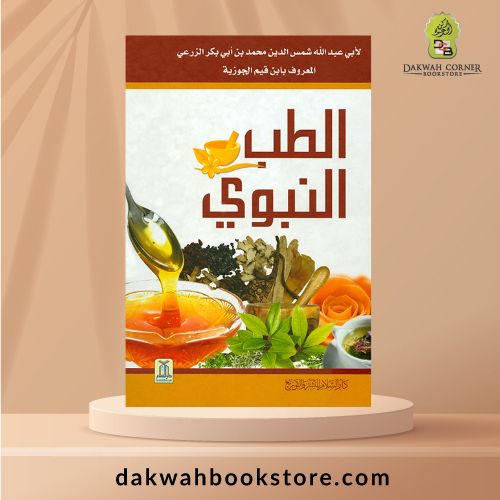
[MM] Al-Tib An-Nabwi *New Color Edition (الطب النبوي)
قال ابن قيم الجوزية رحمه الله: “وليس طِبُّهُ صلى الله عليه وسلم كطبِّ الأطباء، فإن طبَّ النبيِّ صلى الله عليه وسلم مُتيقَّنٌ قطعيٌّ إلهيٌّ، صادرٌ عن الوحي، ومشكاة النبوَّة، وكمالِ العقل. وطبُّ غيره أكثرُه حَدْسٌ وظنونٌ، وتجاربٌ. ولا يُنْكَرُ عدمُ انتفاع كثيرٍ من المرضى بطبِّ النبوة؛ فإنَّه إنما ينتفعُ به مَن تلقاهُ بالقبول واعتقادِ الشِّفاء به، وكمال التلقِّي له بالإيمان والإذعان”.
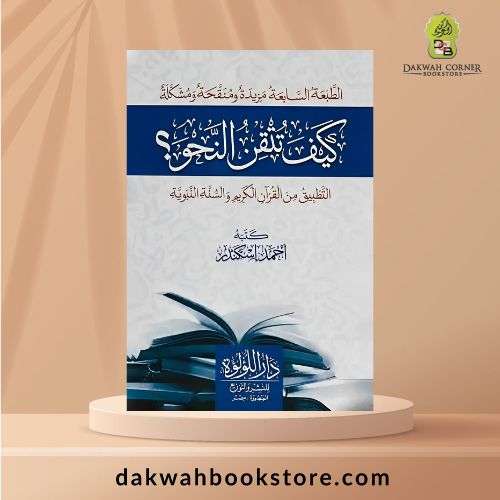
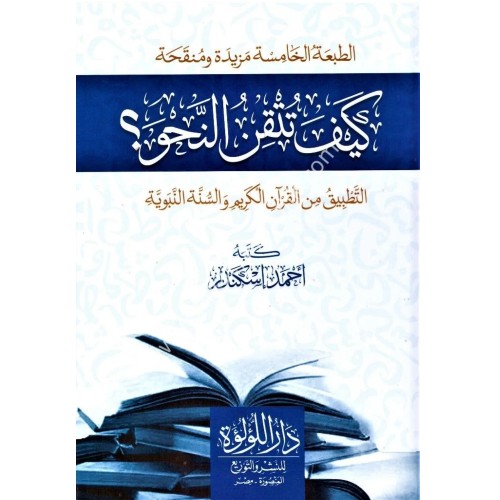
[AR] Kayfa Tutkinun Nahwa (كيف تتقن النحو)
يبدأ الكتاب بعلامات النحو والأساليب النحوية ويستمر حتى يصل إلى أهم وأعمق فروع القواعد في هذا المقال سيوضح موقع “مطبات” كل التفاصيل التي ترغبون في معرفتها.
Related Products
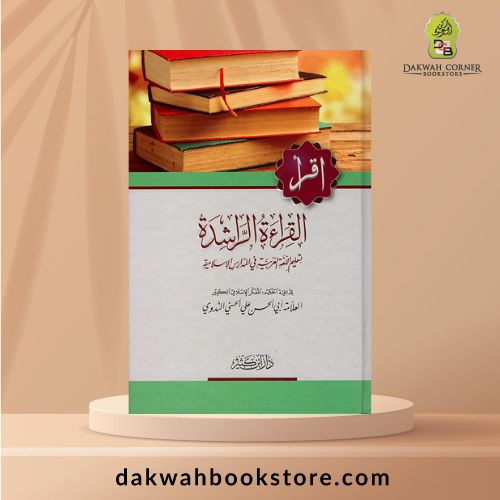
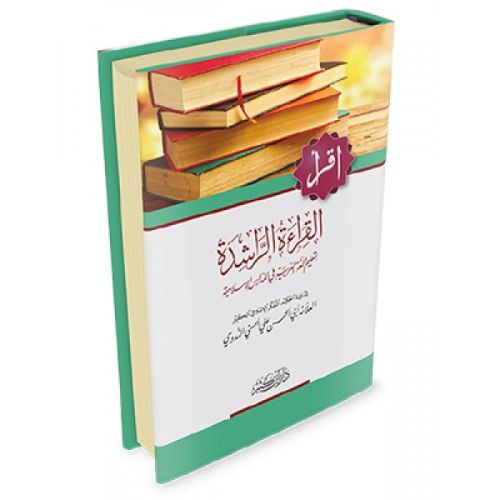
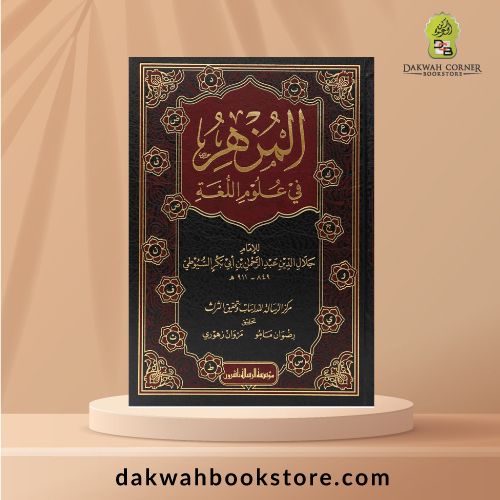
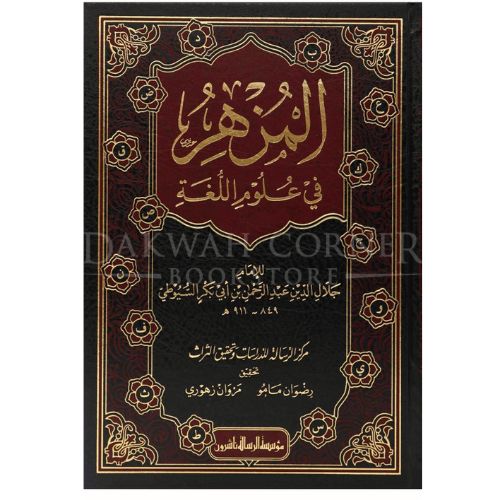
[AR] Al Muzhar Fi ‘Ulum Al Lagha / المزهر في علوم اللغة
المظهر في علوم اللغة العربية (مضيء على علوم اللغة العربية) – جزءان
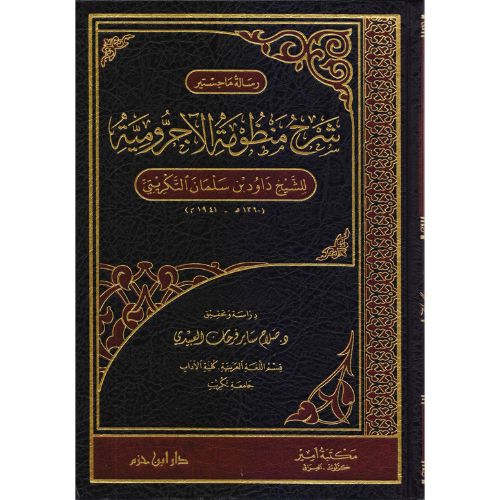
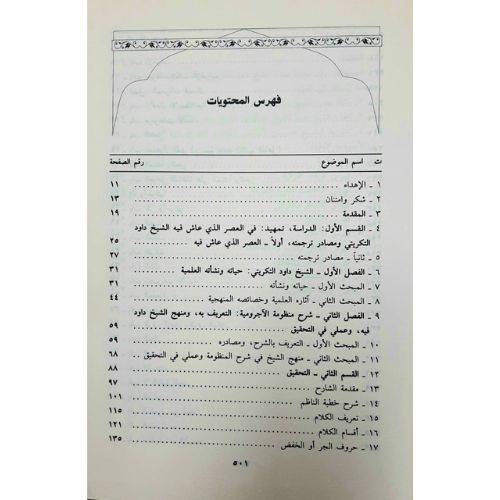
[MM] Sharh Mandhumah Al-Ajrumiyyah – Shaykh Dawud At-Tikriti (شرح منظومة الآجرومية – داود بن سلمان التكريتي)
شرح منظومة الآجرومية لداود بن سلمان التكريتي (1360 هـ) عالم عراقيتحقيق هذا الكتاب هو في الأصل رسالة ماجستير قدمت في جامعة تكريت
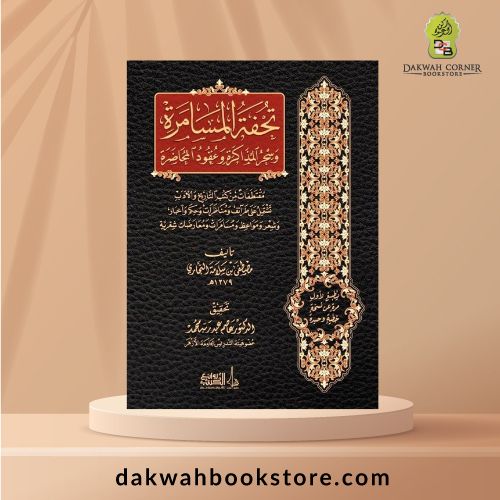
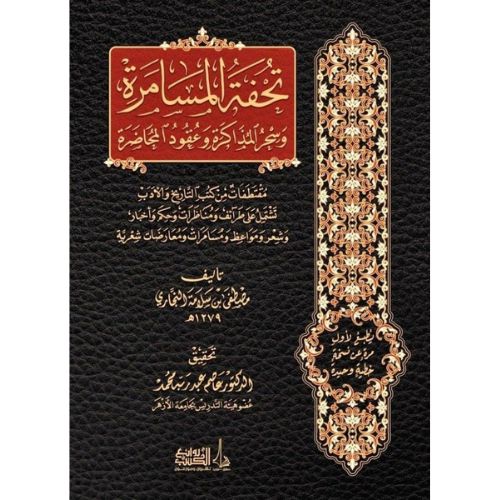
[GB] Tuhfat al-Musamarah wa-Sihr al-Mudhakarah wa-‘Uqud al-Muhadarah / تحفة المسامرة وسحر المذاكرة وعقود المحاضرة
مقتطفات من كتب التاريخ والأدب تشتمل على طرائف ومناظرات وحكم وأخبار، وشعر ومواعظ ومسامرات ومعارضات شعرية
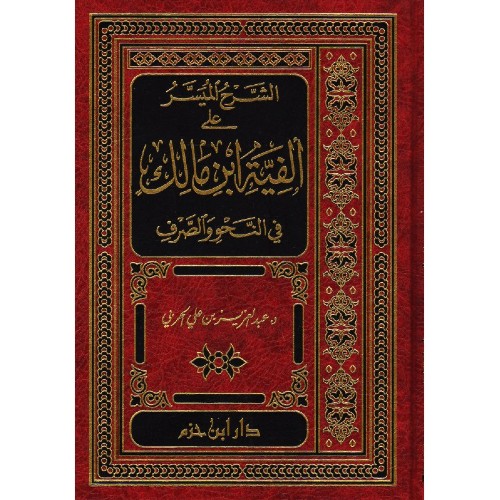
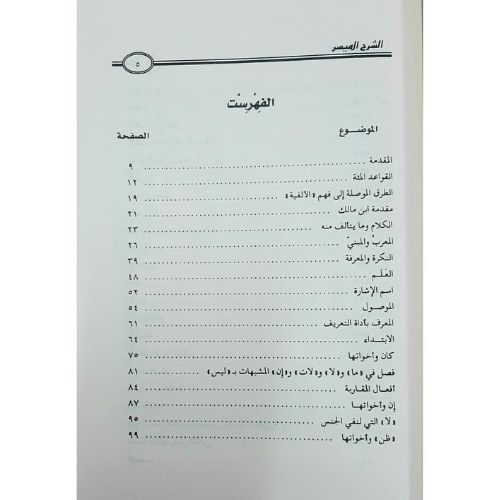
[AR] Al-Sharh Al-Muyasar Ala Alfiat Ibn Malik Fin Nahw Wa Sarf / الشرح الميسر على ألفية ابن مالك في النحو والصرف
الشرح الميسر على ألفية ابن مالك في النحو والصرف – د. عبد العزيز بن علي الحربي
[AR] At-Tatbeeqiyyah an-Nahwiyyah ‘ala Matn al-Ajrumiyyah – التطبيقية النحوية على متن الأجرومية
وقد جمعنا تلك التطبيقات الإعرابية في جداول منهجية مرتبة ومركزة، تضع تحت الشاهد خطين، وتحت المتعلق الإعرابي الأقل أهمية خطا واحدًا، ثم طبع الكتاب أربع طبعات، أول ثلاث منها باسم: “دليل الإعراب المتعلمي التحفة السنية”، وأما الطبعة الرابعة فباسم : “دليل الإعراب المتعلمي الأجرومية”.
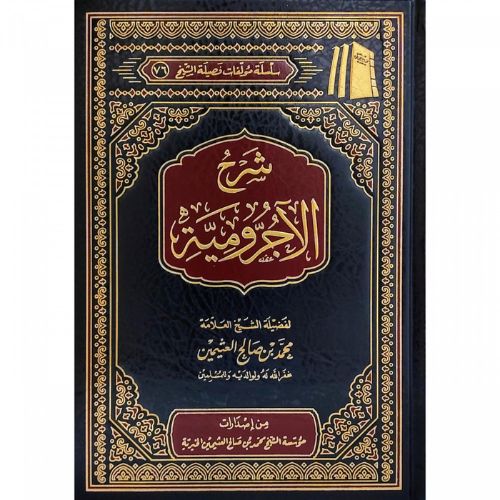
[AR] Sharhu Al-Ajrumiah (شرح الاجرومية)
شرح الاجرومية محمد بن صالح العثيمين
هذا شرح تعليمي لمتن ابن آجروم في النحو المعروف بالآجرومية، اعتنى فيه الشارح ببيان مفردات التعاريف، ومحترزاتها، وأمثلتها، مع إضافة بعض الشروط والأمثلة على ما ذكره الماتن، وقد وردت في آخر كل فصل أسئلة مع الإجابة عليها
Recently Viewed
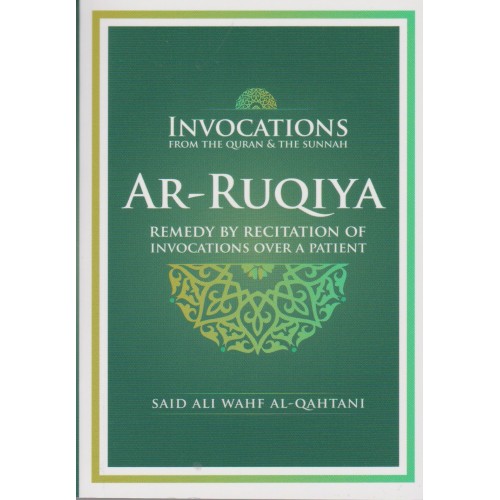
Invocations Ar-Ruqiya (Pocket Size)
This book book is presented with translation for non Arab Muslims who are unable to understand the meaning in Arabic. This will help them to understand the meaning of these supplications which are taken from the Qur’an and the Prophet’s traditions. This will also help them to achieve an improved state in their worship of Allah.
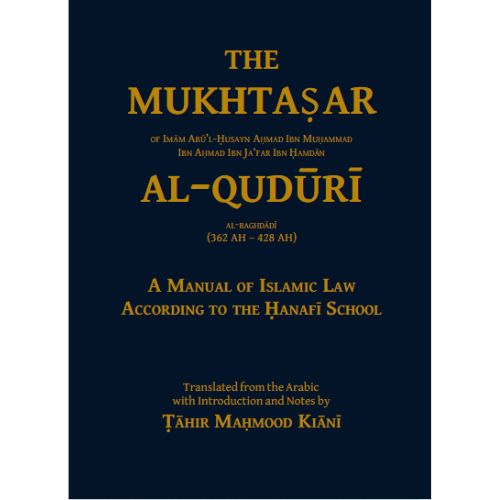
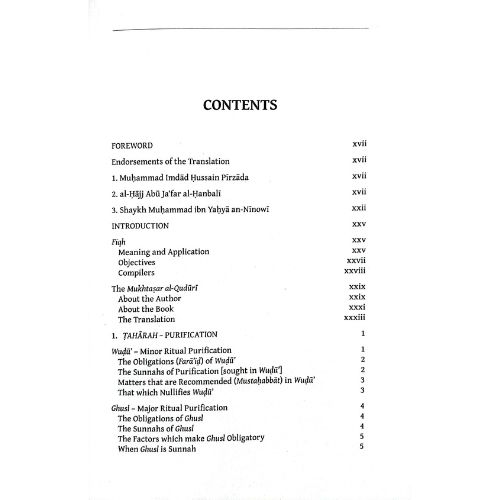
The Mukhtasar Al-Quduri
The Mukhtasar Al-Quduri is one of the most celebrated and influential treatises in any Muslim school of methodology and thought and is the foundation for the Hanafi school.
It is both the first source for scholars and a manual for the general reader.
This is its first ever complete translation in English.
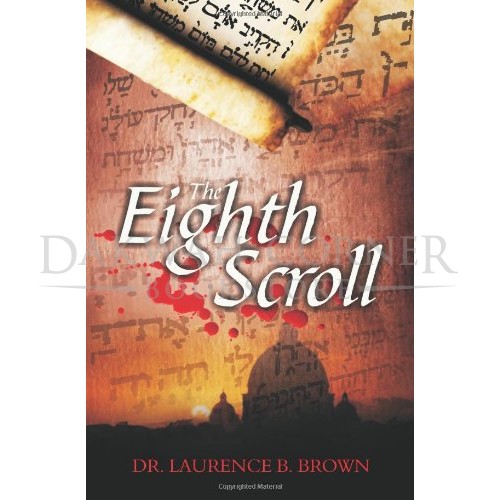
The Eighth Scroll
Stirring the flames of age-old controversies, The Eighth Scroll by Laurence B. Brown draws on the three Abrahamic faiths of Judaism, Christianity, and Islam to create an unbelievably dynamic and powerful story.
The Right to Education, Work and Welfare in Islam (P/B)
In The Right to Education, Work and Welfare in Islam Professor M.H. Kamali develops an Islamic perspective on three connected and complementary areas of rights and liberties. He urges that education is often a necessary ingredient of professional work even more so now than in earlier times when the range and variety of specialised knowledge were relatively limited. A person who acquires education, whether generally or at advanced levels of specialisation, is more likely to stand in a better position to enter the workforce and thus to contribute to the welfare of the community.
The author commences his discussions on education, work and welfare in Islam by focusing on how each is treated in the Qur’an; and follows this by the example of the Prophet and, after him, the Pious Caliphs who gave prominence to the education and welfare needs of people at times both of scarcity and affluence. Professor Kamali then moves forward to our time and discusses the right to education, the education of children, institutionalisation of learning, academic freedom and the debate between science and religion.
The section on work elaborates on the value of work, work ethics, workers’ and employers’ rights and responsibilities, and the role and responsibility of governments.
Finally, the section on welfare focuses on the importance in Islam of caring for those who are in need and the different forms of provision that can be made available by individuals, the state and charities.
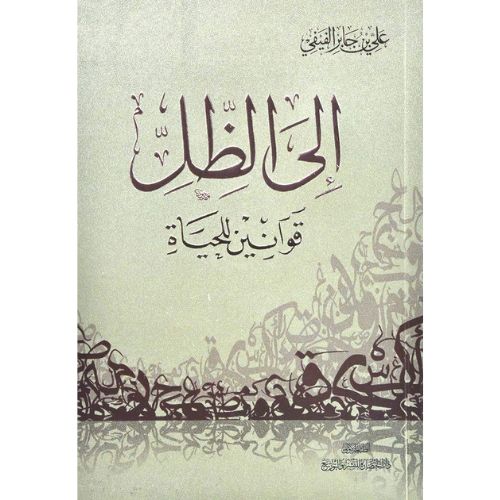
[MM] Ila Alzili (إلى الظل)
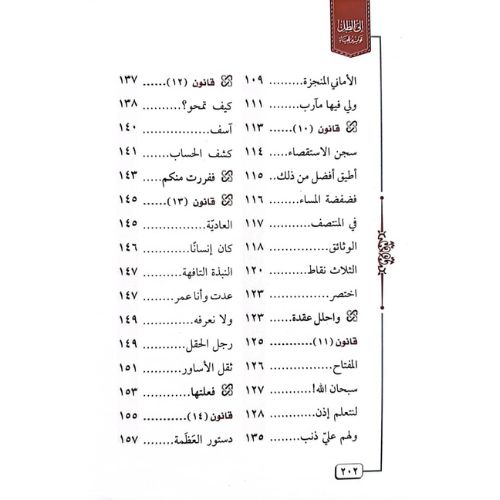
هذا الاقتباس يختصر القانون الثالث من هذا الكتاب، قانون: تولى إلى الظل ، فالكتاب يحتوي على 17 قانون من قوانين الحياة جميعها مستنبطة من قصة نبي الله موسى عليه السلام عندما قتل رجلاً من بني اسرائيل ففر خوفاً من فرعون إلى مَدين ، ثم باقي تفاصيل القصة حتى عاد إلى فرعون وسحرته في يوم الزينة.
Backbiting and Its Adverse Effects
This is a revised and updated edition of Backbiting (formerly entitled Gossip and its Adverse Effects). The translator, Huda Khattab, explains: The Qur’an states: {…nor speak ill of each other behind their backs. Would any of you like to eat the flesh of his dead brother? No, you would abhor it…} (Qur’an 49: 12) We cannot escape the fact that backbiting affects us all. We have all been victims and, we must be honest, we have all been guilty of this sin. But it is not a matter to be taken lightly; backbiting can wreck lives and shatter communities. Islam is a practical faith that recognizes the human condition and offers achievable remedies to the problems that beset us. Every human society faces the problem of backbiting, and Islam shows us how to tackle it in a sensible and humane manner. Husayn al-Awayishah has researched this topic in depth, and has presented a concise guide to the evils of backbiting and what can be done about it. This book may make for uncomfortable reading, but the topic is one that every one of us has to face up to.
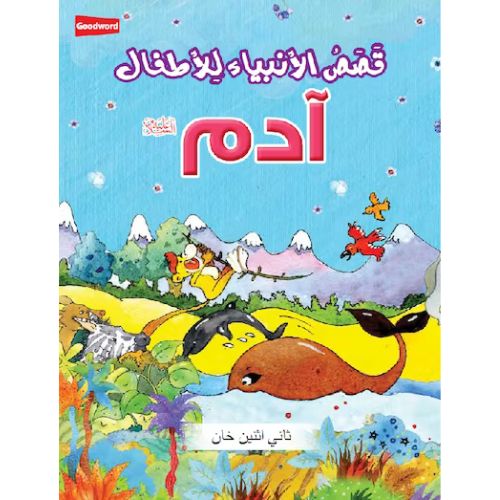
The Prophet Adam (Arabic)
Quran Stories for Kids series provides an ideal first introduction to the Quran, its stories and people for little ones. Each attractive book retells one complete story from the Quran. Written in simple and easy-to-read narrative, with child-friendly illustrations on every page, will surely capture children’s attention and hold their interest. This appealing story about the Prophet Adam, impresses upon young children the need to treat every human being with love and respect.
A Student’s First Guide to Juz ‘Amma
Introducing a comprehensive textbook for learning and understanding the 30th and final Juz (part) of the Holy Qur’an.


There are no reviews yet.