

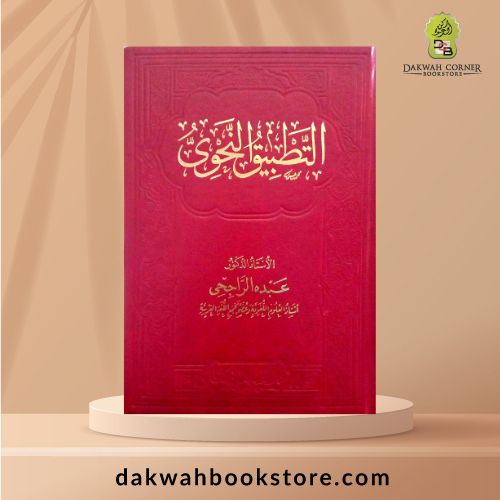
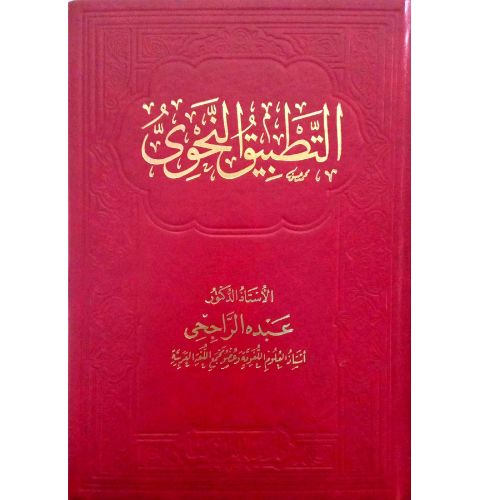

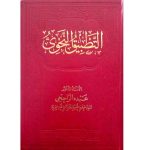
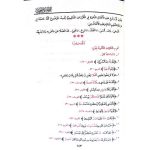
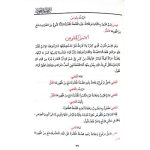
![[AR] An-Nahu at-Tatbiqi (النحو التطبيقي)](https://shop.dakwahbookstore.com/wp-content/uploads/2022/10/AB595-x500.jpg)
![[AR] At-Tatbeeqiyyah an-Nahwiyyah ‘ala Matn al-Ajrumiyyah - التطبيقية النحوية على متن الأجرومية](https://shop.dakwahbookstore.com/wp-content/uploads/2024/10/TARIQ-16.jpg)
| Weight | 0.900 kg |
|---|---|
| Dimensions | 24 × 17.5 × 2.7 cm |
| Author | |
| Pages | 455 |
| Binding | Hardcover |
| Publisher | Darus Sahabah At Turath |
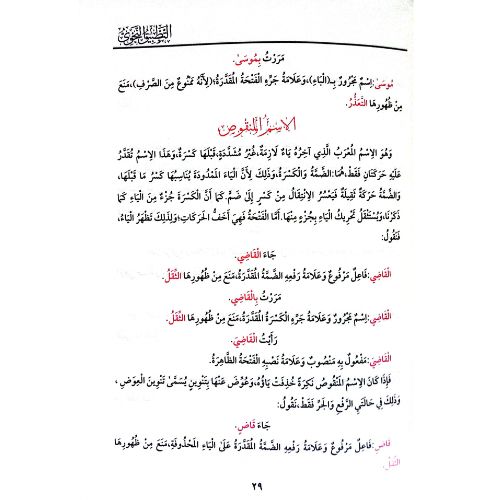
[AR] At Tatbiqu An Nahwi /التطبيق النحوي
RM75.00
Hurry up, Only 1 left.
somdn_product_page
Compare
SKU: ALA114 (AB1484)
Categories: Al-Lughatul Arabiyah (اللغة العربية), Arabic Books
Frequently Bought Together
1 Item
RM75.00
2 Add-Ons
RM170.00
Total
RM245.00
Additional information
Reviews (0)
Be the first to review “[AR] At Tatbiqu An Nahwi /التطبيق النحوي” Cancel reply
You must be logged in to post a review.
Related Products
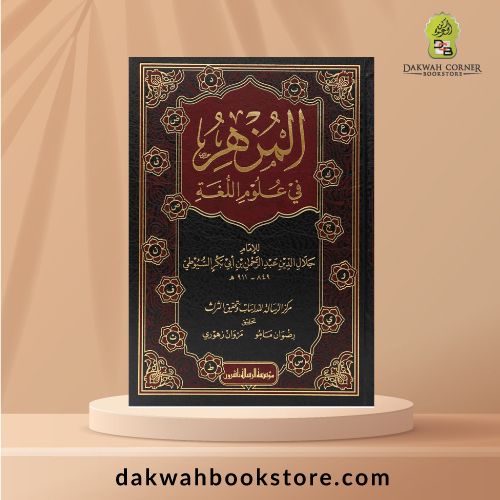
[AR] Al Muzhar Fi ‘Ulum Al Lagha / المزهر في علوم اللغة
Highlights:
المظهر في علوم اللغة العربية (مضيء على علوم اللغة العربية) – جزءان
RM185.00
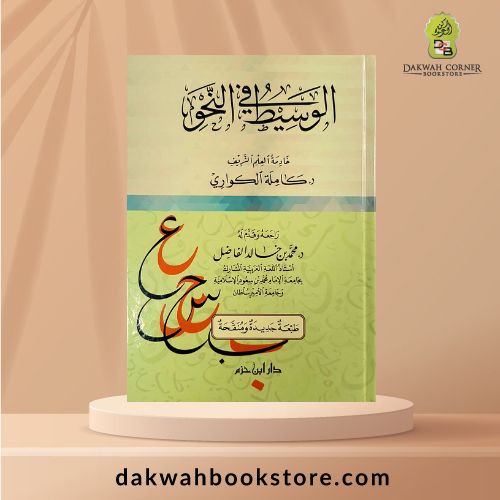
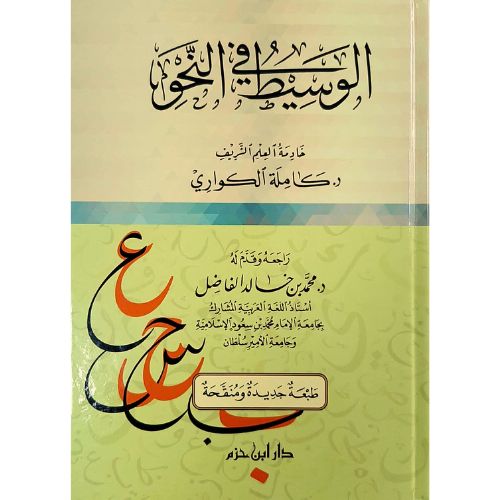
[AR] Kayfa Tutkinun Ajrumiyyah / كيف تتقن الاجرومية
Highlights:
“كيف تتقن الآجرومية” هو إصدار جديد ضمن سلسلة “تسهيل تعليم اللغة العربية” للأستاذ أحمد إسكندر، بعد النجاح الكبير الذي حققته مؤلفاته السابقة: “كيف تتقن النحو”، “الصرف”، و”البلاغة”.
يُعد هذا الكتاب دليلًا تعليميًّا يهدف إلى تبسيط وتوضيح قواعد النحو العربي للمبتدئين، معتمدًا على متن الآجرومية، وهو نص تعليمي شهير في علم النحو ألفه الإمام محمد بن محمد بن داود بن آجروم.
يتناول الكتاب موضوعات أساسية في النحو، مثل: أقسام الكلام، الإعراب، الأفعال، المرفوعات، المنصوبات، والمخفوضات من الأسماء. يتميز بأسلوب سهل ومنهجي، مما يجعله مناسبًا للطلاب الذين يبدؤون رحلتهم في تعلم قواعد اللغة العربية.
RM100.00
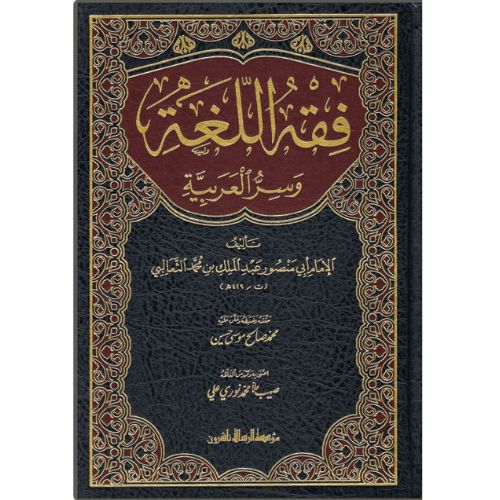
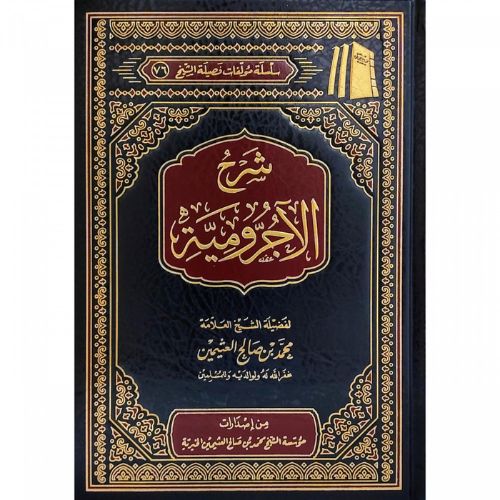
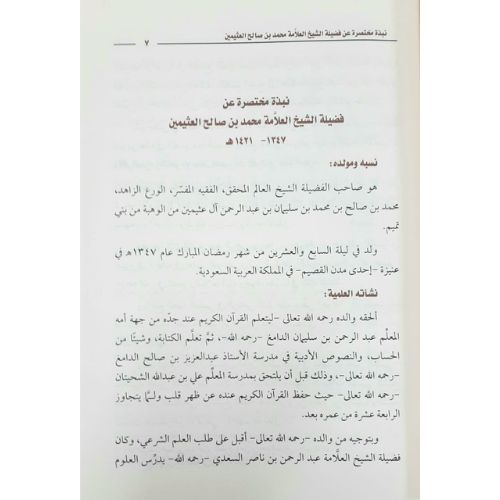
[AR] Sharhu Al-Ajrumiah (شرح الاجرومية)
Highlights:
شرح الاجرومية محمد بن صالح العثيمين
هذا شرح تعليمي لمتن ابن آجروم في النحو المعروف بالآجرومية، اعتنى فيه الشارح ببيان مفردات التعاريف، ومحترزاتها، وأمثلتها، مع إضافة بعض الشروط والأمثلة على ما ذكره الماتن، وقد وردت في آخر كل فصل أسئلة مع الإجابة عليها
RM79.00
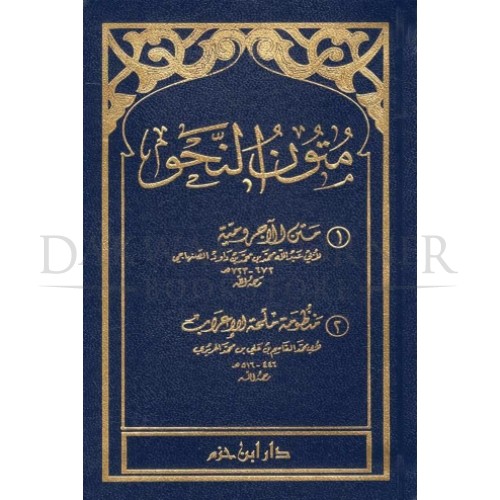
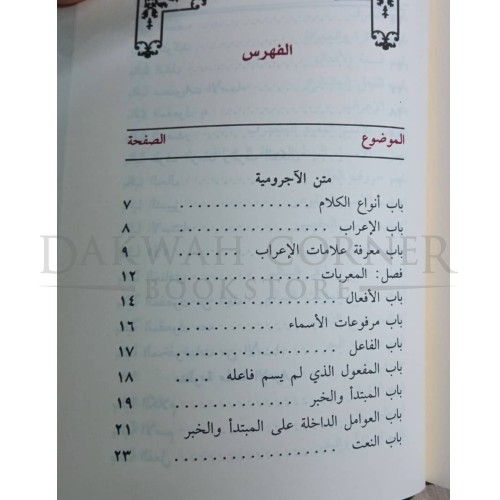
[AR] Mutunun AnNahu (متون النحو)
Highlights:
متون النحو (الآجرومية وملحة الإعراب ) لونان ـ شاموا ( 10×15 فلكسي )
RM20.00
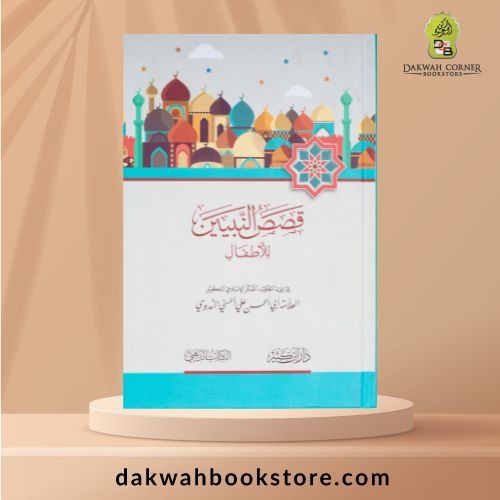
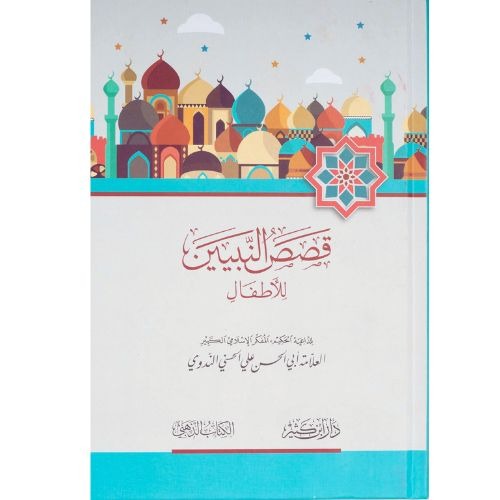
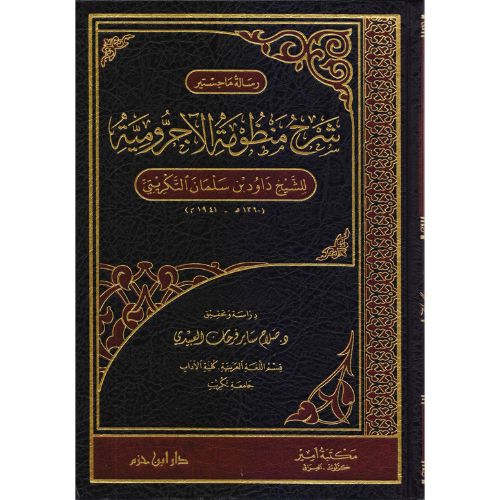
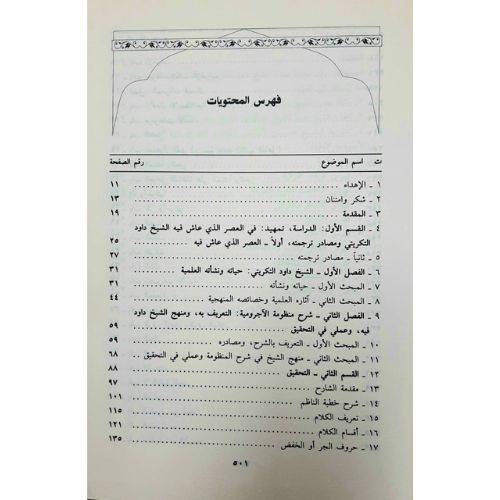
[MM] Sharh Mandhumah Al-Ajrumiyyah – Shaykh Dawud At-Tikriti (شرح منظومة الآجرومية – داود بن سلمان التكريتي)
Highlights:
شرح منظومة الآجرومية لداود بن سلمان التكريتي (1360 هـ) عالم عراقيتحقيق هذا الكتاب هو في الأصل رسالة ماجستير قدمت في جامعة تكريت
RM75.00
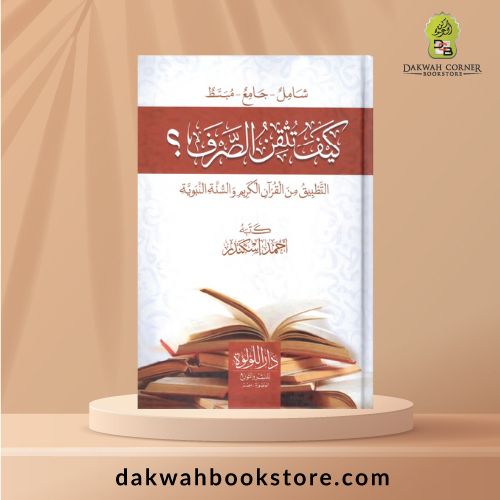
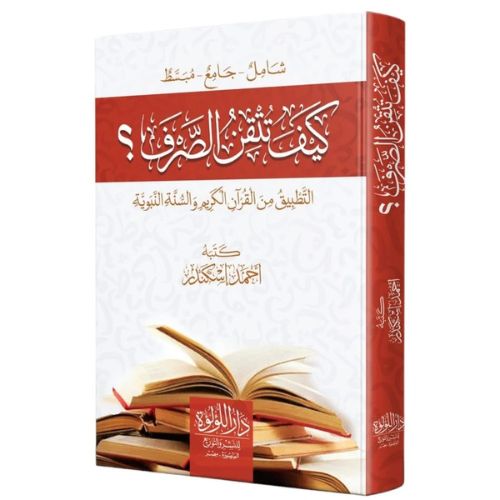
[AR] Kayfa Tutkinun Sorfa (كيف تتقن الصرف التَّطبِيقُ مِنَ الْقُرْآنِ الْكَرِيمِ وَالسُّنَّةِ النَّبَوِيَّةِ)
Highlights:
كيف تتقن الصرف
التَّطبِيقُ مِنَ الْقُرْآنِ الْكَرِيمِ وَالسُّنَّةِ النَّبَوِيَّةِ
—-
اسم المؤلف : احمد اسكندر
RM100.00
Recently Viewed
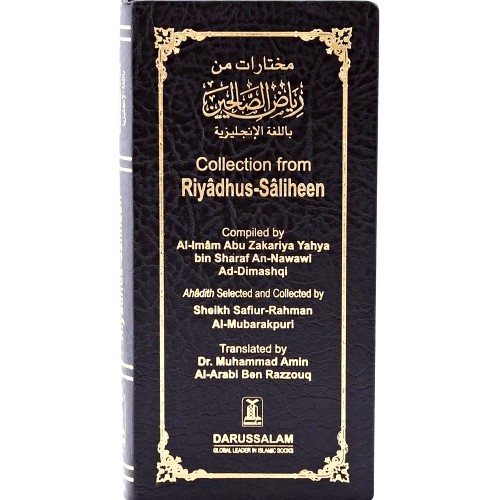
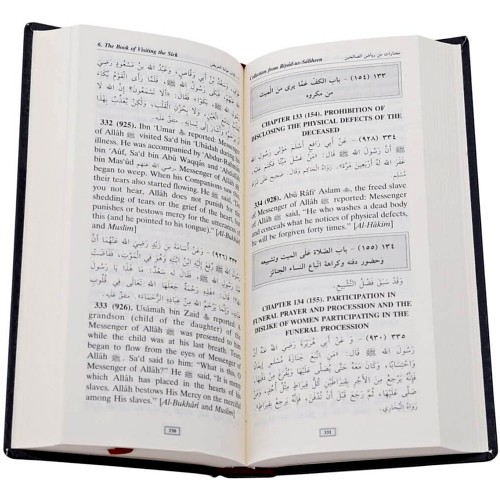
Collection from Riyadhus Saliheen (Tall Edition)
Highlights:
Imam Nawawi the great Hadith and Fiqh scholar compiled Riyad-us-Saliheen which acclaimed an important position in the Hadith Collections.
RM50.00

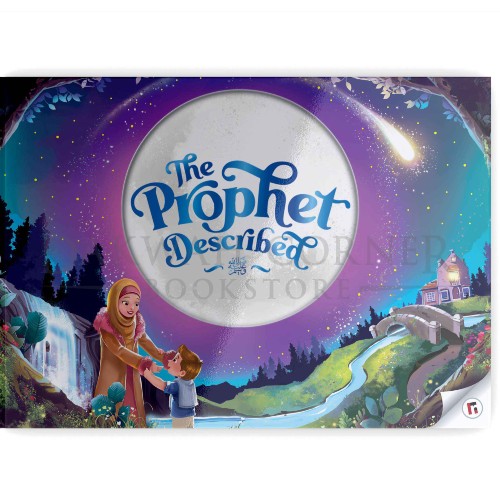
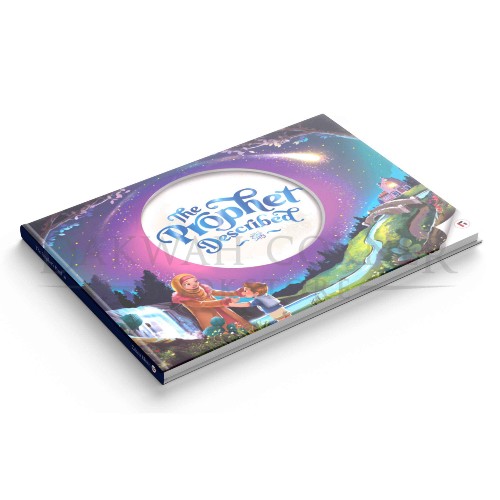
The Prophet (S) Described (Learning Roots)
Highlights:
If you were asked to describe the appearance of the Prophet Muhammad (S), what would you say?
The Prophet Described weaves together classical accounts of the appearance and character of Allah’s finest creation, using the narrations of those closest to him. Expertly crafted into a story-conversation between a mother and son, and using flowing, rhyming text, this book makes learning about Allah’s Messenger (S), a rich and captivating experience. With spectacular illustrations that subtly echo the descriptions, this book is a treasure to be read over and over again.
RM65.00
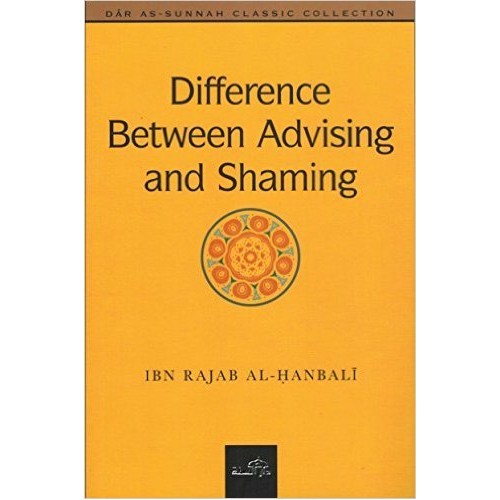
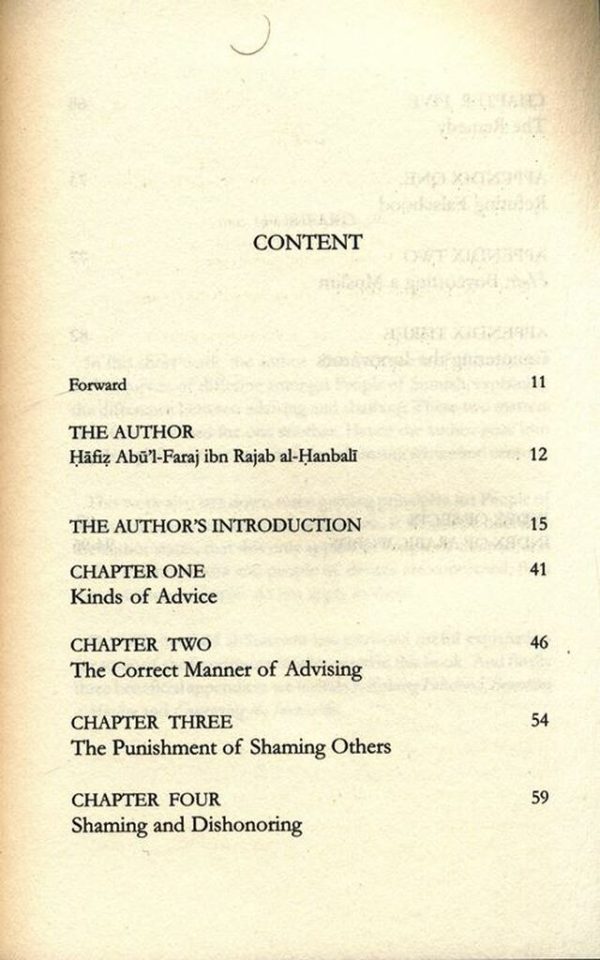
Difference Between Advising And Shaming ( Dar as-Sunnah)
4.5 ★
4.5 ★
2 Ratings
5 ★
1
4 ★
1
3 ★
0
2 ★
0
1 ★
0
Highlights:
[This book] beautifully illustrates the difference between advising that is encouraged and shaming that is not permitted.
RM40.00
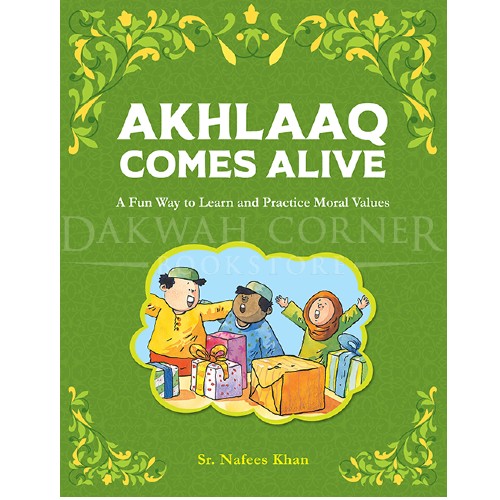
Akhlaaq Comes Alive (P/B)
Highlights:
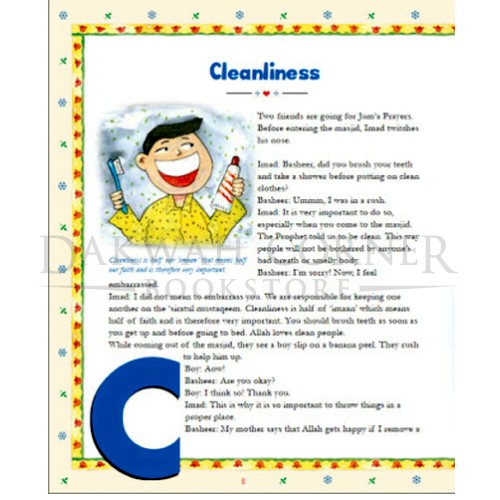
Often elders find it difficult to find a fun way to teach children akhlaaq, that is, moral values and good manners in Islam. All About Akhlaaq, being a fun book, will aid them in this. Designed for use at home and school, it covers a wide range of moral issues and the occasions in daily life when good manners are essential. Colourful and story-filled, with an easy-to-use format and short skits, it will give a better understanding of each akhlaaq by encouraging children, parents and teachers to engage in role playing. Each theme, listed alphabetically, is expressed in simple language and has attractive illustrations on every page. What better way to learn akhlaaq than by acting it out! So, be active and practice akhlaaq!
RM25.00
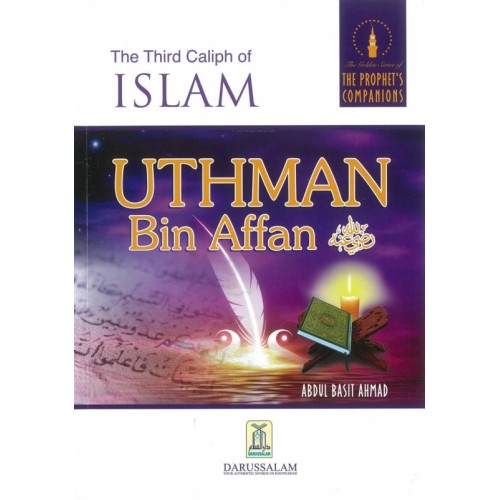
The Third Caliph of Islam: Uthman bin Affan (P/B)
Highlights:
Uthman bin Affan (R) was one of the early men who accepted Islam in Makkah. From the first moment he became a Muslim, he put all his wealth under the service of Islam. He spent most of his resources to satisfy the needs of poor Muslims. Recognizing his generosity and devotion to Islam, the Prophet (S) told him that his place would be in Paradise on the Hereafter. He married Ruqayah (R),the Prophet’s daughter. After she died, he married her sister Um Kulthum ;for that, the people at that time called him Dhun Nurain, “The Man with the Two Lights.”
RM26.00
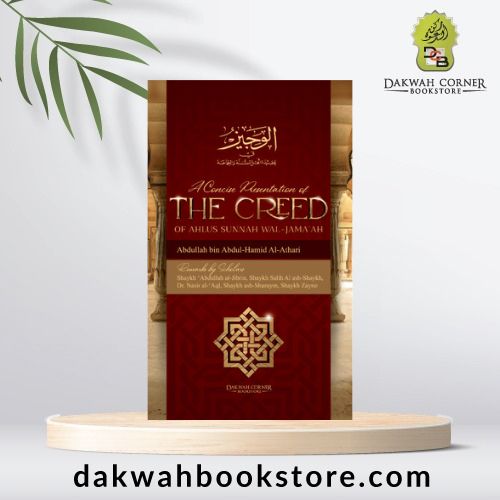
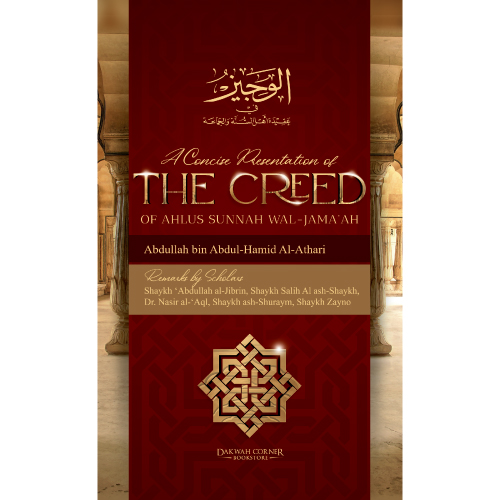
A Concise Presentation Of The Creed Of Ahlul Sunnah Wal Jama’ah
4.7 ★
4.7 ★
3 Ratings
5 ★
2
4 ★
1
3 ★
0
2 ★
0
1 ★
0
Highlights:
A Concise presentation of THE CREED OF AHLUS SUNNAH WAL-JAMA’AH: is an explanation on the beliefs of the Pious Predecessors of this Ummah. They include the companions, their followers and successors who have followed them in goodness and those who upheld the real and true Islam brought by the last Prophet Muhammad SAW.
RM45.00

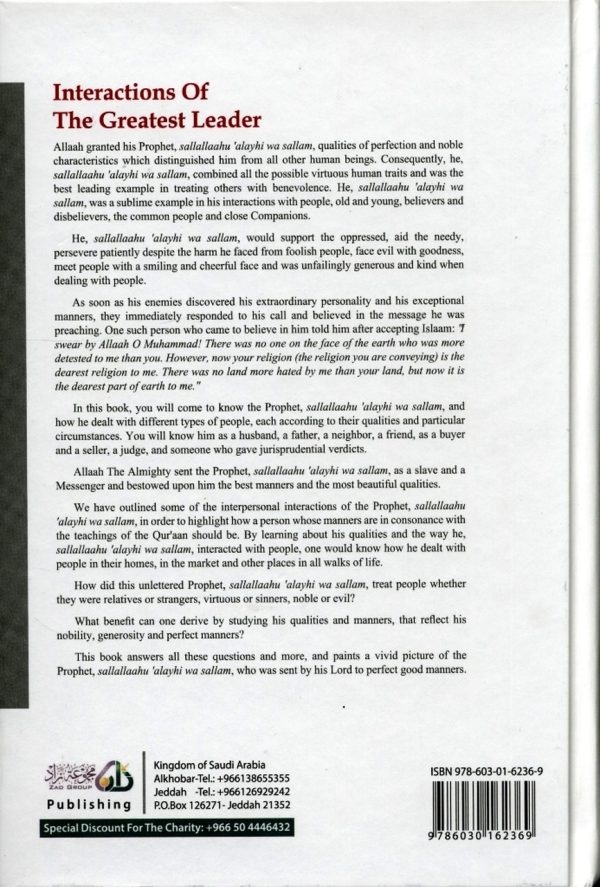
Interactions Of The Greatest Leader (H/B)
Highlights:
Allaah granted his Prophet, sallallaahu ‘alayhi wa sallam, qualities of perfection and noble characteristics which distinguished him from all other human beings. Consequently, he, sallallaahu ‘alayhi wa sallam, combined all the possible virtuous human traits and was the best leading example in treating others with benevolence. He, sallallaahu ‘alayhi wa sallam, was a sublime example in his interactions with people, old and young, believers and disbelievers, the common people and close Companions. He, sallallaahu ‘alayhi wa sallam, would support the oppressed, aid the needy, persevere patiently despite the harm he faced from foolish people, face evil with goodness, meet people with a smiling and cheerful face and was unfailingly generous and kind when dealing with people.
As soon as his enemies discovered his extraordinary personality and his exceptional manners, they immediately responded to his call and believed in the message he was preaching. One such person who came to believe in him told him after accepting Islaam: ” I swear by Allaah O Muhammad! There was no one on the face of the earth who was more detested to me than you. However, now your religion (the religion you are conveying) is the dearest religion to me. There was no land more hated by me than your land, but now it is the dearest part of earth to me.” In this book, you will come to know the Prophet, sallallaahu ‘alayhi wa sallam, and how he dealt with different types of people, each according to their qualities and particular circumstances. You will know him as a husband, a father, a neighbor, a friend, as a buyer and a seller, a judge, and someone who gave jurisprudential verdicts. Allaah The Almighty sent the Prophet, sallallaahu ‘alayhi wa sallam, as a slave and a Messenger and bestowed upon him the best manners and the most beautiful qualities. We have outlined some of the interpersonal interactions of the Prophet, sallallaahu ‘alayhi wa sallam, in order to highlight how a person whose manners are in consonance with the teachings of the Qur’aan should be.
By learning about his qualities and the way he, sallallaahu ‘alayhi wa sallam, interacted with people, one would know how he dealt with people in their homes, in the market and other places in all walks of life. How did this unlettered Prophet, sallallaahu ‘alayhi wa sallam, treat people whether they were relatives or strangers, virtuous or sinners, noble or evil? What benefit can one derive by studying his qualities and manners, that reflect his nobility, generosity and perfect manners? This book answers all these questions and more, and paints a vivid picture of the Prophet, sallallaahu ‘alayhi wa sallam, who was sent by his Lord to perfect good manners.
RM95.00
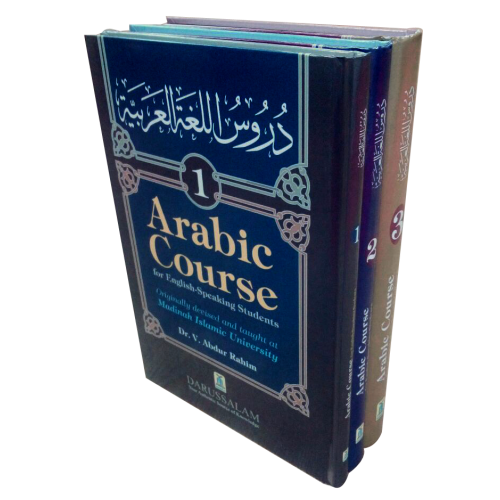
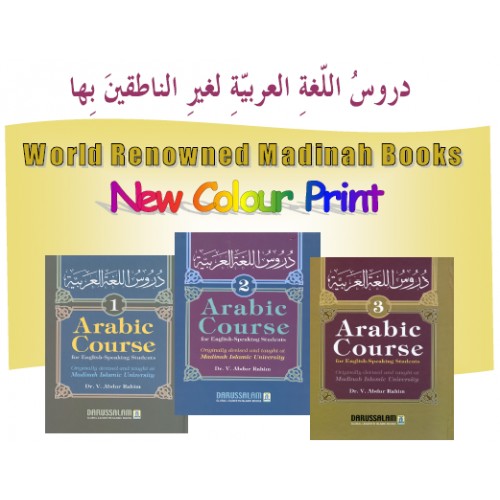
Arabic Course for English-Speaking Students -3 Vols (H/B)
5 ★
5 ★
1 Rating
5 ★
1
4 ★
0
3 ★
0
2 ★
0
1 ★
0
Highlights:
Easy Arabic Course (Durus al-Lughat al-Arabiyah) – For English-Speaking Students. As per the curricula and norms pescribed by the Islamic University of Madinah.
Combines Modern Arabic vocabulary with Islamic terminology as used in the Qur’an and hadith. Assists in learning Arabic grammar and essential language skills Uses a conversational approach to help understand grammatical usages in its perfect form. Contains Multi-skil exercises to improve vocabulary and language
RM300.00
RM21.00


The Sources of the Qur’an
Highlights:
“Who is the author of the Qur’an?” On this subject scholars have flagrantly contradicted each other. This work attempts to make a critical review of the major ‘authorship’ theories by pressing into service logical arguments, historical evidence, textual analysis and scientific data. Probably, the only point of agreement about the Qur’an is that it was uttered for the first time by a man who was born in Makkah (Mecca), a city of Arabia, in the sixth century—a man by the name of Muhammad (blessings and peace be upon him). As to the source of the Qur’an, scholars are divided into three main groups: those who believe that Muhammad (blessings and peace be upon him) himself was the author; those who believe that he was not the author himself but learned it from another human author or authors; and those who believe that the Qur’an has no human author but is rather a word-for-word revelation from God. Hamza Njozi examines the three theories and comes to a firm and logical conclusion.
RM14.00
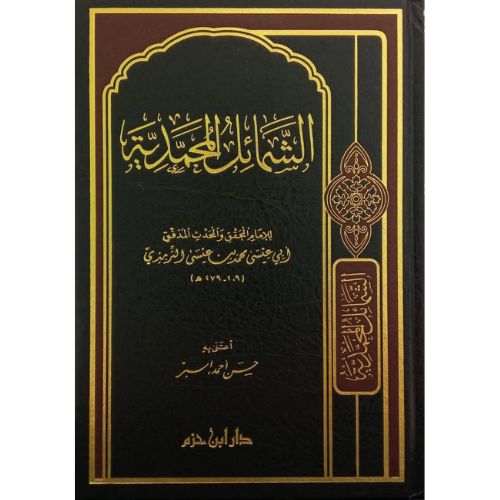
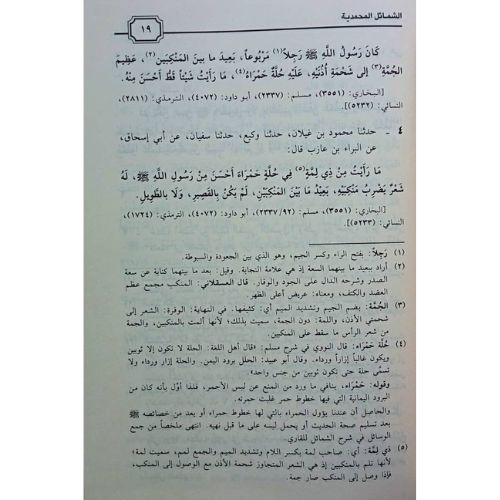
[SB] Ash-Shama’il al-Muhammadiyyah / الشمائل المحمدية
Highlights:
الشرح الميسر على ألفية ابن مالك في النحو والصرف – د. عبد العزيز بن علي الحربي
RM40.00
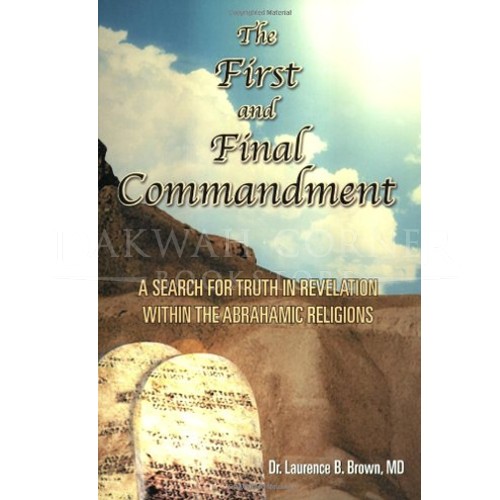
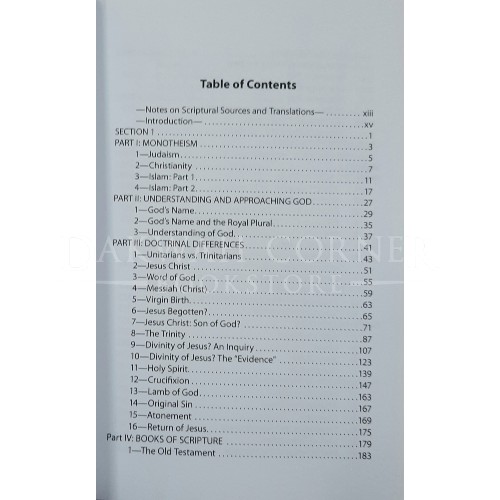
The First and Final Commandment (2nd Edition)
Highlights:
“A search for truth in revelation within the Abrahamic religions.”
RM165.00


Divine Speech
5 ★
5 ★
3 Ratings
5 ★
3
4 ★
0
3 ★
0
2 ★
0
1 ★
0
Highlights:
The Quran, the sacred scripture of Islam, is revered as the spoken word of God by approximately one-fifth of the world’s population. Since its inception, the power of the Quran has derived not only from its message, but also from the inimitable literary style and rhetorical impact that the Arabic scripture has on its audiences. Divine Speech: Exploring the Quran as Literature attempts to make some of the most recent Arabic and European-language scholarship on its literary features accessible to a wider, English-speaking audience. These features include its language and word choice, its use of figures of speech and other rhetorical devices, its manner of narrating parables and stories, and the structure, coherence, and the order of its “chapters”-aspects that typically remain mysterious to readers of English translations of the text. Divine Speech furnishes its readers with a better appreciation of the Quran from a literary perspective, and in the process stimulates interest in, and provides tools and resources for, further study of the scripture.
RM100.00
There are no reviews yet.