

![[APT] Hawasil Tayr/ حواصل طير](https://shop.dakwahbookstore.com/wp-content/uploads/2025/08/website-500x500-2025-08-11T152717.640.jpg)
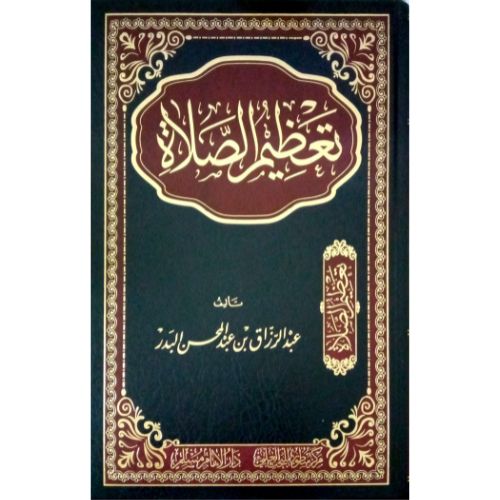
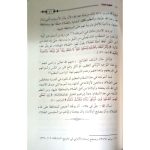
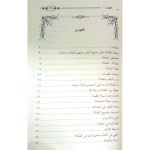
عبدالرزاق بن عبد المحسن البدر رسالة للشيخ عبد الرزاق البدر حول تعظيم الصلاة, رسالة تحتوي على أبواب رائعة و نافعة – مع التشكيل لبع
[APT] Ta’zim Solat / تعظيم الصلاة
RM56.00
Hurry up, Only 1 left.
Highlights:
somdn_product_page
Compare
عبدالرزاق بن عبد المحسن البدر رسالة للشيخ عبد الرزاق البدر حول تعظيم الصلاة, رسالة تحتوي على أبواب رائعة و نافعة – مع التشكيل لبع
حين تكون الهدايا باقية ونافعة، يمكنك إهداء هذا الكتاب لمن تحب.. نهتم بك وبأحبابك.
Additional information
| Weight | 0.39 kg |
|---|---|
| Dimensions | 24.6 × 17.4 × 1.1 cm |
| Binding | Hardcover |
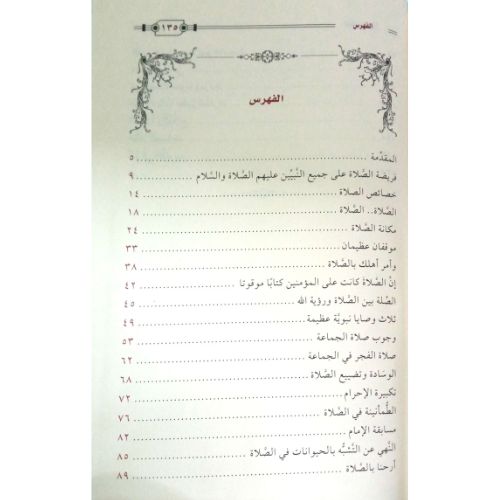
| Pages | 136 |
| Publisher | Dar al Imam Muslim |
Reviews (0)
Be the first to review “[APT] Ta’zim Solat / تعظيم الصلاة” Cancel reply
You must be logged in to post a review.
Related Products
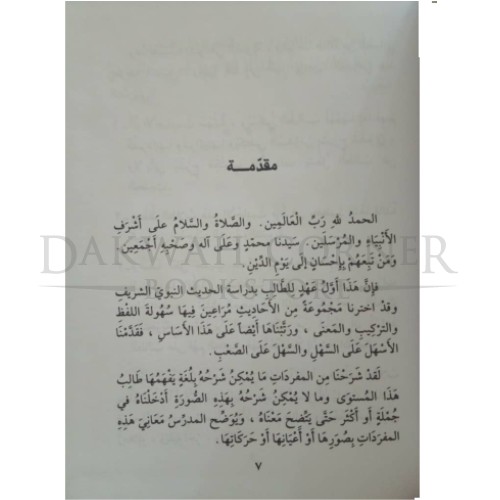
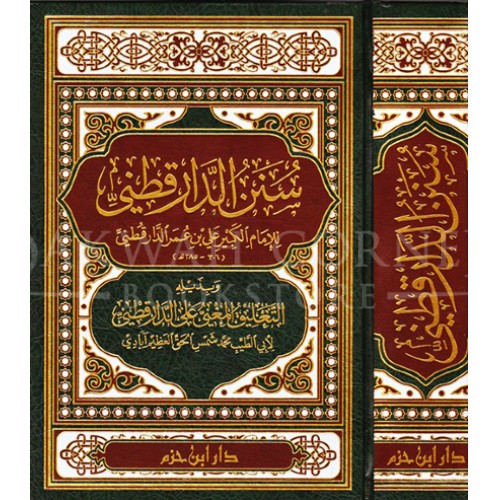
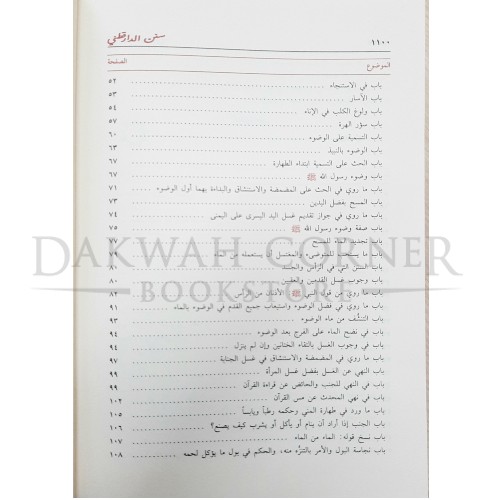
[HH] Sunan al-Daraqutni / سنن الدارقطني
Highlights:
كتاب هام في علم الحديث إذ أن مصنفه هو الحافظ الدارقطني، فهو كتاب عظيم في علم الحديث الشريف . وقد علق عليها المؤلف واكتفى فيها على تنقيد بعض أحاديثه وبيان علله ، وكشف بعض مطالبه على سبيل الايجاز والاختصار .
RM115.00
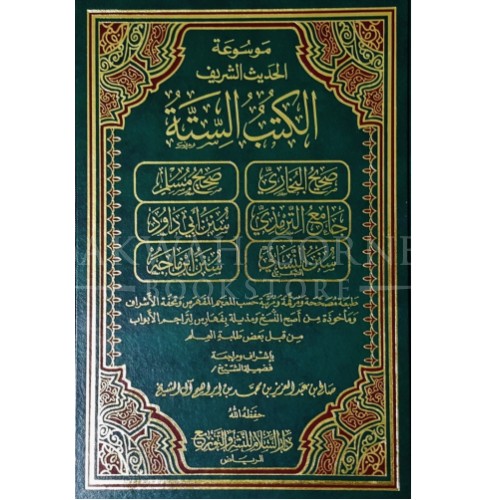
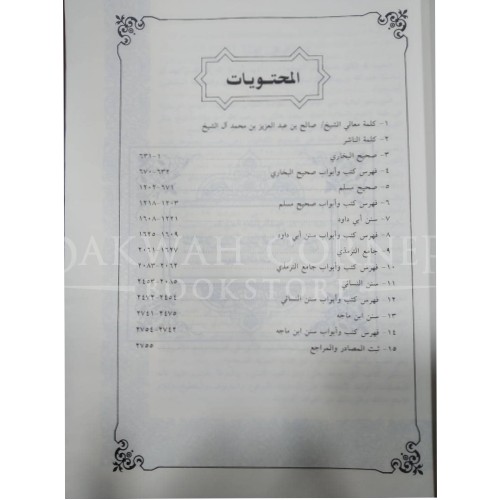
[HH] Al-Kutub Al-Sittah (موسوعة الحديث (الكتب الستة
Highlights:
Al-Kutub Al-Sittah: 6 Sahih Hadith Books ARABIC IN 1 VOLUME
This is a unique collection book that includes the whole six books of Sahih Hadith of:
1- Sahih Al-Bukhari
2- Sahih Muslim
3- Sunan Abu Dauod
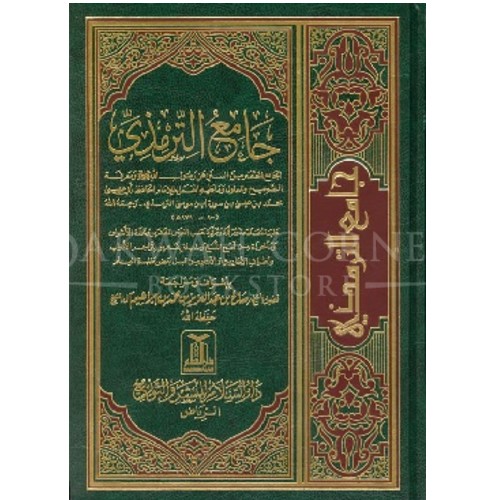
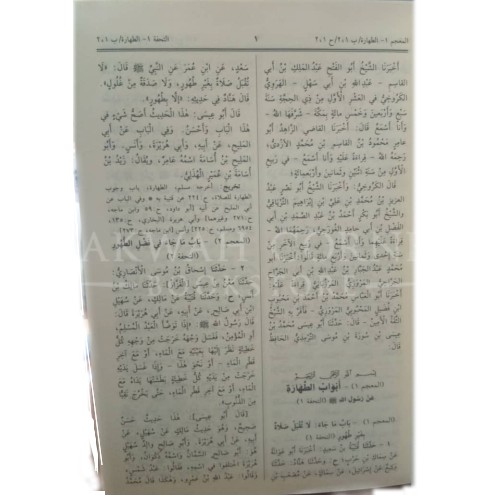
4- Jame’ At-Termidhi
5- Sunan An-Nasa’ie As-Sughra
6- Sunan Ibn Majah
The Text includes the Tashkeel or Harakat
This edition is corrected, numbered and ordered according to the (Mu’jam Mufahras & Tuhfat Al-Ashraf). This edition is taken from the most authintic sources, and includes tables of chapters’ discriptions, hadith & traces’ ends which were collected by some students of knowledge.
RM500.00
[SB] Ar-Raheeq Al Makhtum (Arabic Only – Large) الرحيق المختوم
Highlights:
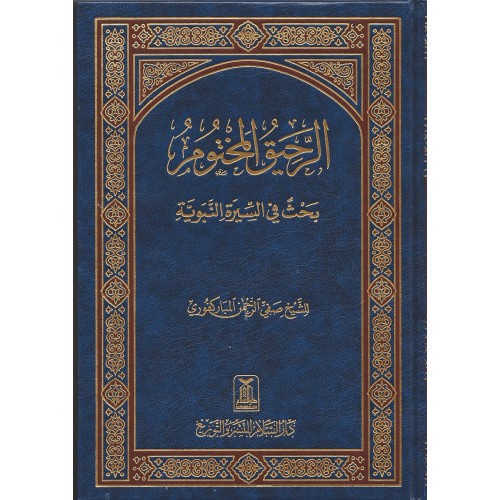
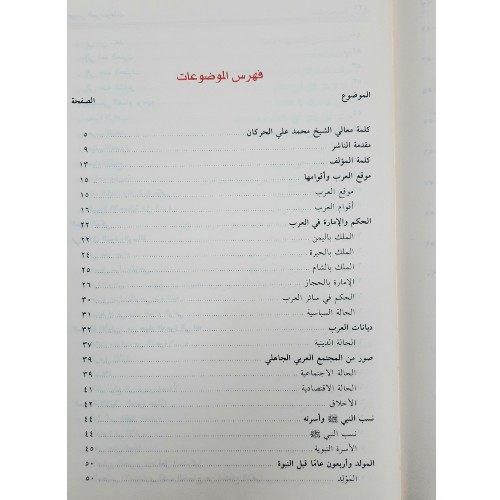
Ar-Raheeq AI-Makhturn is a book of great value and praiseworthy work on the Seerah of our beloved Prophet Muhammad. This book has been written by the Eminent Shaikh Safiur-Rahman Mubarakpuri of Jamiah Salafiyah, Banaras (India). The first Islamic Conference on Seerah (biography of the Prophet) was held in 1976 in Pakistan sponsored by the Muslim World League. The League announced a world contest for writing a book on the life of the Prophet.
One hundred and seventy-one manuscripts were received from all over the world. Out of these, eighty-five were in the Arabic Language, sixty-four in Urdu, twenty-one were in English and one in French and Hausa.
A board of highly qualified scholars judged the manuscripts and announced the results. The manuscript of Shaikh Safiur-Rahman Mubarakpuri, Jamiah Salafiyah Banaras (India), author of the book in hand received first the grand prize for its authentic and sound collections of the narrations. Dr. Majid Ali Khan, New Delhi, India, placed second. The third prize went to Dr. Naseer Ahmed, Islamic University, Lahore, Pakistan. The fourth prize was awarded to Mr. Harnid Mahmud of Egypt. The fifth and final prize was awarded to Abdus-Salam Hashim of Madinah Munawwarah.
A complete authoritative book on the life of Prophet Muhammad (S) by Sheikh Safi-ur-Rahman al-Mubarkpuri. It was honored by the World Muslim League as first prize winner book. Whoever wants to know the whole life style of the Prophet in detail must read this book.
Muhammad (S) is the Messenger of Allah, and those who are with him, are severe against the disbelievers, and merciful among themselves. You see them bowing and falling down prostrate (in prayer), seeking bounty from Allah and (His) Good Pleasure. The mark of them (i.e. of their Faith) is on their faces (fore heads) from the traces of prostration (during prayers). This is their description in the Taurah (Torah). But their description in the Injeel (Gospel) is like a (sown) seed which sends forth its shoot, then makes it strong, and becomes thick and it stands straight on its stem, delighting the sowers, that He may enrage the disbelievers with them. Allah has promised those among them who believe and do righteous good deeds, forgiveness and a mighty reward (Paradise). (Al-Fath: 29)
The Prophet Muhammad (S) said: ‘The example of guidance and knowledge with which Allah has sent me is like abundant rain falling on the earth. Some of which was fertile soil that absorbed rain-water and brought forth vegetation and grass in abundance. (And) another portion of it was hard and held the rain-water and Allah benefited the people with it and they utilized it for drinking (making their animals drink from it) and to irrigate the land for cultivation. (And) a portion of it was barren which could neither hold the water nor bring forth vegetation (then that land gave no benefits). The first is the example of the person who comprehends Allah’s Religion (Islam) and gets benefit (from the knowledge) which Allah (Azawajal) has revealed through me (the Prophet) and learns and then teaches it to others. The (last example is that of a) person who does not care for it and does not take Allah’s Guidance revealed through me (he is like that barren land).’ (Al-Mukarramah)
Someone asked ‘Aishah (R) about the noble character and manners of the Prophet (S). She answered: ‘Have you not read the Qur’an? His character is a complete explanation of the Qur’an.’
It means that whatever is commanded and prohibited in the Qur’an, its practical example is present in the manners of Muhammad In other words, the ideal and perfect example of good manners and character which the Qur’an demands from mankind, was present in the person of Muhammad in its highest degree.
Scholars of Ahadith (traditions) and writers of the biography of Muhammad , the Messenger of Allah, have explored his life from every angle and aspect from birth to death. Every event, every incident of his life has been described and narrated, but none had claimed that he has given his life’s recording its full rights. Hundreds of books have been written on the life of Muhammad and this endeavor will continue till the Day of Resurrection.
RM65.00
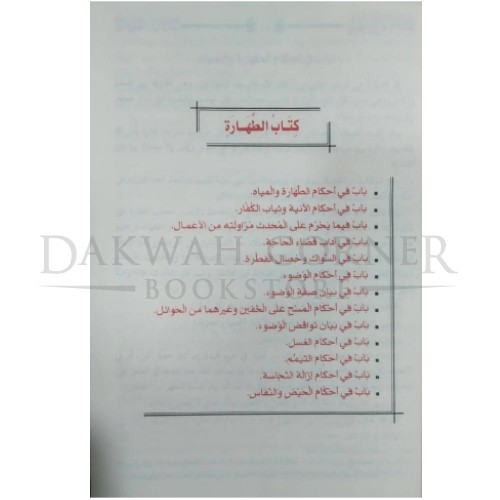
[SJ] A Summary Of Islamic Jurisprudence (الملخص الفقهي)
Highlights:
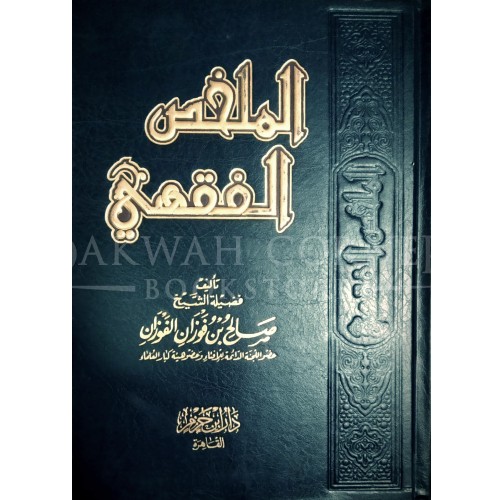
‘A Summary of Islamic Jurisprudence 1-2’ Dr. Saleh bin Fawzan al-Fawzan. This is an easy but important book which shows the shar’ia rulings and their evidences. It contains basic topics important to the Muslim, e.g. purification, prayer, zakah, fasting, pilgrimage, and shows other rulings e.g. trade transactions, partnership, sharecropping and renting, reclamation of wastelands and possession of allowable objects, inheritance, marriage, divorce…
RM57.00
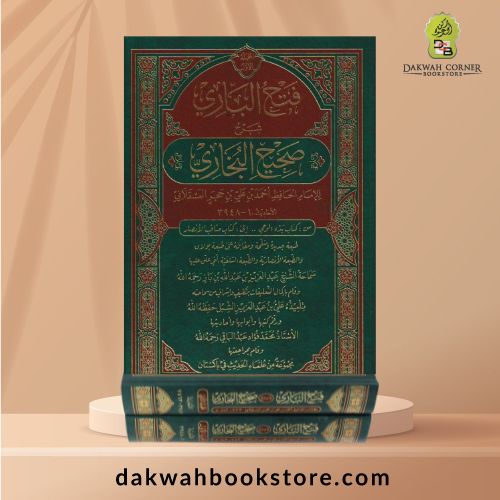
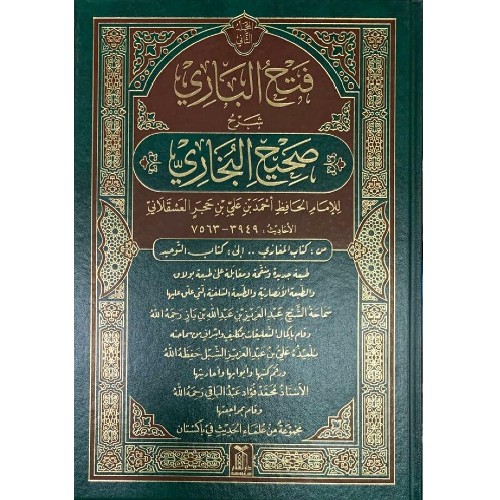
[AH] Fathul-Bari Sharah Sahi Al- Bukhari (2 vols) – فتح الباری شرح صحیح البخاری
Highlights:
Fathul-Bari Sharah Sahi Al- Bukhari vol 1&2
RM400.00
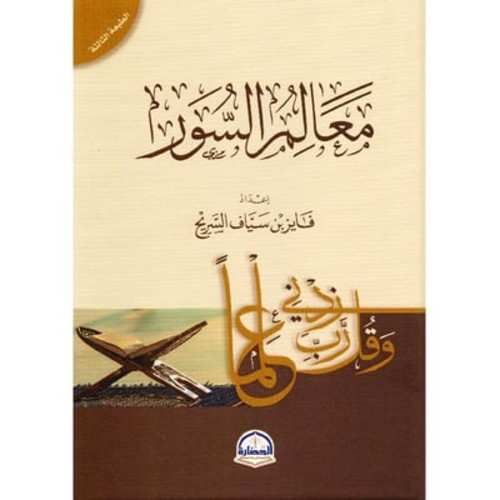
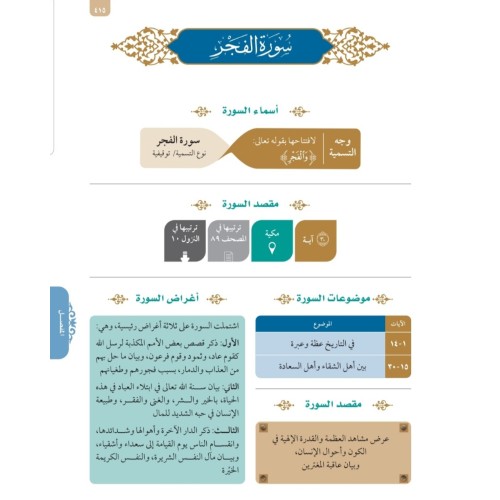
[QQ] Mualimu Suari (معالم السور)
Highlights:
Mualimu Suari (معالم السور)
RM180.00
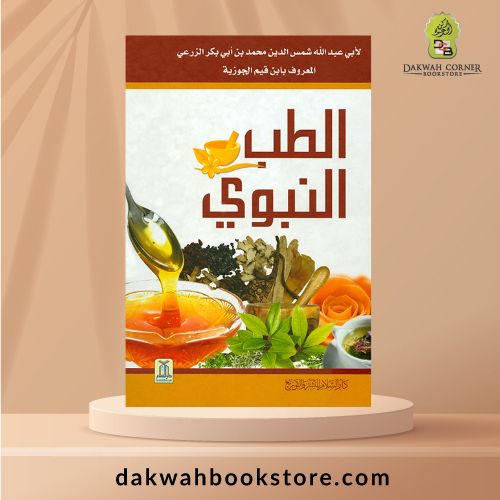
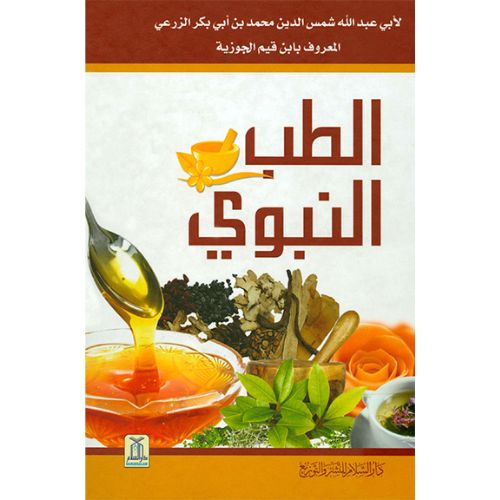
[MM] Al-Tib An-Nabwi *New Color Edition (الطب النبوي)
Highlights:
قال ابن قيم الجوزية رحمه الله: “وليس طِبُّهُ صلى الله عليه وسلم كطبِّ الأطباء، فإن طبَّ النبيِّ صلى الله عليه وسلم مُتيقَّنٌ قطعيٌّ إلهيٌّ، صادرٌ عن الوحي، ومشكاة النبوَّة، وكمالِ العقل. وطبُّ غيره أكثرُه حَدْسٌ وظنونٌ، وتجاربٌ. ولا يُنْكَرُ عدمُ انتفاع كثيرٍ من المرضى بطبِّ النبوة؛ فإنَّه إنما ينتفعُ به مَن تلقاهُ بالقبول واعتقادِ الشِّفاء به، وكمال التلقِّي له بالإيمان والإذعان”.
RM85.00
Recently Viewed

The Right to Education, Work and Welfare in Islam (P/B)
Highlights:
In The Right to Education, Work and Welfare in Islam Professor M.H. Kamali develops an Islamic perspective on three connected and complementary areas of rights and liberties. He urges that education is often a necessary ingredient of professional work even more so now than in earlier times when the range and variety of specialised knowledge were relatively limited. A person who acquires education, whether generally or at advanced levels of specialisation, is more likely to stand in a better position to enter the workforce and thus to contribute to the welfare of the community.
The author commences his discussions on education, work and welfare in Islam by focusing on how each is treated in the Qur’an; and follows this by the example of the Prophet and, after him, the Pious Caliphs who gave prominence to the education and welfare needs of people at times both of scarcity and affluence. Professor Kamali then moves forward to our time and discusses the right to education, the education of children, institutionalisation of learning, academic freedom and the debate between science and religion.
The section on work elaborates on the value of work, work ethics, workers’ and employers’ rights and responsibilities, and the role and responsibility of governments.
Finally, the section on welfare focuses on the importance in Islam of caring for those who are in need and the different forms of provision that can be made available by individuals, the state and charities.
RM63.00
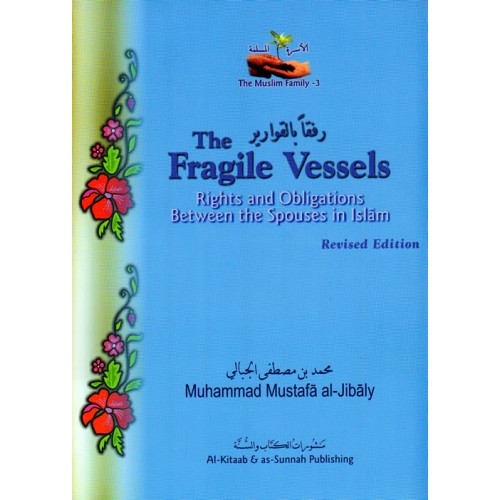
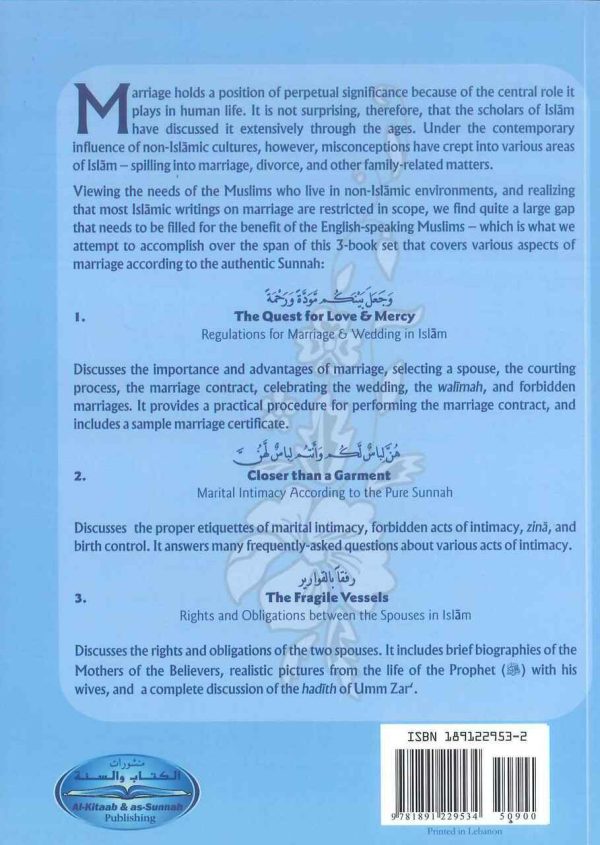
The Fragile Vessels (P/B)
4.5 ★
4.5 ★
2 Ratings
5 ★
1
4 ★
1
3 ★
0
2 ★
0
1 ★
0
Highlights:
This is one of a 3-book series covering various aspects of marriage according to the authentic Sunnah. Marriage plays a most central role in the human life, and has been largely discussed by the scholars of Islaam through the ages, resulting in numerous writings and treatises. Some of those writings, mostly by contemporary scholars, have been translated into English. However, we find them restricted in scope, addressing Muslims who live in predominantly Islaamic countries, or overlooking important real issues that have developed under modern civilization. This leaves quite a large gap that needs to be filled for the benefit of the Muslims in English-speaking countries, and this is what we attempt to fulfill over the span of three books.”
Covers the obligations of the two spouses, the wife’s rights, and the husband’s rights. Contains biographies of the Mothers of the Believers, paints a very realistic picture from the life of the Prophet (pbuh) with his wives, and presents a complete discussion of the hadeeth of Ummar Zar’.
RM41.00
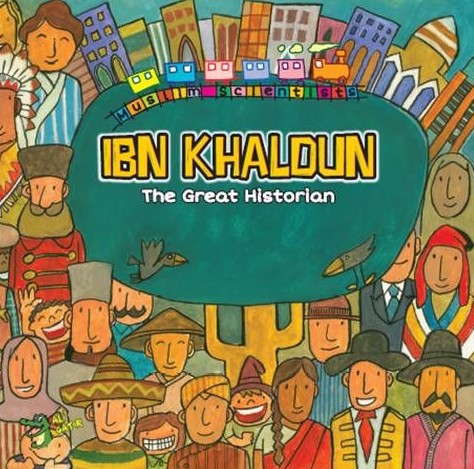
Ibn Khaldun: The Historian (The Muslim Scientists Series)
4 ★
4 ★
1 Rating
5 ★
0
4 ★
1
3 ★
0
2 ★
0
1 ★
0
Highlights:
Idn Khaldun was more than just one of the great historians of all time. He was also a supreme judge, government minister, social scientist, political expert and Hafiz al Quran!
The Muslim Scientists Series introduces children to great scientists, scholars and adventurers from the Golden Age of Islam.
RM22.00
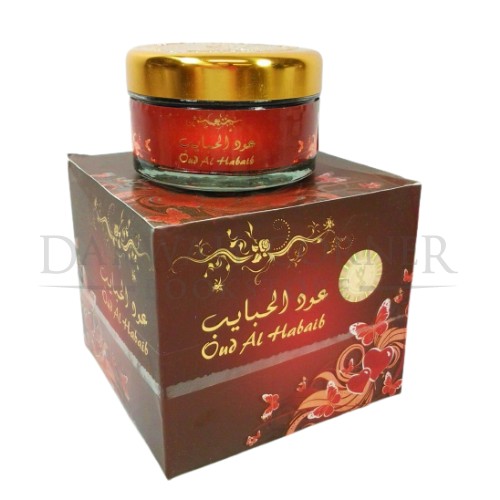
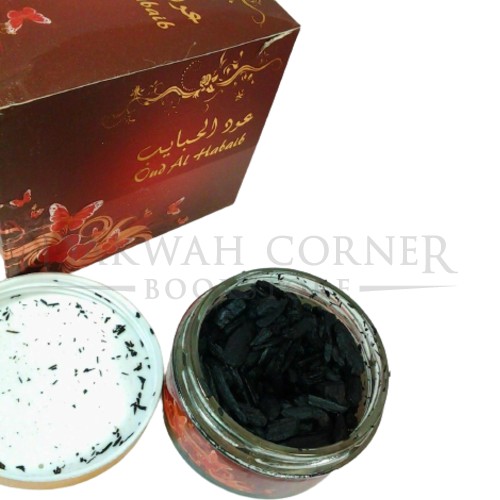
Oud Al Habaib
Highlights:
High-quality bukhoor burn Incense gives a fresh scent for your HOME, SHOP, or OFFICE.
RM60.00
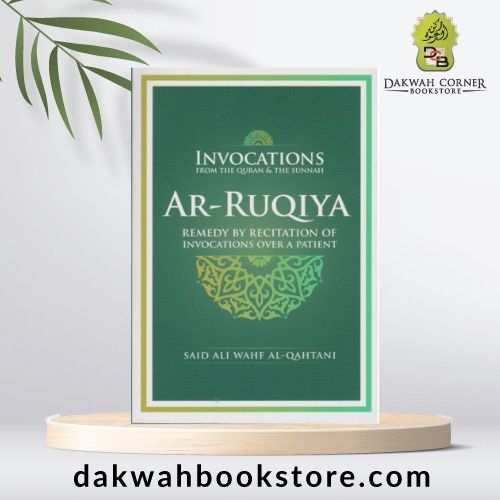
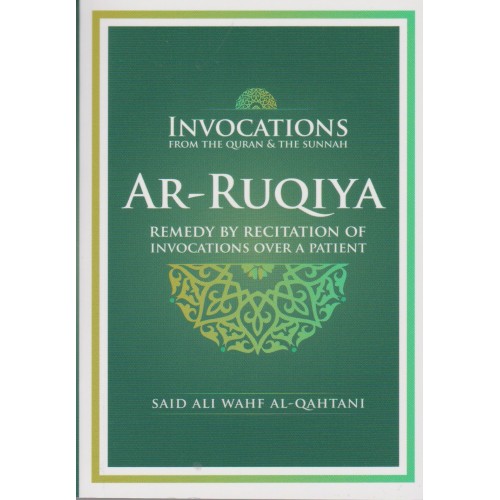
Invocations Ar-Ruqiya (Pocket Size)
5 ★
5 ★
2 Ratings
5 ★
2
4 ★
0
3 ★
0
2 ★
0
1 ★
0
Highlights:
This book book is presented with translation for non Arab Muslims who are unable to understand the meaning in Arabic. This will help them to understand the meaning of these supplications which are taken from the Qur’an and the Prophet’s traditions. This will also help them to achieve an improved state in their worship of Allah.
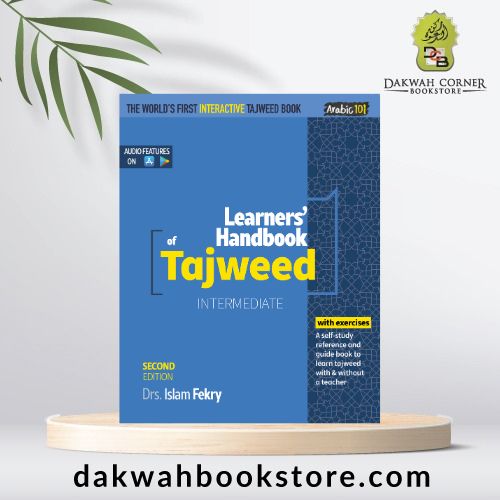
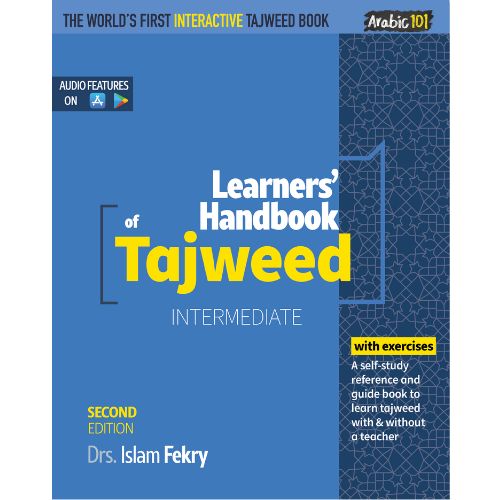
Learners Handbook Tajweed (Intermediate) – Second Edition (Arabic 101 Series)
Highlights:
Learners’ Handbook of Tajweed
Intermediate
Learners’ Handbook of Tajweed is designed as a self-study handbook, yet it is equally suitable for classroom settings. It stands as the world’s first Tajweed book that goes beyond presenting just rules; it is an interactive experience that will change the way you think about learning Tajweed. This book has been uniquely designed to offer an unparalleled learning experience that seamlessly blends enjoyment with information.
RM55.00
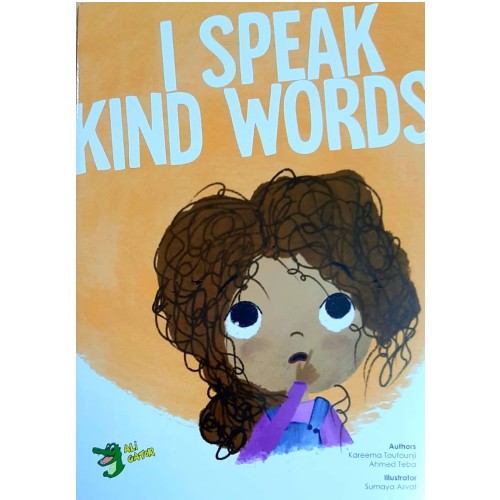
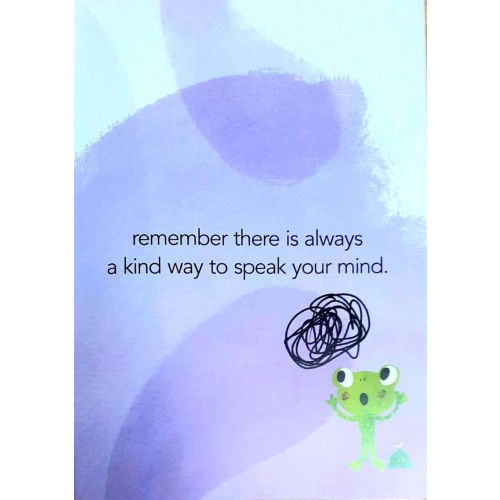
I Speak Kind Words (P/B)
Highlights:
Speak KIND WORDS, hmm, whats does that mean?
Well when you’re excited for DINNER but instead of chicken soup you get
BEANS.
Quirky poems to help young children live a virtuous life based on the character of our PERFECT example.
RM35.00
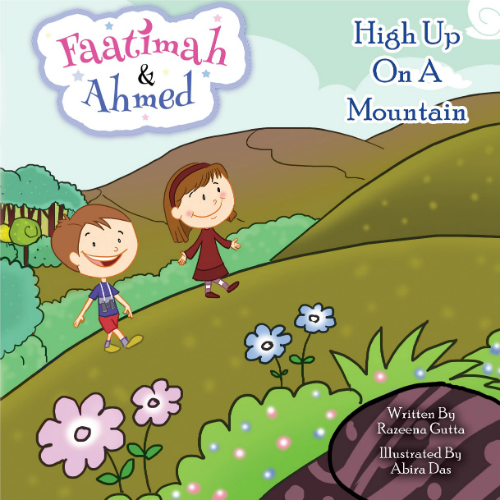
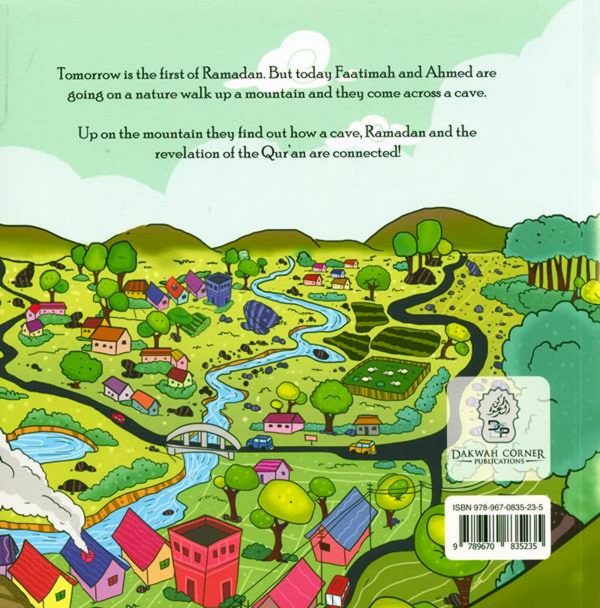
Faatimah & Ahmed High Up On A Mountain
Highlights:
Tomorrow is the first of Ramadhan. But today Faatimah and Ahmed are going on a nature walk up a mountain and they come across a cave. Up on the mountain, they find out how a cave, Ramadhan and the revelation of the Quran are connected!
RM18.00
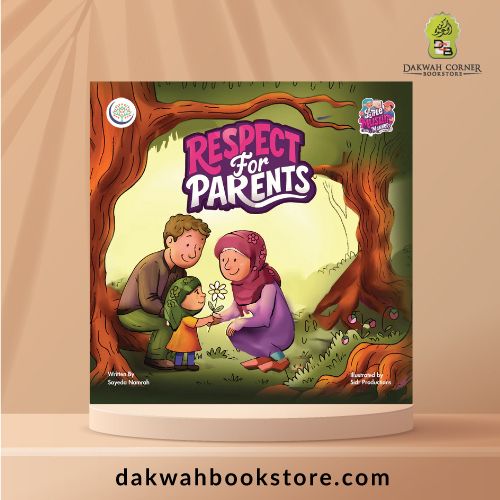
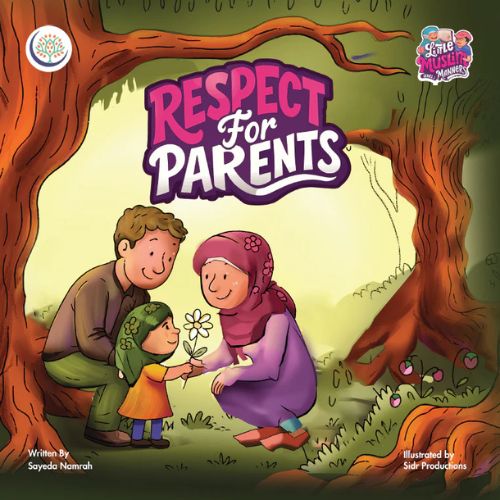
Respect For Parents (P/B)
Highlights:
Manners are part of our deen. The Little Muslim Manners Series helps toddlers (ages 1-4) learn everyday Islamic manners in fun and simple ways. From respect for parents and honesty, to kindness with neighbours and table manners, each book makes good behaviour easy to learn and love. Perfect for bedtime reading, circle time, or teaching first adab.
RM20.00 RM35.00
The Islamic Awakening (H/B)
Highlights:
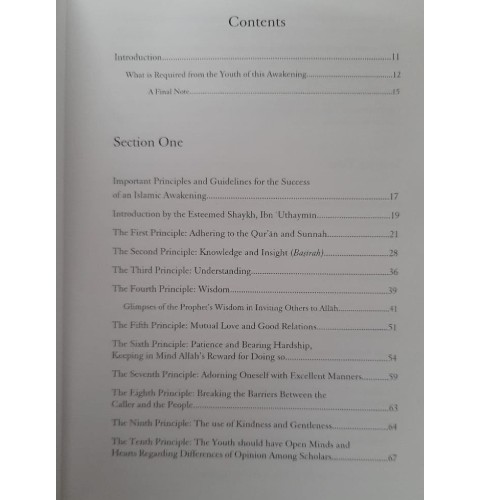
The Muslim Nation today is experiencing a blessed awakening in all aspects of its affairs, one that has been aroused by the efforts of Muslims throughout the globe. This is despite the onslaught of the disbelievers against Islam whether that be military or through their powerful media apparatus. In these often difficult times, we find many Muslims returning to their Din and embracing it with vigour and enthusiasm. However the astute observer will find that there are many problems that hinder its progress, problems that have caused some of the scholars to lay down some guidelines that the youth of this blessed awakening should adhere to and follow. It should also be noted that if the Islamic guidelines are not strictly adhered to, and the youth are left to be driven by their emotions alone, then surely this awakening will result in destroying more than it will build!
RM73.45 RM113.00
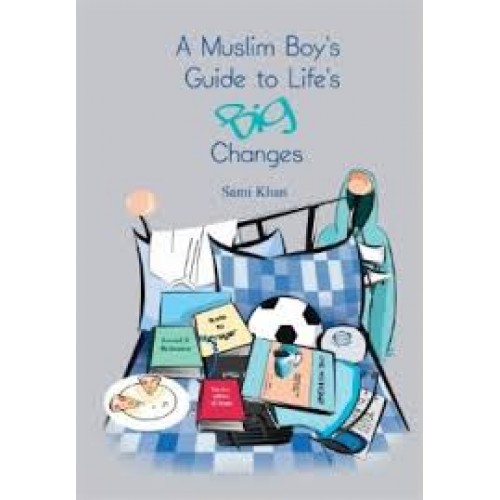

A Muslim Boy’s Guide to Life’s Big Changes (Ta-Ha)
5 ★
5 ★
1 Rating
5 ★
1
4 ★
0
3 ★
0
2 ★
0
1 ★
0
Highlights:
Motivational & Manners
RM35.00
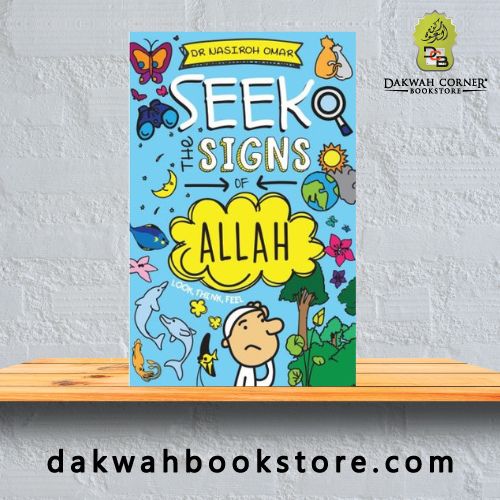
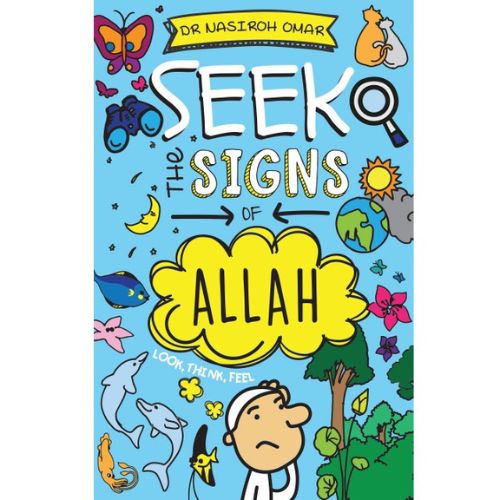
Seek the Signs of Allah (New Cover)
Highlights:
How do we know that Allah SWT exists? The first and foremost requirement for a person to become a Muslim is to believe whole-heartedly that Allah SWT exists. Allah SWT, the one and only God.
Nevertheless, He cannot be seen by a human-or any living creature, for that matter. In simpler words, Allah SWT is invisible. He was, is, and will be invisible for the rest the world;s existence until the day when the universe comes to and end.
RM25.00
There are no reviews yet.