




![[SJ] Al Mabadi Al Fiqhiyyatu (المبادى الفقهية على مذهب الإمام الشافعي رضي الله عنه)](https://shop.dakwahbookstore.com/wp-content/uploads/2022/11/website-500x500-2024-10-28T151649.158.jpg)
![[QQ] At-Tafsir wal-Bayan li Ahkam al-Qur’an - التفسير والبيان لأحكام القرآن 5/1 | 1/5](https://shop.dakwahbookstore.com/wp-content/uploads/2024/10/TARIQ-15.jpg)
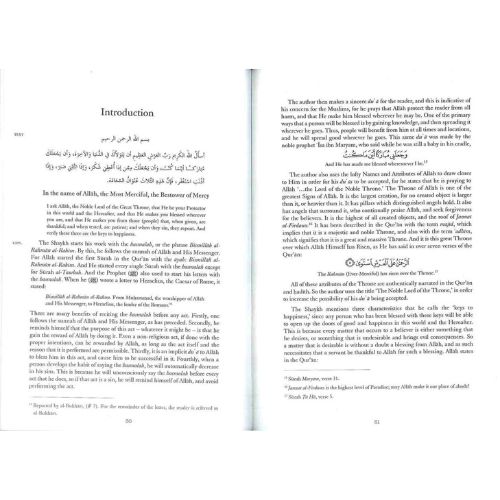
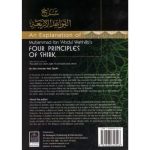
In order to maximize the benefit of this work, introductory sections concerning other aspects of shirk not mentioned by Ibn ‘Abd al-Wahhab have been added by the author. To this end, the work discusses the definitions of shirk, the importance of knowing shirk, the difference between shirk and kufr, the types and categories of shirk, the history of shirk, the evils and futility of shirk, the causes of shirk, and other related topics. In addition, a brief biography of Muhammad ibn Abd al-Wahhab is included as a preface to the text of this book.
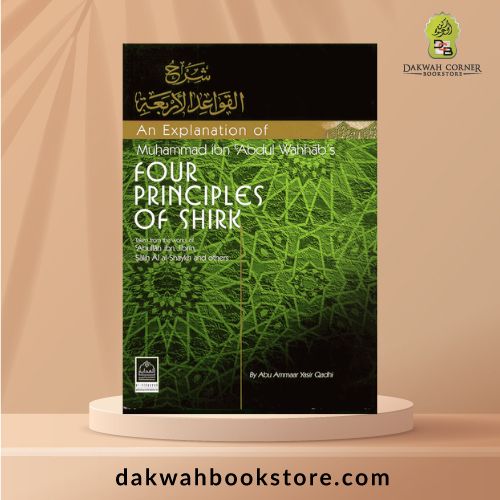
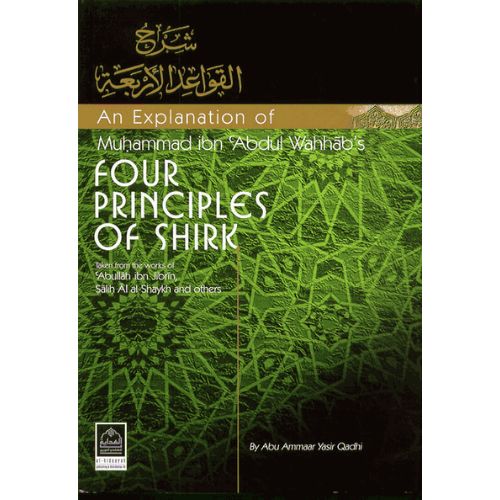
An Explanation Of Four Principles Of Shirk
RM60.00
Hurry up, Only 1 left.
Highlights:
somdn_product_page
Compare
This work, which is a detailed explanation of one of Muhammad ibn Abd al-Wahhab’s most important works, deals with explaning and refuting the evidences that were used by certain Muslim groups of his time to justify acts of shirk (the act of associating partners with Allah). It is entitled Kash al-Shubuhat, which literally translates as: ‘the clearing of doubts.’ Ibn Abd al-Wahhab intended in this work to expose the falsity and speciousness of these arguments by proving that the pagans whom the Prophet (pbuh) fought utilized the exact same arguments and fell prey to the same reasoning as these modern practitioners of shirk did. It is one of the most advanced works on the subject, and over a dozen different arguments and evidences used to justify shirk are presented and then refuted.
Frequently Bought Together
1 Item
RM60.00
0 Add-Ons
RM0.00
Total
RM60.00
Additional information
| Weight | 0.350 kg |
|---|---|
| Dimensions | 24.7 × 17.5 × 1.5 cm |
| Author | |
| Binding | Hardcover |
| ISBN | 9781898649526 |
| Pages | 60 |
| Publisher | Al-Hidaayah Publishing |
Reviews (0)
Be the first to review “An Explanation Of Four Principles Of Shirk” Cancel reply
You must be logged in to post a review.
You may also like…
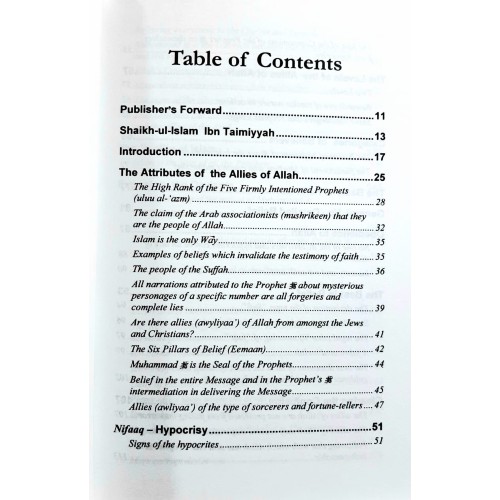
The Criterion (P/B)
Highlights:
The Criterion Between the Allies of the Most Merciful and the Allies of the Devil
RM31.00
Al-Fiqh Al-Akbar Explained
Highlights:
Al-Fiqh al-Akbar is one of the earliest texts written on Islamic creed and one of the surviving works of Abu Hanifa, the Great Imam of jurisprudence and theology.
RM110.00
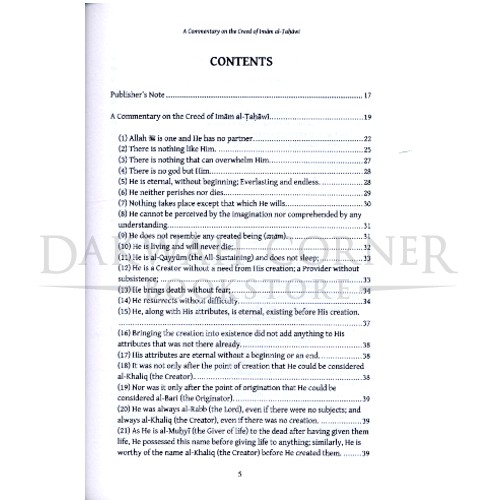
A Commentary on the Creed of Imam al-Tahawi (Dar Al Arqam)
5 ★
5 ★
1 Rating
5 ★
1
4 ★
0
3 ★
0
2 ★
0
1 ★
0
Highlights:
A commentary by Shaykh Salih al-Fawzan on al-Aqidah al-Tahawiyyah, the most widely acclaimed and accepted work on the creed of Ahlus Sunnah wal-Jama’ah. Before you is the English translation of Sharh al-‘Aqidah al-Tahawiyah by Shaykh Salih al-Fawzan. This is an explanation of the renowned treatise on the Islamic creed entitled al-‘Aqidah al-Tahawiyah (The Creed of Imam al-Tahawi). The author of this treatise is Imam Abu Ja‘far al-Tahawi (239-321 A.H.), one of the leading authorities on the Hanafī madhab. The period Imam al-Tahawi lived in was the zenith of the dissemination of the Islamic sciences and he was just one of the giants that this era produced. To illustrate this: his teachers included Imām Isma’il ibn Yahya al-Muzani (a major student of Imām al-Shāfiī), those he collected hadith from included Imām al-Nasai (author of ‘Sunan al-Nasai’, one of the ‘Sahih Sittah’) and his students included the great muhaddith Imām al-Tabarani. The purpose of his treatise was to state the creed of the early scholars of the Hanafī madhab and to indicate its correlation with the views of Ahl al-Sunnah wa’l-Jamā‘ah in general. As Shaykh al-Fawzan states in his explanation: “This entails a refutation against those who associate themselves with the Hanafī school of fiqh in modern or recent times: They associate themselves with the Hanafī school but contradict Imam Abū Hanīfah in creed; rather they only follow his views in jurisprudence. They adopt the creed of those who profess kalām (theological dialectic) and the logicians.
RM78.00
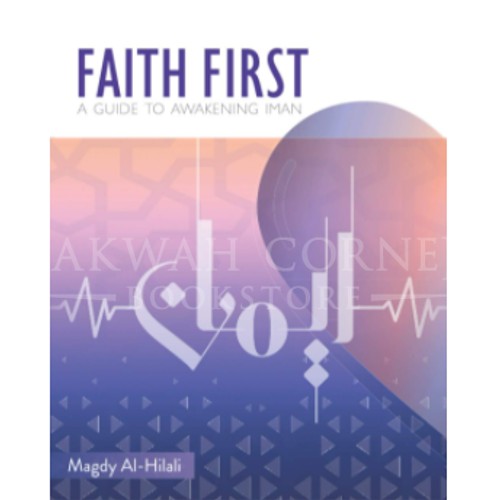

Faith First: A Guide To Awakening Iman
Highlights:
“Fait first is based on a simple premise: Begin with faith, and the rest will follow.”
RM110.00
Related Products
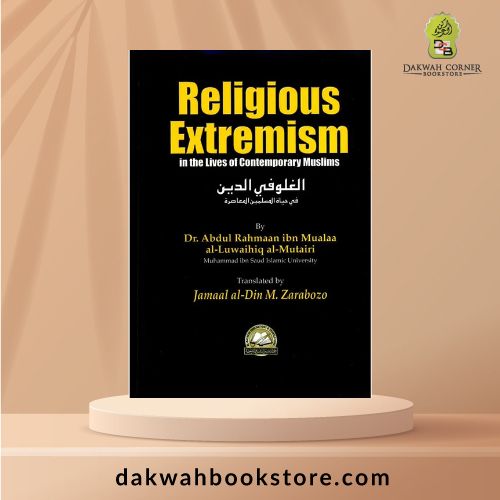
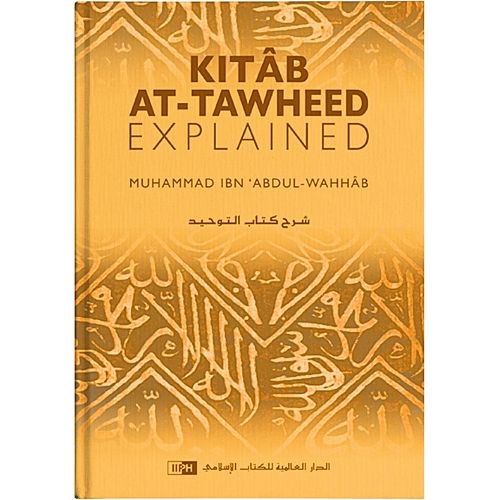
Kitab At-Tauhid The Book Of Monotheism
Highlights:
In this book, all the relevant Verses have been discussed reasonably, rationally and sincerely; and the essence of the Qur’an and Sunnah is placed in a very simple and appealing manner. This is the reason that the upright persons, beyond group ism and prejudices, have been adopting the correct Islamic path – the path of the Qur’an and Sunnah – under the influence of the basic facts and proofs produced herein. Kitab At- Tauhid is one of the best books on the subject of Tauhid (Monotheism) and ranks high in authenticity. Till date it has been published many times. It has been a means of guidance for millions of people throughout the world, by taking them out of the darkness of polytheism, heresy and error. If Allah wills, this book would also undoubtedly prove beneficial in all the times to come.
RM40.00

RM70.00

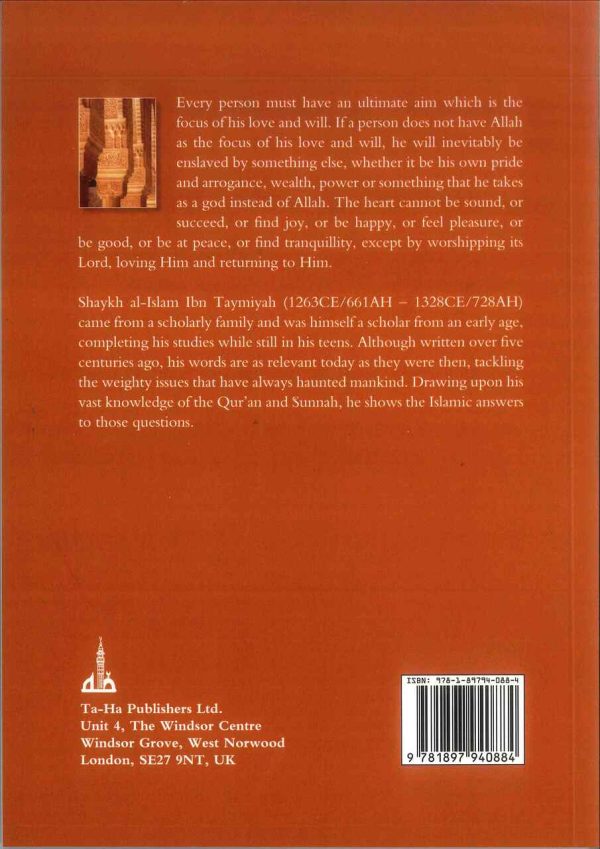
Al-‘Ubudiyyah: Being a True Slave of Allah
5 ★
5 ★
1 Rating
5 ★
1
4 ★
0
3 ★
0
2 ★
0
1 ★
0
Highlights:
Shaykh Ibn Taymiyyah defines the concept of worship in Islam and explains that to be a true “slave of Allah” is a status of both virtue and nobility. The title “slave of Allaah” is one of great honor which Allah bestowed upon the best of creation, Muhammad (SAW). Ibn Taymiyyah highlights the prevalent traps which people fall into, when becoming enslaved by, or allowing their hearts to become attached to worldly objects. The emphasis is on servitude to Allah which is adorned with the true love we hold for Him in our hearts — a matter of central importance for every Muslim.
Highly Recommended for the young blooded who Want to Run before they can Walk and even the Old timers ‘Who sometimes are so comfortable Walking that they have forgotten that there is sometimes a need to run’ in the Path Towards Allah.
RM45.00
Stages & Means of Seeking Knowledge (P/B)
Highlights:
a small excerpt from the book:
“And those who disbelieve say: “Why is not the Quran revealed to him all at once?” Thus (it is sent down in parts), that We may strengthen your heart thereby. And We have revealed it to you gradually, in stages.”[1]”[2]
Al-Zarnooji -rahimahullah- said, “Imam Sharf ul-Din al-Uqayli – rahimahullah- used to say, “My opinion regarding learning knowledge is in agreement with what our teachers taught us. They used to teach beginners level one books because they are understandable, easy to memorize, enjoyable, and common. A beginner should not write down something he does not understand because it numbs the intelligence and is a waste of time. Instead, a beginner should focus on the task of understanding his teacher through deep thinking and repetition. Significantly, the smaller the portion in one class with repetition the more progress in understanding. A famous saying states: Memorizing two letters is better than hearing two loads, and understanding two letters is better than memorizing two loads.”[3]
RM69.60
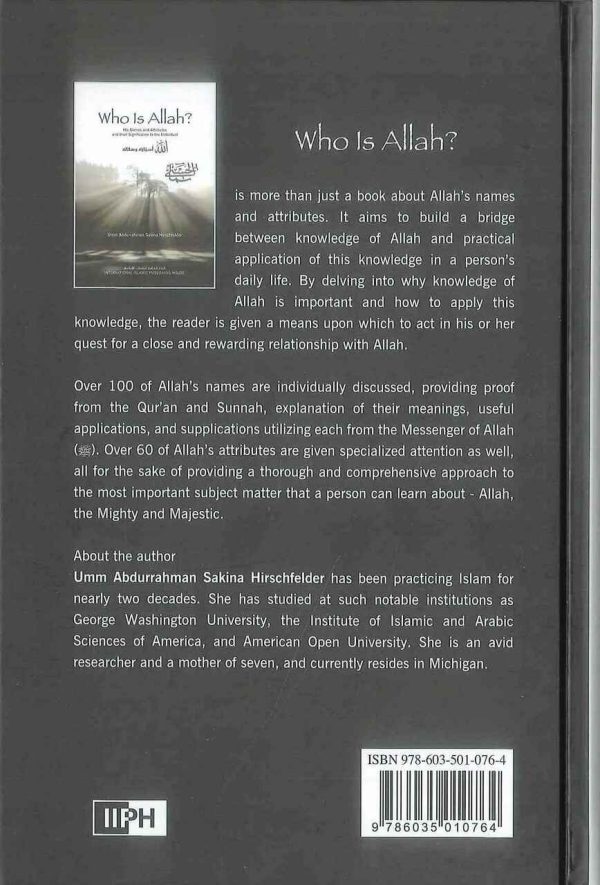
Who Is Allah? (H/B)
Highlights:
Who is Allah? is more than just a book about Allah’s names and attributes. It aims to build a bridge between knowledge of Allah and practical application of this knowledge in a person’s daily life. By delving into why knowledge of Allah is important and how to apply this knowledge, the reader is given a means upon which to act in his or her quest for a close and rewarding relationship with Allah.
Over 100 of Allah’s names are individually discussed, providing proof from the Qur’an and Sunnah, explanation of their meanings, useful applications, and supplications utilizing each from the Messenger of Allah. Over 60 of Allah’s attributes are given specialized attention as well, all for the sake of providing a thorough and comprehensive approach to the most important subject matter that a person can learn about – Allah, the Mighty and Majestic.
RM75.00
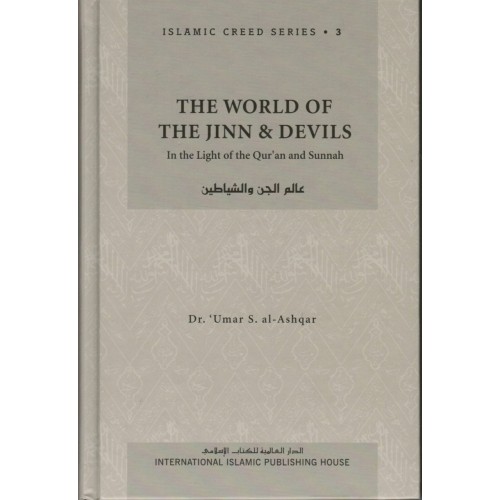
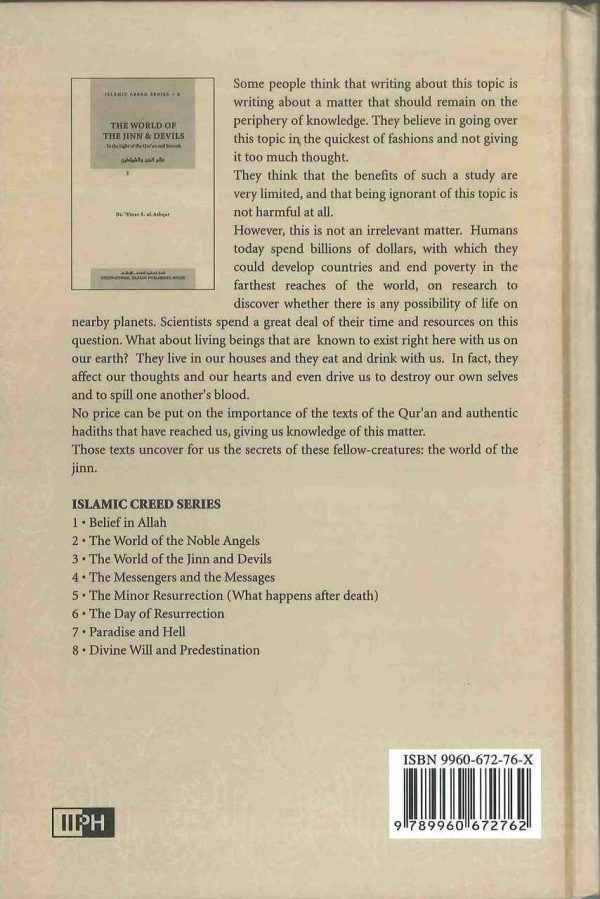
The World Of The Jinn & Devils – Islamic Creed Series 3
Highlights:
Aqidah and Creed
RM60.00
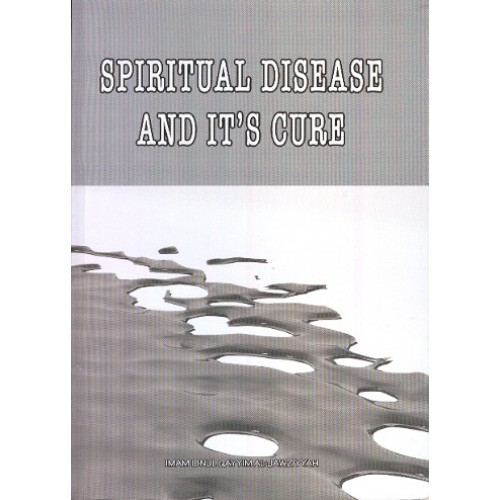
Spiritual Disease and It’s Cure
Highlights:
The Imam was asked a long question of which a part was – What is the opinion of the scholars regarding a man who is afflicted by a disease, and knows that if it should continue it would damage his life? The Imam Quoted the Hadith from Sahih Bukhari The prophet (S) said: ‘Allah has appointed a remedy for every disease He has sent down’ Imam Ahmad reported on the authority of Usamah bin Shareek that the ‘ Prophet (S) said Allah has not made a disease without providing a remedy for it, wih the exception of one disease, namely old age’ This Applies to the medicine for the heart, soul and body. The well being of the servant’s heart, is far more important than that of his body, for while the well being of his body enables him to lead a life that is free from illnesses in this world, that of the heart ensures him both a fortunate life in this world and eternal bliss in the next.
Imam Ibn al-Qayyim al-Jawziyya was born into a scholarly and virtuous family in 691 AH/ 1292 A.D. At that time Damascus was a centre of literature and thought. Many schools were located there and he studied and graduated under the protection, direction and sponsorship of his father. He was particularly influenced by his Shaykh and teacher Imam Ibn Taymiyyah, and also by Ibn ash-Shirazi amongst others. Ibn al-Qayyim al-Jawziyya died in the city of Damascus the year 751 AH/1350 C.E.,when he was scarcely 60 years old, and was buried at the cemetery of Bab- al-Saghir, near the grave of his father – Rahimahuma Allah.
RM56.00
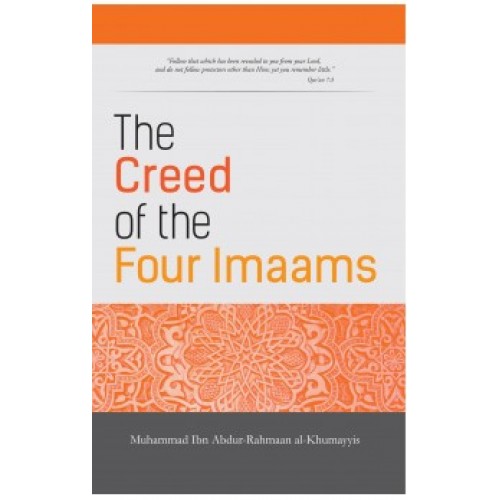
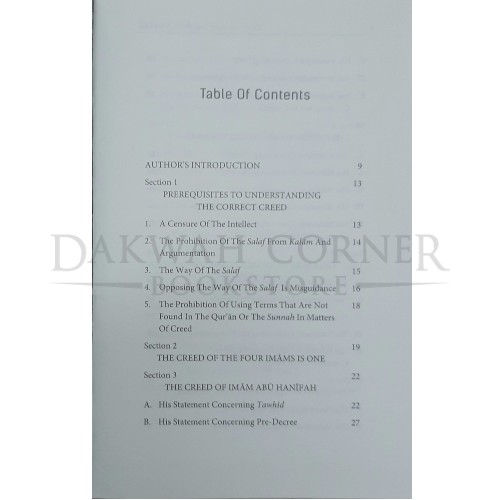
The Creed Of The Four Imaams (H/B)
5 ★
5 ★
1 Rating
5 ★
1
4 ★
0
3 ★
0
2 ★
0
1 ★
0
Highlights:
The book proves the important, yet overlooked point: that despite whatever differences the Imaams had in their fiqh, their creed (aqidah) was one and the same in almost all issues. Many narrations are brought from the past and present day scholars showing that the path to Allaah is one. Detailed biographies have been provided for each of the four Imaams from ancient authentic sources. Additionally many doubts cast over the creed and lives of the Imaams have been uncovered, and the Creed of the Ahlus-Sunnah wal-Jama’ah has been exonerated.
RM32.00
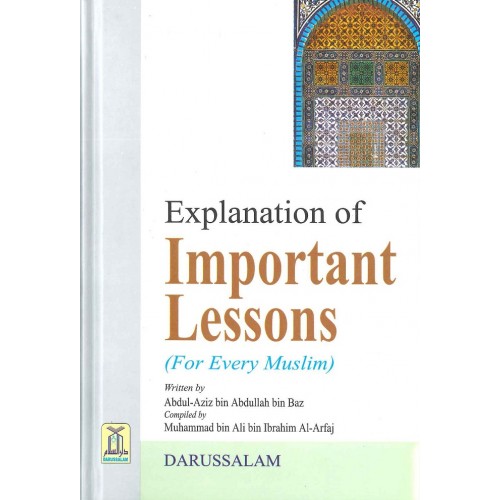
Explanation of Important Lessons (For Every Muslim) (H/B)
5 ★
5 ★
1 Rating
5 ★
1
4 ★
0
3 ★
0
2 ★
0
1 ★
0
Highlights:
This book is a short work to explain what every Muslim needs to know about the religion of Islam. It covers many lessons under 18 chapters.
RM70.00
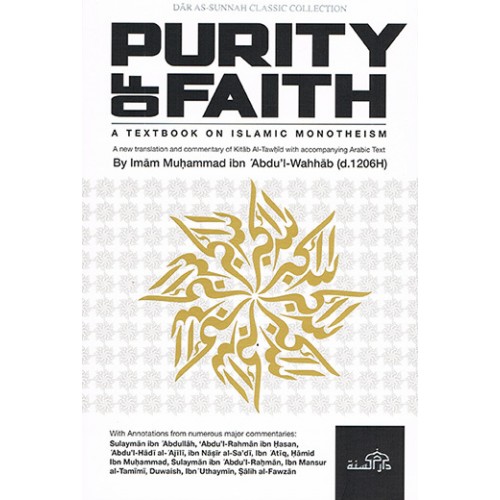
Purity of Faith (P/B)
Highlights:
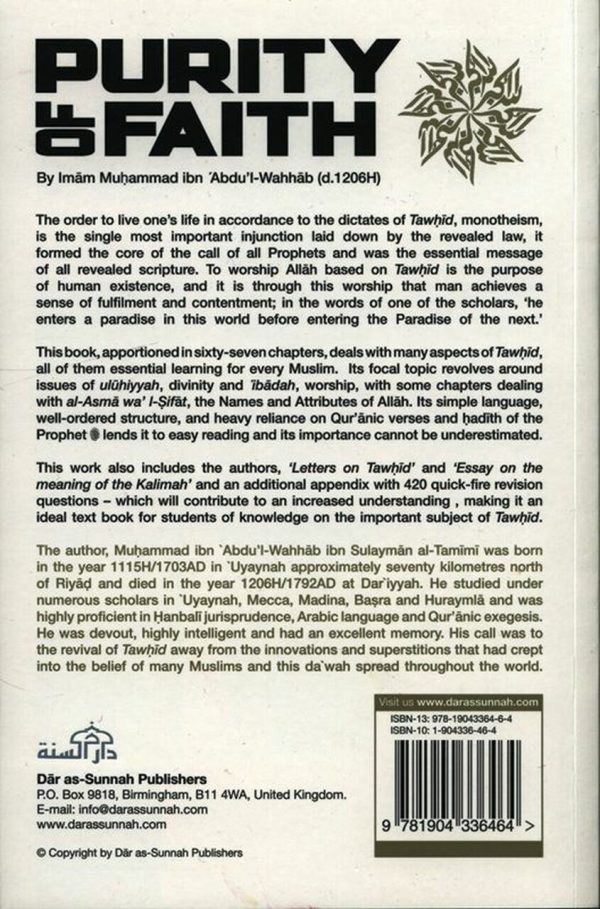
The order to live one’s life in accordance to the dictates of Tawhid, monotheism, is the single most important injunction laid down by the revealed law, it formed the core of the call of all Prophets and was the essential message of all revealed scripture. To worship Allah based on Tawhid is the purpose of human existence, and it is through this worship that man achieves a sense of fulfilment and contentment; in the words of one of the scholars, ‘he enters a paradise in this world before entering the Paradise of the next.’
This book, apportioned in sixty-seven chapters, deals with many aspects of Tawhid, all of them essential learning for any Muslim. Its focal topic revolves around issues of ulùhiyyah, divinity and `ibadah, worship, with some chapters dealing with al-Asmm wa’l-Sifat, the Names and Attributes of Allah. Its simple language, well-ordered structure, and heavy reliance on Qur’anic verses and Hadith of the Prophet (saw) lends it to easy reading and its importance cannot be underestimated.
Kitab al-Tawhid is a landmark work analysing orthodox Islamic monotheism. Since it was authored it has received a great deal of attention, a large number of commentaries and has been translated into over twenty languages. Relevant as it was then, it remains relevant today and Muslims are in dire need of reading it, studying it and teaching it.
Unfortunately, despite previous laudable efforts, a translation does not yet exist in English that truly reflects the importance of this work. It gives Dar us-Sunnah great pleasure to present this work to the reader in the hope that it fills this gap
• An accurate translation in easy to read modern English
• Annotations taken from 15 major commentaries
• All major criticisms against the book by its antagonists addressed
• All Hadiths and narrations critically analysed and referenced
• This work also includes the authors ‘Letters on Tawhid and Eassay on the meaning of the Kalimah’
• Overview of the style and structure of the book
• Biography of the author analysing his life, creed and works
• The Arabic text of the whole book included
• 420 Revision Questions
• Indexes of verses, Hadiths and narrations
• This is an ideal text book for every Muslim on this very important topic
RM132.00
Recently Viewed

Journey to Islam: Diary of a German Diplomat 1951-2000 (The Islamic Foundation)
Highlights:
A lengthy process, rich in remarkable and thought-provoking events, including compelling encounters with Islamic philosophy, led the author to embrace Islam. His experiences since that time – such as his pilgrimages to Makkah – further deepened his understanding of, and identification with, this “fastest growing religion in Europe.” This “Diary” is, however, much more than a recorded soliloquy. It is a lively introduction to Islam as such – developed in the spiritual confrontation of a Muslim intellectual of European background with the ideology and value system of post-industrial western society.
RM25.00

Prophet Muhammad: A Blessing for Mankind
Highlights:
Prophet Muhammad (blessings and peace of Allah be upon him) and the lessons he taught us from the continued hardships he underwent in every stage of his life are a real blessing for humankind. Being an orphan child made him compassionate to widows and orphans as well as to the poor. His multiple marriages strengthened the ties of kinship amongst the different tribes, dissolving long-standing enmity. His message and prophethood were challenged by the polytheistic society in Makkah, forcing him and his few followers to emigrate to Madinah. Despite his illiteracy and the struggles he faced, he conveyed Allah’s Book, the Noble Qur’an, to all humanity, teaching them the values and principles that are presently adopted by billions of Muslims throughout the world. In the Qur’an, Allah, the Almighty addresses the Prophet (blessings and peace of Allah be upon him), saying: {We have sent you only as a mercy to the worlds.} (Qur’an 21: 107)
RM8.00 RM9.00
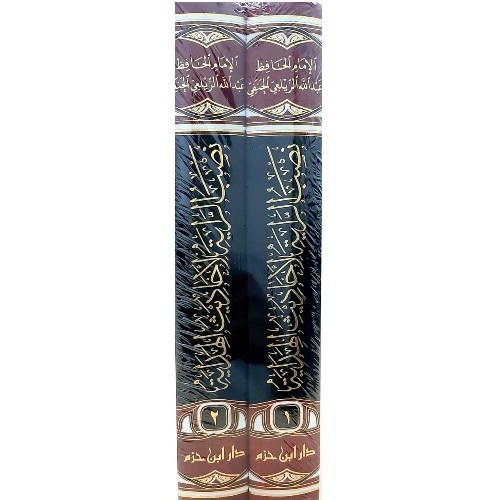
[AH] Nasab Alrayah Liahadith Alhidayah (2 Vol) ( نصب الراية لأحاديث الهداية)
Highlights:
نصب الراية لأحاديث الهداية للشيخ الإمام المحدث جمال الدين الزيلعي.
خرج فيه الإمام الزيلعي الأحاديث التي وردت في كتاب الهداية،
وكتاب الهداية كتاب في الفقه الحنفي ألفه العلامة برهان الدين علي بن أبي بكر المرغيناني الحنفي المتوفى سنة 593 هـ،
ولم يقتصر الزيلعي على تخريج أحاديث الهداية، بل زانه بإيضاح أدلة المخالفين.
RM210.00
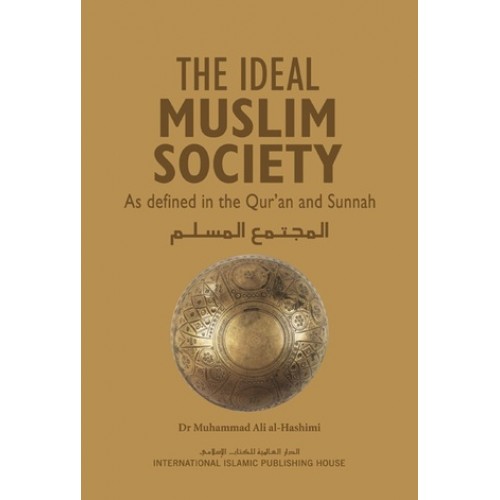
Ideal Muslim Society
Highlights:
From the translator, Nasiruddin al-Khattab: In a world plagued with wars, racism, political turmoil, economic downturns and social anguish, many people are looking for an alternative in which justice, freedom, decency and common sense will prevail. Such societies have existed in the past, in the golden eras of Islamic civilization, and we have the hope that, if Allah wills, such a society may appear again. In The Ideal Muslim Society, Dr. Muhammad ‘Ali al-Hashimi gives us a detailed picture of what this society would look like. Drawing on his extensive research of Islamic history and contrasting the ideal with the sorry state of affairs in human societies today, he explores the religious, political, economic, social and other facets of this ideal society, illustrating everything from the responsibilities of those in authority to the interactions between individuals on the humblest levels. For those who are longing to see a better world, this book offers practical ideas and hope.
RM85.00
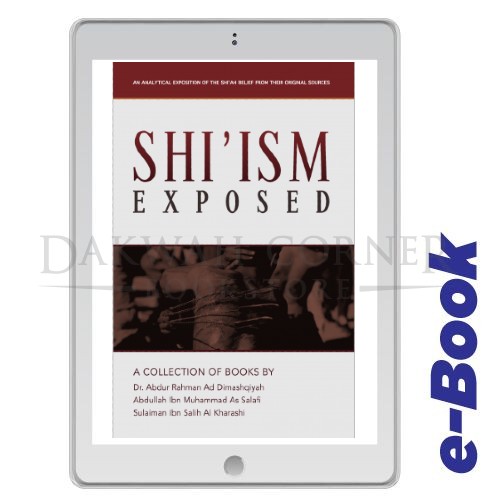
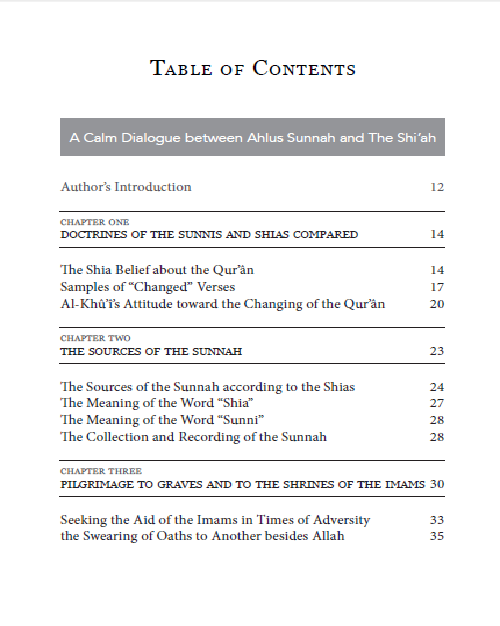
(FREE-eBook) Shi’ism Exposed
Highlights:
This book is mostly dedicated to every Shia who is willing to listen to constructive criticism with an open heart and an enlightened mind. This research is, in fact, a survey of the literature about the rise and spread of Shiism and its fundamental principles. Much of what follows is taken directly from Shia sources. The history, ideological background, and threats posed by Shi’ism against the true Islam of our noble Prophet Muhammad (Peace be upon him)are clearly outlined, and the Muslim finds, in them, a warning against falling prey to the calls of the Shi’ites. Also it is a guidance for Shi’ittes to discover reality of Shi’ism to come back to the original faith of Islamic Monotheism.
RM0.00
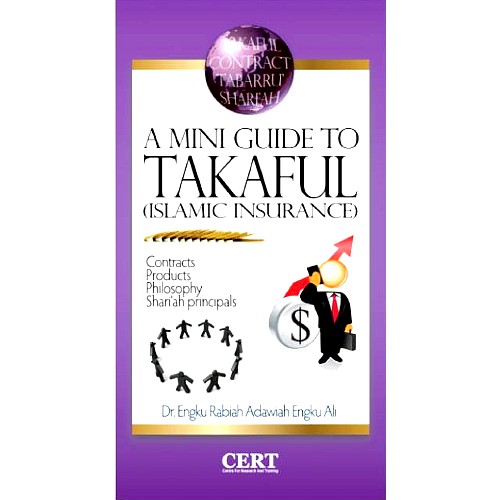
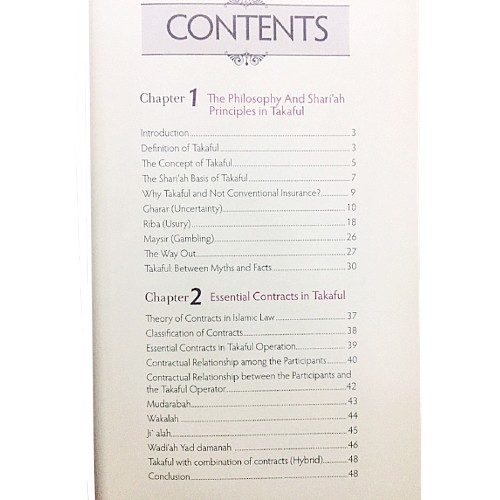
A Mini Guide to Takaful (Islamic Insurance)
Highlights:
This Mini Guide will prove useful and constructive to readers who want a better understanding of the takaful industry in contemporary Islamic finance.
RM45.00

Tell Me A Story Sincerity
Highlights:
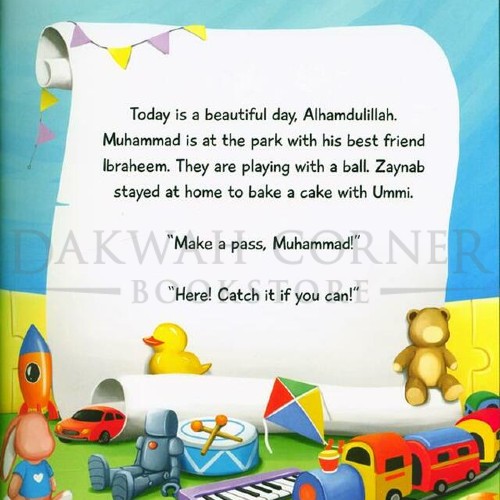
Discover a selection of captivating illustrations, accompanied by basic, but important concepts for young Muslim children. Tell Me a Story: Sincerity is the third issue of the “Tell Me a Story” series. Throughout this third issue your child will learn the meaning of sincerity through a beautiful story about Muhammad and Zaynab. This hardcover, 60-page book explains the importance of sincerity in a fun way. Take your time to read this story with your child, and nurture in them the seeds of sincerity. The characters in the book are expressionless to help develop young and curious imaginations.
RM50.00
Umar ibn Abdul-Azeez The Just Caliph (IIPH)
Highlights:
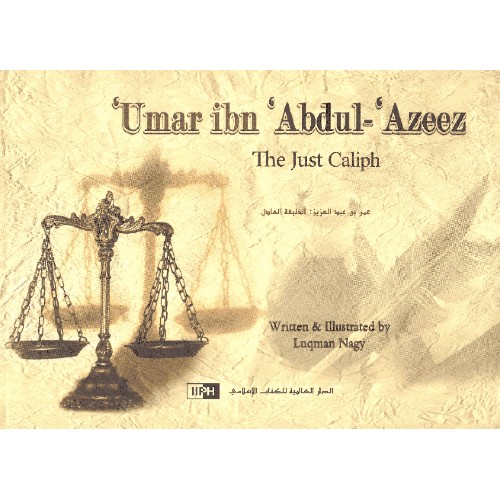
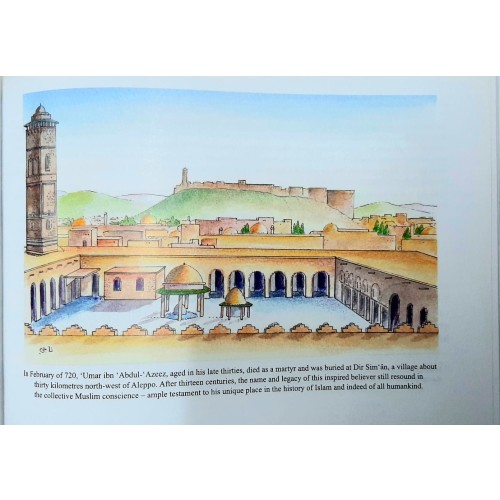
This book, written by Luqman Nagy, highlights the life and times of ‘Umar ibn ‘Abdul-‘Azeez, a truly exceptional Muslim ruler who, during his twenty-nine months in office, governed the Ummah totally in accordance with the Qur’an and the Sunnah. His sincere devotion to the religion of Islam enabled ‘Umar ibn ‘Abdul-‘Azeez to bring prosperity and contentment not only to the Ummah but to all those residing within the Umayyad state.
RM54.00
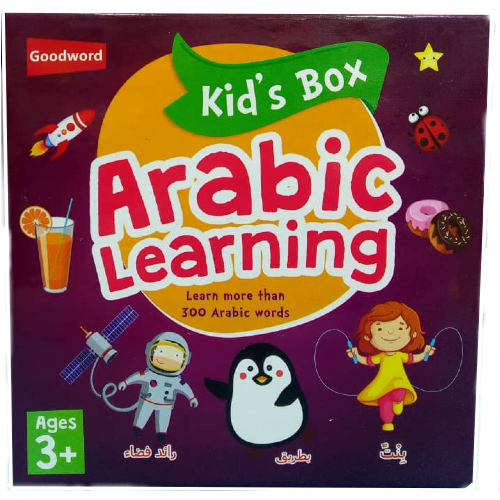
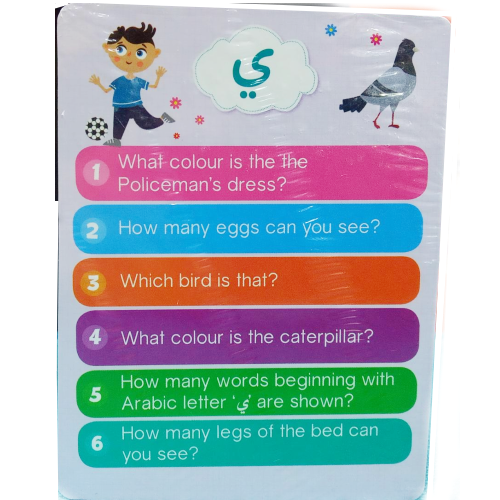
Kid’s Box: Arabic Learning
Highlights:
Learn Arabic Words & Develop Observation Skills
Perfect for encouraging children to build vocabulary and language skills, Kid’s Box: Arabic Alphabet helps children grasp basic Arabic words, their formation, meaning and usage. Children will love discovering and learning new words to build Arabic vocabulary in a fun way while playing various games.
- A card game for 2 and more players
- Suitable for children 3 years and above
- Learn more than 300 Arabic words
- Improves memory and concentration skills
- A simple, fun-filled and educational game
- Challenge your brain in just 15 minutes
- Full of fun illustrations
- A perfect boredom buster for children
- Includes words from topics such as animals, home, school, fruits, and transport.
Includes 56 double sided cards and a dice.
Suitable for 3+ years old
RM60.00
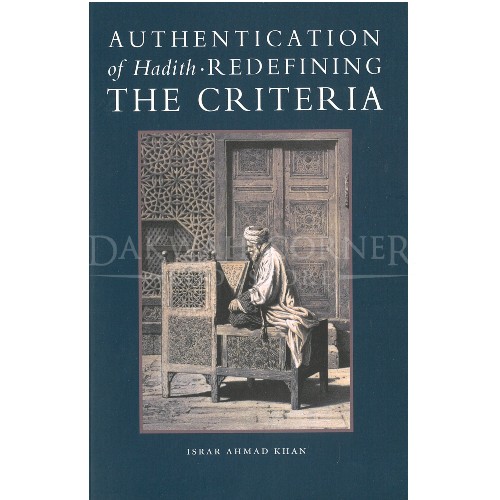
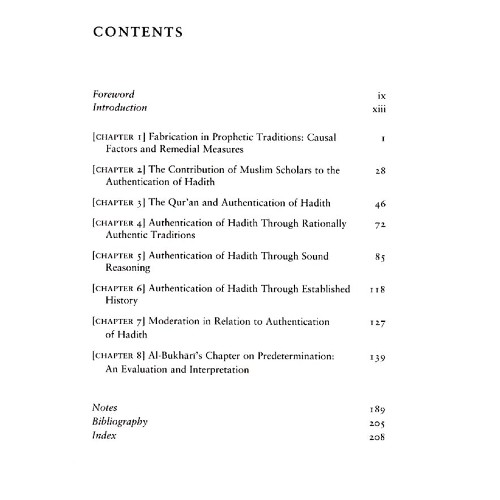
Authentication of Hadith: Redefining the Criteria (IIIT)
3 ★
3 ★
1 Rating
5 ★
0
4 ★
0
3 ★
1
2 ★
0
1 ★
0
Highlights:
In today’s complex and volatile world the consequences of relying on fraudulent and counterfeit Hadith to legitimise extremist behaviour, issue violent fatwas, and justify blatant abuse, particularly of women, is not only far too easy but in fact dangerous. Israr Khan addresses the sensitive topic of Hadith authentication, focusing on the criteria adopted by classical scholars to maintain that concentration on the continuity and accuracy of the chain of narrators, rather than the textual content of Hadith, has led to particular Hadith being included which either contradict other Hadith directly, project the Prophet (SAAS) in an uncharacteristic light, or do not reflect and/or conflict with the teachings of the Qur an. The study traces in careful detail the historical development of the oral and written traditions, as well as the many targeted attempts at fabrication that took place, critiquing in methodical detail certain Hadith which have come to be widely accepted as authentic. The prominent collections we have today, were made possible by the development of the science of Hadith criticism, and Muslim scholars deserve deep appreciation for their painstaking work, as well as their invaluable contribution towards preserving the Hadith literature to the best of their ability. However, insists the author, the process is ongoing, and the closed door policy which currently surrounds Hadith authentication needs to be carefully reexamined.
RM75.00
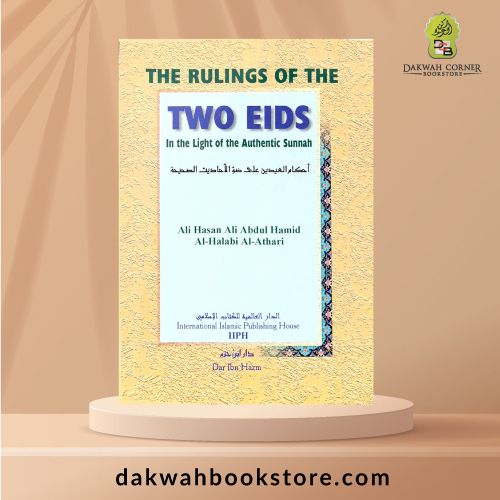
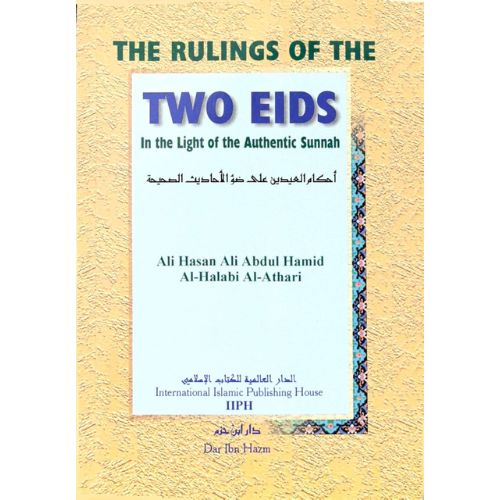
The Rulings Of The Two Eids
Highlights:
Islam the religion revealed by Allah the All-Merciful did not ignore the human need for entertainment and allowed pleasure. The Two Eids are two occasions on which people show and feel happiness. After performing Hajj, the Muslim enjoys the Eid festival and eats his sacrifice meat. After Ramadan, the breakfast (Fitr) festival is another occasion for happiness, love and entertainment.
RM13.00
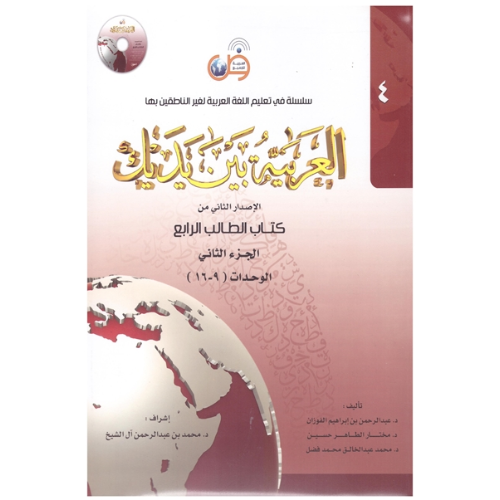
[AR] Al-Arabiyyah Baynah Yadayk Book 4 Part 2
Highlights:
Al-’Arabiyyah bayna yadayk Means Arabic in Your Hands.
The great thing about these books is, that it covers a lot of vocabulary through pictures, Images and using Arabic Only, introduces the students to grammar later and gradually rather than pushing them at the deep end before they can swim.
Much like Arabic Course for English Speaking Students 3 Volumes Set, UKIA, it is more Islamic inclined and fulfils the desire for the student of knowledge to learn the language of the Qur’an.
Students who had completed all three books wanted something else to reach higher competency, which has given rise to volume 4 which is available in 2 Parts.
Al-’Arabiyyah bayna yadayk series comes in 3 Basic Student Books and a further study Book 4 Parts 1 & Book 4 Part 2
RM85.00
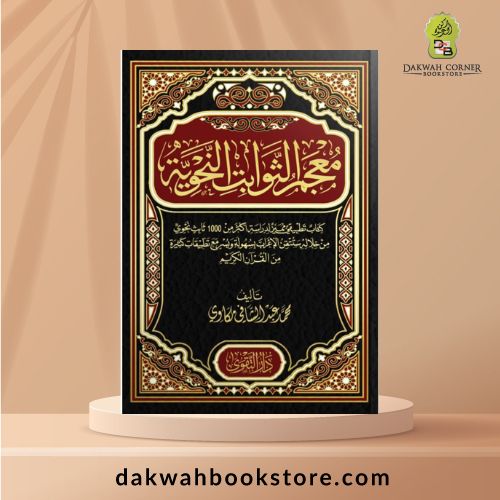
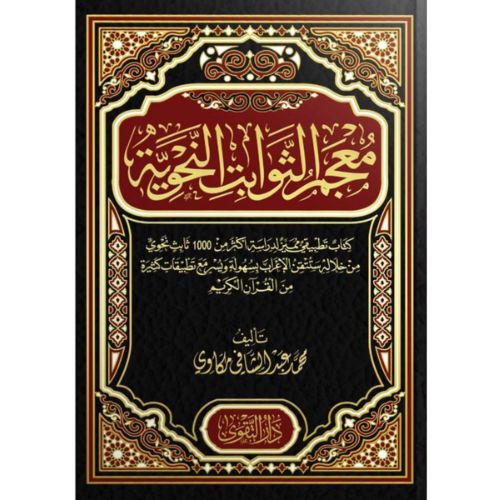
[ALA] Muʿjam al-Thawābit al-Naḥwiyya / معجم الثوابت النحوية
Highlights:
كتاب تطبيقي مميز لدراسة أكثر من 1000 ثابت نحوي من خلاله ستتقن الإعراب بسهولة ويسر مع تطبيقات كثيرة من القرآن الكريم
RM75.00
There are no reviews yet.