




![[AC] Sharh Usul Al Sunah Imam Ahli Sunnah Ahmad/ شرح أصول السنة لامام اهل السنة احمد بن حنبل الشيباني](https://shop.dakwahbookstore.com/wp-content/uploads/2024/12/website-500x500-2024-12-06T215731.251.jpg)
![[AC] Mukhtasar Minhaj Al Qasidin / مختصر منهاج القاصدين](https://shop.dakwahbookstore.com/wp-content/uploads/2024/12/website-500x500-100.jpg)
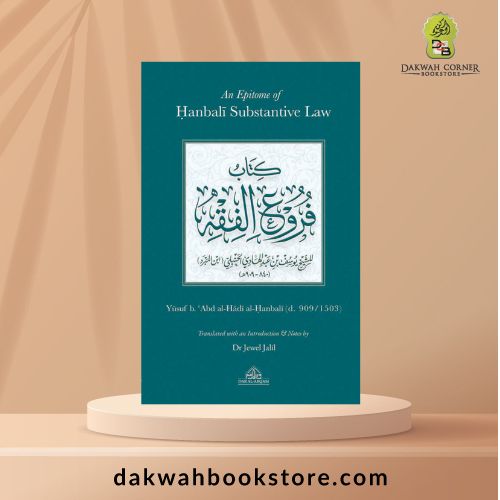
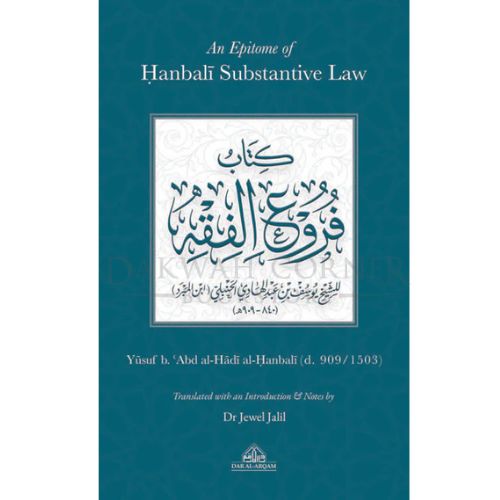
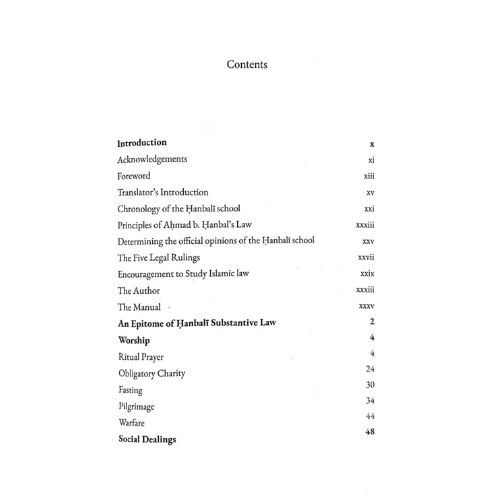
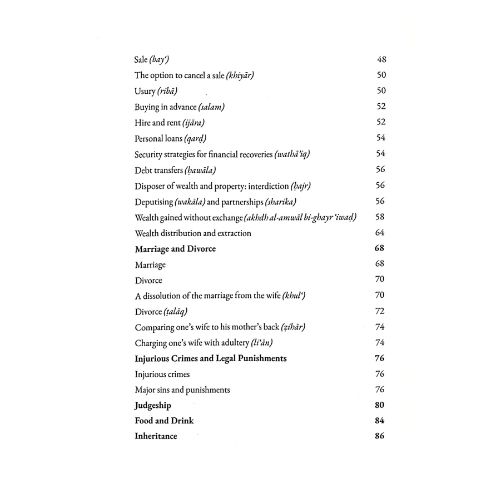
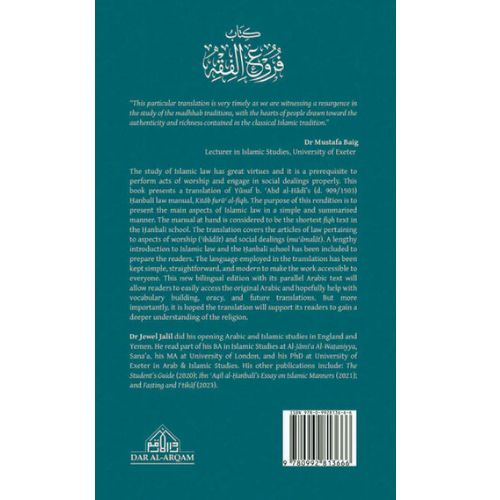
This book presents a translation of Yūsuf b. ʿAbd al-Hādī’s (d. 909/1503) Ḥanbalī law manual, Kitāb furūʿ al-fiqh. The purpose of this rendition is to present the main aspects of Islamic law in a simple and summarised manner. The manual at hand is considered to be the shortest fiqh text in the Ḥanbalī school. The translation covers the articles of law pertaining to aspects of worship (ʿibādāt) and social dealings (muʿāmalāt). A lengthy introduction to Islamic law and the Ḥanbalī school has been included to prepare the readers. The language employed in the translation has been kept simple, straightforward, and modern to make the work accessible to everyone. This new bilingual edition with its parallel Arabic text will allow readers to easily access the original Arabic and hopefully help with vocabulary building, oracy, and future translations. But more importantly, it is hoped the translation will support its readers to gain a deeper understanding of the religion.
An Apitome of Hanbali Substantive Law
RM90.00
Frequently Bought Together
| Weight | 0.50 kg |
|---|---|
| Dimensions | 16 × 1.5 × 24 cm |
| Author | |
| Binding | Paperback |
| ISBN | 9780992813666 |
| Publisher | Dar Al-Arqam |
Be the first to review “An Apitome of Hanbali Substantive Law” Cancel reply
You must be logged in to post a review.
You may also like…


Comprehensive Islamic Jurisprudence (New Cover)


Devotion in Prayer P/B
The lack of reverence [khushi] in prayer has become a widespread phenomenon. Despite the well-known methods of achieving khushu methods in the Sunnah of the Prophet, rarely do we find a Muslim who is satisfied with his khushi in his prayer. In this book, we present a new theory, the theory of the pyramid of khushů, which consists of five levels, and which aims to gradually elevate the worshiper until he reaches a complete peace of mind in his prayer. This theory is implementable, practical, and based on the Qur’an and the Sunnah.
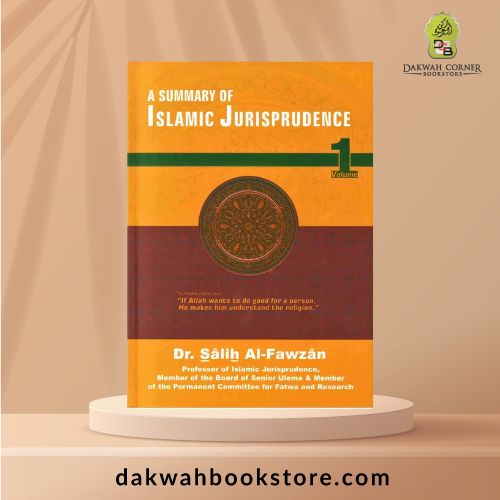
A Summary Of Islamic Jurisprudence – 2 Volumes
This book is an introduction to Islamic Jurisprudence for readers without a substantial background in this field. In two volumes, Sheikh Salih Al-Fawzan has projected light on jurisprudential issues of utmost importance in a genuine and reader-friendly style, free from any jargon or sophisticated expressions. A Summary of Islamic Jurisprudence, in this translated version, fulfills a long-standing need on the past of English-speaking Muslims for a brief, introductory book on Islamic jurisprudence. It is a valuable book for novice readers, be they Muslims or non-Muslims, who do not have thorough knowledge of the Islamic jurisprudence. The chapters of this book focus on major issues in Islamic jurisprudence. Volume one covers issues such as Purification, Prayer, Zakah, Fasting, Hajj and Jihad. And Volume two covers Transactions, Inheritance, Marriage, Divorce, Legal Punishments, Food, Judiciary and others.
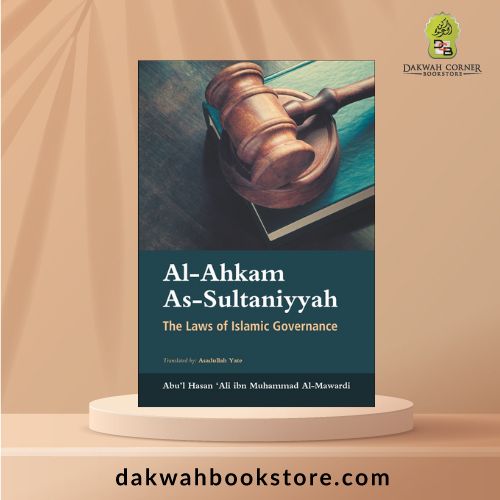
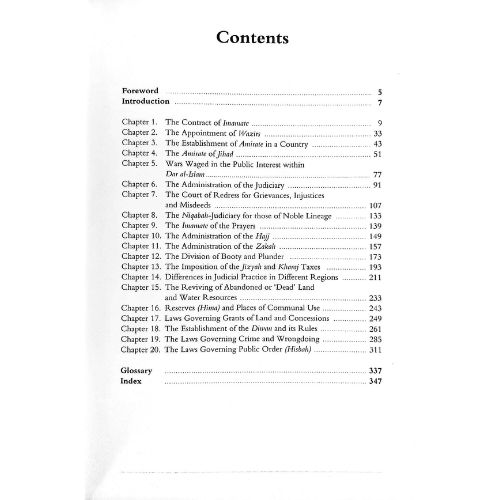
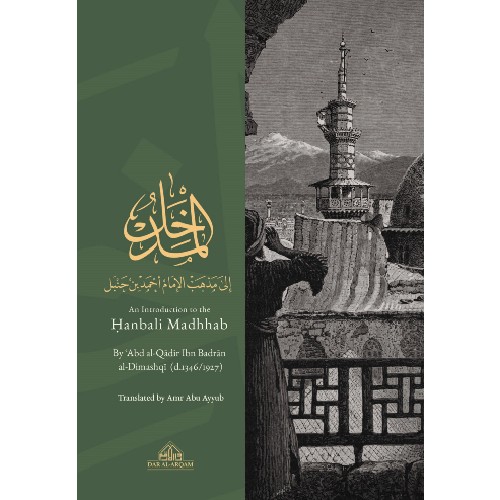
An Introduction to the Hanbali Madhhab (P/B) – Dar al-Arqam
A complete translation of Ibn Badran’s masterpiece, al-Madkhal ila Madhhab al-Imam Ahmad ibn Hanbal.
Related Products


Getting the Best Out of Hajj
The book provides a realistic view of Hajj as it is today, with detailed explanations of all the rites. It provides Figh related issues about Hajj, Salah and personal behaviour according to the Quran and Sunnah, to enable you to obtain the best value for your time spent in the holy cities. It also provides information and suggestions about planning for the journey, what to expect and how to survive, so you can depart with full confidence. This is a must have for all those planning to go on Hajj!

Istihsan (P/B)
This work constitutes a critical analysis of classical and modern aspects of the concept of istihsan (juristic preference), an important principle in Islamic legal legislation throughout history. Although there has been many research works on the subject, it still requires further investigation on the role and nature of istihsan with regard to a combination of classical and modern approaches. Consisting of four chapters, the author begins by introducing some general principles of Islamic law, before discussing the history of istihsan during the time of the Prophet and his Companions. He also analyses the validity of istihsan as a source of law and discusses the differences among scholars on its method of implementation.


Funeral Rites In Islam (H/B)
The purpose of this book is to provide English speaking Muslims a concise and authentic compilation of the instructions regarding funeral rites in Islam.

The Problems of the Illegitimate Child (P/B)
This book addresses the views of the Sunni scholars regarding the importance of genealogical relationship (nasab) in Islamic family law and examines the role of legitimacy on the basis of the legal maxim “al-walad li al-firash”, evidence (al-bayyinah), and doubtful intercourse (wat’ shubhah). It also elucidates the views of the Sunni schools of law on how to establish illegitimacy. For the Sunni jurists, there are several situations that determine the illegitimacy of the child. A child is considered illegitimate if its birth is the outcome of adultery (zina) or the result of legitimate union but accompanied with imprecation (li‘an). Other circumstances include the birth of the child taking place in less than six lunar months, the father of the child being categorized as one who is incapable of begetting, or the birth as a result of marital relationship considered unlawful because of consanguinity. The book also deals comprehensively with the moral, religious, legal and other aspects of the illegitimate child and the foundling in the works of the Sunni jurists. The status and rights of the illegitimate child and the foundling in the Islamic family law of Malaysia and Brunei are also discussed by referring to some provisions from Federal Territory Act 1984 (Act 303) and Brunei law.


Al-Jumu’ah: The Day of Congregation
In our busy lives, Friday comes around once a week. It often comes and goes without our being really aware of it. For many Muslim men, it may be punctuated by the congregational prayer that they make special efforts to attend. For many Muslim women, it may go by just like any other day. This ought not to be the case. In this unique book, Dr. Gowher Yusuf gives us reason to stop and think about how special Friday (al-Jumu‘ah) really is, and what we should be doing to achieve the many bounteous blessings it holds for those who observe it. Drawing constantly from the Qur`an and the Sunnah and the great works of the scholars of Islam, Dr. Gowher Yusuf explores this topic in depth and presents it to the reader in simple language for them to understand and ponder over. This book travels through the various issues pertaining to the Friday prayer and its Khutbah, or sermon. These issues are explained within the Islamic framework, thus abolishing any myths and misunderstandings and clarifying the topic for the reader. Dr. Yusuf writes: The day of the week known as al-Jumu‘ah, or simply Jumu‘ah, is Friday, and it is special. Compared to the other days of the week, Friday has been accorded the largest amount of merit, so much so that the father of all humankind, Prophet Âdam (peace be upon him), was created on this day and a particular prayer was ordered for this day. It was from the guidance given to Prophet Muhammad (blessings and peace of Allah be upon him) to magnify this day, honour it, and designate it for acts of worship. …On a Friday, we all will be gathered and will stand congregated in front of Allah, the Exalted, on the Day of Resurrection, also called the Day of Accountability or the Day of Judgement.


Principles of Islamic Jurisprudence (2nd Revised Edition)
This book offers a detailed presentation of the theory of Muslim law (usul al-figh). Often regarded as the most sophisticated of the traditional Islamic disciplines, Muslim jurisprudence is concerned with the way in which the rituals and laws of religion are derived from the Qur’an and the Sunna – the precedent of the Prophet. Revelation, which is given to man to restore unity and help him achieve a just and devout order in society as well as in the soul, must be interpreted so as to render it practicable in every culture, while not betraying its spirit and immutable provisions. To achieve this, additional sources of legal authority are recognized, including consensus (ijma), analogical deduction (qiyas), public interest (maslaha) and local customary precedent (urf). In employing these, the jurist guards the five principles which it is the purpose of Islamic law to uphold, namely, the right to life, sound mind, property, lineage and religion.

Shatibi’s Philosophy of Islamic Law (P/B)
Abu Ishaq al-Shatibi, who died in 1888, had sought an answer to the challenge posed by modernisation and change to Islamic law, by introducing maslahah, which forms the basis of his philosophy of Islamic law. In a fascinating way, the author leads us step by step to what he considers the true import of Shatibi’s views concerning jurisprudence.

Islamic Rules of Order (P/B)
Organizations must have rules of order to facilitate their debate and to fill in the procedures not detailed by their constitutional documents. While most American organizations are content to operate by Robert’s Rules of Order, Muslim organizations have often wrestled with questions over whether the rules of order systemized by a Western military figure are in accord with the Qur’an and the Sunnah.
This book tackles the matter directly and takes into account the Qur’an, the sunnah, Islamic manners and the history of Islamic consultation and leadership to provide a simple, practical guide to organizational procedure that can be incorporated into the governance of Muslim organizations. The book includes advice on writing bylaws and on complying with the best practices of the U.S. Dept. of Justice in a way that is Islamically authentic, transparent, and accountable. It provides a basic starting point for any Muslim organization while allowing for flexibility so that organizations may make any variations they require within their own bylaws and constitution, so that it can accommodate differing schools of thought on Islamic law. In its discursive approach it is an essential primer for understanding the value of rules of order and the Islamic context for their application. The Islamic Rules of Order has been adopted as the rules of order of the Association of Muslims Social Scientists.


Funerals Regulations and Exhortations (H/B)
Our soul inevitably follows a route starting from birth, passing through death, and ending with our resurrection in the next life. The inevitable journey discusses over a sequence of titles: sickness, inheritance, funerals, Life in Barzakh and so on…

A Guide to Male-Female Interaction
Are Muslim men allowed to interact with female students, and vice versa, in a virtual classroom? Can a Muslim woman pursue a professional career that necessitates her interaction with men? Is it appropriate for a woman to serve her husband’s guests? Do mixed wedding ceremonies comply with the Sharia? Read this bilingual book to find the answers and more!

Islamic Fatawa Regarding Women (H/B)
Women face a lot of special problems regarding their menses, postpartum bleeding, istihada, hijab, mixing with men, rights & duties with respect to their husband, husband’s household, children, inheritance, marriage, divorce, etc
More than 350 of such problems & issues have been answered in this book by Grand Mufti of Saudi Arabia Sheikh Ibn Baz, and the eminent scholars like Sheikh Ibn Uthaimin, Sheikh Ibn Jibreen and others.
.


The Concise Presentation of the Fiqh of the Sunnah and the Noble Book
Written by Dr. Abdul-Azeem Badawi and translated by Jamal al-Din M. Zarabozo, The Concise Presentation of the Fiqh of the Sunnah and the Noble Book covers the fiqh of diverse topics like purity, prayer, fasting, zakah, pilgrimage, marriage, business transactions, foods, inheritance, criminal offenses, and jihad. Dr. Badawi relies only on the Quran and the Sunnah, making it an authentic Islamic book on fiqh and a collection of sound hadiths.
Recently Viewed
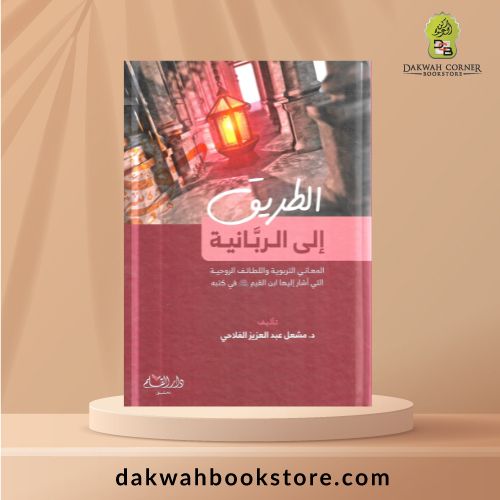
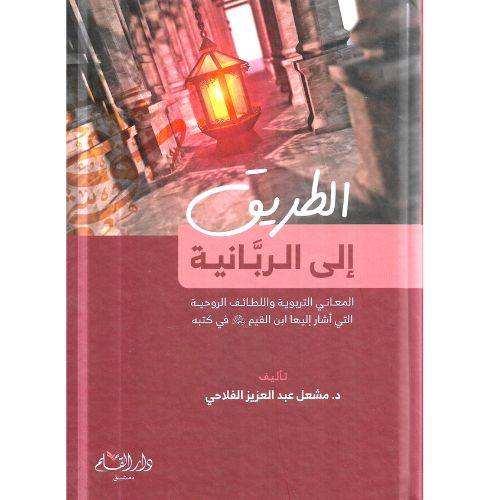
[MM] Al-Ṭarīq ilā al-Rabbāniyyah / “الطريق إلى الربانية “” المعاني التربوية واللطائف الروحية التي أشار إليها ابن القيم رحمه الله في كتبه
المعاني التربوية واللطائف الروحية التي أشار إليها ابن القيم رحمه الله في كتبه تأليف : د. مشعل بن عبدالعزيز الفلاحي التجليد : كرتوني الأجزاء

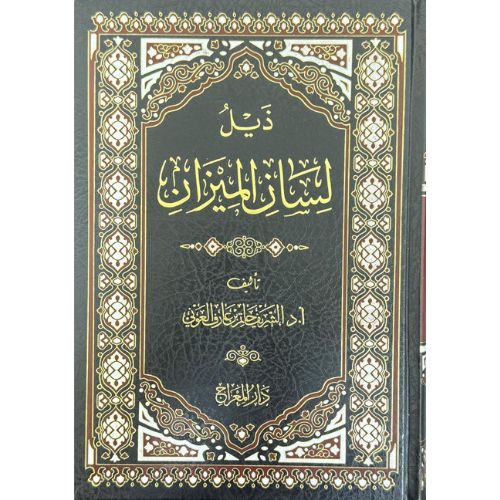
[AH] Dhayl Lisān al-Mīzān/ذيل لسان الميزان
لسان الميزان هو معجمٌ هامٌّ في علم الرجال، من تأليف ابن حجر العسقلاني (توفي عام ١٤٤٩م)، وهو معجمٌ شاملٌ لرواة الحديث.
ما هو موضوعه؟
هو مرجعٌ أساسيٌّ في علم الرجال، ويركّز بشكلٍ رئيسيٍّ على:
الرواة الذين وُجِّهت إليهم انتقادات
الرواة الذين اعتُبروا ضعفاء
الرواة الذين اتُّهموا بالتلفيق
الرواة الذين اختلف العلماء فيهم
ويهدف إلى مساعدة العلماء في تحديد صحة الحديث من خلال تقييم موثوقية رواة إسناده.
[AEC] Athar Muhammad Amin Al Shanqiti 21 Volآثار الشيخ العلامة محمد الأمين الشنقيطي 21 مجلدات
يُعدُّ الشَّيخُ العلَّامة محمَّد الأمين الشِّنقيطي من العُلماء الرَّبانيِّين، الذين خَلَّفوا للأمة تُراثًا زاخرًا، وعِلمًا نافعًا



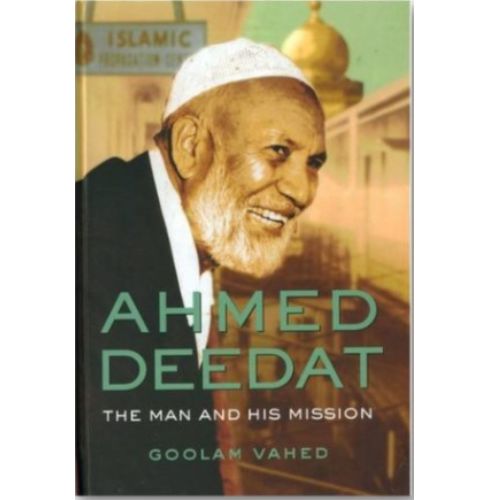
AHMED DEEDAT – The Man and His Mission
The usual arena for religious discussion ssion is a place other than a stage. But this is where Ahmed Deedat found himself during apartheid’s heyday, publicly defending his beloved islam against what he perceived to be the unbounded … ignorance and slander dished out by Christian missionaries of the time.

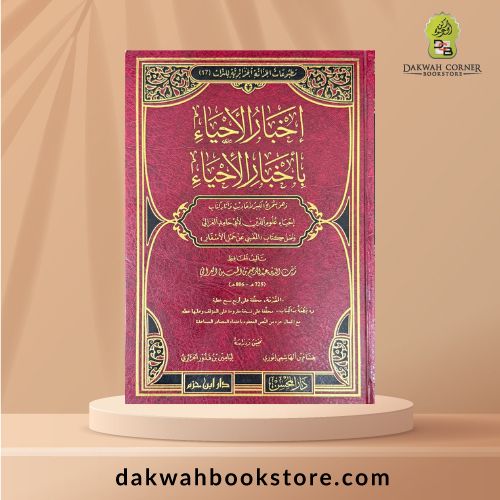
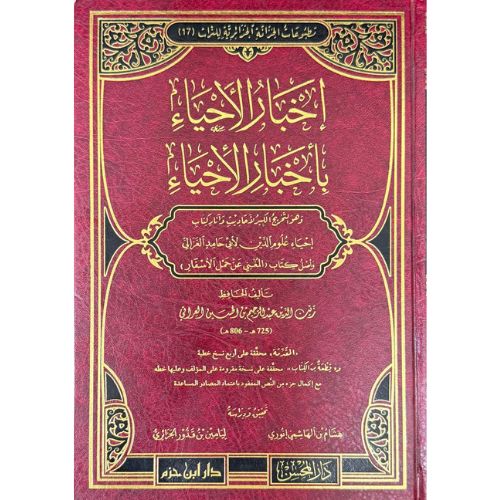
[AH] Ikhbār al-Aḥyā’ bi-Akhbār al-Iḥyā / ‘إخبار الأحياء بأخبار الإحياء –
نحمد اللّه حمد من تظاهرت عليه من ربه الآلاء، ونشكره شكر من تكاثرت عليه من مولاه النعماء، ونصلي على أشرف مَن دعا الناس بكلمه الجوامع إلى حسن الفعال التي يستحق بها الجزاء، وصدق المقال الذي يُكتسب به الثناء، وأكمل من فاق عباد اللّٰه المكرمين وصار للعالمين رحمة وشفاء، سيدنا محمد الرؤوف الرحيم، ذي الخُلق العظيم، الذي بعث لإتمام مكارم الأخلاق، قائد الغُر المحجَّلين من الأصفياء، وعلى جميع إخوانه من الأنبياء الذين كانوا في أزمنتهم شموساً للاقتداء، وعلى آله سفن النجاة لأهل النجاء، وصحبه نجوم الاهتداء، ومَن تبعهم بإحسان ما أظلت الخضراء وأقلت الغبراء
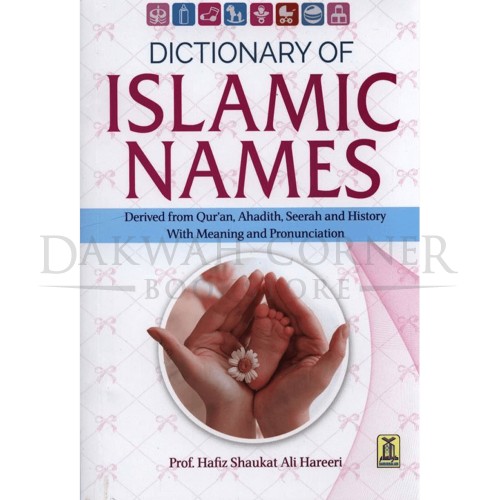
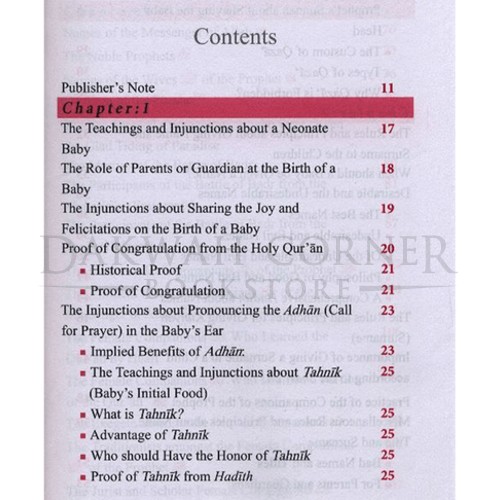
Dictionary of Islamic Names – Darussalam
A book of Islamic names derived from Quran, Ahadith, Seerah and history with meanings and pronnunciations.
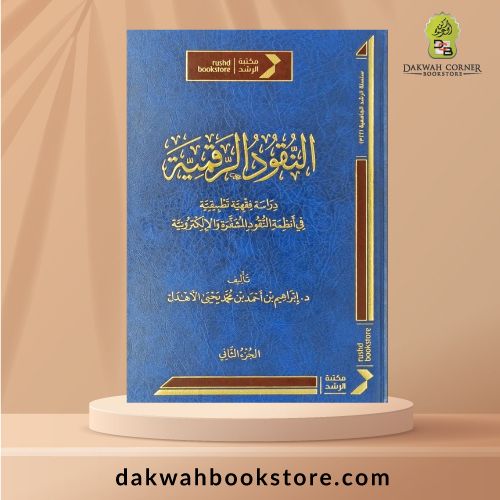
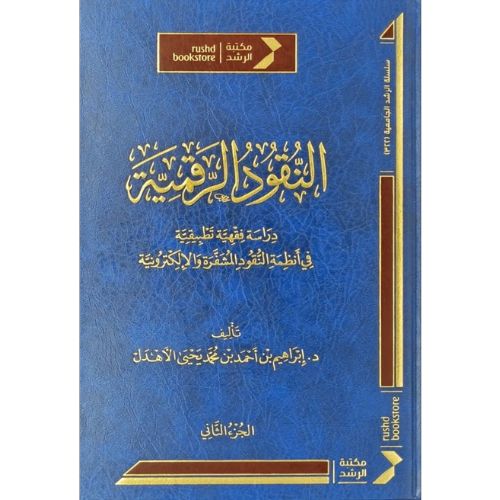
[AEF] Al-Nuqud al-Raqmiyyah / النقود الرقمية دراسة فقهية
النقود الرقمية دراسة فقهية
دراسة النقود الرقمية من منظور فقهي تتطلب التمييز بين أنواعها المختلفة، حيث يختلف الحكم الشرعي باختلاف الجهة المصدرة ومدى خضوعها للرقابة القانونية والمالية
There are no reviews yet.