

![[AMM] Taʿlīm al-Mutaʿallim Ṭarīq al-Taʿallum / تعليمُ المُتعلِّمِ طريقَ التعلُّم](https://shop.dakwahbookstore.com/wp-content/uploads/2025/12/website-500x500-9.jpg)
![[AMM] Adab ad-Dunyā wad-Dīn / أدب الدنيا والدين](https://shop.dakwahbookstore.com/wp-content/uploads/2025/09/website-500x500-2025-09-19T150133.871.jpg)
| Weight | 0.50 kg |
|---|---|
| Dimensions | 24.5 × 17.7 × 2 cm |
| Author | |
| Binding | Hardcover |
| Publisher | Dar Al Luluah |
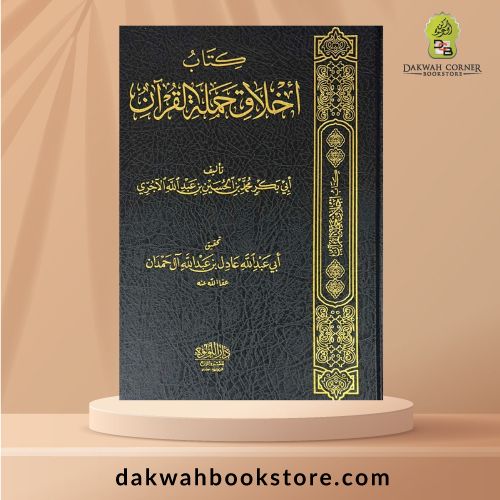
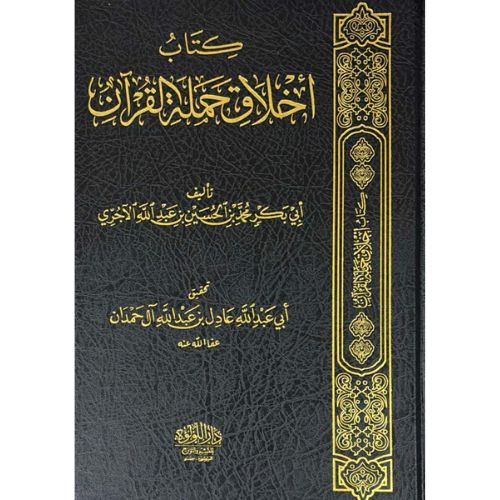
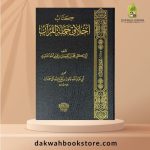
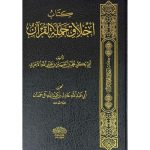
[AMM] Kitab Akhlaqi Hamalati Al Quran / أخلاق حملة القران
RM55.00
Hurry up, Only 1 left.
Highlights:
somdn_product_page
Compare
(من الجامع لكتب الإمام أبي بكر الآجري رحمه الله) أخلاق حملة القرآن
لأبي بكر محمد بن الحسين بن
عبد الله الآجري
تحقيق: عادل بن عبد الله آل حمدان | الناشر: دار اللؤلؤة
Frequently Bought Together
1 Item
RM55.00
2 Add-Ons
RM150.00
Total
RM205.00
Additional information
You may also like…
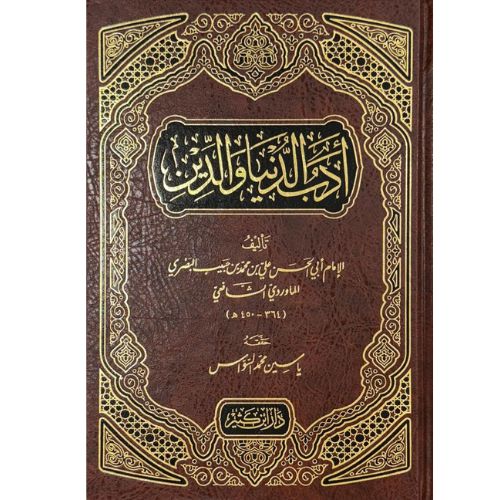
[AMM] Adab ad-Dunyā wad-Dīn / أدب الدنيا والدين
Highlights:
This book of ours is but a glimpse of this religion and those morals. “The greatest of matters in importance and value, and the most comprehensive in benefit and support, is that by which religion and this world are established, and by which the welfare of the Hereafter and this world is regulated; because with the integrity of religion, worship is sound, and with the welfare of this world, happiness is complete.” (1)
The book has been printed many times, and is well-known and widely circulated. At the beginning of this century (around 1920 AD), the Egyptian Ministry of Education had designated it for reading in secondary schools, due to its refined literature and wonderful wisdom. The author gathered evidence for it from the Holy Qur’an, the Sunnah of the Messenger and his family, the works of the Companions and their Successors, the etiquette of the eloquent, the sayings of poets, and the wisdom of the Arabs and other nations. He formulated all of this in a harmonious style, combining “the investigation of the jurists and the refinement of the literary men.” (2) He addressed the Muslim individual who is aware of the reality of life, in order to awaken in him the mind and thought, more than he arouses in him emotion and feeling, and in order to guide him towards the straight path and the path of guidance, and to elevate him from his limited reality. And his small experience, to a wider world, and a greater experience.
RM95.00
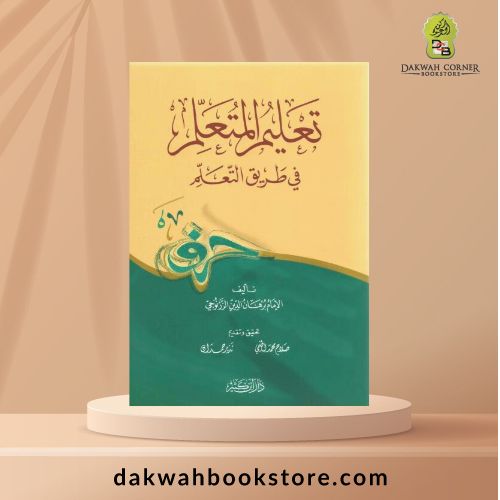
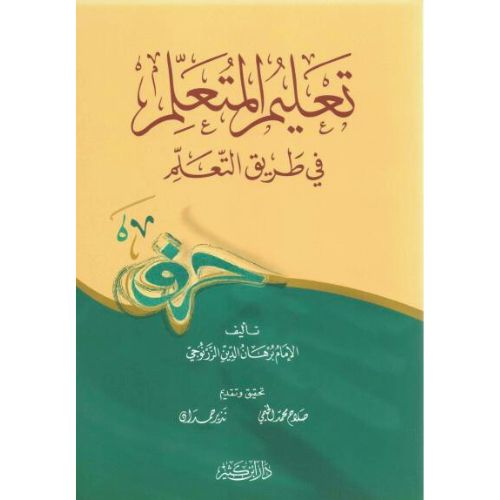
[AMM] Ta’lim al Muta’allim Tariq at Ta’allum / تعليم المتعلم في طريق التعلم
Highlights:
أفكار تربوية تركز على توضيح أحوال المتعلم، وطريقة تحصيل المعرفة، فأكد المؤلفُ على صفاء النية، والجدّ، والهمة العالية، ونصيحة المعلم وشفقته على تلاميذه، والورع في حالة التعلم، وما يُورِث الحفظ والنسيان، وما يجلب الرزق ويمنعه.
RM40.00
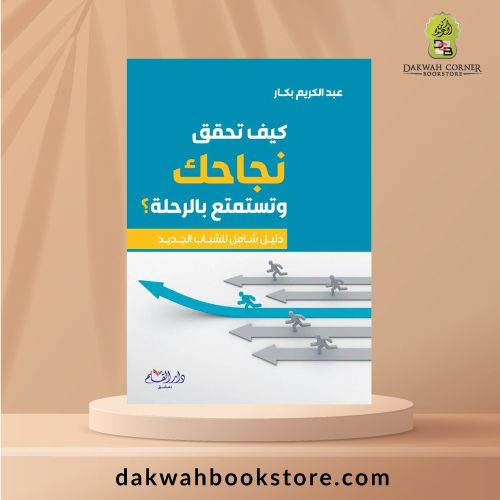
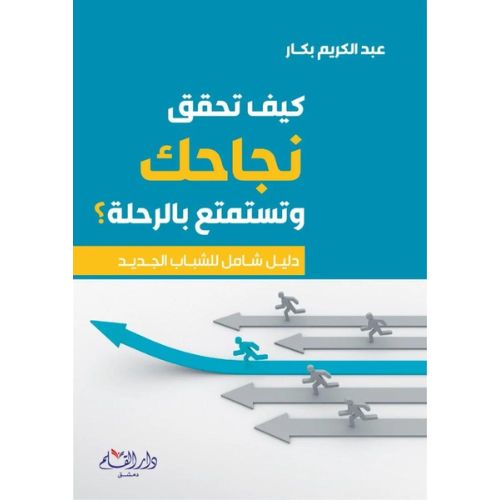
[MM] Kayfa Tahaqqaqa Najahak WatastamtI’ Bil Rihlah / كيف تحقق نجاحك وتستمتع بالرحلة ؟
Highlights:
ابدأ رحلتك مع “ساحة الكتب” مع الدليل الشامل لتحقيق الأهداف والتغلب على الصعاب “التي ستواجهنا عند خوض التحديات وعبور تموجات الحياة” لكتابة قصة نجاح.
RM85.00
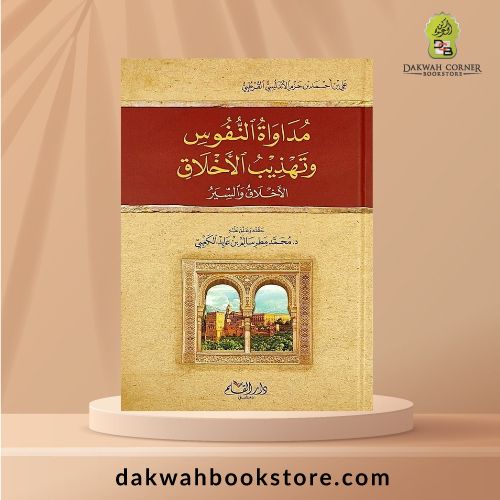
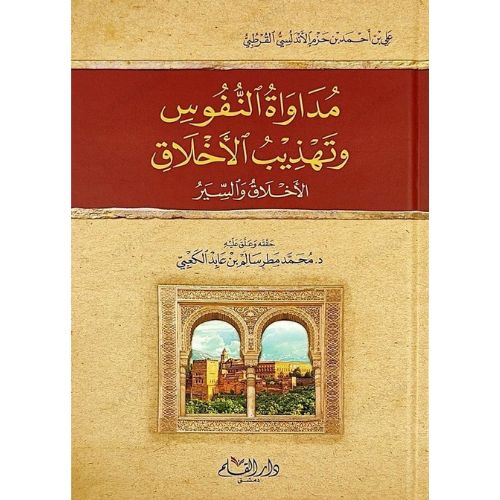
[APT] Mudawah An Nufus Watahzib Al Akhlaq / مداواة النفوس وتهذيب الأخلاق
Highlights:
الأخلاق و السير: مداواة النفوس وتهذيب الأخلاق والزهد في الرذائل للإمام ابن حزم
RM90.00
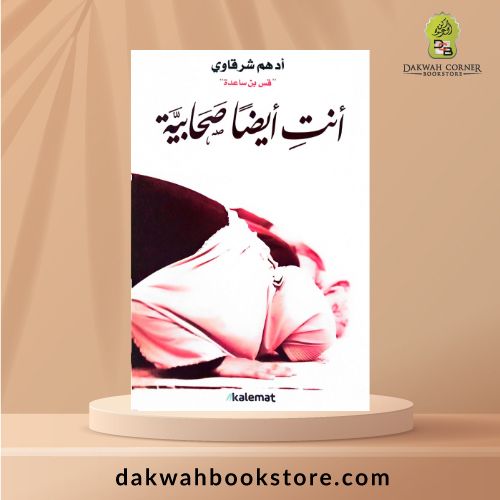
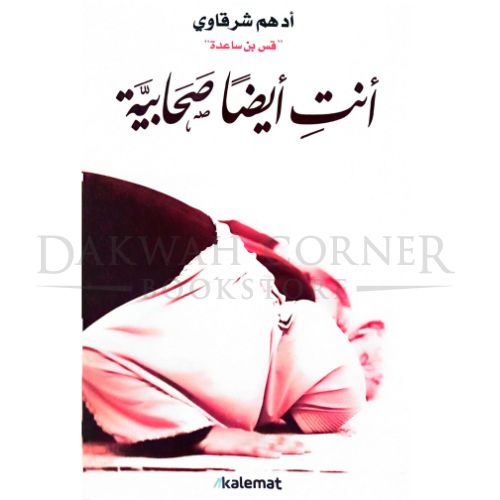
[MM] Anti Aydan Sohabiyyah / أنتِ أيضا صحابية
Highlights:
أنت الحضن الحنون الذي نأوي إليه هاربين من مشقة الحياة وأنت الكتف الذي لا نستغني عن الاتكاء عليه رغم رقته وأنت العكاز الذي لا نستغني عن الاستناد عليه رغم نعومته
RM95.00
Related Products
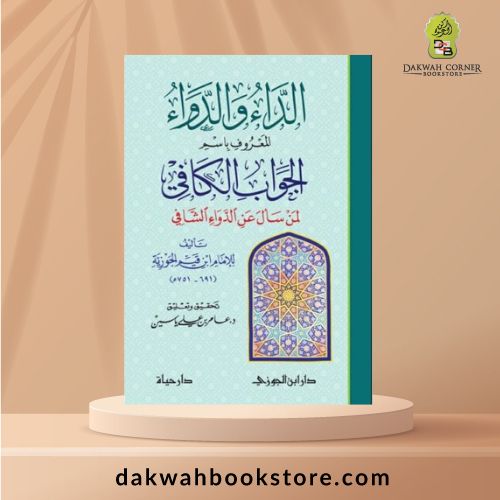
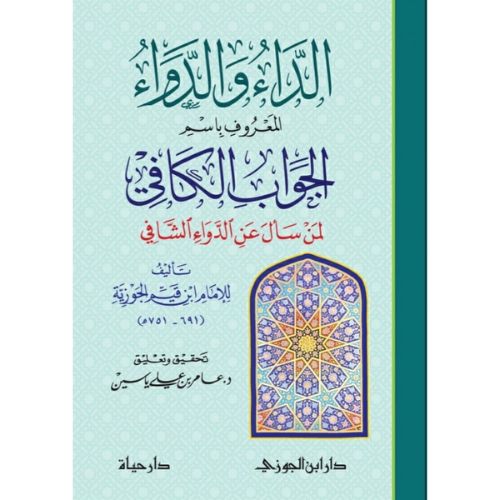
[MM] Adda Waddawa’ (Dar Ibn Jawzi) / الداء والدواء
Highlights:
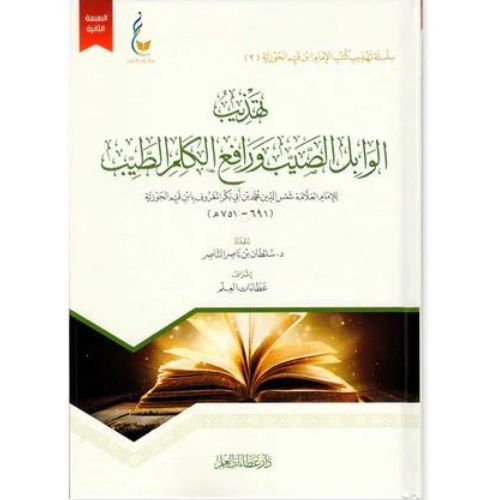
عنوان الكتاب: الداء والدواء المعروف باسم الجواب الكافي لمن سأل عن الدواء الشافي
تأليف: الإِمَامِ ابْن قيم الجوزية (٦٩١ – ٥٧٥١)
تحقيق وتعليق: د. عامر بن علی یاسین
RM125.00
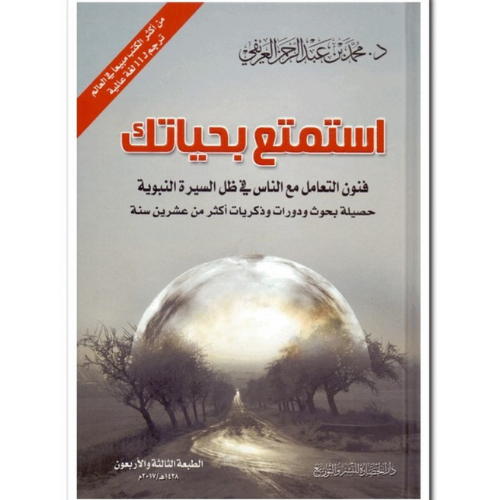
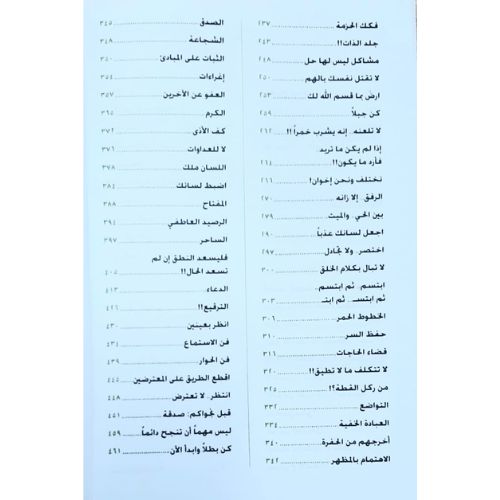
[MM] Istamti’ Bi HayatIk (استمتع بحياتك)
Highlights:
استمتع بحياتك،محمد ابن عبد الرحمن العريفي
استمتع بحياتك : فنون التعامل مع الناس في ظل السيرة النبوية – حصيلة بحوث و دورات و ذكريات أكثر من عشرين سنة
RM67.00
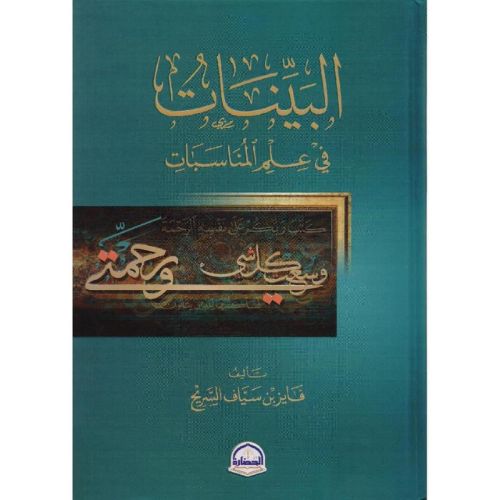
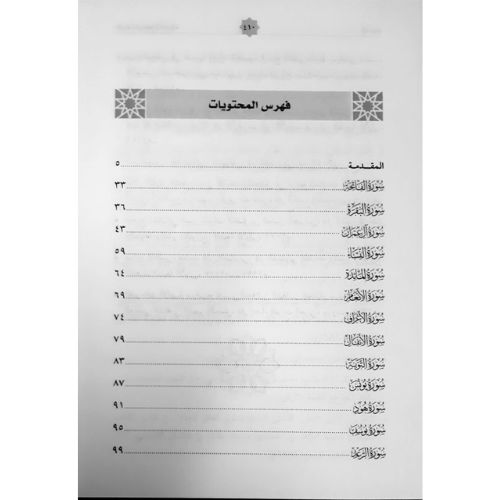
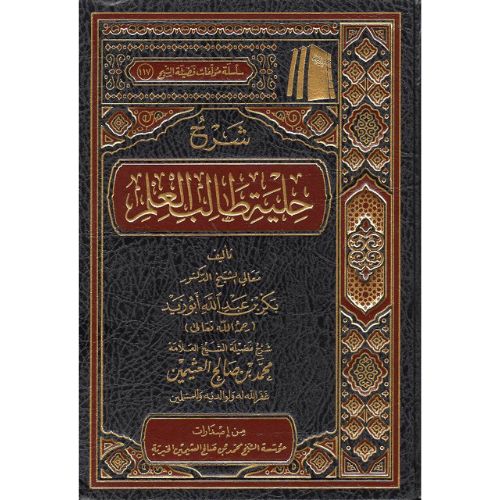
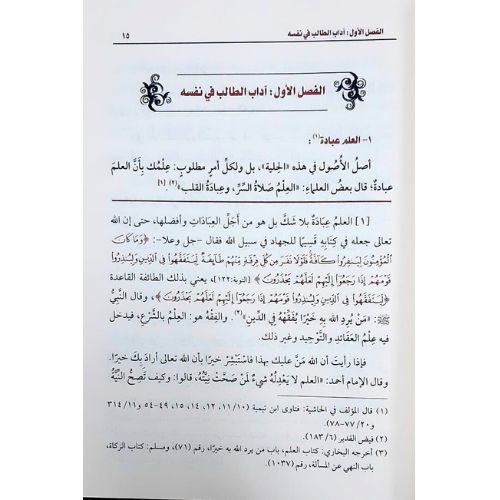
[GB] Sharh Hilayah Talib Al Ilm (شرح حلية طالب العلم)
Highlights:
حلية طالب العلم كتاب صغير الحجم كبير القدر عظيم النفع في آداب طالب العلم مع نفسه و كيفية الطلب و التلقي و آداب الطالب مع شيخه و آداب الطالب في حياته العلمية و محاذير ينبغي أن يحذر منها
RM65.00
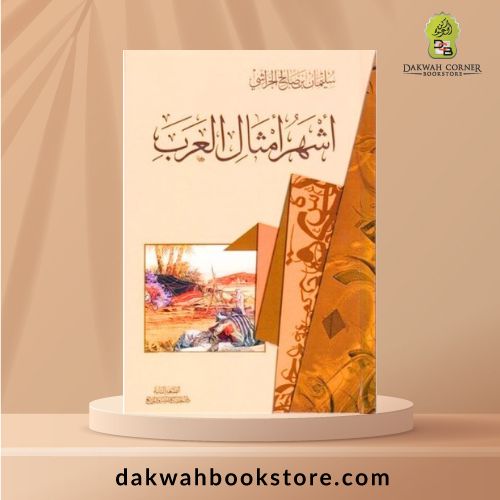
[MM] Ashhar Amthal Al Arab (اشهر امثال العرب)
Highlights:
قال المؤلف: سميت هذه الأوراق “الرجل النبيل” لأنه عليه الصلاة و السلام أنبل رجل عرفته البشرية، ولأن النبل ظاهر في تفاصيل حياته، في رضاه وغضبه، في حزنه وفرحه، قبل نبوته وبعدها، فهو بحق الرجل النبيل
RM45.00
Recently Viewed


A Brief Illustrated Guide to Understanding Islam (P/B)
Highlights:
Discusses some evidence for the truth of Islam, the scientific miracles in the Holy Qur’an, and the great challenge to produce a single chapter like the chapters of the Holy Qur’an.
RM15.00
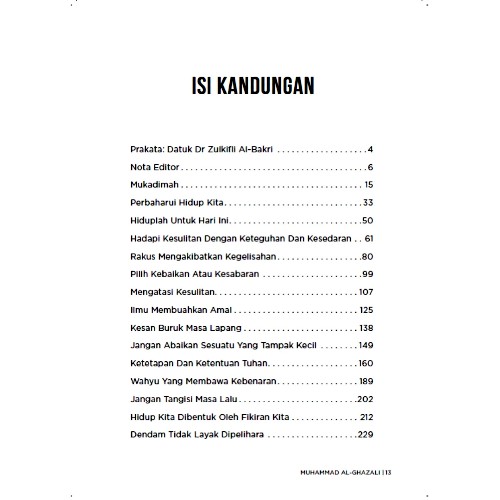
30 Cara Untuk Memperoleh Kebahagiaan
Highlights:
Buku yang hebat ini adalah panduan bogi semua masyarakat Islam terutamanya dalam kehidupan seharian kita kerana ia menyajikan cara-cara menghadapi kitaran hidup seharian, menerima masa lalu dan bersiap menghadapi hari esok berdasarkan pengajaran Al-Quran & Sunnah.
RM10.00 RM15.00
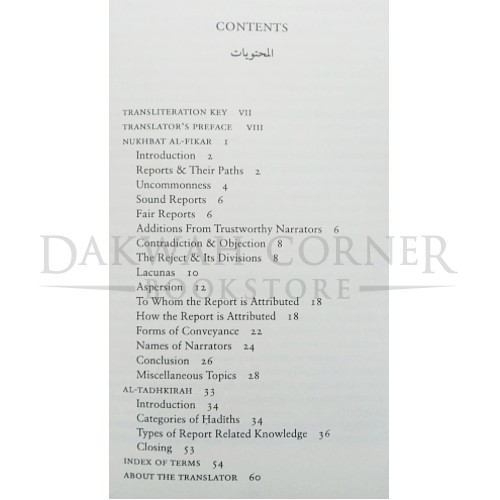
Hadith Nomenclature Primers
Highlights:
This volume presents two primers on the discipline of hadith nomenclature (mustalah al-hadith) and the authentication of transmitted reports. They are Nukhbat al-fikar (“Chosen Thoughts on the Nomenclature of Hadith Experts”) by Ibn Hajar al-‘Asqalani (773-835AH); and Al-Tadhkirah (“The Memorandum”) by Ibn al-Mulaqqin (723-804AH). These primers were written to facilitate speedy mastery of the discipline’s core material. Although the primers focus on definitions, they also include methods for addressing problems specific to the topic. Students would often commit a primer to memory while studying it with a living master who would explain its content in detail and demonstrate its application. It is through this interaction between students and instructors that Islamic education transmits both knowledge and skills across generations. In translation, these primers are ideal for English-speaking instructors looking for a primary text covering the subject’s core concepts. The translations will also benefit students looking to review their lessons or to prepare themselves for more advanced studies.
RM34.00
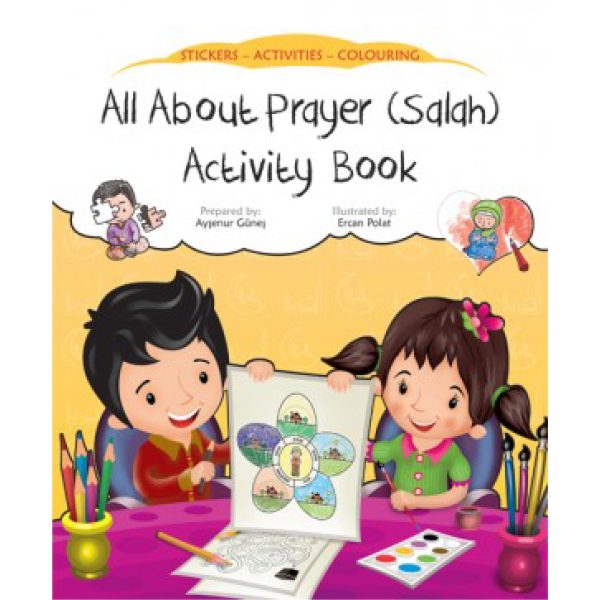
(READY STOCK✅) All About Prayer (Salah) Activity Book
Highlights:
Find out about the Muslim prayer with this fun sticker activity book. Features dot-to-dot drawings, coloring fun, puzzles to solve and over 60 stickers to stick.
Introduces children to the way Muslims prepare for prayer and the main parts involved in performing it, including calling adhan, facing the Kaaba and reciting words from the Qur’an.
RM22.00
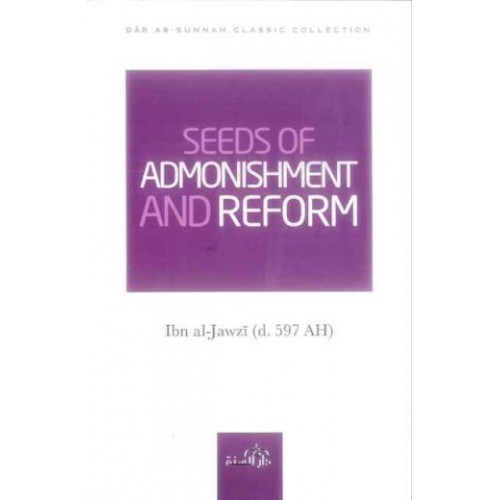

Seeds of Admonishment & Reform
Highlights:
This is the fifth installment in the book series, of the illustrious and inimitable scholar of the sixth century Hijri, Imam Ibn al-Jawzi, May Allah mercy upon him.
RM50.00
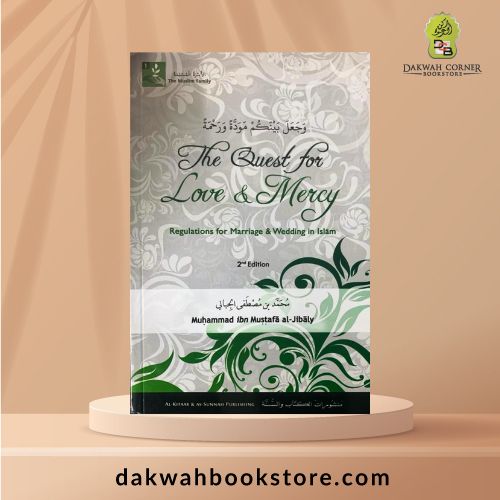
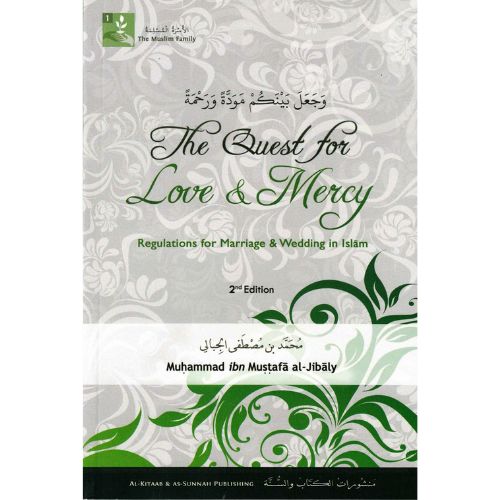
The Quest For Love & Mercy (P/B)
Highlights:
This is one of a 3-book series covering various aspects of marriage according to the authentic Sunnah. Marriage plays a most central role in the human life, and has been largely discussed by the scholars of Islaam through the ages, resulting in numerous writings and treatises. Some of those writings, mostly by contemporary scholars, have been translated into English. However, we find them restricted in scope, addressing Muslims who live in predominantly Islaamic countries, or overlooking important real issues that have developed under modern civilization. This leaves quite a large gap that needs to be filled for the benefit of the Muslims in English-speaking countries, and this is what we attempt to fulfill over the span of three books.”
The book covers the importance and advantages of marriage, selecting a spouse, the courting process, the marriage contract, celebrating the wedding, the waleemah, forbidden marriages, etc. It provides a practical procedure for performing a marriage contract, and includes a sample marriage certificate.
RM50.00
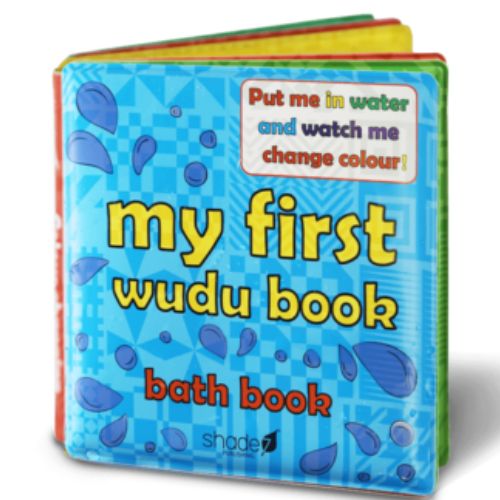

My First Wudu Book: Bath Book
Highlights:
‘My First Wudu Book’ is a colour-changing bath book, which aims to truly captivate and educate young hearts on the order of washing the basic body parts for wudu — the ritual washing performed by Muslims in preparation for their daily prayers.
RM50.00


Weakness of Faith (IIPH)
5 ★
5 ★
1 Rating
5 ★
1
4 ★
0
3 ★
0
2 ★
0
1 ★
0
Highlights:
The phenomenon of weak faith has become very widespread among Muslims, and many people complain about the hardness of their hearts. So often we hear the words, “I feel hardness in my heart,” “I do not find any joy in worship,” “I feel that my faith has hit rock bottom,” “Reading Qur’aan does not move me,” “I fall into sin so easily.” The effects of this affliction can be seen in many people, and this problem is the cause of every disaster and adversity.
One of the most important principles which must be understood in order to treat the problem of weak faith is that faith increases and decreases, or waxes and wanes. This is one of the basic principles of the ‘aqeedah of Ahl al-Sunnah wa’l-Jamaa’ah, who say that faith is something to be spoken in words, to be believed in in the heart, and to be put into action. Faith increases with obedience and decreases with disobedience.
‘… that they may grow more in Faith along with their (present) Faith…’ [al-Fath 48:4]
‘… Which of you has had his faith increased by it? …'[al-Tawbah 9:124]. aari, Fath, 1/51).
RM13.00 – RM30.00Price range: RM13.00 through RM30.00
HardcoverPaperback
Clear
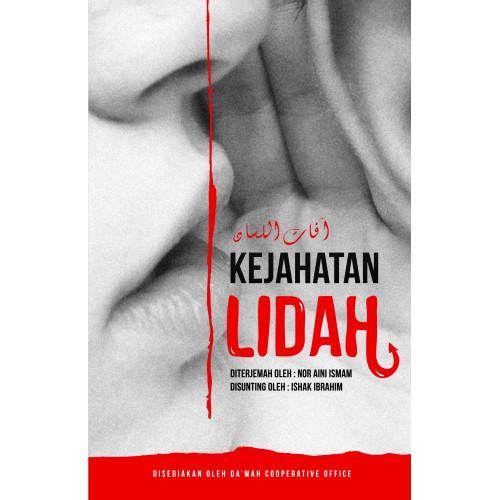
Kejahatan Lidah
5 ★
5 ★
1 Rating
5 ★
1
4 ★
0
3 ★
0
2 ★
0
1 ★
0
Highlights:
Enlightening facts about how a merely harmful words spoken that could turn into harmful friction in our daily lives due to our ignorant whereby in Islam there are guidance on how to interact in a society.
RM10.00 RM13.00
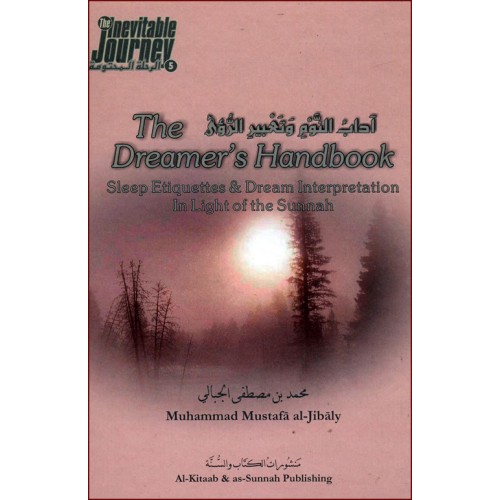
The Dreamer’s Handbook (H/B)
Highlights:
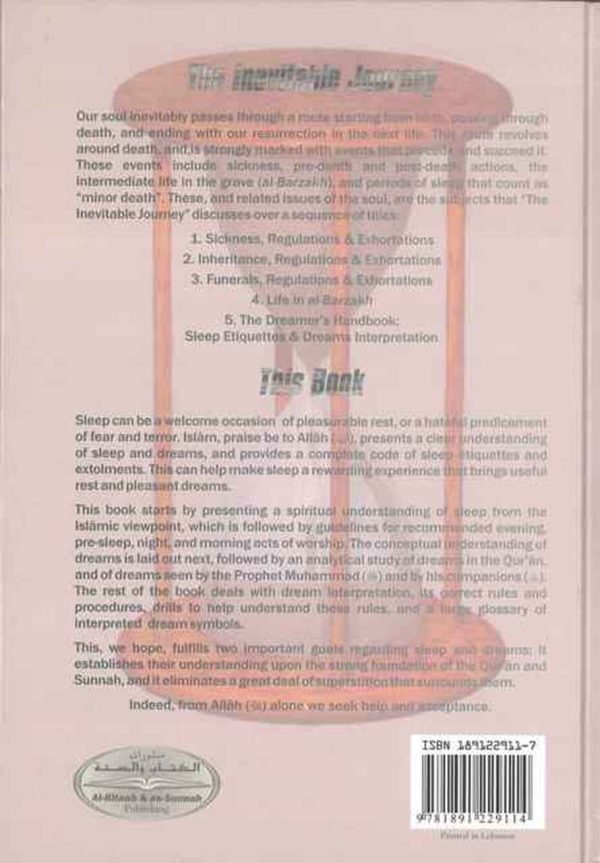
This book starts by presenting a spiritual understanding of sleep from the Islamic viewpoint, which is followed by guidelines for recommended evening, pre-sleep, night, and morning acts of worship. The conceptual understanding of dreams is laid out next, followed by an analytical study of dreams in the Quran, and of dreams seen by the Prophet Muhammad (PBUH) and by his companions (R). The rest of the book deals with dream interpretation, its correct rules and procedures, drills to help understand these rules, and a large glossary of interpreted dream symbols. This, we hope, fulfills two important goals regarding sleep and dreams: It establishes their understanding upon the strong foundation of the Quran and Sunnah, and it eliminates a great deal of superstition that surrounds them. Indeed, from Allah (SWT) alone we seek help and acceptance.
RM68.00
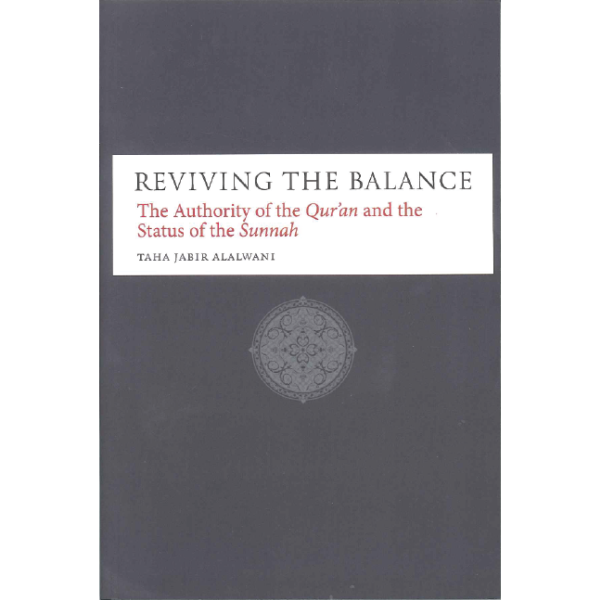
Reviving The Balance
Highlights:
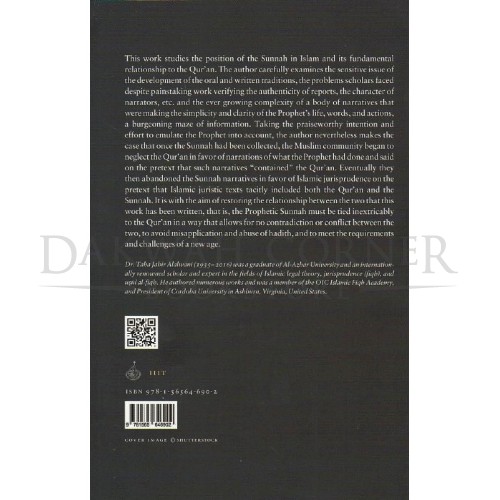
This work studies the position of the Sunnah in Islam and its fundamental relationship to the Qur’an. The author carefully examines the sensitive issue of the development of the oral and written traditions, the problems scholars faced despite painstaking work verifying the authenticity of reports, the character of narrators, etc. and the ever growing complexity of a body of narratives that were making the simplicity and clarity of the Prophet’s life, words, and actions, a burgeoning maze of information. Taking the praiseworthy intention and effort to emulate the Prophet into account, the author nevertheless makes the case that once the Sunnah had been collected, the Muslim community began to neglect the Qur’an in favor of narrations of what the Prophet had done and said on the pretext that such narratives “contained” the Qur’an. Eventually they then abandoned the Sunnah narratives in favor of Islamic jurisprudence on the pretext that Islamic juristic texts tacitly included both the Qur’an and the Sunnah. It is with the aim of restoring the relationship between the two that this work has been written, that is, the Prophetic Sunnah must be tied inextricably to the Qur’an in a way that allows for no contradiction or conflict between the two, to avoid misapplication and abuse of hadith, and to meet the requirements and challenges of a new age.
RM105.00

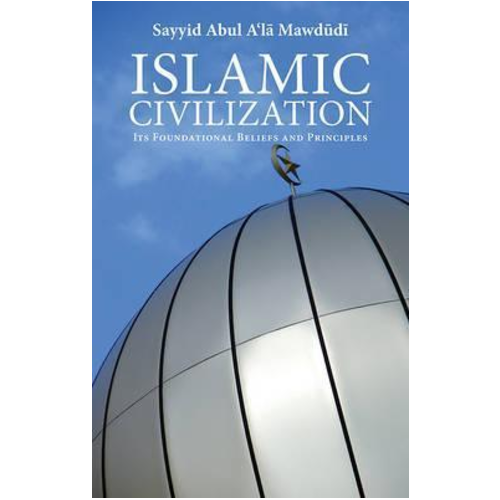
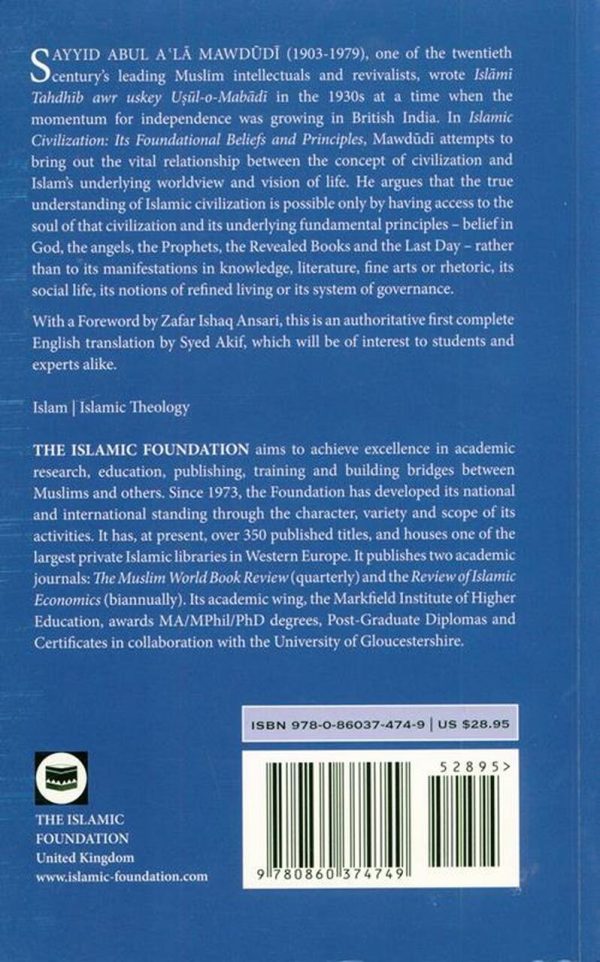
Let Us Be Muslims (P/B)
Highlights:
LET US BE MUSLIMS is a new edited English version of Sayyid Mawdudi’s Urdu Khutubat. It is no ordinary book, says Khurram Murad in his long Introduction, for it has stirred more hearts and impelled more lives to change their course than any of his more erudite works. In these Friday congregational addresses, Sayyid Mawdudi expounds such familiar themes as Iman, Islam, the Prayer, Fasting, Almsgiving, Pilgrimage and Jihad. But, in an unusually beautiful, powerfully reasoned, eloquent and passionate, and yet simple and lucid style,
“Sayyid Abul A’la Al-Mawdudui (1903-1979), one of the chief architects of contemporary Islamic resurgence, was the an outstanding Islamic thinker and writer of his time. He devoted his life to expound the meaning and message of Islam and to organise a collective movement to establish the Islamic Order. In this struggle, he had to pass through all kinds of sufferings.
Between 1948-67, he spent a total of five years in different prisons of Pakistan. In 1953, he was also sentenced to death by a Martial Law court for writing a ‘seditious’ pamphlet, this sentence being later commuted to life imprisonment. In 1941, he founded Jama’at-I Islami, of which he remained Amir, until 1972 and which is one of the most prominent Islamic movements of our day. He authored more than one hundred works on Islam, both scholarly and popular, and his writings have been translated into forty languages.”
RM70.00
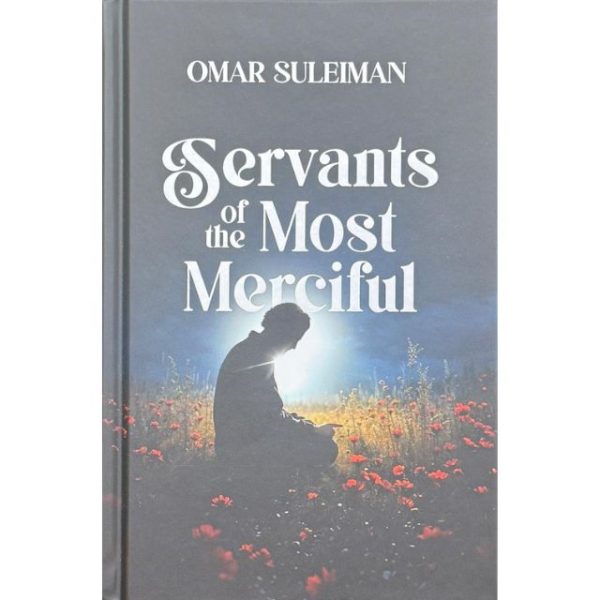
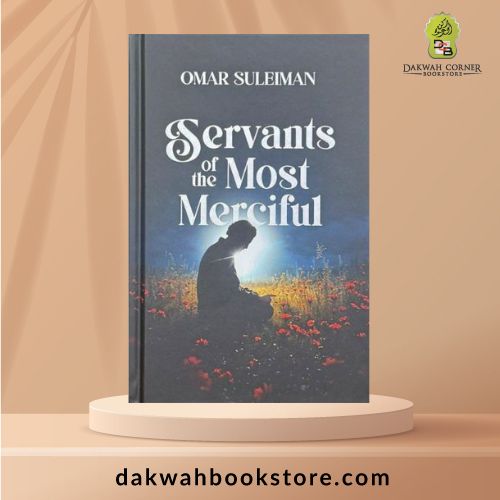
Servants of the Most Merciful (H/B)
Highlights:
One of the most beautiful portions of the Qur’an describes a detailed manual for how a believer should live their life. How one becomes Ibadur Rahman, the servant of the most Merciful. It encompasses multiple elements and dimensions of worship, family life, character, reflection, and living as a community.
RM83.00
RM32.00