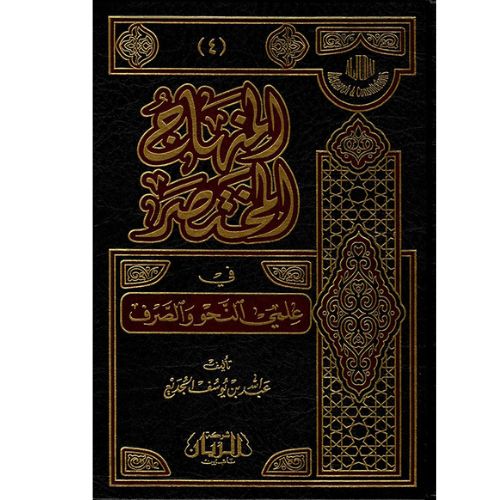
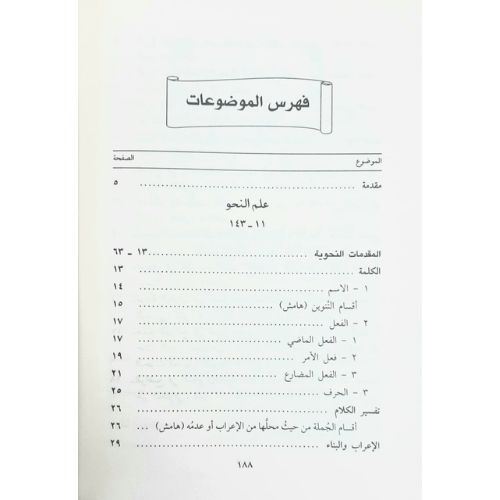
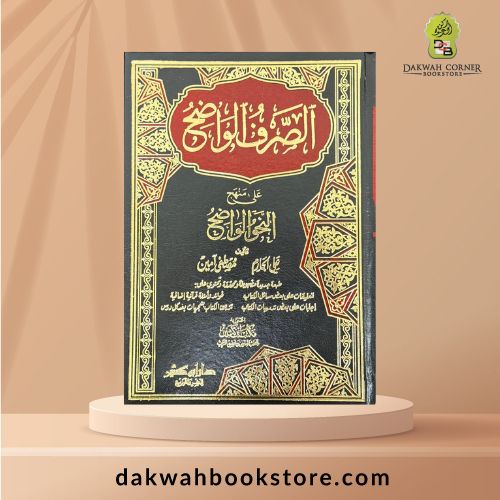
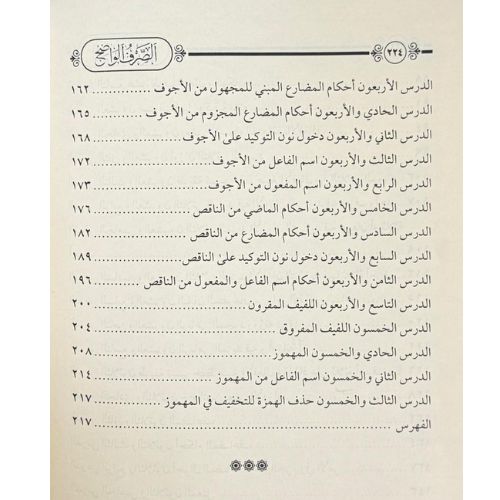
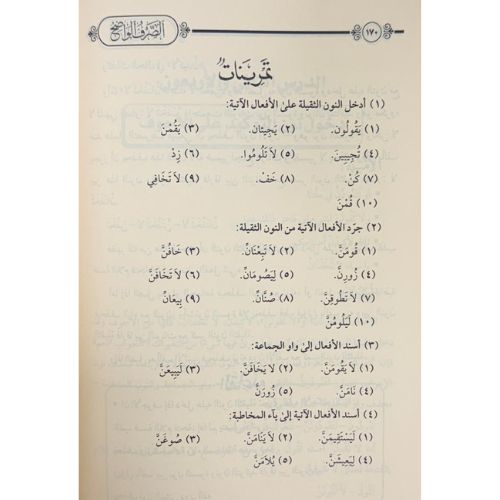
- الأسلوب: يعتمد أسلوبًا تدريجيًا مبسطًا (طريقة الاستنباط) لتقريب قواعد الصرف إلى الأذهان.
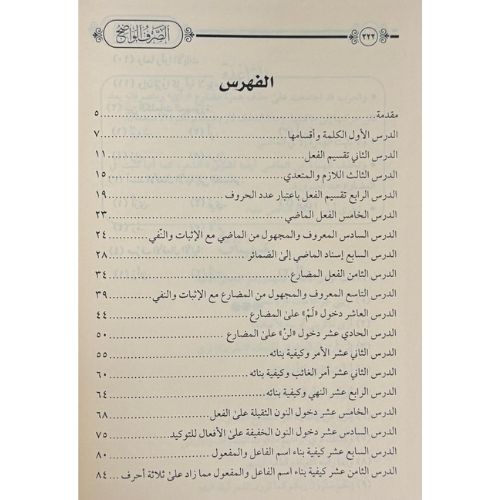
- المحتوى: يغطي أبنية الأفعال، والمصادر، والمشتقات، والأسماء بشكل عام.
- الهدف: تيسير فهم قواعد الصرف للمبتدئين والطلبة.
- التطبيق: يتوفر في بعض نسخه تطبيقات تعليمية (مثل Google Play) أو شروحات فيديو.
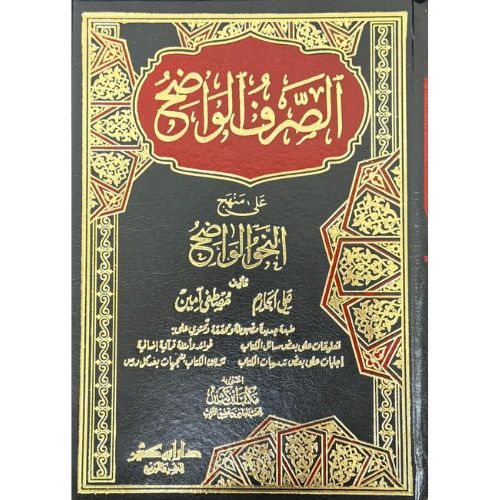
[ALA] Al-Sarf al-Wadih / الصرف الواضح
RM30.00
Frequently Bought Together
| Weight | 0.470 kg |
|---|---|
| Dimensions | 24 × 17.5 × 2 cm |
| Author | |
| Binding | Hardcover |
| Pages | 224 |
| Publisher | Dar Ibn Kathir Misr |
Be the first to review “[ALA] Al-Sarf al-Wadih / الصرف الواضح” Cancel reply
You must be logged in to post a review.
You may also like…
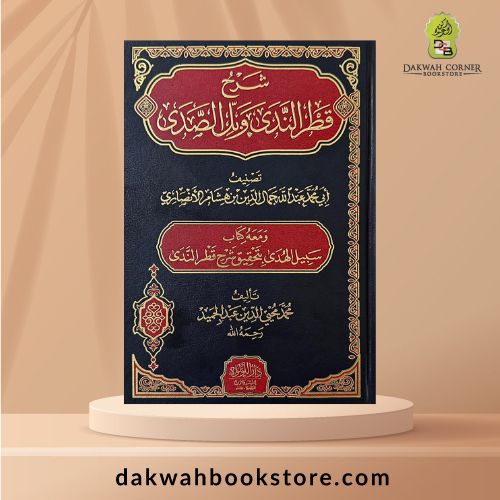
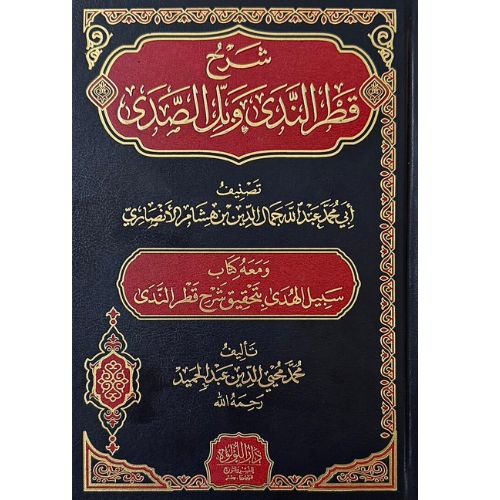
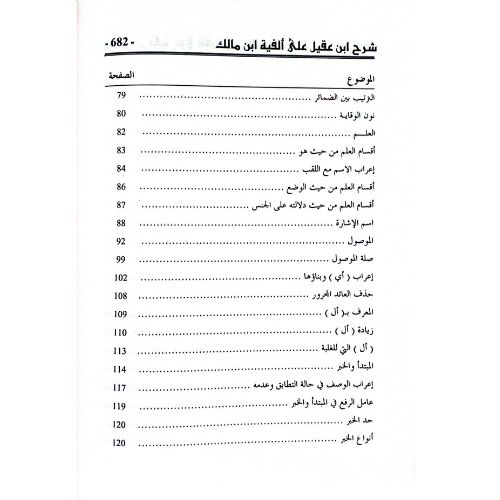
[ALA] Sharḥ Qaṭr al-Nadā wa Bal al-Ṣadā / شرح قطر الندى وبل الصدى
The severe – something that is not specific to a book from the books of our ancestors, and it is not unique to a trace of their precious traces, but you do not fall – except in the rare little – on the book of their books, the publisher of which has taken out on your face if you look at it, and God is sufficient for us and the best deputy!
Therefore, I did not find a beginning to do this book: by adjusting its examples and testones from the Holy Qur’an, the Prophet’s hadith and Arabic poetry, and then by explaining its verses as a middle explanation between the brief and the boring simple, with the expression of the verses in full expression, and I did all this with an easy phrase and a close style.
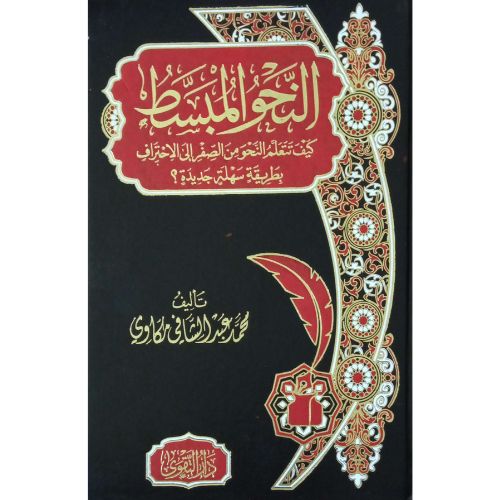
[ALA] Kitab al-Nahu – 1/4 كتاب النحو
تأليف محمد عبدالشافي مكاوي
يقول المؤلف محمد عبد الشافي في كتابه: “فإني مثلك -عزيزي القارئ- قد درست الكثير من كتب النحو العربي عندما كنت في بداية طريقي لطلب العلم، فدرست الآجرومية وحفظتها، ودرست الألفية وحفظتها، ودرست العديد من شروحاتها، ودرست الكثير والكثير من كتب النحو، ولكن أثناء اندماجي في دراسة النحو بهذه الطريقة، حاولت إعراب آيات من القرآن الكريم فوقفت -وقتها- عاجزا، ولم استطع الإعراب الكامل -على الرغم من دراسة متون النحو وشروحاتها-، ومن هنا اكتشفت الثغرة التي عند الكثير من دارسي النحو العربي -منذ زمن- وهي أن النحو علم تطبيقي وليس علما نظريا”.
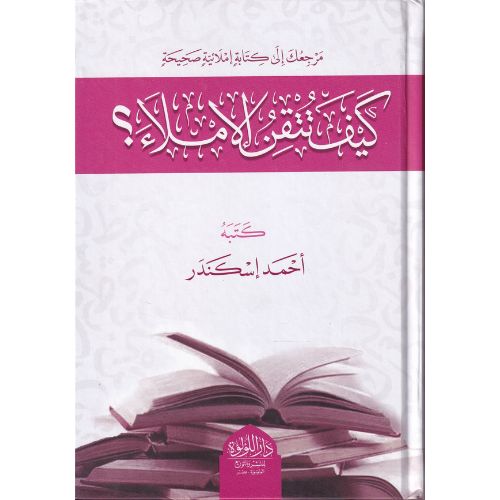
[ALA] Kayfa Tutkinun al-Imla’ / كيف تتقن الإملاء
يبدأ الكتاب بعلامات النحو والأساليب النحوية ويستمر حتى يصل إلى أهم وأعمق فروع القواعد في هذا المقال سيوضح موقع “مطبات” كل التفاصيل التي ترغبون في معرفتها.
Related Products
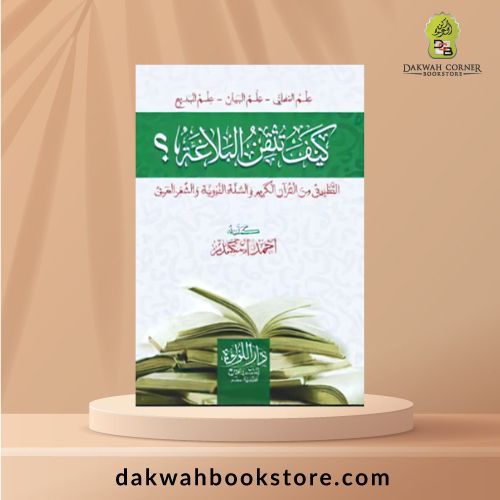
[AR] Kayfa Tutkinun Balagha (كيف تتقن البلاغة )
لمن يرغب بإتقان فن البلاغة ومهارات الخطابة باللغة العربية، يعتبر كتاب ‘كيف تتقن البلاغة’ مصدرًا مثاليًا. يقدم الكتاب، من تأليف أحمد إسكندري ونشر دار اللؤلؤة، شرحًا وافيًا لدقائق علم البلاغة وتطبيقاته. طُبع الكتاب بغلاف صلب وورق ممتاز بقياس 17*24، ويُعد مرجعًا قيّمًا يسهم في تعزيز مهارات اللغة العربية والتذوق الأدبي للقراء على كافة المستويات.
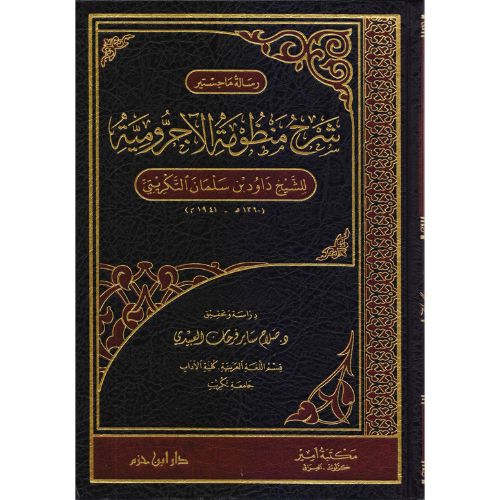
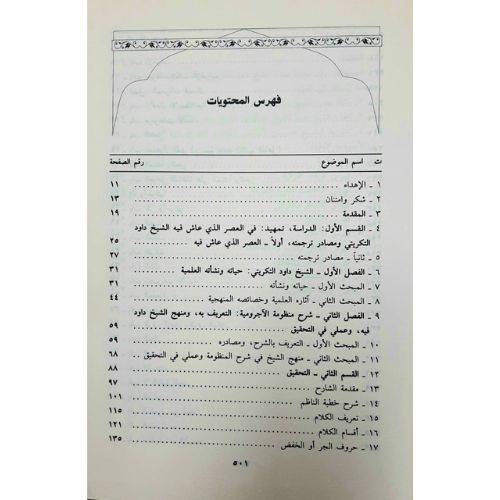
[MM] Sharh Mandhumah Al-Ajrumiyyah – Shaykh Dawud At-Tikriti (شرح منظومة الآجرومية – داود بن سلمان التكريتي)
شرح منظومة الآجرومية لداود بن سلمان التكريتي (1360 هـ) عالم عراقيتحقيق هذا الكتاب هو في الأصل رسالة ماجستير قدمت في جامعة تكريت
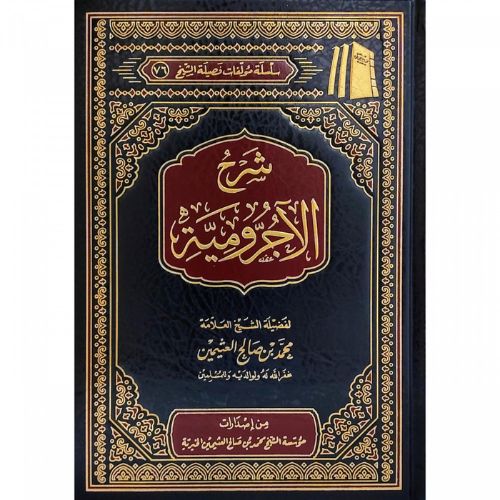
[AR] Sharhu Al-Ajrumiah (شرح الاجرومية)
شرح الاجرومية محمد بن صالح العثيمين
هذا شرح تعليمي لمتن ابن آجروم في النحو المعروف بالآجرومية، اعتنى فيه الشارح ببيان مفردات التعاريف، ومحترزاتها، وأمثلتها، مع إضافة بعض الشروط والأمثلة على ما ذكره الماتن، وقد وردت في آخر كل فصل أسئلة مع الإجابة عليها
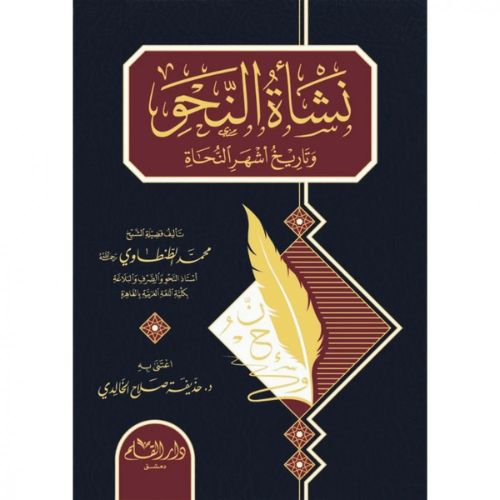
[ALA] Nashat An Nahu Watarikh Ashahr Alnuha – نشاة النحو وتاريخ اشهر النحاة
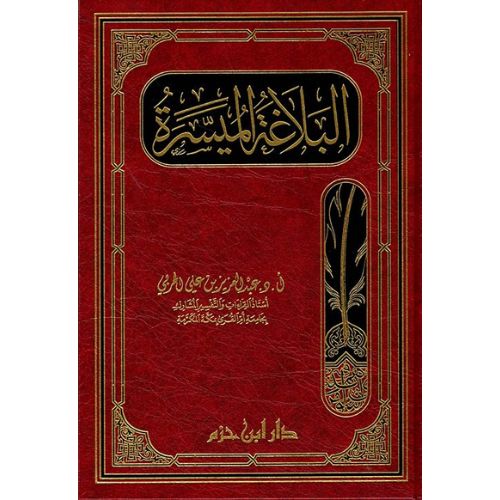
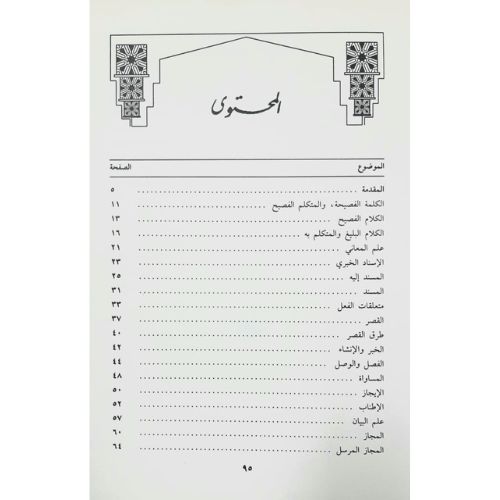
[QQ] Al-Balaghah Al-Muyassarah / البلاغة الميسرة
البلاغة الميسرة للدكتور عبد العزيز بن علي الحربي, كتاب مناسب للمبتدئين في علم البلاغة
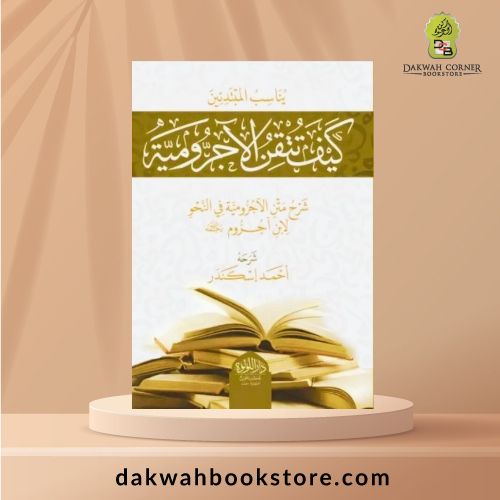
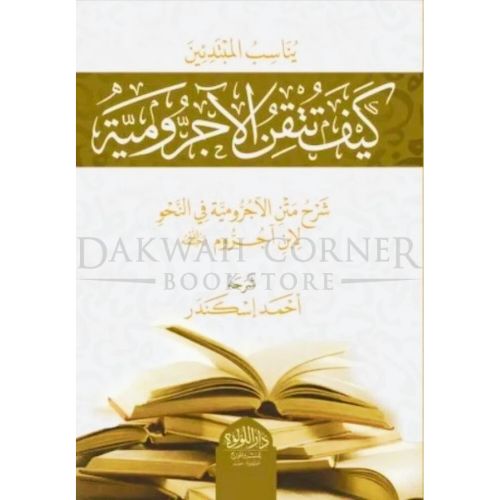
[AR] Kayfa Tutkinun Ajrumiyyah / كيف تتقن الاجرومية
“كيف تتقن الآجرومية” هو إصدار جديد ضمن سلسلة “تسهيل تعليم اللغة العربية” للأستاذ أحمد إسكندر، بعد النجاح الكبير الذي حققته مؤلفاته السابقة: “كيف تتقن النحو”، “الصرف”، و”البلاغة”.
يُعد هذا الكتاب دليلًا تعليميًّا يهدف إلى تبسيط وتوضيح قواعد النحو العربي للمبتدئين، معتمدًا على متن الآجرومية، وهو نص تعليمي شهير في علم النحو ألفه الإمام محمد بن محمد بن داود بن آجروم.
يتناول الكتاب موضوعات أساسية في النحو، مثل: أقسام الكلام، الإعراب، الأفعال، المرفوعات، المنصوبات، والمخفوضات من الأسماء. يتميز بأسلوب سهل ومنهجي، مما يجعله مناسبًا للطلاب الذين يبدؤون رحلتهم في تعلم قواعد اللغة العربية.
Recently Viewed
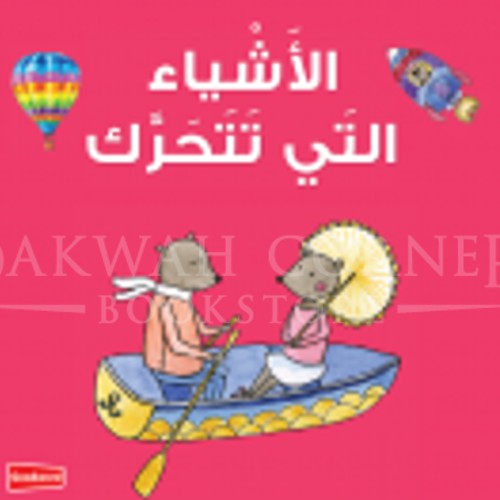
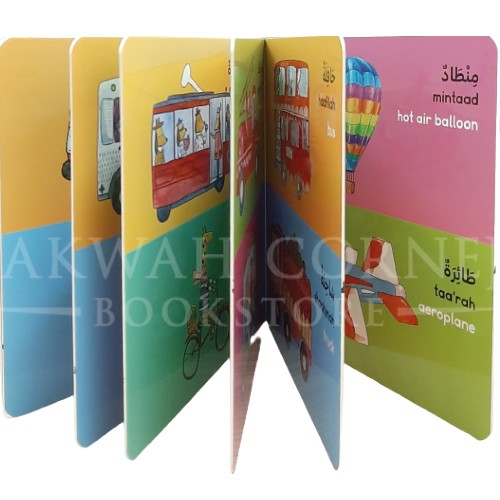
[CB] Things that Move Board Book (الاشياء التي تتحرك)
Things That Move Board Book | Arabic-English | Islamic Baby Book
The Third Caliph of Islam: Uthman bin Affan (P/B)
Uthman bin Affan (R) was one of the early men who accepted Islam in Makkah. From the first moment he became a Muslim, he put all his wealth under the service of Islam. He spent most of his resources to satisfy the needs of poor Muslims. Recognizing his generosity and devotion to Islam, the Prophet (S) told him that his place would be in Paradise on the Hereafter. He married Ruqayah (R),the Prophet’s daughter. After she died, he married her sister Um Kulthum ;for that, the people at that time called him Dhun Nurain, “The Man with the Two Lights.”
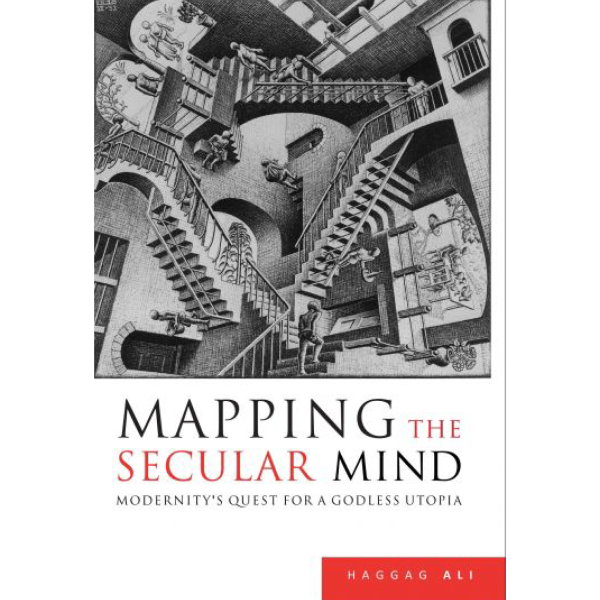
Mapping The Secular Mind (IIIT)
The secular mind had a grand plan, to establish an earthly paradise, a utopia of the here and now, a modern civilization governed by human reason, rationality, and the triumph of progress. Whilst ideals are one thing, the means to realize them is something else. Away from the hype, emancipating humanity from the shackles of God and religion has proved no easy matter. Mapping the Secular Mind critically examines issues of reason, rationality, and secular materialism, to explore how these mental perceptions, or ways of mapping the world, have affected human interaction and sociological development. It does this by comparing and contrasting the ideas of Abdelwahab M. Elmessiri (1938 2008) a leading Arab intellectual, and Zygmunt Bauman (1925), one of the world s foremost sociologists. In the last few decades, an emergent Western critique of modernity has inspired Muslim intellectuals to develop new ideas, images, terms and concepts that state their positions towards the tendencies of secular modernity, its transformations and consequences, and how it manipulates perceptions of reality. The book challenges foundations of secular ideology to argue that its aspirations have deeply transformed human consciousness and man s sense of self, leaving him a creature of purposeless consumption, wearied by the search for fulfillment, and controlled by materialistic laws governing physical phenomena. It also offers a more darker thesis, that Fascist Germany and the Eugenics movement were a form of Social Darwinism taken to its logical course. These were not an aberration from the principles of modernity, Ali argues, but a consistent outcome of the modern worldview, with the seeds of self-destruction being woven into the very fabric of the philosophy.






There are no reviews yet.