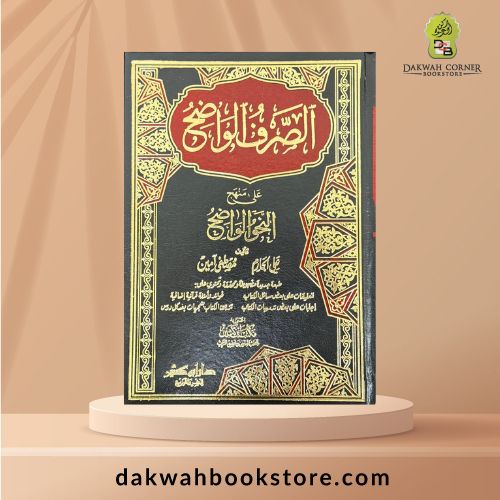
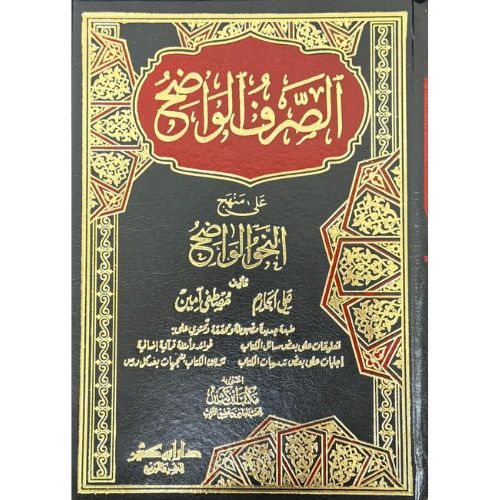
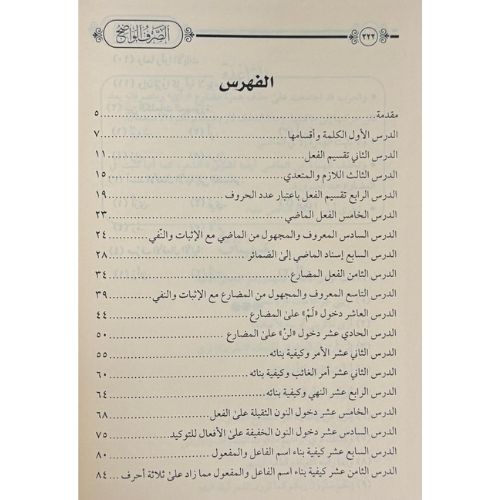
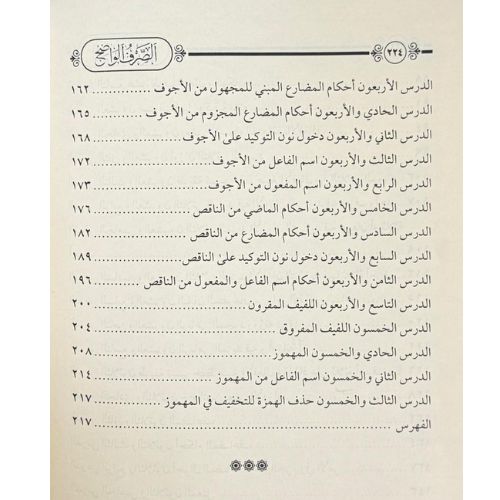
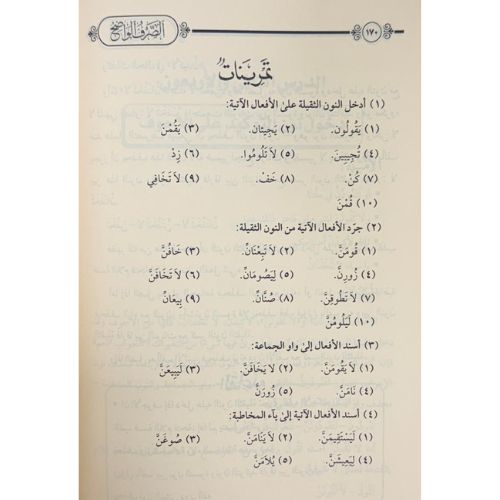
- الأسلوب: يعتمد أسلوبًا تدريجيًا مبسطًا (طريقة الاستنباط) لتقريب قواعد الصرف إلى الأذهان.
- المحتوى: يغطي أبنية الأفعال، والمصادر، والمشتقات، والأسماء بشكل عام.
- الهدف: تيسير فهم قواعد الصرف للمبتدئين والطلبة.
- التطبيق: يتوفر في بعض نسخه تطبيقات تعليمية (مثل Google Play) أو شروحات فيديو.
[ALA] Al-Sarf al-Wadih / الصرف الواضح
RM30.00
Frequently Bought Together
| Weight | 0.470 kg |
|---|---|
| Dimensions | 24 × 17.5 × 2 cm |
| Author | |
| Binding | Hardcover |
| Pages | 224 |
| Publisher | Dar Ibn Kathir Misr |
Be the first to review “[ALA] Al-Sarf al-Wadih / الصرف الواضح” Cancel reply
You must be logged in to post a review.
You may also like…
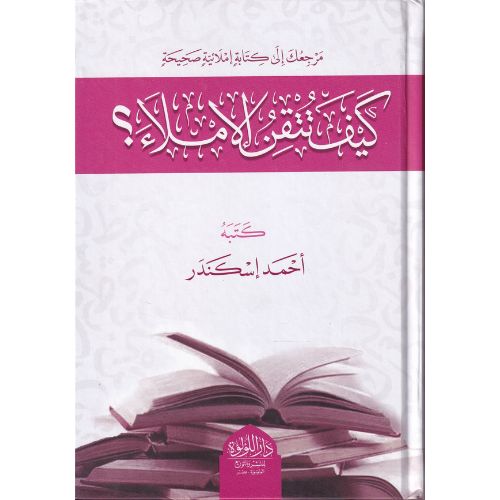
[ALA] Kayfa Tutkinun al-Imla’ / كيف تتقن الإملاء
يبدأ الكتاب بعلامات النحو والأساليب النحوية ويستمر حتى يصل إلى أهم وأعمق فروع القواعد في هذا المقال سيوضح موقع “مطبات” كل التفاصيل التي ترغبون في معرفتها.
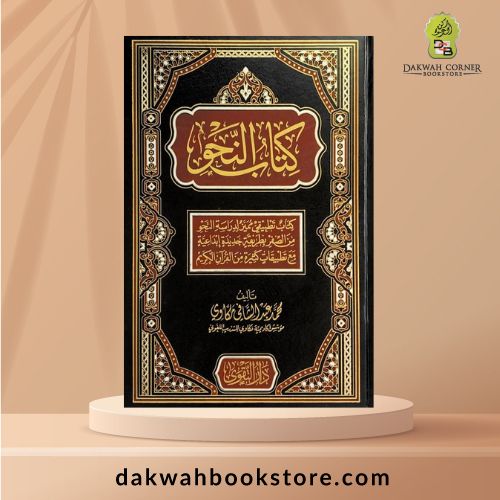
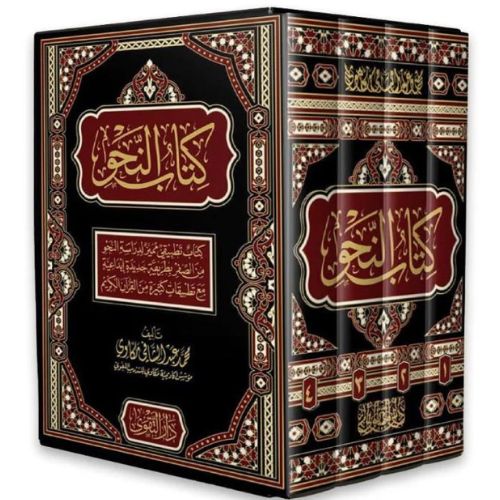
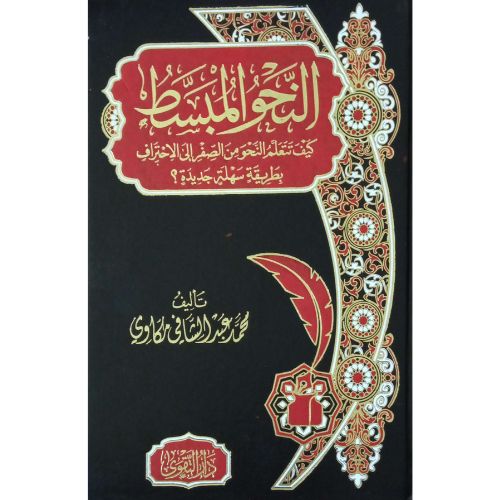
[ALA] Kitab al-Nahu – 1/4 كتاب النحو
تأليف محمد عبدالشافي مكاوي
يقول المؤلف محمد عبد الشافي في كتابه: “فإني مثلك -عزيزي القارئ- قد درست الكثير من كتب النحو العربي عندما كنت في بداية طريقي لطلب العلم، فدرست الآجرومية وحفظتها، ودرست الألفية وحفظتها، ودرست العديد من شروحاتها، ودرست الكثير والكثير من كتب النحو، ولكن أثناء اندماجي في دراسة النحو بهذه الطريقة، حاولت إعراب آيات من القرآن الكريم فوقفت -وقتها- عاجزا، ولم استطع الإعراب الكامل -على الرغم من دراسة متون النحو وشروحاتها-، ومن هنا اكتشفت الثغرة التي عند الكثير من دارسي النحو العربي -منذ زمن- وهي أن النحو علم تطبيقي وليس علما نظريا”.
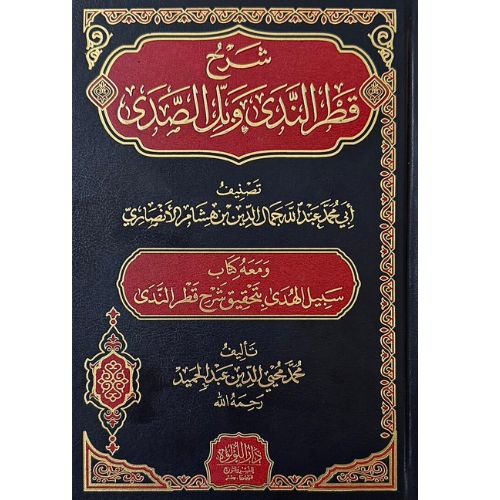
[ALA] Sharḥ Qaṭr al-Nadā wa Bal al-Ṣadā / شرح قطر الندى وبل الصدى
The severe – something that is not specific to a book from the books of our ancestors, and it is not unique to a trace of their precious traces, but you do not fall – except in the rare little – on the book of their books, the publisher of which has taken out on your face if you look at it, and God is sufficient for us and the best deputy!
Therefore, I did not find a beginning to do this book: by adjusting its examples and testones from the Holy Qur’an, the Prophet’s hadith and Arabic poetry, and then by explaining its verses as a middle explanation between the brief and the boring simple, with the expression of the verses in full expression, and I did all this with an easy phrase and a close style.
Related Products
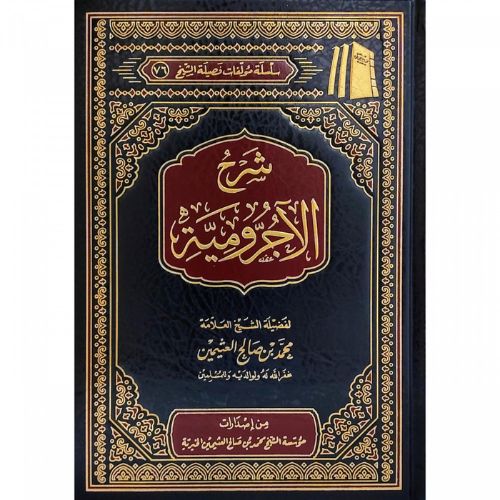
[AR] Sharhu Al-Ajrumiah (شرح الاجرومية)
شرح الاجرومية محمد بن صالح العثيمين
هذا شرح تعليمي لمتن ابن آجروم في النحو المعروف بالآجرومية، اعتنى فيه الشارح ببيان مفردات التعاريف، ومحترزاتها، وأمثلتها، مع إضافة بعض الشروط والأمثلة على ما ذكره الماتن، وقد وردت في آخر كل فصل أسئلة مع الإجابة عليها
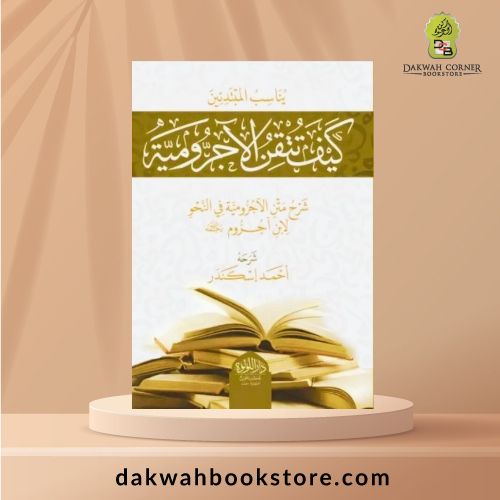
[AR] Kayfa Tutkinun Ajrumiyyah / كيف تتقن الاجرومية
“كيف تتقن الآجرومية” هو إصدار جديد ضمن سلسلة “تسهيل تعليم اللغة العربية” للأستاذ أحمد إسكندر، بعد النجاح الكبير الذي حققته مؤلفاته السابقة: “كيف تتقن النحو”، “الصرف”، و”البلاغة”.
يُعد هذا الكتاب دليلًا تعليميًّا يهدف إلى تبسيط وتوضيح قواعد النحو العربي للمبتدئين، معتمدًا على متن الآجرومية، وهو نص تعليمي شهير في علم النحو ألفه الإمام محمد بن محمد بن داود بن آجروم.
يتناول الكتاب موضوعات أساسية في النحو، مثل: أقسام الكلام، الإعراب، الأفعال، المرفوعات، المنصوبات، والمخفوضات من الأسماء. يتميز بأسلوب سهل ومنهجي، مما يجعله مناسبًا للطلاب الذين يبدؤون رحلتهم في تعلم قواعد اللغة العربية.
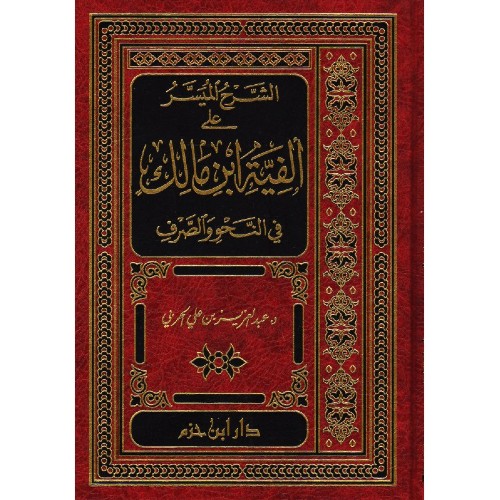
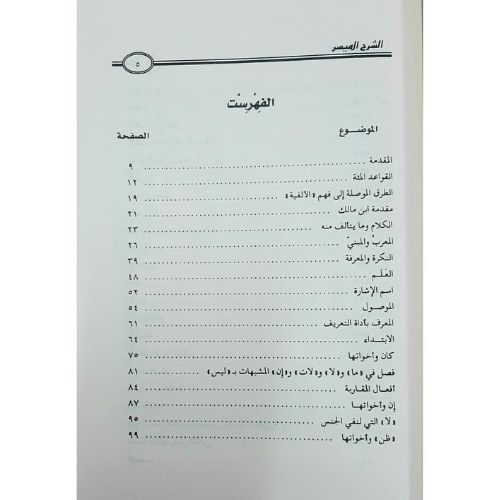
[AR] Al-Sharh Al-Muyasar Ala Alfiat Ibn Malik Fin Nahw Wa Sarf / الشرح الميسر على ألفية ابن مالك في النحو والصرف
الشرح الميسر على ألفية ابن مالك في النحو والصرف – د. عبد العزيز بن علي الحربي
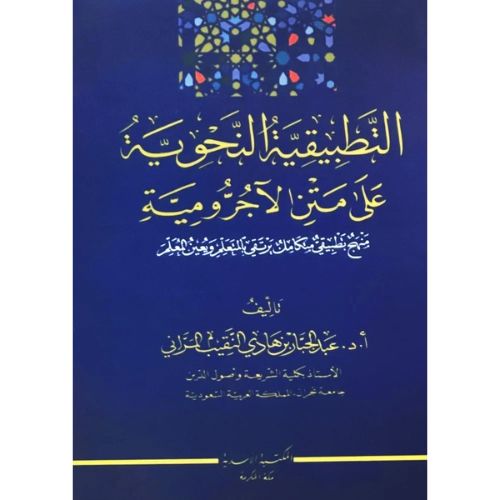
[AR] At-Tatbeeqiyyah an-Nahwiyyah ‘ala Matn al-Ajrumiyyah – التطبيقية النحوية على متن الأجرومية
وقد جمعنا تلك التطبيقات الإعرابية في جداول منهجية مرتبة ومركزة، تضع تحت الشاهد خطين، وتحت المتعلق الإعرابي الأقل أهمية خطا واحدًا، ثم طبع الكتاب أربع طبعات، أول ثلاث منها باسم: “دليل الإعراب المتعلمي التحفة السنية”، وأما الطبعة الرابعة فباسم : “دليل الإعراب المتعلمي الأجرومية”.
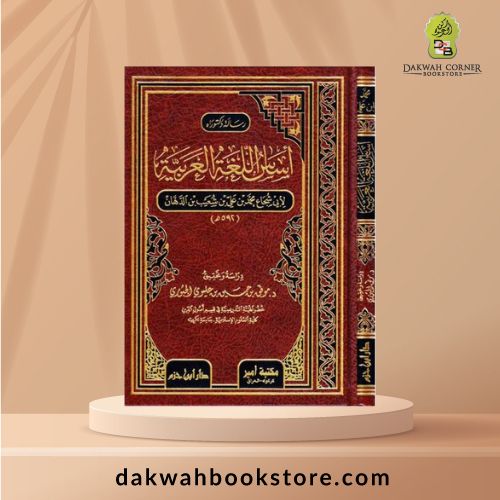
[AR] Asas al-Lughah al-Arabiyah – اساس اللغة العربية
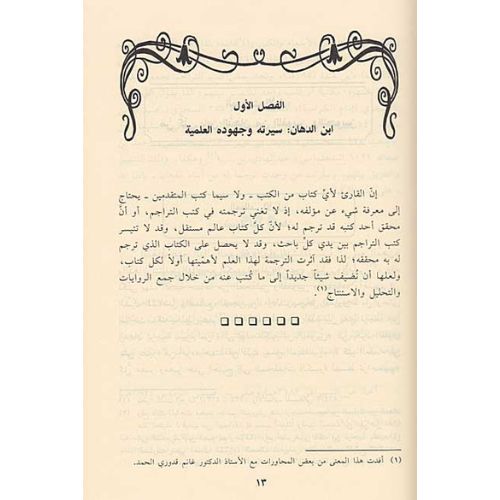
إن كتاب أساس اللغة العربية لابن الدهان من أهم الكتب التي تتحدث عن أصل اللغة العربية و جذورها . و لما كانت اللّغة العربية لغة القرآن الكريم و لغة أهل الجنة ، كان لها أهمية فريدة تحثّ على الغوص في تاريخها و جذورها . هذا الكتاب لابن الدهان رحمه الله و طيب ثراه و قام بتحقيقه الدكتور موفق حسين الجبوري .
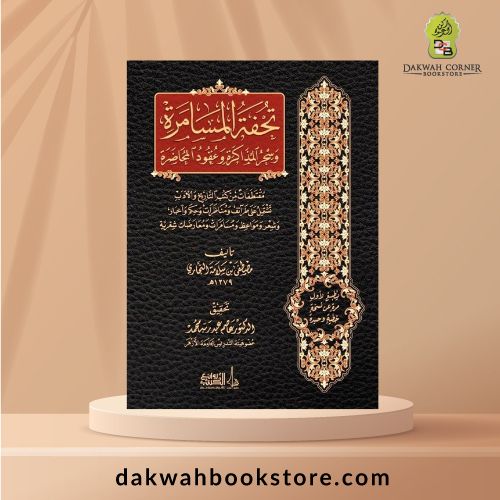
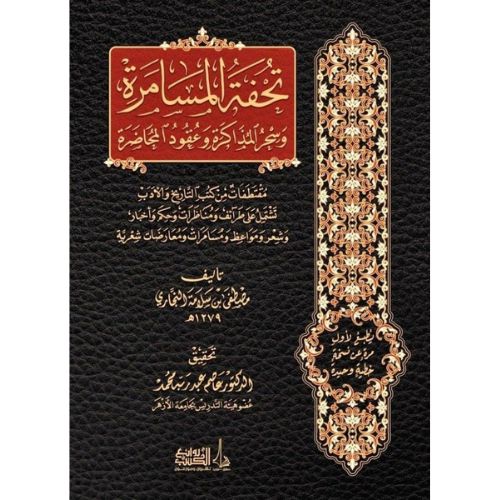
[GB] Tuhfat al-Musamarah wa-Sihr al-Mudhakarah wa-‘Uqud al-Muhadarah / تحفة المسامرة وسحر المذاكرة وعقود المحاضرة
مقتطفات من كتب التاريخ والأدب تشتمل على طرائف ومناظرات وحكم وأخبار، وشعر ومواعظ ومسامرات ومعارضات شعرية
Recently Viewed
Hajj & Umrah (Pocket Guide) – English Version
A useful pocket guide that includes the rites of Umrah,Hajj, and visiting Madinah.
The Greatest Invocation for Forgiveness (Dar-as-Sunnah)
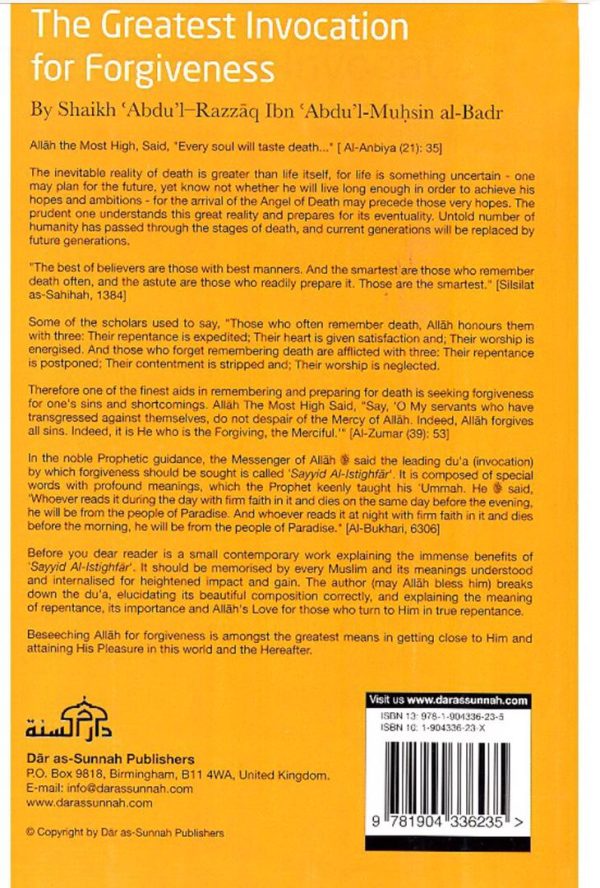
Allah the Most High, Said, “Every soul will taste death…” [ Al-Anbiya (21): 35] The inevitable reality of death is greater than life itself, for life is something uncertain – one may plan for the future, yet know not whether he will live long enough in order to achieve his hopes and ambitions – for the arrival of the Angel of Death may precede those very hopes. The prudent one understands this great reality and prepares for its eventuality.
Untold number of humanity has passed through the stages of death, and current generations will be replaced by future generations. “The best of believers are those with best manners. And the smartest are those who remember death often, and the astute are those who readily prepare it. Those are the smartest.” [Silsilat as-Sahihah, 1384] Some of the scholars used to say, “Those who often remember death, Allah honours them with three: Their repentance is expedited; Their heart is given satisfaction and; Their worship is energised. And those who forget remembering death are afflicted with three: Their repentance is postponed; Their contentment is stripped and; Their worship is neglected. Therefore one of the finest aids in remembering and preparing for death is seeking forgiveness for one’s sins and shortcomings. Allah The Most High Said, “Say, ‘O My servants who have transgressed against themselves, do not despair of the Mercy of Allah. Indeed, Allah forgives all sins. Indeed, it is He who is the Forgiving, the Merciful.'” [Al-Zumar (39): 53] In the noble Prophetic guidance, the Messenger of Allah (saw) said the leading du’a (invocation) by which forgiveness should be sought is called ‘Sayyid Al-Istighfār’.
It is composed of special words with profound meanings, which the Prophet keenly taught his ‘Ummah. He (saw) said, ‘Whoever reads it during the day with firm faith in it and dies on the same day before the evening, he will be from the people of Paradise. And whoever reads it at night with firm faith in it and dies before the morning, he will be from the people of Paradise.” [Al-Bukhari, 6306] Before you dear reader is a small contemporary work explaining the immense benefits of ‘Sayyid Al-Istighfar’. It should be memorised by every Muslim and its meanings understood and internalised for heightened impact and gain.
The author (may Allah bless him) breaks down the du’a, elucidating its beautiful composition correctly, and explaining the meaning of repentance, its importance and Allah’s Love for those who turn to Him in true repentance. Beseeching Allah for forgiveness is amongst the greatest means in getting close to Him and attaining His Pleasure in this world and the Hereafter.

Islam and Management
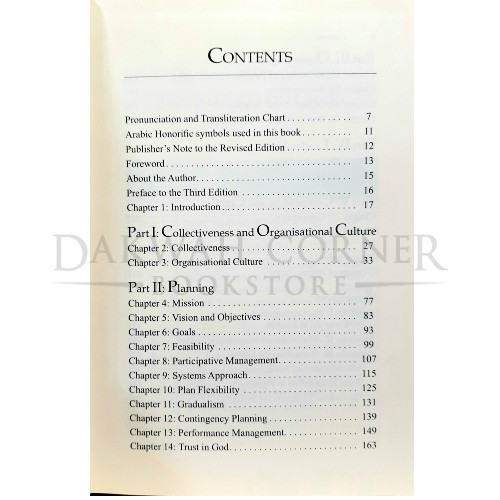
In their pursuit for organizational improvement, modern managers have been searching for effective management theories and practices in both the East and the West. The interest of managers has expanded beyond contemporary management schools to include even ancient ones. Nevertheless, little attention is currently paid to the Islamic management approach, one that has far outperformed its contemporaries and left indelible marks on the minds of innumerable researchers, leaders, and managers that have followed. Islam and Management will shed light on the Islamic approach to management and delineate important lessons from the teachings of Islam and the experiences of Muslims. People who should read this book include all managers seeking to enhance the effectiveness of their organizations. This book is particularly important for Muslim managers who will find its approach to be coherent with their cultural values. Topics covered in this book include organizational culture, planning, organizing, leading, motivating, controlling, competition, conflict management, and human resource management. This book also includes a chapter on the enriching leadership of ‘Umar ibn al-Khattâb, the second caliph of Islam. The hardcover version of this book that we have for sale is the revised 3rd edition, published in 2011.a


There are no reviews yet.