


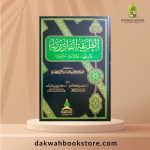
![[SB] Fi Zilal al Sirah al Nabawiyah / في ظلال السيرة النبوية](https://shop.dakwahbookstore.com/wp-content/uploads/2024/07/website-500x500-14.jpg)
![[MC] At-Tuhfatu As-Saniyyah (Dar Louloua) /التحفة السنية بشرح المقدمة الآجرومية](https://shop.dakwahbookstore.com/wp-content/uploads/2024/07/website-500x500-2024-07-22T154357.848.jpg)
| Weight | 0.9 kg |
|---|---|
| Dimensions | 24.5 × 18 × 2.5 cm |
| Pages | 480 |
| Binding | Hardbound |
| Publisher | Dar Tayba Al Khadhara' |
Additional information
Reviews (0)
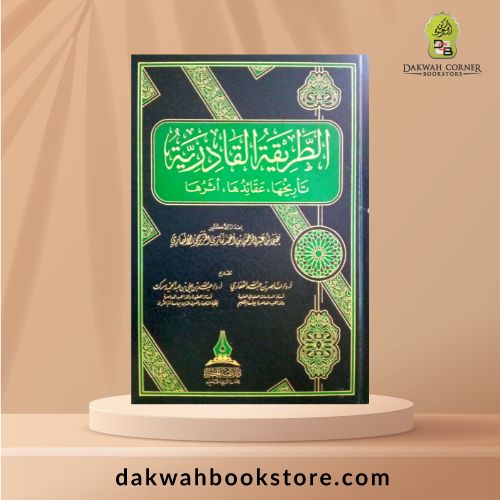
Be the first to review “Al-Tariqa al-Qadiriyya / الطريقة القادرية” Cancel reply
You must be logged in to post a review.
Related Products
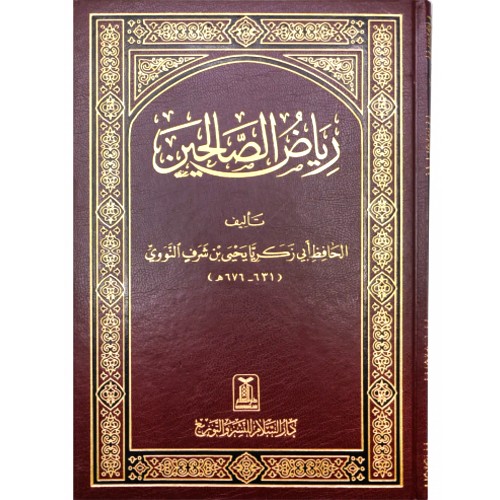
[HH] Riyadhus Solihin (Arabic)رياض الصالحين – Darussalam
Highlights:
كتاب رياض الصالحين من كلام سيد المرسلين مؤلفه الإمام يحيى بن شرف النووي الدمشقي، ويجمع في هذا الكتاب الأحاديث الصحيحة المروية عن الرسول محمد بن عبد الله صلى الله عليه وسلم في جميع شؤون العقيدة والحياة، ويعرضها مرتبة في أبواب وفصول، لتكون موضوعات يسهل على القارئ العودة إليها والاستفادة منها. يضم الكتاب 1903 أحاديث مروية بسند مختصر يبدأ بالصحابي غالباً، وبالتابعي نادراً، مقسمة على 372 فصلاً. وينقل أقوال الرسول محمد صل الله عليه وسلم وفعله كما يرويه الصحابة، وفي حالات قليلة ينقل بعض أقوال الصحابة وأفعالهم متأسين بالرسول محمد أو مجتهدين بهديه. ويوزع الأحاديث في خمسة عشر (كتابًا) ويضم الكتاب عدة أبواب يختلف عددها باختلاف موضوعها، والأبواب مرقمة بالعدد المتسلسل من أول الكتاب إلى نهايته، يبلغ مجموعها ثلاثمائة وثلاثة وسبعون باباً.
RM60.00
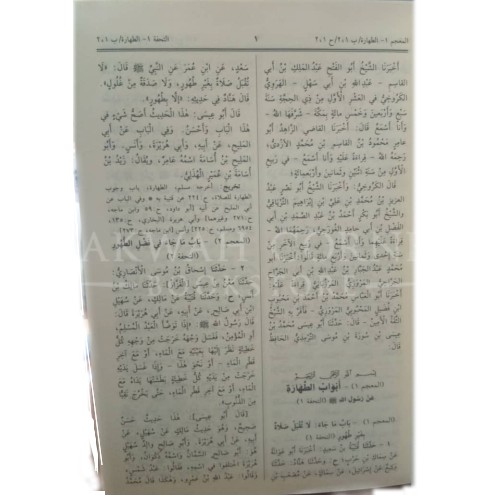
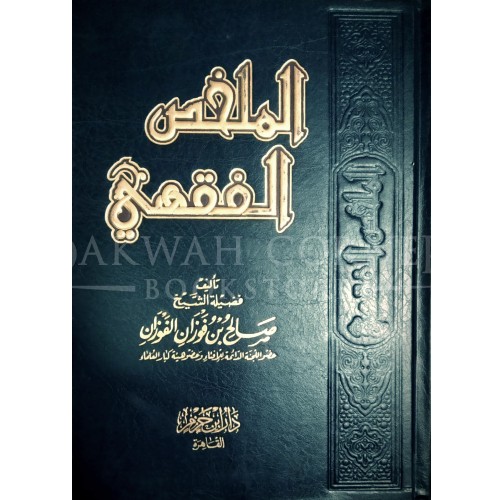
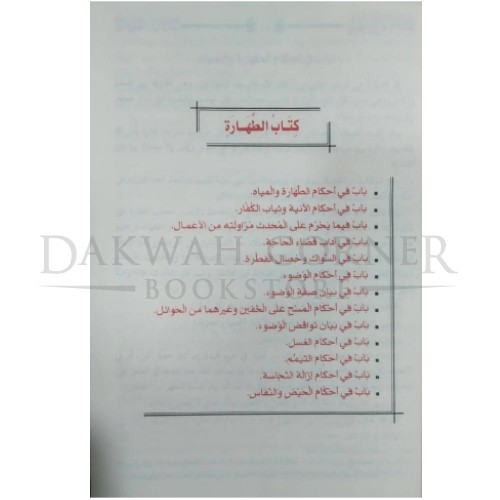
[SJ] A Summary Of Islamic Jurisprudence (الملخص الفقهي)
Highlights:
‘A Summary of Islamic Jurisprudence 1-2’ Dr. Saleh bin Fawzan al-Fawzan. This is an easy but important book which shows the shar’ia rulings and their evidences. It contains basic topics important to the Muslim, e.g. purification, prayer, zakah, fasting, pilgrimage, and shows other rulings e.g. trade transactions, partnership, sharecropping and renting, reclamation of wastelands and possession of allowable objects, inheritance, marriage, divorce…
RM57.00
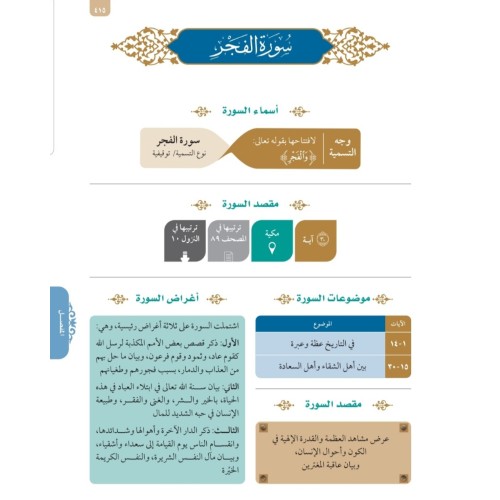
[QQ] Mualimu Suari (معالم السور)
Highlights:
Mualimu Suari (معالم السور)
RM180.00
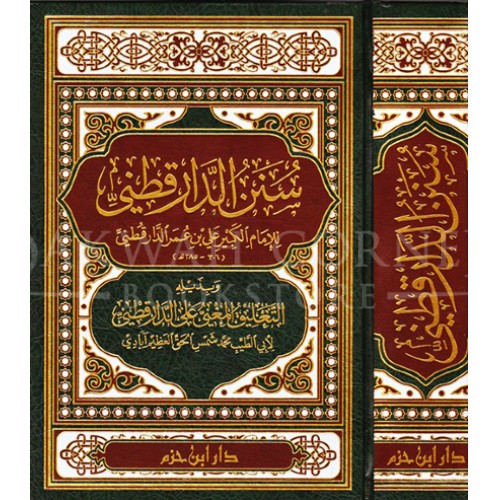
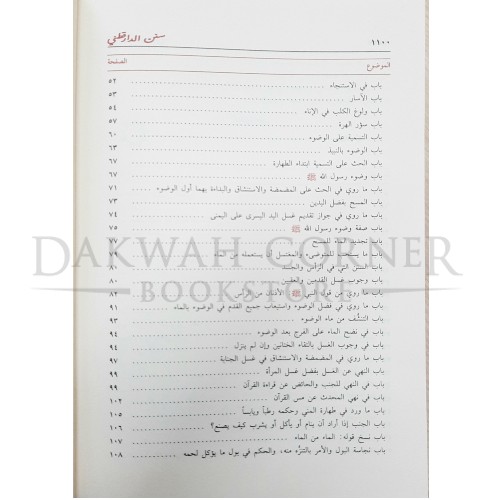
[HH] Sunan al-Daraqutni / سنن الدارقطني
Highlights:
كتاب هام في علم الحديث إذ أن مصنفه هو الحافظ الدارقطني، فهو كتاب عظيم في علم الحديث الشريف . وقد علق عليها المؤلف واكتفى فيها على تنقيد بعض أحاديثه وبيان علله ، وكشف بعض مطالبه على سبيل الايجاز والاختصار .
RM115.00
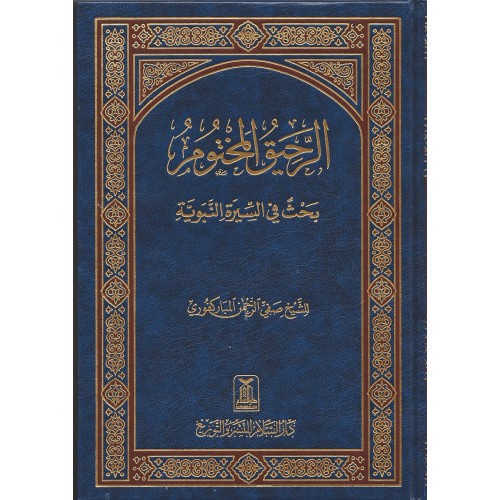
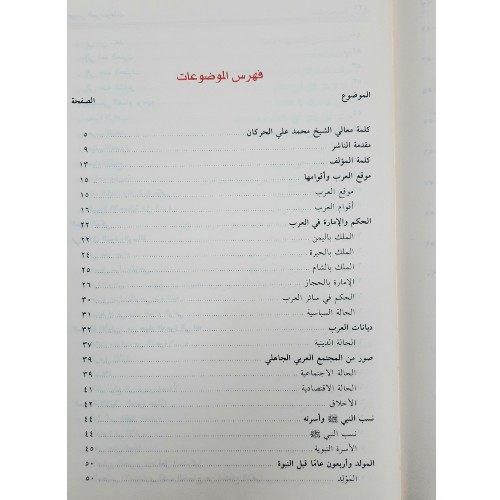
[SB] Ar-Raheeq Al Makhtum (Arabic Only – Large) الرحيق المختوم
Highlights:
Ar-Raheeq AI-Makhturn is a book of great value and praiseworthy work on the Seerah of our beloved Prophet Muhammad. This book has been written by the Eminent Shaikh Safiur-Rahman Mubarakpuri of Jamiah Salafiyah, Banaras (India). The first Islamic Conference on Seerah (biography of the Prophet) was held in 1976 in Pakistan sponsored by the Muslim World League. The League announced a world contest for writing a book on the life of the Prophet.
One hundred and seventy-one manuscripts were received from all over the world. Out of these, eighty-five were in the Arabic Language, sixty-four in Urdu, twenty-one were in English and one in French and Hausa.
A board of highly qualified scholars judged the manuscripts and announced the results. The manuscript of Shaikh Safiur-Rahman Mubarakpuri, Jamiah Salafiyah Banaras (India), author of the book in hand received first the grand prize for its authentic and sound collections of the narrations. Dr. Majid Ali Khan, New Delhi, India, placed second. The third prize went to Dr. Naseer Ahmed, Islamic University, Lahore, Pakistan. The fourth prize was awarded to Mr. Harnid Mahmud of Egypt. The fifth and final prize was awarded to Abdus-Salam Hashim of Madinah Munawwarah.
A complete authoritative book on the life of Prophet Muhammad (S) by Sheikh Safi-ur-Rahman al-Mubarkpuri. It was honored by the World Muslim League as first prize winner book. Whoever wants to know the whole life style of the Prophet in detail must read this book.
Muhammad (S) is the Messenger of Allah, and those who are with him, are severe against the disbelievers, and merciful among themselves. You see them bowing and falling down prostrate (in prayer), seeking bounty from Allah and (His) Good Pleasure. The mark of them (i.e. of their Faith) is on their faces (fore heads) from the traces of prostration (during prayers). This is their description in the Taurah (Torah). But their description in the Injeel (Gospel) is like a (sown) seed which sends forth its shoot, then makes it strong, and becomes thick and it stands straight on its stem, delighting the sowers, that He may enrage the disbelievers with them. Allah has promised those among them who believe and do righteous good deeds, forgiveness and a mighty reward (Paradise). (Al-Fath: 29)
The Prophet Muhammad (S) said: ‘The example of guidance and knowledge with which Allah has sent me is like abundant rain falling on the earth. Some of which was fertile soil that absorbed rain-water and brought forth vegetation and grass in abundance. (And) another portion of it was hard and held the rain-water and Allah benefited the people with it and they utilized it for drinking (making their animals drink from it) and to irrigate the land for cultivation. (And) a portion of it was barren which could neither hold the water nor bring forth vegetation (then that land gave no benefits). The first is the example of the person who comprehends Allah’s Religion (Islam) and gets benefit (from the knowledge) which Allah (Azawajal) has revealed through me (the Prophet) and learns and then teaches it to others. The (last example is that of a) person who does not care for it and does not take Allah’s Guidance revealed through me (he is like that barren land).’ (Al-Mukarramah)
Someone asked ‘Aishah (R) about the noble character and manners of the Prophet (S). She answered: ‘Have you not read the Qur’an? His character is a complete explanation of the Qur’an.’
It means that whatever is commanded and prohibited in the Qur’an, its practical example is present in the manners of Muhammad In other words, the ideal and perfect example of good manners and character which the Qur’an demands from mankind, was present in the person of Muhammad in its highest degree.
Scholars of Ahadith (traditions) and writers of the biography of Muhammad , the Messenger of Allah, have explored his life from every angle and aspect from birth to death. Every event, every incident of his life has been described and narrated, but none had claimed that he has given his life’s recording its full rights. Hundreds of books have been written on the life of Muhammad and this endeavor will continue till the Day of Resurrection.
RM65.00
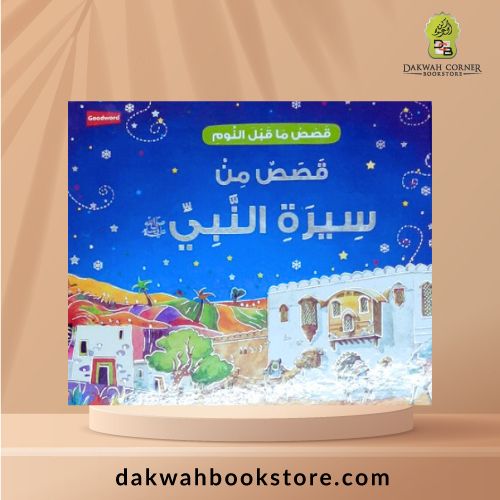

[CB] Goodword Goodnight Stories from the Life of the Prophet Muhammad (Arabic) / قصص من سيرة النبي
Highlights:
Goodnight Stories from the Life of the Prophet Muhammad in the Arabic language is the answer to every child’s longing to hear a good bedtime story. It contains a careful selection of twenty-three magnificent tales from the life of the Prophet retold in age-appropriate language. A simple text and fabulous color illustrations, which bring the narratives vividly to life, make the message of the Prophet more meaningful for children. The book offers a special dimension to these wonderful goodnight stories and acts as a foundation on which to build a growing knowledge of Islam.
RM50.00
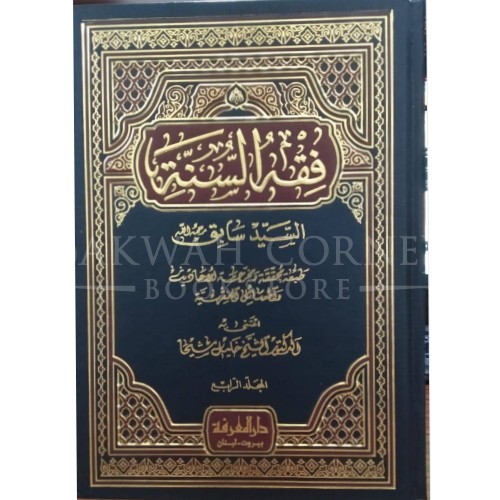

[SJ] Fiqh al-Sunnah by Sayyid Sabiq (4 Vols) / فقه السنة لسيد سابق
Highlights:
The famous book of Fiqh by Shaykh Sayyed Saabiq, clear and simple, accented with many daleel, in three volumes.
We advise you to read and accompanied by extensive notes and detailed corrections of Sheikh al-Albani with his book al-Tamaam Minnah, sold on the site.
Shaykh Al-Albani has praised this book : “Certainly, the book Fiqhus-Sunnah of Shaykh Sayid Saabiq is among the finest books written in his field, I met by chance by its excellent organization, clear writing style and lack of complex expressions found in many books of Fiqh … “(Tamam al-Minna, p.10)
RM167.00

Recently Viewed
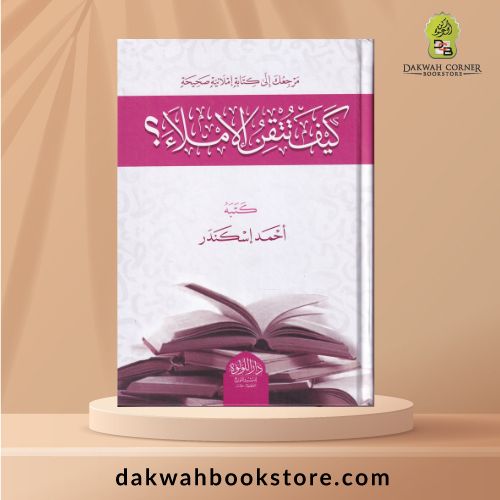
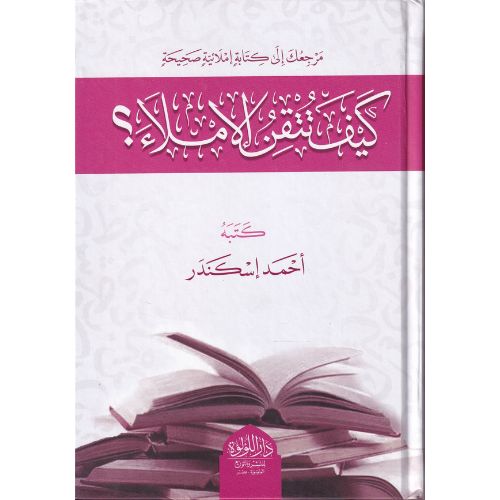
[ALA] Kayfa Tutkinun al-Imla’ / كيف تتقن الإملاء
Highlights:
يبدأ الكتاب بعلامات النحو والأساليب النحوية ويستمر حتى يصل إلى أهم وأعمق فروع القواعد في هذا المقال سيوضح موقع “مطبات” كل التفاصيل التي ترغبون في معرفتها.
RM70.00
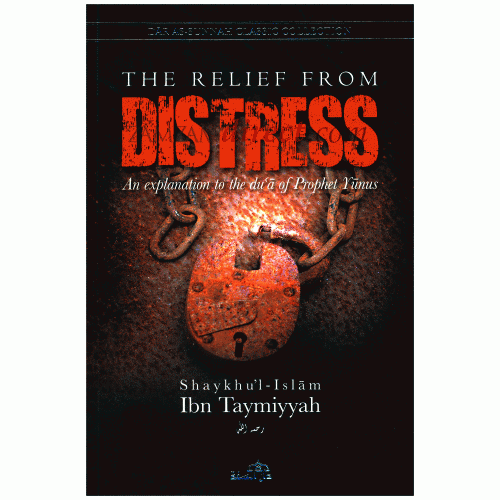
The Relief From Distress : An Explanation to the dua of Prophet Yunus (P/B)
Highlights:
Shaykh al-Islam Ibn Taymiyyah, may Allah sanctify his soul, was asked about the saying of the Prophet (pbuh),
The invocation of my brother Yunus, “none has the right to be worshipped save You; glory be to You, far removed are You from any imperfection; I have been amongst the wrong-doers,” none who is experiencing difficulty employs it except that Allah would relieve him of his difficulty.
What is the meaning of this du’a (prayer, supplication)?
Are their any unstated conditions that have to be met when one articulates it?
What is the connection between belief in the heart and the meaning of this supplication such that it leads to the removal of difficulty?
Why did he explicitly confess, ‘I have been amongst the wrong-doers’ when it is known that tawhid in itself leads to the removal of difficulty?
Is it sufficient to acknowledge ones’ sin alone, or must this be accompanied by repentance and the firm resolve not to repeat that sin in the future?
Why is it that difficulty and harm is removed only when a person relinquishes any hope, reliance and dependency upon the creation?
How can the heart relinquish the characteristic of putting hope in the creation and depending on them, and instead put its hope in Allah, Exalted is He, and turn to Him in its entirety?
What are the methods that would aid the heart in doing this?
The author replies to these questions in the form of this book.
RM117.00
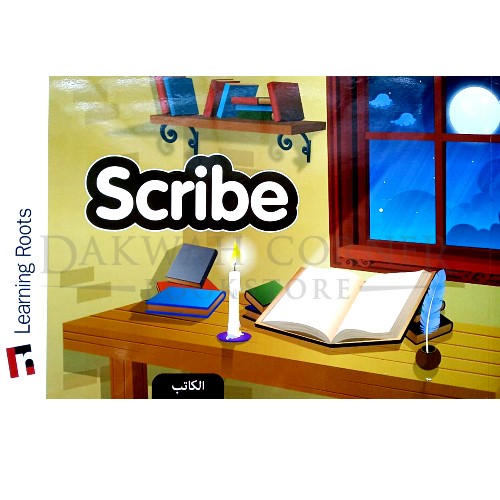
Scribe
Highlights:
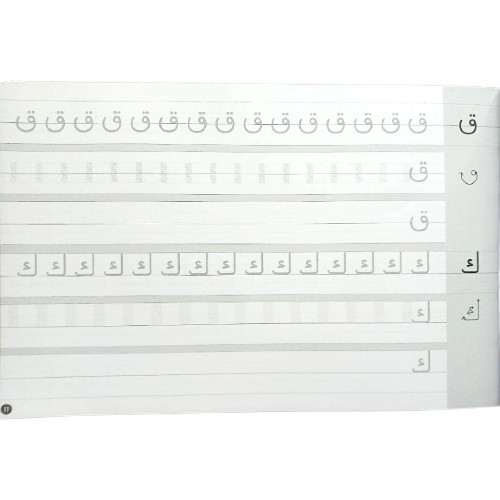
Scribe allows you to achieve beautiful Arabic handwriting with precision guidance, leaving you to practice your skills to perfection. The secret of the Scribe approach is simple: it’s everything an outstanding handwriting practice course should be. In particular, Scribe has been designed with an exclusively tailored typeface that combines the beauty of Arabic calligraphic proportion with the ease of a single-width stroke. There are precision guidelines to help scaffold letters as well as a gradual reduction in the size of the typeface for a smoother transition to more advanced stages. There is plenty of room for practice, and a comprehensive foundational approach means that all aspects of handwriting are covered in a natural progression.
RM30.00
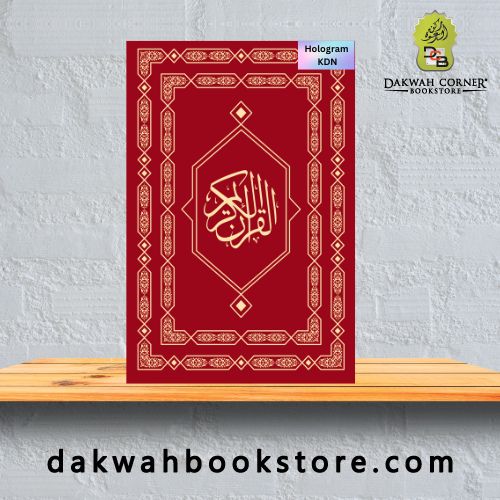
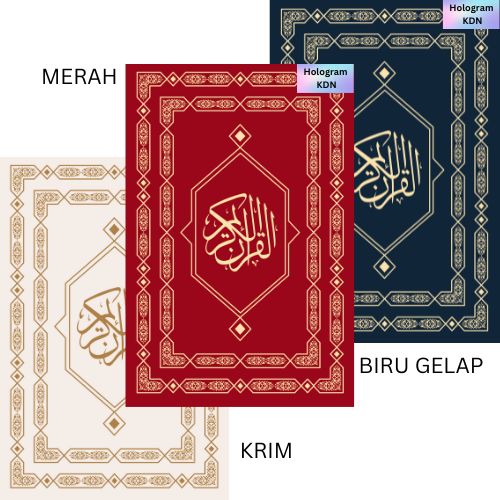
Mushaf Madinah DCB (Local Edition)
Highlights:
Mushaf Madinah Local Edition (Explanation in Malay)
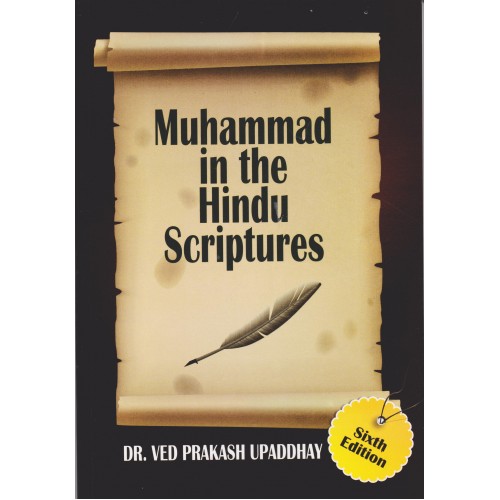
Muhammad in the Hindu Scriptures (P/B)
Highlights:
God is One. Human nature is one. Human destiny is one. And God�s message to humanity vis-a-vis that destiny is one. However, the rebellious element in man�s nature has led him to disobey God on the one hand, and on the other, he has pushed on to distort the very message of God. But the message is never fully lost. It would be ludicrous and indeed heretical to think that the situation could have gone out of God’s control.
With every distortion, therefore, He has renewed the message to salvage humanity from self-ruin. More interesting than that is the fact
that He has inserted in every message a Pointer to the Final Guide and the message he would be entrusted with; a Pointer which shows the true
seeker where the uncorrupted message could be found – the message that no one would be able to distort any more. While the main body of the message has been corrupted, the Pointer contained within has not been destroyed. Muhammad in the Hindu Scriptures brings out the truth of this phenomenon.
In addition to the Vedas and the Puranas, the book has unearthed this Pointer in the Buddhist, Christian, Jewish and other Hindu scriptures. Each of these scriptures uses its own unique Pointer relevant to its own theological scheme and the religious mentality of its own people. Separately and jointly these Pointers lit up the road to Muhammad (blessings and peace be upon him) exclusively, without any iota of doubt.
By all accounts the Final Guru has been sent and the Last Testament is in our laps. Additionally, the existence of these Pointers in the earlier
scriptures is yet another dimension of God’s mechanism to guide mankind to the infallible Truth. Upon reading the book, the theist, the atheist and the agnostic will find a lot to think about.
RM20.00
There are no reviews yet.