| Weight | 0.50 kg |
|---|---|
| Author | |
| ISBN | 9786035003179 |
| Pages | 112 |
| Publisher | Darussalam |
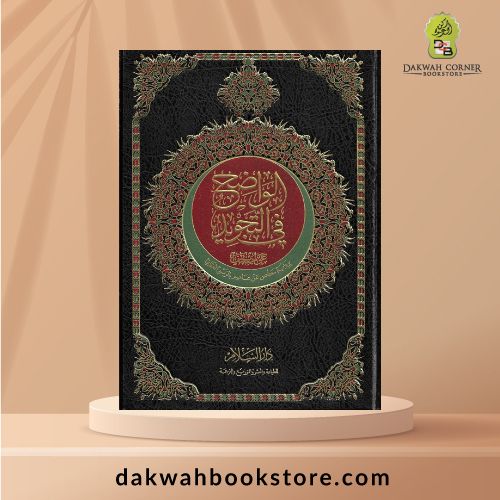
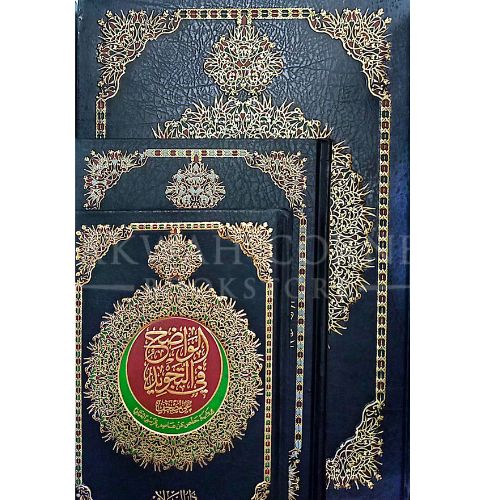
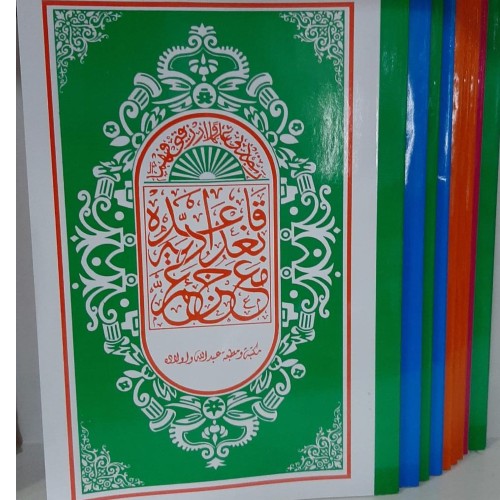
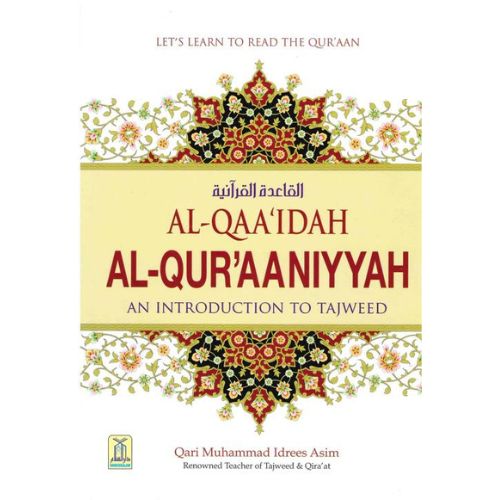
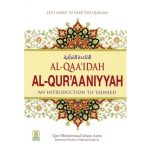
Al-Qaa’idah Al-Qur’aaniyah (An Introduction to Tajweed)
RM30.00
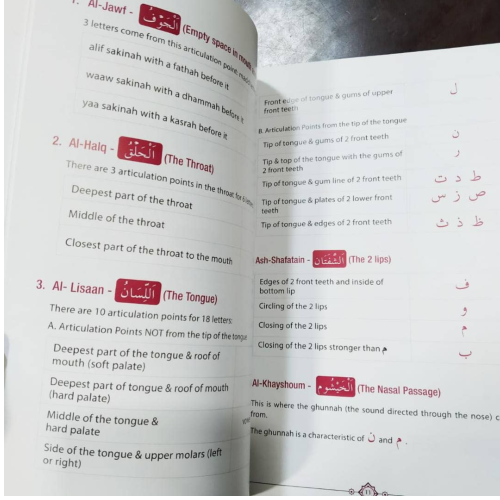
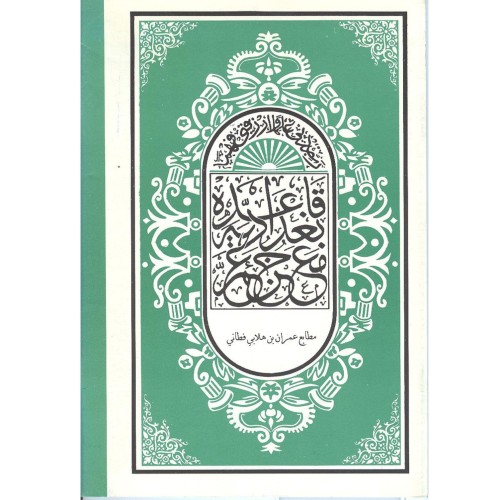
Learning to read the Qur’an properly is one of the many obligatory duties of a Muslim. Recitation gets better and more beautiful as one continues to read the Qur’an, meticulously following the rules and techniques Qur’anic recitation (tajweed).
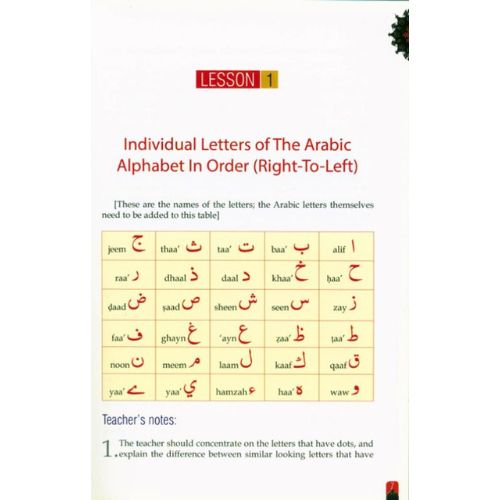
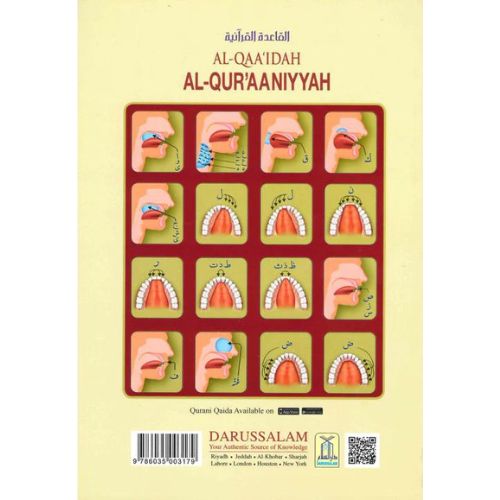
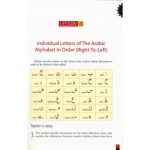
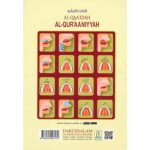
If you want to learn the art of Qur’anic recitation in the most beautiful and sublime manner, then this is the book for you. Al-Qaaidah Al Quraaniyyah is a good book to learn tajweed easily with lessons, extensive notes, and exercises for the English-speaking students.
Frequently Bought Together
Be the first to review “Al-Qaa’idah Al-Qur’aaniyah (An Introduction to Tajweed)” Cancel reply
You must be logged in to post a review.
You may also like…
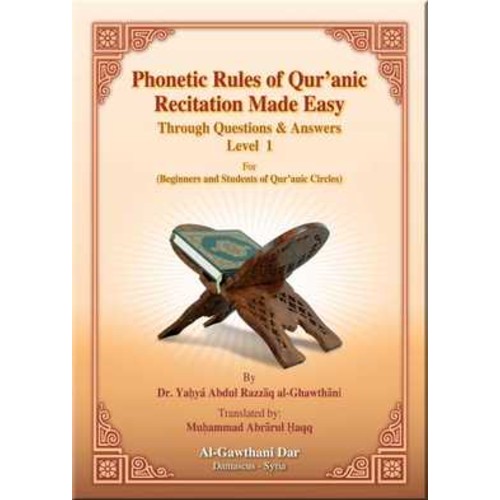
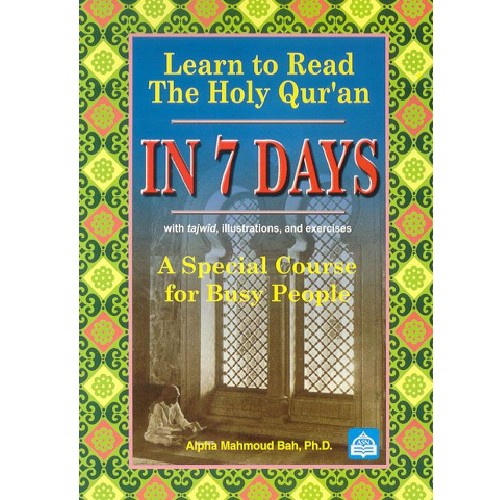
Learn to Read the Holy Qur’an in 7 Days (Alpha Mahmoud Bah)
If you are a university student, a businessperson, a homemaker, or any busy adult desiring to learn to read the Holy Qur’an, then this guidebook is exactly what you need. With it, you can study alone or with help of an aid.
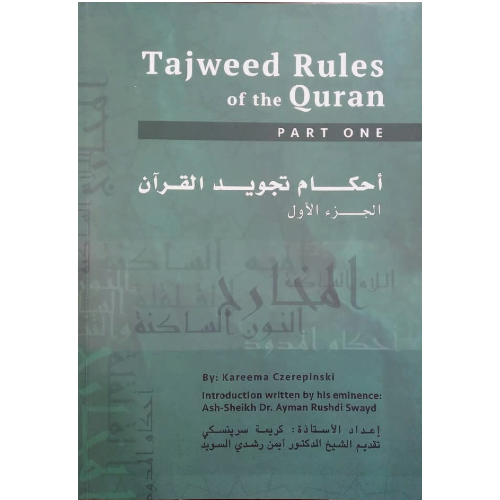
Tajweed Rules of the Quran (Part One)
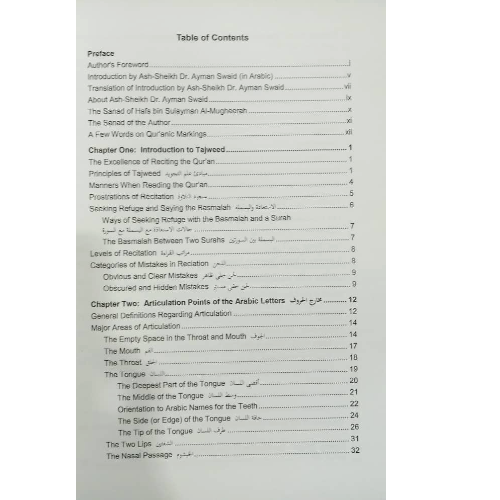
This is a guide for studying tajweed. The student who uses this book is expected to have a basic grasp of Arabic before starting this course. The student should know all the Arabic letters and vowels and be able to read at an elementary level.
This book is either for an English-speaking student studying the Qur’an in an Arabic environment, but needing explanation of the Arabic terms in English, or a student studying the explanations of tajweed in English, but learning the basic concepts in Arabic so they may integrate into the Arabic terms and definitions throughout the book, since the science of tajweed is an Arabic science. This book explains the articulation points of the Arabic letters, the rules of noon saakinah, meem saakinah, and lam saakinah. It explains all of the different lengths (mudood), and how voweled, and non-voweled letters are formed. The qalaqah mechanism is explained in the last chapter. Terms are introduced in Arabic, and the translated into English. Explanations are done in English, but with integration of Arabic terms, as they are learned.
A student of the Qur’an cannot expert to learn tajweed simply by studying this book. The learning of proper Qur’anic recitation can only be done by listening to a qualified Qur’an teacher recite, then reciting to them and receiving corrections from the teacher.
Related Products
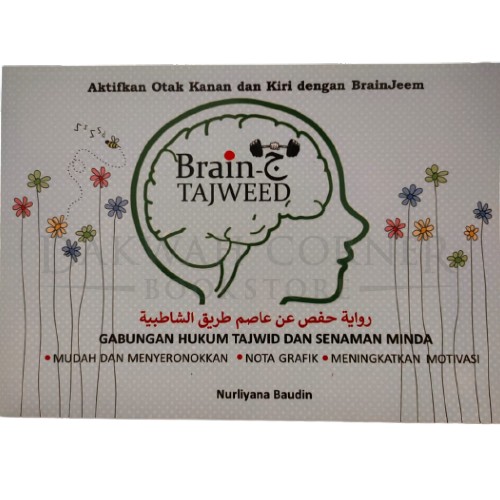
BrainJeem Tajweed – Gabungan Hukum Tajwid dan Senaman Minda
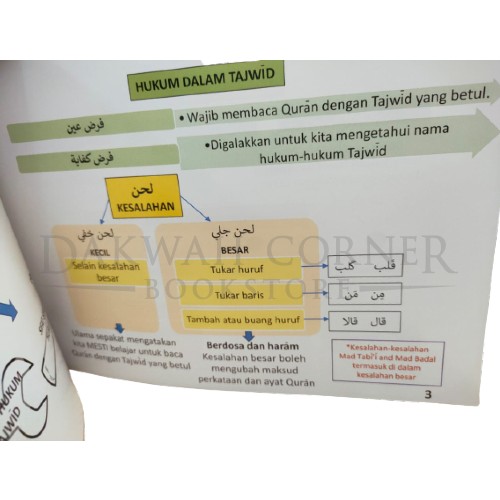
BrainJeem Tajwid merupakan pembelajaran kreatif dalam mengenalpasti hukum-hukum Tajwid dengan mudah dan menyeronokkan. Gabungan bunyi dan brain-gym akan mengaktifkan otak kiri dan kanan anda dan membantu anda kekal fokus dan bertenaga. Inovasi BrainJeem Tajweed berfungsi sebagai pembakar semangat supaya kita cintakan ilmu Tajwid dan seronok mendalami Quran.
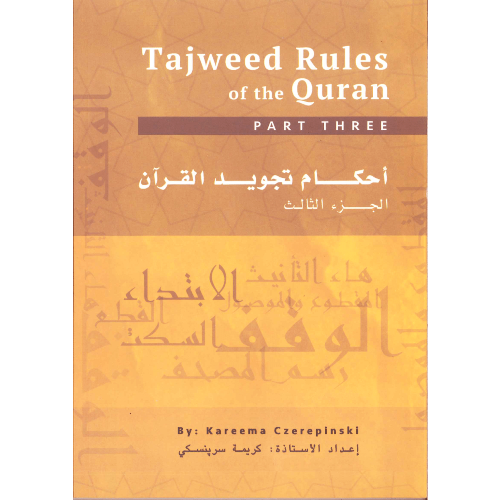
Tajweed Rules of the Quran (Part Three)
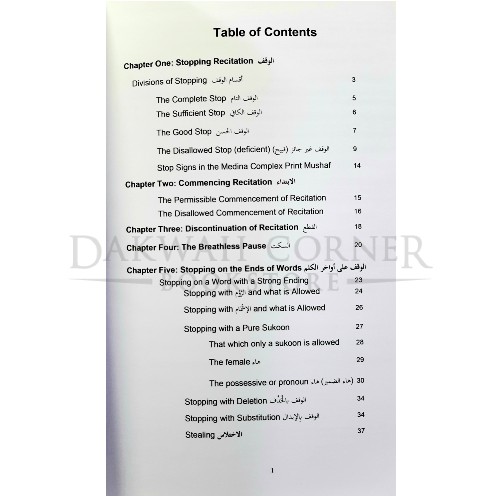
This is the third and final part of a three part series in English on the rules of tajweed the Qur’an for the recitation of Hafs from ‘Aasim by the way of Ash-Shaatibiyyah. These books are meant as a guide for non-Arabs with a good grasp of English for studying tajweed of the Glorious Qur’an. This final book explains the stop and start when reading the Glorious Qur’an, and gives details as to what kind of stop is allowed, what kind is preferred, and what kind of stop is forbidden. Stopping on the ends of words with strong endings (consonants) and rules for what is allowed on the last letter of the word is described, including ar-room (الروم) and al-ishmaam (الإشمام). Stopping on the ends of words with weak endings (words ending in the alif, ya’ or wow) and different rules and explanations for these type of words is clarified. One important aspect of Qur’an recitation is knowing and understanding which word combinations are written together and which separately in different parts of the Qur’an as well as in which places of the Qur’an are some words are written the female haa (هاء), and in which places they are written with the taa (تاء). This part lays out the different places in the Qur’an these occurrences take place, so the reader knows how he/she can stop on these words. The words that are read in a special way, or have two allowed ways for the reading of Hafs from ‘Aasim by the way of Ash-Shaatibiyyah are detailed in this book. The history of the writing of the Glorious Qur’an (رسم) and the general rules for the writing of the Qur’an are laid out in the last chapter of this part. This last part of the three parts on tajweed is for students who have studied and mastered the other two parts, or have studied everything covered in the first two parts. The explanations of the different subjects are in English, and the Arabic terms are translated. The goal is always to assist the students in understanding and to encourage them to learn the Arabic terms and definitions. The three parts of this series on tajweed rules of the Glorious Qur’an should facilitate non-Arabic speaking students of the Qur’an whether they are in a classroom with an Arabic medium for teaching or English. With this third part completed, insha’ Allah the non-Arab English speaking student of the Qur’an will find a complete curriculum and explanation of the tajweed rules for the recitation of Hafs ‘an ‘Aasim from the way of Ash-Shatibiyyah in any classroom or study situation that he/she may find themselves in. These three parts are only guidance; the real goal is reciting and applying all the different rules correction which can only be done by reciting to and being corrected by a qualified teacher of the Qur’an.
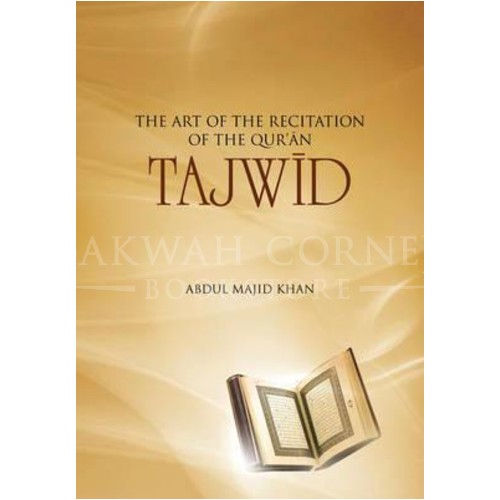
Tajwid : The Art of the Recitation of the Qur’an
This book on the art of the recitation of the Holy Qur’an is easy to follow with its simple yet detailed presentation of subjects. It is accessible for beginners who have had little exposure to Tajwid. It does not require any knowledge of Arabic grammar or understanding of the Arabic language. It provides both the young and adult English speaking Muslims with the best organization and presentation of the art of Tajwid. The Art of the Recitation of the Qur’an can be used for self-study or with the guidance of a teacher at Islamic schools and colleges as well as theology faculties. This book is primarily intended for the English speaking audience. The explanations in this work are augmented by figures, charts, tables, and examples for full and easy comprehension by English speaking Muslims. Readers will also find a Glossary of Arabic and Phonetic terms extremely helpful in learning the rules of Tajwid.
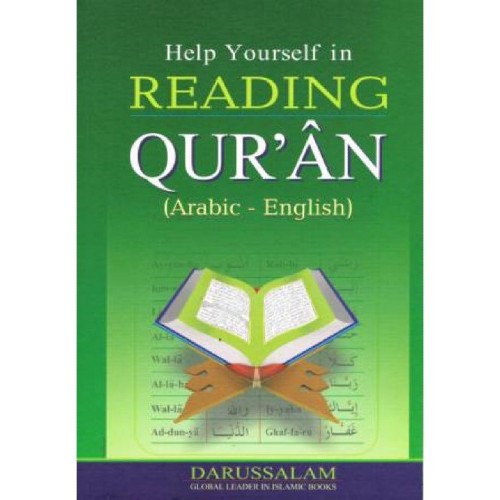
Help Yourself In Reading Qur’an
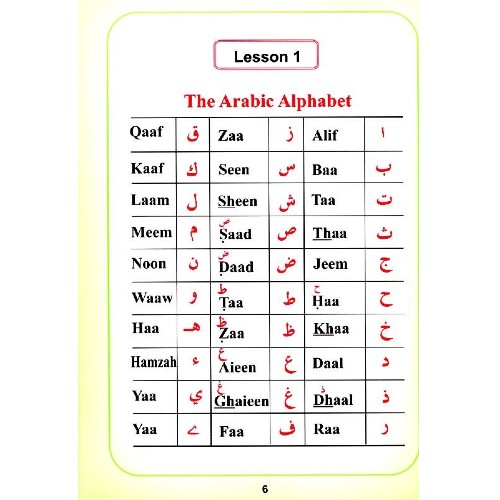
It is a guide for learning to read the Arabic of the Qur’an in a simple way through transliteration without a teacher. After mastering this guide , one will be able to read Qur’an without any difficulty. Insha-Allah.
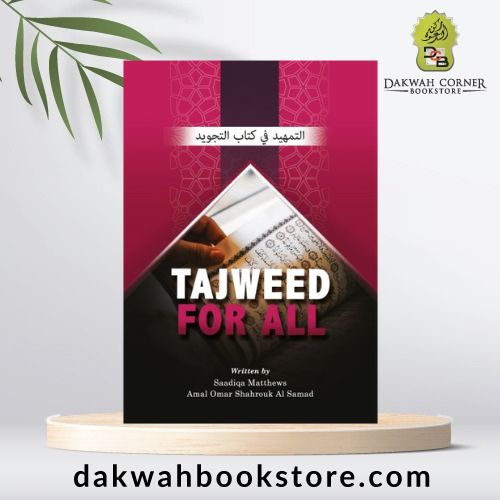
Tajweed For All (Revised Edition)
Note: Revised Version – thicker than previous version (Art Paper)
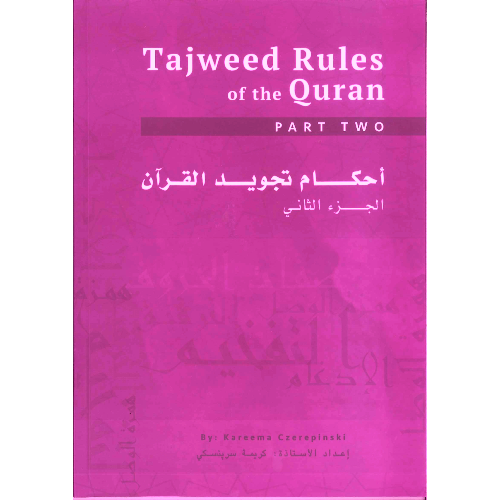
Tajweed Rules of the Quran (Part Two)
By Allah’s grace, this is the second part of a three part book on the rules of tajweed of the Qur’an, for the recitation of Hafs from ‘Aasim by the way of Ash-Shaatibiyyah. It is is intended to be a guide for nom-Arabs with a good grasp in English in studying tajweed.
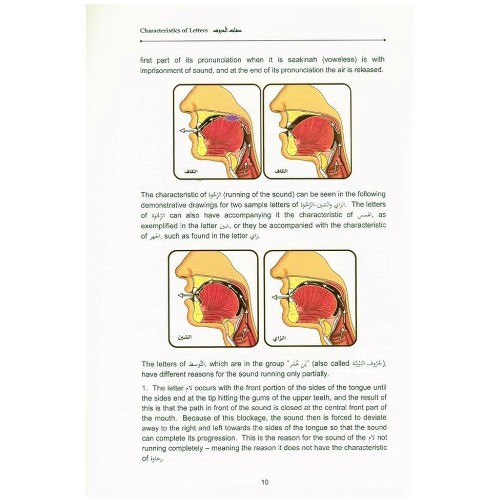
This book explains the concept of the accent (an-nabr) in the recitation of the Glourious Qur’an and the conditions of its use, it is also defines and explains the important chapter on the characteristics of the letter, velarization and attenuation (tafkheem and tarqeeq) are covered in this part, as well as the concept of the two alike, the two similar, the two close, and the two far and the rules for merging (idghaam) and clarity (ith-haar) in these different relationships. A brief introductory to grammar term is made in this book to assist the student in understanding the last chapter, that of the connecting hamzah (hamzah al-wasl).
The explanation of the different subject are in English, and the Arabic terms are translated. This is to assist the student in understanding and encourage them to learn the Arabic definitions and terms. This book should facilitate non-Arabs studying tajweed in a classroom with explanations taught in Arabic or in English.
This book cannot replace the importance of reciting to and being corrected by a trained teacher of tajweed, instead it is a guide and an aid in understanding the concepts of tajweed, the application can only be refined by recitation and correction.
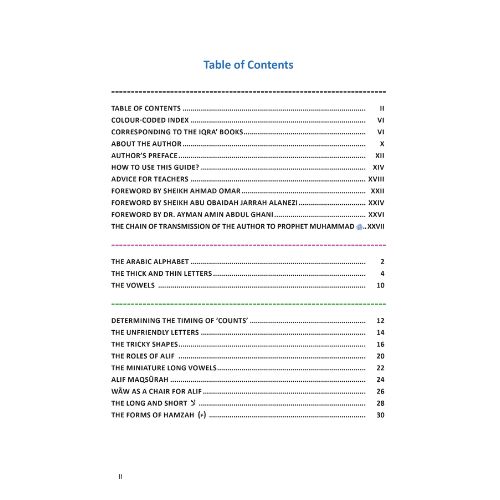
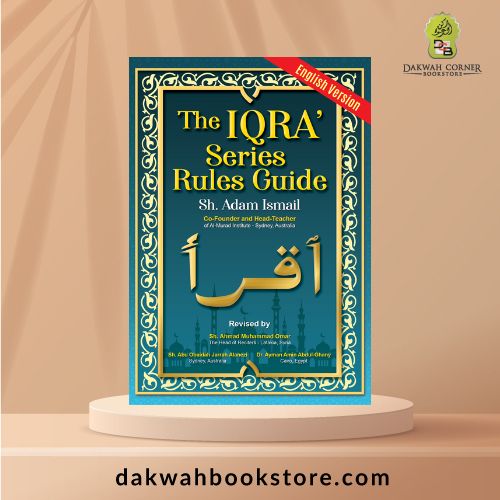
The Iqra’ Series Rules Guide
- This guide is a must for anyone studying or teaching from the IQRA’ Series! Aimed at children and adults to be used by schools, mosques and learning centres.
- This guide contains all the Tajwīd rules needed throughout the IQRA’ series. It introduces each rule based on the same structure and patterns of the IQRA’ Series.
- This guide has been designed to make it as easy as possible to achieve a beautiful and elegant recitation, whilst also having a firm grasp of all the required theory.
Recently Viewed
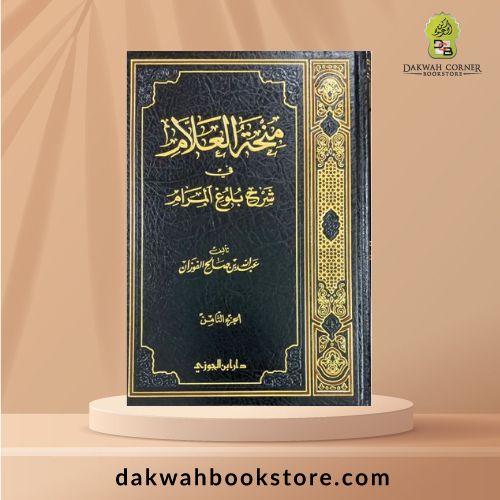
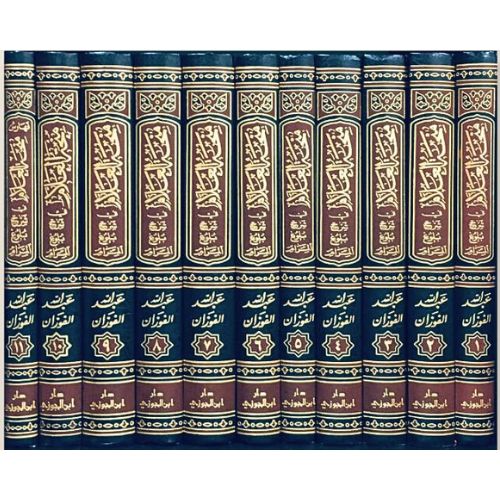
[HH] Minhat Al Alam Fi Sharh Bulugh Al Maram 11 Vol (مـنـحـة الـعـلاّم في شـرح بـلـوغ الـمـرام)
شرح الشيخ عبد الله الفوزان على بلوغ المرام للحافظ ابن حجر و سماه: منحة العلام شرح بلوغ المرام, و هو من أفضل و أكمل الشروح على بلوغ المرام
طبعة سعودية رائعة مشكولة المتن في 11 مجلدا و المجلد الأخير خاص بالفهارس
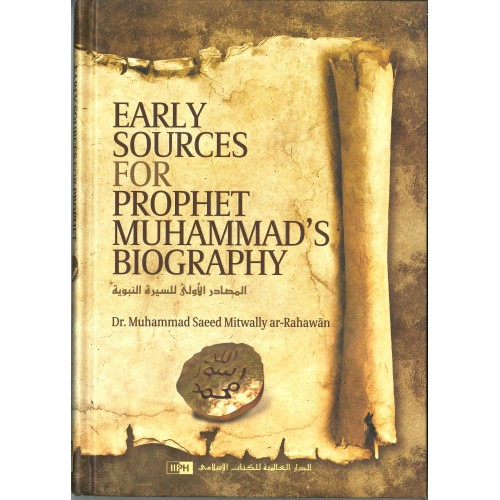
Early Sources For Prophet Muhammad’s Biography (H/B)
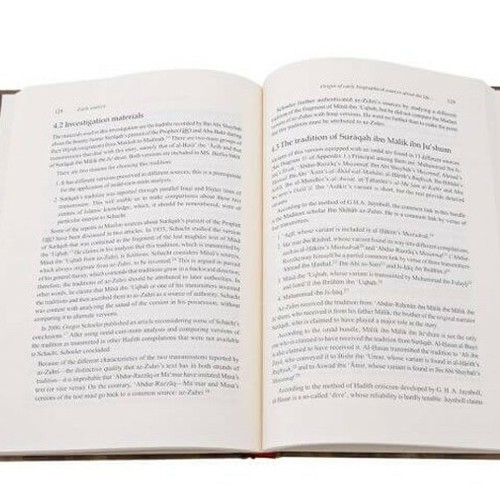
In ‘Early Sources for Prophet Muhammad’s Biography’, Dr. Muhammad Saeed Mitwally aims to prove that applying Western methods of critical analysis to the available Muslim sources can take us back to early, reliable information about the Prophet (sa).
Early Western biographies of the Prophet of Islam (sa) were largely based upon the Qur’an, as well as upon the late Muslim sources dating from the sixteenth century. After the publication of Goldziher’s Muhammedanische Studien in 1890, the reliability of Muslim sources became controversial. This stance was intensified by the publication of Schacht’s The Origins of Muhammadan Jurisprudence, in which he claimed that none of the Hadith literature is authentic. In this book, Dr. Muhammad Saeed Mitwally successfully challenges some of the problems raised by the pessimistic attitude.
Students of Hadith will find this study thought-provoking and informative.
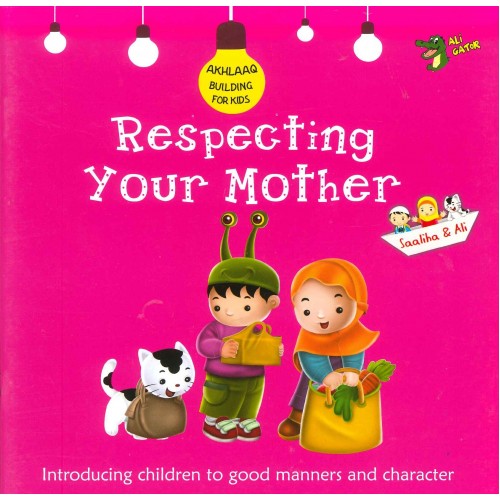
Respecting Your Mother (Akhlaaq Building Series)
“Respecting Your Mother” is an essential part of Islam, (as is respecting your father too). Yet your mother has a very special status in our lives.
Saaliha and her younger brother Ali know that if they are good to their mother and father, Allah will give them the best of rewards. They both like to help their mother with little things around the house. It may not seem like much, but it all part of building a child’s character.
Our aim with the “Akhlaaq Building Series” is to build a child’s good character (Akhlaaq) through seeing examples of children similar to themselves acting nicely and doing good things.
It is essential to instill good morals and values from a young age, reading good books, with good messages and good role models is part of developing good character in our children.
There are 8 books in this highly successful series.
Full Color
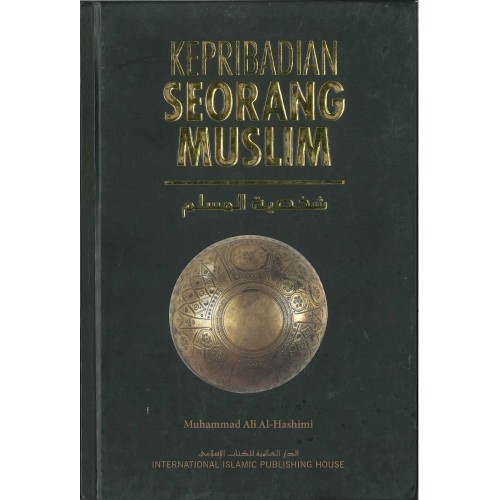
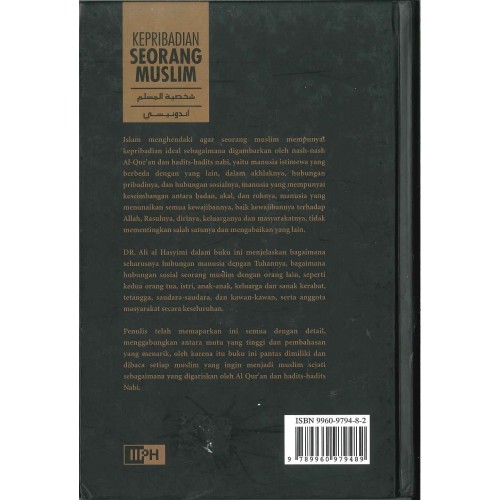
Kepribadian Seorang Muslim
Kepribadian Seorang Muslim: yang ditekankan oleh Al Qur’an maupun sunnah. Kalau kita membaca Al-Qur’an dan hadits-hadits nabi saw maka kita akan mendapatkan banyak sekali petunjuk dan ajaran yang mengajarkan agar seorang muslim menjadi orang yang paripurna, menjadi orang yang berguna bagi bangsa dan agamanya, namun tidak semua orang bisa memahami nash-nash Al-Qur’an dan hadits berkaitan dengan karkter dan sifat-sifat seorang muslim. Dalam buku ini penulis menyajikan kepada kita hasil telaah beliau yang luas dan mendalam tentang karakter seorang muslim sebagaimana yang dikehendaki olah Al-Qur’an dan hadits nabi. Beliau memaparkan bagaiman semestinya hubungan antara seorang muslim dengan tuhannya, dengan kedua orang tuanya, dengan saudara-saudaranya, dengan anak dan isterinya, dengan tetangga dan masyarakatnya, bangsa dan negaranya. This is the Indonesian translation of the book The Ideal Muslim: The True Islamic Personality of the Muslim as Defined in the Qur’an and Sunnah. In all areas of life, we can learn through the teachings of Prophet Muhammad (blessings and peace of Allah be upon him). There are many lessons to learn by his example. They lead us to believe that the good personality traits of a Muslim are ones that naturally propel us to be closer to Allah. In this book we examine proofs from the Qur’an and the Sunnah that give us an idea about those characteristics that will guide us in our hearts and actions to be better people in the eyes of our Creator. The author gives a clear overview of the practical aspects of the Islamic lifestyle, as exemplified by the Prophet (blessings and peace of Allah be upon him) and his Companions. Moving from the innermost aspect of the individual’s spiritual life to his dealings with all those around him, one can see how the Muslim is expected to interact with all others in his life. This book is valuable for individual self-development, but will also serve as a rich source of material and ideas for study circles and discussion groups. The author supports each point with extensively evidential quotations
from the Qur’an and Sunnah and gives us thereby an insight into the life of the first Muslim community in Madinah. At a time when alien influences are overwhelming Muslims throughout the world and the temptation to adopt un-Islamic ways is greater than ever, this book serves as a timely reminder to us to go back to our Islamic sources and to adhere to our distinct, divinely-ordained way of life.
The Iqra’ Series Rules Guide
- This guide is a must for anyone studying or teaching from the IQRA’ Series! Aimed at children and adults to be used by schools, mosques and learning centres.
- This guide contains all the Tajwīd rules needed throughout the IQRA’ series. It introduces each rule based on the same structure and patterns of the IQRA’ Series.
- This guide has been designed to make it as easy as possible to achieve a beautiful and elegant recitation, whilst also having a firm grasp of all the required theory.


There are no reviews yet.