

![[CB] Qisas Min Sirah Al 'Azam (قصص من سيرة الأعظم)](https://shop.dakwahbookstore.com/wp-content/uploads/2023/06/Untitled-design-3.jpg)
| Weight | 0.50 kg |
|---|---|
| Author | |
| ISBN | 9786035003179 |
| Pages | 112 |
| Publisher | Darussalam |
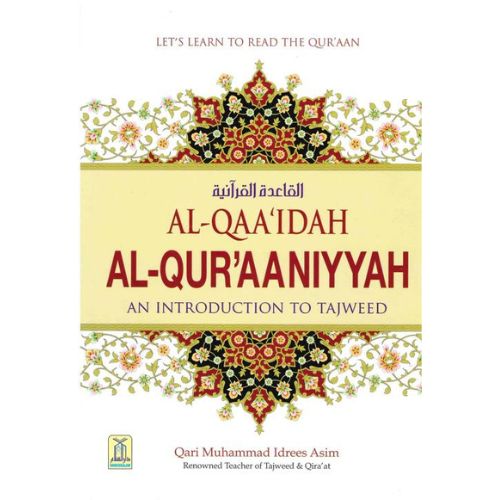
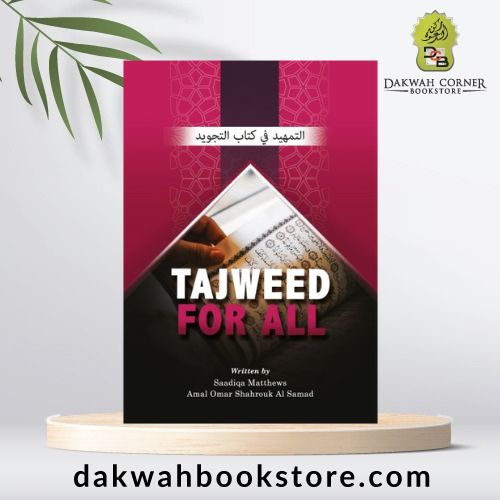
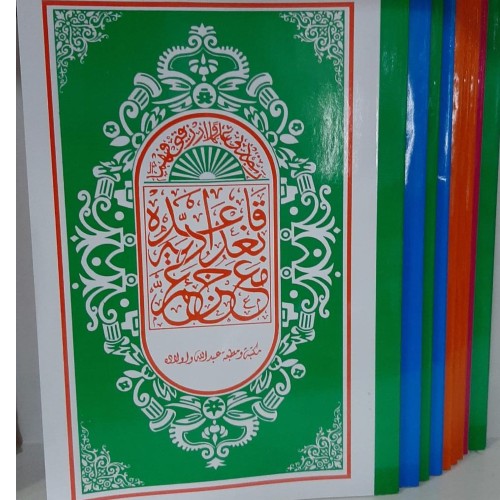
Al-Qaa’idah Al-Qur’aaniyah (An Introduction to Tajweed)
RM30.00
Hurry up, Only 1 left.

Highlights:
somdn_product_page
Compare
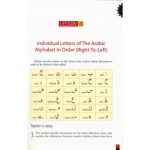
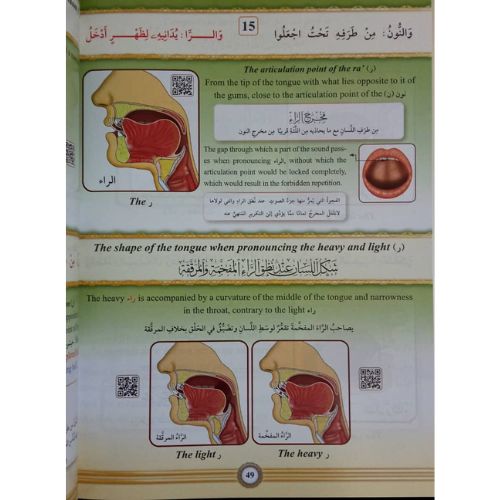
Learning to read the Qur’an properly is one of the many obligatory duties of a Muslim. Recitation gets better and more beautiful as one continues to read the Qur’an, meticulously following the rules and techniques Qur’anic recitation (tajweed).
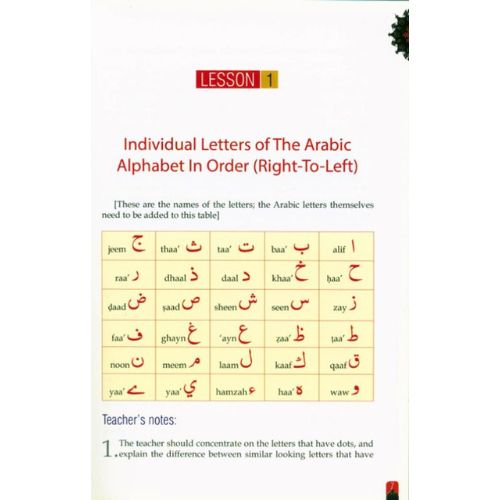
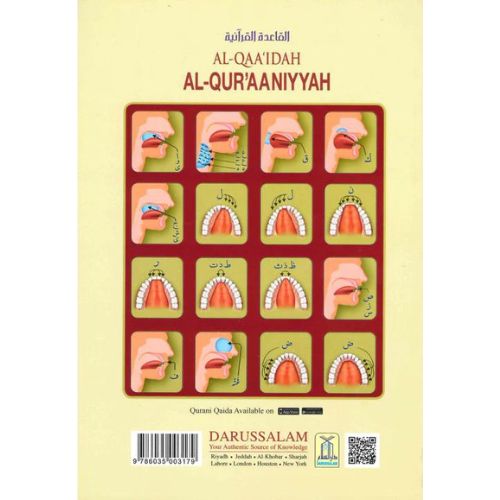
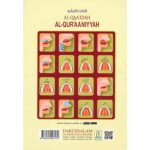
If you want to learn the art of Qur’anic recitation in the most beautiful and sublime manner, then this is the book for you. Al-Qaaidah Al Quraaniyyah is a good book to learn tajweed easily with lessons, extensive notes, and exercises for the English-speaking students.
Frequently Bought Together
1 Item
RM30.00
2 Add-Ons
RM48.00
Total
RM78.00
Additional information
Reviews (0)
Be the first to review “Al-Qaa’idah Al-Qur’aaniyah (An Introduction to Tajweed)” Cancel reply
You must be logged in to post a review.
You may also like…
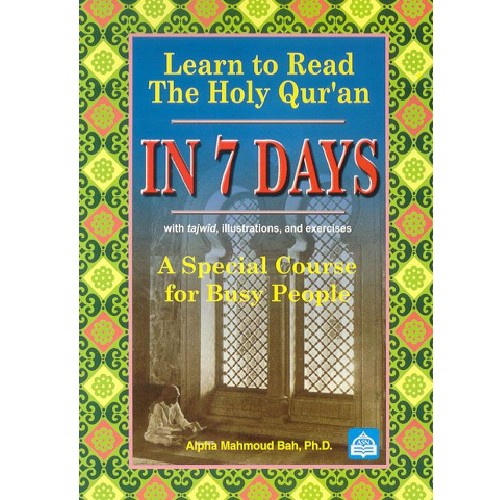
Learn to Read the Holy Qur’an in 7 Days (Alpha Mahmoud Bah)
Highlights:
If you are a university student, a businessperson, a homemaker, or any busy adult desiring to learn to read the Holy Qur’an, then this guidebook is exactly what you need. With it, you can study alone or with help of an aid.
RM23.00
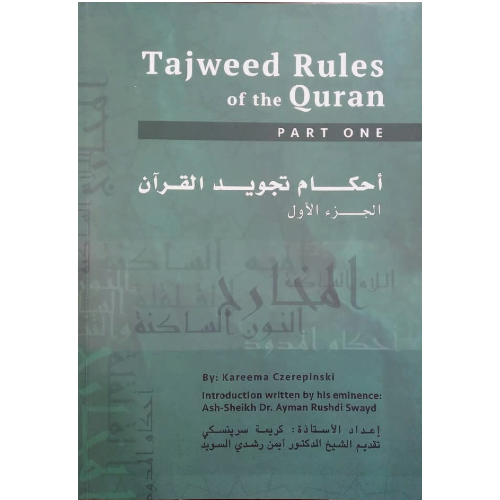
Tajweed Rules of the Quran (Part One)
Highlights:
This is a guide for studying tajweed. The student who uses this book is expected to have a basic grasp of Arabic before starting this course. The student should know all the Arabic letters and vowels and be able to read at an elementary level.
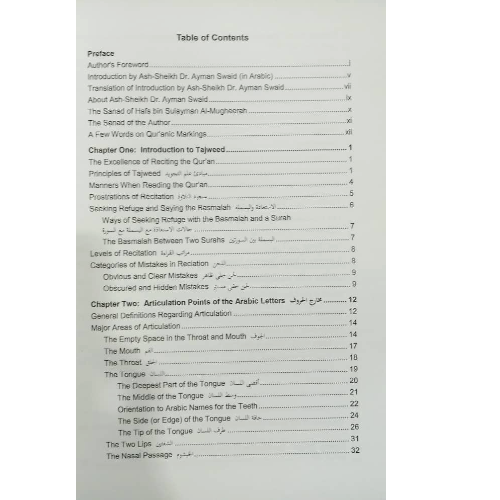
This book is either for an English-speaking student studying the Qur’an in an Arabic environment, but needing explanation of the Arabic terms in English, or a student studying the explanations of tajweed in English, but learning the basic concepts in Arabic so they may integrate into the Arabic terms and definitions throughout the book, since the science of tajweed is an Arabic science. This book explains the articulation points of the Arabic letters, the rules of noon saakinah, meem saakinah, and lam saakinah. It explains all of the different lengths (mudood), and how voweled, and non-voweled letters are formed. The qalaqah mechanism is explained in the last chapter. Terms are introduced in Arabic, and the translated into English. Explanations are done in English, but with integration of Arabic terms, as they are learned.
A student of the Qur’an cannot expert to learn tajweed simply by studying this book. The learning of proper Qur’anic recitation can only be done by listening to a qualified Qur’an teacher recite, then reciting to them and receiving corrections from the teacher.
RM30.00

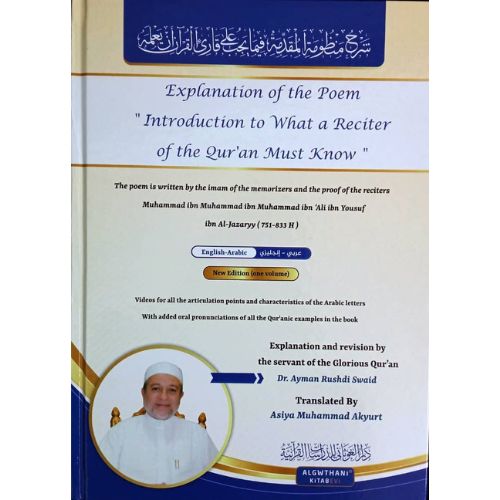
Related Products
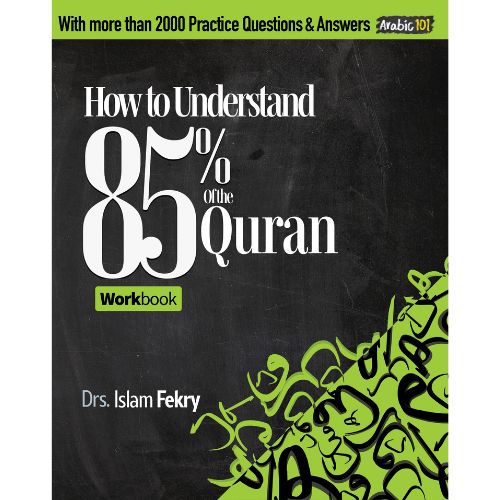
[Workbook] How to understand 85% of the Quran (Arabic 101 Series)
Highlights:
How to Understand 85% of the Quran – Workbook is a carefully designed companion to the main coursebook, made for learners who wish to understand the Quran in Arabic. It is ideal for independent study but even more beneficial under the guidance of a qualified Qur’an teacher.
RM50.00
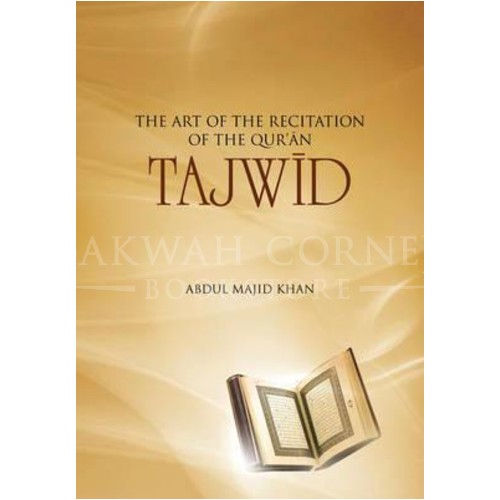
Tajwid : The Art of the Recitation of the Qur’an
Highlights:
This book on the art of the recitation of the Holy Qur’an is easy to follow with its simple yet detailed presentation of subjects. It is accessible for beginners who have had little exposure to Tajwid. It does not require any knowledge of Arabic grammar or understanding of the Arabic language. It provides both the young and adult English speaking Muslims with the best organization and presentation of the art of Tajwid. The Art of the Recitation of the Qur’an can be used for self-study or with the guidance of a teacher at Islamic schools and colleges as well as theology faculties. This book is primarily intended for the English speaking audience. The explanations in this work are augmented by figures, charts, tables, and examples for full and easy comprehension by English speaking Muslims. Readers will also find a Glossary of Arabic and Phonetic terms extremely helpful in learning the rules of Tajwid.
RM65.00

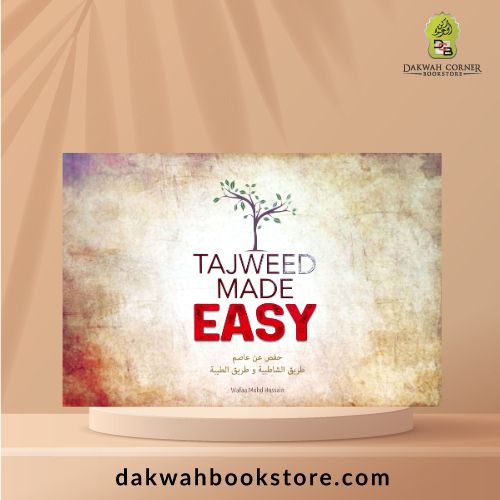
Starting from Scratch – Tajweed Made Easy
Highlights:
Holy Quran and Quranic Sciences
RM10.00
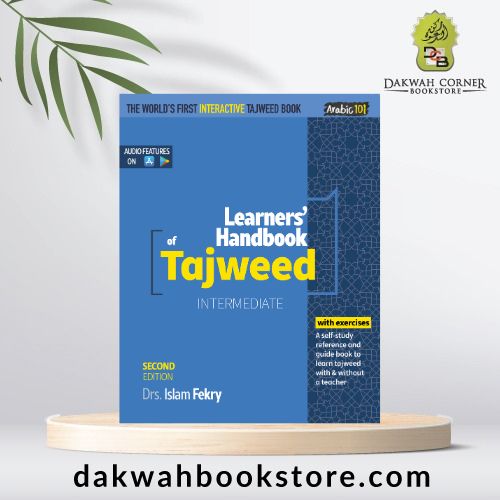
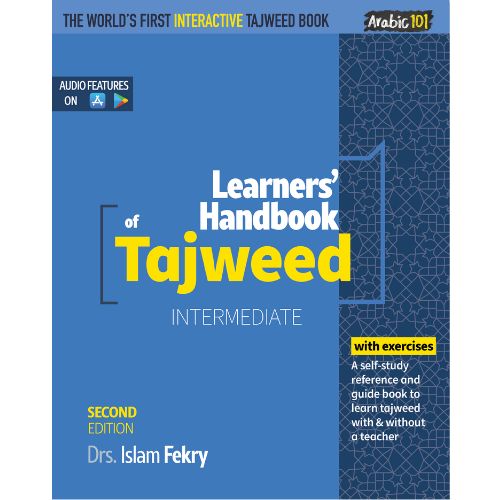
Learners Handbook Tajweed (Intermediate) – Second Edition (Arabic 101 Series)
Highlights:
Learners’ Handbook of Tajweed
Intermediate
Learners’ Handbook of Tajweed is designed as a self-study handbook, yet it is equally suitable for classroom settings. It stands as the world’s first Tajweed book that goes beyond presenting just rules; it is an interactive experience that will change the way you think about learning Tajweed. This book has been uniquely designed to offer an unparalleled learning experience that seamlessly blends enjoyment with information.
RM55.00
RM55.00 – RM120.00Price range: RM55.00 through RM120.00
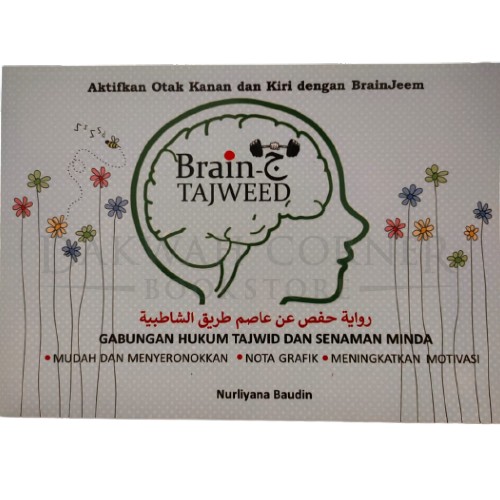
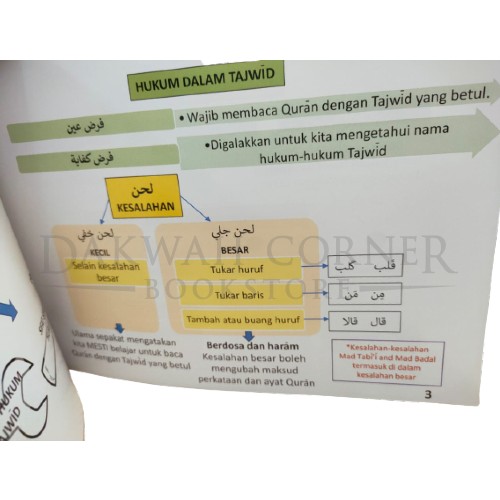
BrainJeem Tajweed – Gabungan Hukum Tajwid dan Senaman Minda
Highlights:
BrainJeem Tajwid merupakan pembelajaran kreatif dalam mengenalpasti hukum-hukum Tajwid dengan mudah dan menyeronokkan. Gabungan bunyi dan brain-gym akan mengaktifkan otak kiri dan kanan anda dan membantu anda kekal fokus dan bertenaga. Inovasi BrainJeem Tajweed berfungsi sebagai pembakar semangat supaya kita cintakan ilmu Tajwid dan seronok mendalami Quran.
RM30.00
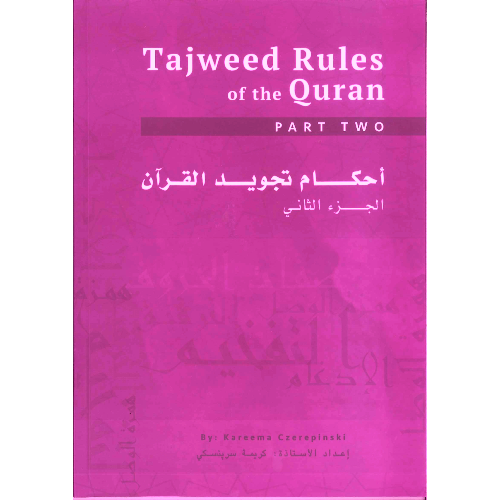
Tajweed Rules of the Quran (Part Two)
Highlights:
By Allah’s grace, this is the second part of a three part book on the rules of tajweed of the Qur’an, for the recitation of Hafs from ‘Aasim by the way of Ash-Shaatibiyyah. It is is intended to be a guide for nom-Arabs with a good grasp in English in studying tajweed.
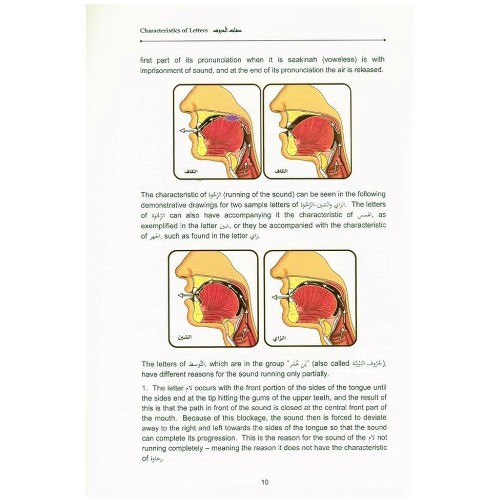
This book explains the concept of the accent (an-nabr) in the recitation of the Glourious Qur’an and the conditions of its use, it is also defines and explains the important chapter on the characteristics of the letter, velarization and attenuation (tafkheem and tarqeeq) are covered in this part, as well as the concept of the two alike, the two similar, the two close, and the two far and the rules for merging (idghaam) and clarity (ith-haar) in these different relationships. A brief introductory to grammar term is made in this book to assist the student in understanding the last chapter, that of the connecting hamzah (hamzah al-wasl).
The explanation of the different subject are in English, and the Arabic terms are translated. This is to assist the student in understanding and encourage them to learn the Arabic definitions and terms. This book should facilitate non-Arabs studying tajweed in a classroom with explanations taught in Arabic or in English.
This book cannot replace the importance of reciting to and being corrected by a trained teacher of tajweed, instead it is a guide and an aid in understanding the concepts of tajweed, the application can only be refined by recitation and correction.
RM26.00

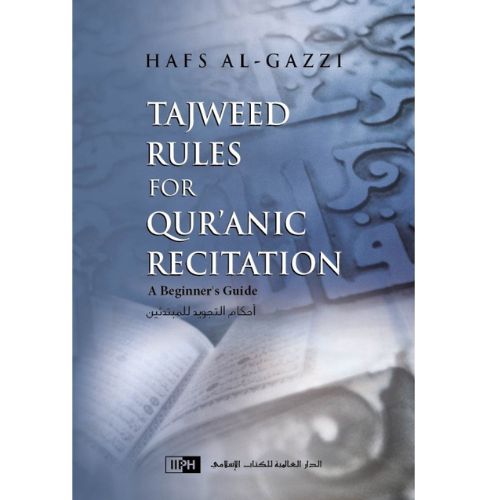
Tajweed Rules For Quranic Recitation [A Beginner Guide]
Highlights:
For every letter of the Qur’an that a Muslim recites, s/he is rewarded ten times over. This immense reward for such a seemingly simple task emphasizes the importance of learning how to recite the Qur’an. Tajweed Rules for Qur’anic Recitation: A Beginner’s Guide aims to give the reader the necessary tools to properly recite the Qur’an according to the manner in which the Prophet Muhammad (sa) recited it. To set the stage for learning the proper Qur’anic recitation, or tajweed, the history of the Qur’an is briefly discussed from its revelation to its compilation. In addition, the history of the Science of Tajweed is touched upon, in order to move the reader into the rules of Qur’anic recitation. With the beginning learner in mind, the rules are detailed in a simple yet clear manner. Each new rule is elucidated with examples from the Qur’an for learners to apply to their recitation.
RM45.00
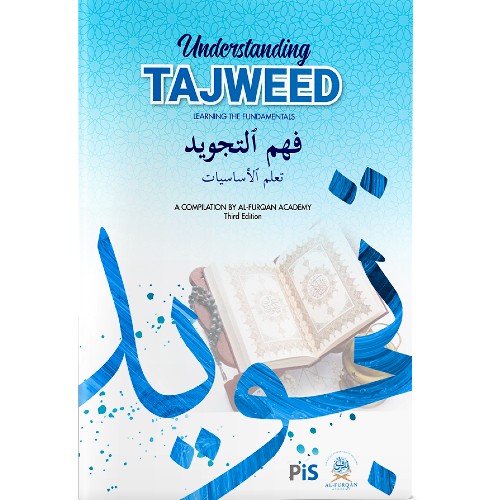
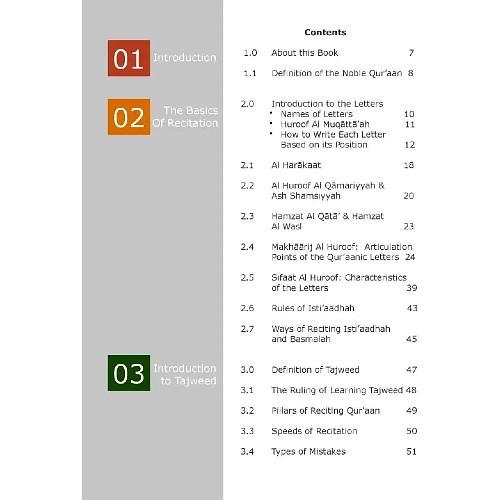
Tajweed Rules of the Quran (Part Three)
Highlights:
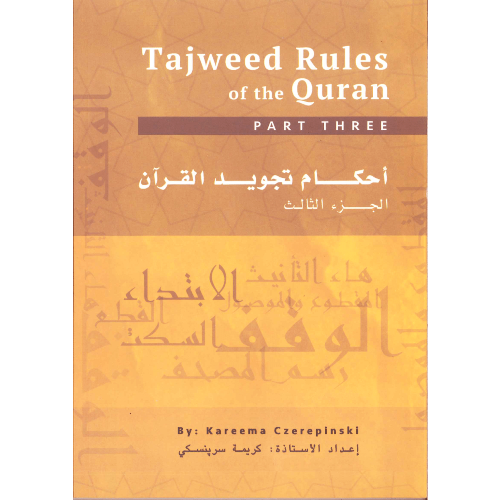
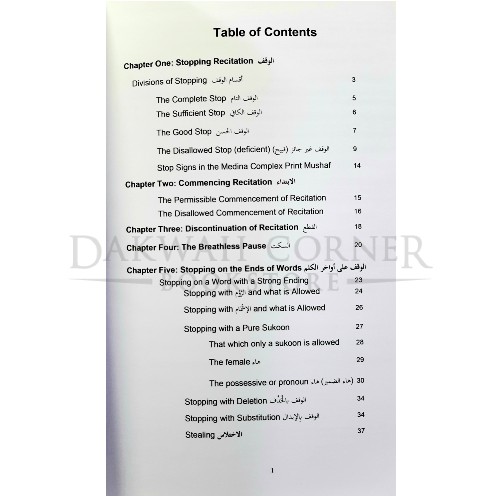
This is the third and final part of a three part series in English on the rules of tajweed the Qur’an for the recitation of Hafs from ‘Aasim by the way of Ash-Shaatibiyyah. These books are meant as a guide for non-Arabs with a good grasp of English for studying tajweed of the Glorious Qur’an. This final book explains the stop and start when reading the Glorious Qur’an, and gives details as to what kind of stop is allowed, what kind is preferred, and what kind of stop is forbidden. Stopping on the ends of words with strong endings (consonants) and rules for what is allowed on the last letter of the word is described, including ar-room (الروم) and al-ishmaam (الإشمام). Stopping on the ends of words with weak endings (words ending in the alif, ya’ or wow) and different rules and explanations for these type of words is clarified. One important aspect of Qur’an recitation is knowing and understanding which word combinations are written together and which separately in different parts of the Qur’an as well as in which places of the Qur’an are some words are written the female haa (هاء), and in which places they are written with the taa (تاء). This part lays out the different places in the Qur’an these occurrences take place, so the reader knows how he/she can stop on these words. The words that are read in a special way, or have two allowed ways for the reading of Hafs from ‘Aasim by the way of Ash-Shaatibiyyah are detailed in this book. The history of the writing of the Glorious Qur’an (رسم) and the general rules for the writing of the Qur’an are laid out in the last chapter of this part. This last part of the three parts on tajweed is for students who have studied and mastered the other two parts, or have studied everything covered in the first two parts. The explanations of the different subjects are in English, and the Arabic terms are translated. The goal is always to assist the students in understanding and to encourage them to learn the Arabic terms and definitions. The three parts of this series on tajweed rules of the Glorious Qur’an should facilitate non-Arabic speaking students of the Qur’an whether they are in a classroom with an Arabic medium for teaching or English. With this third part completed, insha’ Allah the non-Arab English speaking student of the Qur’an will find a complete curriculum and explanation of the tajweed rules for the recitation of Hafs ‘an ‘Aasim from the way of Ash-Shatibiyyah in any classroom or study situation that he/she may find themselves in. These three parts are only guidance; the real goal is reciting and applying all the different rules correction which can only be done by reciting to and being corrected by a qualified teacher of the Qur’an.
RM30.00
Recently Viewed
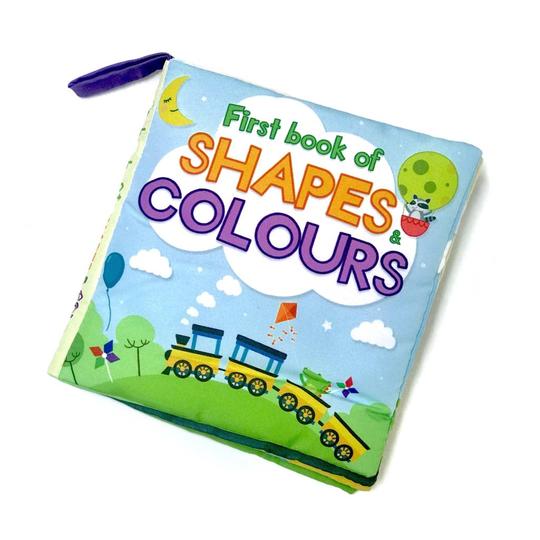
SOFT BOOK – First Book of SHAPES & COLOURS
Highlights:
Discover shapes and colours all around!
Can you tell the shape and colour of the items that can be found in the park, at home and at the beach?
RM44.00

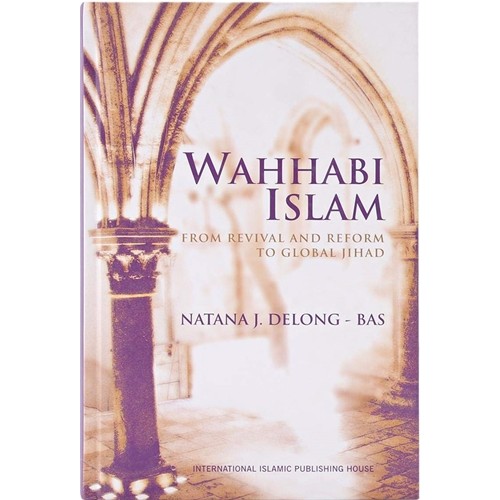
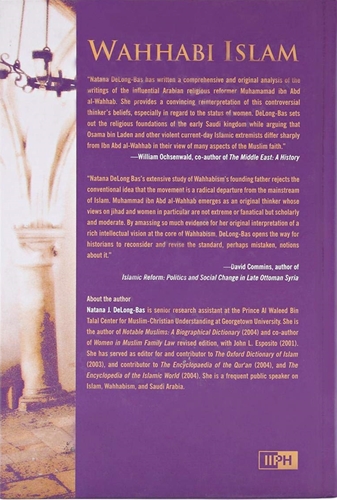
Wahhabi Islam From Revival And Reform To Global Jihad
Highlights:
Until September 11, 2001 few Westerners had ever heard of “Wahhabism.” Now most of us recognize the word as describing an austere and puritanical type of Islam, mentioned frequently in connection with Osama bin Laden and Saudi Arabia and often named as the inspiration behind the 9/11 terror attacks. The word “Wahhabi” stems from the name of the founder of this system of thought, Muhammad Ibn Abd al-Wahhab (1702-1791), companion and religious adviser to Muhammad Ibn Saud, founder of the House of Saud. In this book Natana DeLong-Bas offers an in-depth study of the written works of al-Wahhab. She focuses on four areas: theology, legal theory, proselytizing through education and jihad, and law on women. Through a close reading of al-Wahhab’s texts she demonstrates that many aspects of 20th- and 21st-century Wahhabi extremism do not have their origins in his writings. Examples of this extremism include the emphasis on jihad, martyrdom and militancy, and misogyny. The strict division of the world into dar al-Islam and dar al-kufr, according to which only Wahhabi adherents are considered to be true Muslims and all others are non-Muslims who must be fought, is entirely absent from al-Wahhab’s work. Instead, argues DeLong-Bas, all of these themes were only added to Wahhabi teachings in the 19th century following armed engagement with the Ottoman Empire. DeLong-Bas’s study fills an enormous gap in the literature about Wahhabism by returning to the original writings of the founder of the movement. She debunks the common journalistic portrayal of Muhammad Ibn Abd al-Wahhab as an illiterate, rural bumpkin with no scholarly formation. Her revisionist reading of al-Wahhab’s thought will be controversial but impossible to ignore. The book will be essential reading for students and scholars of Islam as well as for those interested in the background of this dangerous modern ideology.
RM91.00
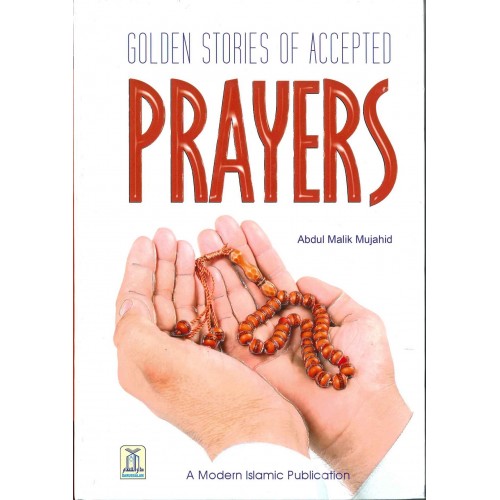
Golden Stories of Accepted Prayers
5 ★
5 ★
1 Rating
5 ★
1
4 ★
0
3 ★
0
2 ★
0
1 ★
0
Highlights:
What are invocations? In a real sense these are requests which come from the bottom of our hearts to Allah Almighty. Allah is always ready and happy to receive prayers from anyone at any time.
If you’re facing any difficulties or trouble you should immediately turn to Allah for help. The best invocations are those narrated by the Prophet (S). If you don’t speak Arabic, you can pray in your mother tongue.
When we pray we should feel assured that Allah will accept our requests. We should do so with complete sincerity and devotion.
Prayers can be made at any time, but there is a greater possibility our prayers will be accepted if we do so at specific times.
RM68.50
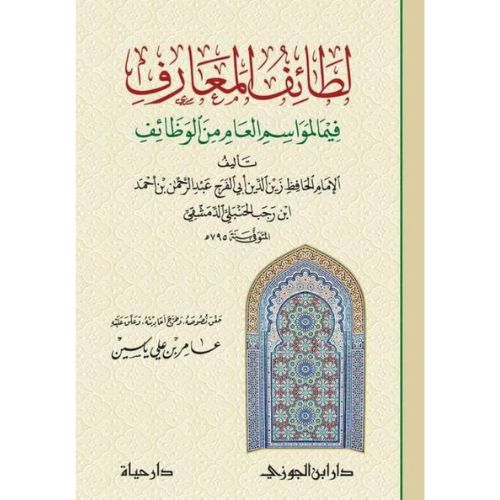
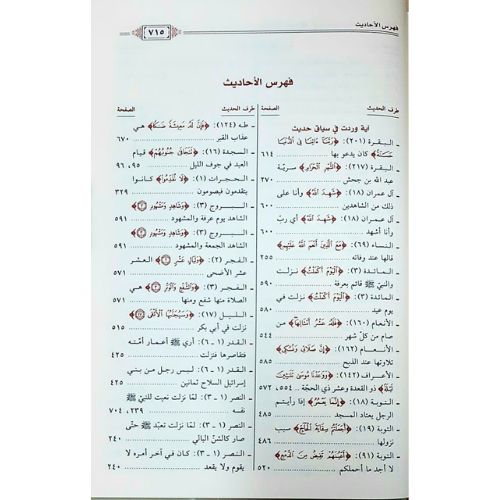
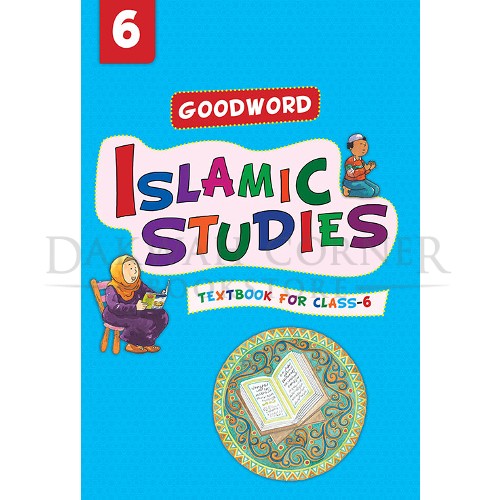
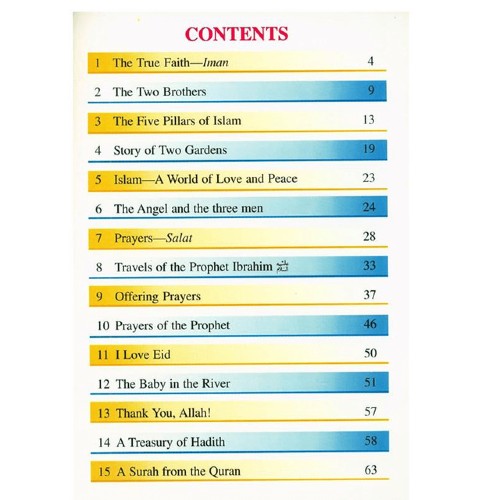
Goodword Islamic Studies Textbook for Class 6
Highlights:
This course has been designed to present the young students comprehensive Islamic education, comprising general Islamic knowledge based on the Quran and Hadith. Instead of teaching moral principles directly, they are taught through themes chosen from the Quran and other Islamic sources. A major portion of the course comprises the text of the Quran, which is followed by exercises to test the depth of understanding of the students. Though basically intended for use as a school text book, it is also an ideal tool for home schooling involving both the parents and the children. In this way children will nt only learn the ethical values conveyed by the message of Islam but will also be stimulated to want to know more about Islamic teachings when they grow up..
RM17.00
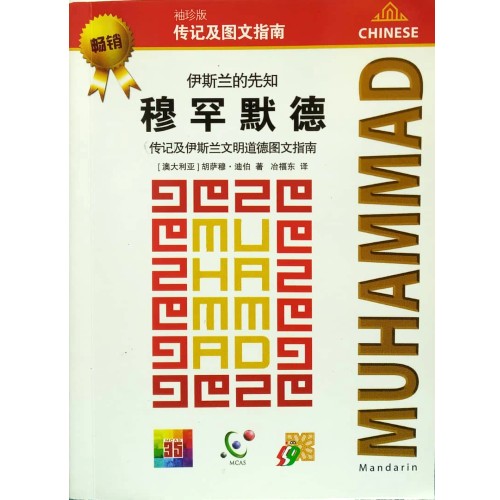
THE PROPHET OF ISLAM MUHAMMAD:傳記和繪畫報指南 (Chinese)
Highlights:
具有伊斯蘭文明道德基礎的傳記和圖片指南。
(This is the Chinese version of ‘The Prophet of Islam Muhammad SAW: Biography & Pictorial Guide’.)
RM15.00
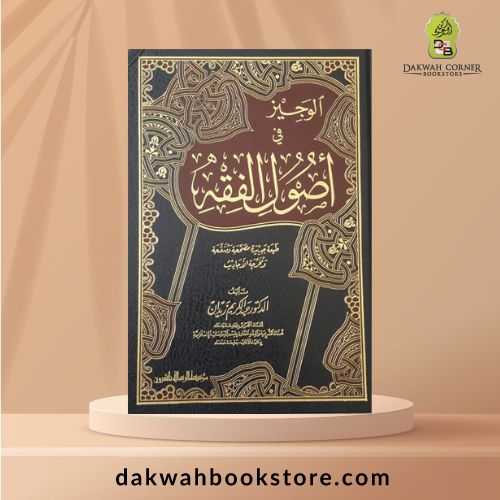
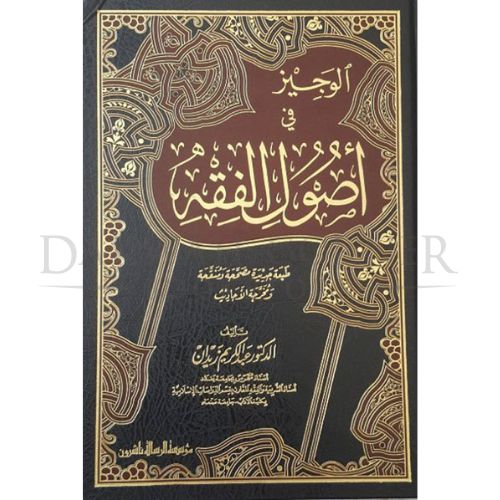
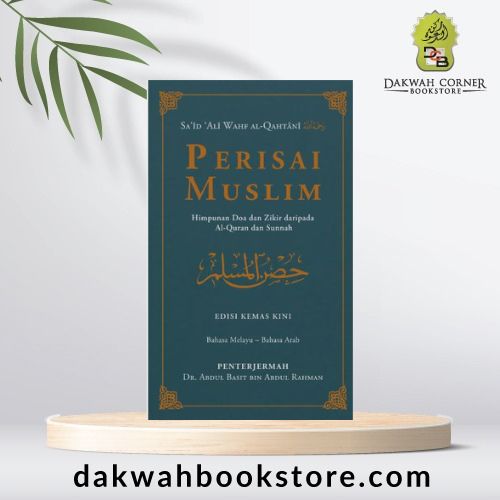
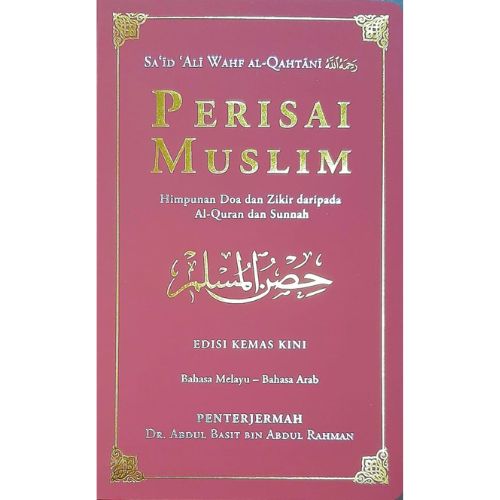
Perisai Muslim – Hisnul Muslim (Premium – Leather)
Highlights:
PERISAI MUSLIM merupakan terjemahan bagi buku masyhur, Hisnul Muslim, adikarya Syeikh Dr. SA’ID ‘ALI WAHF AL-QAHTANI . Terjemahan Bahasa Melayu ini merupakan hasil usaha Dato’ Dr. Abdul Basit Abdul Rahman. Dakwah Corner Bookstore turut mempersembahkan naskhah istimewa ini dalam bentuk sederhana kecil yang baharu.
Naskhah ini menghimpunkan zikir dan doa sahih yang perlu diamalkan oleh sekalian umat Islam setiap hari. Para ulama di seluruh dunia memperakui isi kandungannya. Perisai Muslim juga telah diterjemahkan kepada lebih daripada 75 bahasa.
Edisi istimewa terbitan Dakwah Corner Bookstore ini sesuai bagi mereka yang inginkan sebuah karya yang berkualiti dan berketerampilan, di samping meraih setiap manfaat yang bakal menanti anda, insya-Allah.
There are no reviews yet.