| Weight | 0.36 kg |
|---|---|
| Product Type | Book |
| Author | |
| Publisher | IIPH |
| Pages | 192 |
| ISBN | 9786035010566 |
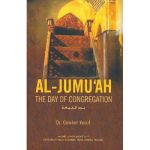
Al-Jumu’ah: The Day of Congregation
RM38.00
In our busy lives, Friday comes around once a week. It often comes and goes without our being really aware of it. For many Muslim men, it may be punctuated by the congregational prayer that they make special efforts to attend. For many Muslim women, it may go by just like any other day. This ought not to be the case. In this unique book, Dr. Gowher Yusuf gives us reason to stop and think about how special Friday (al-Jumu‘ah) really is, and what we should be doing to achieve the many bounteous blessings it holds for those who observe it. Drawing constantly from the Qur`an and the Sunnah and the great works of the scholars of Islam, Dr. Gowher Yusuf explores this topic in depth and presents it to the reader in simple language for them to understand and ponder over. This book travels through the various issues pertaining to the Friday prayer and its Khutbah, or sermon. These issues are explained within the Islamic framework, thus abolishing any myths and misunderstandings and clarifying the topic for the reader. Dr. Yusuf writes: The day of the week known as al-Jumu‘ah, or simply Jumu‘ah, is Friday, and it is special. Compared to the other days of the week, Friday has been accorded the largest amount of merit, so much so that the father of all humankind, Prophet Âdam (peace be upon him), was created on this day and a particular prayer was ordered for this day. It was from the guidance given to Prophet Muhammad (blessings and peace of Allah be upon him) to magnify this day, honour it, and designate it for acts of worship. …On a Friday, we all will be gathered and will stand congregated in front of Allah, the Exalted, on the Day of Resurrection, also called the Day of Accountability or the Day of Judgement.
Be the first to review “Al-Jumu’ah: The Day of Congregation” Cancel reply
You must be logged in to post a review.
Related Products

Hajj & Umrah (Pocket Guide) – English Version
A useful pocket guide that includes the rites of Umrah,Hajj, and visiting Madinah.
Funerals Regulations and Exhortations (H/B)
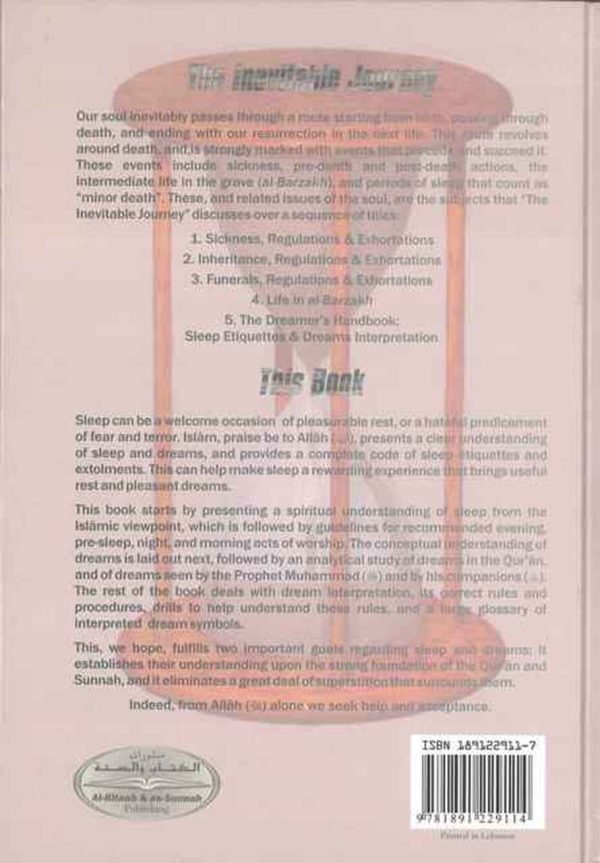
Our soul inevitably follows a route starting from birth, passing through death, and ending with our resurrection in the next life. The inevitable journey discusses over a sequence of titles: sickness, inheritance, funerals, Life in Barzakh and so on…
Common Mistakes Regarding Prayer – IIPH
Formal prayer (salat) is the second pillar of Islam, and the most important of a Muslim’s acts of worship. Prophet Muhammad (PBUH) said: “The first of one’s actions for which a slave of Allah will be held accountable on the Day of Judgment will be one’s prayers. If they are correct and accounted for, then he (or she) will have succeeded (gained paradise); and if they are lacking, then he (or she) will have failed (lost paradise). If there is something defective in his (or her) obligatory prayers, the Lord will say: ‘See if my slave has any supererogatory prayers with which that which was defective in his (or her) obligatory prayers may be completed. Then the rest of his (or her) deeds will be judged in like manner.” (At-Tirmidhi and others) Shaykh Mashhur Hasan Salman has compiled a list of the most common errors that we make when we pray, discussing and explaining each one. This book is a valuable aid to Muslims hoping to perfect their prayers, so that their prayers may be free of defects and acceptable to Allah. This new and revised edition of the English translation of his work presents the text in a fluent, highly readable style.
The Right to Education, Work and Welfare in Islam (P/B)
In The Right to Education, Work and Welfare in Islam Professor M.H. Kamali develops an Islamic perspective on three connected and complementary areas of rights and liberties. He urges that education is often a necessary ingredient of professional work even more so now than in earlier times when the range and variety of specialised knowledge were relatively limited. A person who acquires education, whether generally or at advanced levels of specialisation, is more likely to stand in a better position to enter the workforce and thus to contribute to the welfare of the community.
The author commences his discussions on education, work and welfare in Islam by focusing on how each is treated in the Qur’an; and follows this by the example of the Prophet and, after him, the Pious Caliphs who gave prominence to the education and welfare needs of people at times both of scarcity and affluence. Professor Kamali then moves forward to our time and discusses the right to education, the education of children, institutionalisation of learning, academic freedom and the debate between science and religion.
The section on work elaborates on the value of work, work ethics, workers’ and employers’ rights and responsibilities, and the role and responsibility of governments.
Finally, the section on welfare focuses on the importance in Islam of caring for those who are in need and the different forms of provision that can be made available by individuals, the state and charities.
A Guide to Male-Female Interaction
Are Muslim men allowed to interact with female students, and vice versa, in a virtual classroom? Can a Muslim woman pursue a professional career that necessitates her interaction with men? Is it appropriate for a woman to serve her husband’s guests? Do mixed wedding ceremonies comply with the Sharia? Read this bilingual book to find the answers and more!
Remembrance & Prayer: The way of Prophet Muhammad s.a.w
Remembrance and Prayer: The Way of Prophet Muhammad, was one of the first works of Shaykh al Ghazali’s to be translated into English. The book describes in vivid prose how the Prophet, upon him be peace, used to remember Allah and pray to Him. Not only are the exquisitely beautiful, deeply moving and penetrating words of the Prophet given in the English translation, but in the original Arabic as well, thus allowing those desirous of memorizing Arabic access to the original texts. The intimate relationship with Allah, which was the hallmark of the Prophet’s life, becomes clear and vivid. The book’s contents are immensely relevant. to the life and concerns of modern man, whose life has been made barren by the present secularist machinery.
Zakah According to the Quran & Sunnah (Darussalam)
Zakah, the third Pillar of Islam, is probably the first Pillar of its economic system. It represents the first and most important mechanism to implement economic justice and to provide sustenance to the economically unfortunate, two issues for which Islam is especially sensitive. These two issues are the essence of this book. This book consists of all the main issues of Zakat (i-e, Zakah on Gold, Silver, Paper Money, Livestock, Fruits, Grains, Rented Land, Buried treasures, Minerals, Trade, Shares, Stocks, and Exploited Assets etc). The main objective of this work is to serve an easy and authentic reference to the reader.
Forensic Psychiatry In Islamic Jurisprudence (P/B) (IBT)
This is the first book in Forensic Psychiatry that focuses on the application of psychiatry to legal issues connected to Islamic jurisprudence. It gives contemporary psychiatry in any Islamic country a broad spectrum of tools to work with, enabling the utilization of options specific to particular societal and cultural norms. This book will appeal to both the general as well as the academic reader.
Fast According to the Quran & Sunnah
Saum (Fast) is a third Pillar of Islam. Allah’s Messenger said, Allah says: “Every deed of the son of Adam is for him, except Saum (fasting). It is for Me and I shall reward for it.”
As the status of this act of worship is so high it is essential to learn the pilings pertaining to this month of fasting so that Muslims will know what is obligatory in order to do it, what is forbidden to avoid it, and what is permissible so that they do not unnecessarily subject themselves to any hardship by depriving themselves from it.
This book consists of all the main issues of Fast. The main objective of this work is to serve an easy and authentic reference to the reader.
The Problems of the Illegitimate Child (P/B)
This book addresses the views of the Sunni scholars regarding the importance of genealogical relationship (nasab) in Islamic family law and examines the role of legitimacy on the basis of the legal maxim “al-walad li al-firash”, evidence (al-bayyinah), and doubtful intercourse (wat’ shubhah). It also elucidates the views of the Sunni schools of law on how to establish illegitimacy. For the Sunni jurists, there are several situations that determine the illegitimacy of the child. A child is considered illegitimate if its birth is the outcome of adultery (zina) or the result of legitimate union but accompanied with imprecation (li‘an). Other circumstances include the birth of the child taking place in less than six lunar months, the father of the child being categorized as one who is incapable of begetting, or the birth as a result of marital relationship considered unlawful because of consanguinity. The book also deals comprehensively with the moral, religious, legal and other aspects of the illegitimate child and the foundling in the works of the Sunni jurists. The status and rights of the illegitimate child and the foundling in the Islamic family law of Malaysia and Brunei are also discussed by referring to some provisions from Federal Territory Act 1984 (Act 303) and Brunei law.
Islamic Fatawa Regarding Women (H/B)
Women face a lot of special problems regarding their menses, postpartum bleeding, istihada, hijab, mixing with men, rights & duties with respect to their husband, husband’s household, children, inheritance, marriage, divorce, etc
More than 350 of such problems & issues have been answered in this book by Grand Mufti of Saudi Arabia Sheikh Ibn Baz, and the eminent scholars like Sheikh Ibn Uthaimin, Sheikh Ibn Jibreen and others.
.
Fiqh Course: Tahaarah, Salaah & Janaa’iz
This course was compiled for English-speaking Muslims and is especially beneficial for new Muslims. It covers tahârah (purification), salâh (prayer) and janâ‘iz (funerals). It is set out in an easy-to-understand manner, citing evidence from the Qur’an and authentic hadiths. The aim of this book is to provide the reader with a correct, yet uncomplicated guide to the performance of the aforementioned acts of worship. Allah willing, it is the first in a series which will cover all aspects of worship and Islamic jurisprudence.
Recently Viewed
(E-Book) Rekindle Your Life (Revised)
Rekindle Your Life centres upon encouragement towards good deeds and noble characters, abstinence from sins by giving reminders in a very beautiful way about Paradise and its delight, the reality of death, turning to Allah in repentance and enlightening faith through inspired, true and wonderful stories from various aspects of life past and present.
Are We Muslims (Al-Firdous LTD)
An important work by Sheikh Muhammad Qutb about the true meaning of being a Muslim, questioning whether the life we are living today as a nation of Muslims is truly the Islamic life taught by the Qur’an and Sunnah.
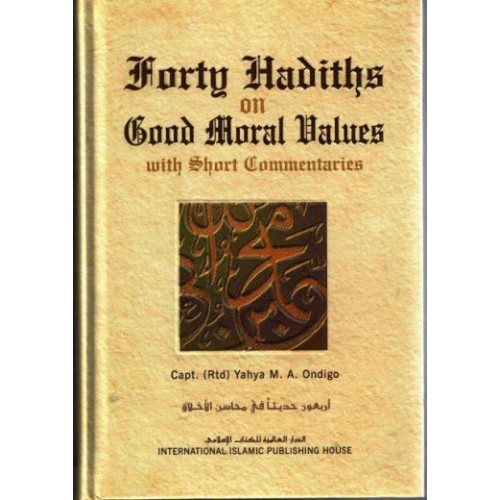
Forty Hadiths On Good Moral Values (H/B)
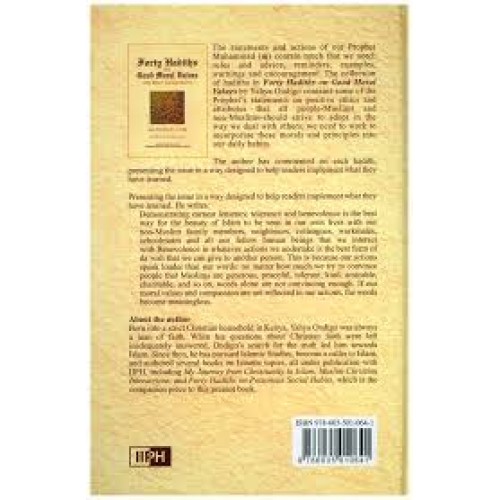
The statements and actions of our Prophet Muhammad (s) contain much that we need: rules and advice, reminders, examples, warnings and encouragement. The collection of hadiths in Forty Hadiths on Good Moral
Values by Yahya Ondigo contains some of the Prophet?s statements on positive ethics and attributes that all people-Muslims and non-Muslims-should strive to adopt in the way we deal with others; we need to work to incorporate these morals and principles into our daily habits.
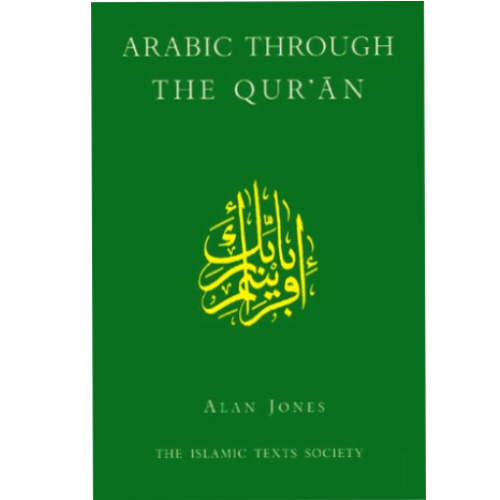
Arabic Through The Qur’an
Whether used as a means of self-instruction or as part of higher learning coursework, this language primer is ideally suited for those wishing to learn classical Arabic and for Muslims who wish to learn Arabic exclusively for use in their religious and spiritual practice. Designed to enhance the understanding of the Qur’an and its vocabulary that has infiltrated the whole of Arabic and Islamic literature, this workbook provides 40 easy-to-follow lessons for learning Qur’anic rather than modern Arabic. Beginning with a section on the Arabic alphabet, the text moves on to individual lessons that address one or more grammatical topics, ranging from the basics of nouns, adjectives, and prepositions to the more complex concepts of the imperative, the passive, and conditional sentence, introducing new vocabulary in the process. Accompanying translation exercises, a glossary of technical terms, and an index supplement the main text.
Let Us Be Muslims (P/B)
LET US BE MUSLIMS is a new edited English version of Sayyid Mawdudi’s Urdu Khutubat. It is no ordinary book, says Khurram Murad in his long Introduction, for it has stirred more hearts and impelled more lives to change their course than any of his more erudite works. In these Friday congregational addresses, Sayyid Mawdudi expounds such familiar themes as Iman, Islam, the Prayer, Fasting, Almsgiving, Pilgrimage and Jihad. But, in an unusually beautiful, powerfully reasoned, eloquent and passionate, and yet simple and lucid style,
“Sayyid Abul A’la Al-Mawdudui (1903-1979), one of the chief architects of contemporary Islamic resurgence, was the an outstanding Islamic thinker and writer of his time. He devoted his life to expound the meaning and message of Islam and to organise a collective movement to establish the Islamic Order. In this struggle, he had to pass through all kinds of sufferings.
Between 1948-67, he spent a total of five years in different prisons of Pakistan. In 1953, he was also sentenced to death by a Martial Law court for writing a ‘seditious’ pamphlet, this sentence being later commuted to life imprisonment. In 1941, he founded Jama’at-I Islami, of which he remained Amir, until 1972 and which is one of the most prominent Islamic movements of our day. He authored more than one hundred works on Islam, both scholarly and popular, and his writings have been translated into forty languages.”
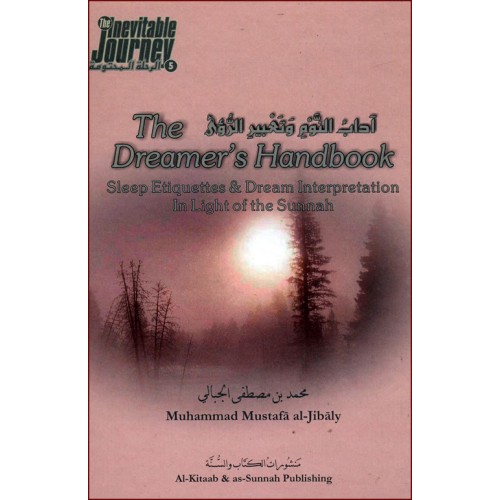
The Dreamer’s Handbook (H/B)
This book starts by presenting a spiritual understanding of sleep from the Islamic viewpoint, which is followed by guidelines for recommended evening, pre-sleep, night, and morning acts of worship. The conceptual understanding of dreams is laid out next, followed by an analytical study of dreams in the Quran, and of dreams seen by the Prophet Muhammad (PBUH) and by his companions (R). The rest of the book deals with dream interpretation, its correct rules and procedures, drills to help understand these rules, and a large glossary of interpreted dream symbols. This, we hope, fulfills two important goals regarding sleep and dreams: It establishes their understanding upon the strong foundation of the Quran and Sunnah, and it eliminates a great deal of superstition that surrounds them. Indeed, from Allah (SWT) alone we seek help and acceptance.
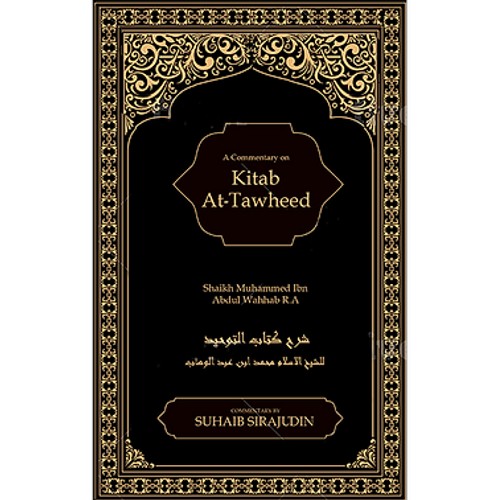
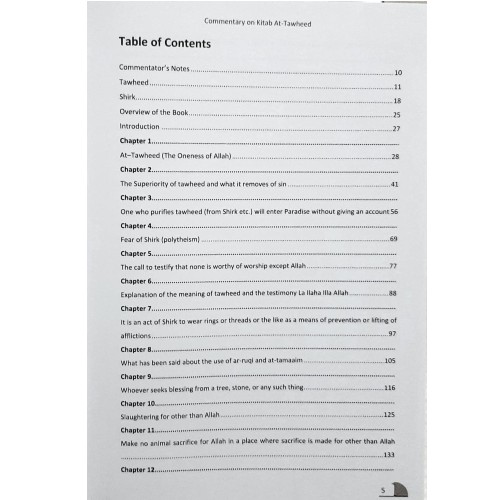
A Commentary On Kitab At-Tawheed
This is a commentary on the book of Shaikh Muhammed ibn Abdul Wahhab’s Kitab At-Tawheed (The Book of Tawheed). Kitab At-Tawheed is an excellent and comprehensive book. It illuminates to the reader the light of tawheed the Oneness of Allah tawheed, the very foundation of this deen, the single most important concept and the purpose behind our creation.
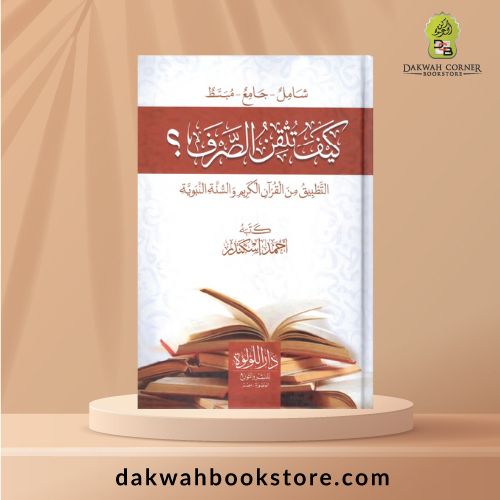
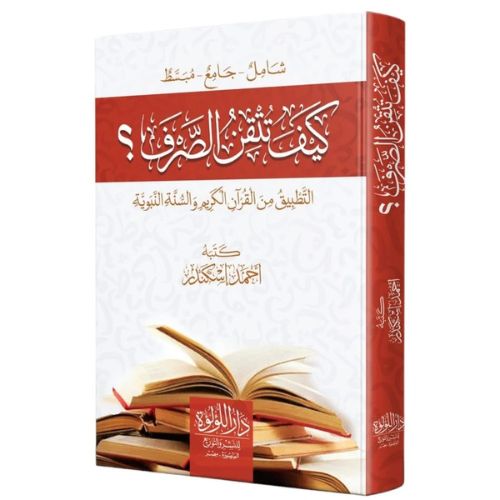
[AR] Kayfa Tutkinun Sorfa (كيف تتقن الصرف التَّطبِيقُ مِنَ الْقُرْآنِ الْكَرِيمِ وَالسُّنَّةِ النَّبَوِيَّةِ)
كيف تتقن الصرف
التَّطبِيقُ مِنَ الْقُرْآنِ الْكَرِيمِ وَالسُّنَّةِ النَّبَوِيَّةِ
—-
اسم المؤلف : احمد اسكندر
The Islamic Awakening (H/B)
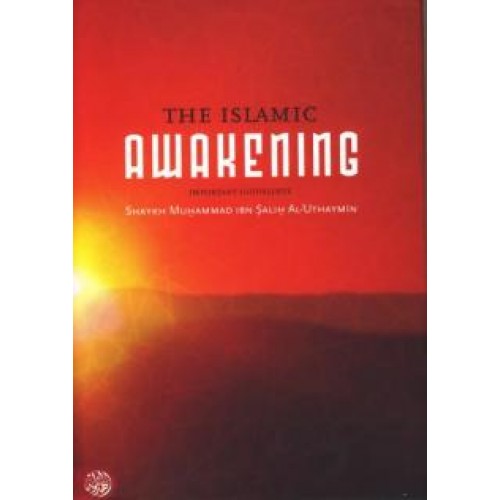
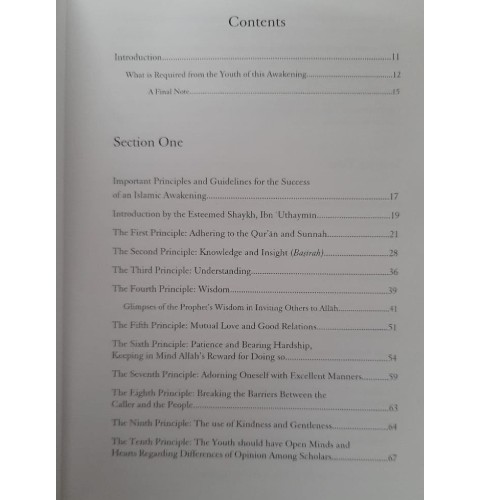
The Muslim Nation today is experiencing a blessed awakening in all aspects of its affairs, one that has been aroused by the efforts of Muslims throughout the globe. This is despite the onslaught of the disbelievers against Islam whether that be military or through their powerful media apparatus. In these often difficult times, we find many Muslims returning to their Din and embracing it with vigour and enthusiasm. However the astute observer will find that there are many problems that hinder its progress, problems that have caused some of the scholars to lay down some guidelines that the youth of this blessed awakening should adhere to and follow. It should also be noted that if the Islamic guidelines are not strictly adhered to, and the youth are left to be driven by their emotions alone, then surely this awakening will result in destroying more than it will build!
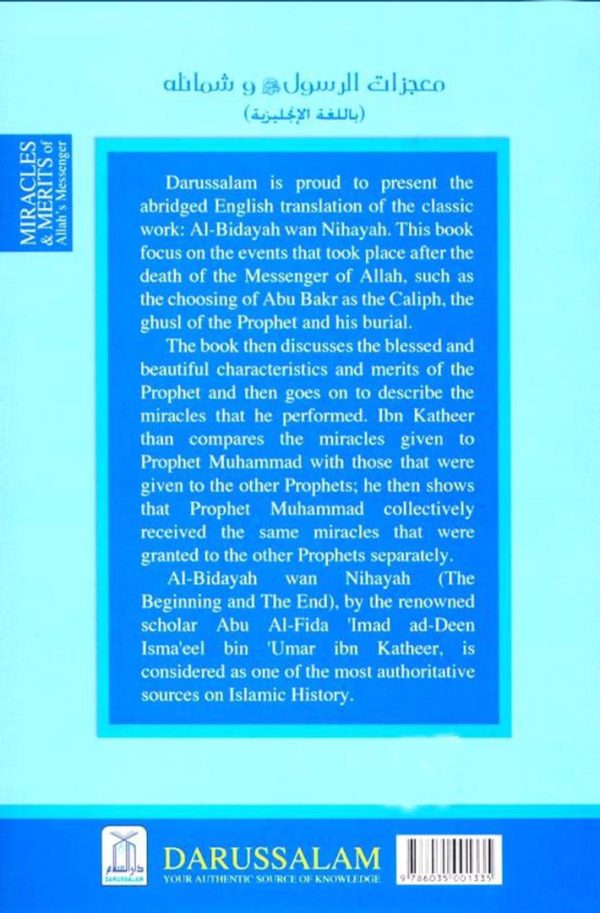
Miracles & Merits of Allah’s Messenger: from Al-Bidayah Wan-nihayah
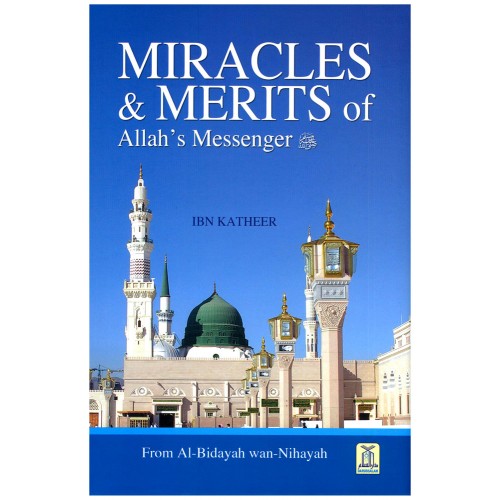
Miracles & Merits of Allah’s Messenger By Ibn Katheer The book then discusses the blessed and beautiful characteristics and merits of the Prophet and then goes on to describe the miracles that he performed. Ibn Katheer than compares the miracles given to Prophet Muhammad with those that were given to the other Prophets; he then shows that Prophet Muhammad collectively received the same miracles that were granted to the other Prophets separately. AI-Bidayah wan Nihayah (The Beginning and The End), by the renowned scholar Abu Al-Fida ‘Imad ad-Deen Isma’eel bin ‘Umar ibn Katheer, is considered as one of the most authoritative sources on Islamic History.
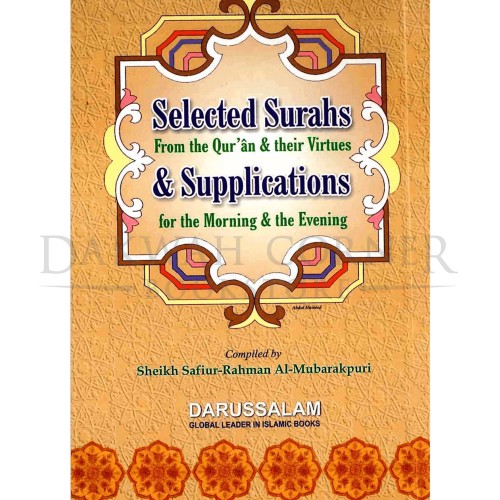
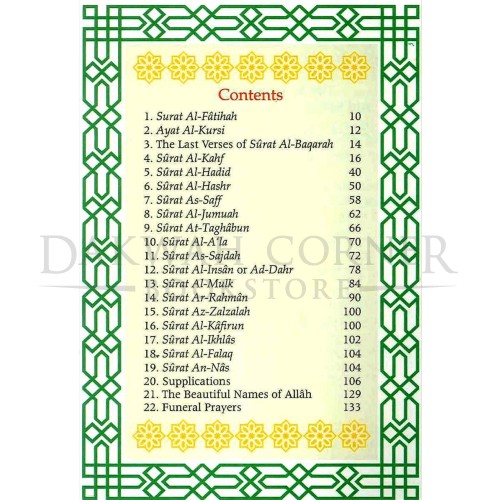
Selected Surahs and Supplications Pocket Size (P/B)
Selected Surahs & Supplications for the Morning & Evening
From Quran & Their Virtues
Compiled by Sheikh Safiur-Rehman al-Mubrakpuri
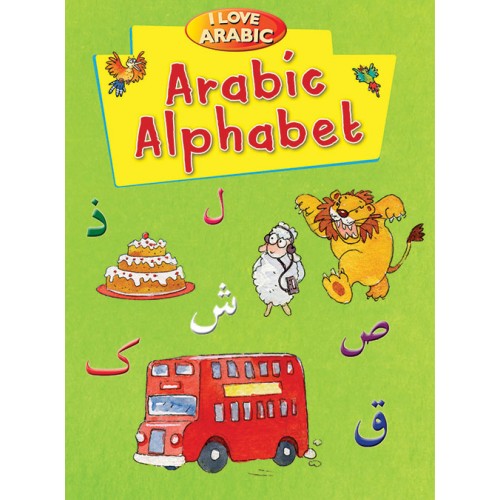
I Love Arabic: Alphabet
Arabic Alphabet, the first book in the I Love Arabic series, introduces young learners to the Arabic letters. This helpful and captivating book presents each letter with a delightful illustration, which ensures rapid and enjoyable learning. Arabic Alphabet is an exciting first book for young Arabic learners. Arabic Alphabet develops these skills: * Sequencing letters * Identifying letters.


There are no reviews yet.