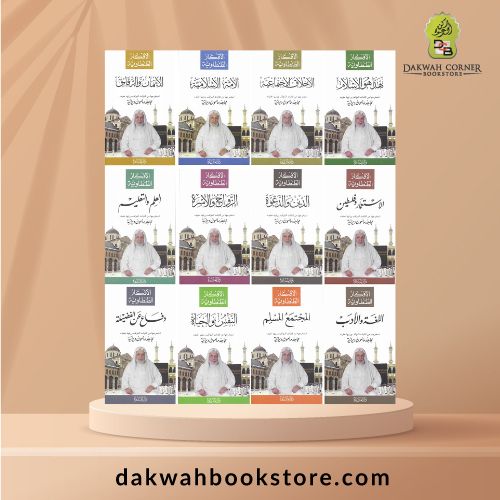
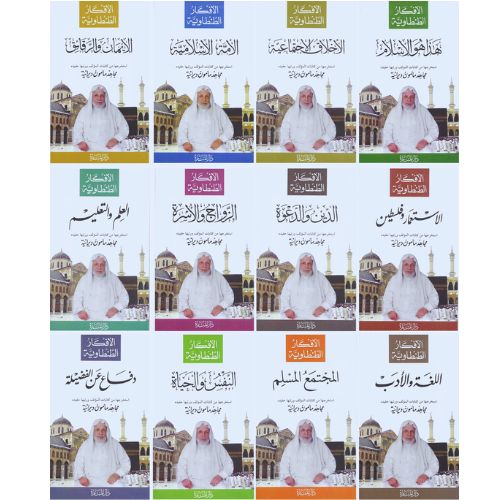
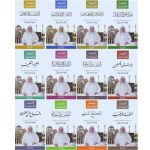
[GB] Al-Afkar Al-Tantawiyyah Munawwa’ah / الأفكار الطنطاوية منوعه
RM25.00
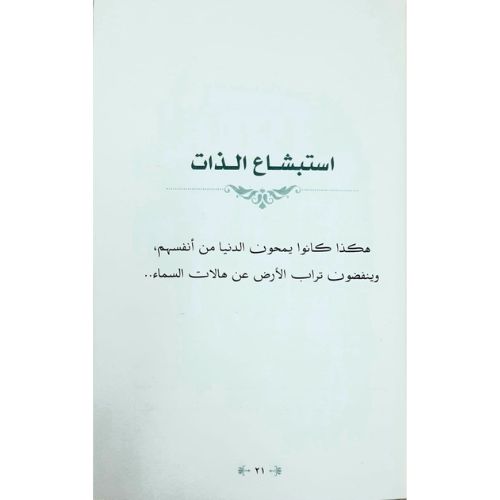
تضم هذه المجموعة 12 كتيباً تضم خلاصة أفكار الشيخ علي الطنطاوي رحمه الله عن مواضيع مختلفة. وكل فكرة مُذيلة بإشارة إلى مصدرها “اسم الكتاب والمقالة وتاريخ نشرها”.
استخراج وترتيب الأستاذ مجاهد مأمون ديرانية.
Frequently Bought Together
(من مجموعة الأفكار الطنطاوية)
| Weight | 0.2 kg |
|---|---|
| Dimensions | 20 × 12 × 0.6 cm |
| Author | |
| Binding | Paperback |
| ISBN | 21190040 |
| Publisher | Dar Al-Manarah |
| Titles | الأخلاق الاجتماعية, الأمة الإسلامية, الإيمان والرقائق, الاستعمار وفلسطين, الدين والدعوة, الزواج والأسرة, العلم والتعليم, اللغة والأدب, المجتمع المسلم, النفس والحياة, دفاع عن الفضيلة, هذا هو الإسلام |
Be the first to review “[GB] Al-Afkar Al-Tantawiyyah Munawwa’ah / الأفكار الطنطاوية منوعه” Cancel reply
You must be logged in to post a review.
Related Products
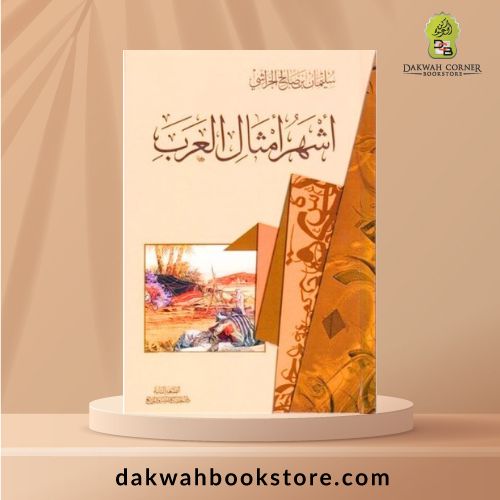
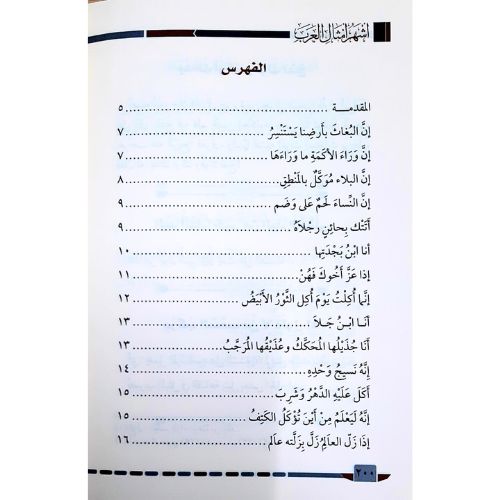
[MM] Ashhar Amthal Al Arab (اشهر امثال العرب)
قال المؤلف: سميت هذه الأوراق “الرجل النبيل” لأنه عليه الصلاة و السلام أنبل رجل عرفته البشرية، ولأن النبل ظاهر في تفاصيل حياته، في رضاه وغضبه، في حزنه وفرحه، قبل نبوته وبعدها، فهو بحق الرجل النبيل
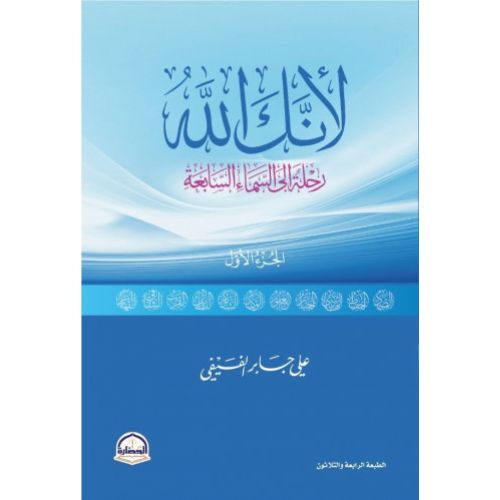
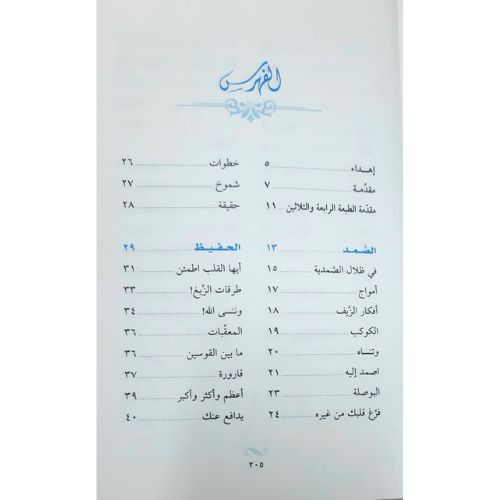
[AC] Li Annaka Allah Jilid1 (لأنك الله ج 1)
كتاب يتحدث عن بعض أسماء الله الحسنى وكيف نعيشها في حياتنا
حرص المؤلف أن يكون الكتاب مناسباً لمن هم متوسطي الثقافة، ويكون ناسباً للمحتاج و المريض و السليم
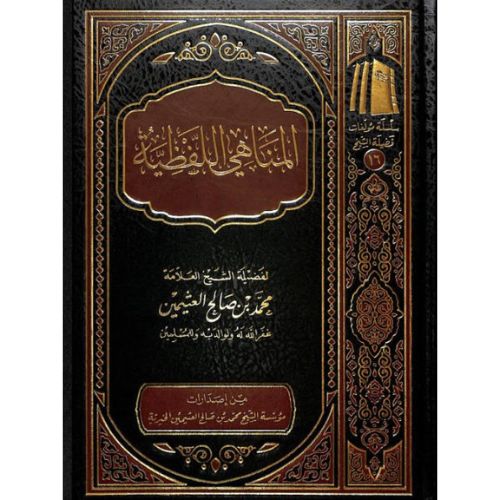
[SJ] Al Manahi Al Lafziah ( المناهي اللفظية)
المناهي اللفظية
تأليف: الشيخ محمد بن صالح العثيمين
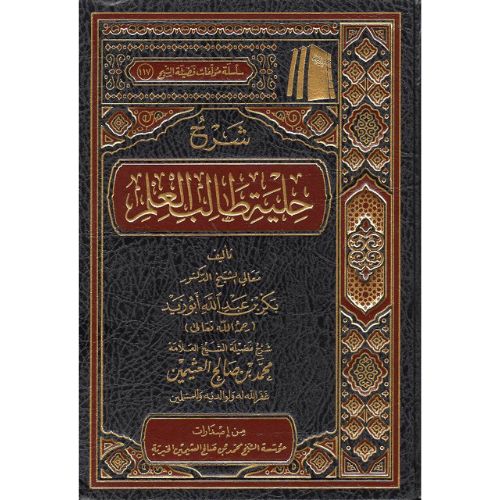
[GB] Sharh Hilayah Talib Al Ilm (شرح حلية طالب العلم)
حلية طالب العلم كتاب صغير الحجم كبير القدر عظيم النفع في آداب طالب العلم مع نفسه و كيفية الطلب و التلقي و آداب الطالب مع شيخه و آداب الطالب في حياته العلمية و محاذير ينبغي أن يحذر منها
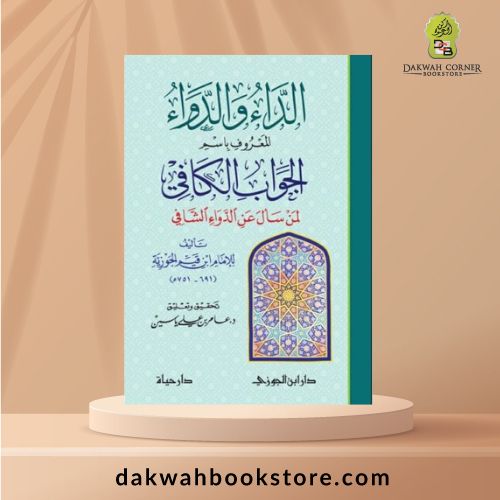
[MM] Adda Waddawa’ (Dar Ibn Jawzi) / الداء والدواء
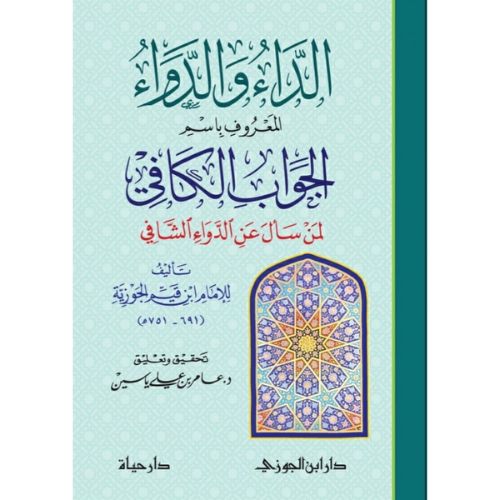
عنوان الكتاب: الداء والدواء المعروف باسم الجواب الكافي لمن سأل عن الدواء الشافي
تأليف: الإِمَامِ ابْن قيم الجوزية (٦٩١ – ٥٧٥١)
تحقيق وتعليق: د. عامر بن علی یاسین
[MM] Istamti’ Bi HayatIk (استمتع بحياتك)
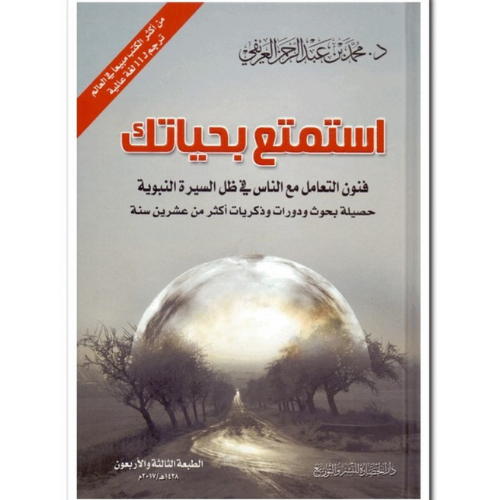
استمتع بحياتك،محمد ابن عبد الرحمن العريفي
استمتع بحياتك : فنون التعامل مع الناس في ظل السيرة النبوية – حصيلة بحوث و دورات و ذكريات أكثر من عشرين سنة
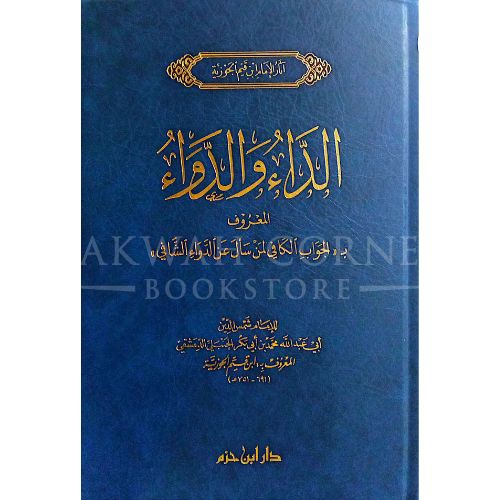
[MM] Adda Waddawa (Dar Ibn Hazm) / الداء والدواء
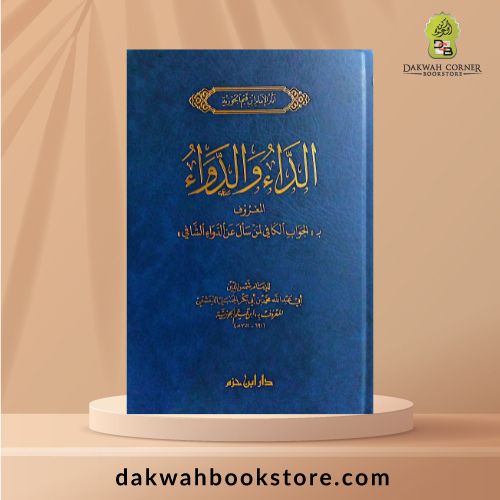
الداء والدواء
المعروف
بـ « الجَوابِ الكَا فِي لِمَنْ سَأَلَ عَن الدَّوَاءِ الشَّافِي
للإمام شمس الدين أبي عبد الله محمد بن أبي بكر الجنب لي الدمشقي المعروف به ابن قيم الجوزية
( ٦٩١ – ٥٧٥١ )
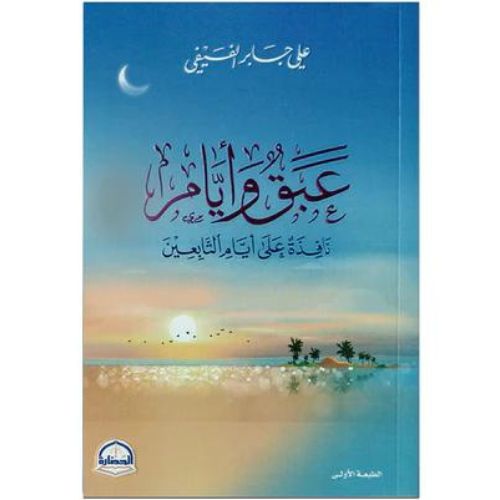
[MM] Abaq Wa Ayyam ( عبق وأيام)
أيام التابعين المضمّخة بذلك العبق الفريد، وتلك المشاعر الاستثنائية وكأنّي بشوارعهم العتيقة وفوانيسهم المعلّقة على أبواب مساجدهم الطينية، وكأني بخطواتهم المخبتة ونوافذهم المشرَعة على عهد الصحابة.. كلها تنبعث عبر كلماتهم ومواعظهم وصدقهم
Recently Viewed
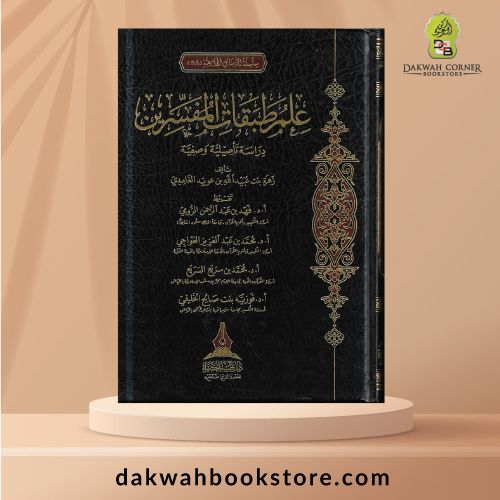
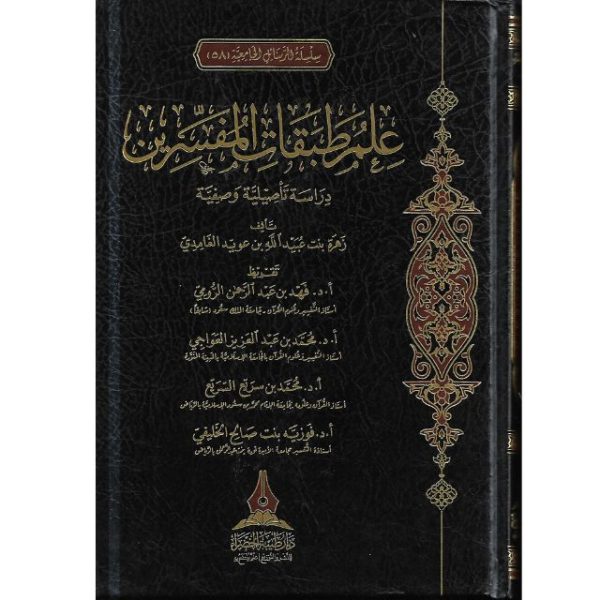
[AUT] Ilm Tabaqat Almufasirin / علم طبقات المفسرين
علم طبقات المفسرين هو علم يعنى بترتيب علماء تفسير القرآن الكريم في فئات أو “طبقات” بناءً على عصرهم، شيوخهم، وفضلهم. يهدف إلى حفظ تاريخ التفسير، معرفة أسانيد الروايات، وتمييز أقوال السلف عن المتأخرين.
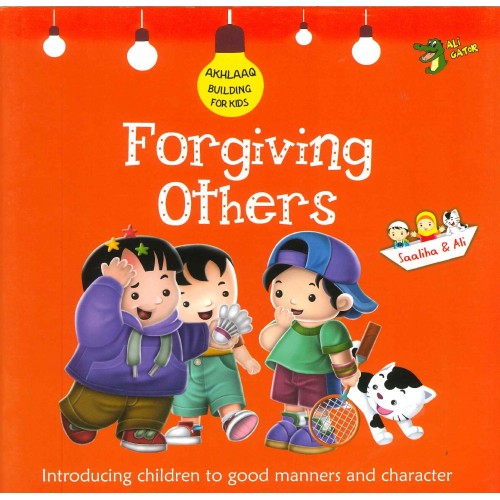
Forgiving Others (Akhlaaq Building Series)
“Forgiving Others” is one the latest releases in the immensely popular “Akhlaaq Building Series”, featuring Saaliha and her younger brother Ali.
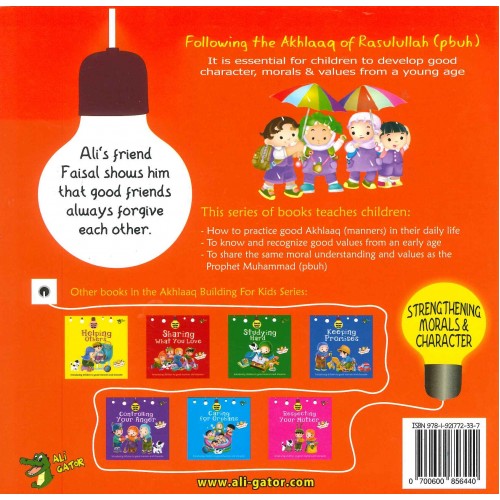
In “Forgiving Others” Ali’s friend Faisal shows him that good friends always forgive each other, which really isn’t that hard. There are good lessons in there for children (and adults too).
Colourful, funny and educational, the perfect combination for young readers.
Customers who bought the original 4 titles will grab this off the shelf.
There are 8 books in this highly successful series.
Full Color
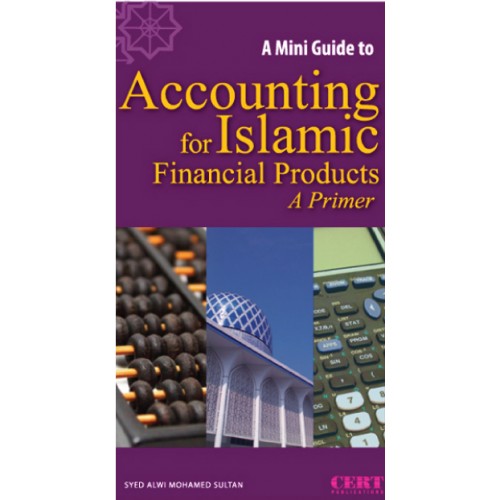
A Mini Guide to Accounting for Islamic Financial Products – A Primer (Pocket size) (P/B)
This “A Mini Guide to Accounting for Islamic Financial Products” starts with the development of Islamic finance as well as accounting standards and development of AAOIFI which aims to develop standards on accounting, auditing, ethics and governance and disseminate them on the target market.
The guide also highlights selected accounting issues addressed by AAOIFI : substance over form, prudence, mudarabah investment accounts and asset valuation. This is followed by how information of financial statement of an Islamic bank helps its major users, like equity holders, holders of investment accounts, regulatory agencies and others.
The guide also points out the main differences in the presentation of financial statements of Islamic Financial Institutions. Among them are: how assets are defined and inclusion of equity of unrestricted investment account holders. The differences arise as a result of utilizing a Shari’ah compliant contract to bring into effect a particular product.
The last section discusses some of the more popular contracts such as murabahah, istisna’, ijarah, mudarabah and musharakah. A few case studies are also incorporated for different contracts to give more understanding on the topic to the readers.
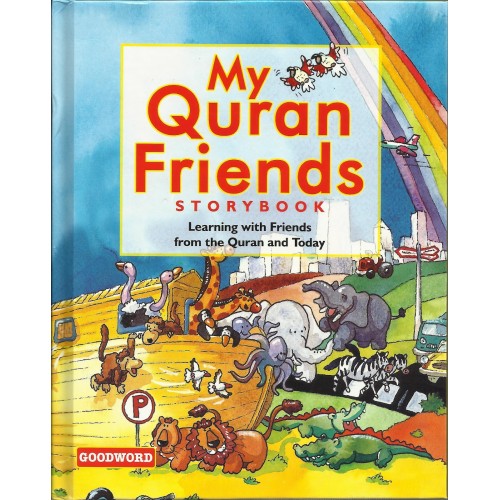
My Quran Friends Storybook (P/B)
My Quran Friends Storybook has sixty stories from the lives of the Prophets and today’s children’s, highlighting the Islamic teaching and virtues. This book encourages children to read Allah’s word and apply it in their every day life. It will help them to imbibe the true spirit of Islam.
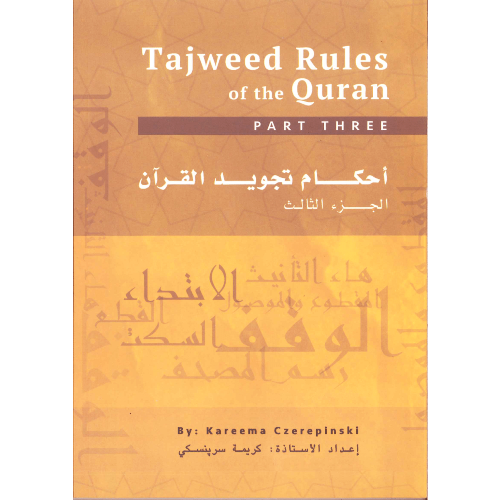
Tajweed Rules of the Quran (Part Three)
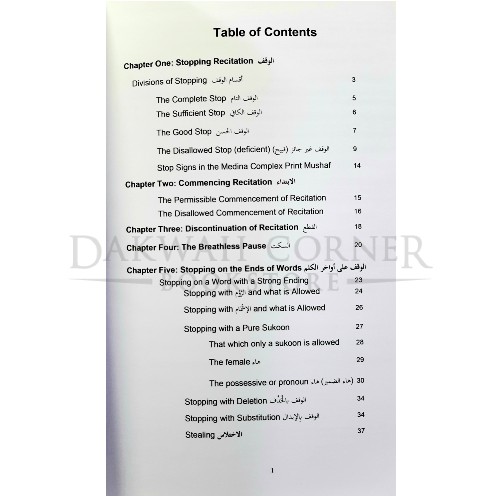
This is the third and final part of a three part series in English on the rules of tajweed the Qur’an for the recitation of Hafs from ‘Aasim by the way of Ash-Shaatibiyyah. These books are meant as a guide for non-Arabs with a good grasp of English for studying tajweed of the Glorious Qur’an. This final book explains the stop and start when reading the Glorious Qur’an, and gives details as to what kind of stop is allowed, what kind is preferred, and what kind of stop is forbidden. Stopping on the ends of words with strong endings (consonants) and rules for what is allowed on the last letter of the word is described, including ar-room (الروم) and al-ishmaam (الإشمام). Stopping on the ends of words with weak endings (words ending in the alif, ya’ or wow) and different rules and explanations for these type of words is clarified. One important aspect of Qur’an recitation is knowing and understanding which word combinations are written together and which separately in different parts of the Qur’an as well as in which places of the Qur’an are some words are written the female haa (هاء), and in which places they are written with the taa (تاء). This part lays out the different places in the Qur’an these occurrences take place, so the reader knows how he/she can stop on these words. The words that are read in a special way, or have two allowed ways for the reading of Hafs from ‘Aasim by the way of Ash-Shaatibiyyah are detailed in this book. The history of the writing of the Glorious Qur’an (رسم) and the general rules for the writing of the Qur’an are laid out in the last chapter of this part. This last part of the three parts on tajweed is for students who have studied and mastered the other two parts, or have studied everything covered in the first two parts. The explanations of the different subjects are in English, and the Arabic terms are translated. The goal is always to assist the students in understanding and to encourage them to learn the Arabic terms and definitions. The three parts of this series on tajweed rules of the Glorious Qur’an should facilitate non-Arabic speaking students of the Qur’an whether they are in a classroom with an Arabic medium for teaching or English. With this third part completed, insha’ Allah the non-Arab English speaking student of the Qur’an will find a complete curriculum and explanation of the tajweed rules for the recitation of Hafs ‘an ‘Aasim from the way of Ash-Shatibiyyah in any classroom or study situation that he/she may find themselves in. These three parts are only guidance; the real goal is reciting and applying all the different rules correction which can only be done by reciting to and being corrected by a qualified teacher of the Qur’an.


There are no reviews yet.