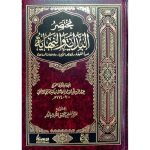
- المؤلف: عماد الدين أبو الفداء إسماعيل بن عمر بن كثير القرشي الدمشقي.
- المحتوى: يبدأ من بداية الخلق (السماوات والأرض، الملائكة، قصة آدم)، ثم قصص الأنبياء، وسيرة النبي محمد ﷺ مفصلة، تليها أخبار الخلفاء الراشدين، والدولة الأموية، والعباسية.
- نهاية الكتاب: يسرد الأحداث التاريخية والفتن والملاحم وأشراط الساعة (النهاية).
- المميزات:
- شمولية: يجمع بين التاريخ والسيرة والتفسير.
- المنهج الحديثي: يعتمد على الروايات المسندة مع نقدها أحياناً.
- الترتيب الزمني: يسرد الأحداث بترتيب تاريخي واضح.
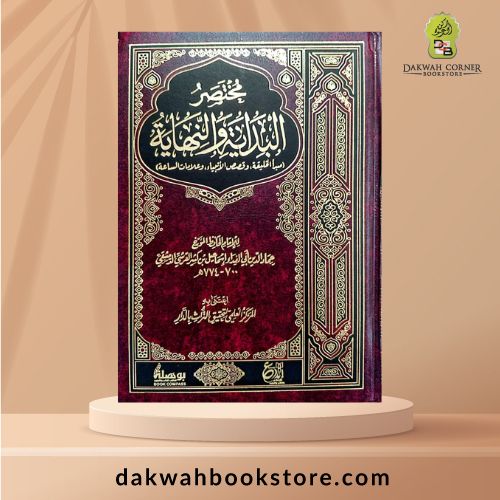
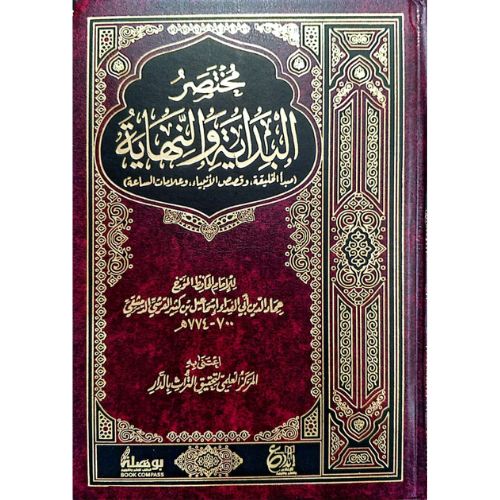
[AHS] Mukhtasar Albidayat Walnihaya / مختصر البداية والنهاية
RM100.00
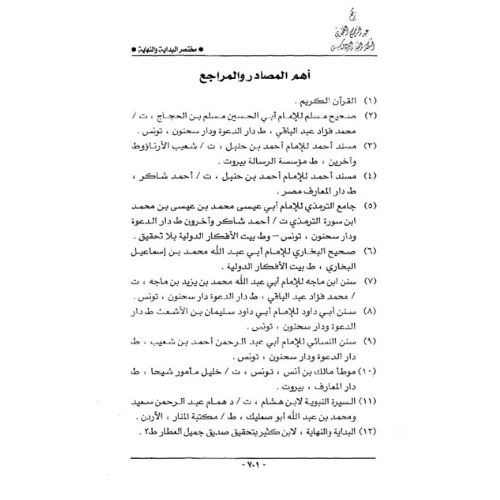
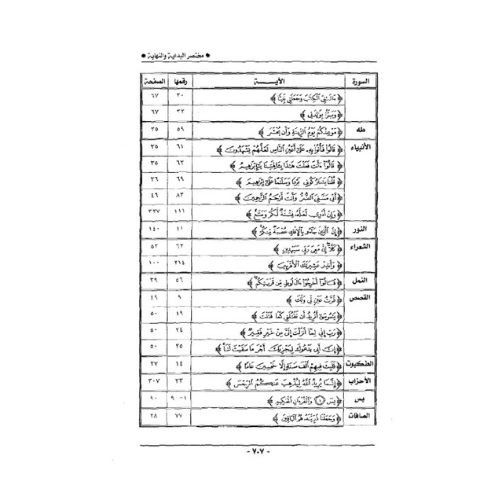
مختصر البداية والنهاية هو نسخة موجزة ومُهذبة من كتاب “البداية والنهاية” الشهير للحافظ ابن كثير (المتوفى 774هـ)، الذي يُعد أحد أهم مراجع التاريخ الإسلامي. يهدف الاختصار إلى تقريب محتوى الكتاب الضخم وتسهيل قراءته من خلال حذف الأسانيد الطويلة وتركيز المادة التاريخية.
Frequently Bought Together
| Weight | 1.40 kg |
|---|---|
| Dimensions | 25 × 18 × 4.5 cm |
| Author | |
| Binding | Hardcover |
| ISBN | 9789778662092 |
| Pages | 520 |
| Publisher | Dar Ibda' |
Be the first to review “[AHS] Mukhtasar Albidayat Walnihaya / مختصر البداية والنهاية” Cancel reply
You must be logged in to post a review.
You may also like…
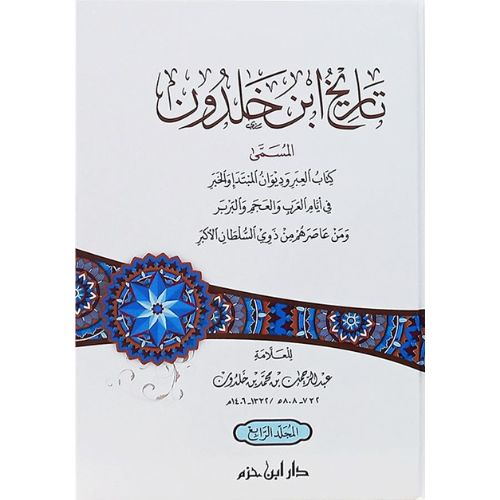
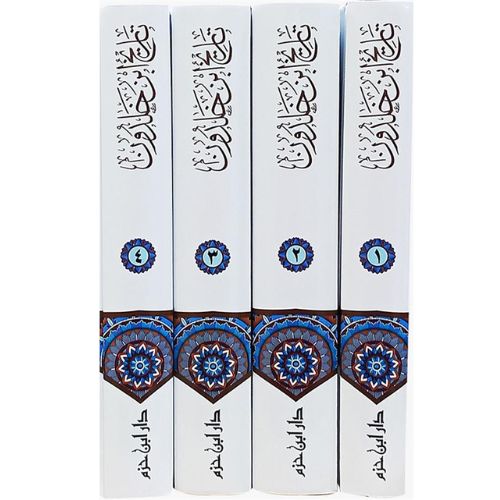
[HS] Tarikh Ibn Khaldun 4 Vol (تاريخ ابن خلدون 1 /4)
كتاب “تاريخ الطبري” تاريخ “الرسل والملوك” أو الأمم والملوك من أهم كتب المصادر في مجال التاريخ، إذ يعد أوفى عمل تاريخي بين مصنفات العرب أقامه مصنفه على منهج مرسوم، وساقه في طريق استقرائي شامل، بلغت فيه الرواية مبلغها من الثقة والأمانة، أكمل ما قام به المؤرخون قبله، كاليعقوبي والبلاذري، والواقدي، ومهد لمن جاء بعده كالمسعودي، وابن مسكويه وابن الأثير وابن خلدون ولم يقتصر على تاريخ الإسلام بل أرخ لما قبل الهجرة بل ابتدأ من القول في ابتداء الخلق ما كان أوله
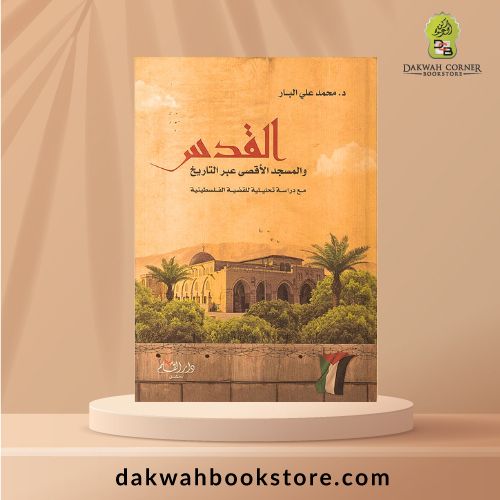
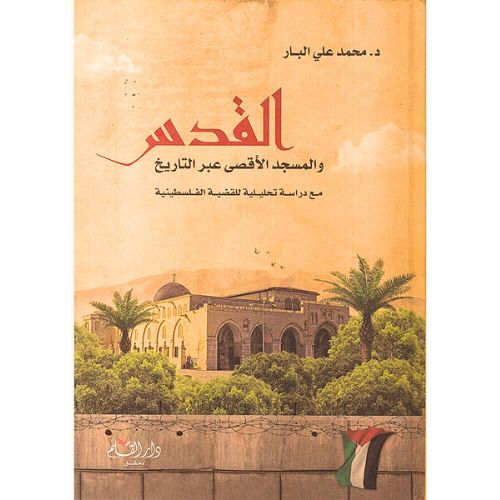
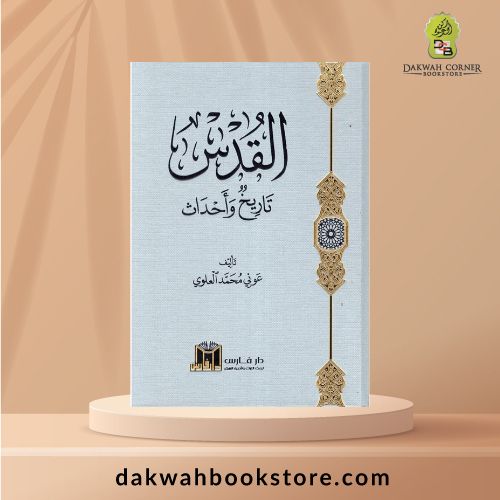
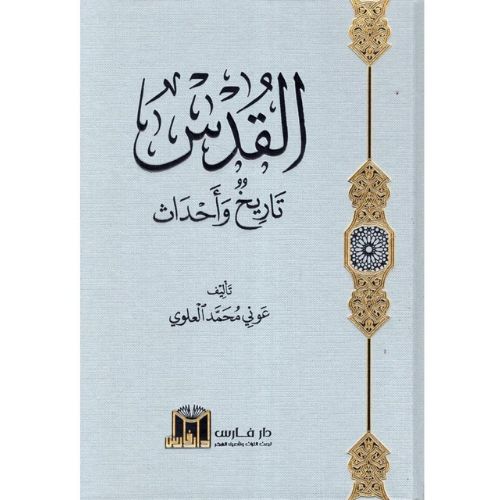
[HS] Al Quddus Wal Masjid Al Aqsa / القدس والمسجد الأقصى عبر التاريخ مع دراسة تحليلية للقضية الفلسطينية
كتاب القدس والمسجد الاقصى عبر التاريخ مع دراسة تحليلية للقضية الفلسطينية بقلم محمد علي البار
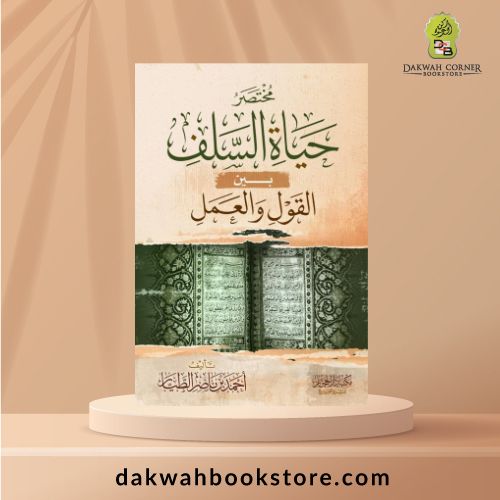
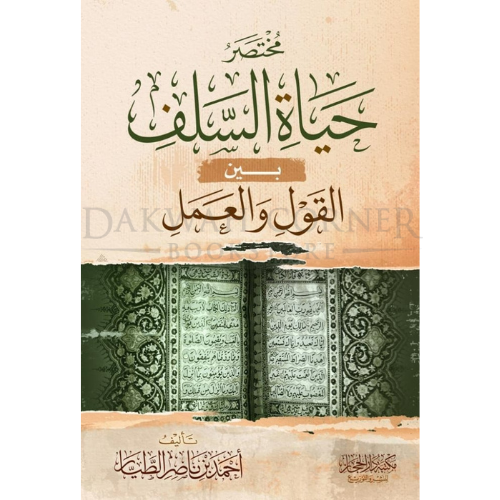
[HS] Hayat Al-Salaf Bayn Al-Qawl Wal-‘Amal / مختصر حياة السلف بين القول والعمل
مختصر حياة السلف بين القول والعمل – أحمد الطيار
Related Products
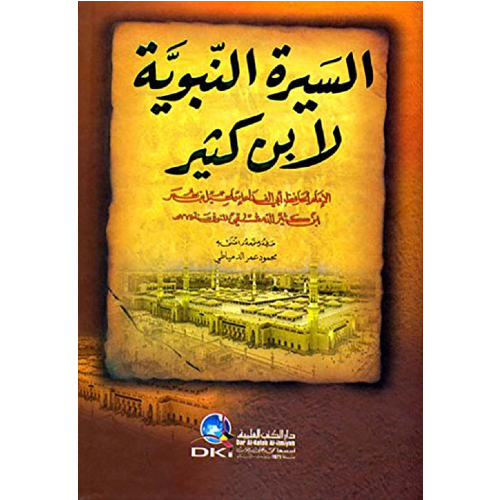
[SB] Al-Sirah al-Nabawiyyah – السيرة النبوية لابن كثير
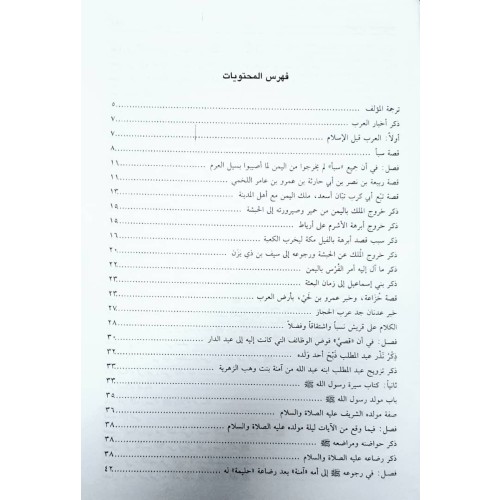
كتاب يبحث في سيرة النبي صلى الله عليه وسلم من خلال ذكر العرب قبل الإسلام ثم ولادة النبي صلى الله عليه وسلم وما يتعلق بها من اسم ونسب ورضاعة وغيرها ونشأته وبعثته صلى الله عليه وسلم وفترته المكية ثم هجرته وفتوحاته ووفاته وغير ذلك مما يتعلق بالسيرة النبوية المطهرة، وأكثر مرويات ابن كثير مؤلف الكتاب ابن اسحاق المؤرخ الكبير
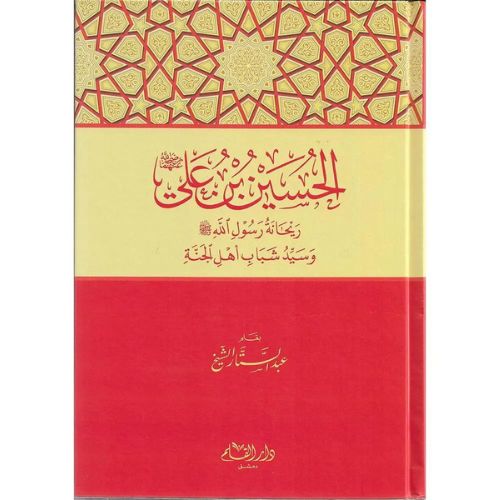
[SB] Al Hussein bin Ali R.A / الحسين بن علي رضي االله عنهما ريحانة رسول االله صلى االله عليه وسلم وسيد
عنوان الكتاب : الحسين بن علي : ريحانة رسول الله صلى الله عليه وسلم وسيد شباب أهل الجنة
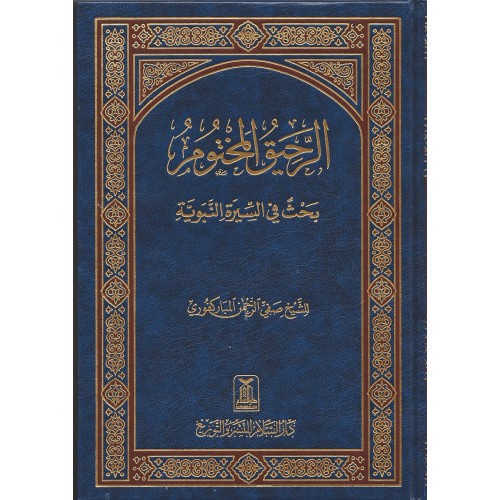
[SB] Ar-Raheeq Al Makhtum (Arabic Only – Large) الرحيق المختوم
Ar-Raheeq AI-Makhturn is a book of great value and praiseworthy work on the Seerah of our beloved Prophet Muhammad. This book has been written by the Eminent Shaikh Safiur-Rahman Mubarakpuri of Jamiah Salafiyah, Banaras (India). The first Islamic Conference on Seerah (biography of the Prophet) was held in 1976 in Pakistan sponsored by the Muslim World League. The League announced a world contest for writing a book on the life of the Prophet.
One hundred and seventy-one manuscripts were received from all over the world. Out of these, eighty-five were in the Arabic Language, sixty-four in Urdu, twenty-one were in English and one in French and Hausa.
A board of highly qualified scholars judged the manuscripts and announced the results. The manuscript of Shaikh Safiur-Rahman Mubarakpuri, Jamiah Salafiyah Banaras (India), author of the book in hand received first the grand prize for its authentic and sound collections of the narrations. Dr. Majid Ali Khan, New Delhi, India, placed second. The third prize went to Dr. Naseer Ahmed, Islamic University, Lahore, Pakistan. The fourth prize was awarded to Mr. Harnid Mahmud of Egypt. The fifth and final prize was awarded to Abdus-Salam Hashim of Madinah Munawwarah.
A complete authoritative book on the life of Prophet Muhammad (S) by Sheikh Safi-ur-Rahman al-Mubarkpuri. It was honored by the World Muslim League as first prize winner book. Whoever wants to know the whole life style of the Prophet in detail must read this book.
Muhammad (S) is the Messenger of Allah, and those who are with him, are severe against the disbelievers, and merciful among themselves. You see them bowing and falling down prostrate (in prayer), seeking bounty from Allah and (His) Good Pleasure. The mark of them (i.e. of their Faith) is on their faces (fore heads) from the traces of prostration (during prayers). This is their description in the Taurah (Torah). But their description in the Injeel (Gospel) is like a (sown) seed which sends forth its shoot, then makes it strong, and becomes thick and it stands straight on its stem, delighting the sowers, that He may enrage the disbelievers with them. Allah has promised those among them who believe and do righteous good deeds, forgiveness and a mighty reward (Paradise). (Al-Fath: 29)
The Prophet Muhammad (S) said: ‘The example of guidance and knowledge with which Allah has sent me is like abundant rain falling on the earth. Some of which was fertile soil that absorbed rain-water and brought forth vegetation and grass in abundance. (And) another portion of it was hard and held the rain-water and Allah benefited the people with it and they utilized it for drinking (making their animals drink from it) and to irrigate the land for cultivation. (And) a portion of it was barren which could neither hold the water nor bring forth vegetation (then that land gave no benefits). The first is the example of the person who comprehends Allah’s Religion (Islam) and gets benefit (from the knowledge) which Allah (Azawajal) has revealed through me (the Prophet) and learns and then teaches it to others. The (last example is that of a) person who does not care for it and does not take Allah’s Guidance revealed through me (he is like that barren land).’ (Al-Mukarramah)
Someone asked ‘Aishah (R) about the noble character and manners of the Prophet (S). She answered: ‘Have you not read the Qur’an? His character is a complete explanation of the Qur’an.’
It means that whatever is commanded and prohibited in the Qur’an, its practical example is present in the manners of Muhammad In other words, the ideal and perfect example of good manners and character which the Qur’an demands from mankind, was present in the person of Muhammad in its highest degree.
Scholars of Ahadith (traditions) and writers of the biography of Muhammad , the Messenger of Allah, have explored his life from every angle and aspect from birth to death. Every event, every incident of his life has been described and narrated, but none had claimed that he has given his life’s recording its full rights. Hundreds of books have been written on the life of Muhammad and this endeavor will continue till the Day of Resurrection.

[SB] Ash-Shama’il al-Muhammadiyyah / الشمائل المحمدية
الشرح الميسر على ألفية ابن مالك في النحو والصرف – د. عبد العزيز بن علي الحربي
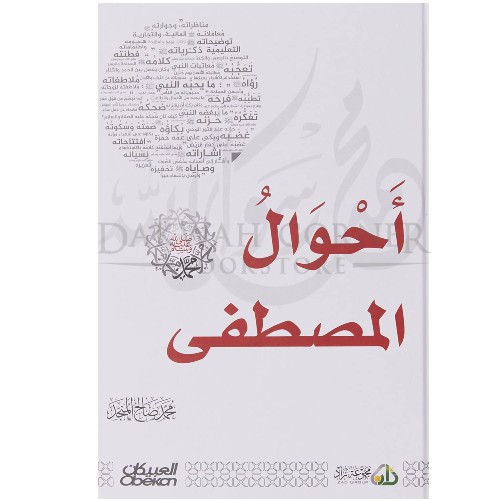
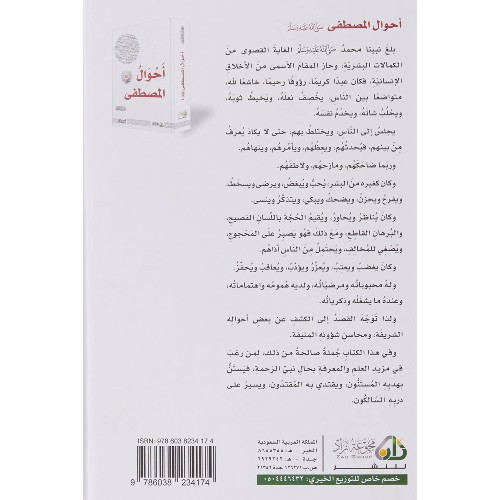
[SB] Ahwal Al Mustafa / أحوال المصطفى
تعرَّف على جملة من أحوال النبي الشريفة. كيف كان كان يجلس ويتحدث ويضحك، كيف كان يؤدّب ويُحفّز، ماذا كان يُحب ويُبغض، وغيرها الكثير..
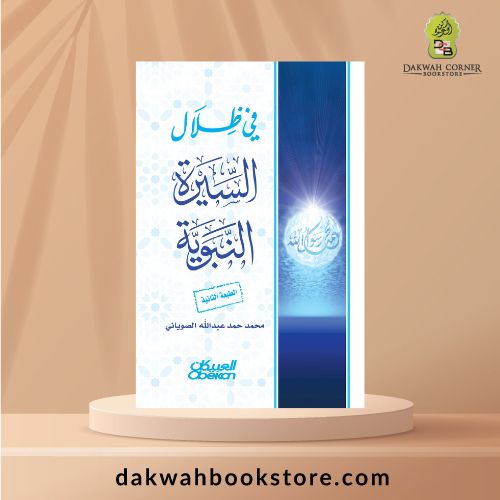
[SB] Fi Zilal al Sirah al Nabawiyah / في ظلال السيرة النبوية
الرحمة المهداة عليه الصلاة والسلام مات أبوه قبل أن يولد، فرعته أمه، ولما أصبح طفلًا رحلت أمه عن الدنيا، ثم زادت مرارة يتمه برحيل جده عبدالمطلب وهو فتى.. أخذ الموت أحبته.. فجعه بهم، وترك له الذكريات والدموع. كد وكافح.. رعى الغنم وباع واشترى، وتعامل مع الناس حتى كسوه لقب الأمين. لم يعاقر خمرًا أو يمس صنمًا أو يعرف الخنا، فكان حلم العذارى، لكنهن فوجئن بالأربعينية الطيبة.. خديجة تفوز بقلبه، فرزقهما الله أربع بنات كالزهرات، ولما اقترب من الأربعين واصل رحلة التأمل والأسئلة الكبرى فيما حوله:
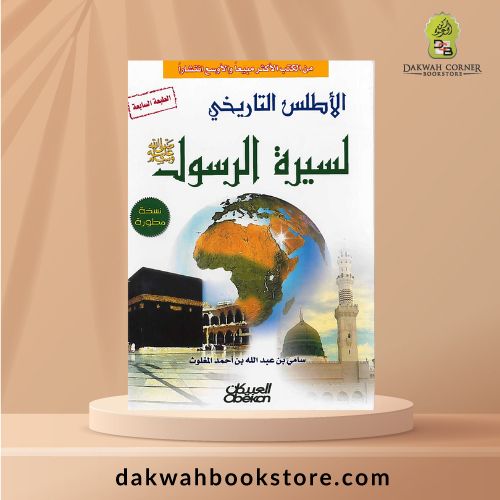
[AHS] Historical Atlas Of The Biography Of The Prophet /الأطلس التاريخي لسيرة الرسول صلى الله عليه وسلم
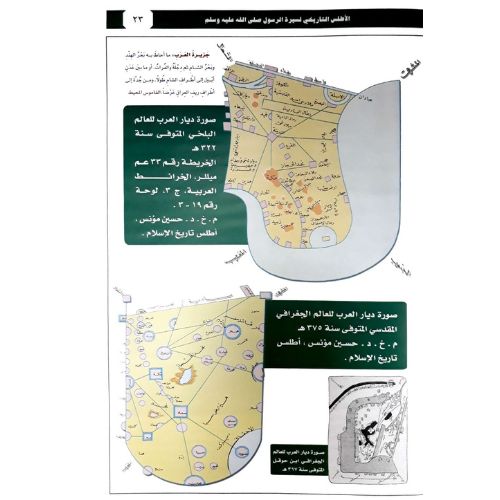
هذا الاطلس يتكأ على ترجمة أهم أحداث السييرة النبوية المباركة في كتاب مستقل “الاطلس التاريخي” ليتسنى للمسلم وغير المسلم الوقوف على الخطوط العامة للسيرة النبوية حيث قُسِم هذا الكتاب الى ثمانية أبوب :
مقتطفات عن شبه الجزيرة العربية
سكان الجزيرة العربية
أهم المراكز الحضارية في الحجاز وفي عهد الرسول صلى الله عليه وسلم
الجزيرة العربية قبل بعثة الرسول صلى الله عليه وسلم
من الميلاد الى الهجرة (العهد الملكي)
من تأسيسيس الدولة الاسلامية الى وفاة الرسول صلى الله عليه وسلم
جوانب من سيرة الرسول صلى الله عليه وسلم الخاصة
الاسلام عقيدة وشريعة
Recently Viewed
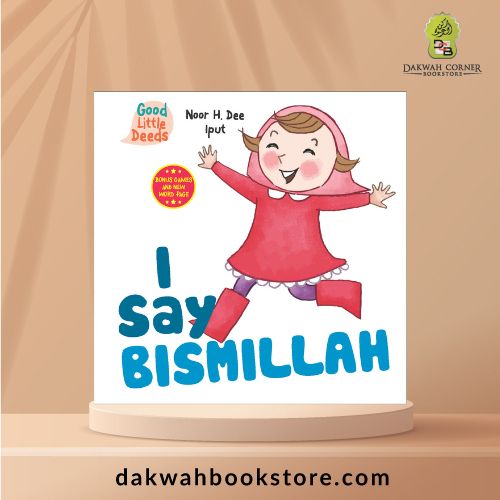
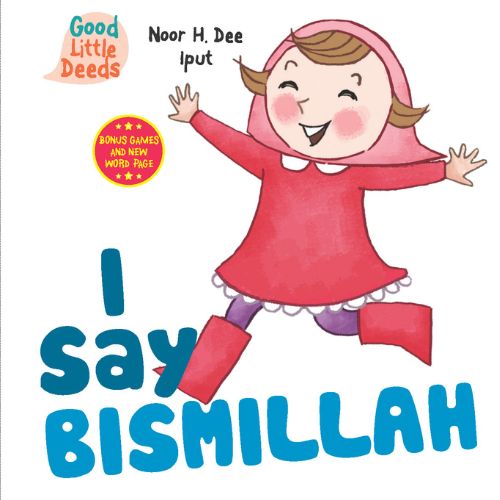
[CB]I Say Bismillah
Muslims should say Bismillah many times in a day. “Bismillah” means in the name of God in Arabic.
Nabil and Noura’s mum has just made some cupcakes. Will they remember to say Bismillah, or will the temptation be too much?
Fear and Hope in Allah (H/B)
“Indeed, they used to hasten to good deeds and supplicate Us in hope and fear, and they were to Us humbly submissive.”
(Surah al-Anbiyaʾ, 21:90)
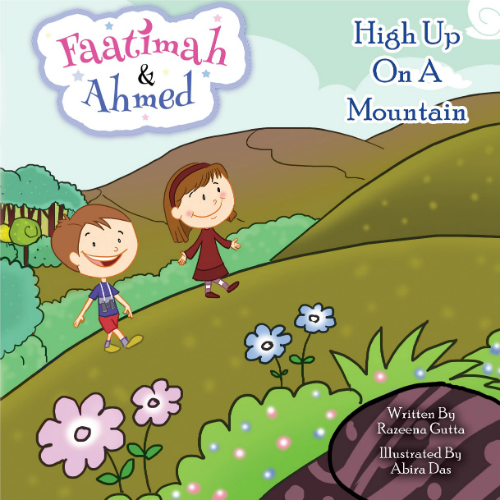
Faatimah & Ahmed High Up On A Mountain
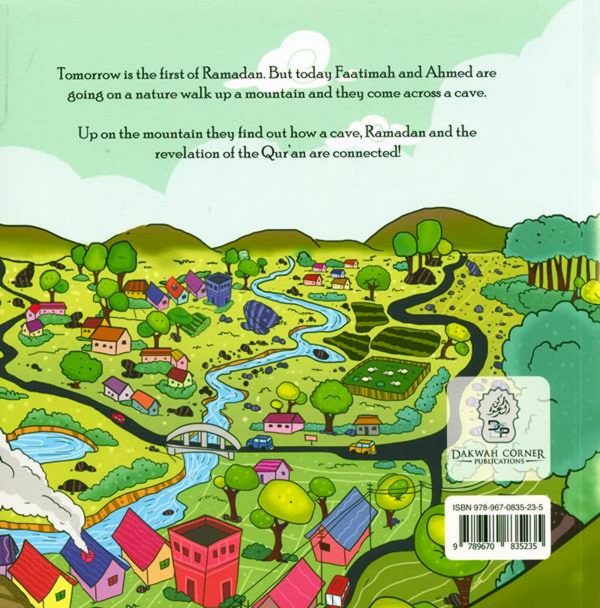
Tomorrow is the first of Ramadhan. But today Faatimah and Ahmed are going on a nature walk up a mountain and they come across a cave. Up on the mountain, they find out how a cave, Ramadhan and the revelation of the Quran are connected!
Weakness of Faith (IIPH)
The phenomenon of weak faith has become very widespread among Muslims, and many people complain about the hardness of their hearts. So often we hear the words, “I feel hardness in my heart,” “I do not find any joy in worship,” “I feel that my faith has hit rock bottom,” “Reading Qur’aan does not move me,” “I fall into sin so easily.” The effects of this affliction can be seen in many people, and this problem is the cause of every disaster and adversity.
One of the most important principles which must be understood in order to treat the problem of weak faith is that faith increases and decreases, or waxes and wanes. This is one of the basic principles of the ‘aqeedah of Ahl al-Sunnah wa’l-Jamaa’ah, who say that faith is something to be spoken in words, to be believed in in the heart, and to be put into action. Faith increases with obedience and decreases with disobedience.
‘… that they may grow more in Faith along with their (present) Faith…’ [al-Fath 48:4]
‘… Which of you has had his faith increased by it? …'[al-Tawbah 9:124]. aari, Fath, 1/51).
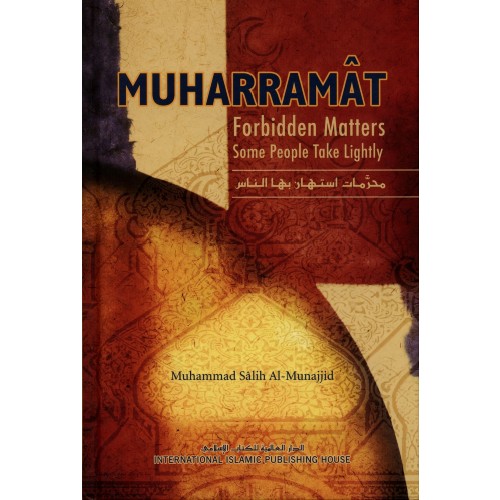
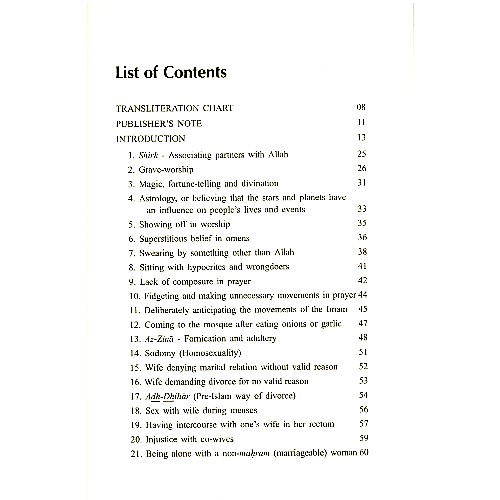
Muharramat: Forbidden Matters Some People Take Lightly
Some Muslims who are either ignorant or of weak faith still commit many acts which Allah never allowed. Ignorance is not an excuse for doing something wrong or illegal, hence it is important to make an effort to learn what these muharramât or forbidden acts are, in order to avoid ever committing them. The author, Shaykh Muhammad Sâlih al-Munajjid, explains many of the forbidden acts that have to do with calling on human beings and things other than Allah, worshipping the dead and circumambulating their graves, invoking prophets and the dead, magic, fortune-telling, believing in the power of astrologists and planets and other acts that go against the Islamic creed of monotheism (tawheed). As such, this book of prohibitions regarding beliefs and acts of worship is a helpful resource for Muslims, if they are really practicing Islam and want to avoid committing great sins.


There are no reviews yet.