قال تعالى: ﴿ هَلْ يَسْتَوِي الَّذِينَ يَعْلَمُونَ وَالَّذِينَ لَا يَعْلَمُونَ ﴾[الزمر: ٩]، وعن مُعَاوِيَةَ بنِ أَبـِي سُفْيَانَ رضي الله عنه قال: قال رسول الله صلى الله عليه وسلم: ’مَنْ يُرِدِ اللهُ بِهِ خَيْراً يُفَقِّهْهُ فِي الدِّينِ‘. فإن خير ما يشتغل بـه الإنسان معرفة الحلال والحرام من الأحكام، وعلم الصحيح من الفاسد من الأعمال؛ وعلم الفقه هو الذي أخذ على عاتقه في بيان ذلك، فقد بذل العلماء الغالي والرخيص في سبيل نيل شرف هذه الخيرية، فقعّدوا القواعد ونظموا المسـائل وكتبوا المتون والشروح والحواشي، فكان من نتاج عقولهم إرث فقهي ما كان لأمة غير أمة النبي محمد صلى الله عليه وسلم أن تأتي بمثله، فَحُقّ للمسلم أن يفخر به وأن يستنهض الهمم في خدمته.
ولا يخفى على أحد مدى اهتمام الشـريعة الإسلامية بالإنسان بوصفه حاملَ الرسالة ومُبَلّغَها، فشَرَّعَتْ من الأحكام ما يحفظ حياته ويصون كرامته، فكان حفظ الحياة حقاً أساسياً من حقوقه، إلى جانب كثير من الحقوق الأخرى التي يستطيع بها أداء واجبه في هذه الحياة.
قال تعالى: ﴿ لَقَدْ خَلَقْنَا الْإِنسَانَ فِي أَحْسَنِ تَقْوِيمٍ ﴾[التين:٤]، خلق الله الإنسان كامل الأعضاء والحواس، فجعله في أفضل هيئة وأكمل صورة، واستودعه طاقات وغرائز وشهوات ودوافع للخير ودوافع للشر، ثم أرشده إلى تقويم تلك الغرائز والشهوات والدوافع ليحفظ أعضاءه وحواسه، فسما المسلم إلى أعلى درجات السمو البشري، وتعالى على غرائزه البهيمية التي تحيا لإشباع تلك الغرائز، فهذّب هذه الغرائز وقيدّها بقيود الدين القويم والأخلاق الكريمة، وأباحها ونظّمها في حدود ما شَرَعَه، فقد كان من رحمة الله وتيسيره على عباده أن تكفّل بكل التشريعات التي تخص الإنسان وتنظم علاقته مع خالقه ومع غيره من الناس بمختلف الجوانب، قال تعالى: ﴿ مَّا فَرَّطْنَا فِي الكِتَابِ مِن شَيْءٍ ﴾[الأنعام:٣٨].
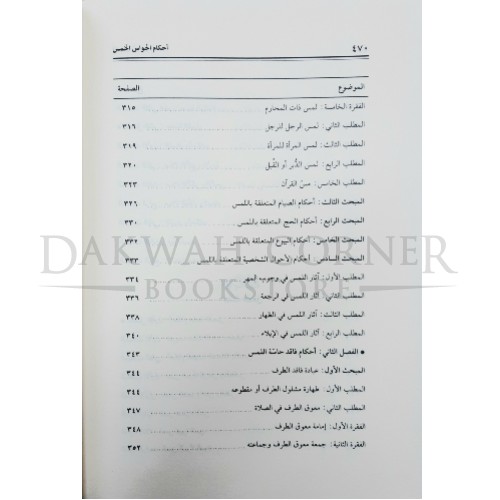
وما إن تحقق حلمي بالالتحاق بالدّراسات العليا حتى أخذت أفكر في موضوع للدراسـة، ولما في نفسي من حب للفقه الإسـلامي وميل للبحث في مسائله كان اختياري لموضوع أحكام الحواس الخمس؛ دراسة فقهية مقارنة معاصرة.
وتبرز أهمية هذا الموضوع من عدة جوانب:
ـ الحواس الخمس: هي عبارة عن أجهزة استلام وتسليم، تنقل الأحداث التي تدور في المحيط الخارجي إلى الدماغ، وبدون هذه الحواس لا تتولد الأحاسيس والشهوات في الإنسان العاقل، فبغير أعصاب الجلد لا يتولد الإحساس بالألم، وبدون العين والأذن لا يرى ولا يسمع الأحداث المحيطة ولا يتفاعل معها.
ـ الحواس نعمة عظيمة من الله سبحانه وتعالى على الإنسان، بوصفها وسيلة التواصل بينه وبين الأشياء من حولـه، وهي وسائل الإدراك المباشر في الإنسان، قال تعالى: ﴿ وَجَعَلَ لَكُمُ الْسَّمْعَ وَالأَبْصَارَ وَالأَفْئِدَةَ لَعَلَّكُمْ تَشْكُرُونَ ﴾[النحل: ٧٨].

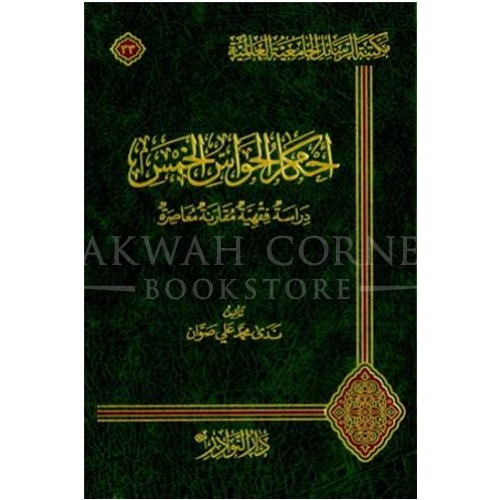
[SJ] Ahkam Alhawasi Alkhams (أحكام الحواس الخمس)
RM82.80 RM92.00
| Weight | 0.680 kg |
|---|---|
| Dimensions | 24 × 17 × 3 cm |
| Author | |
| Binding | Hardcover |
| ISBN | 9789933459925 |
| Pages | 472 |
Be the first to review “[SJ] Ahkam Alhawasi Alkhams (أحكام الحواس الخمس)” Cancel reply
You must be logged in to post a review.
You may also like…
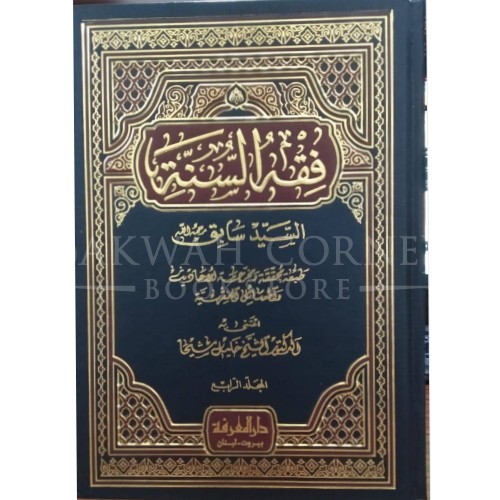
[SJ] Fiqh al-Sunnah by Sayyid Sabiq (4 Vols) / فقه السنة لسيد سابق
The famous book of Fiqh by Shaykh Sayyed Saabiq, clear and simple, accented with many daleel, in three volumes.
We advise you to read and accompanied by extensive notes and detailed corrections of Sheikh al-Albani with his book al-Tamaam Minnah, sold on the site.
Shaykh Al-Albani has praised this book : “Certainly, the book Fiqhus-Sunnah of Shaykh Sayid Saabiq is among the finest books written in his field, I met by chance by its excellent organization, clear writing style and lack of complex expressions found in many books of Fiqh … “(Tamam al-Minna, p.10)
Related Products
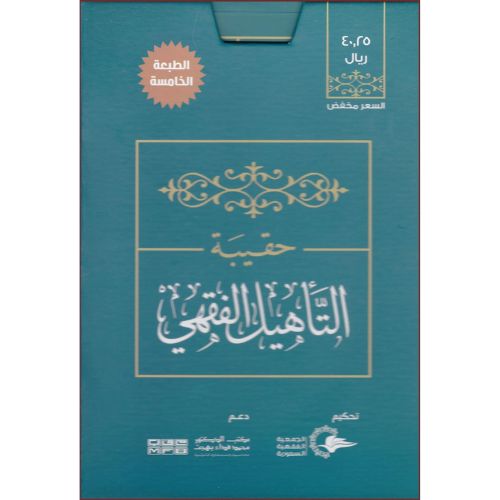
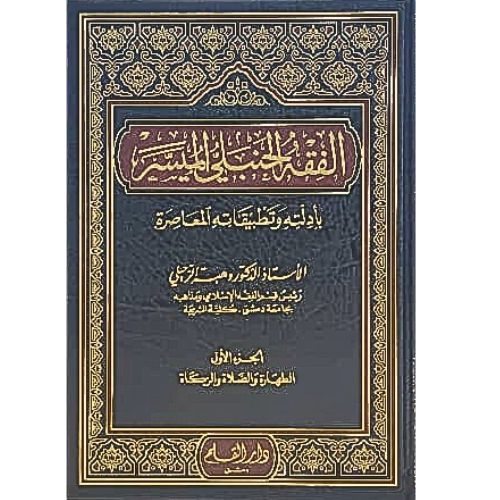
[SJ] Haqibah Al Ta’hil Al Mazhab Al Hanbali حقيبة التأهيل الفقهي المذهب الحنبلي 1×4
حقيبة التأهيل الفقهي على مذهب الإمام أحمد, تتكون هذه الحقيبة من أربعة كتب
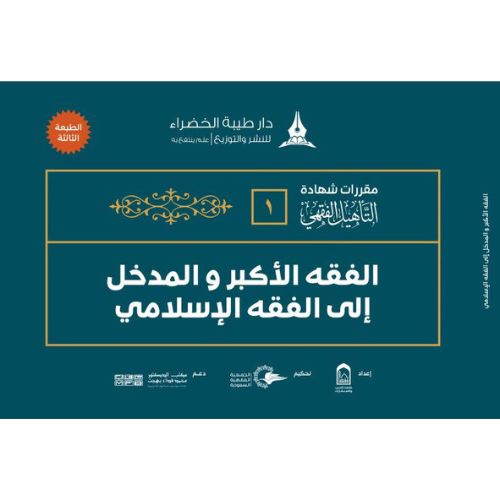
الأول: الفقه الأكبر و المدخل إلى الفقه الإسلامي
الثاني: فقه العبادات
الثالث: فقه المعاملات و الأسرة و الجنايات
الرابع: القواعد الفقهية و أصول الفقه
إعداد: مكتب فقهاء للدكتورعامر بهجت
Recently Viewed
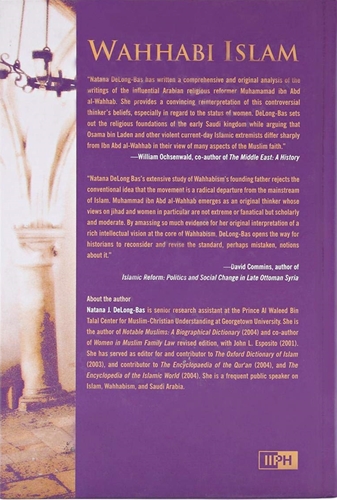
Wahhabi Islam From Revival And Reform To Global Jihad
Until September 11, 2001 few Westerners had ever heard of “Wahhabism.” Now most of us recognize the word as describing an austere and puritanical type of Islam, mentioned frequently in connection with Osama bin Laden and Saudi Arabia and often named as the inspiration behind the 9/11 terror attacks. The word “Wahhabi” stems from the name of the founder of this system of thought, Muhammad Ibn Abd al-Wahhab (1702-1791), companion and religious adviser to Muhammad Ibn Saud, founder of the House of Saud. In this book Natana DeLong-Bas offers an in-depth study of the written works of al-Wahhab. She focuses on four areas: theology, legal theory, proselytizing through education and jihad, and law on women. Through a close reading of al-Wahhab’s texts she demonstrates that many aspects of 20th- and 21st-century Wahhabi extremism do not have their origins in his writings. Examples of this extremism include the emphasis on jihad, martyrdom and militancy, and misogyny. The strict division of the world into dar al-Islam and dar al-kufr, according to which only Wahhabi adherents are considered to be true Muslims and all others are non-Muslims who must be fought, is entirely absent from al-Wahhab’s work. Instead, argues DeLong-Bas, all of these themes were only added to Wahhabi teachings in the 19th century following armed engagement with the Ottoman Empire. DeLong-Bas’s study fills an enormous gap in the literature about Wahhabism by returning to the original writings of the founder of the movement. She debunks the common journalistic portrayal of Muhammad Ibn Abd al-Wahhab as an illiterate, rural bumpkin with no scholarly formation. Her revisionist reading of al-Wahhab’s thought will be controversial but impossible to ignore. The book will be essential reading for students and scholars of Islam as well as for those interested in the background of this dangerous modern ideology.
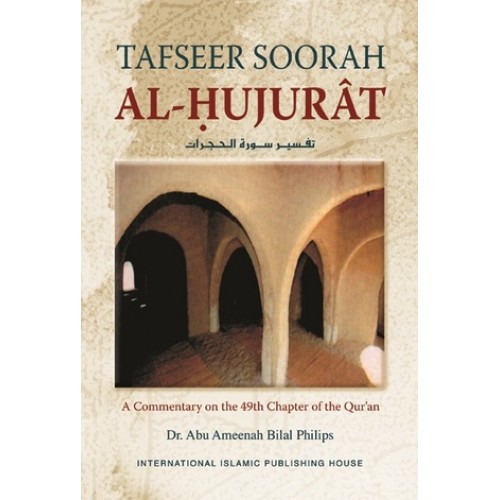
Tafseer Soorah Al-Hujurat (H/B)
Tafseer Soorah al-Hujurât: A Commentary on the 49th Chapter of the Qur’an is a treasury of divine advice, commandments, and prohibitions regarding common problems in social relations, including gossip, spying, arguing, and bigotry. To make the best use of this chapter, the believer needs a detailed explanation of the meanings of the verses.
Dr. Bilal Philips has based his tafseer (exegesis) on the methodology used in the classical works of tafseer. He has relied first of all on the explanations found within the Qur’an itself, then on explanations found in the Sunnah and related incidents which occurred at the time of the revelation of the verses in question. Beyond these primary sources, Dr. Philips has relied on the interpretations made by the Prophet’s Companions (may Allah be pleased with them) who were noted for their ability to interpret and comment on the Qur’an. ‘Abdullâh ibn ‘Abbâs, for example, was called ‘The interpreter of the Qur’an’ by Prophet Muhammad (blessings and peace of Allah be upon him). Finally, the author has made use of the grammatical explanations given in the classical tafseer works. Wherever possible, Dr. Philips has tried to apply the derived meanings of the verses to the problems of contemporary society.
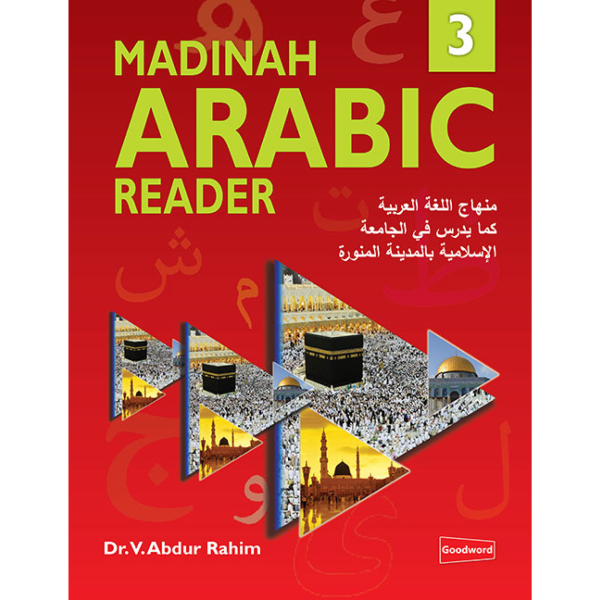
Madinah Arabic Reader (Book 3)
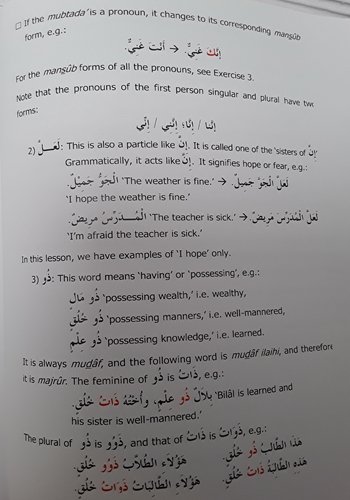
Professor Abdur Rahim, Director of the Translation Centre of the King Fahd Quran Printing Complex and former Professor of Arabic at the Islamic University of Madinah, Saudi Arabia, has authored texts designed to impart a knowledge of classical Arabic through applied grammar. Each lesson, based on a conversation, illustrates distinctive language patterns. These patterns are elucidated by a variety of helpful exercises. The vocabulary ranges from classical and Quranic Arabic to modern Arabic. This series of books is currently being utilized at various schools to prepare students for the University of London (UK) GCE O-Level and A-Level examinations.
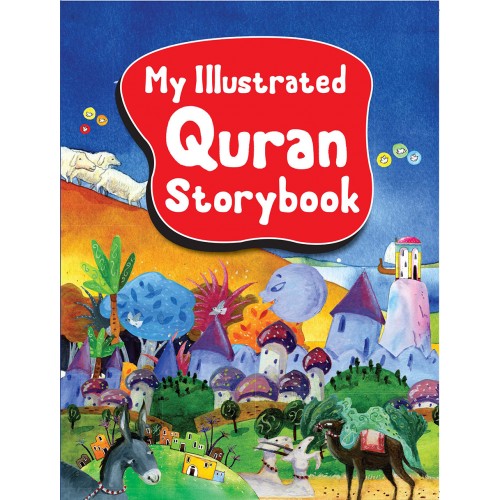
My Illustrated Quran Storybook
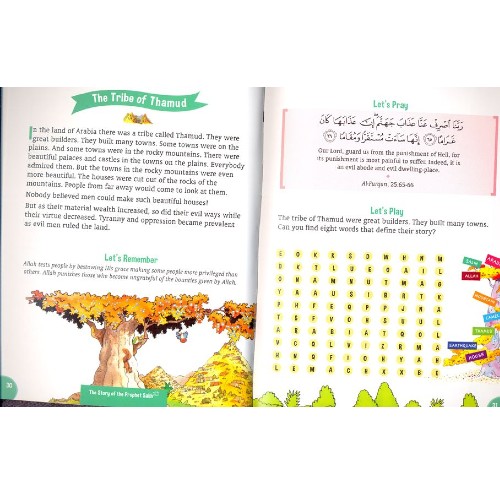
Time will fly by with this amazing story cum activity book. My Illustrated Quran Storybook is an exciting new way to learn about the Quran. Along with stories, prayers and teachings, this book is also packed with crosswords, jigsaw puzzles, mazes, colouring activities, spot the differences and much more.
Special Features;
Quran reference for each story and prayer bright and colourful illustrations more than eighty stories exciting activities.
Ages 7 and above
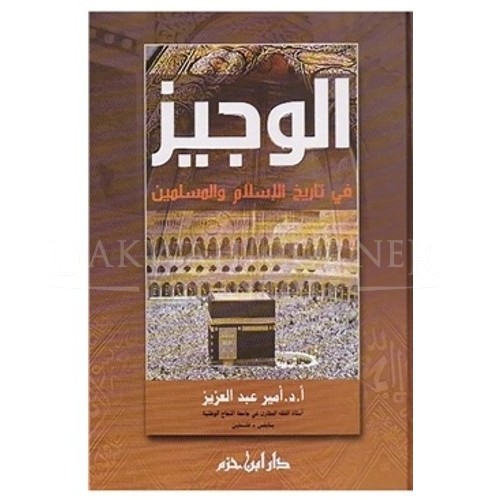
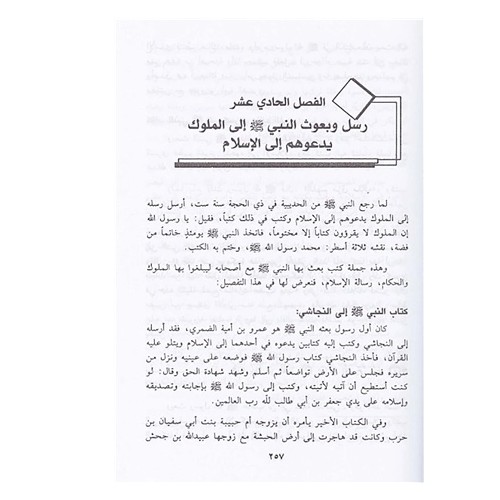
[HS] History of Islam and Muslims (الوجيز في تاريخ الإسلام والمسلمين)
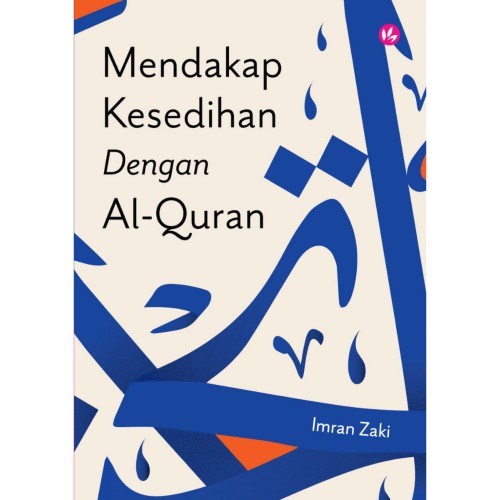
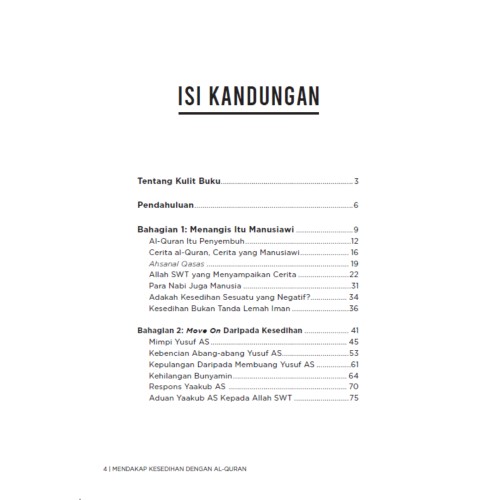
Mendakap Kesedihan Dengan Al-Quran
Benarkah kita dilarang untuk berasa sedih?
Andai kita rasa terbuang; Yusuf AS juga begitu.
Andai kita pernah melalui konflik berkeluarga; Yaakub AS juga begitu.
Andai kita pernah dikhianati teman; Lut AS juga begitu.
Kita menangis; Yaakub AS juga menangis, sehingga buta matanya.
Kita rasa hidup tidak lagi bermakna; Maryam AS juga pernah rasa begitu, sehingga terlahir kata-kata penyesalan dari bibirnya.
Sebenarnya, apakah respons al-Quran terhadap kesedihan yang kita bahkan para nabi rasai?


There are no reviews yet.