قال تعالى: ﴿ هَلْ يَسْتَوِي الَّذِينَ يَعْلَمُونَ وَالَّذِينَ لَا يَعْلَمُونَ ﴾[الزمر: ٩]، وعن مُعَاوِيَةَ بنِ أَبـِي سُفْيَانَ رضي الله عنه قال: قال رسول الله صلى الله عليه وسلم: ’مَنْ يُرِدِ اللهُ بِهِ خَيْراً يُفَقِّهْهُ فِي الدِّينِ‘. فإن خير ما يشتغل بـه الإنسان معرفة الحلال والحرام من الأحكام، وعلم الصحيح من الفاسد من الأعمال؛ وعلم الفقه هو الذي أخذ على عاتقه في بيان ذلك، فقد بذل العلماء الغالي والرخيص في سبيل نيل شرف هذه الخيرية، فقعّدوا القواعد ونظموا المسـائل وكتبوا المتون والشروح والحواشي، فكان من نتاج عقولهم إرث فقهي ما كان لأمة غير أمة النبي محمد صلى الله عليه وسلم أن تأتي بمثله، فَحُقّ للمسلم أن يفخر به وأن يستنهض الهمم في خدمته.
ولا يخفى على أحد مدى اهتمام الشـريعة الإسلامية بالإنسان بوصفه حاملَ الرسالة ومُبَلّغَها، فشَرَّعَتْ من الأحكام ما يحفظ حياته ويصون كرامته، فكان حفظ الحياة حقاً أساسياً من حقوقه، إلى جانب كثير من الحقوق الأخرى التي يستطيع بها أداء واجبه في هذه الحياة.
قال تعالى: ﴿ لَقَدْ خَلَقْنَا الْإِنسَانَ فِي أَحْسَنِ تَقْوِيمٍ ﴾[التين:٤]، خلق الله الإنسان كامل الأعضاء والحواس، فجعله في أفضل هيئة وأكمل صورة، واستودعه طاقات وغرائز وشهوات ودوافع للخير ودوافع للشر، ثم أرشده إلى تقويم تلك الغرائز والشهوات والدوافع ليحفظ أعضاءه وحواسه، فسما المسلم إلى أعلى درجات السمو البشري، وتعالى على غرائزه البهيمية التي تحيا لإشباع تلك الغرائز، فهذّب هذه الغرائز وقيدّها بقيود الدين القويم والأخلاق الكريمة، وأباحها ونظّمها في حدود ما شَرَعَه، فقد كان من رحمة الله وتيسيره على عباده أن تكفّل بكل التشريعات التي تخص الإنسان وتنظم علاقته مع خالقه ومع غيره من الناس بمختلف الجوانب، قال تعالى: ﴿ مَّا فَرَّطْنَا فِي الكِتَابِ مِن شَيْءٍ ﴾[الأنعام:٣٨].
وما إن تحقق حلمي بالالتحاق بالدّراسات العليا حتى أخذت أفكر في موضوع للدراسـة، ولما في نفسي من حب للفقه الإسـلامي وميل للبحث في مسائله كان اختياري لموضوع أحكام الحواس الخمس؛ دراسة فقهية مقارنة معاصرة.
وتبرز أهمية هذا الموضوع من عدة جوانب:
ـ الحواس الخمس: هي عبارة عن أجهزة استلام وتسليم، تنقل الأحداث التي تدور في المحيط الخارجي إلى الدماغ، وبدون هذه الحواس لا تتولد الأحاسيس والشهوات في الإنسان العاقل، فبغير أعصاب الجلد لا يتولد الإحساس بالألم، وبدون العين والأذن لا يرى ولا يسمع الأحداث المحيطة ولا يتفاعل معها.
ـ الحواس نعمة عظيمة من الله سبحانه وتعالى على الإنسان، بوصفها وسيلة التواصل بينه وبين الأشياء من حولـه، وهي وسائل الإدراك المباشر في الإنسان، قال تعالى: ﴿ وَجَعَلَ لَكُمُ الْسَّمْعَ وَالأَبْصَارَ وَالأَفْئِدَةَ لَعَلَّكُمْ تَشْكُرُونَ ﴾[النحل: ٧٨].

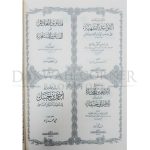
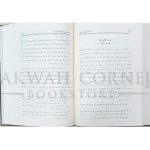
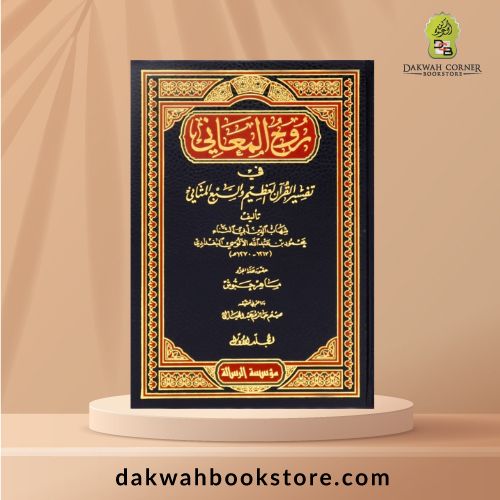
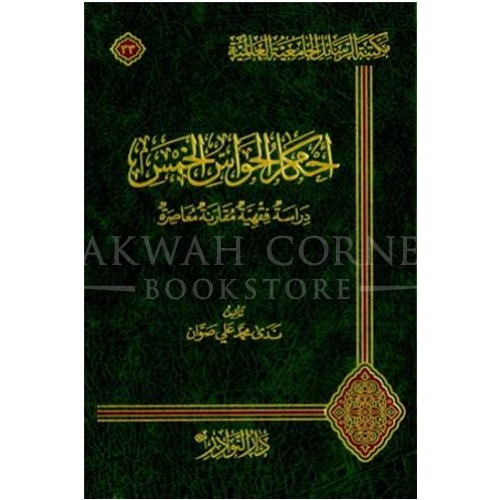
[SJ] Ahkam Alhawasi Alkhams (أحكام الحواس الخمس)
RM82.80 RM92.00
| Weight | 0.680 kg |
|---|---|
| Dimensions | 24 × 17 × 3 cm |
| Author | |
| Binding | Hardcover |
| ISBN | 9789933459925 |
| Pages | 472 |
Be the first to review “[SJ] Ahkam Alhawasi Alkhams (أحكام الحواس الخمس)” Cancel reply
You must be logged in to post a review.
You may also like…
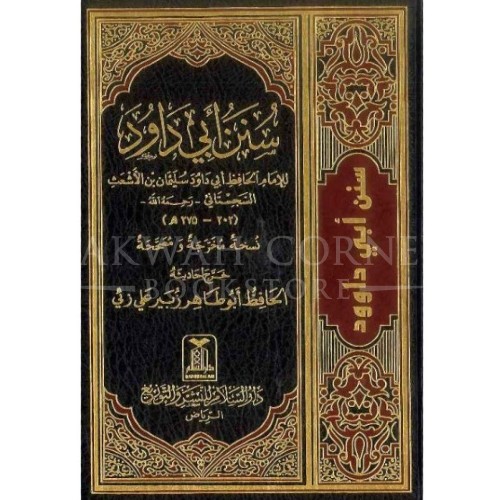
[SJ] Fiqh al-Sunnah by Sayyid Sabiq (4 Vols) / فقه السنة لسيد سابق
The famous book of Fiqh by Shaykh Sayyed Saabiq, clear and simple, accented with many daleel, in three volumes.
We advise you to read and accompanied by extensive notes and detailed corrections of Sheikh al-Albani with his book al-Tamaam Minnah, sold on the site.
Shaykh Al-Albani has praised this book : “Certainly, the book Fiqhus-Sunnah of Shaykh Sayid Saabiq is among the finest books written in his field, I met by chance by its excellent organization, clear writing style and lack of complex expressions found in many books of Fiqh … “(Tamam al-Minna, p.10)
Related Products
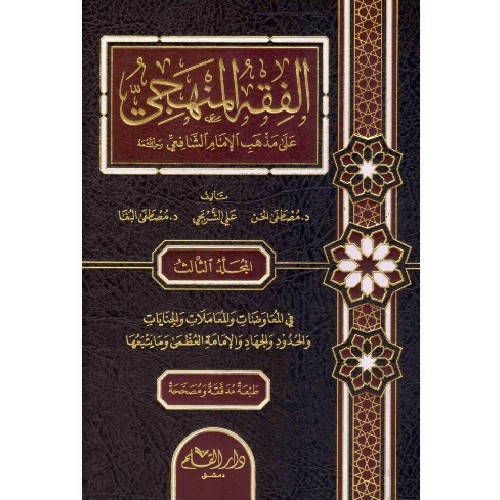
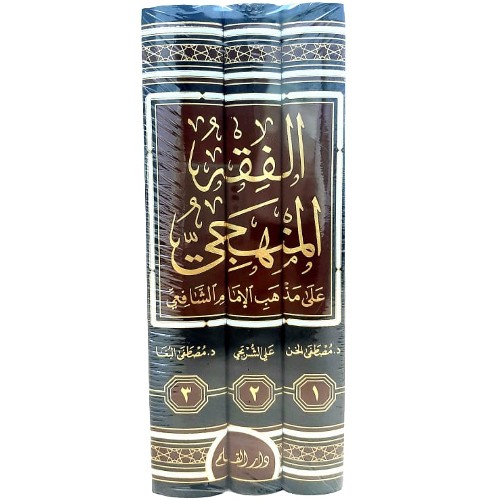
[SJ] Al-Fiqh al-manhaji al-Qalam (3 Vols) (الفقه المنهجي – القلم (طبعة فاخرة))
الفقه المنهجي 3/1 – القلم
أحد المذاهب الفقهيّة السنيّة الكبرى المنتشرة في العالم الإسلاميّ، وسمّي بهذا الاسم نسبة إلى الإمام الشافعيّ رحمه الله تعالى؛
والمنهج الشافعيّ ينزع إلى تشكيل نسق منسجم مع نفسه، من خلال عدم رفض أيّ حديث صحيح،
والتأكيد على وضوح قواعد التخريج، والبعد عن التناقض الداخليّ، ومحاولة رسم بناء
متكامل تأخذ فيه جميع النصوص مواقعها وتأثيراتها النسبيّة.
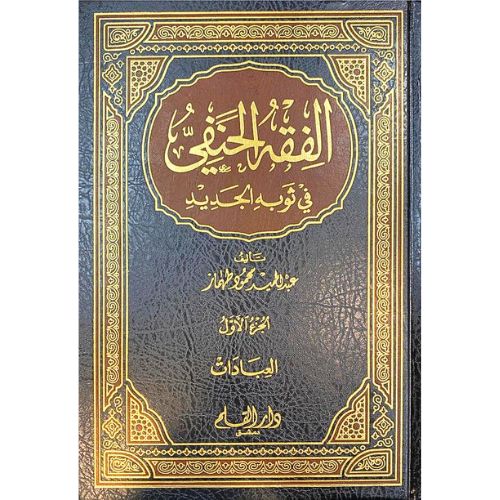
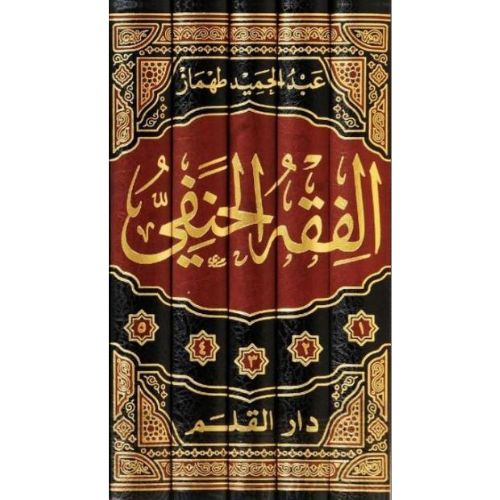
[SJ] Al Fiqh Al Hanafi Fi Thawbah Al Jadid 5 Vol. / (الفقه الحنفي في ثوبه الجديد ١/٥)
الفقه الحنفي في ثوبه الجديد – عبد الحميد محمود طهماز
كتاب بعنوان الفقه الحنفي في ثوبه الجديد, قام المؤلف بتقديم صياغة جديدة و ميسرة للأحكام الشرعية على مذهب الإمام أبي حنيفة مع ذكر الدليل من الكتاب و السنة
المجلد الأول: العبادات من الطهارة إلى الحج
المجلد الثاني: الأحوال الشخصية: النكاح و الطلاق و الرضاع و المواريث والالتزامات و التبرعات: الأيمان و النذور, إلخ
المجلد الثالث: أحكام نظام الحكم: الجهاد و القضاء و العقوبات
المجلد الرابع: أحكام المعاملات: البيوع و مسائل البيوع
المجلد الخامس: أبواب فقهية متعددة المواضيع: الأطعمة و الأشربة و الذبائح, إلخ
طبعة جميلة في خمسة مجلدات
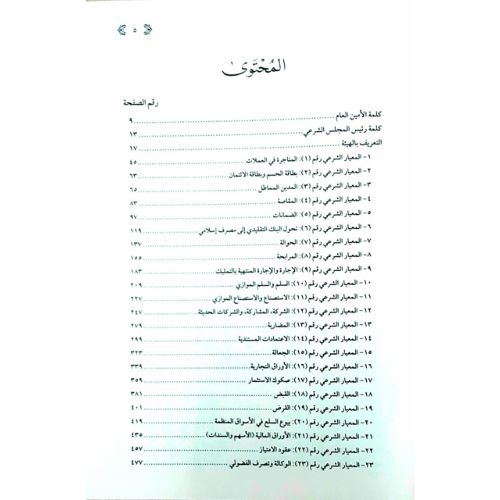
[AE] Al Maa’yir Ash Shari’ah (Shari’ah Standard) / المعايير الشرعية
من أهم ما أنتجه الاجتهاد الفقهي المعاصر في فقه المعاملات المالية، وقد عالجت محتوياته تفصيلاتِ جزءٍ كبيرٍ من عقود الصناعة المالية الإسلامية ومنتجاتها (بما تشتمل عليه من مصرفية، وتكافل، ومصرفية استثمارية، وأسواق المال ومنتجاتها، وتمويل، وغيرها).وقد جُع
Recently Viewed
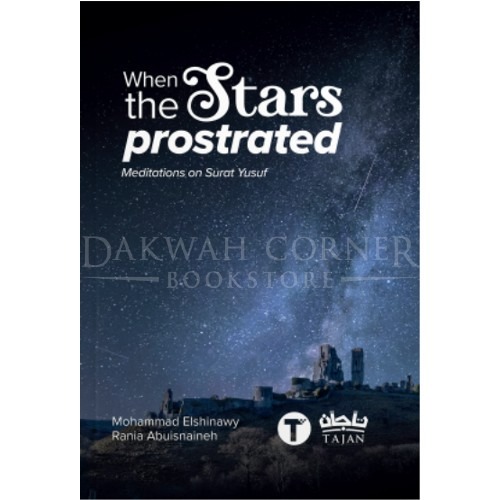
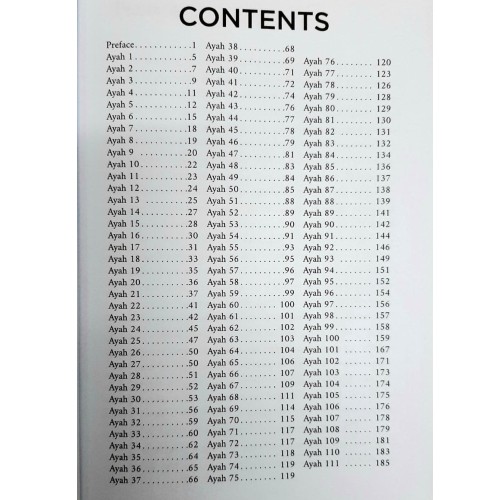
When The Stars Prostrated: Meditations On Surat Yusuf
They say the Qur’an is like a bottomless ocean of knowledge. Wisdom, lessons, letters from the Divine. Still, he who dives into its depth collects just a handful of pearls—so what of those who idle at its shore?
When the Stars Prostrated is a meditative, verse-by-verse journey into the heart of Surat Yusuf. Revealed to Prophet Muḥammad (s.a.w.) in his period of loss and mourning, and lauded by God as “the best of stories,” Surat Yusuf bears relevance to modern readers of all ages. It is an intimate guide for enduring hardship with patience, hope, and, most importantly, trust in the grand workings of the Divine. But deriving these lessons isn’t an effortless pursuit. Tadabbur, the art of contemplating the meaning of a verse to its end, requires our companionship and sincere engagement with the Qur’an. In this collection of short essays, two writers lay bare the pearls they carry from their own tadabbur journey. Every passage is a blend of classical exegesis and personal insight to show readers that healing, growth, and spiritual ascension through Surat Yusuf can be anyone’s reality.
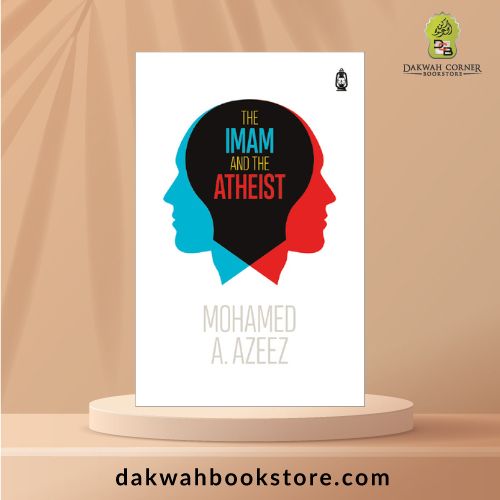
The Imam and The Atheist – Claritas
Social media has ushered in an era of hyper-individualism, where ethics change as frequently as Twitter’s top tags. Even though Islam is still the world’s fastest-growing religion, countless people refute their faith every day — citing Darwinism or the inexplicable suffering of the human spirit.
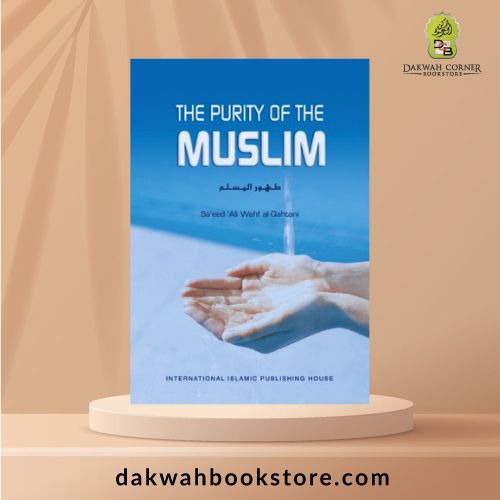
The Purity of Muslim (P/B)
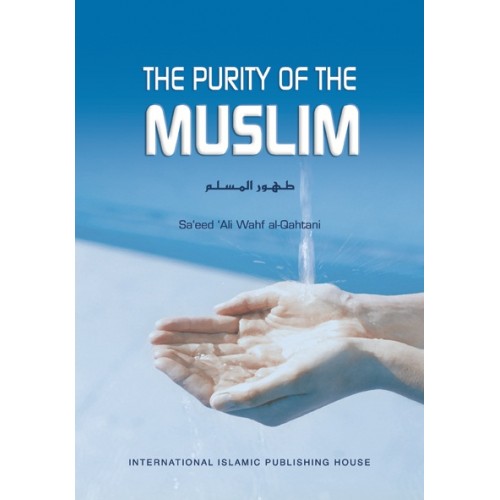
According to a well-known hadith, cleanliness and purity are half of the faith. It is obligatory for a Muslim to be clean and in a state of purity in order to offer formal prayer and recite the Quran by way of ablution, a ritual shower, or dry ablution. Purity and cleanliness encompass both physical and spiritual aspects. Physical impurities can be removed by clean, pure water or dry, clean earth or stone, and this is a beginning step for spiritual cleanliness. In the Purity of the Muslim, Saeed al-Qahtani explains in a clear and comprehensive manner the types of various impurities and the ways to attain purity and cleanliness according to the teachings of the Quran and of the final prophet, Muhammad (blessings and peace of Allah be upon him).
The Right to Education, Work and Welfare in Islam (P/B)
In The Right to Education, Work and Welfare in Islam Professor M.H. Kamali develops an Islamic perspective on three connected and complementary areas of rights and liberties. He urges that education is often a necessary ingredient of professional work even more so now than in earlier times when the range and variety of specialised knowledge were relatively limited. A person who acquires education, whether generally or at advanced levels of specialisation, is more likely to stand in a better position to enter the workforce and thus to contribute to the welfare of the community.
The author commences his discussions on education, work and welfare in Islam by focusing on how each is treated in the Qur’an; and follows this by the example of the Prophet and, after him, the Pious Caliphs who gave prominence to the education and welfare needs of people at times both of scarcity and affluence. Professor Kamali then moves forward to our time and discusses the right to education, the education of children, institutionalisation of learning, academic freedom and the debate between science and religion.
The section on work elaborates on the value of work, work ethics, workers’ and employers’ rights and responsibilities, and the role and responsibility of governments.
Finally, the section on welfare focuses on the importance in Islam of caring for those who are in need and the different forms of provision that can be made available by individuals, the state and charities.
SOFT BOOK – First Book of SHAPES & COLOURS
Discover shapes and colours all around!
Can you tell the shape and colour of the items that can be found in the park, at home and at the beach?
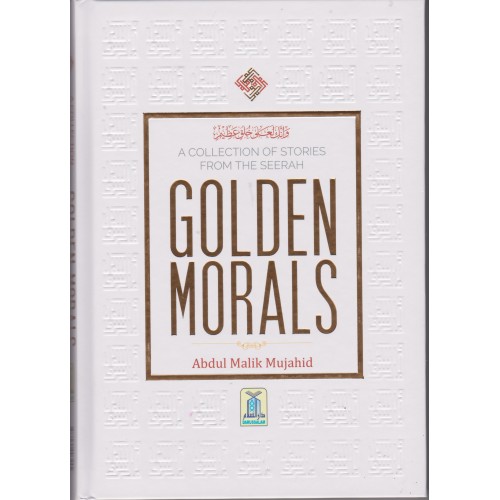
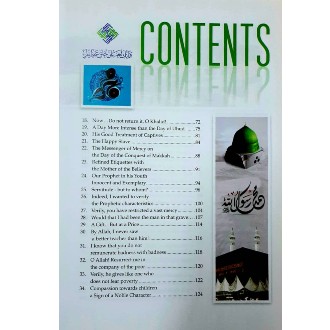
Golden Morals (A Collection Of Stories From The Seerah) (H/B)
The Seerah of the Prophet (PBUH) is an everlasting topic. The Muslims are never fed up with its fragrance. It has been a topic for writing sine centuries and it will be a topic for writing till the Day of Judgment. Every author shows his love and affection for the Messenger of Allah in his own style and he tries to highlight every aspect of his life. No doubt, thousands of books have been written on the Seerah of the Messenger in different languages from the ancient.
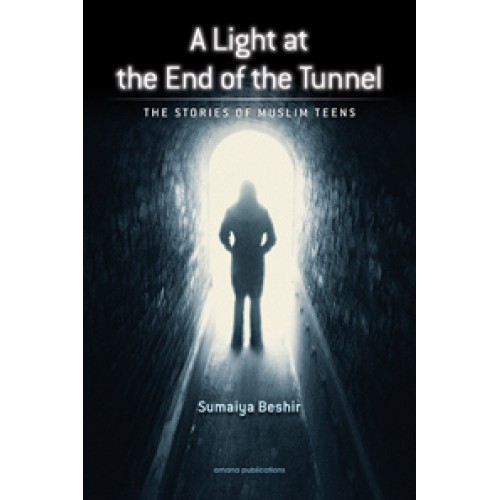
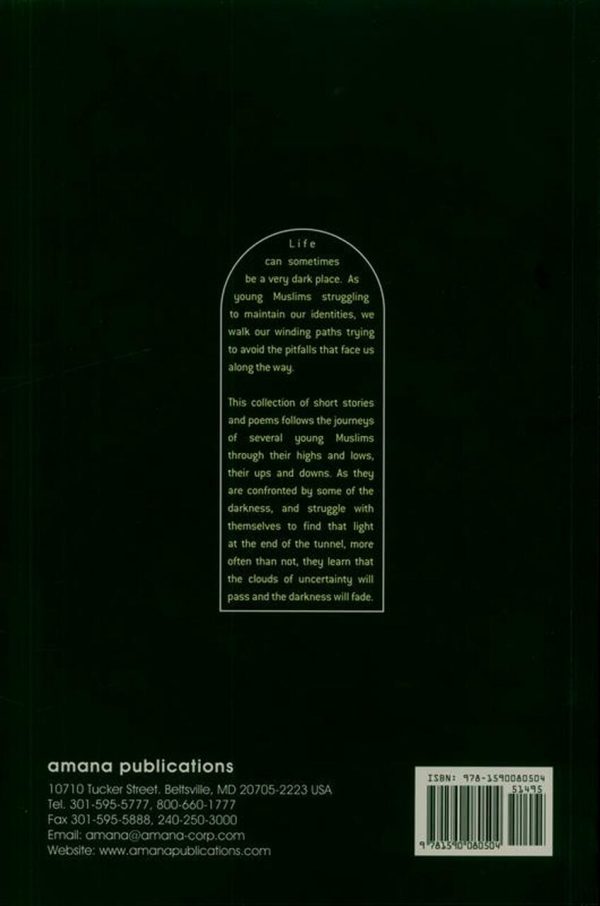
A Light at the End of the Tunnel (P/B)
The book features a collection of short stories written by Muslim teens. Through their stories they share the struggles and experiences they have faced on issues such as dating, friendship, hijab, respecting parents, clarifying misconceptions about Islam and defining one’s identity.
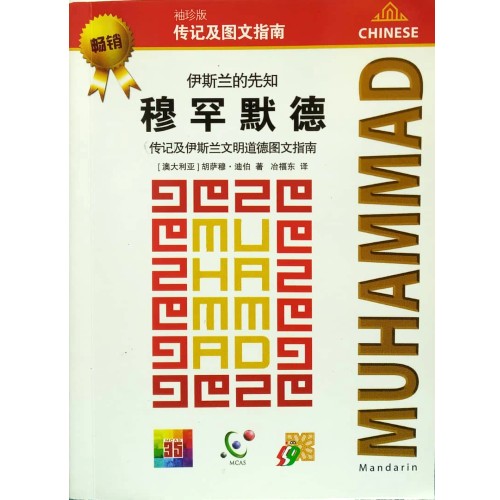
THE PROPHET OF ISLAM MUHAMMAD:傳記和繪畫報指南 (Chinese)
具有伊斯蘭文明道德基礎的傳記和圖片指南。
(This is the Chinese version of ‘The Prophet of Islam Muhammad SAW: Biography & Pictorial Guide’.)
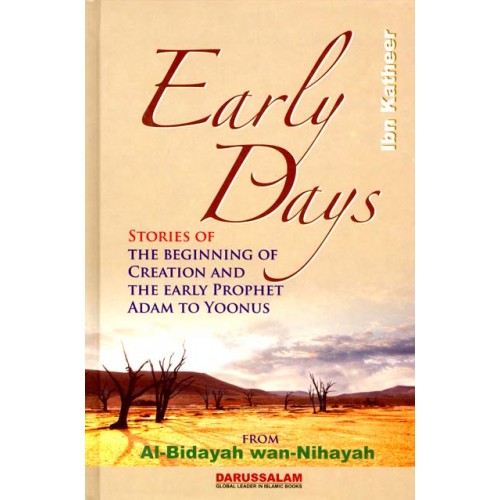
Early Days : From Al – Bidayah wan – Nihayah (H/B)
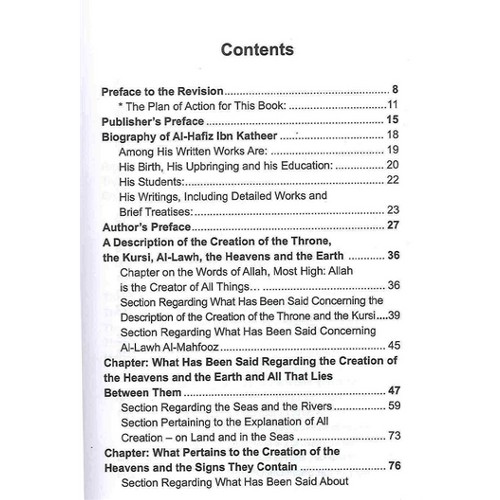
The book starts by describing the beginning of creation- from the throne and the Kursi, the universe and all that is in it , such as the angels, the jinn and humans . The book also recounts stories from the lives of the prophets and their nations up to the times of the children of Israeel and the Days of Igorance,which ended with the advent of the final Prophet Muhammad ( PBUH ).
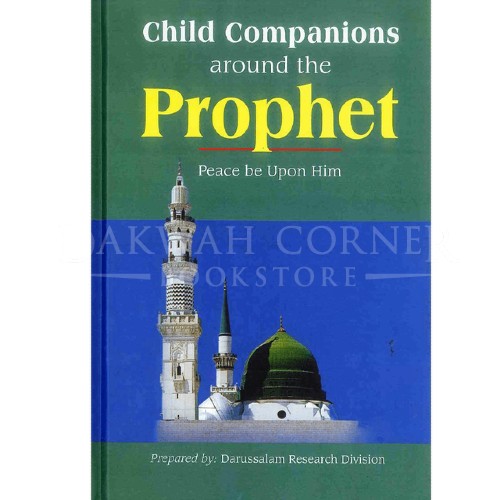
Child Companions around the Prophet pbuh (H/B)
Description from the publisher:
These 178 companions are those who accepted Islam in their childhood and spent it being around Prophet صلی الله علیه وآله وسلّم and getting benefits from his teachings and learning from his manners. The Prophet used to love the children and his behaviour with them is model to follow. He taught them the manners of eating, talking to theirs elders, behaving with other children, along with guiding them to the basic points of Islamic teachings.
It includes the biography of the following companions:
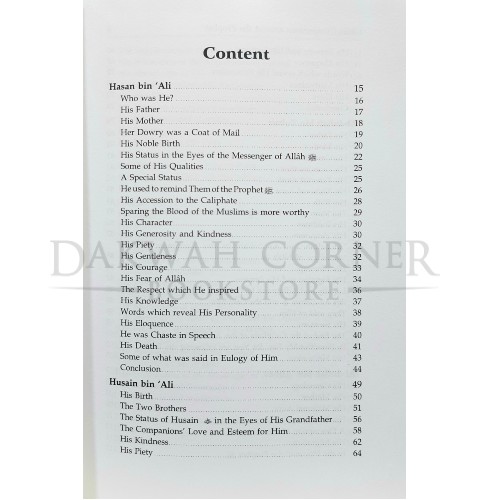
Hasan bin ‘Ali رضی الله عنه
Husain bin ‘Ali رضی الله عنه
Abdullah bin Zoubir رضی الله عنه
Abdullah bin ‘Abbas رضی الله عنه
Abdullah bin Ja’far رضی الله عنه
Abdullah bin ‘Umar رضی الله عنه
Abdullah bin ‘Amr رضی الله عنه
Usamah bin Zaid رضی الله عنه
Anas bin Malik رضی الله عنه
Sa’eed bin Al-‘Aasرضی الله عنه
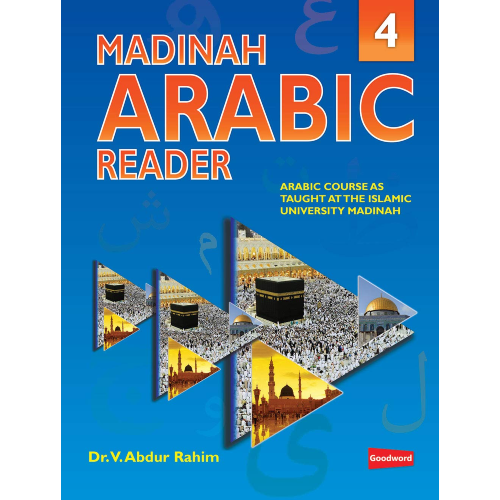
Madinah Arabic Reader (Book 4)
Professor Abdur Rahim, Director of the Translation Centre of the King Fahd Quran Printing Complex and former Professor of Arabic at the Islamic University of Madinah, Saudi Arabia, has authored texts designed to impart a knowledge of classical Arabic through applied grammar. Each lesson, based on a conversation, illustrates distinctive language patterns. These patterns are elucidated by a variety of helpful exercises. The vocabulary ranges from classical and Quranic Arabic to modern Arabic. This series of books is currently being utilized at various schools to prepare students for the University of London (UK) GCE O-Level and A-Level examinations.


There are no reviews yet.