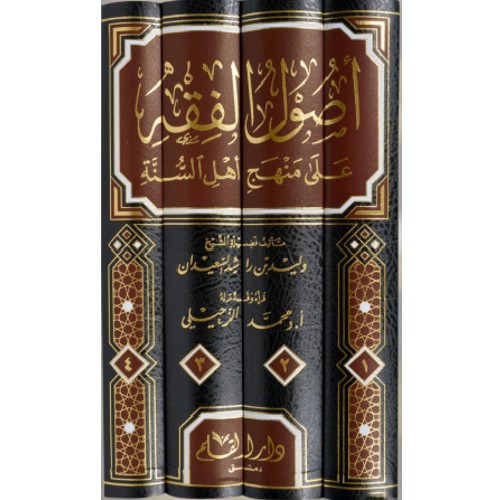
قال تعالى: ﴿ هَلْ يَسْتَوِي الَّذِينَ يَعْلَمُونَ وَالَّذِينَ لَا يَعْلَمُونَ ﴾[الزمر: ٩]، وعن مُعَاوِيَةَ بنِ أَبـِي سُفْيَانَ رضي الله عنه قال: قال رسول الله صلى الله عليه وسلم: ’مَنْ يُرِدِ اللهُ بِهِ خَيْراً يُفَقِّهْهُ فِي الدِّينِ‘. فإن خير ما يشتغل بـه الإنسان معرفة الحلال والحرام من الأحكام، وعلم الصحيح من الفاسد من الأعمال؛ وعلم الفقه هو الذي أخذ على عاتقه في بيان ذلك، فقد بذل العلماء الغالي والرخيص في سبيل نيل شرف هذه الخيرية، فقعّدوا القواعد ونظموا المسـائل وكتبوا المتون والشروح والحواشي، فكان من نتاج عقولهم إرث فقهي ما كان لأمة غير أمة النبي محمد صلى الله عليه وسلم أن تأتي بمثله، فَحُقّ للمسلم أن يفخر به وأن يستنهض الهمم في خدمته.
ولا يخفى على أحد مدى اهتمام الشـريعة الإسلامية بالإنسان بوصفه حاملَ الرسالة ومُبَلّغَها، فشَرَّعَتْ من الأحكام ما يحفظ حياته ويصون كرامته، فكان حفظ الحياة حقاً أساسياً من حقوقه، إلى جانب كثير من الحقوق الأخرى التي يستطيع بها أداء واجبه في هذه الحياة.
قال تعالى: ﴿ لَقَدْ خَلَقْنَا الْإِنسَانَ فِي أَحْسَنِ تَقْوِيمٍ ﴾[التين:٤]، خلق الله الإنسان كامل الأعضاء والحواس، فجعله في أفضل هيئة وأكمل صورة، واستودعه طاقات وغرائز وشهوات ودوافع للخير ودوافع للشر، ثم أرشده إلى تقويم تلك الغرائز والشهوات والدوافع ليحفظ أعضاءه وحواسه، فسما المسلم إلى أعلى درجات السمو البشري، وتعالى على غرائزه البهيمية التي تحيا لإشباع تلك الغرائز، فهذّب هذه الغرائز وقيدّها بقيود الدين القويم والأخلاق الكريمة، وأباحها ونظّمها في حدود ما شَرَعَه، فقد كان من رحمة الله وتيسيره على عباده أن تكفّل بكل التشريعات التي تخص الإنسان وتنظم علاقته مع خالقه ومع غيره من الناس بمختلف الجوانب، قال تعالى: ﴿ مَّا فَرَّطْنَا فِي الكِتَابِ مِن شَيْءٍ ﴾[الأنعام:٣٨].
وما إن تحقق حلمي بالالتحاق بالدّراسات العليا حتى أخذت أفكر في موضوع للدراسـة، ولما في نفسي من حب للفقه الإسـلامي وميل للبحث في مسائله كان اختياري لموضوع أحكام الحواس الخمس؛ دراسة فقهية مقارنة معاصرة.
وتبرز أهمية هذا الموضوع من عدة جوانب:
ـ الحواس الخمس: هي عبارة عن أجهزة استلام وتسليم، تنقل الأحداث التي تدور في المحيط الخارجي إلى الدماغ، وبدون هذه الحواس لا تتولد الأحاسيس والشهوات في الإنسان العاقل، فبغير أعصاب الجلد لا يتولد الإحساس بالألم، وبدون العين والأذن لا يرى ولا يسمع الأحداث المحيطة ولا يتفاعل معها.
ـ الحواس نعمة عظيمة من الله سبحانه وتعالى على الإنسان، بوصفها وسيلة التواصل بينه وبين الأشياء من حولـه، وهي وسائل الإدراك المباشر في الإنسان، قال تعالى: ﴿ وَجَعَلَ لَكُمُ الْسَّمْعَ وَالأَبْصَارَ وَالأَفْئِدَةَ لَعَلَّكُمْ تَشْكُرُونَ ﴾[النحل: ٧٨].


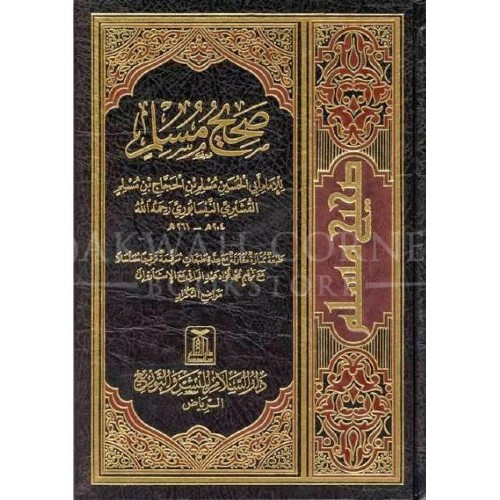
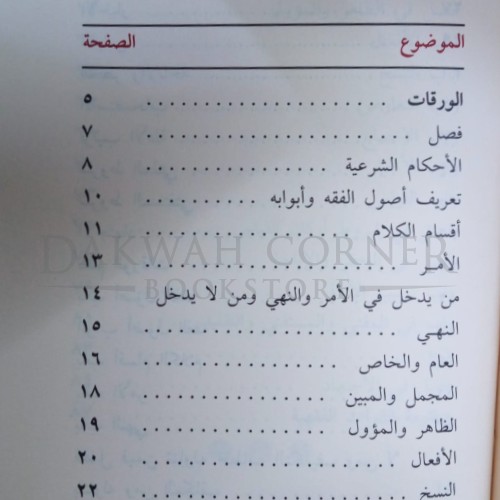
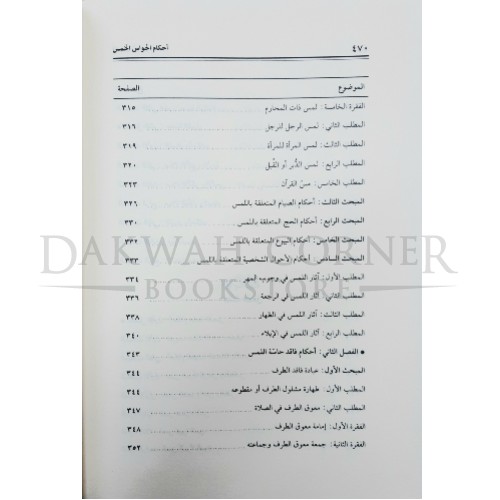
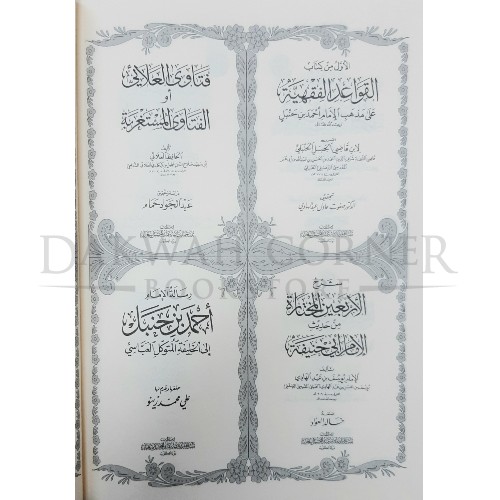
[SJ] Ahkam Alhawasi Alkhams (أحكام الحواس الخمس)
RM82.80 RM92.00
| Weight | 0.680 kg |
|---|---|
| Dimensions | 24 × 17 × 3 cm |
| Author | |
| Binding | Hardcover |
| ISBN | 9789933459925 |
| Pages | 472 |
Be the first to review “[SJ] Ahkam Alhawasi Alkhams (أحكام الحواس الخمس)” Cancel reply
You must be logged in to post a review.
You may also like…
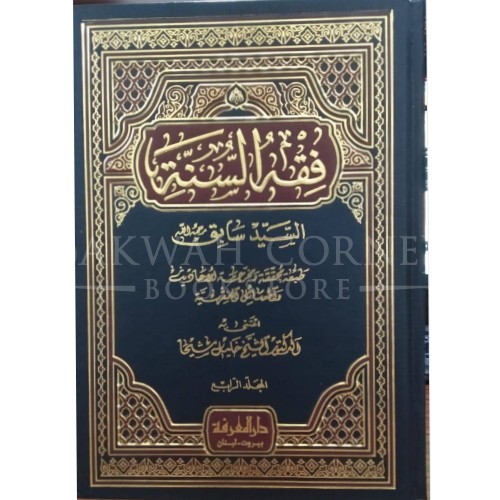
[SJ] Fiqh al-Sunnah by Sayyid Sabiq (4 Vols) / فقه السنة لسيد سابق
The famous book of Fiqh by Shaykh Sayyed Saabiq, clear and simple, accented with many daleel, in three volumes.
We advise you to read and accompanied by extensive notes and detailed corrections of Sheikh al-Albani with his book al-Tamaam Minnah, sold on the site.
Shaykh Al-Albani has praised this book : “Certainly, the book Fiqhus-Sunnah of Shaykh Sayid Saabiq is among the finest books written in his field, I met by chance by its excellent organization, clear writing style and lack of complex expressions found in many books of Fiqh … “(Tamam al-Minna, p.10)
Related Products
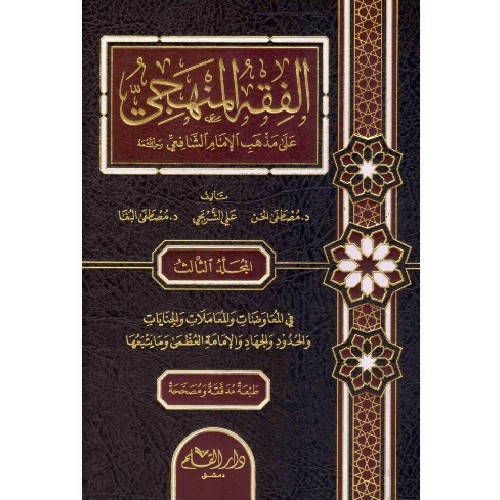
[SJ] Al-Fiqh al-manhaji al-Qalam (3 Vols) (الفقه المنهجي – القلم (طبعة فاخرة))
الفقه المنهجي 3/1 – القلم
أحد المذاهب الفقهيّة السنيّة الكبرى المنتشرة في العالم الإسلاميّ، وسمّي بهذا الاسم نسبة إلى الإمام الشافعيّ رحمه الله تعالى؛
والمنهج الشافعيّ ينزع إلى تشكيل نسق منسجم مع نفسه، من خلال عدم رفض أيّ حديث صحيح،
والتأكيد على وضوح قواعد التخريج، والبعد عن التناقض الداخليّ، ومحاولة رسم بناء
متكامل تأخذ فيه جميع النصوص مواقعها وتأثيراتها النسبيّة.
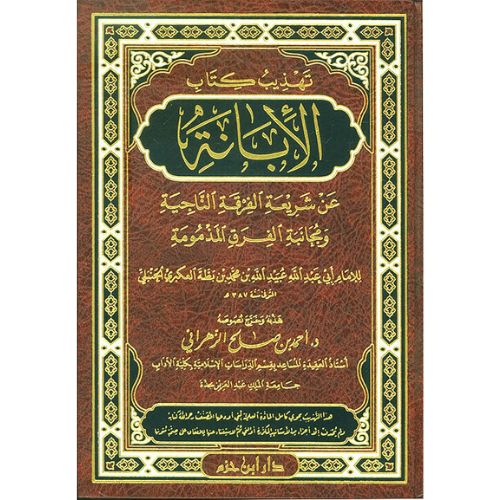
[SJ] Tahzib Kitab Alibanah ‘An Shariah Alfurqah / تهذيب كتاب الإبانة عن شريعة الفرقة
تهذيب كتاب الإبانة عن شريعة الفرقة الناجية و مجانبة الفرق المذمومة (الإبانة الكبرى) للإمام ابن بطة العكبري
تهذيب و تخريج و تحقيق: د. أحمد بن صالح الزهراني (أستاذ العقيدة بجامعة الملك عبد العزيز بجدة)
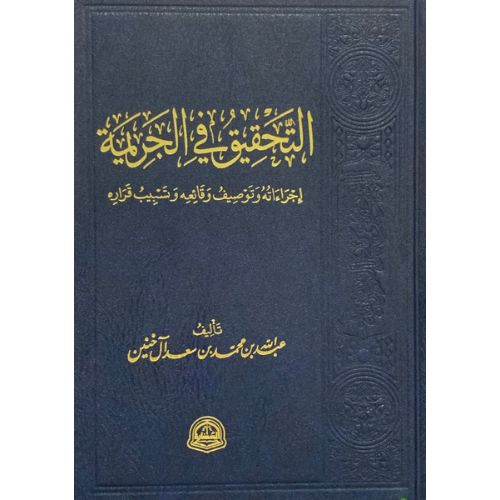
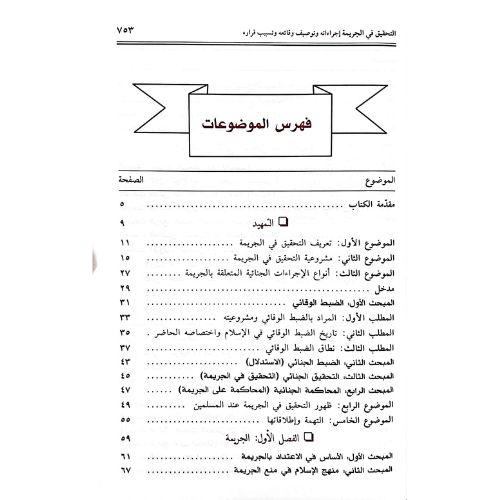
[QJ] Al Tahqiq Fi Al Jarimah Al Ajraatiha Watawsif / التحقيق في الجريمة اجراءاته وتوصيف وقائعه وتسبيب قراره
وفيه خمسة مواضيع :
الموضوع الأول : تعريف التحقيق في الجريمة.
الموضوع الثاني : مشروعية التحقيق في الجريمة.
الموضوع الثالث : أنواع الإجراءات الجنائية المتعلقة بالجريمة.
الموضوع الرابع : ظهور التحقيق في الجريمة عند المسلمين.
الموضوع الخامس: التهمة وإطلاقاتها.
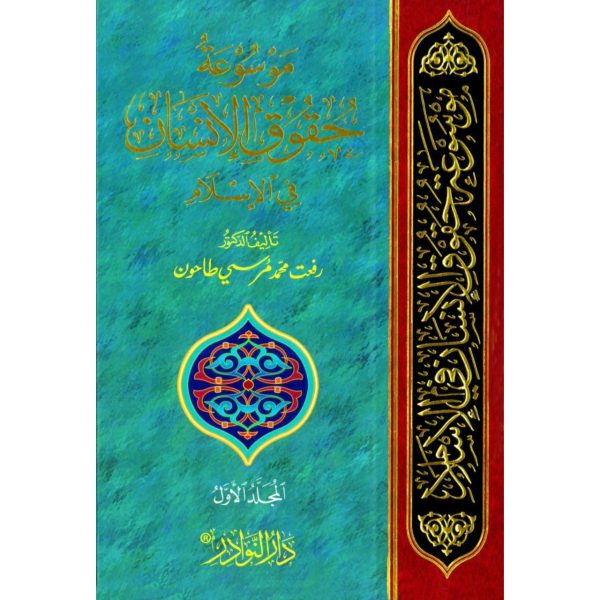
[SJ] Mausueat Huquq AL-insan Fe Al-Islam (1/6 Vols) – موسوعة حقوق الإنسان في الإسلام
يُعتَبرُ هذا الكتابُ صرخةً موجَّهةً إلى الشُّعوبِ الإِسْلاميةِ وإلى وُلاةِ الأمرِ فيها, باعتبار أنَّ الإسلامَ هو خاتَمُ رِسالاتِ السَّماء، وأنَّ الشريعةَ الإسلاميةَ هي المَصدرُ الأساسيُّ لكلِّ الحُقُوقِ والحُرِّيَّاتِ الأساسِيَّةِ للإنسان منذُ أكثرَ مِنْ أربعةَ عشَرَ قَرْناً.
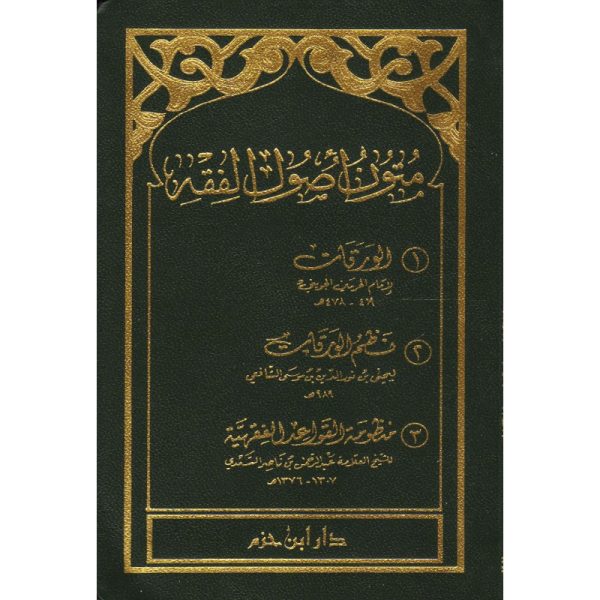
[SJ] Mutunun Usol Fiqh (متون أصول الفقه)
متون النحو (الآجرومية وملحة الإعراب ) لونان ـ شاموا ( 10×15 فلكسي )
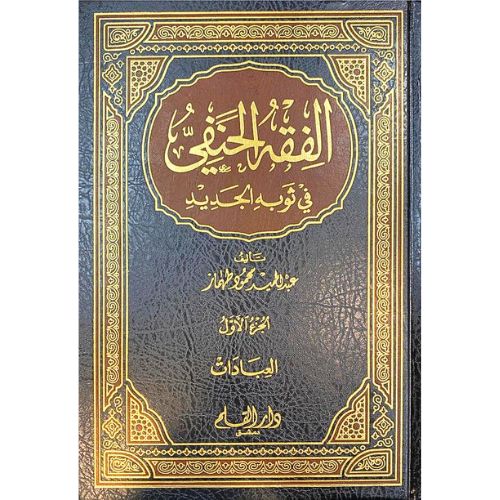
[SJ] Al Fiqh Al Hanafi Fi Thawbah Al Jadid 5 Vol. / (الفقه الحنفي في ثوبه الجديد ١/٥)
الفقه الحنفي في ثوبه الجديد – عبد الحميد محمود طهماز
كتاب بعنوان الفقه الحنفي في ثوبه الجديد, قام المؤلف بتقديم صياغة جديدة و ميسرة للأحكام الشرعية على مذهب الإمام أبي حنيفة مع ذكر الدليل من الكتاب و السنة
المجلد الأول: العبادات من الطهارة إلى الحج
المجلد الثاني: الأحوال الشخصية: النكاح و الطلاق و الرضاع و المواريث والالتزامات و التبرعات: الأيمان و النذور, إلخ
المجلد الثالث: أحكام نظام الحكم: الجهاد و القضاء و العقوبات
المجلد الرابع: أحكام المعاملات: البيوع و مسائل البيوع
المجلد الخامس: أبواب فقهية متعددة المواضيع: الأطعمة و الأشربة و الذبائح, إلخ
طبعة جميلة في خمسة مجلدات
Recently Viewed

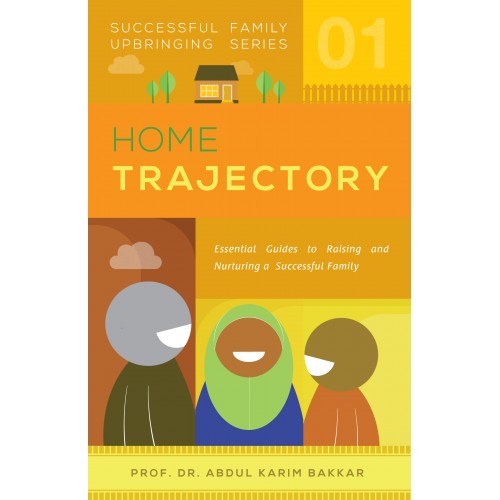
Home Trajectory (Successful Family Upbringing Series-01)
Endangering the smooth running of its affairs, in relation to its vision, moral values, conducts, inter-relationship, and interests. It is believed that clear apprehension of the drifts and trajectories along which a family should tread would provide the uttermost and worthwhile rectitude and success expected of a Muslim family, as it would also provide an appreciable and remarkable definition for the methodologies and techniques that are necessary for parents to adopt in their children’s upbringing.
It would be noticed that we, individual families and societies, are faced with the problem of how to relate with the overwhelming modern cultures that have been vigorously streamed on us from all nooks and crannies of the world. Moreover, in reality this problem is no more of relationship or management, the effect of those alien cultures has grown to being capable of causing a lot differences among people in our community, in relation to their manners, general practices and traditions, which are the main points of contest.
Also, Muslims generally are faced with the problem of illiteracy, poverty, and unemployment. Even among those who work, a large percentage of them engage in hard corporal jobs.
Consequently, all these have affected the level of attention the parents pay to their families, in terms of planning their family lives and projecting for the upbringing and future of their children. This makes it necessary for us to continue to discuss and write on the matter of child upbringing, as that is the only way out for us. And this is the aim of writing this book.
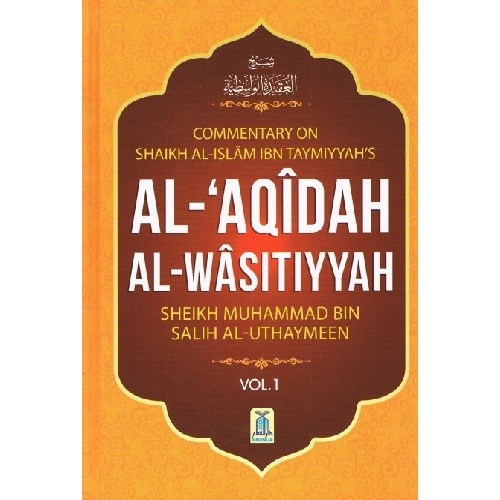
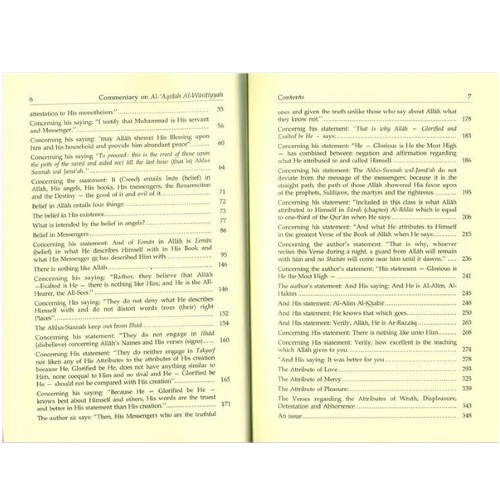
Al Aqidah Al Wasitiyah (2 Volumes)
Commentary on Shaikh Al Islam IBN Taymiyyah’s AL-AQIDAH AL WASITIYYAH SHEIKH MUHAMMAD BIN SALIH AL-UTHAYMEEN
A detailed commentary/explanation of the famous writing of Shaikh Al-Islam Ibn Taymiyyah, al-Aqeedatul-Wasitiyah, done by the noble Shaykh, Muhammad Ibn Saalih al-‘Uthaymeen (Rahimahumullaah).
Two volumes contain a detailed study/explanation on the topic of creed/aqeedah (belief in oneness of Allah).
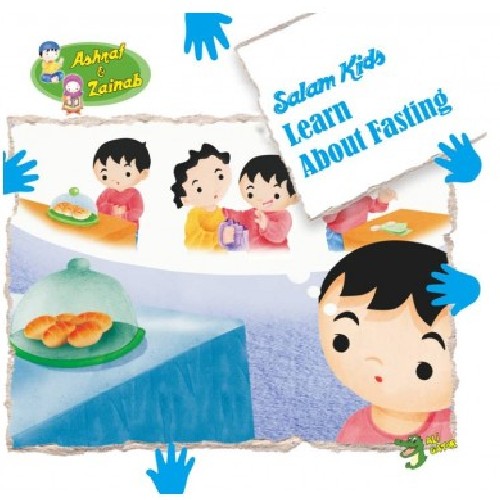
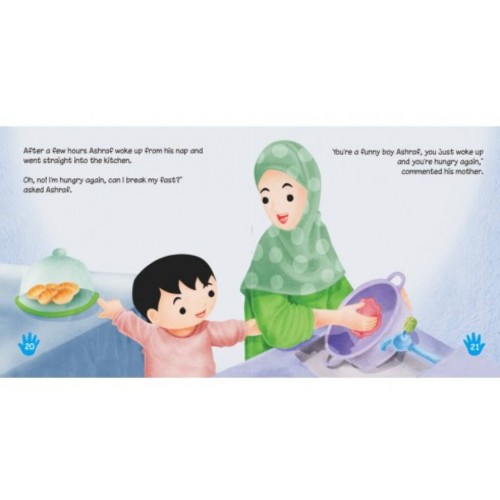
Salam Kids :Learn About Fasting
Ashraf is excited to be fasting for the first time. He hopes he can make it through the whole day, but he seems to be always hungry.
There’s a lot to learn about fasting and Ashraf is doing his best to please Allah.
The Salam Kids Series are books designed to encourage young children to try their best and start to implement Islamic practices into their lives.
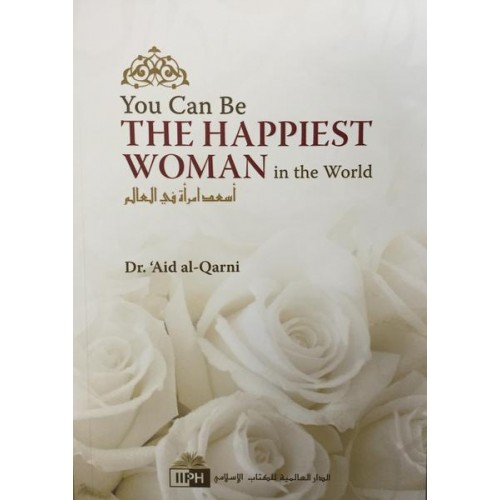
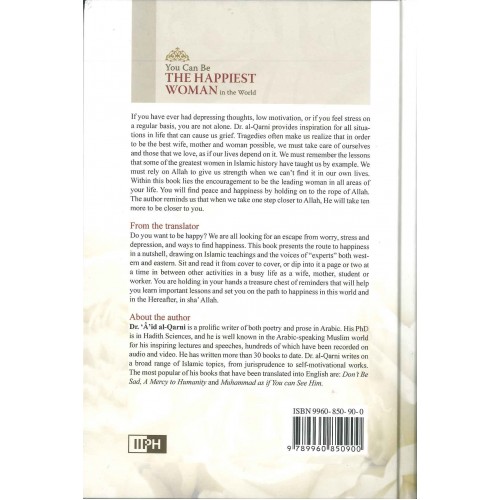
You Can Be The Happiest Woman In The World
You Can Be The Happiest Woman In The World (A Treasure Chest Of Reminders)
Do you want to be happy? We are all looking for an escape from worry, and depression, and for ways to find happiness. This book presents the route to happiness in a nutshell, drawing on Islamic teachings and the voices of “experts” both western and eastern. So sit back, relax and read it from cover to cover, or dip into it a page or two at a time in between other activities in a busy life as a wife, mother, student or worker.
You are holding in your hands a treasure chest of reminders that will help you learn important lessons and set you on the path to happiness in this world and in the Hereafter, Insha’ Allah.
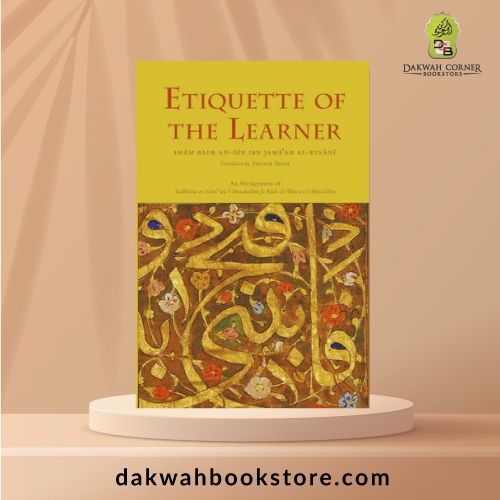
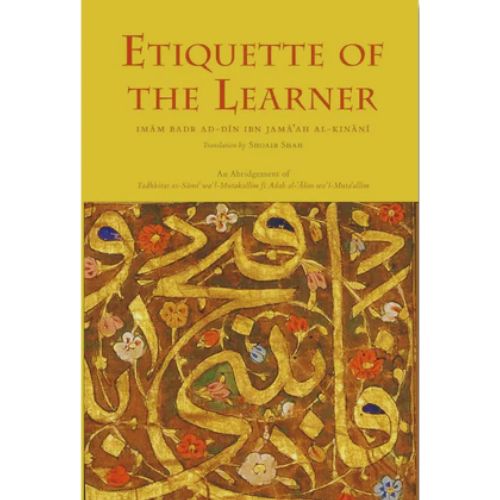
Etiquette Of The Learner (P/B)
This work entitled Etiquette of the Learner, is extracted from Qadi Ibn Jama’ah’s major contribution to the literature of adab: Tadhkirat as-Sami wa’l-Mutakallim fi Adab al-‘Alim wa’l-Muta’allim (A Memorandum to the Listener and the Speaker on the Etiquette of the Scholar and the Learner.
The Imam and The Atheist – Claritas
Social media has ushered in an era of hyper-individualism, where ethics change as frequently as Twitter’s top tags. Even though Islam is still the world’s fastest-growing religion, countless people refute their faith every day — citing Darwinism or the inexplicable suffering of the human spirit.
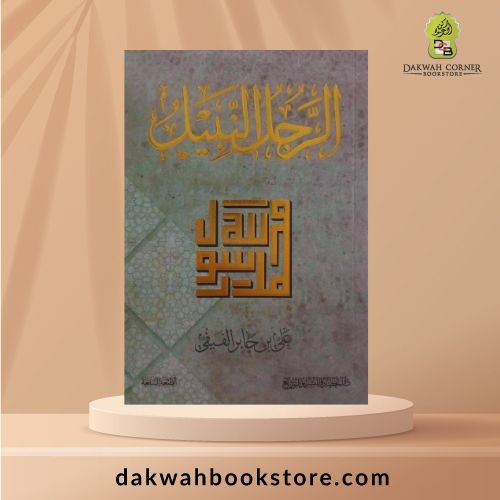
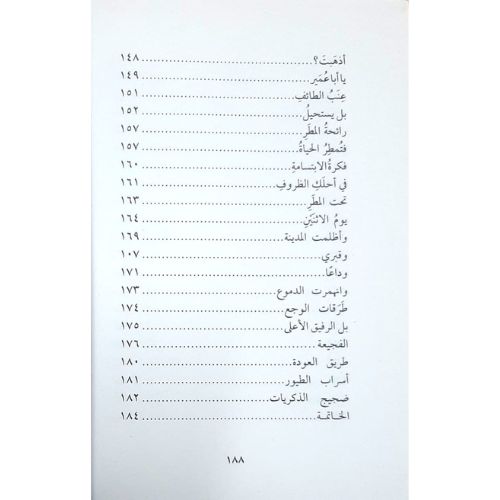
[MM] Ar-Rajulun Nabil / الرجل النبيل
قال المؤلف: سميت هذه الأوراق “الرجل النبيل” لأنه عليه الصلاة و السلام أنبل رجل عرفته البشرية، ولأن النبل ظاهر في تفاصيل حياته، في رضاه وغضبه، في حزنه وفرحه، قبل نبوته وبعدها، فهو بحق الرجل النبيل
The Relief From Distress : An Explanation to the dua of Prophet Yunus (P/B)
Shaykh al-Islam Ibn Taymiyyah, may Allah sanctify his soul, was asked about the saying of the Prophet (pbuh),
The invocation of my brother Yunus, “none has the right to be worshipped save You; glory be to You, far removed are You from any imperfection; I have been amongst the wrong-doers,” none who is experiencing difficulty employs it except that Allah would relieve him of his difficulty.
What is the meaning of this du’a (prayer, supplication)?
Are their any unstated conditions that have to be met when one articulates it?
What is the connection between belief in the heart and the meaning of this supplication such that it leads to the removal of difficulty?
Why did he explicitly confess, ‘I have been amongst the wrong-doers’ when it is known that tawhid in itself leads to the removal of difficulty?
Is it sufficient to acknowledge ones’ sin alone, or must this be accompanied by repentance and the firm resolve not to repeat that sin in the future?
Why is it that difficulty and harm is removed only when a person relinquishes any hope, reliance and dependency upon the creation?
How can the heart relinquish the characteristic of putting hope in the creation and depending on them, and instead put its hope in Allah, Exalted is He, and turn to Him in its entirety?
What are the methods that would aid the heart in doing this?
The author replies to these questions in the form of this book.
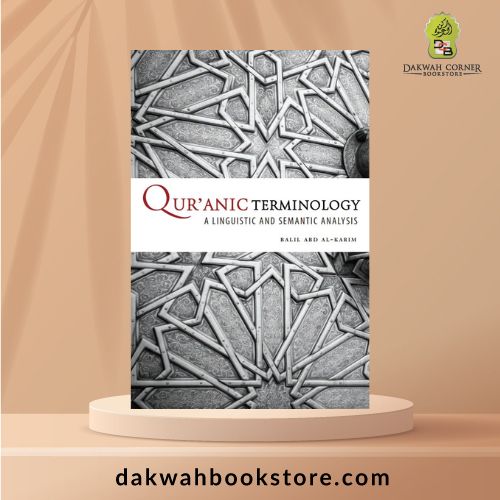
Qur’anic Terminology a Linguistic and Semantic Analysis (IIIT)
There is no way to understand the Qur’an properly, or to elucidate as accurately as possible the meaning of its verses, without studying Qur’anic terminology and concepts. Taken together these sum up the universal truth of the Faith (the great moral code), not only animating the text and giving it incredible life, precision, and flexibility, but also enriching the communication of the Qur’anic message through their beautiful and comprehensive nature.


There are no reviews yet.