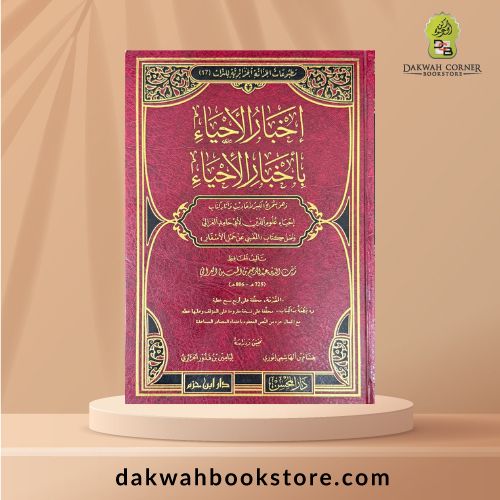
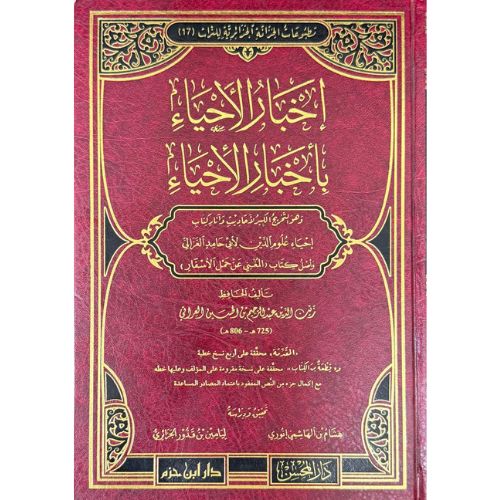

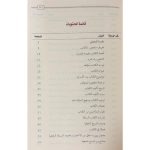
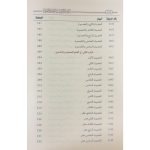

[AH] Ikhbār al-Aḥyā’ bi-Akhbār al-Iḥyā / ‘إخبار الأحياء بأخبار الإحياء –
RM90.00
Frequently Bought Together
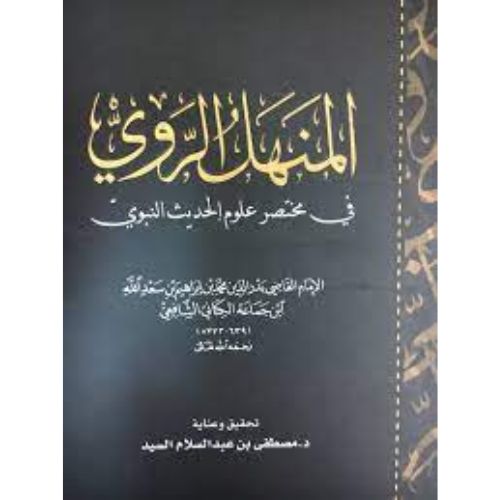
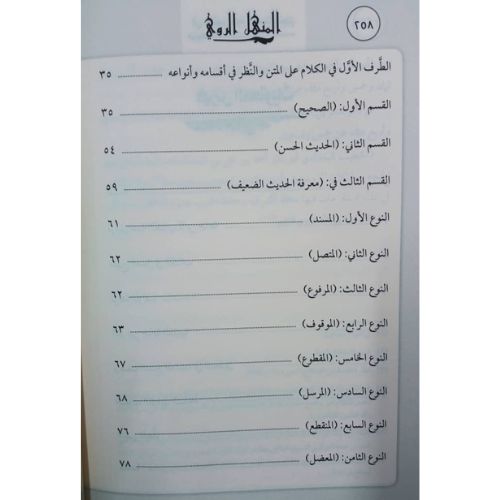
وهذه مراجع بيبليوغرافية تتضمن تطبيقات عملية في علم مصطلح الحديث، مع الشرح وبيان ما يحتاج إلى الاستدراك أو إعادة البناء في عمليتي التحقيق والتحرير، وقد ألّفه الإمام الكبير زين الدين عبد الرحيم بن الحسين العراقي، صاحب كتاب «المغني عن حمل الأسفار في الأسفار في تخريج ما في الإحياء من الأخبار»، وصاحب الألفية المشهورة في علم الحديث.
طبعة جميلة، محققة على عدة مخطوطات، بتحقيقٍ دقيقٍ وتعليقاتٍ مفيدة على الأحاديث. يُقدَّم هذا الكتاب إليكم محققًا موثَّقًا.
| Weight | 1.100 kg |
|---|---|
| Dimensions | 25 × 18 × 5 cm |
| Binding | Hardcover |
| Pages | 551 |
| Publisher | Dar Ibn Hazm |
There are no reviews yet.
Be the first to review “[AH] Ikhbār al-Aḥyā’ bi-Akhbār al-Iḥyā / ‘إخبار الأحياء بأخبار الإحياء –” Cancel reply
You must be logged in to post a review.
You may also like…
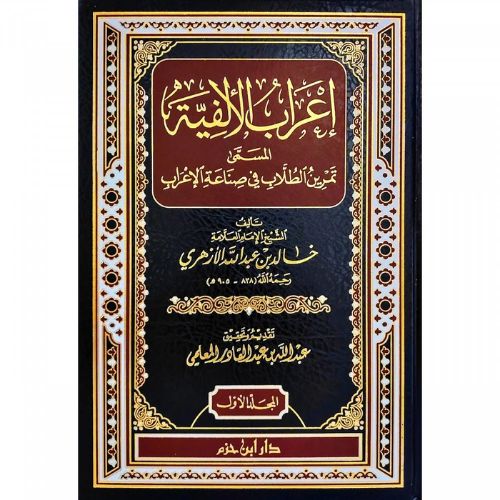
[ALA] I’rab Al Alfiyah Al Musamma Tamrin Al Tullaab 2 Vol / إعراب الألفية المسمى تمرين الطلاب في صناعة الإعراب
إعراب الألفية المسمى تمرين الطلاب في صناعة الإعراب: كتاب هام في النحو تناول فيه المؤلف (905 هـ) ألفية ابن مالك حيث أعربها وأوضح مفرداتها مما يسهل على الباحثين فهمها، كذلك الكتاب هو نموذج للطلاب في الإعراب لأنه يعطيهم نموذجا شاملا متكاملا يمكنهم الاحتذاء عليه
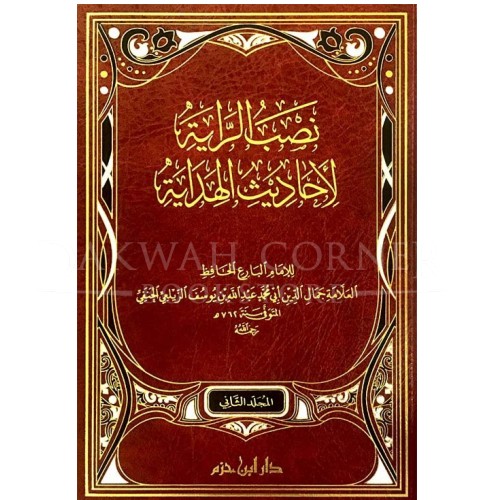
[AH] Nasab Alrayah Liahadith Alhidayah (2 Vol) ( نصب الراية لأحاديث الهداية)
نصب الراية لأحاديث الهداية للشيخ الإمام المحدث جمال الدين الزيلعي.
خرج فيه الإمام الزيلعي الأحاديث التي وردت في كتاب الهداية،
وكتاب الهداية كتاب في الفقه الحنفي ألفه العلامة برهان الدين علي بن أبي بكر المرغيناني الحنفي المتوفى سنة 593 هـ،
ولم يقتصر الزيلعي على تخريج أحاديث الهداية، بل زانه بإيضاح أدلة المخالفين.
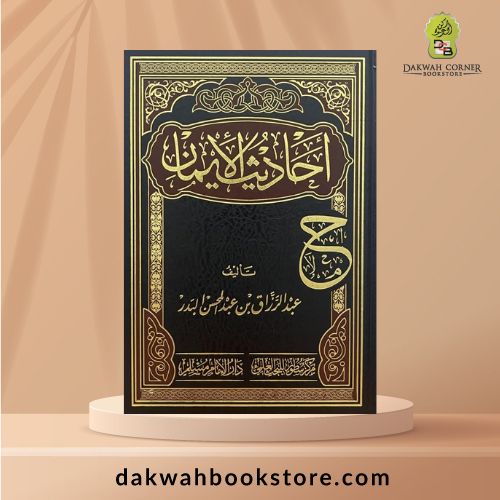
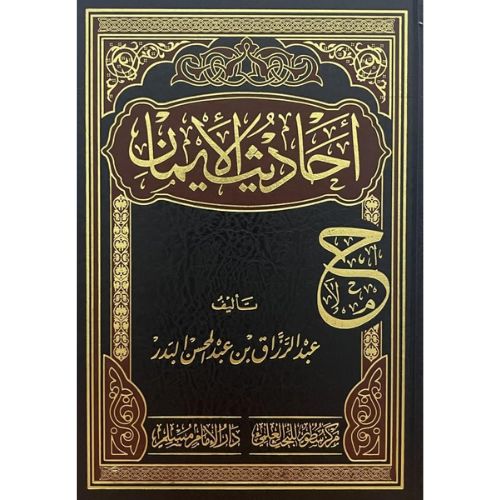
[AH] Aḥādīth al-Īmān / أحاديث الإيمان
أحاديث الإيمان هي الأحاديث النبوية التي تتناول موضوع الإيمان وأركانه وأحكامه، وتشمل الأحاديث التي تتحدث عن أركان الإيمان الستة، وعن شعب الإيمان، وعن علاقة الإيمان بالعمل، وعن زيادته ونقصه.
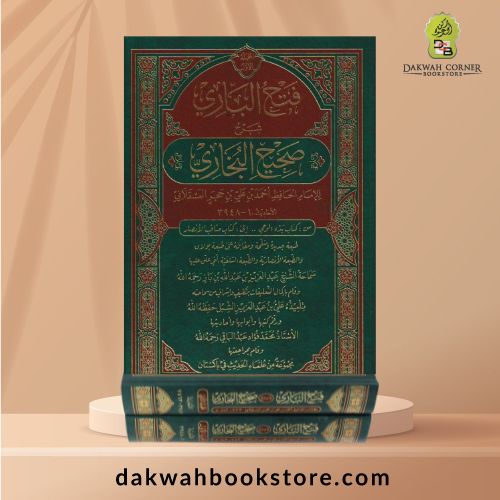
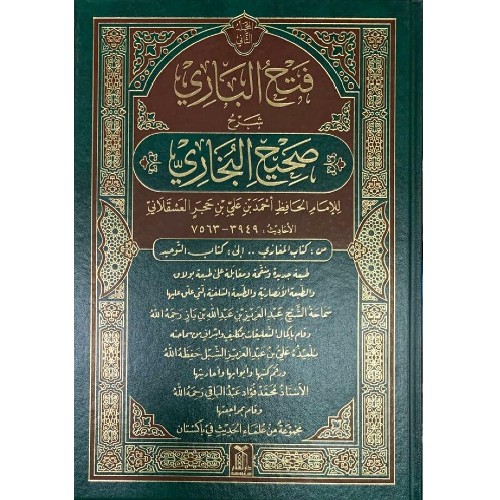
[AH] Fathul-Bari Sharah Sahi Al- Bukhari (2 vols) – فتح الباری شرح صحیح البخاری
Fathul-Bari Sharah Sahi Al- Bukhari vol 1&2
Related Products
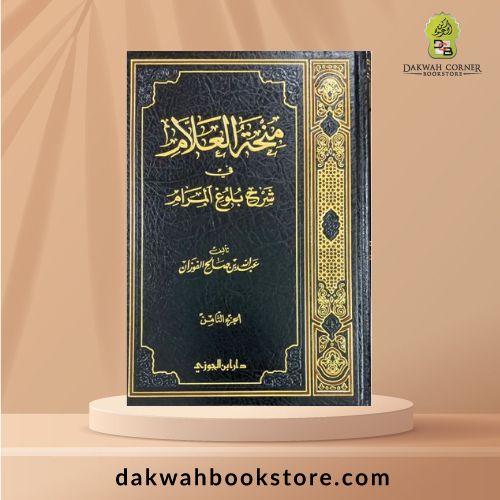
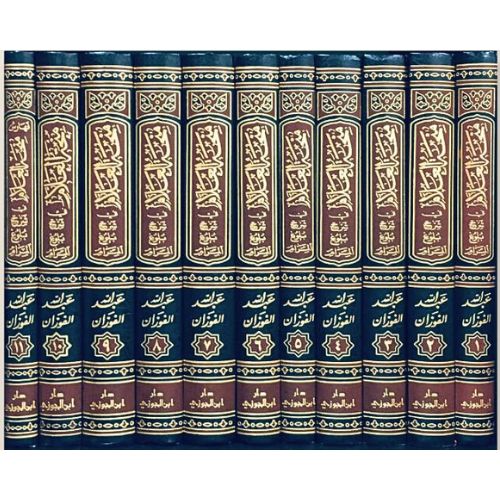
[HH] Minhat Al Alam Fi Sharh Bulugh Al Maram 11 Vol (مـنـحـة الـعـلاّم في شـرح بـلـوغ الـمـرام)
شرح الشيخ عبد الله الفوزان على بلوغ المرام للحافظ ابن حجر و سماه: منحة العلام شرح بلوغ المرام, و هو من أفضل و أكمل الشروح على بلوغ المرام
طبعة سعودية رائعة مشكولة المتن في 11 مجلدا و المجلد الأخير خاص بالفهارس
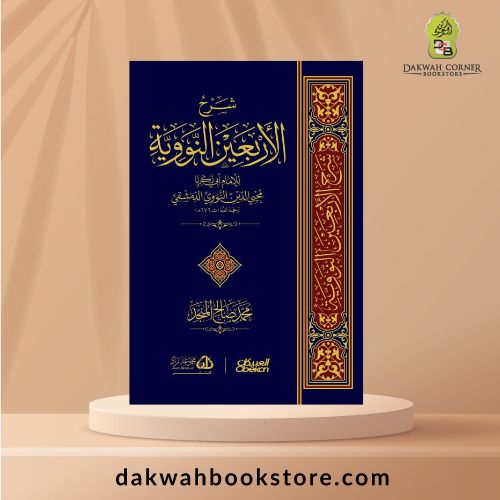
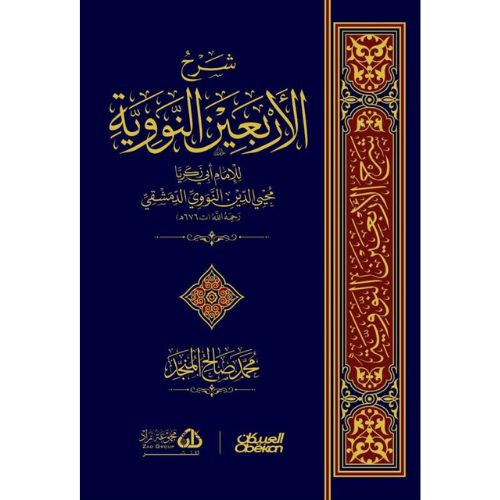
[HH] Sharh Al Arbain An Nawawiah / شرح الاربعين النووية
شرح الأربعين النووية للإمام النووي – رحمه الله -، وهو متن مشهور، اشتمل على اثنين
وأربعين حديثًا في فنون العلم المختلفة، فكل حديث منها قاعدة عظيمة من قواعد الدين
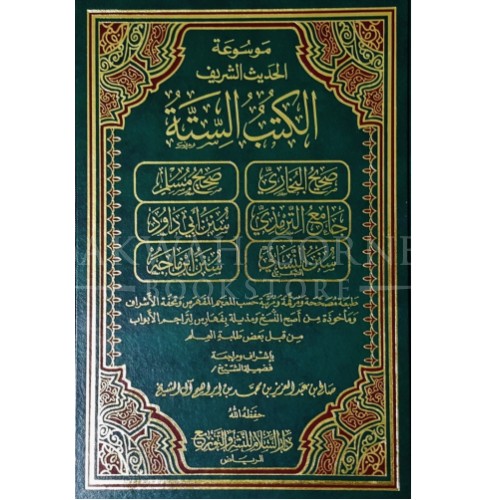
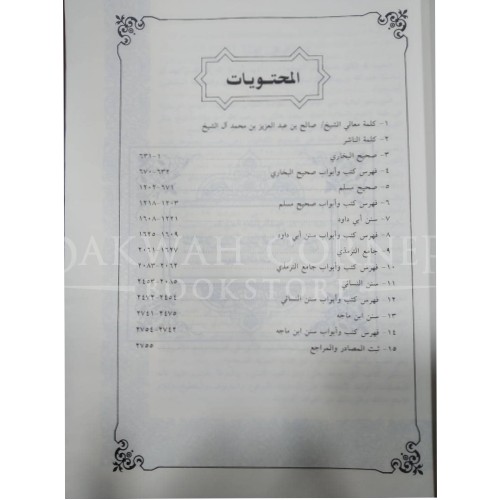
[HH] Al-Kutub Al-Sittah (موسوعة الحديث (الكتب الستة
Al-Kutub Al-Sittah: 6 Sahih Hadith Books ARABIC IN 1 VOLUME
This is a unique collection book that includes the whole six books of Sahih Hadith of:
1- Sahih Al-Bukhari
2- Sahih Muslim
3- Sunan Abu Dauod
4- Jame’ At-Termidhi
5- Sunan An-Nasa’ie As-Sughra
6- Sunan Ibn Majah
The Text includes the Tashkeel or Harakat
This edition is corrected, numbered and ordered according to the (Mu’jam Mufahras & Tuhfat Al-Ashraf). This edition is taken from the most authintic sources, and includes tables of chapters’ discriptions, hadith & traces’ ends which were collected by some students of knowledge.
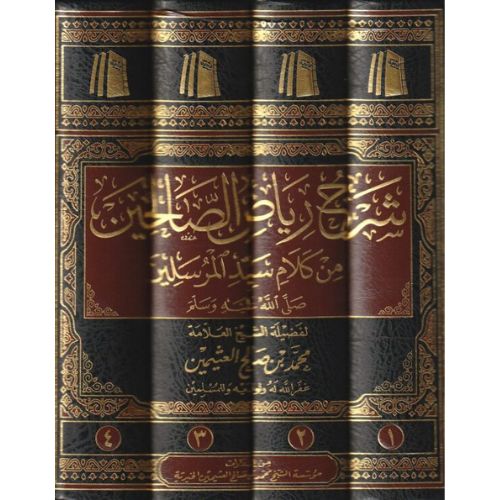
[HH] Sharh Riyad As Salihin Al Jadid 4 Vol. ( شرح رياض الصالحين الجديد)
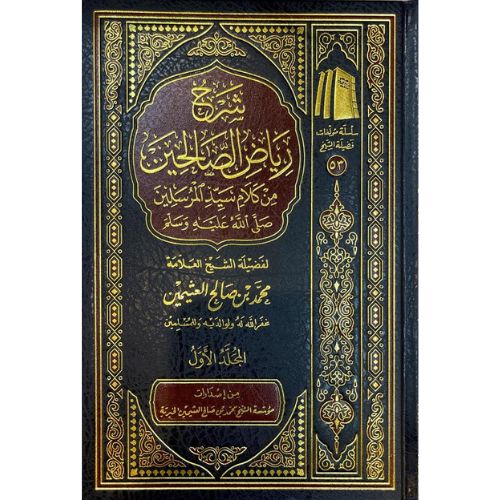
شرح رياض الصالحين من كلام سيد المرسلين | الامام يحيى بن شرف النووي الدمشقي | محمد بن صالح العثيمين
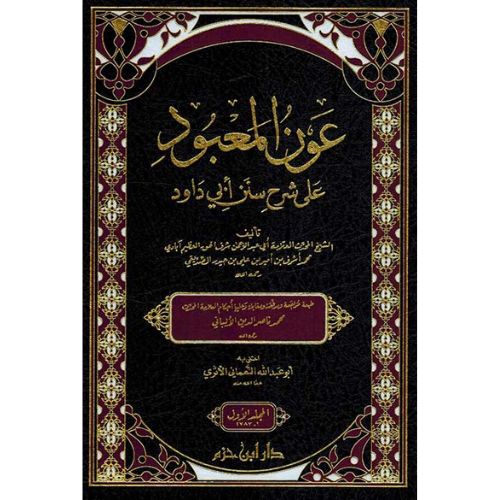
[HH] Awn al-Ma’bud ala Sharh Sunan Abi Dawud (2 Vols) – عون المعبود على شرح سنن أبي داود
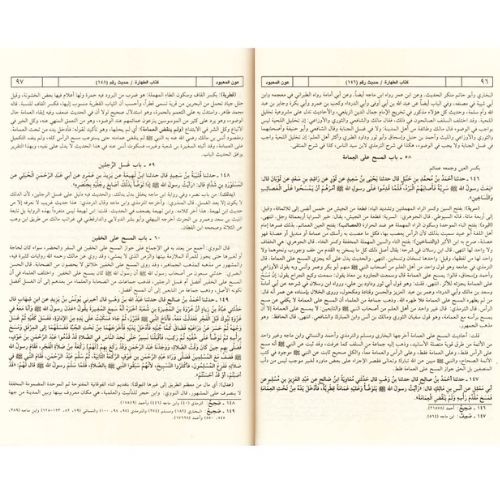
تعتبر سنن أبي داود من الكتب الستة المشهورة في الحديث وهو من أكثرها فائدة من الناحية الفقهية، وقد شرحه العلامة العظيم آبادي مركزا على الناحية الفقهية دون إغفال الناحية الحديثية فيه، مبينا فيه أقوال الأئمة، مطبعة مراجعة ومدققة ومقابلة وعليها أحكام العلامة المحدّث محمد ناصر الدين الألباني
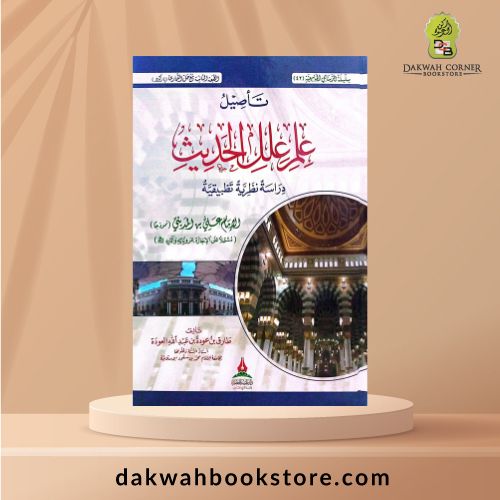
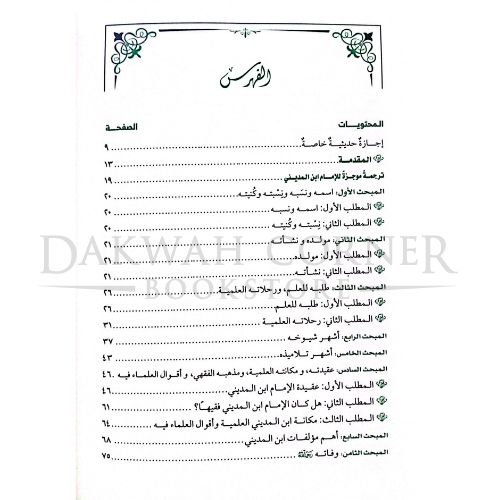
[HH] Ta’sil Ilm Ulul Al Hadith Lil Imam Al Madini / تأصيل علم علل الحديث للإمام المديني
تأصيل علم علل الحديث الإمام علي بن المديني نموذجًا لطارق العودة
صدر حديثًا كتاب “تأصيل علم علل الحديث، دراسة نظرية تطبيقية”، الإمام علي بن المديني (نموذجًا) مشتملًا على الإجازة بمروياته وآثاره، تأليف: د. “طارق بن عودة بن عبد الله العودة”، نشر “دار طيبة الخضراء للنشر والتوزيع”
Recently Viewed
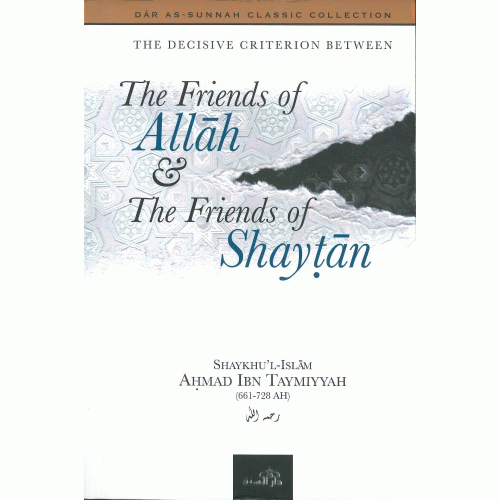
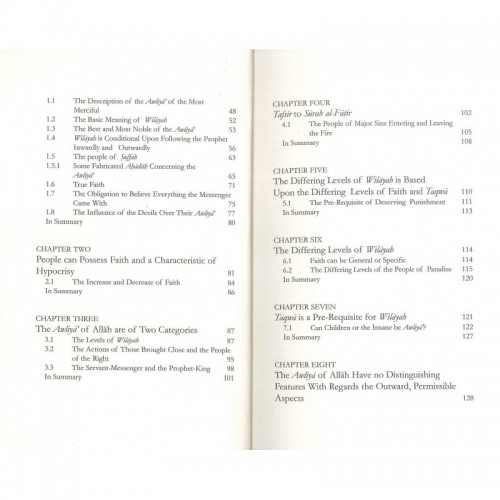
The Decisive Criterion Between The Friends of Allah & The Friends of Shaytan (P/B)
The Decisive Criterion between the Awliyaa of The Most Merciful and the Awliyaa of Shaytaan Indeed the enmity between man and Shaytaan is old, commencing from the time that Adam (alayhi as-salaam) was created � from the time he was ordered to prostrate to him. Shaytaan refused, become arrogant and hence disobeyed his Lord. His arrogance and pride let him to commit a whole host of sins, it made him expend every effort in misleading the children of Adam and made him beautify and embellish sins such that they accepted them and eagerly committed them. Books sent the Messenger and enjoined His servants to various injunctions and admonitions in order to secure them from the evil of Shaytaan.
In the light of His advice, profound injunctions and admonitions in order to secure them from the evil of Shaytaan. In the light of His advice, profound injunctions and sever warnings, mankind becomes separated into two groups: a group who were guided and a group who deserved to be misguided. The groups who were guided are the inhabitants of Paradise and the groups who were misguided are the denizens of the Fire. The inhabitants of Paradise are the Awliyaa of the Most Merciful and the denizens of the Fire are the Awliyaa of Shaytaan
Principles of Islamic Jurisprudence (2nd Revised Edition)
This book offers a detailed presentation of the theory of Muslim law (usul al-figh). Often regarded as the most sophisticated of the traditional Islamic disciplines, Muslim jurisprudence is concerned with the way in which the rituals and laws of religion are derived from the Qur’an and the Sunna – the precedent of the Prophet. Revelation, which is given to man to restore unity and help him achieve a just and devout order in society as well as in the soul, must be interpreted so as to render it practicable in every culture, while not betraying its spirit and immutable provisions. To achieve this, additional sources of legal authority are recognized, including consensus (ijma), analogical deduction (qiyas), public interest (maslaha) and local customary precedent (urf). In employing these, the jurist guards the five principles which it is the purpose of Islamic law to uphold, namely, the right to life, sound mind, property, lineage and religion.
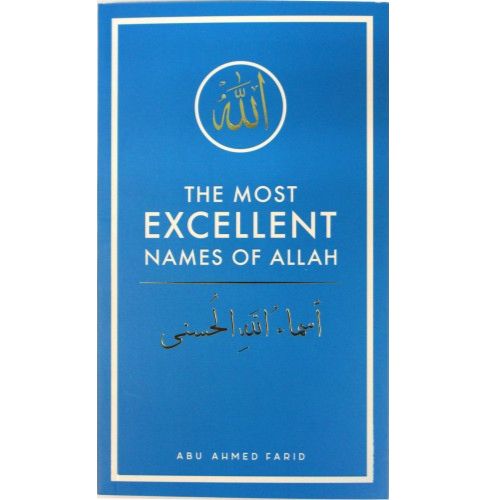
The Most Excellent Names of Allah (P/B)
Allah Almighty Said :
“And to Allah belong the most excellent names, so invoke Him by them. And leave (the company of) those who practice deviation concerning His names. They will be recompensed for what they have been doing,”
{Surat Al Aaraf 7:180}.
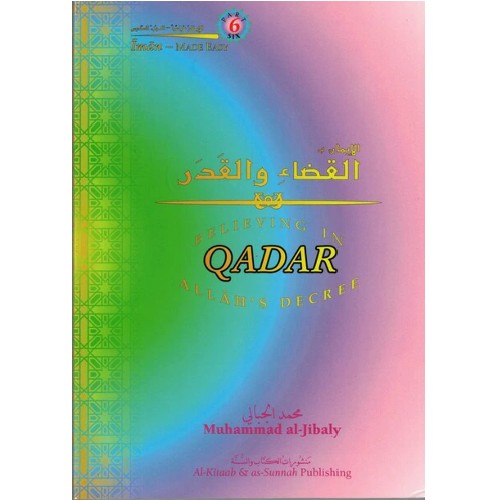
Believing In Allah’s Decree, Qadar (Eeman Made Easy Series)
This series of books presents stories of outstanding moral and educational value. The narrations are taken from texts of the Quran and authentic sunnah, enhanced by extensive remarks and commentaries, and supplemented with important conclusions and lessons.
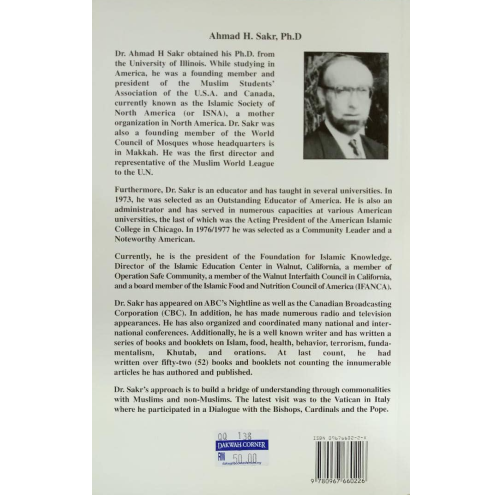
Understanding the Qur’an By Ahmad H. Sakr
This Book was published in the year of 2000. It is composed of over (270) pages. The Book is composed of (30) chapters with (2) Addendum, a worksheet and Quizzes. This Book is very important to all those who read the Qur’an. It is not easy to understand the Qur’an by reading without understanding.
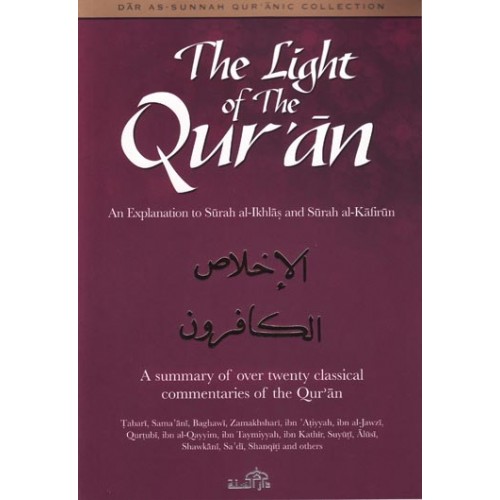
The Light of The Qur’an
The Prophet peace and blessings of Allah be upon him, passed by a person reciting Surah Al – Kafirun and remarked, “He has been saved from shirk”. He passed by another reciting Surah Al – Ikhlas and remarked. Paradise has become obligatory for him. Reported by Muslim.
These two chapters have both been given the title Al-Ikhlas, or purity of faith, because they deal with the topic of Tawhid in all its various aspects. Al – Ikhlas concentrates on the pure, essential faith in Allah that all mankind is required to have. Al – Kafirun deals with purity of deed and disavowal of disbelief and paganism. Both chapters lay out the parameters of mans relationship with his/her lord and creator, as well as his/her relationship those around him/her.
Pure, unblemished monotheism combined with sincerity in belief and deed defines the relationship with Allah. Hi is one and only true God, unique, without peer, equal or opposite, and nothing is like on to him. He is the one who stands in need of nothing whereas everything is in dire need of him.
Maintaining the essential Muslim identity and character defines the relationship between the Muslim and his fellow man. The Muslim is unambiguous about his religion, truthful and upright in speech, deed and his dealings with those around him. Hi is proud of his faith and has unshakable conviction in it. He loves his lord, his Messenger and the Muslims and is loyal to them. Because of this, the dearest thing to him is his religion and he will not compromise it, pleasing Allah comes before pleasing the people.
The prophet would frequently recite these two chapters in prayer because of the commonality of their theme and to stress that success is achieved, in this life and the next, by internalising their message and living by it.
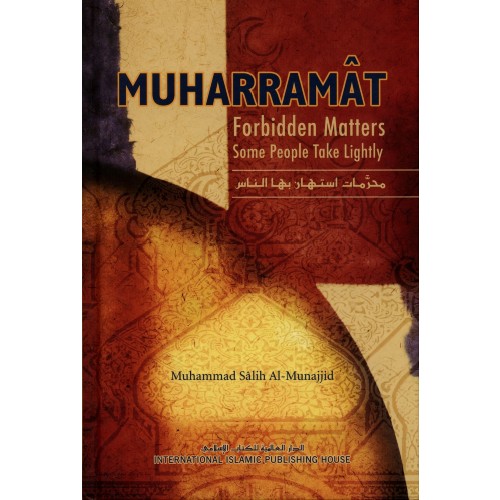
Muharramat: Forbidden Matters Some People Take Lightly
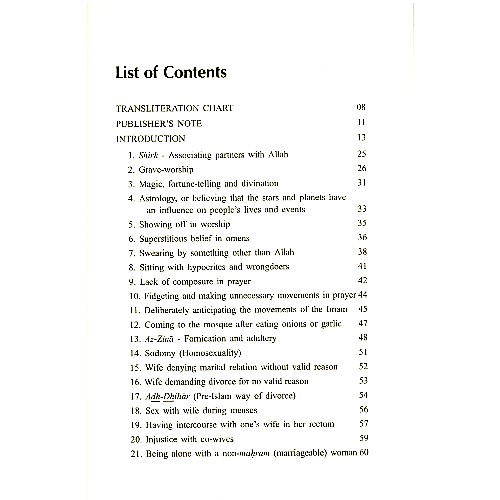
Some Muslims who are either ignorant or of weak faith still commit many acts which Allah never allowed. Ignorance is not an excuse for doing something wrong or illegal, hence it is important to make an effort to learn what these muharramât or forbidden acts are, in order to avoid ever committing them. The author, Shaykh Muhammad Sâlih al-Munajjid, explains many of the forbidden acts that have to do with calling on human beings and things other than Allah, worshipping the dead and circumambulating their graves, invoking prophets and the dead, magic, fortune-telling, believing in the power of astrologists and planets and other acts that go against the Islamic creed of monotheism (tawheed). As such, this book of prohibitions regarding beliefs and acts of worship is a helpful resource for Muslims, if they are really practicing Islam and want to avoid committing great sins.
Ramadan Mubarak (Board Book)
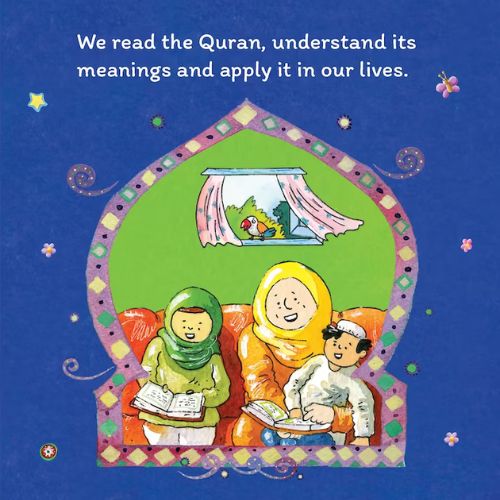
The doors of the Paradise are open in Ramadan We fast, pray and read the Quran during Ramadan The fasting person learns patience and self-discipline We develop a sense of compassion and sympathy We try to do good deeds and maintain good habits In the end, we celebrate Eid ul Fitr with a big feast.


نحمد اللّه حمد من تظاهرت عليه من ربه الآلاء، ونشكره شكر من تكاثرت عليه من مولاه النعماء، ونصلي على أشرف مَن دعا الناس بكلمه الجوامع إلى حسن الفعال التي يستحق بها الجزاء، وصدق المقال الذي يُكتسب به الثناء، وأكمل من فاق عباد اللّٰه المكرمين وصار للعالمين رحمة وشفاء، سيدنا محمد الرؤوف الرحيم، ذي الخُلق العظيم، الذي بعث لإتمام مكارم الأخلاق، قائد الغُر المحجَّلين من الأصفياء، وعلى جميع إخوانه من الأنبياء الذين كانوا في أزمنتهم شموساً للاقتداء، وعلى آله سفن النجاة لأهل النجاء، وصحبه نجوم الاهتداء، ومَن تبعهم بإحسان ما أظلت الخضراء وأقلت الغبراء