





| Weight | 0.52 kg |
|---|---|
| Dimensions | 24 × 17.4 × 1.5 cm |
| Author | |
| Binding | Hardcover |
| Pages | 248 |
| Publisher | Dar al Imam Muslim, Sutoor |
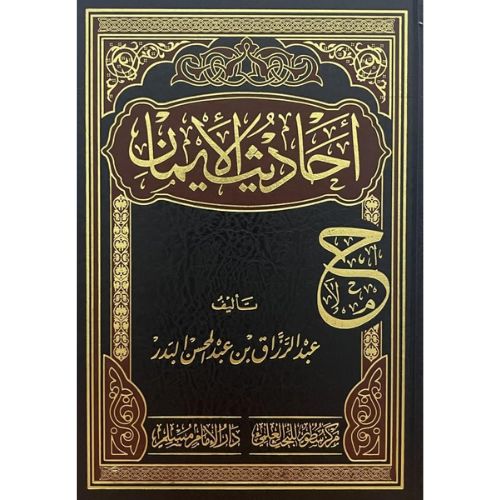
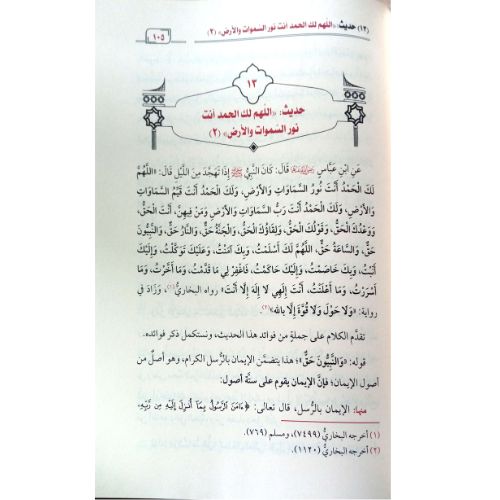
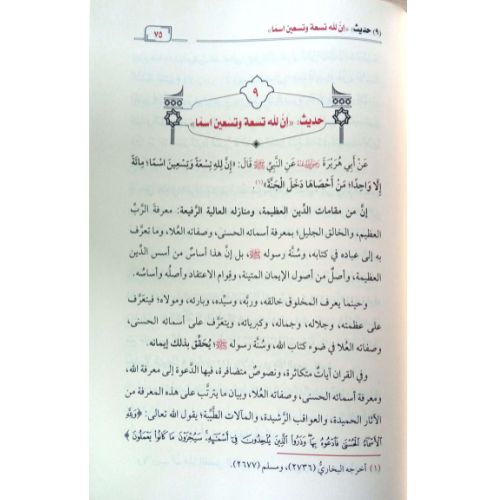
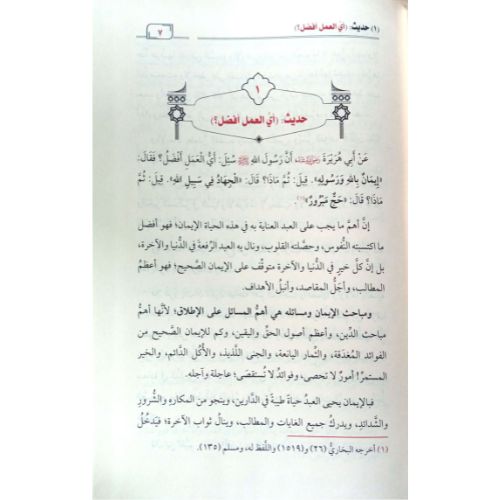
[AH] Aḥādīth al-Īmān / أحاديث الإيمان
RM60.00
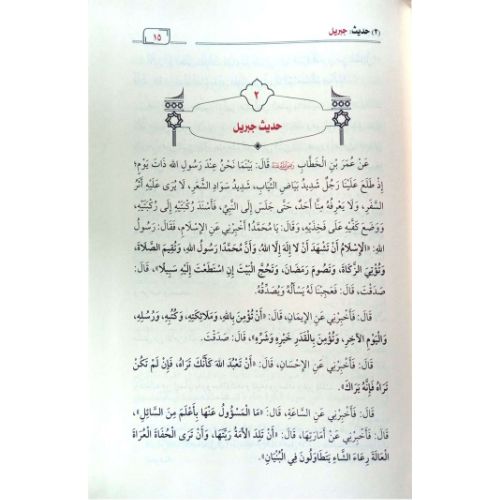
أحاديث الإيمان هي الأحاديث النبوية التي تتناول موضوع الإيمان وأركانه وأحكامه، وتشمل الأحاديث التي تتحدث عن أركان الإيمان الستة، وعن شعب الإيمان، وعن علاقة الإيمان بالعمل، وعن زيادته ونقصه.
Frequently Bought Together
Be the first to review “[AH] Aḥādīth al-Īmān / أحاديث الإيمان” Cancel reply
You must be logged in to post a review.
Related Products
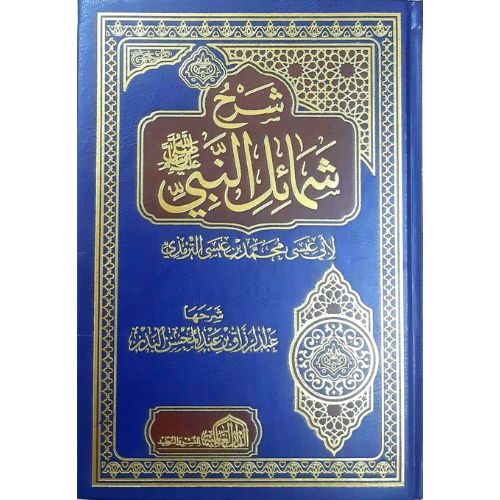
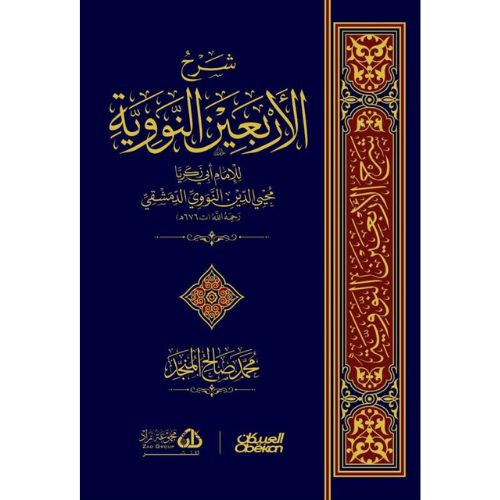
[HH] Sharh Al Arbain An Nawawiah / شرح الاربعين النووية
شرح الأربعين النووية للإمام النووي – رحمه الله -، وهو متن مشهور، اشتمل على اثنين
وأربعين حديثًا في فنون العلم المختلفة، فكل حديث منها قاعدة عظيمة من قواعد الدين
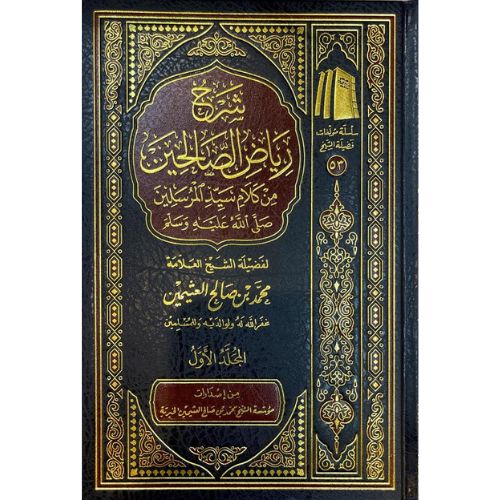
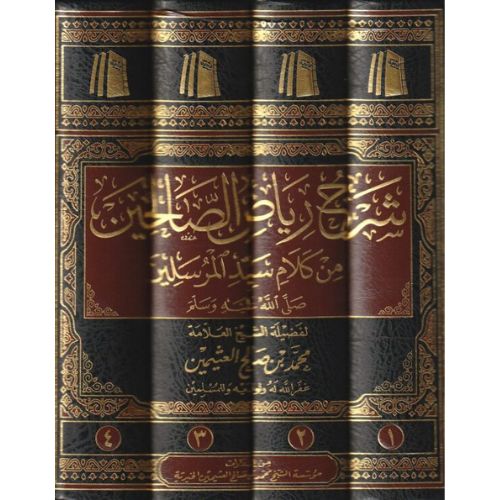
[HH] Sharh Riyad As Salihin Al Jadid 4 Vol. ( شرح رياض الصالحين الجديد)
شرح رياض الصالحين من كلام سيد المرسلين | الامام يحيى بن شرف النووي الدمشقي | محمد بن صالح العثيمين
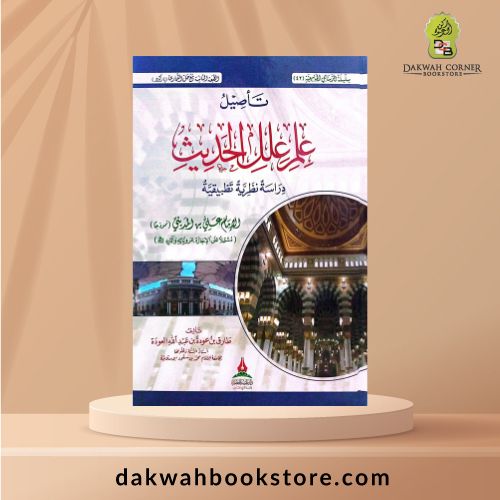
[HH] Ta’sil Ilm Ulul Al Hadith Lil Imam Al Madini / تأصيل علم علل الحديث للإمام المديني
تأصيل علم علل الحديث الإمام علي بن المديني نموذجًا لطارق العودة
صدر حديثًا كتاب “تأصيل علم علل الحديث، دراسة نظرية تطبيقية”، الإمام علي بن المديني (نموذجًا) مشتملًا على الإجازة بمروياته وآثاره، تأليف: د. “طارق بن عودة بن عبد الله العودة”، نشر “دار طيبة الخضراء للنشر والتوزيع”
Recently Viewed
The Qur’an and Its Study
A contemporary exploration of Qur’anic studies, analysing the various approaches to the Qur’an taken by leading scholars through the centuries.
The Right to Education, Work and Welfare in Islam (P/B)
In The Right to Education, Work and Welfare in Islam Professor M.H. Kamali develops an Islamic perspective on three connected and complementary areas of rights and liberties. He urges that education is often a necessary ingredient of professional work even more so now than in earlier times when the range and variety of specialised knowledge were relatively limited. A person who acquires education, whether generally or at advanced levels of specialisation, is more likely to stand in a better position to enter the workforce and thus to contribute to the welfare of the community.
The author commences his discussions on education, work and welfare in Islam by focusing on how each is treated in the Qur’an; and follows this by the example of the Prophet and, after him, the Pious Caliphs who gave prominence to the education and welfare needs of people at times both of scarcity and affluence. Professor Kamali then moves forward to our time and discusses the right to education, the education of children, institutionalisation of learning, academic freedom and the debate between science and religion.
The section on work elaborates on the value of work, work ethics, workers’ and employers’ rights and responsibilities, and the role and responsibility of governments.
Finally, the section on welfare focuses on the importance in Islam of caring for those who are in need and the different forms of provision that can be made available by individuals, the state and charities.


There are no reviews yet.