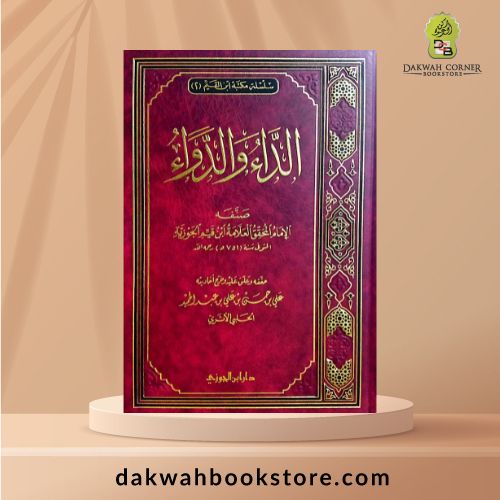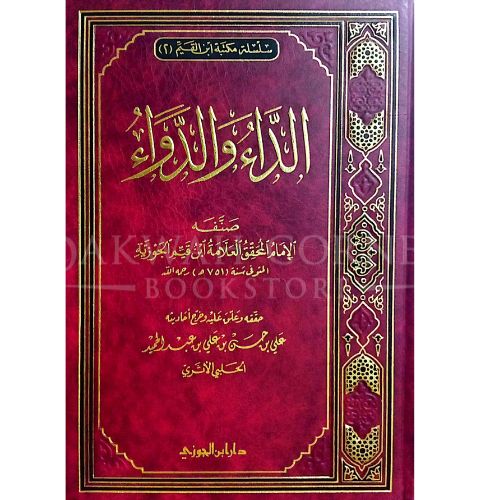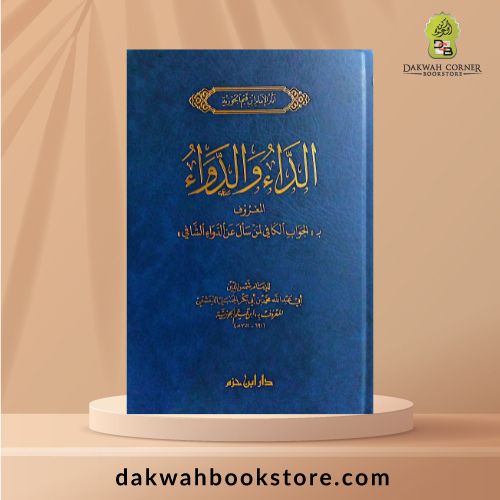
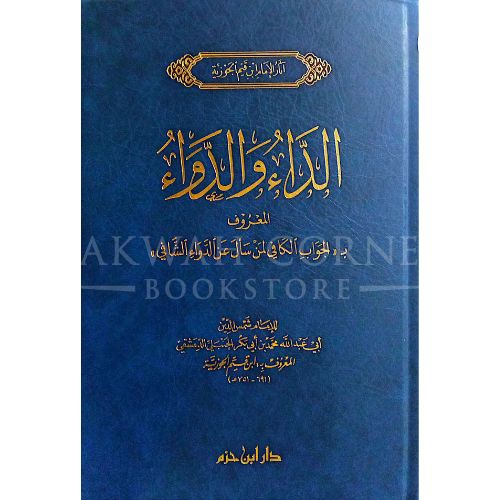
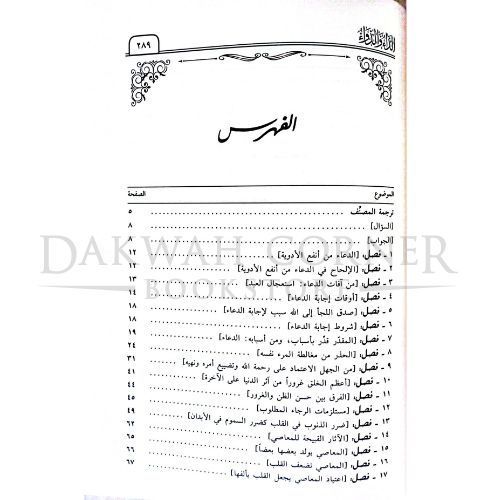


يعالج ابن القيم من خلال هذا الكتاب قضايا النفس البشرية وأدوارها، ورسم سبل إصلاحها وتزكيتها، فبين معنى المعصية وأسبابها وآثارها على النفس والمجتمع، ومآلاتها في الدنيا والآخرة، ثم عرض لبيان الدواء الناجح لهذا الداء، مستلهماً توجيهات القرآن الكريم والسنة النبوية في إصلاح النفوس والمجتمع. وقد اتسمت معالجته لهذا الموضوع بالدقة والموضوعية البالغة، فكان العالم الاجتماعي والمربي ا يعالج ابن القيم من خلال هذا الكتاب قضايا النفس البشرية وأدوارها، ورسم سبل إصلاحها وتزكيتها، فبين معنى المعصية وأسبابها وآثارها على النفس والمجتمع، ومآلاتها في الدنيا والآخرة، ثم عرض لبيان الدواء الناجح لهذا الداء، مستلهماً توجيهات القرآن الكريم والسنة النبوية في إصلاح النفوس والمجتمع. وقد اتسمت معالجته لهذا الموضوع بالدقة والموضوعية البالغة، فكان العالم الاجتماعي والمربي الحريص الذي يعرف مكنونات النفس البشرية وطبائعها وميولاتها، ويحدد أسباب الداء الذي أصابها، ثم يشرع في وصف الدواء الملائم من خلال أحكام الشريعة وفضائها.
[MM] Adda Waddawa (Dar Ibn Hazm) / الداء والدواء
RM55.00
الداء والدواء
المعروف
بـ « الجَوابِ الكَا فِي لِمَنْ سَأَلَ عَن الدَّوَاءِ الشَّافِي
للإمام شمس الدين أبي عبد الله محمد بن أبي بكر الجنب لي الدمشقي المعروف به ابن قيم الجوزية
( ٦٩١ – ٥٧٥١ )
Frequently Bought Together
| Weight | 0.570 kg |
|---|---|
| Dimensions | 24.5 × 17.5 × 1.8 cm |
| Author | |
| Binding | Hardcover |
| ISBN | 9789959857804 |
| Pages | 293 |
| Publisher | Dar Ibn Hazm |
Be the first to review “[MM] Adda Waddawa (Dar Ibn Hazm) / الداء والدواء” Cancel reply
You must be logged in to post a review.
Related Products
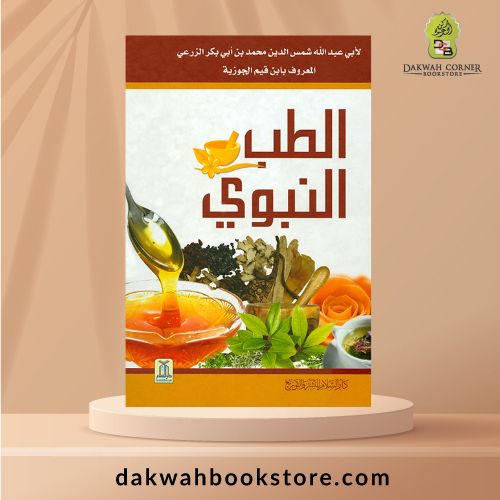
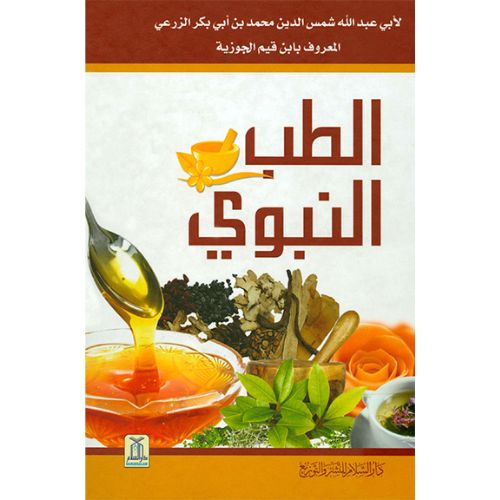
[MM] Al-Tib An-Nabwi *New Color Edition (الطب النبوي)
قال ابن قيم الجوزية رحمه الله: “وليس طِبُّهُ صلى الله عليه وسلم كطبِّ الأطباء، فإن طبَّ النبيِّ صلى الله عليه وسلم مُتيقَّنٌ قطعيٌّ إلهيٌّ، صادرٌ عن الوحي، ومشكاة النبوَّة، وكمالِ العقل. وطبُّ غيره أكثرُه حَدْسٌ وظنونٌ، وتجاربٌ. ولا يُنْكَرُ عدمُ انتفاع كثيرٍ من المرضى بطبِّ النبوة؛ فإنَّه إنما ينتفعُ به مَن تلقاهُ بالقبول واعتقادِ الشِّفاء به، وكمال التلقِّي له بالإيمان والإذعان”.
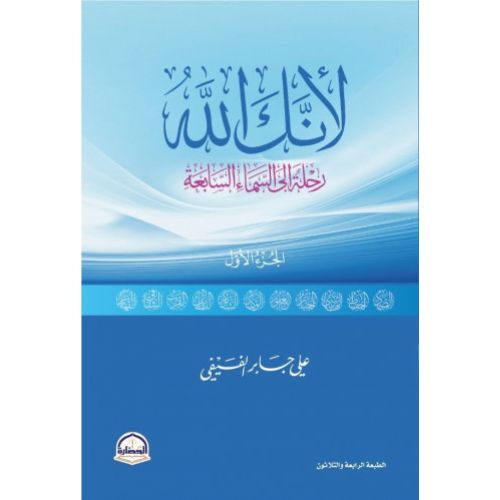
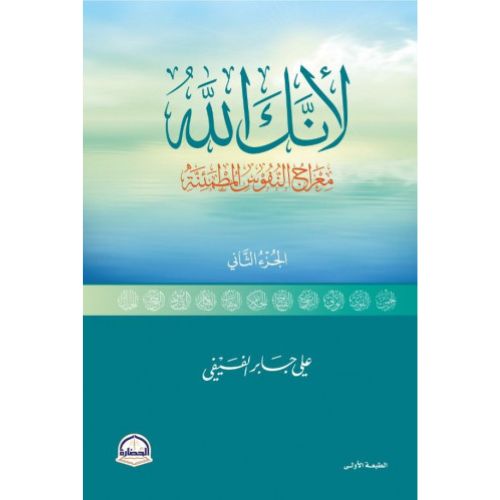
[AC] Li Annaka Allah Jilid1 (لأنك الله ج 1)
كتاب يتحدث عن بعض أسماء الله الحسنى وكيف نعيشها في حياتنا
حرص المؤلف أن يكون الكتاب مناسباً لمن هم متوسطي الثقافة، ويكون ناسباً للمحتاج و المريض و السليم
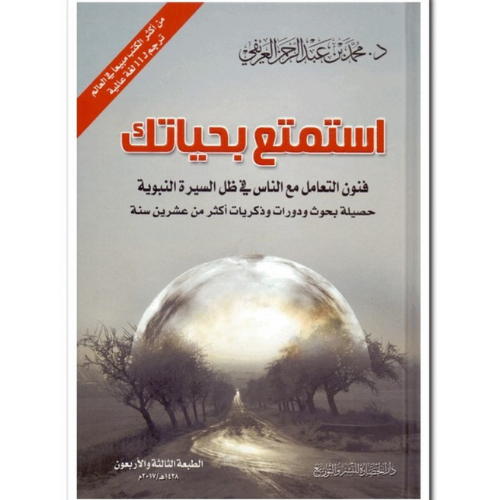
[MM] Istamti’ Bi HayatIk (استمتع بحياتك)
استمتع بحياتك،محمد ابن عبد الرحمن العريفي
استمتع بحياتك : فنون التعامل مع الناس في ظل السيرة النبوية – حصيلة بحوث و دورات و ذكريات أكثر من عشرين سنة
[AC] Li Annaka Allah Jilid 2 ( لأنك الله ج 2)
كتاب يتحدث عن بعض أسماء الله الحسنى وكيف نعيشها في حياتنا
حرص المؤلف أن يكون الكتاب مناسباً لمن هم متوسطي الثقافة، ويكون ناسباً للمحتاج و المريض و السليم
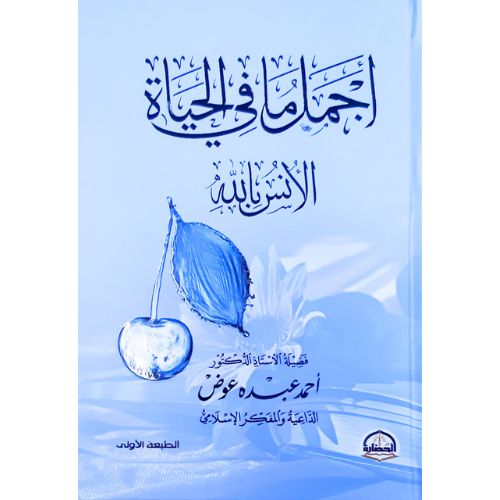
[MM] Ajmal Ma Fi Al Hayat Al Asas Bi Allah (اجمل ما في الحياة الانس بالله)
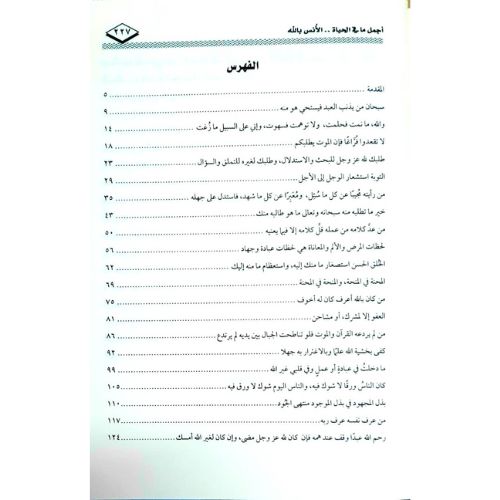
(أجمل ما في الحياة الأنس بالله) الذي ينبت النور في القلوب، ليثمر أنوارا وأقمارا ربانية تهدي صاحبها إلى باب المليك، وإلى جنة القرب من الرب الرحيم، وتظله بظلال الفكرة والعبرة، فتكون سياجا بينه وبين الشيطان ، ودربا مستقيتها ممتدا بالطاعة إلى قرب الرحمن. لقد جاءت مادة هذا الكتاب حكما من زاد الصالحين، ومن درر القول، وهي باب عظيم للتفكر، ودعوة للأوبة والتوبة، فهي نعم الزاد، يرتفع به بناء الطاعة والهدى، وتضيء القلوب بأنور الحكمة والتقى . ولقد تنوعت هذه الحكم ، فمنها ما يأخذ بيد المسلم إلى التوبة فالتوبة استشعار الوجل إلى الأجل، ولا خير في الحياة إلا لتائب أو رجل يعمل في الدرجات، فسبحان من يذنب العبد فيستحي هو منه. ومنها ما يدعو العبد إلى العمل: لا تقعدوا فراغا فإن الموت يطلبكم.
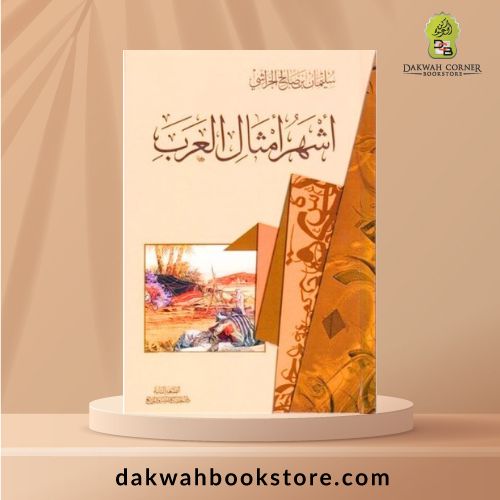
[MM] Ashhar Amthal Al Arab (اشهر امثال العرب)
قال المؤلف: سميت هذه الأوراق “الرجل النبيل” لأنه عليه الصلاة و السلام أنبل رجل عرفته البشرية، ولأن النبل ظاهر في تفاصيل حياته، في رضاه وغضبه، في حزنه وفرحه، قبل نبوته وبعدها، فهو بحق الرجل النبيل
Recently Viewed
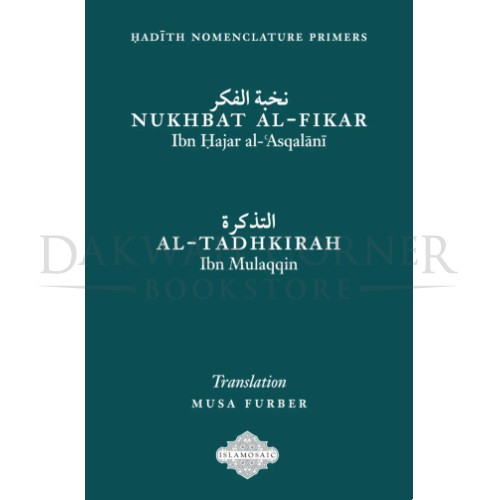
Hadith Nomenclature Primers
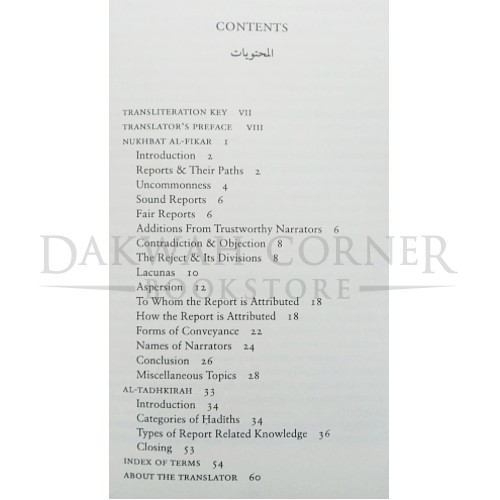
This volume presents two primers on the discipline of hadith nomenclature (mustalah al-hadith) and the authentication of transmitted reports. They are Nukhbat al-fikar (“Chosen Thoughts on the Nomenclature of Hadith Experts”) by Ibn Hajar al-‘Asqalani (773-835AH); and Al-Tadhkirah (“The Memorandum”) by Ibn al-Mulaqqin (723-804AH). These primers were written to facilitate speedy mastery of the discipline’s core material. Although the primers focus on definitions, they also include methods for addressing problems specific to the topic. Students would often commit a primer to memory while studying it with a living master who would explain its content in detail and demonstrate its application. It is through this interaction between students and instructors that Islamic education transmits both knowledge and skills across generations. In translation, these primers are ideal for English-speaking instructors looking for a primary text covering the subject’s core concepts. The translations will also benefit students looking to review their lessons or to prepare themselves for more advanced studies.
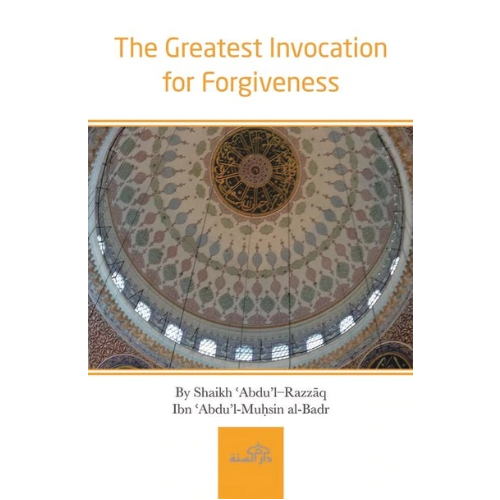
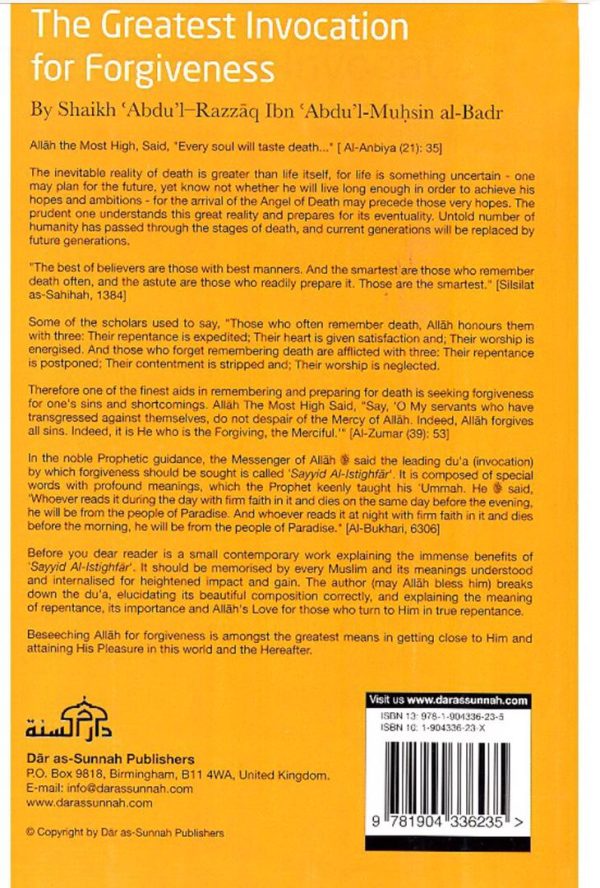
The Greatest Invocation for Forgiveness (Dar-as-Sunnah)
Allah the Most High, Said, “Every soul will taste death…” [ Al-Anbiya (21): 35] The inevitable reality of death is greater than life itself, for life is something uncertain – one may plan for the future, yet know not whether he will live long enough in order to achieve his hopes and ambitions – for the arrival of the Angel of Death may precede those very hopes. The prudent one understands this great reality and prepares for its eventuality.
Untold number of humanity has passed through the stages of death, and current generations will be replaced by future generations. “The best of believers are those with best manners. And the smartest are those who remember death often, and the astute are those who readily prepare it. Those are the smartest.” [Silsilat as-Sahihah, 1384] Some of the scholars used to say, “Those who often remember death, Allah honours them with three: Their repentance is expedited; Their heart is given satisfaction and; Their worship is energised. And those who forget remembering death are afflicted with three: Their repentance is postponed; Their contentment is stripped and; Their worship is neglected. Therefore one of the finest aids in remembering and preparing for death is seeking forgiveness for one’s sins and shortcomings. Allah The Most High Said, “Say, ‘O My servants who have transgressed against themselves, do not despair of the Mercy of Allah. Indeed, Allah forgives all sins. Indeed, it is He who is the Forgiving, the Merciful.'” [Al-Zumar (39): 53] In the noble Prophetic guidance, the Messenger of Allah (saw) said the leading du’a (invocation) by which forgiveness should be sought is called ‘Sayyid Al-Istighfār’.
It is composed of special words with profound meanings, which the Prophet keenly taught his ‘Ummah. He (saw) said, ‘Whoever reads it during the day with firm faith in it and dies on the same day before the evening, he will be from the people of Paradise. And whoever reads it at night with firm faith in it and dies before the morning, he will be from the people of Paradise.” [Al-Bukhari, 6306] Before you dear reader is a small contemporary work explaining the immense benefits of ‘Sayyid Al-Istighfar’. It should be memorised by every Muslim and its meanings understood and internalised for heightened impact and gain.
The author (may Allah bless him) breaks down the du’a, elucidating its beautiful composition correctly, and explaining the meaning of repentance, its importance and Allah’s Love for those who turn to Him in true repentance. Beseeching Allah for forgiveness is amongst the greatest means in getting close to Him and attaining His Pleasure in this world and the Hereafter.
Let Us Be Muslims (P/B)
LET US BE MUSLIMS is a new edited English version of Sayyid Mawdudi’s Urdu Khutubat. It is no ordinary book, says Khurram Murad in his long Introduction, for it has stirred more hearts and impelled more lives to change their course than any of his more erudite works. In these Friday congregational addresses, Sayyid Mawdudi expounds such familiar themes as Iman, Islam, the Prayer, Fasting, Almsgiving, Pilgrimage and Jihad. But, in an unusually beautiful, powerfully reasoned, eloquent and passionate, and yet simple and lucid style,
“Sayyid Abul A’la Al-Mawdudui (1903-1979), one of the chief architects of contemporary Islamic resurgence, was the an outstanding Islamic thinker and writer of his time. He devoted his life to expound the meaning and message of Islam and to organise a collective movement to establish the Islamic Order. In this struggle, he had to pass through all kinds of sufferings.
Between 1948-67, he spent a total of five years in different prisons of Pakistan. In 1953, he was also sentenced to death by a Martial Law court for writing a ‘seditious’ pamphlet, this sentence being later commuted to life imprisonment. In 1941, he founded Jama’at-I Islami, of which he remained Amir, until 1972 and which is one of the most prominent Islamic movements of our day. He authored more than one hundred works on Islam, both scholarly and popular, and his writings have been translated into forty languages.”
A Guide to Male-Female Interaction
Are Muslim men allowed to interact with female students, and vice versa, in a virtual classroom? Can a Muslim woman pursue a professional career that necessitates her interaction with men? Is it appropriate for a woman to serve her husband’s guests? Do mixed wedding ceremonies comply with the Sharia? Read this bilingual book to find the answers and more!
I Speak Kind Words (P/B)
Speak KIND WORDS, hmm, whats does that mean?
Well when you’re excited for DINNER but instead of chicken soup you get
BEANS.
Quirky poems to help young children live a virtuous life based on the character of our PERFECT example.
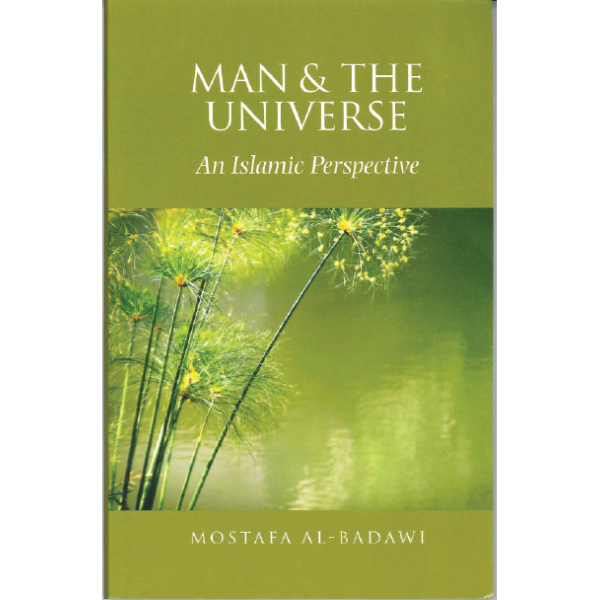
Man & The Universe An Islamic Perspective – Awakening
The author presents a penetrating diagnosis of the illnesses of humanity today, together with a fascinating overview of the Islamic metaphysics, unearthing its spiritual and moral values and its timeless relevance and applicability. Man and universe is a compelling and urgently needed piece of writing about what we human beings are, where we stand, and what we can do about it.
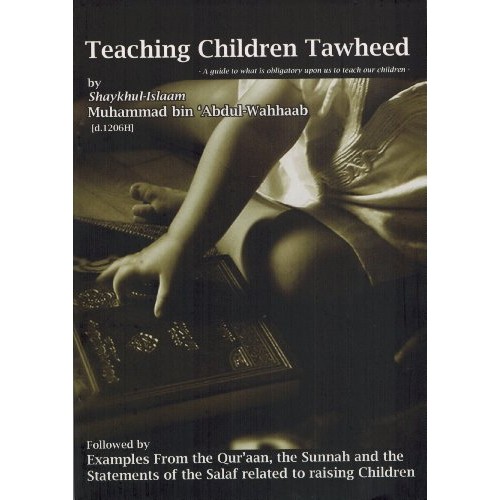
Teaching Children Tawheed (P/B)
The noble Imam, Shaykh Muhammad bin ‘Abdul-Wahhab said:
“So this beneficial treatise is in regards to what is obligatory upon the human being to teach the children, before teaching them the Qur’an, so he becomes a person who is complete, upon the fitrah of Islam, and a good, firm muwwahid (person of Tawheed) upon the path of Eman (true, correct faith).”


There are no reviews yet.