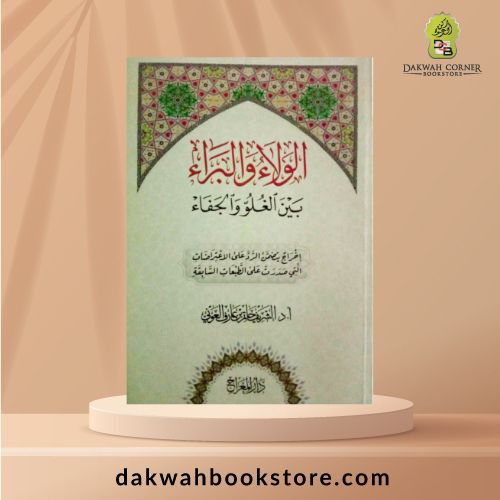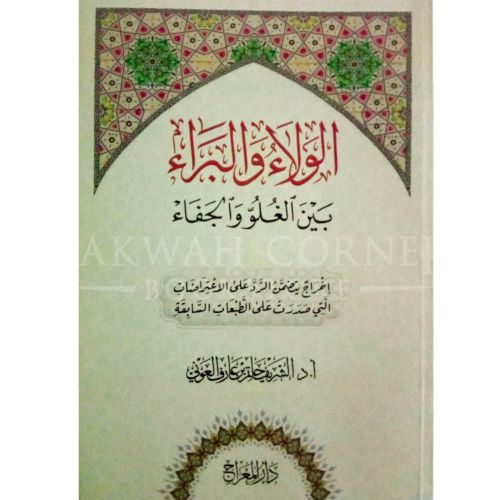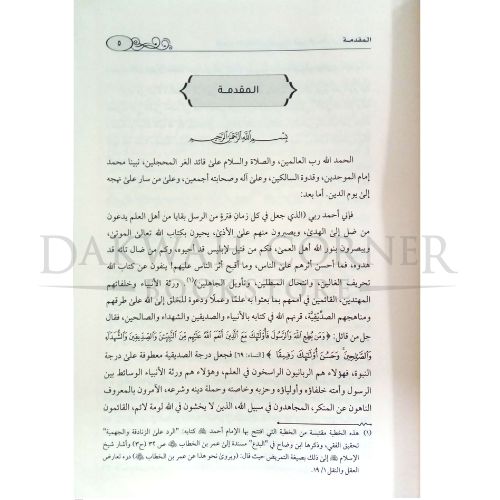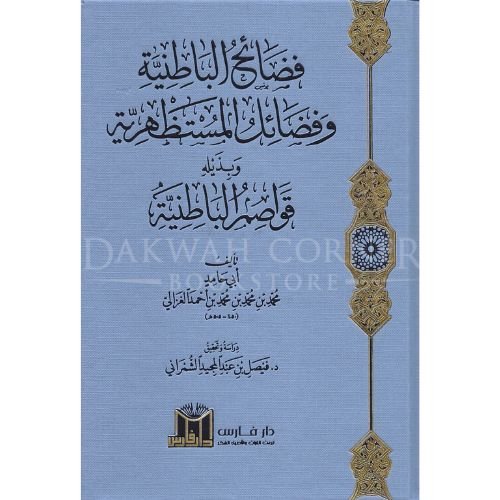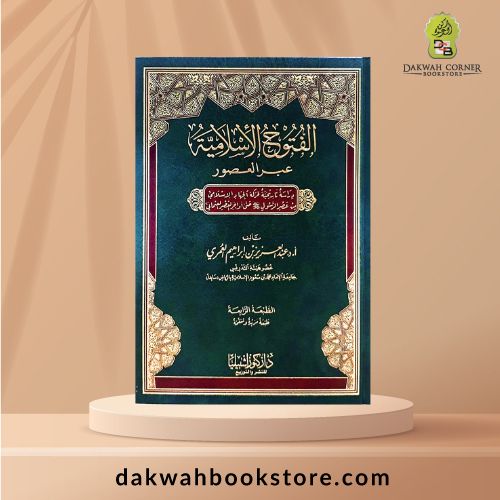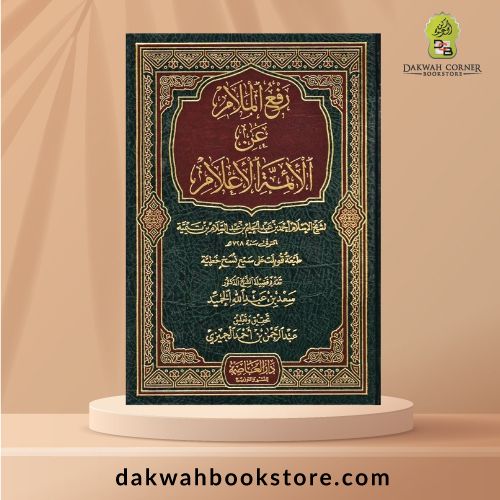
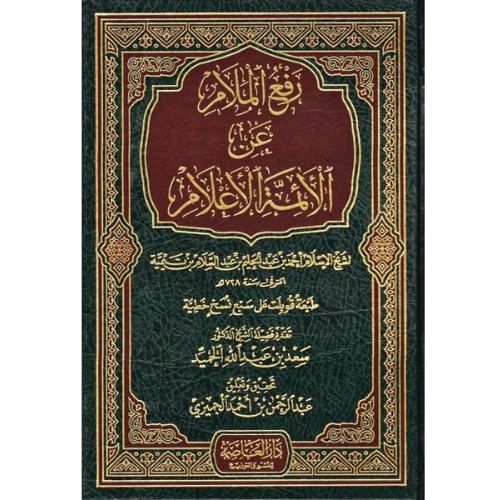
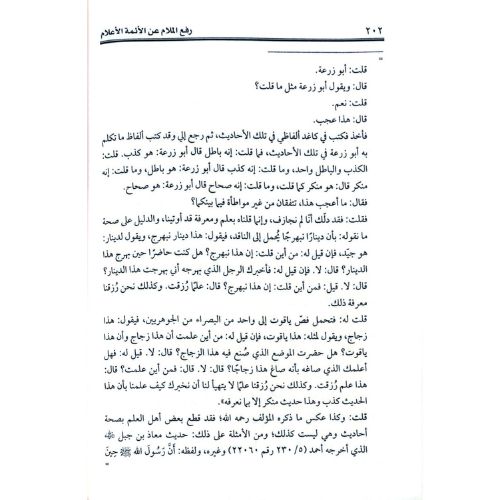
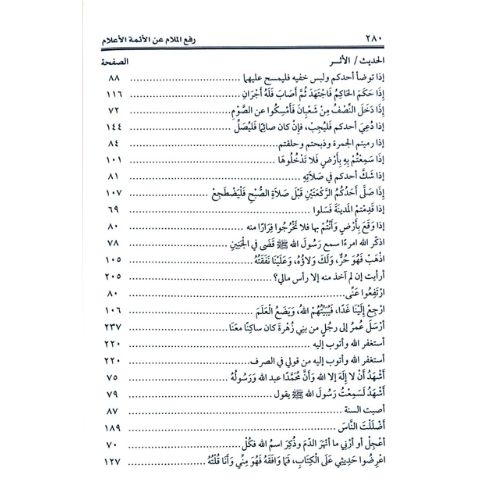
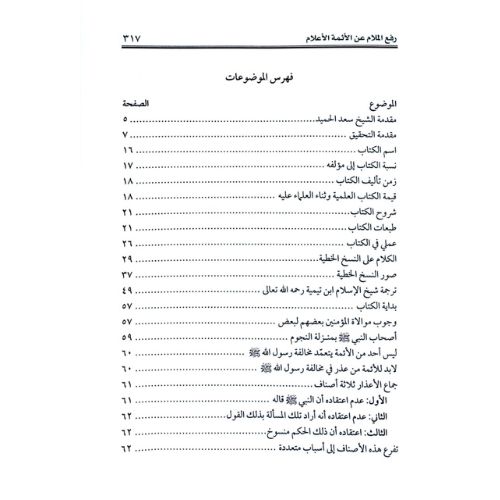

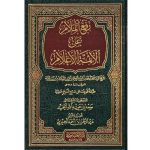
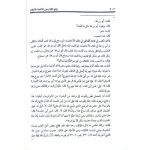
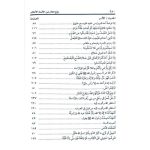


رفع الملام عن الأئمة الأعلام. كتاب صنفه ابن تيمية، دل عنوانه على مضمونه؛ رفع الملام عن الأئمة الأعلام، ذكر فيه أسباب اختلاف أعلام الأمة في بعض فروع مسائل الفقه الإسلامي، وأن ذلك لا ينقص من قدرهم وقيمتهم، ولم يكن لهوىً في نفوسهم. وقد كان المحرض وراء كتابة هذا الكتاب هو الملامة التي كانت تصدر عن بعض الناس لبعض أعلام الأمة لمخالفتهم السنة أحيانا فكان هدف هذا الكتاب هو رفع تلك الملامة عنهم، وتبرير موقفهم. فكان لا بد من توضيح الأمر للناس، وأن تلك الملامة قول باطل
[AAC] Rafi Al Malam In Al Imat Al Alam / رفع الملام عن الإئمة الأعلام
RM65.00
Frequently Bought Together
| Weight | 0.70 kg |
|---|---|
| Dimensions | 17 × 2 × 24 cm |
| Author | |
| Binding | Hardcover |
| Pages | 320 |
| Publisher | Dar Al Asimah |
You may also like…

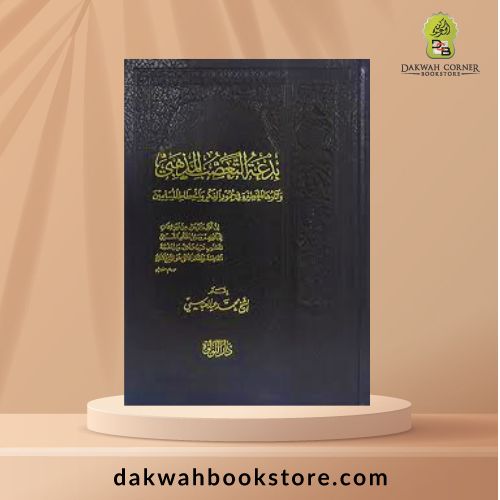
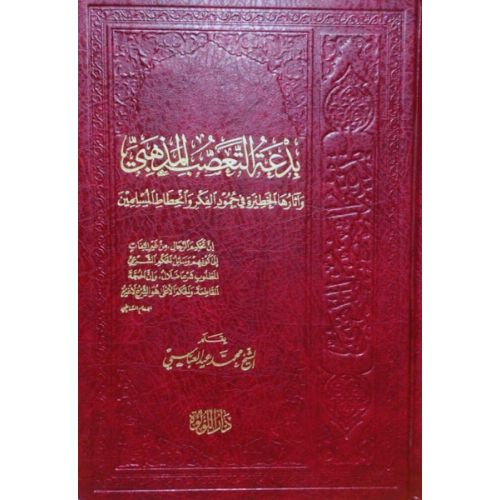
[AAC] Bidaah Al Taasub Al Madhhabi / بدعة التعصب المذهبي
بدعة التعصب المذهبي واثارها الخطيرة في جهود الفكر وانحطاط المسلمين
Related Products
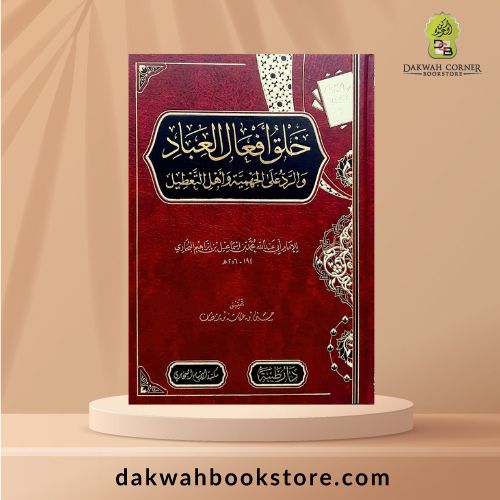
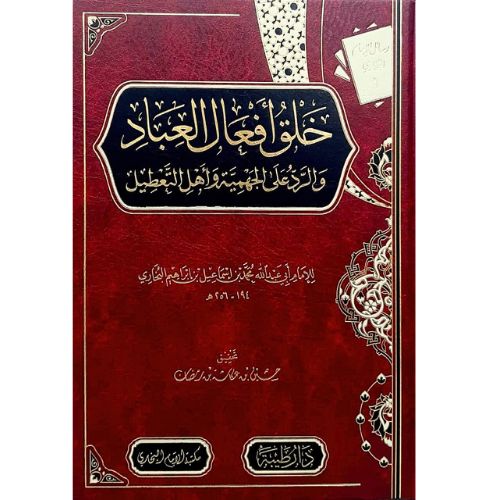
[AC] Khalqu Afali Ibadi / خلق أفعال العباد
بدأ الكتاب بذكر أقاويل أهل السنة في الجهمية وتكفير من يقول بقولها
تناول في الباب الثاني الكلام في مسألة خلق الأفعال، وأثبت أن أفعال العباد مخلوقة، وقام بالرد على الجهمية في هذا
يعد الكتاب أصلًا من الأصول التي احتفظت لنا بجملة كبيرة من أقاويل أئمة السلف من الصحابة والتابعين في فرقة الجهمية ومن قال بقولها، وبيَّن لنا الكتاب كذلك الطريقة المثلى في الرد على أهل البدعة.
يلاحظ كذلك كثرة تعليقات المصنف على ما يورده من نصوص، وأنه لم يكتف بسرد النصوص فحسب، بل كانت له كذلك ردود على الشبهات التي يلقيها الجهمية
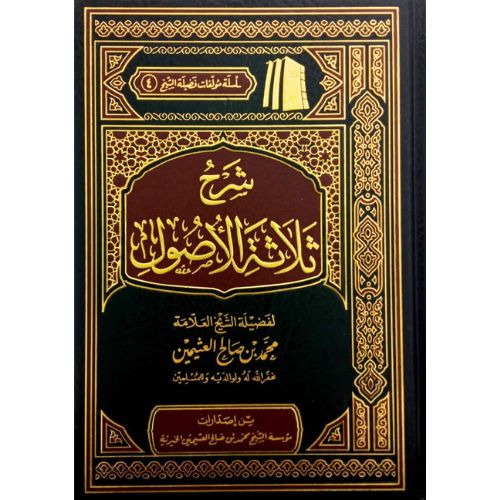
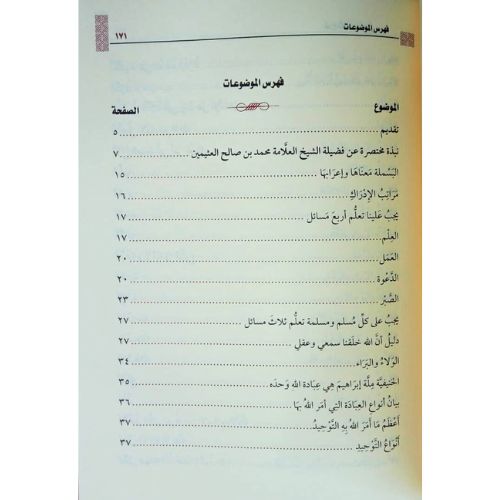
[AC] Sharh Thalathah Al Usul / شرح ثلاثة الأصول
شرح ثلاثة الأصول ـ الشيخ العثيمين
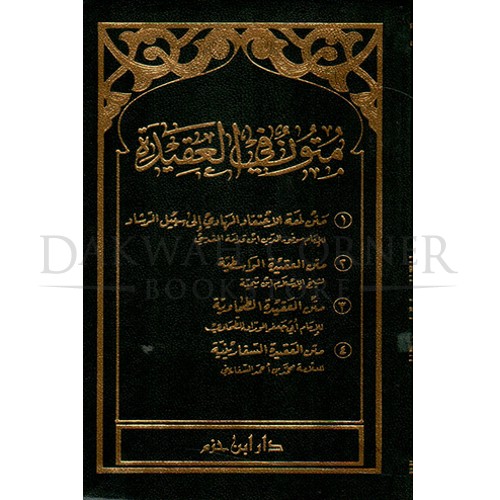
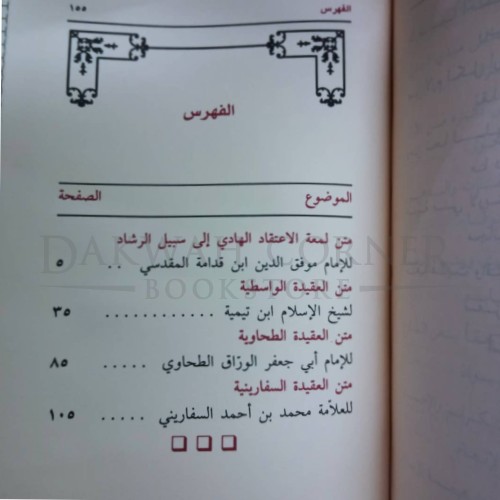
[AC] Mutunun Fi Aqeedah / متون في العقيدة
متون النحو (الآجرومية وملحة الإعراب ) لونان ـ شاموا ( 10×15 فلكسي )
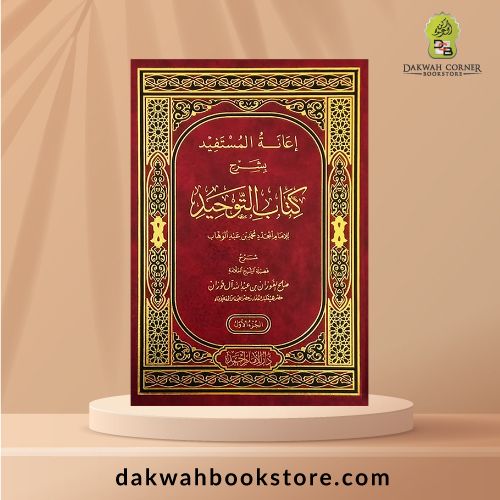
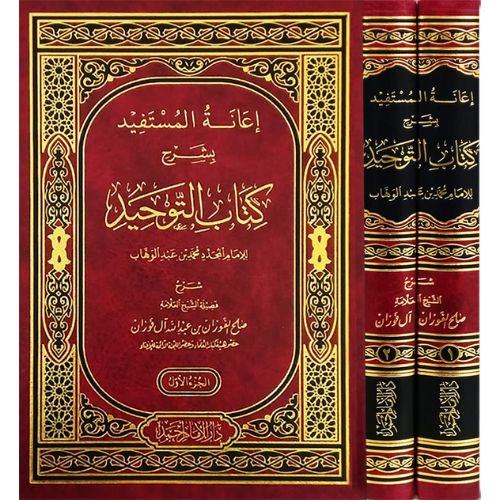
[AC] I’anatul Mustafid bi Sharh Kitab Al Tawhid 2 Vol / إعانة المستفيد بشرح كتاب التوحيد للإمام المجدد محمد بن عبد الوهاب
شرح كتاب التوحيد للشيخ الفوزان شرح معاصر بعبارة مُيسّرة لكتاب التوحيد للإمام المجدد محمد بن عبد الوهاب رحمه الله
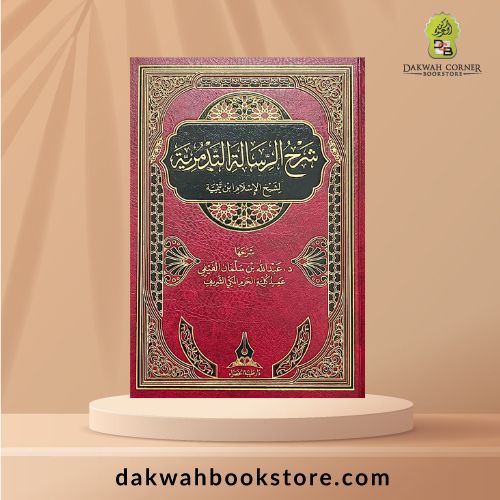
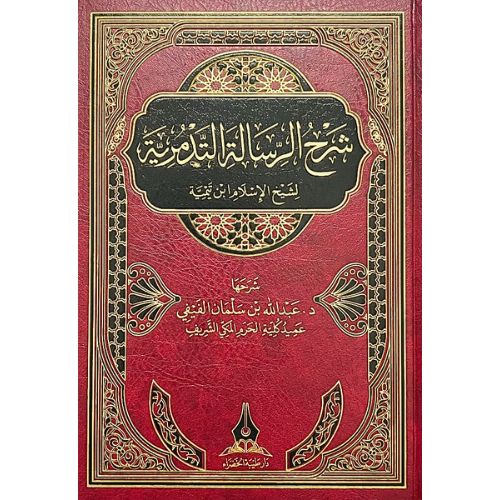
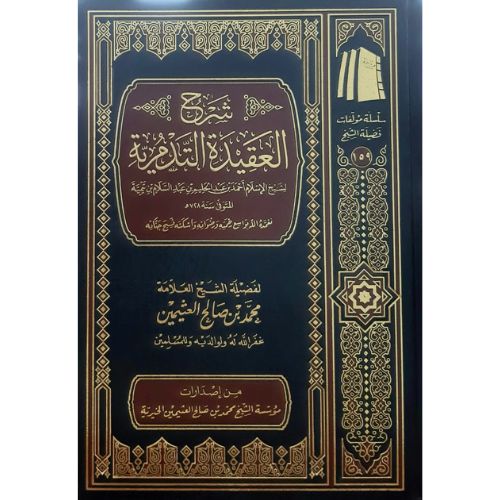
[AC] Sharh Alaqidati Altadamirati / شرح العقيدة التدمرىة
شرح على كتاب (العقيدة التدمرية)، وهي من أجوبة شيخ الإسلام ابن تيمية رحمه الله تعالى (ت728هـ) لأهل مدينة تدمر، في توضيح عقيدة السلف الصالح في أسماء الله الحسنى وصفاته العلى، وكان هذا الشرح ضمن الدروس الجامعية التي ألقاها فضيلة الشيخ في كلية الشريعة وأ
Recently Viewed
My Muslim Sister, will you not respond?
This book is the result of the author’s personal experiences and observation of the issues concerning muslim women of today. From the influences of society and culture, to the lack of understanding toward obligations and rights, women in general are under pressure to “look good.”
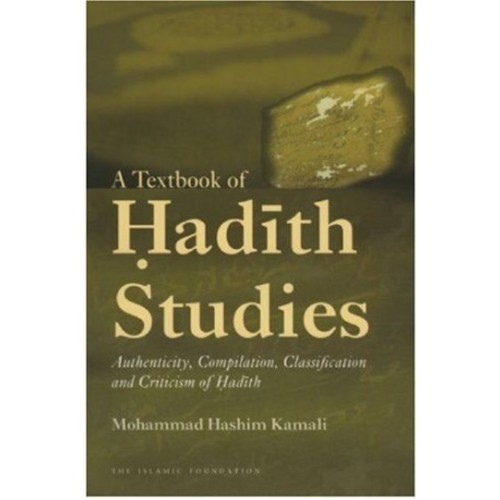
A Textbook Of Hadith Studies (P/B)
Mohammad Hashim Kamali, born in Afghanistan in 1944, was a professor of Islamic Law and Jurisprudence at the International Islamic University in Malaysia, and dean of the International Institute of Islamic Thought and Civilization (ISTAC) from 1985 2007. He is currently chairman and CEO of the International Institute of Advanced Islamic Studies, Malaysia. He is also on the international advisory boards of eleven academic journals published in Malaysia, the United States, Canada, Kuwait, India, Australia, and Pakistan. Professor Kamali has addressed over 120 national and international conferences, and has published sixteen books and over 110 academic articles. His books include The Principles of Islamic Jurisprudence, Freedom of Expression in Islam, and Islamic Commercial Law: An Analysis of Futures and Options. “
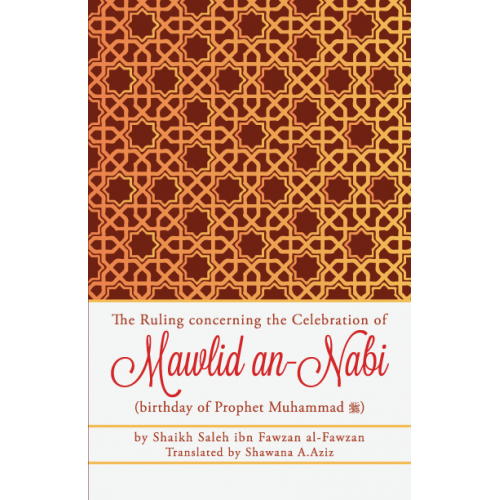
The Ruling Concerning the Celebration of Mawlid an-Nabi (2nd edition)
In this book, is an explicit CLARIFICATION of the MAJOR DOUBTS raised by the proponents of Mawlid an-Nabi, including:
- Mawlid an-Nabi is honoring the Prophet.
- Mawlid an-Nabi is celebrated by a large number of the people in many towns and cities.
- Commemorating Mawlid an-Nabi renews the memories of the Prophet.
- Celebration of Mawlid an-Nabi is cut of love for the Prophet and an expression of ones love, which is permissible.
- Mawlid an-Nabi is a Bidah Husna (good innovation) because it is a means of showing gratitude towards Allah for sending the Prophet.
- The sayings of Umar, ‘What a good Bidah is this?’
Additional quotes by Shaikh Muhammad ibn Ibraheem Aal-Shaikh have been added to further clarify these issues. The booklet also as 2 valuable appendixes:
Appendix 1: Explanation of the Hadeeth,”He, who established/initiates a Sunnah Husna in Islam.” in the word o Shaikh Saleh al-Fawzan and Shaikh Muhammad ibn al-Uthaimeen (rahimahullah)
Appendix 2: A Dialogue between Shaikh al-Albani (rahimahullah) and a proponent of Mawlid.
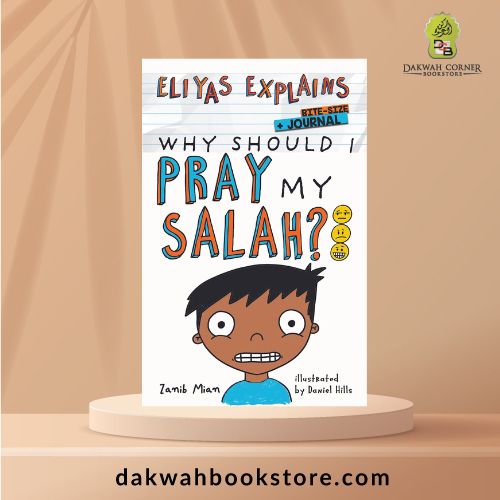
Eliyas Explains Why Should I Pray My Salah: Bitesize + Journal
For anyone who wants to pray, but isn’t motivated enough and for those who pray, but want to enjoy their salah with presence of mind and heart.
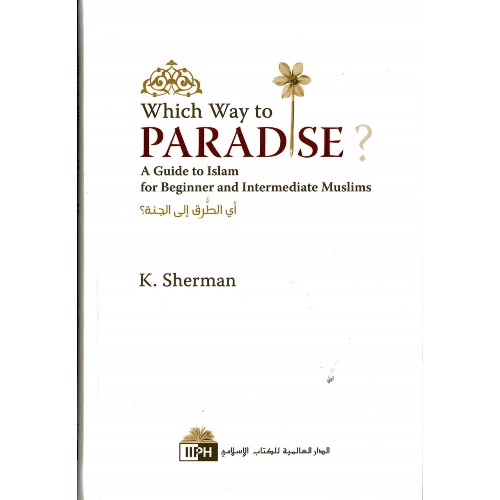
Which Way to Paradise? – IIPH
Which Way to Paradise? A Guide to Islam for Beginner and Intermediate Muslims seeks to elucidate Islamic principles and injunctions and elaborate on the very spirit of Islam, while at the same time exposing and refuting common misconceptions about the religion.
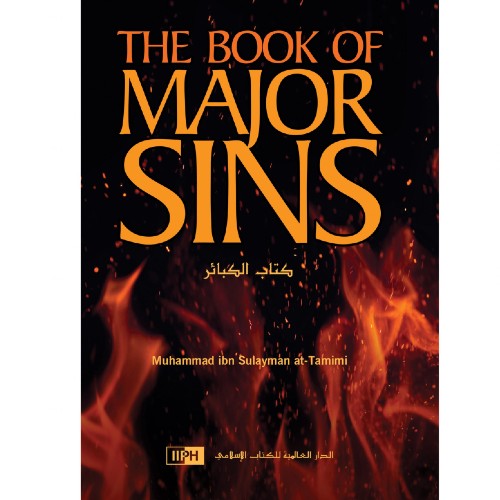
The Book of Major Sins
This is a useful handbook for every Muslim who wishes to please Allah and to avoid His wrath by learning what Allah has proscribed for him or her and making every effort to keep away from major sins.
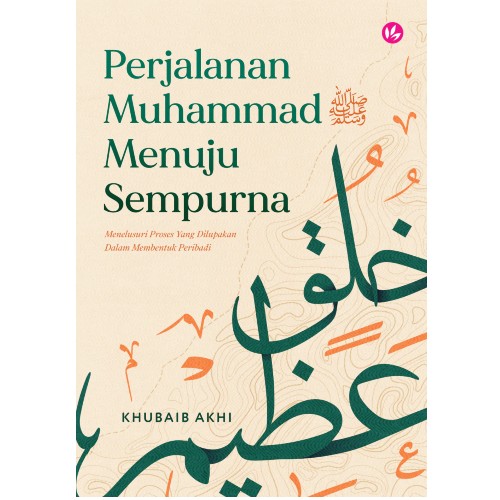
Perjalanan Muhammad ﷺ Menuju Sempurna by Khubaib Akhi
Muhammad SAW adalah cita-cita kita semua.
Peribadinya adalah lambang kesempurnaan seorang manusia.
Mampukah kita menjadi seperti Baginda?
Baginda sempurna empatinya, tetapi ia bukan tumbuh sekelip mata.
Baginda sempurna sabarnya, tetapi ia bukan muncul secara magikal.
Baginda sempurna tawakkalnya, tetapi ia bukan terjadi satu malam.
Kesempurnaan itu terbentuk melalui suatu proses nyata dan terperinci yang ditetapkan Allah SWT.
Melalui buku ini, Khubaib Akhi menawarkan jalan yang praktikal dan sistematik bagi mencapai kesempurnaan keperibadian Nabi SAW. Bukan sekadar retorik dan cakap kosong, penulis berusaha mengadunkan wahyu yang suci dengan sains kemanusiaan yang terperinci. Dengan itu, terbentanglah jalan untuk meneladani Sunnah Baginda SAW.
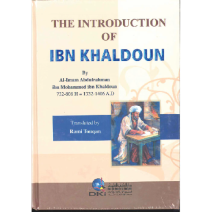
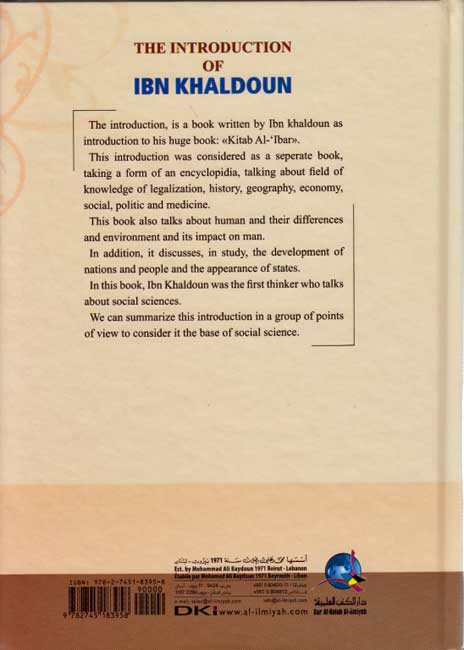
The Introduction of Ibn Khaldoun
This introduction was considered as a separate book, taking a form of an encyclopedia, talking about a field of knowledge of legalization, history, geography, economy, social, politic and medicine.
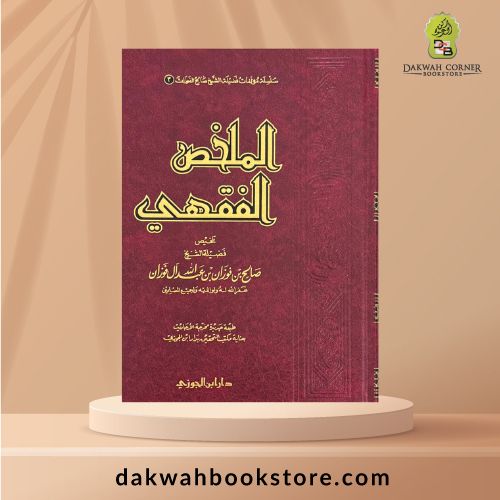
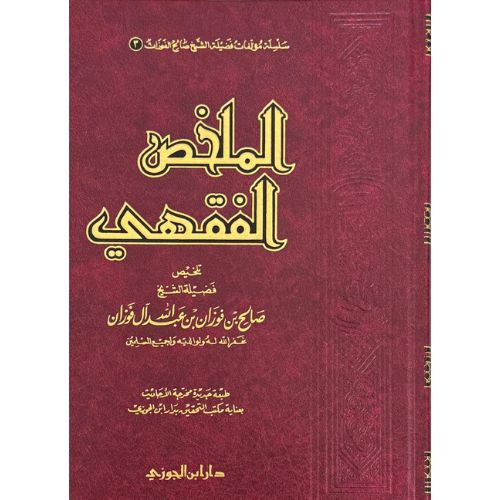
[ASJ] Al Mulakhas Alfiqhi Mujalad / الملخص الفقهي مجلد
ملخص الفقه الإسلامي ١-٢، للدكتور صالح بن فوزان الفوزان. كتاب سهل الفهم ولكنه هام، يُبين أحكام الشريعة الإسلامية وأدلتها. يتضمن الكتاب مواضيع أساسية مهمة للمسلم، مثل الطهارة، والصلاة، والزكاة، والصيام، والحج، كما يُبين أحكامًا أخرى، مثل المعاملات التجارية، والشراكة، والمزارعة، والإيجار، واستصلاح الأراضي البور، وحيازة الأشياء المباحة، والميراث، والزواج، والطلاق
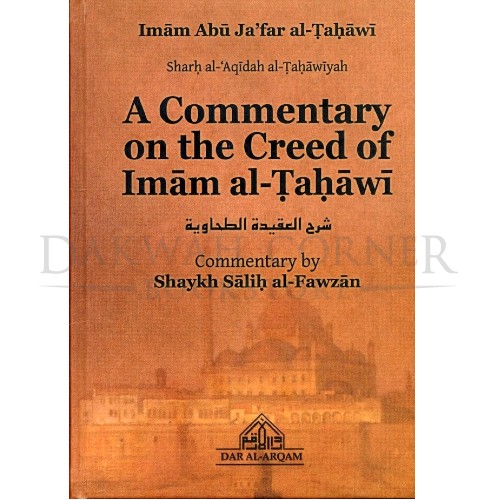
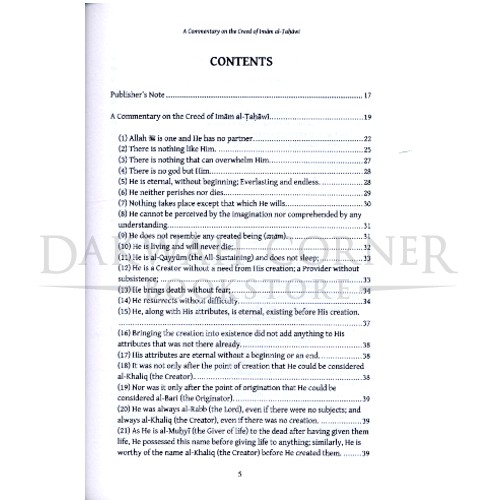
A Commentary on the Creed of Imam al-Tahawi (Dar Al Arqam)
A commentary by Shaykh Salih al-Fawzan on al-Aqidah al-Tahawiyyah, the most widely acclaimed and accepted work on the creed of Ahlus Sunnah wal-Jama’ah. Before you is the English translation of Sharh al-‘Aqidah al-Tahawiyah by Shaykh Salih al-Fawzan. This is an explanation of the renowned treatise on the Islamic creed entitled al-‘Aqidah al-Tahawiyah (The Creed of Imam al-Tahawi). The author of this treatise is Imam Abu Ja‘far al-Tahawi (239-321 A.H.), one of the leading authorities on the Hanafī madhab. The period Imam al-Tahawi lived in was the zenith of the dissemination of the Islamic sciences and he was just one of the giants that this era produced. To illustrate this: his teachers included Imām Isma’il ibn Yahya al-Muzani (a major student of Imām al-Shāfiī), those he collected hadith from included Imām al-Nasai (author of ‘Sunan al-Nasai’, one of the ‘Sahih Sittah’) and his students included the great muhaddith Imām al-Tabarani. The purpose of his treatise was to state the creed of the early scholars of the Hanafī madhab and to indicate its correlation with the views of Ahl al-Sunnah wa’l-Jamā‘ah in general. As Shaykh al-Fawzan states in his explanation: “This entails a refutation against those who associate themselves with the Hanafī school of fiqh in modern or recent times: They associate themselves with the Hanafī school but contradict Imam Abū Hanīfah in creed; rather they only follow his views in jurisprudence. They adopt the creed of those who profess kalām (theological dialectic) and the logicians.