

![Pondering Over the Qur'an Vol 1 [IBT]](https://shop.dakwahbookstore.com/wp-content/uploads/2020/03/QQ174-500X.png)
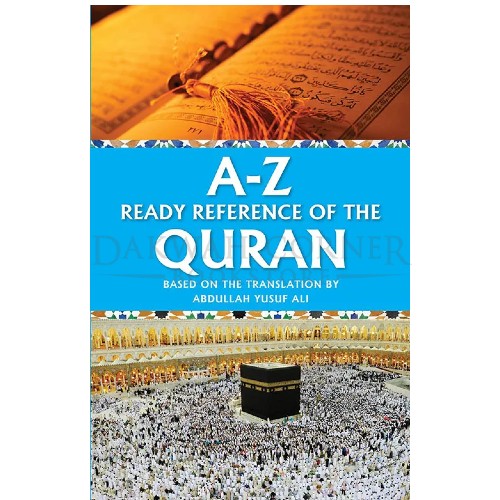
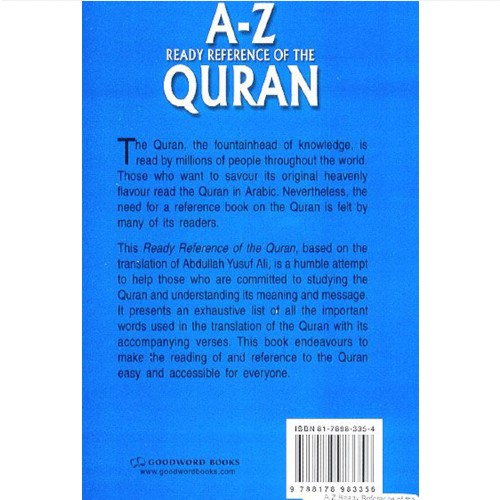
The Quran, the fountainhead of knowledge, is read by millions of people throughout the world. Those who want to savoir its original heavenly flavor read the Quran in Arabic. Nevertheless, the need for a reference book on the Quran is felt by many of its readers. This ready Reference of the Quran, based on the translation of Abdullah Yusuf Ali, is a humble attempt to help those who are committed to studying the Quran and understanding its meaning and message. It presents an exhaustive list of all the important words used in the translation of the Quran with its accompanying verses. This book endeavors to make the reading of and reference to the Quran easy and accessible for everyone.
A-Z Ready Reference of the Quran (Goodword)
RM46.00
Hurry up, Only 1 left.

Frequently Bought Together
1 Item
RM46.00
2 Add-Ons
RM285.00
Total
RM331.00
Additional information
| Weight | 0.95 kg |
|---|---|
| Dimensions | 21.5 × 14 × 3.2 cm |
| Author | |
| Binding | Paperback |
| ISBN | 9788178983356 |
| Pages | 829 |
| Publisher | Goodword |
Reviews (0)
Be the first to review “A-Z Ready Reference of the Quran (Goodword)” Cancel reply
You must be logged in to post a review.
You may also like…
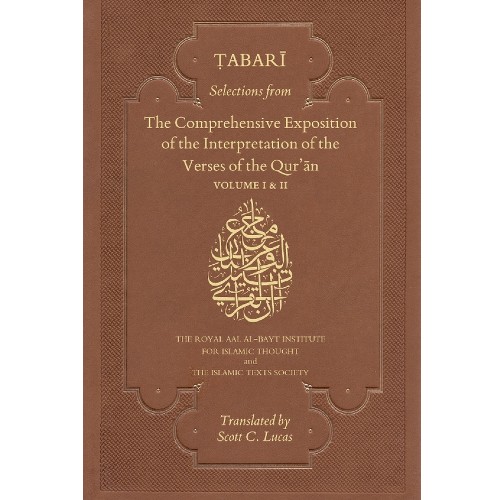
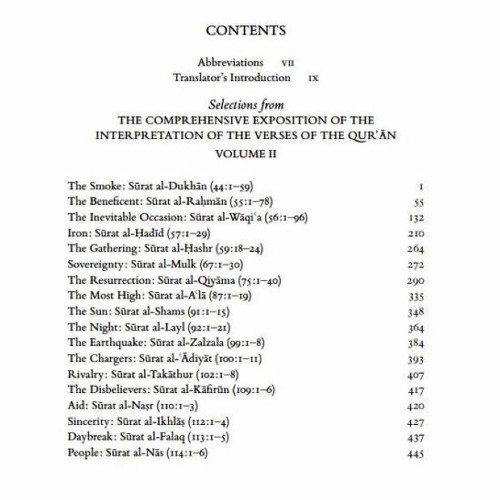
Tabari : The Comprehensive Exposition Of the Interpretation of the Verses of the Qur’an (2 Vol)
Highlights:
Tabari’s Qur’an Commentary, Comprehensive Exposition of the Interpretation of the Verses of the Qur’an, is one of the great monuments of classical Arabic and Islamic scholarship which, over a millennium, has been a fundamental reference work for scholars engaged in the tradition of Qur’anic exegesis. This two-volume translation focuses on thirty selected verses and Suras, or Chapters, associated with special merits and blessings and also includes Tabari’s own introduction to the Comprehensive Exposition
RM375.00
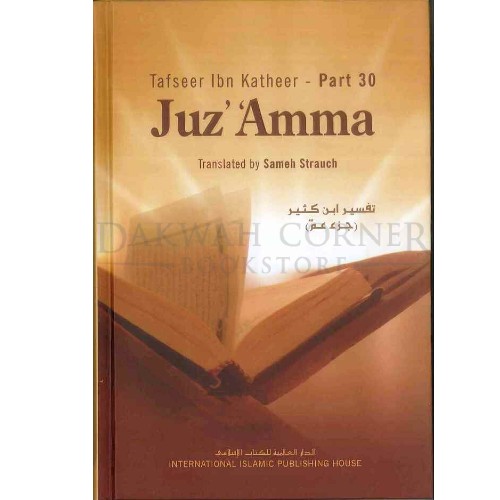
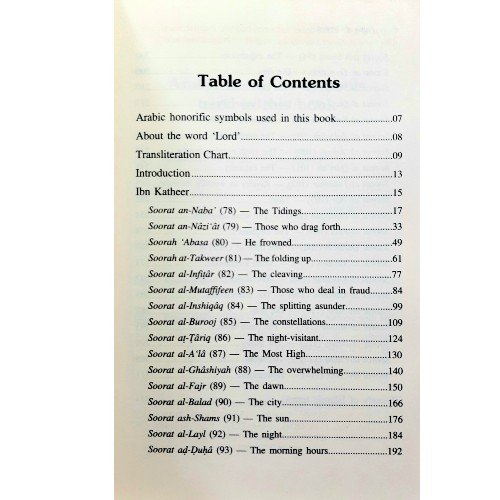
Tafseer Ibn Katheer Juz’ ‘Amma: Part 30 of the Qur’an
Highlights:
The 30th and last section of the Qur’an is probably the most widely read and memorized of all the parts of the Qur’an, containing as it does, many short chapters which are easy to commit to memory. This explanation and commentary of those chapters will help you understand their full meaning and importance.
RM50.00
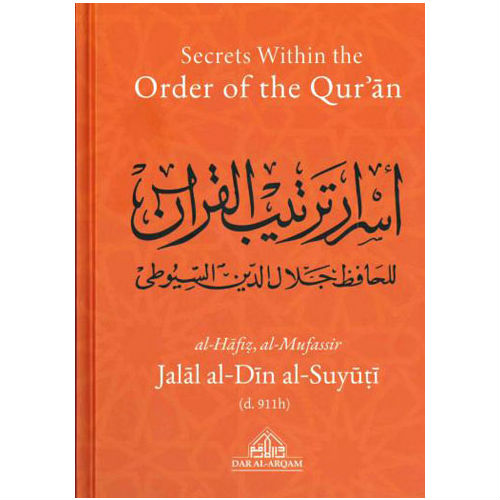
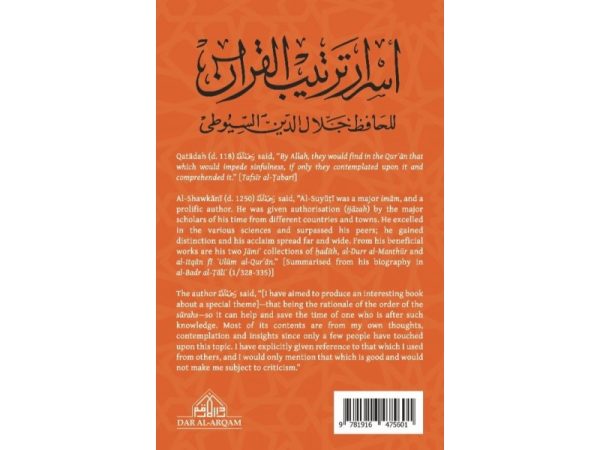
Secrets Within the Order of the Qur’an (H/B)
Highlights:
This unique book displays the genius of al-Suyūṭī in exegesis of the Qurʾān. Through his deep reflection and knowledge of the Qurʾān and its related sciences, he provides insights into why its chapters are ordered so and unveils intricacies to the reader which could only have been unearthed by one possessing such mastery and genius. The author states at many junctures within the book that he is displaying his reflections to the reader, so one is given the opportunity through this intimate writing style to ponder over the Qurʾān from the perspective of a true tafsīr master.
RM100.00
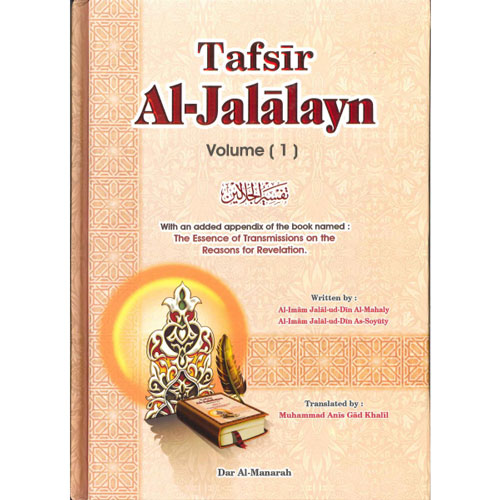
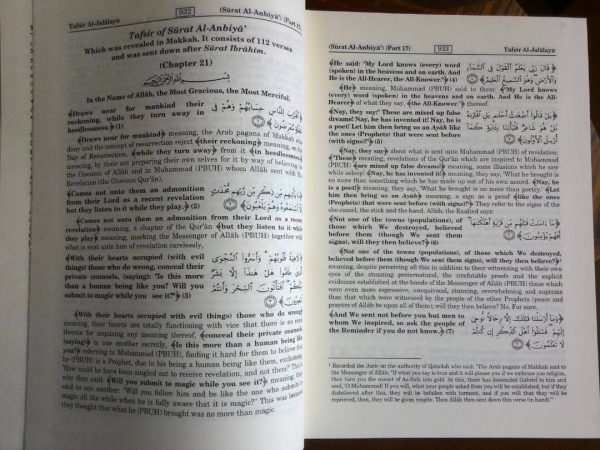
Tafsir Al-Jalalayn (set of 2 vol)
Highlights:
This book, “Tafsir al-Jalalayn,” meaning “The Commentary of the Two Jalals”, is named after its two authors: Jalalu’d-Din al-Mahalli (1389-1459), who wrote half of it, and his student, Jalalu’d-Din as-Suyuti (1445-1505), one of the greatest Muslim scholars of all, who completed it after al-Mahalli’s death. For half a millennium Tafsir al-Jalalayn has been considered the essential first step in the study of the meanings of the Quran by teachers and students throughout the Islamic world. Although it is among the shortest and simplest of the complete commentaries, it is at the same time both wide-ranging and profound. This translation by Muhammed Anis Gad Khalil gives non-Arabic speakers access to one of the seminal works of classical tafsir literature. It is hoped that it will prove a valuable aid to the correct understanding of the Quranic Revelation throughout the English-speaking world.
RM240.00

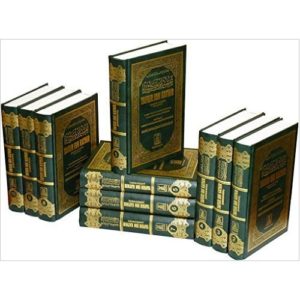

Tafseer Soorah Al-Hujurat (H/B)
Highlights:
Tafseer Soorah al-Hujurât: A Commentary on the 49th Chapter of the Qur’an is a treasury of divine advice, commandments, and prohibitions regarding common problems in social relations, including gossip, spying, arguing, and bigotry. To make the best use of this chapter, the believer needs a detailed explanation of the meanings of the verses.
Dr. Bilal Philips has based his tafseer (exegesis) on the methodology used in the classical works of tafseer. He has relied first of all on the explanations found within the Qur’an itself, then on explanations found in the Sunnah and related incidents which occurred at the time of the revelation of the verses in question. Beyond these primary sources, Dr. Philips has relied on the interpretations made by the Prophet’s Companions (may Allah be pleased with them) who were noted for their ability to interpret and comment on the Qur’an. ‘Abdullâh ibn ‘Abbâs, for example, was called ‘The interpreter of the Qur’an’ by Prophet Muhammad (blessings and peace of Allah be upon him). Finally, the author has made use of the grammatical explanations given in the classical tafseer works. Wherever possible, Dr. Philips has tried to apply the derived meanings of the verses to the problems of contemporary society.
RM40.50 RM60.00
Related Products
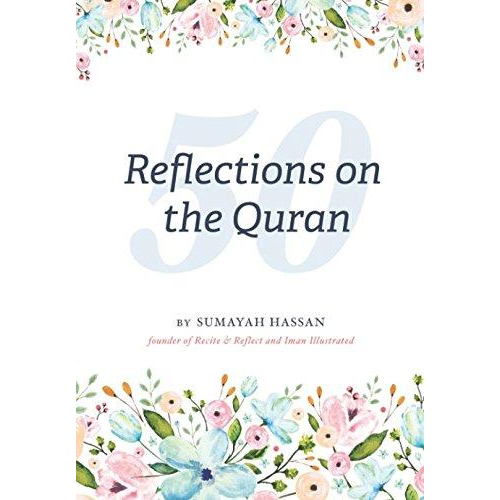
50 Reflections On The Quran
Highlights:
50 Reflections on the Quran is a collection of brief reflections on the Quran written and compiled by Sumayah Hassan. It’s aimed at inspiring others to find their personal truth in the words of our Creator, (swt). May this book be the first step in your own journey towards understanding, living and being transformed by the Quran.
RM99.00

Usool at-Tafseer (H/B)
Highlights:
Usool at-Tafseer, essentially refers to the branches of knowledge necessary for providing an accurate interpretation of the Quranic texts, such as Arabic grammar and syntax, Arabic literature and Quranic sciences (Uloom al-Quran). Familiarity with modern fields of learning, like the pure sciences and social sciences is also necessary for a commentator in this era to make the Quraanic explanations relevant to human society. This book addresses the actual step-by-step methodology of interpreting Quran to ensure that interpretations are not merely the result of human whims and fancies.
RM60.00
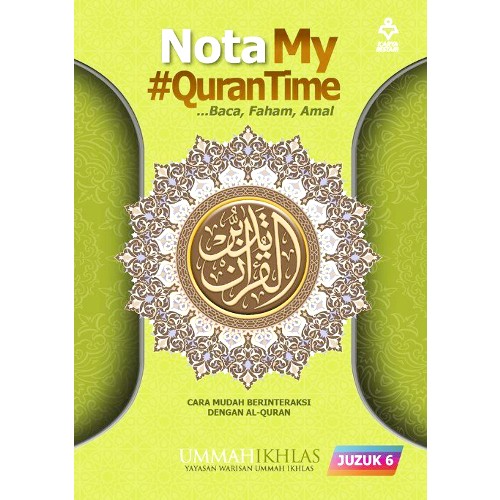
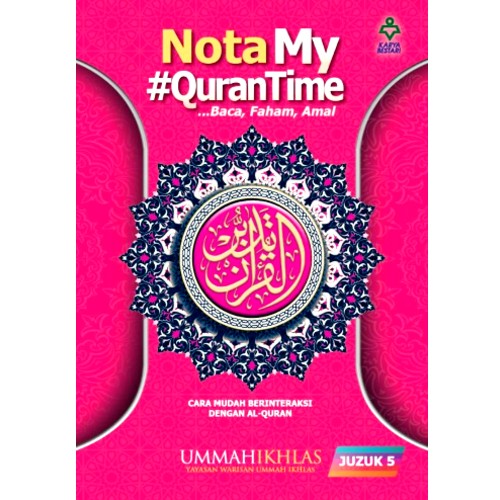
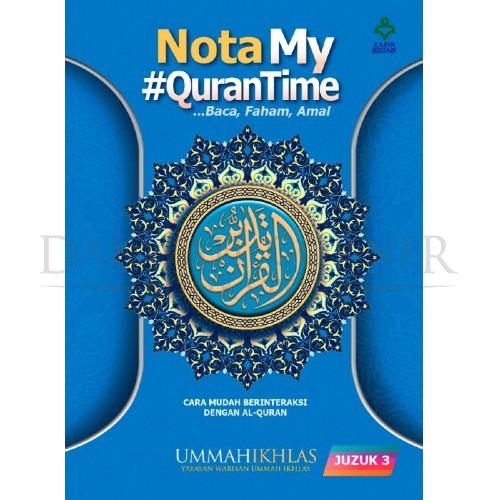
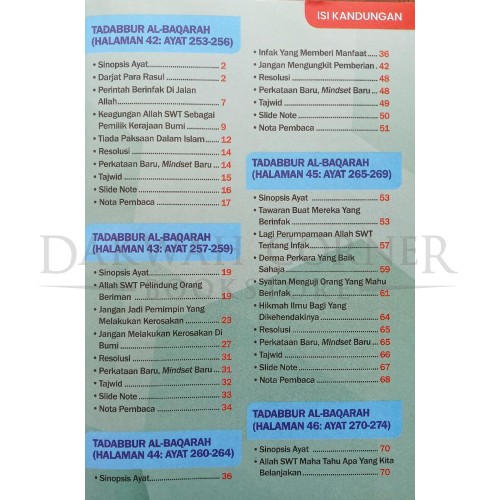
Nota My #QURANTIME Juzuk 3
Highlights:
Sejajar dengan tujuan program My#QuranTime yang disiarkan di TV ALHIJRAH Iaitu mahu menjadi platform solidariti ummah mempelajari asas bacaan al-Quran, Tadabbur dan Tazakkur, maka lahirlah naskhah lengkap: NOTA MY #QURANTIME sebagai panduan lengkap buat mereka yang cintakan al-Quran.
NOTA MY #QURANTIME Juzuk ke-3 ini lebih istimewa kerana di dalamnya terdapat lebih banyak perbincangan yang dikupas secara menyeluruh. Antaranya ialah:
- Pertukaran arah kiblat
- Kekal hidup bagi yang berjihad di jalan Allah
- Ujian Allah buat mereka yang bersabar
- Ganjaran buat mereka yang ditimpa musibah
- Laknat bagi mereka yang menyembunyikan kebenaran
- Hukum berniaga ketika musim haji
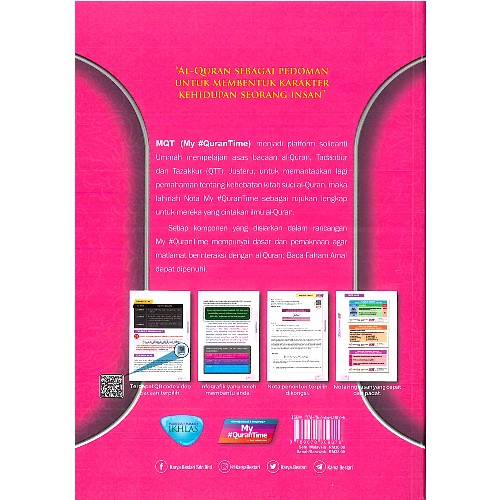
Nota ini juga merangkumi:
- Satu buku, satu juzuk
- Nota pilihan daripada penonton
- Aplikasi QR code untuk video bacaan terpilih
- Nota ringkasan yang padat tapi mudah difahami
- Peta infografik berwarna yang dapat membantu pemahaman pembaca
RM30.00
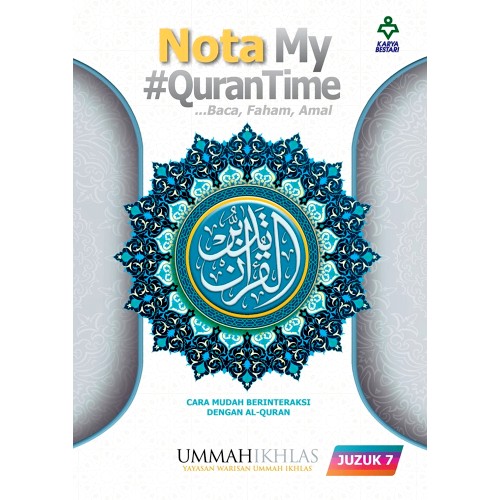
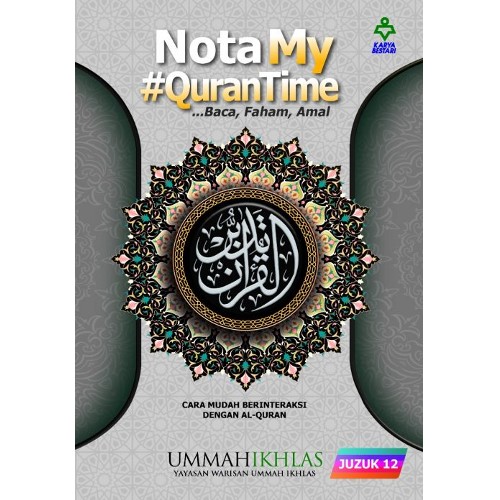
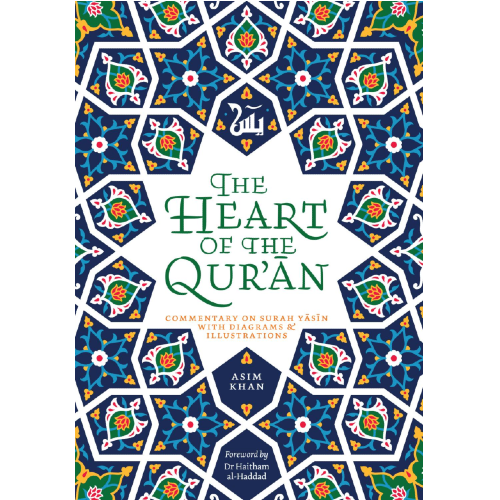
Tafsir As-Sa’di (parts 1,2,3)
Highlights:
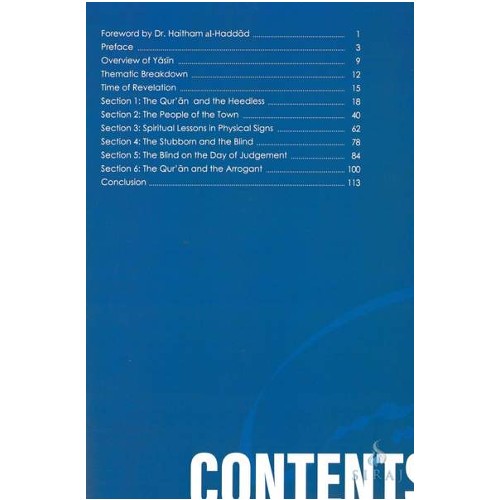
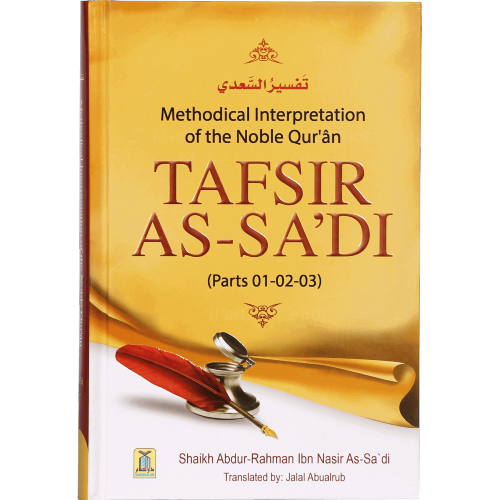
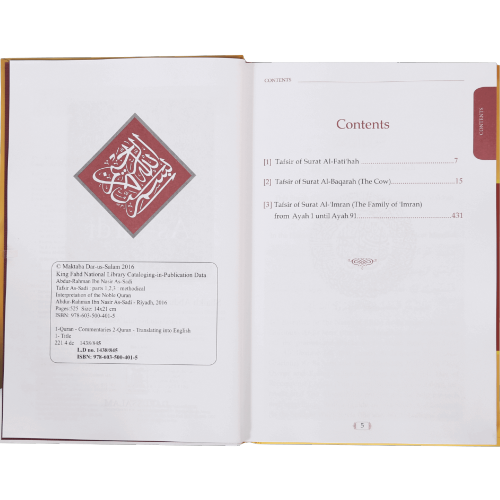
Tafsir As-Sa’di is a straightforward, easy to read, easy to understand explanation of the meaning of Qur’anic Ayat and statement. In addition to the simplicity of Ibn Sa’adi’s writing, it is also articulate and eloquent. Consequently, for those newly acquainted with Tafsir and those new to Islam, this Tafsir provides an uncomplicated, deep and insightful comprehension into the meaning and explanation of the Qur’an.
RM80.00

The Spiritual Cure An Explanation to Surah al-Fatihah (P/B)
Highlights:
Surah al Fatiha is the greatest chapter of the Qur’an, its like is not found in the rest of the Book or in the previous scriptures. It is a
Light that was granted to Prophet Muhammad (S) which had not been granted to any other Prophet or Messenger before him; indeed
some of the Salaf stated that when this chapter was revealed, Shaytãn l let out a great cry of lament.
It holds a central position in the daily Prayer hence the daily life of the Muslim.
The underlying theme, of al-Fatiha is one of contemplation and serenity; pondering the Names and Attributes of Allah, pondering the creation , and acknowledging that He Alone deserves praise and Worship, that He Alone should be asked for help, that He Alone Should be feared and hoped in, that He Alone should be invoked, that there is indeed a Day of Judgment, and that guidance has come to us and we are required to follow it.
It calls us to carefully scrutinise our relationship with our Lord: are we living according to the dictates of ‘none has the right to be worshipped save of Allah’ or not? This opening chapter, despite its brevity, calls man to fulfil the rights of Tawhid, the right that Allah has over us to worship Him Alone without any partner
A Summary of numerous Classical Commentaries of the Qur’an
at-Tabari, al-Baghawi, Az-Zamakhshari, ibn Atityyah, Ibn Jawzi, Al-Qurtubi, Ibn Qayyim, Ibn Kathir, as-Suyuti, Alusi, ash-Shawkani, as-Sa’di, ash-Shaqiti and many Others
RM73.00
Recently Viewed
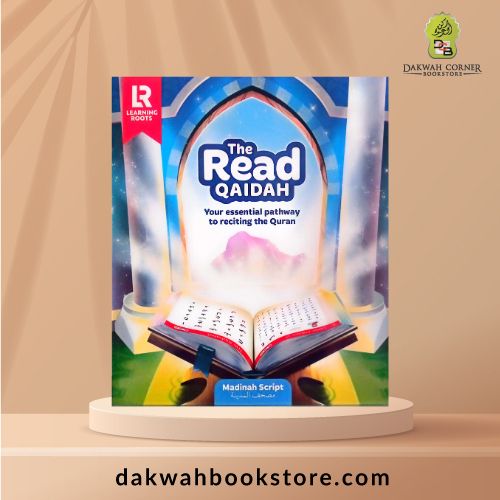
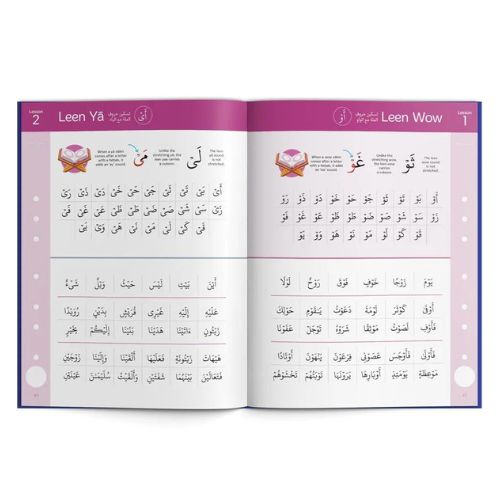
Read Qaidah (Madinah Script)
Highlights:
Easy progress through bitesize lessons
Read takes children step by step through letters, vowels, words and more until they’re ready for the Quran. Each line forms an easy, manageable lesson so children build momentum and progress.
- Motivational stickers
-
NOT Kiitab Compatible
RM45.00
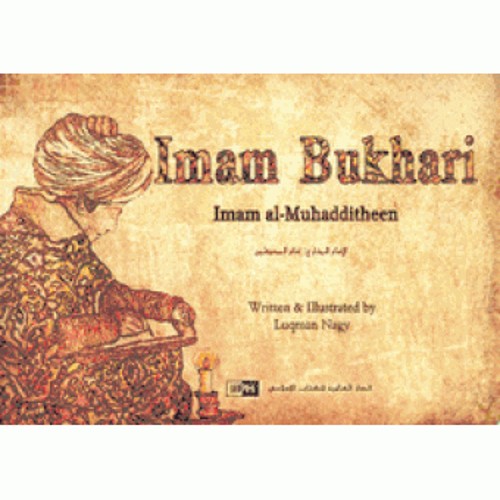
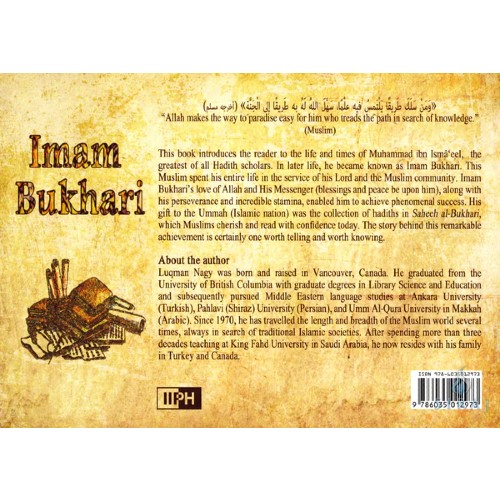
Imam Bukhari – Imam Al-Muhadditheen (IIPH)
Highlights:
This book, authored by Luqman Nagy, introduces the reader to the life and times of Muhammad ibn Ismâ‘eel, the greatest of all Hadith scholars. In later life, he became known as Imam Bukhari. This Muslim spent his entire life in the service of his Lord and the Muslim community. His gift to the Ummah (nation) was the collection of hadiths in Saheeh al-Bukhâri, which Muslims cherish and read with confidence today. The story behind this remarkable achievement is certainly one worth telling and worth knowing.
RM54.00
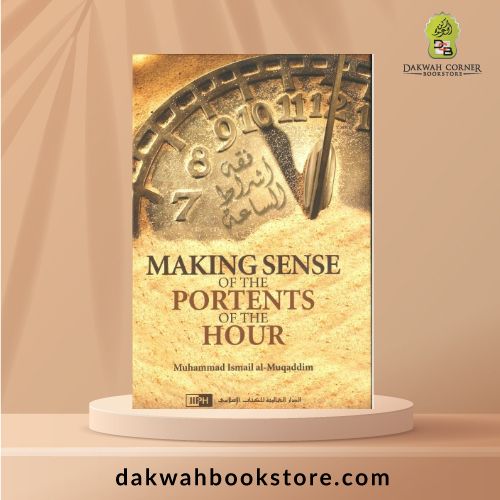
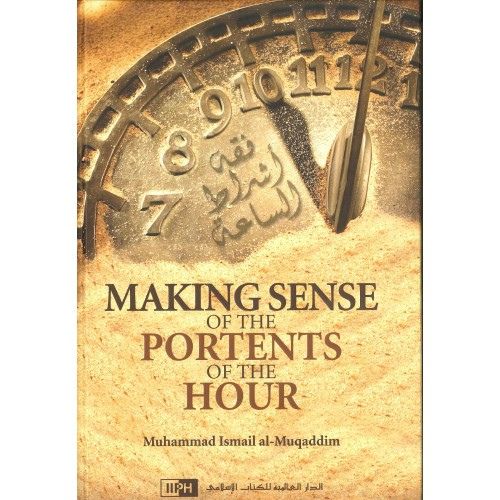
Making Sense of the Portents of the Hour (H/B) – IIPH
Highlights:
Are things inevitably getting worse and worse, year after year, century after century, with no way to alter the course of events? Is the Muslim Ummah doomed to experience failure and humiliation until the Mahdi arrives? Will he restore its former glory and bring victory over all its enemies? Are all our efforts to support Islam destined to end in failure? Instead of taking action, should we simply wait for the return of Jesus (peace be upon him) towards the end of time? Is the Dajjâl (Antichrist) alive today? Does he have secret connections with some prominent world figures? Is the hour very close? Could it come upon us at any moment, on any day? If so, what is the point of striving to improve our situation?
Using evidence from the Qur’an and the Sunnah, the author explains the true Islamic teachings on the portents of the hour, clearing up some of the misconceptions about them and giving advice on how Muslims should respond to them. The book is an interesting and informative read that will leave the reader empowered with knowledge.
RM40.00 RM62.00

Islam The Straight Path
Highlights:
This updated version of Islam: The Straight Path includes a new Epilogue by John Esposito in which he addresses the impact 9/11 and its aftermath have had on both the Muslim and non-Muslim world, discussing Islam’s relationship to democracy and modernity and focusing more sharply on the origins and growth of extremism and terrorism in the name of Islam. This exceptionally successful survey text introduces the faith, belief, and practice of Islam from its earliest origins up to its contemporary resurgence. Esposito, an internationally renowned expert on Islam, traces the development of this dynamic faith and its impact on world history and politics, discussing the formation of Islamic belief and practice and chronicling the struggle of Muslims to define and adhere to their Islamic way of life. Lucidly written and expansive in scope, Islam: The Straight Path provides keen insight into one of the world’s least understood religions and is ideally suited for use in courses on Islam, comparative religions, and Middle Eastern history and culture.
RM91.00
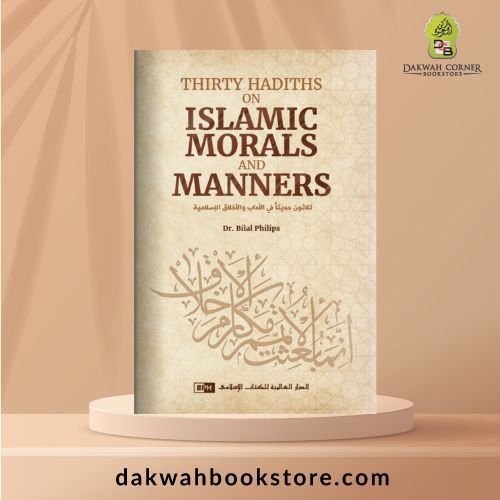
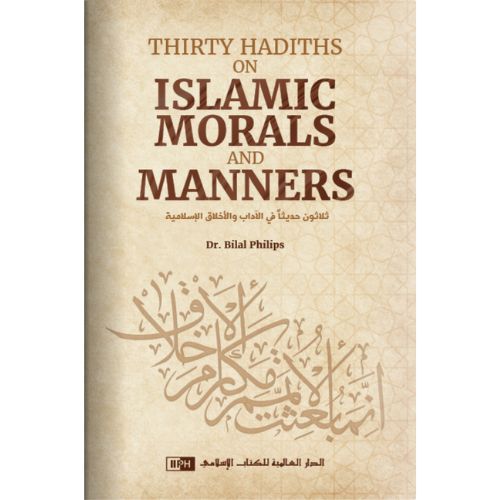
Thirty Hadiths on Islamic Morals and Manners (IIPH)
Highlights:
30 Hadiths on Islamic Morals and Manners is an attempt to draw guidance from Allah’s Messenger (sa) on diverse topics such as intentions, suspicion, jealousy, backbiting, bribery, greetings, marriage, and families. Dr. Bilal Philips has offered a commentary with each hadith to enable readers to learn about morality, ethics, and manners, as taught by Prophet Muhammad (sa).
RM75.00
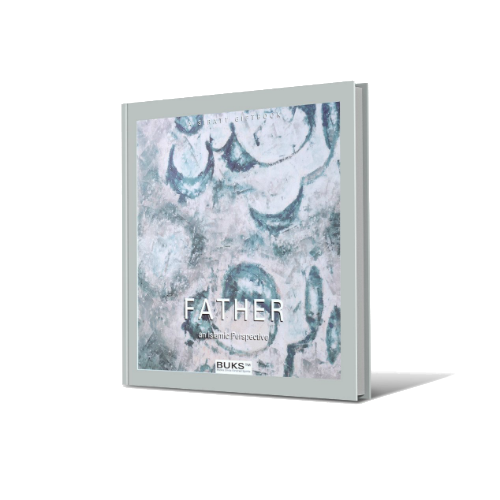
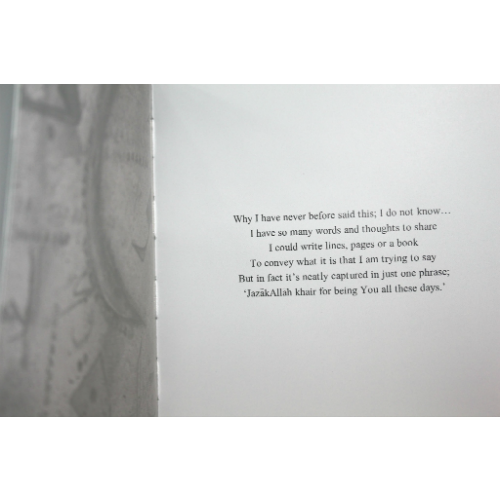
FATHER
Highlights:
Father The perfect gift to give a loved one or indeed to educate oneself as to the significance Islam places on this important relationship through relevant Qur’anic Ayah, Hadith, and Islamic Poetry.
Example Quotes from GiftBook: .
And your Lord has decreed that you worship none but Him. And that you be dutiful to your parents. And if one of them or both of them attain old age in your life, say not to them a word of disrespect, nor shout at them, but address them in terms of honour. And, lower to them (out of kindness), the wing of submission through mercy, and say, My Lord! Bestow on them Your Mercy, as they cherished me and brought me up when I was small.
[Q17:23-24]
Protecting me from all the dangers that be That was your fatherly duty, But the time you invested in advising me Is more than anyone afforded me. Your strength was not in brawn but in diplomacy, I always felt safe in your company. You were the glue that kept everyone together, InshaAllah in Paradise we’ll live happily forever.
Ideal gifts to convey what we sometimes find difficult to say through relevant Qur’anic Ayah, Hadith, and Islamic Poetry.
RM36.00
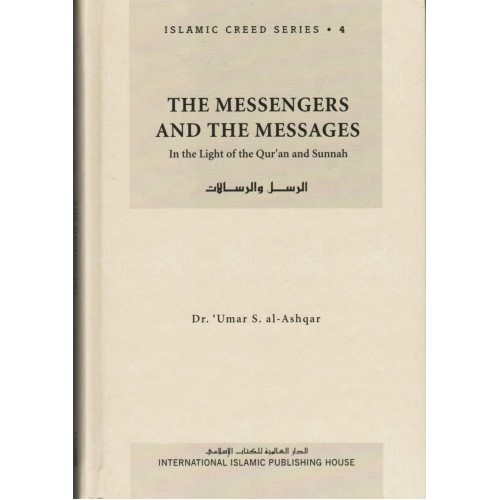
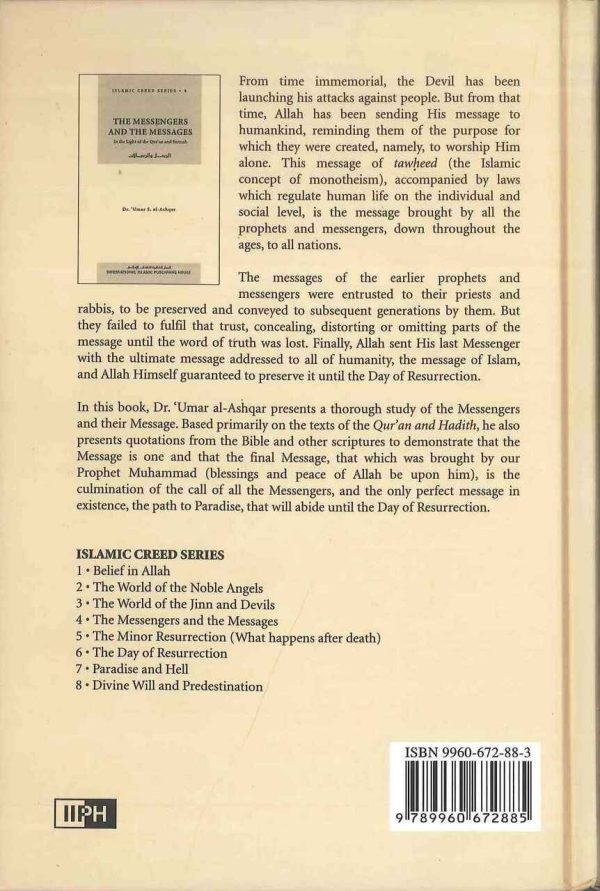
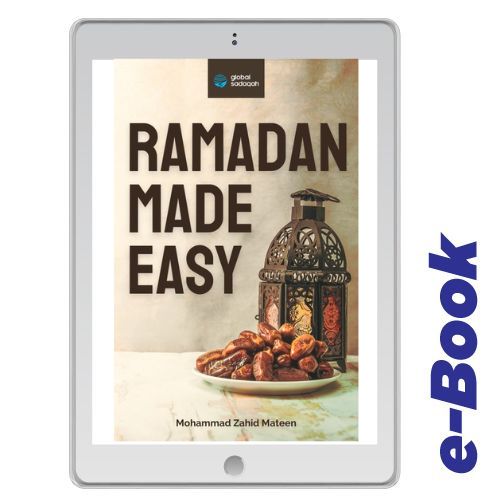
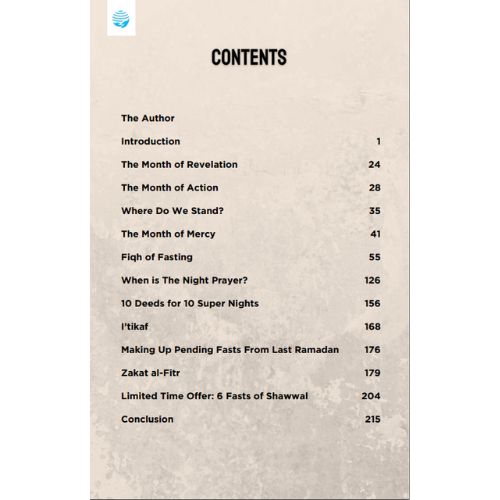
(FREE-eBook) Ramadan Made Easy 2024
Highlights:
رمضان أقِبل فالقلوُب مريضة
O Ramadan, come forth, for the hearts are ill.
RM0.00
RM24.00

Usool Al-Hadeeth (H/B)
Highlights:
Dr. Bilal Philips writes: “The Prophet’s sayings and actions were primarily based on revelation from Allah and, as such, must be considered a fundamental source of guidance second only to the Qur’an.” According to Dr. Philips, the Hadith, the record of these sayings and actions, plays a vital role in that it transmits revelation, tafseer (exegesis of the Qur’an), Islamic law, and the Islamic moral ideal. For instance, the Prophet’s “…character and social interactions became prime examples of moral conduct for Muslims. Consequently, the daily life of the Prophet (blessings and peace of Allah be upon him) as recorded in the hadith represents an ideal code of conduct. It is largely due to the science of hadith that the final message of Islam has been preserved in its original purity for all times.” In Usool al-Hadeeth, the reader will embark on a course of study that will, Allah willing, enable him or her to make critical and intelligent use of the body of Hadith literature in his or her daily life.
RM50.00

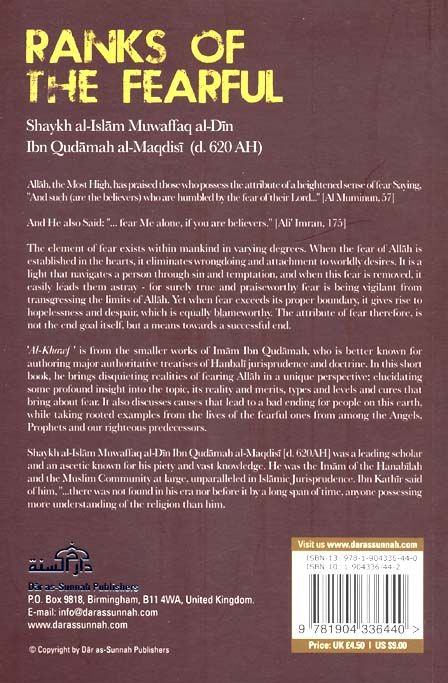
Ranks of the Fearful (P/B)
Highlights:
Ranks of The Fearful by Shaykh Al Islam Muwaffaq Al Din Ibn Qudamah Al Maqdisi (Died 620 Hijri) Allah, the Most High, has praised those who possess the attribute of a heightened sense of fear Saying, “And such (are the believers) who are humbled by the fear of their Lord…” (Al Muminun, 57) And He also Said: “… fear Me alone, if you are believers.” (Ali’ Imran, 175) The element of fear exists within mankind in varying degrees. When the fear of Allah is established in the hearts, it eliminates wrongdoing and attachment to worldly desires. It is alight that navigates a person through sin and temptation, and when this fear is removed, it easily leads them astray – for surely true and praiseworthy fear is being vigilant from transgressing the limits of Allah. Yet when fear exceeds its proper boundary, it gives rise to hopelessness and despair, which is equally blameworthy. The attribute of fear therefore, is not the end goal itself, but a means towards a successful end. ‘Al-Khawf ‘ is from the smaller works of Imam Ibn Qudamah, who is better known for authoring major authoritative treatises of Hanbali jurisprudence and doctrine. In this short book, he brings disquieting realities of fearing Allah in a unique perspective; elucidating some profound insight into the topic, its reality and merits, types and levels and cures that bring about fear. It also discusses causes that lead to a bad ending for people on this earth, while taking rooted examples from the lives of the fearful ones from among the Angels,Prophets and our righteous predecessors.
RM44.00
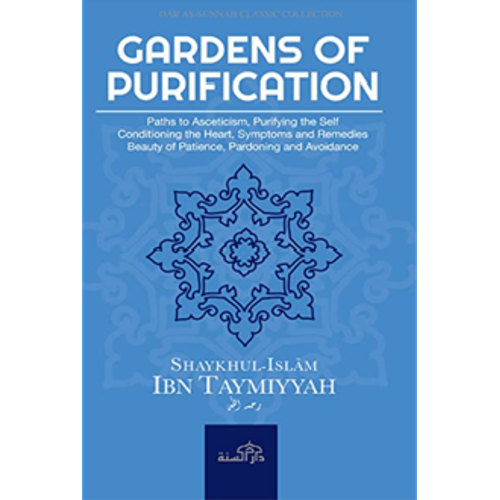
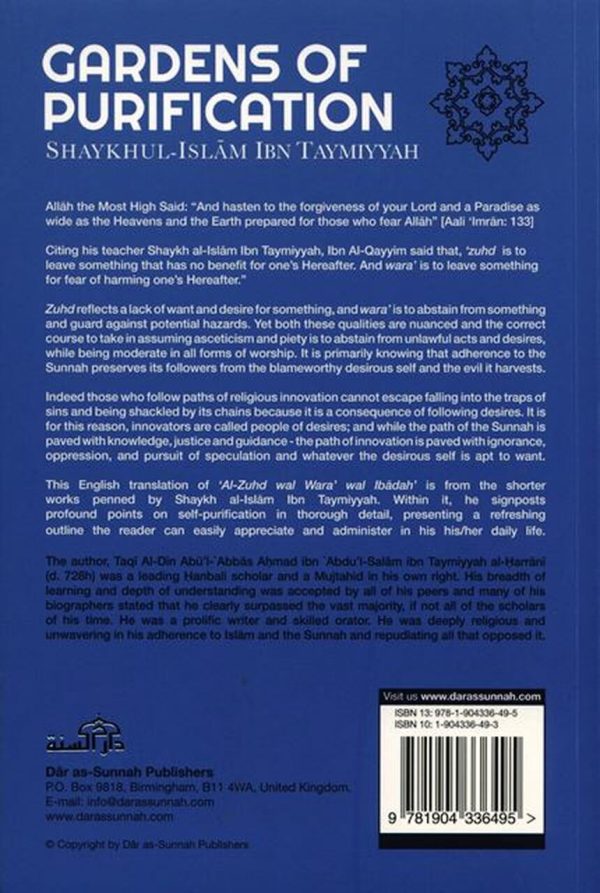
Gardens of Purification
5 ★
5 ★
1 Rating
5 ★
1
4 ★
0
3 ★
0
2 ★
0
1 ★
0
Highlights:
Paths to Asceticism, Purifying the Self. Conditioning the Heart, Symptoms and Remedies. Beauty of Patience, Pardoning and Avoidance
RM90.00
There are no reviews yet.