


| Weight | 0.70 kg |
|---|---|
| Dimensions | 24.5 × 16.5 × 3.5 cm |
| Author | |
| Binding | Hardcover |
| ISBN | 9781916475663 |
| Pages | 321 |
| Year of publication | 2020 |
| Publisher | Dar Al-Arqam |
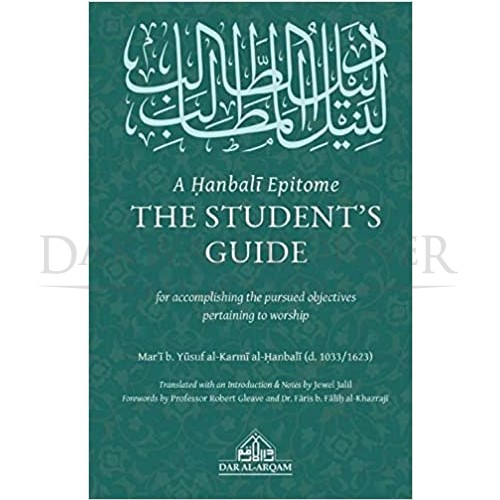
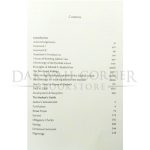
A Hanbali Epitome: A Student’s Guide
RM125.00
Out of Stock
Highlights:
somdn_product_page
Compare
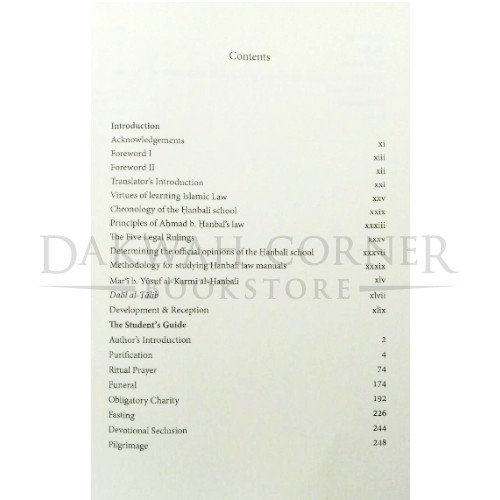
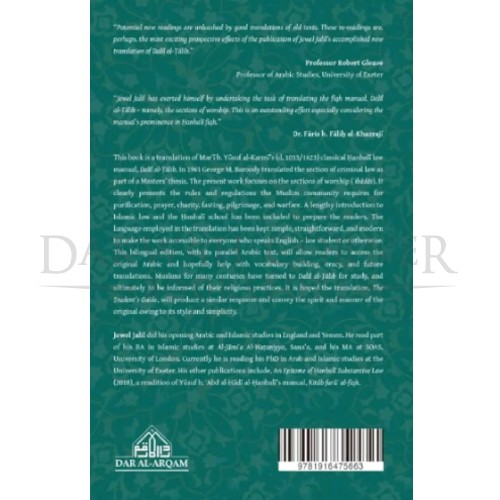
The present work focuses on the Muslim community requires for purification, prayer, charity, fasting, pilgrimage, and warfare. A lengthy introduction to Islamic law and the Hanbali’ school has been included to prepare the readers. The language employed in the translation has been kept simple, straightforward, and modern to make the work accessible to everyone who speaks English – law student or otherwise. This bilingual edition, with its parallel Arabic text, will allow readers to access the original Arabic and hopefully help with vocabulary building, oracy, and future translation. Muslims for many centuries have turned to Dalil al-Talib for study, and ultimately to be informed of their religious practices. It is hoped the translation, The Student’s Guide, will produce a similar response and convey the spirit and manner of the original owing to its style and simplicity.
Additional information
Reviews (0)
Be the first to review “A Hanbali Epitome: A Student’s Guide” Cancel reply
You must be logged in to post a review.
Related Products


Should A Muslim Follow A Particular Madhhab?
Highlights:
In this book, the author has widely described the main principle of Taqleed. He says that Allah and Prophet Mohammed (SAW) has not ordered us to follow any opinions and interpretations. So there’s a possibility of being correct or incorrect in the opinions because there are many issues on which the Imams had different views and they explain them according to their own reasons and speculations, but the real and true Islam is based on the book (Quran) and Prophet’s Sunnah.
Allah says: “But no, by your Lord, they can have no Faith until they make you judge in all disputed matters between them, and find in themselves no resistance against your decision, and accept them with full submission.” And the prophet said: “I leave you with two things as long as you hold them tightly, you never go astray: they are the book of Allah and my Sunnah.” In this sense, the author has described the difference between different Madhahib (madhabs/mazhabs), and their views and urged to follow only the Quran and Sunnah.
RM11.00

A Guide to Male-Female Interaction
Highlights:
Are Muslim men allowed to interact with female students, and vice versa, in a virtual classroom? Can a Muslim woman pursue a professional career that necessitates her interaction with men? Is it appropriate for a woman to serve her husband’s guests? Do mixed wedding ceremonies comply with the Sharia? Read this bilingual book to find the answers and more!
RM56.00


Ibn Ashur Treatise on Maqasid al-Shariah (P/B)
Highlights:
Ibn Khaldun, the fourteenth century Arab historiographer and historian, is viewed as a founder of modern historiography, sociology and economics. He lived during a turbulent part of history, and out of his experiences, he ?conceived and created a philosophy of history that was undoubtedly the greatest work ever created by a man of intelligence…?. This work tells of the period of unrest in Ibn Khaldun?s life marked by political rivalries. It is during this turbulent period which provided him with the opportunity to write the Muqaddimah (or Prolegomena), earning him an immortal place among historians, sociologists and philosophe
RM72.00

Preservation of Health in Islamic Law (P/B)
Highlights:
Preservation of health (hifz al-sihhah) is the most important branch of Islamic medicine since it is primarily concerned with the prevention of illness rather than cure. This book represents one of the few attempts to introduce the role of Islamic medicine, although Chapter One provides information about a historical background of the preservation of helath in Islam, its aim is to provide fresh ant timely overview of the major aspects of legal, ritual and spiritual structures of teh Islamic law (shariah). These include the laws related to Ibadah, Islamic family laws, foods and drinks as well as environmental laws, for maintaning and preserving human health. Findings indicated that prevention of any diseases from Islamic medical law presentive cannot attain any real success unless it emanates from an Islamic fundamental teaching, namely: the pillars of Islam. Iman and observance of the Islamic rituals such as Salah, zakah, Sawm and Hajj, have played an important role in shaping the attitude, behavior and model personality of the Muslim, in boosting the spiritual motivation or attitude change, and in disseminating the message of prevention. This indicates that bodily and spiritual health goes hand in hand and that pyscho-spritual balance and health is a primary consideration whereas physical health is a secondary one.
RM47.00

Islamic Rules of Order (P/B)
Highlights:
Organizations must have rules of order to facilitate their debate and to fill in the procedures not detailed by their constitutional documents. While most American organizations are content to operate by Robert’s Rules of Order, Muslim organizations have often wrestled with questions over whether the rules of order systemized by a Western military figure are in accord with the Qur’an and the Sunnah.
This book tackles the matter directly and takes into account the Qur’an, the sunnah, Islamic manners and the history of Islamic consultation and leadership to provide a simple, practical guide to organizational procedure that can be incorporated into the governance of Muslim organizations. The book includes advice on writing bylaws and on complying with the best practices of the U.S. Dept. of Justice in a way that is Islamically authentic, transparent, and accountable. It provides a basic starting point for any Muslim organization while allowing for flexibility so that organizations may make any variations they require within their own bylaws and constitution, so that it can accommodate differing schools of thought on Islamic law. In its discursive approach it is an essential primer for understanding the value of rules of order and the Islamic context for their application. The Islamic Rules of Order has been adopted as the rules of order of the Association of Muslims Social Scientists.
RM50.00


Fiqh According To The Quran & Sunnah (2 vol)
Highlights:
The complete set, ‘Al-Lubab Fee Fiqh As-Sunnah Wal-Kitab,’ contains all of the books of Islamic Fiqh and its chapters, accompanied by evidence and is presented in a clear and simple manner, in order that they may be understood by the young and the old, without blindly following any of the schools of Jurisprudence, but rather being subject to authentic proofs and following the most authoritative opinions, without fanatical adherence to any particular group. Rather the author agrees with each group when the truth is with them and contradicts them when they veer from that which is correct.
Fiqh is to achieve access to knowledge of that which is unclear through knowledge of that which is proven, so it is more specific than mere knowledge or learning. And fiqh is knowledge of the juristic law. It is said Faquha -A man has acquired understanding and so he has become a Faqeeh (A scholar of Islamic Jurisprudence); and it is said Faqiha – He has understood it, i.e he has attained understanding of it, and it is said Tafaqqaha – he has devoted himself to the acquisition of (Islamic) Knowledge and specialized in it. Fiqh has been a subject of contention among the scholars as well as layman throughout the history of Islam.
RM180.00


Fast According to the Quran & Sunnah
Highlights:
Saum (Fast) is a third Pillar of Islam. Allah’s Messenger said, Allah says: “Every deed of the son of Adam is for him, except Saum (fasting). It is for Me and I shall reward for it.”
As the status of this act of worship is so high it is essential to learn the pilings pertaining to this month of fasting so that Muslims will know what is obligatory in order to do it, what is forbidden to avoid it, and what is permissible so that they do not unnecessarily subject themselves to any hardship by depriving themselves from it.
This book consists of all the main issues of Fast. The main objective of this work is to serve an easy and authentic reference to the reader.
RM35.00


Funeral Rites In Islam (H/B)
Highlights:
The purpose of this book is to provide English speaking Muslims a concise and authentic compilation of the instructions regarding funeral rites in Islam.
RM35.00


Common Mistakes Regarding Prayer – IIPH
Highlights:
Formal prayer (salat) is the second pillar of Islam, and the most important of a Muslim’s acts of worship. Prophet Muhammad (PBUH) said: “The first of one’s actions for which a slave of Allah will be held accountable on the Day of Judgment will be one’s prayers. If they are correct and accounted for, then he (or she) will have succeeded (gained paradise); and if they are lacking, then he (or she) will have failed (lost paradise). If there is something defective in his (or her) obligatory prayers, the Lord will say: ‘See if my slave has any supererogatory prayers with which that which was defective in his (or her) obligatory prayers may be completed. Then the rest of his (or her) deeds will be judged in like manner.” (At-Tirmidhi and others) Shaykh Mashhur Hasan Salman has compiled a list of the most common errors that we make when we pray, discussing and explaining each one. This book is a valuable aid to Muslims hoping to perfect their prayers, so that their prayers may be free of defects and acceptable to Allah. This new and revised edition of the English translation of his work presents the text in a fluent, highly readable style.
RM38.00


Smoking Intoxicants & Narcotics (P/B)
Highlights:
This book deals with the epidemic of smoking, which enslaves many of today’s Muslims, and which is aggravated by that most victims belittle its dangers and deny its prohibition.
This book includes a discussions of intoxicants, establishing the prohibition of various practices associated with them, as well as penalties (in both lives) for those who partake in them.
This book also includes a discussion of narcotics, with an overview of marijuana and qaat (or khat). Based on their established effects and harms, we conclude that narcotics are strongly prohibited, except in very limited medical settings.
This book, we hope, will provide many Muslims with guidance toward a healthier, cleaner and worthies Islamic personality. My Allah grant us guidance and facilitation.
RM28.00

Worship In Islam: An In-depth Study of Ibadah, Salah and Sawm (P/B)
Highlights:
Worship in Islam is in-depth study of the nature and significance of Islamic spirituality by Abul A‘la Mawdudi (1903–79), one of the leading Muslim intellectuals of the twentieth century, with special reference to the concepts of God’s Oneness (tawhid), the finality of Prophethood (risalah) and the Islamic system of worship (‘ibadah) with a focus upon prayer (salah) and fasting (sawm) and their role in the development of the Islamic personality and Islam’s social order. The distinguishing feature of Mawdudi’s approach is his elaboration of the social dimension of worship, which extends the traditional approach found in Islamic jurisprudence, with its focus upon ritual and self-purification, to consider worship’s transformative role in social life. Presenting a holistic view of the Islamic system, Mawdudi highlights Islam’s social, economic and political dimensions, which he argues has the capacity to resolve emergent issues and problems that humankind faces.
This historic text should be of wider interest to both students and specialists in contemporary Islamic thought, and includes an introduction by Professor Anis Ahmad.
Edited and translated into accessible English by Ahmad Imam Shafaq Hashemi, this book is an authoritative compilation by a leading Islamic twentieth-century revivalist on the central matter of worship’s role in Islam.
RM84.00


Principles of Islamic Jurisprudence (2nd Revised Edition)
Highlights:
This book offers a detailed presentation of the theory of Muslim law (usul al-figh). Often regarded as the most sophisticated of the traditional Islamic disciplines, Muslim jurisprudence is concerned with the way in which the rituals and laws of religion are derived from the Qur’an and the Sunna – the precedent of the Prophet. Revelation, which is given to man to restore unity and help him achieve a just and devout order in society as well as in the soul, must be interpreted so as to render it practicable in every culture, while not betraying its spirit and immutable provisions. To achieve this, additional sources of legal authority are recognized, including consensus (ijma), analogical deduction (qiyas), public interest (maslaha) and local customary precedent (urf). In employing these, the jurist guards the five principles which it is the purpose of Islamic law to uphold, namely, the right to life, sound mind, property, lineage and religion.
RM75.00
Recently Viewed
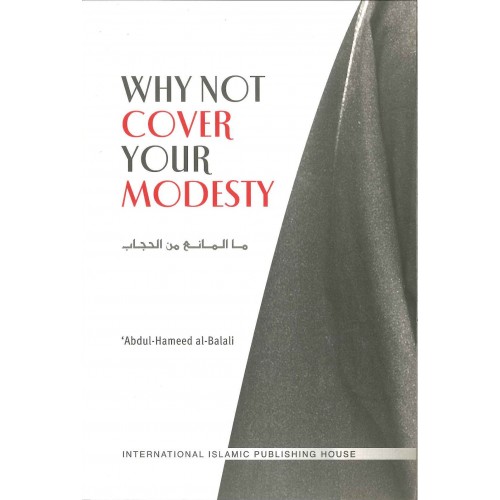
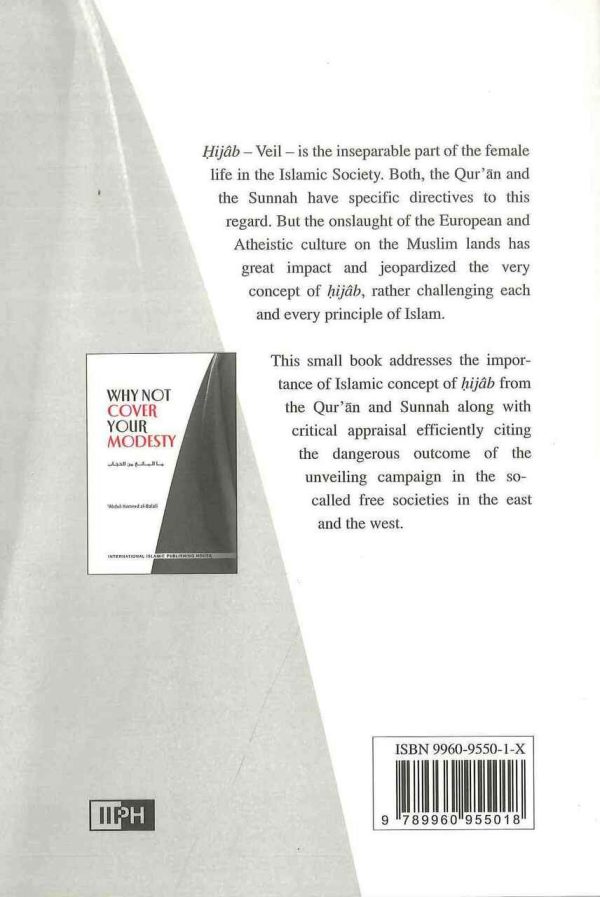
Why Not Cover Your Modesty
Highlights:
Hijab – or the veil – is an inseparable part of an Islamic Society. Both, the Qur’an and the Sunnah have specific directives regarding the veiling of women (and even the appropriate dress for men). However, the influence of western and atheistic cultures has had great impact, attempting to infuse its norms on the Muslim lands. The very concept of Hijab has been under attack, singled out for criticism. This small book addresses the importance of the Islamic concept of Hijab and how it seeks to honour women and protect the family unit. The author quotes from the Qur’an and the Sunnah to support Hijab. He also critically appraises the dangerous outcome of the unveiling campaign in the so-called free societies in the east and the west.
RM11.00

Fundamentals of Islam (P/B)
Highlights:
Fundamentals of Islam is a revised English edition of the critically acclaimed Khutubah (original written in Urdu). It consist of Friday congregational addresses, in them he expounds familiar themes; like Iman, Islam, the Prayer, Fasting, Alms-giving, Pilgrimage and Jihad.
RM38.00
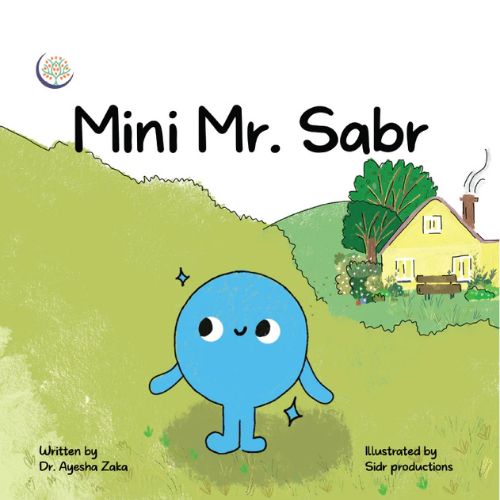
Mini Mr Sabr (P/B)
Highlights:
Mini Mr. Sabr is a gentle and engaging children’s story that introduces young readers to the beautiful Islamic value of patience (sabr) through simple language and relatable everyday moments.
RM20.00 RM35.00
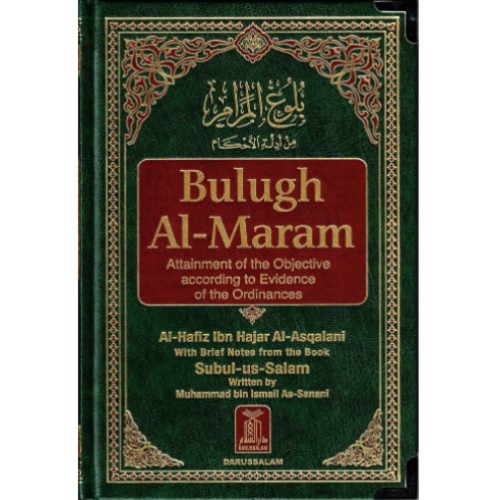
Bulugh Al-Maram (Attainment of the Objective)
Highlights:
Bulugh Al-Maram is based upon the Ahadith of our Prophet which have been the sources of Islamic Jurisprudence. Al-Hafiz Ibn Hajar Al-Asqalani (Hijrah 777-853) has recorded the true significance of the Ahadith and their origins & also made a comparison of the versions, if the sources are more than one
RM80.00
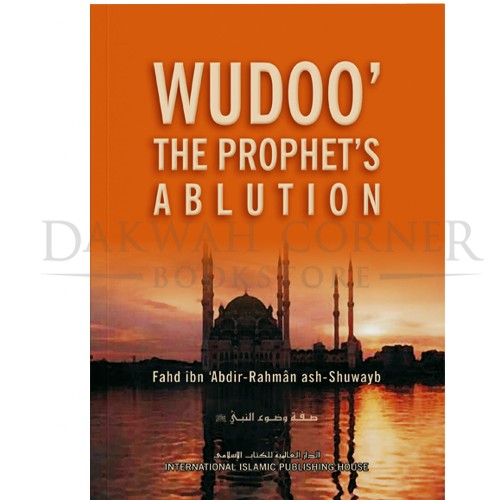
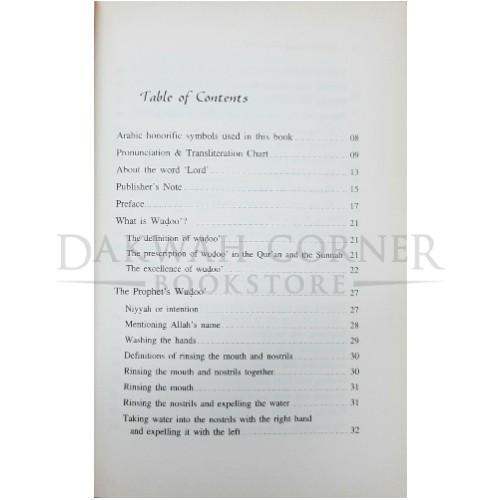
Wudoo’: The Prophet’s Ablution
Highlights:
Wudoo’: The Prophet’s Ablution is a small yet comprehensive book aimed at conveying authentic knowledge of the manner in which the Prophet purified himself for prayer. The attributes of the Prophet’s ablutions are detailed fully, such that the reader is given a clear mental picture, as if we were witnessing the Prophet actually making wudoo’. This book is based on sound narrations from the Messenger of Allah, and the author takes care to include differing opinions and their evidence. From leading us through the wudoo’ step by step, to addressing the things which nullify the wudoo’, the Prophet’s Ablution offers necessary guidance, so that by perfecting our ablution, this purification can truly “wipe away our sins.”
RM10.00
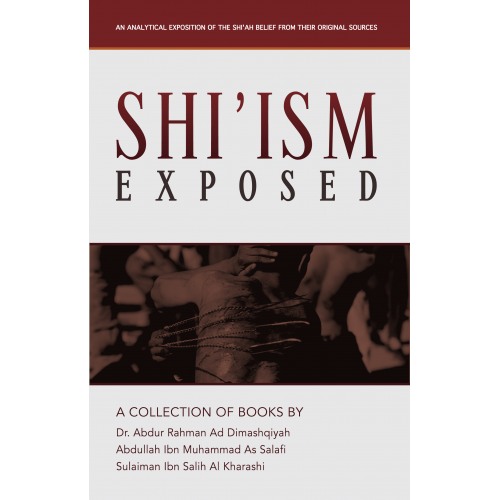
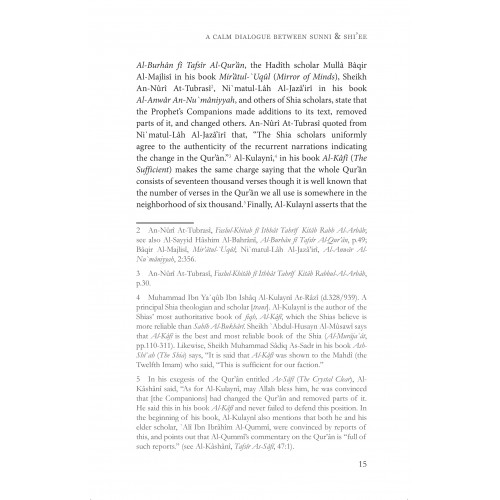
Shi’ism Exposed (H/B)
Highlights:
This book is mostly dedicated to every Shia who is willing to listen to constructive criticism with an open heart and an enlightened mind. This research is, in fact, a survey of the literature about the rise and spread of Shiism and its fundamental principles. Much of what follows is taken directly from Shia sources. The history, ideological background, and threats posed by Shi’ism against the true Islam of our noble Prophet Muhammad (Peace be upon him)are clearly outlined, and the Muslim finds, in them, a warning against falling prey to the calls of the Shi’ites. Also it is a guidance for Shi’ittes to discover reality of Shi’ism to come back to the original faith of Islamic Monotheism.
RM45.00
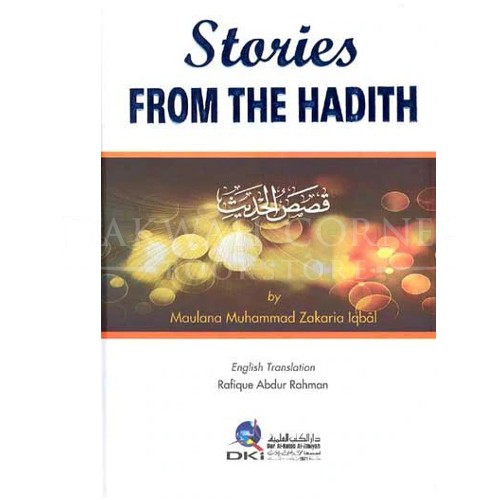
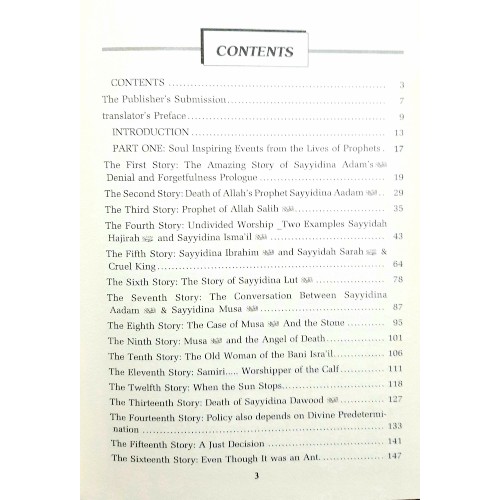
Stories From The Hadith
Highlights:
It will not be an exaggeration of facts if we say that this book is one of its kind. Mawlana Muhammad Zakariya Iqbal has produced a truly unique book in Urdu, Qisas al-Hadith, and stories from Hadith.
RM56.00
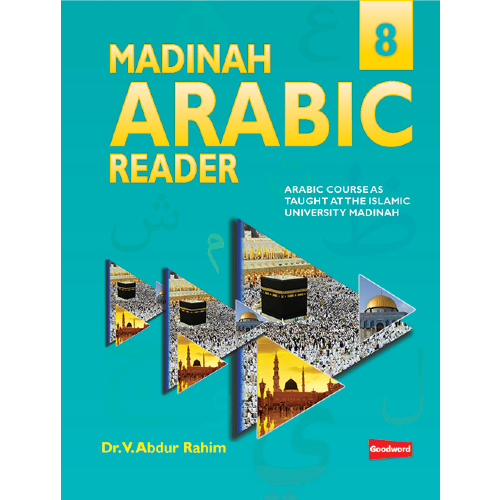
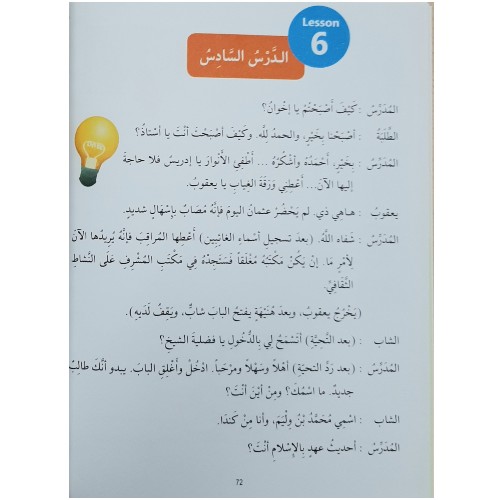
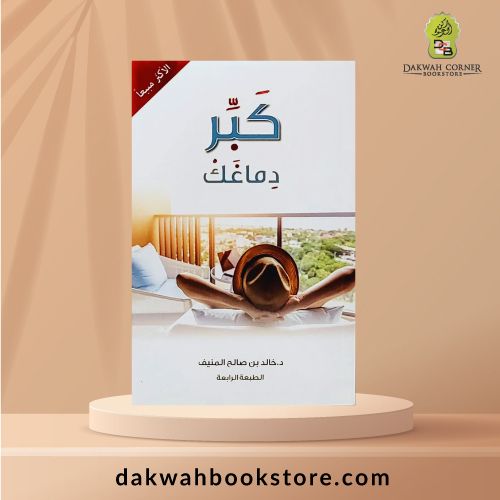
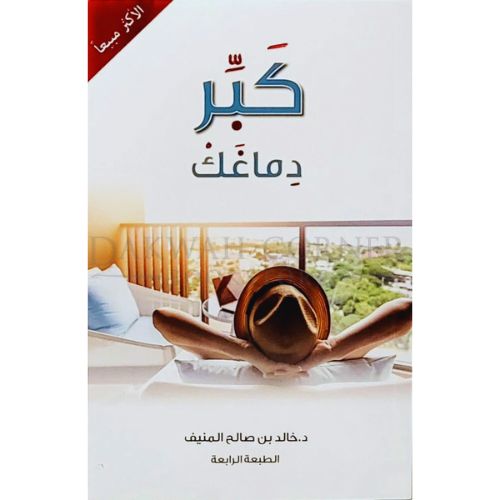
Kabir Dimaghak / كبر دماغك
Highlights:
عد هذا الكتاب من الكتب القيمة التي ستساعدك على امتلاك مساحات رحلة من السكينة والهدوء في حياتك، حيث ستكون قادرًا على صناعة عالم داخلي جميل يرتفع فيه صو…
RM100.00
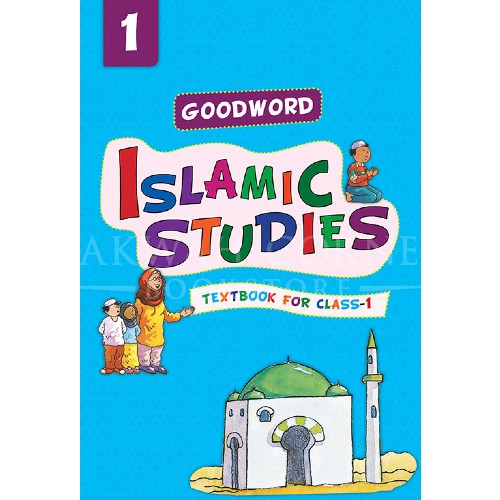
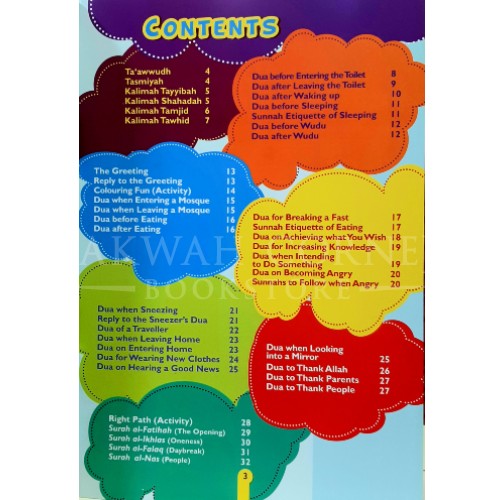
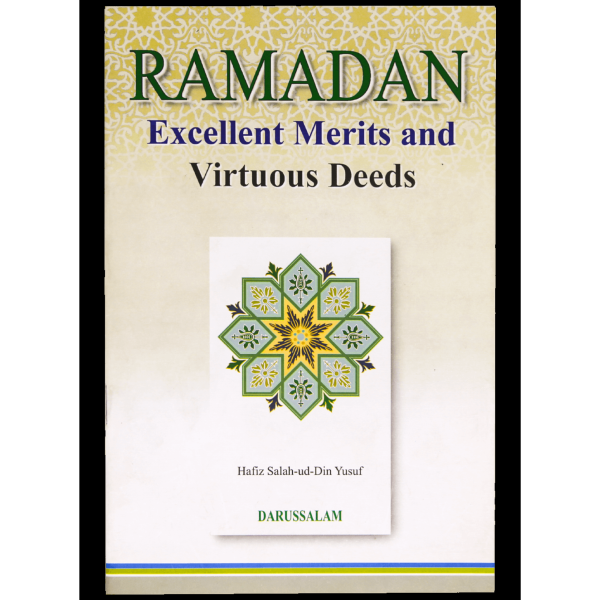
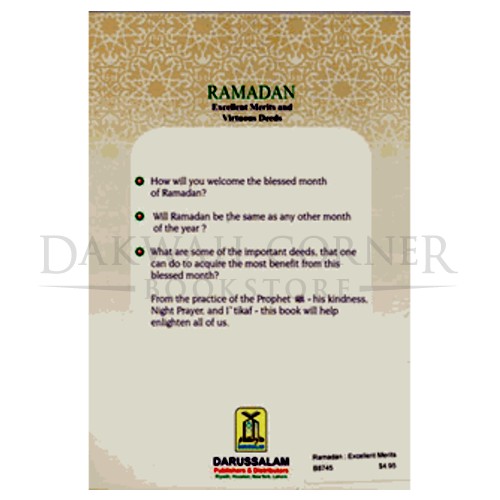
Ramadan Excellent Merits And Virtuous Deeds
Highlights:
Ramadan Excellent Merits and Virtuous Deeds by Darussalam is an important booklet written by Hafiz Salah-ud-Din Yusuf. The book details all the virtuous deed that should be carried out in the holy month of Ramadan and is a good guide for people aiming to achieve the maximum benefits of this holy month. It explains how we should welcome Ramadan, matters related to Itekaf, the night prayer, giving charity, and searching for the Night of Decree.
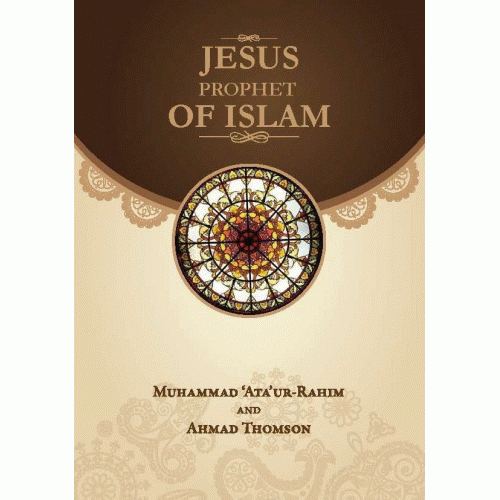
Jesus Prophet of Islam (P/B) – TAHA
Highlights:
1996 expanded and revised edition. This book examines Jesus as a prophet teaching the Unity of God, and the historical collapse of Christianity as it abandoned his teaching. The author sketches the dramatic picture of the original followers of Jesus who affirmed Unity. What emerges is that “Christianity” is the fiction that replaced their truth. A work that covers the Gospel of Barnabas, the Gospel of Hermes, the Shephard, early and later Unitarian Christians, Jesus in the Gospels and in the Qur’an and Hadith. The author clearly shows the idea of Jesus as part of a Trinity was a Greek Pagan idea adopted by early Christian mission-aries to gain converts among the Greek, and did not become a widely accepted Christian doctrine until after the Council of Nicea in 325 A.D.
RM56.00
There are no reviews yet.