| Weight | 4.00 kg |
|---|---|
| Dimensions | 24.5 × 17.5 × 12.5 cm |
| Author | |
| Binding | Hardcover |
| ISBN | 9782745185204 |
| Publisher |
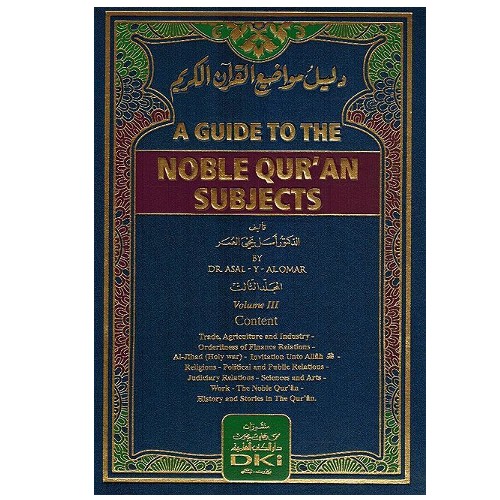
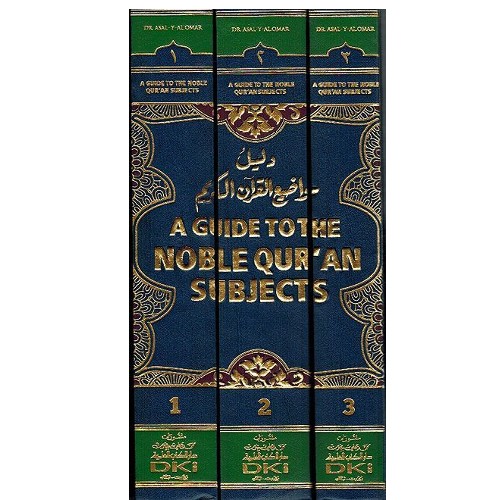
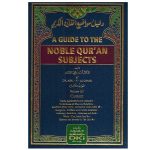
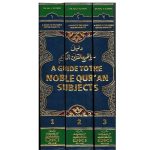
A Guide To The Noble Qur’an Subjects (3 Vol)
RM350.00
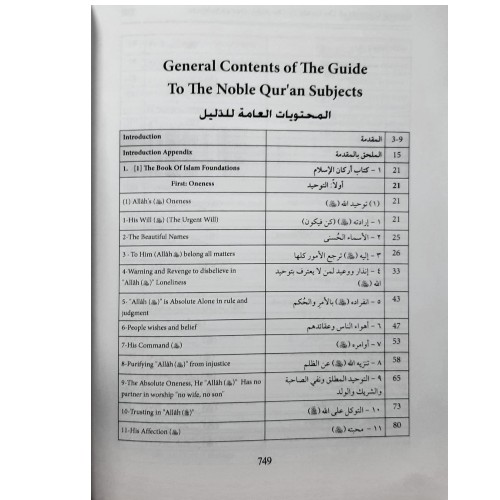
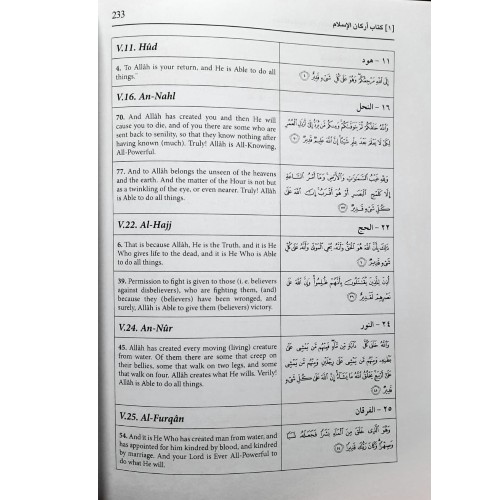
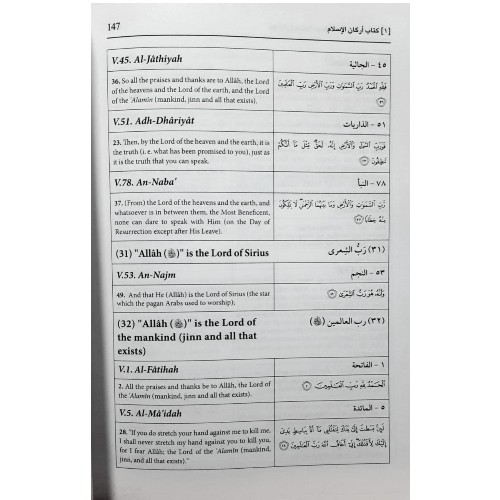
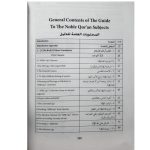
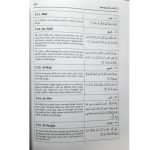
Three volume set which breaks down major themes in the Quran and translates with slight interpretation. Sections include but no limited to; Foundations of Faith, The Messenger of Allah, The book being for all mankind, Moral Relations, Book of Trade and Agriculture, Finance, Judicial Matters, Jihad, Political relations, Work, History, etc. Also includes each verse in its original Arabic language from the Quran.
Frequently Bought Together
Be the first to review “A Guide To The Noble Qur’an Subjects (3 Vol)” Cancel reply
You must be logged in to post a review.
You may also like…
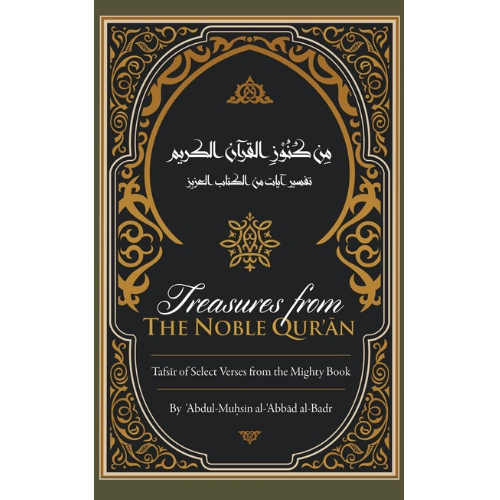
Treasures from the Noble Qur’an (Tafsir of Select Verses from the Mighty Book)
The following is an explanation of some verses from the Mighty Book of Allāh. I wrote it because, while reciting the Noble Qur’ān, I pass by some verses and some of the treasures therein come to mind; thus, I wanted to illustrate those treasures. This goal was achieved—and all praises belong to Allāh—with the writing of this book; and while editing the book, I thought to write concerning some other verses as well.
This book contains speech on verses from chapters in the Qur’ān—all of the suwar which appear before al-Mufaṣṣal. Most of the verses cover one topic in that particular sūrah, and sometimes more than one topic is discussed in that sūrāh. As for al-Mufaṣṣal—which begins with Sūrah Qāf—the topics cover a range of 15 various subjects. I derived benefit in what I wrote from the books of tafsīr by Ibn Jarīr, al-Qurṭubī, Ibn Kathīr, ash-Shawkānī, and ash-Shinqīṭī (may Allāh have mercy upon them).
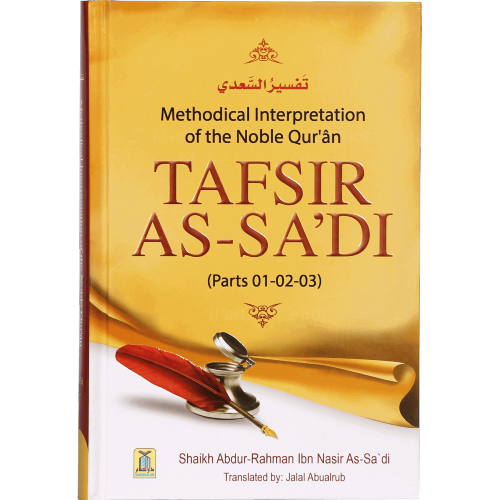
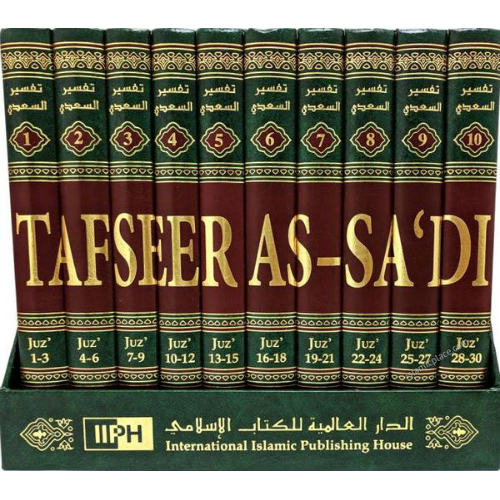
Tafsir As-Sa’di (parts 1,2,3)
Tafsir As-Sa’di is a straightforward, easy to read, easy to understand explanation of the meaning of Qur’anic Ayat and statement. In addition to the simplicity of Ibn Sa’adi’s writing, it is also articulate and eloquent. Consequently, for those newly acquainted with Tafsir and those new to Islam, this Tafsir provides an uncomplicated, deep and insightful comprehension into the meaning and explanation of the Qur’an.
Related Products
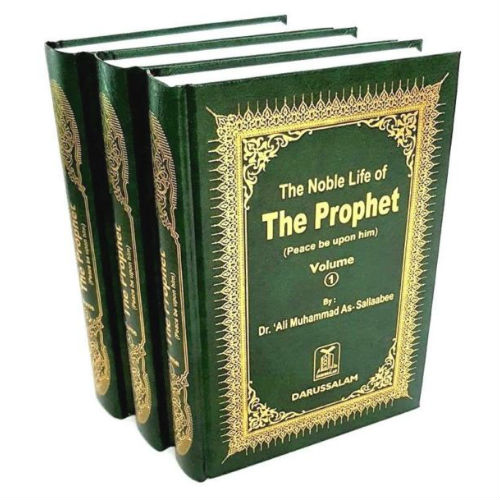
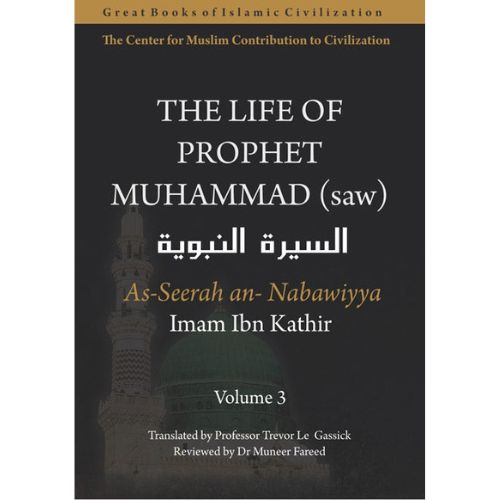
The Noble Life of the Prophet PBUH (3 volumes)
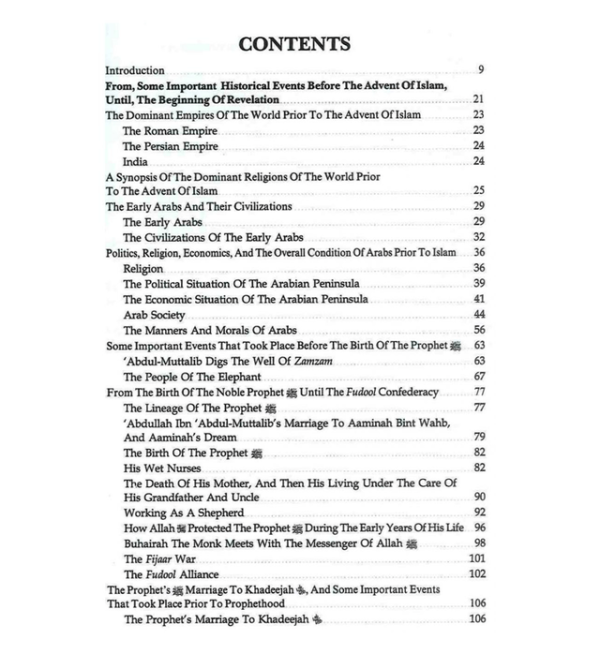
In this book, the events of the Prophet’s life, from the day he (S) was born and even before that day for background information-until the day he (S) died, have been recorded.
Beyond enumerating the events of the Prophet’s life, lessons and morals from those events have been drawn to point out the significance of an event and the wisdom behind the Prophet’s actions or deeds, the Islamic ruling that is derived from a particular incident, and the impact that a given event should have on our character or choice of deeds is indicated.
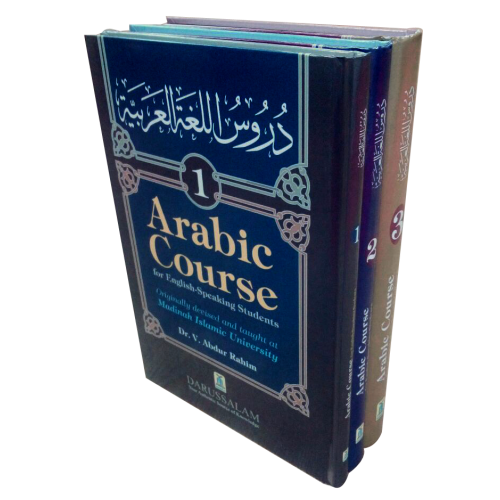
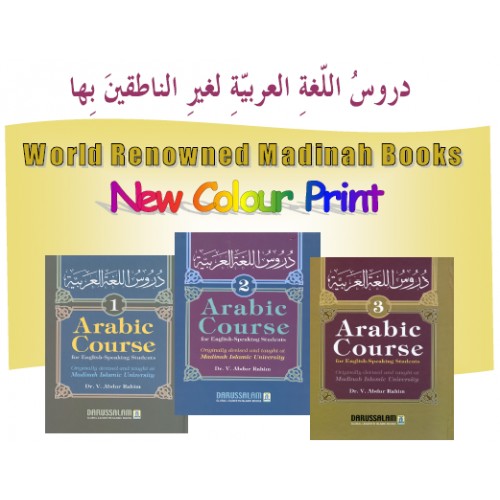
Arabic Course for English-Speaking Students -3 Vols (H/B)
Easy Arabic Course (Durus al-Lughat al-Arabiyah) – For English-Speaking Students. As per the curricula and norms pescribed by the Islamic University of Madinah.
Combines Modern Arabic vocabulary with Islamic terminology as used in the Qur’an and hadith. Assists in learning Arabic grammar and essential language skills Uses a conversational approach to help understand grammatical usages in its perfect form. Contains Multi-skil exercises to improve vocabulary and language
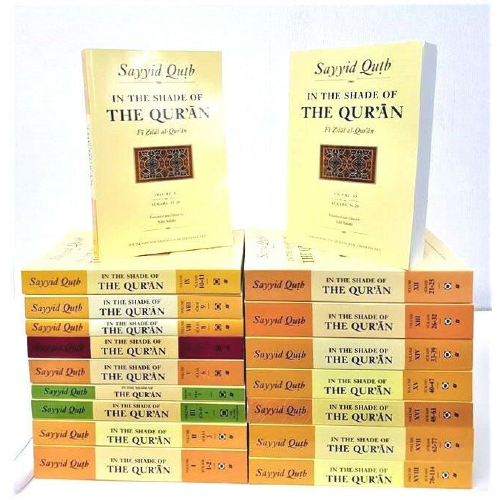
In The Shade Of The Qur’an (18 VOLS)
This is volumes 1 to 18 (Surahs 1 to 114, the entire Qur’an) of Qutub’s Shade.
In the Shade of the Qur’an is more than ‘just another’ commentary; yet it is not too over-reaching or outlandish to be a completely new interpretation. It is an earnest, sincere, and sober look at man’s contemporary achievements and difficulties in the light of the message of the Qur’an. It is an effort to vigorously explore its rich wisdom, and expand its invaluable guidance for the benefit of an increasingly ‘sophisticated’, yet highly perplexed modern society. The work, which is by far Sayyid Qutb’s largest and most profound, spans the whole of the text of the Qur’an. It was written, and party re-written over a period of more than 15 years, most of which the author had spent in Egyptian prisons, during the 1950s and 1960s. In it is embedded Sayyid Qutb’s insight, highly esteemed intellectual vigor, and his widely-acclaimed literary prowess. This book has been universally recognized as an outstanding contribution to Islamic thought and scholarship, to which students and scholars, as well as contemporary Islamic revivalist movements all over the world, owe a great deal. Now that it is available in English, it will continue to enlighten and inspire millions more. It will take its rightful place as an indispensable work of reference for a proper understanding of contemporary Islamic thinking.
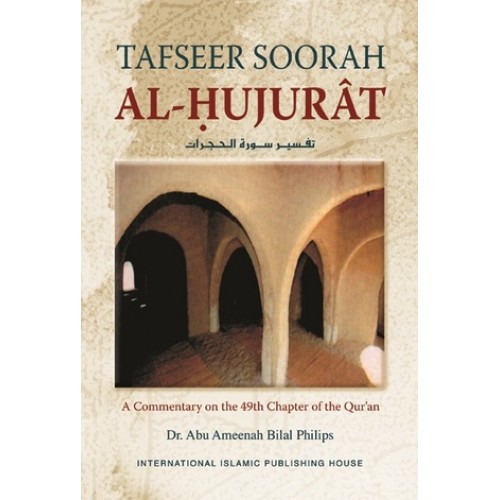
Tafseer Soorah Al-Hujurat (H/B)
Tafseer Soorah al-Hujurât: A Commentary on the 49th Chapter of the Qur’an is a treasury of divine advice, commandments, and prohibitions regarding common problems in social relations, including gossip, spying, arguing, and bigotry. To make the best use of this chapter, the believer needs a detailed explanation of the meanings of the verses.
Dr. Bilal Philips has based his tafseer (exegesis) on the methodology used in the classical works of tafseer. He has relied first of all on the explanations found within the Qur’an itself, then on explanations found in the Sunnah and related incidents which occurred at the time of the revelation of the verses in question. Beyond these primary sources, Dr. Philips has relied on the interpretations made by the Prophet’s Companions (may Allah be pleased with them) who were noted for their ability to interpret and comment on the Qur’an. ‘Abdullâh ibn ‘Abbâs, for example, was called ‘The interpreter of the Qur’an’ by Prophet Muhammad (blessings and peace of Allah be upon him). Finally, the author has made use of the grammatical explanations given in the classical tafseer works. Wherever possible, Dr. Philips has tried to apply the derived meanings of the verses to the problems of contemporary society.
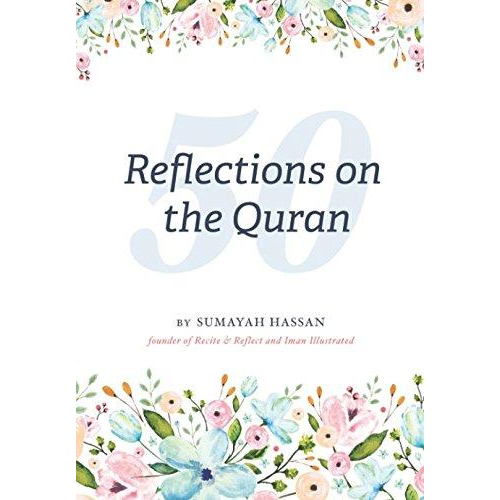
50 Reflections On The Quran
50 Reflections on the Quran is a collection of brief reflections on the Quran written and compiled by Sumayah Hassan. It’s aimed at inspiring others to find their personal truth in the words of our Creator, (swt). May this book be the first step in your own journey towards understanding, living and being transformed by the Quran.
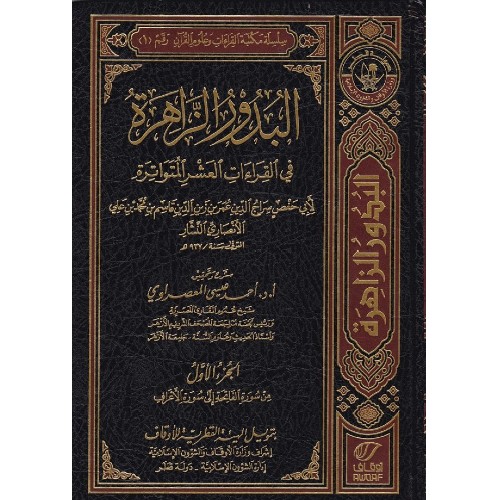
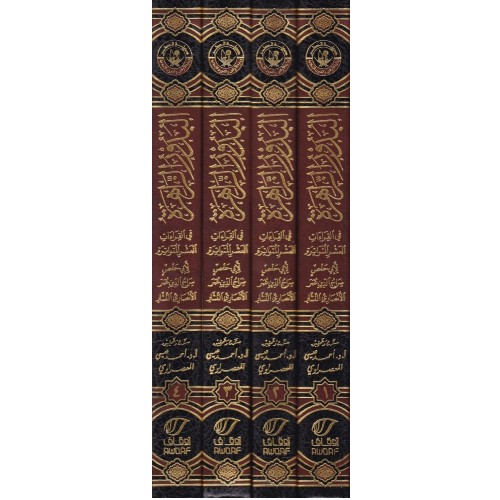
[QQ] Al-Budūr Az-Zāhirah Fī Al-Qirāʾāt Al-ʿAshr (4 Vol) / البدور الزاهرة في القراءات العشر مجلدات
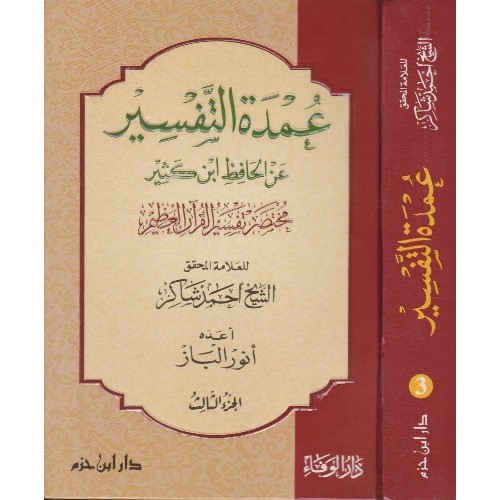
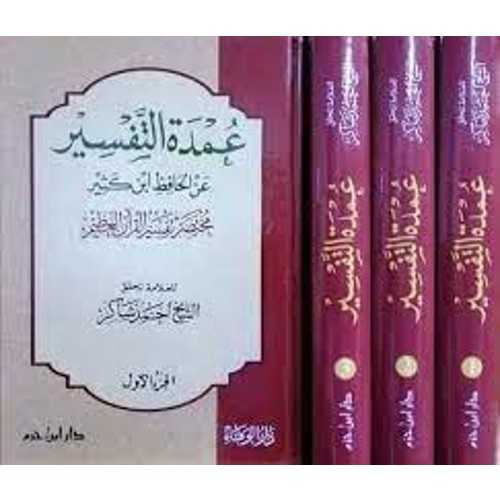
[QQ] Brief Interpretation Of Ibn Katheer (3vols) (عمدة التفسير عن الحافظ ابن كثير مختصر تفسير القران العظيم)
هذا الكتاب هو الطبعة الثانية عشرة المنقحة والمدققة والمصححة من سفر الامام ابن كثير فى تفسير القران العظيم والواقعة في ثلاث مجلدات وهو التفسير الأوسع انتشاراً والاكثر قبولا بين القراء في العالم العربي والإسلامي لسهولة تناوله على العامة والخاصة بعباراته السهلة البعيدة عن التعقيد والاقرب الى تفسير القران بالقران ، وقد اعتمد ابن كثيررحمه الله في تفسيره هذا اعتماداً كبيراً على تفسير الإمام الطبري حتى عُدّ عند بعض المدققين اختصاراً له .وتزداد اهمية وموثوقية هذه الطبعة بقيام العلامة الموسوعى المحقق الشيخ أحمد شاكر بتحقيقها والتعليق عليها ما يجعلها كتابين فى كتاب واحد … كتاب ابن كثير الاصلى وتعليقات واضافات أحمد شاكر عليه… رحم الله الرجلين رحمة واسعة ونفع بعملهما هذا الاسلام والمسلمين .. والله من وراء القصد وهو يهدى السبيل … م.ع.ح.
Usool at-Tafseer (H/B)
Usool at-Tafseer, essentially refers to the branches of knowledge necessary for providing an accurate interpretation of the Quranic texts, such as Arabic grammar and syntax, Arabic literature and Quranic sciences (Uloom al-Quran). Familiarity with modern fields of learning, like the pure sciences and social sciences is also necessary for a commentator in this era to make the Quraanic explanations relevant to human society. This book addresses the actual step-by-step methodology of interpreting Quran to ensure that interpretations are not merely the result of human whims and fancies.
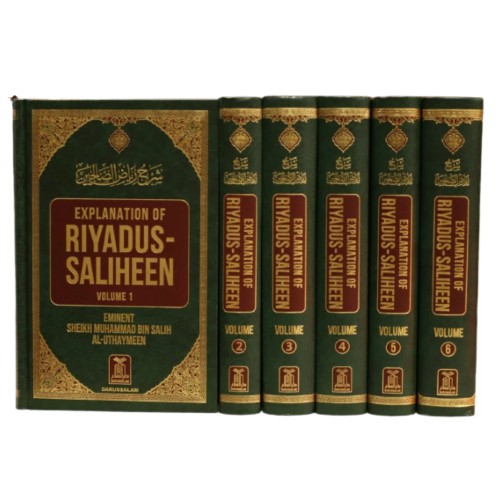
Explanation of Riyadus Saliheen (6 volumes)
Explanation of Riyadus Saliheen by Sheikh Muhammad Bin Salih Al-Uthaymeen 6 Volume Set (Darussalam)
This new multi-volume Sharh Riyadus-Saliheen English translation contains the detailed explanation of every hadith by the Eminent Sheikh, Muhammad bin Salih Al-Uthaymeen. Each hadith text is in Arabic, followed by the English translation and the commentary.
This explanation is easy to follow and contains many points of benefit. Sheikh Al-Uthaymeen is well known in the Arab world as a teacher for the everyday Muslim. He is an expert at taking something complex and detailed and teaching it to the people in an easy to digest manner.
Riyadus-Salihin is compiled by Imam Nawawi who was a great scholar of Hadith and Fiqh of his time. This book has acclaimed an important position in the Hadith Collections. It is an extremely popular and useful compilation of authentic hadith.
Recently Viewed
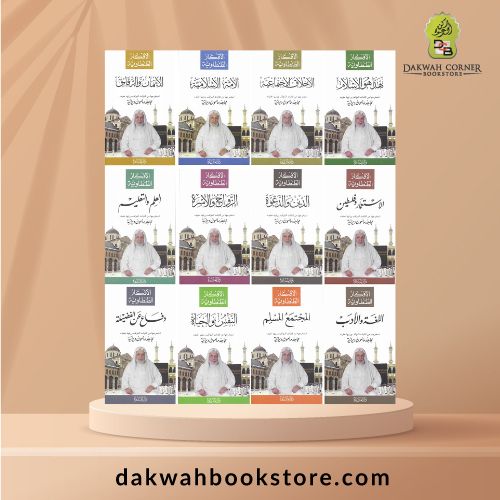
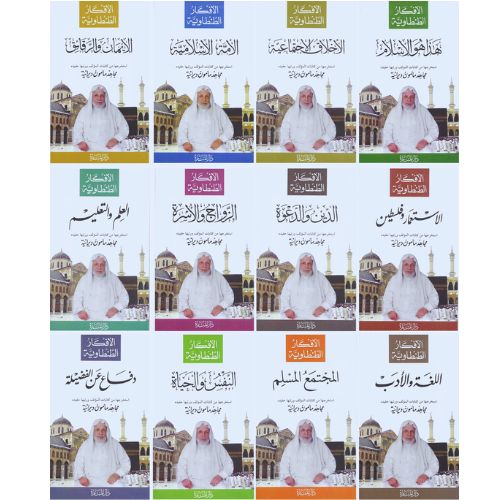
[GB] Al-Afkar Al-Tantawiyyah Munawwa’ah / الأفكار الطنطاوية منوعه
تضم هذه المجموعة 12 كتيباً تضم خلاصة أفكار الشيخ علي الطنطاوي رحمه الله عن مواضيع مختلفة. وكل فكرة مُذيلة بإشارة إلى مصدرها “اسم الكتاب والمقالة وتاريخ نشرها”.
استخراج وترتيب الأستاذ مجاهد مأمون ديرانية.
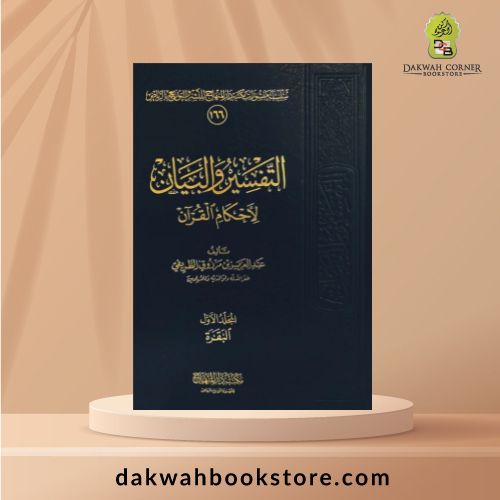
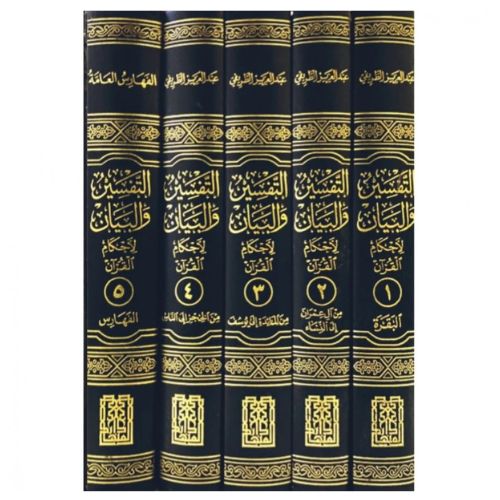
[QQ] At-Tafsir wal-Bayan li Ahkam al-Qur’an – التفسير والبيان لأحكام القرآن 5/1 | 1/5
تهذيب تفسير الشوكاني المسمى فتح القدير الجامع بين فني الرواية والدراية من علم التفسير | محمد بن علي بن محمد بن عبد الله الشوكاني | زيد بن علي مهارش
Preservation of Health in Islamic Law (P/B)
Preservation of health (hifz al-sihhah) is the most important branch of Islamic medicine since it is primarily concerned with the prevention of illness rather than cure. This book represents one of the few attempts to introduce the role of Islamic medicine, although Chapter One provides information about a historical background of the preservation of helath in Islam, its aim is to provide fresh ant timely overview of the major aspects of legal, ritual and spiritual structures of teh Islamic law (shariah). These include the laws related to Ibadah, Islamic family laws, foods and drinks as well as environmental laws, for maintaning and preserving human health. Findings indicated that prevention of any diseases from Islamic medical law presentive cannot attain any real success unless it emanates from an Islamic fundamental teaching, namely: the pillars of Islam. Iman and observance of the Islamic rituals such as Salah, zakah, Sawm and Hajj, have played an important role in shaping the attitude, behavior and model personality of the Muslim, in boosting the spiritual motivation or attitude change, and in disseminating the message of prevention. This indicates that bodily and spiritual health goes hand in hand and that pyscho-spritual balance and health is a primary consideration whereas physical health is a secondary one.
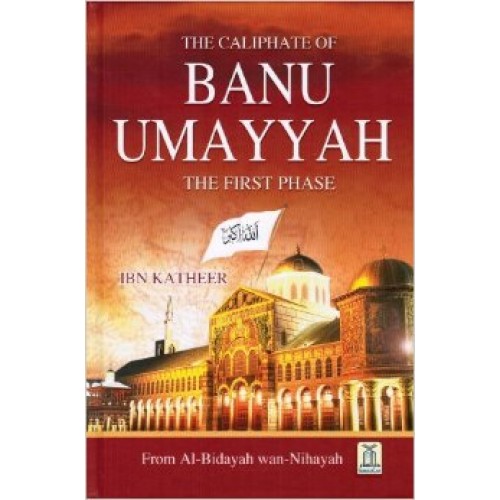
The Caliphate of Banu Umayyah (H/B)
Darussalam is proud to present the abridged English translation of the classic work: Al-Bidayah wan Nihayah, which covers the Caliphate of Bani Umayyah. It starts from the rule of Mu’awiyah bin Abi Sufyan in the 41st year of Hijrah upto the rule of Caliph Marwan Al-Himar in year 132 of the Hijrah.
The Umayyad Caliphate ?(c. 661-750 CE/41-132 AH) was the second of the four major Islamic caliphates established after the death of Rasulallah. Although the Umayyad family originally came from the city of Makkah, their capital was Damascus. At its greatest extent, it covered more than five million square miles (13,000,000 km2), making it one of the largest empires the world had yet seen, and the seventh largest contiguous empire ever to exist.
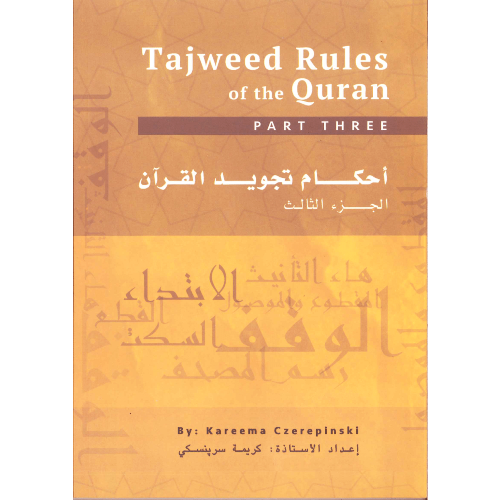
Tajweed Rules of the Quran (Part Three)
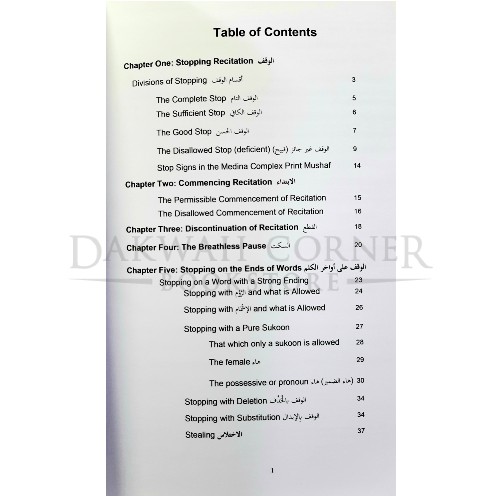
This is the third and final part of a three part series in English on the rules of tajweed the Qur’an for the recitation of Hafs from ‘Aasim by the way of Ash-Shaatibiyyah. These books are meant as a guide for non-Arabs with a good grasp of English for studying tajweed of the Glorious Qur’an. This final book explains the stop and start when reading the Glorious Qur’an, and gives details as to what kind of stop is allowed, what kind is preferred, and what kind of stop is forbidden. Stopping on the ends of words with strong endings (consonants) and rules for what is allowed on the last letter of the word is described, including ar-room (الروم) and al-ishmaam (الإشمام). Stopping on the ends of words with weak endings (words ending in the alif, ya’ or wow) and different rules and explanations for these type of words is clarified. One important aspect of Qur’an recitation is knowing and understanding which word combinations are written together and which separately in different parts of the Qur’an as well as in which places of the Qur’an are some words are written the female haa (هاء), and in which places they are written with the taa (تاء). This part lays out the different places in the Qur’an these occurrences take place, so the reader knows how he/she can stop on these words. The words that are read in a special way, or have two allowed ways for the reading of Hafs from ‘Aasim by the way of Ash-Shaatibiyyah are detailed in this book. The history of the writing of the Glorious Qur’an (رسم) and the general rules for the writing of the Qur’an are laid out in the last chapter of this part. This last part of the three parts on tajweed is for students who have studied and mastered the other two parts, or have studied everything covered in the first two parts. The explanations of the different subjects are in English, and the Arabic terms are translated. The goal is always to assist the students in understanding and to encourage them to learn the Arabic terms and definitions. The three parts of this series on tajweed rules of the Glorious Qur’an should facilitate non-Arabic speaking students of the Qur’an whether they are in a classroom with an Arabic medium for teaching or English. With this third part completed, insha’ Allah the non-Arab English speaking student of the Qur’an will find a complete curriculum and explanation of the tajweed rules for the recitation of Hafs ‘an ‘Aasim from the way of Ash-Shatibiyyah in any classroom or study situation that he/she may find themselves in. These three parts are only guidance; the real goal is reciting and applying all the different rules correction which can only be done by reciting to and being corrected by a qualified teacher of the Qur’an.


There are no reviews yet.