


![[ASJ] Fath al Qarib al Mujib / فتح القريب المجيب](https://shop.dakwahbookstore.com/wp-content/uploads/2026/05/Tariq-2.jpg)
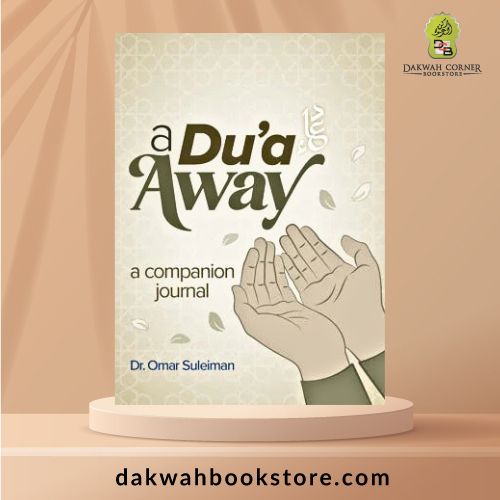
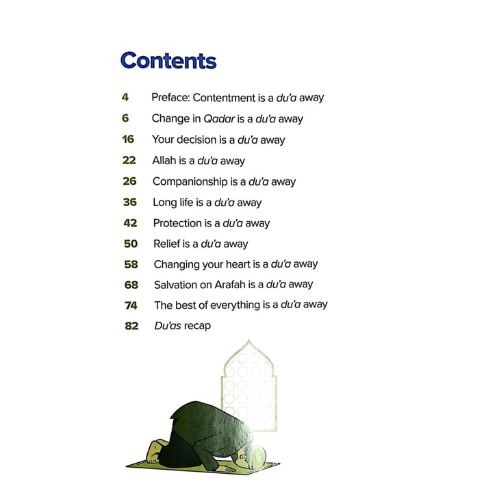
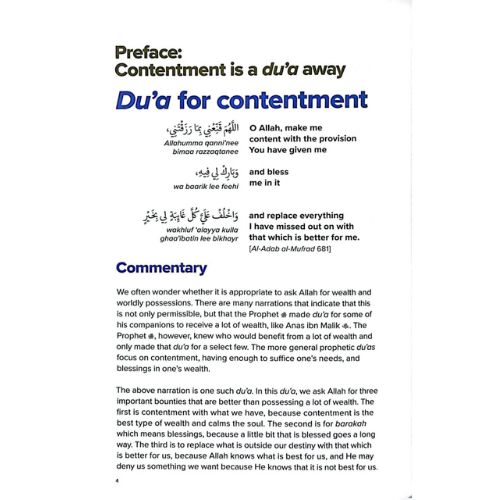
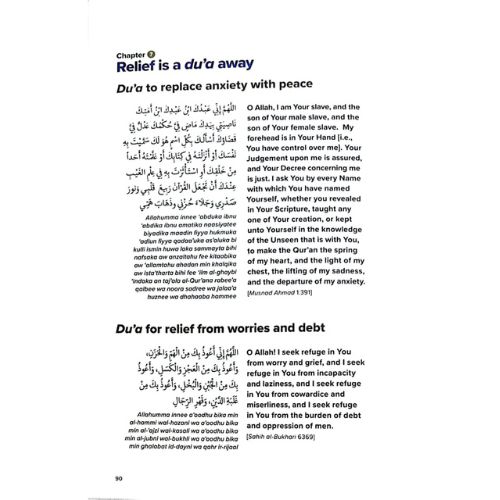
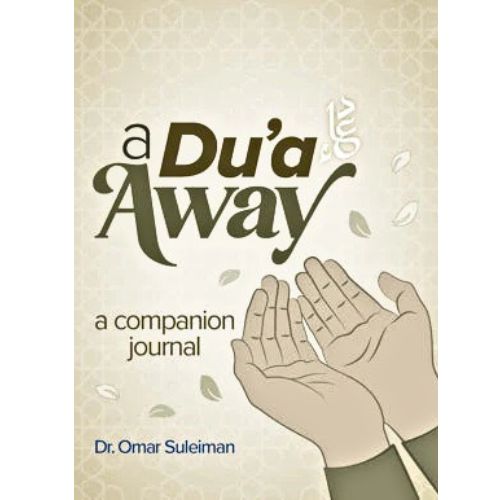
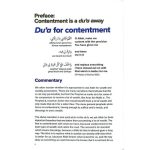
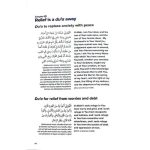
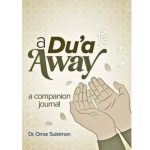
One should never underestimate the power of du’a as it can change your destiny. The Prophet Muhammad used to make certain du’as in certain situations, but what if one feels that they are not worthy of calling upon Allah or just simply don’t know how. When you look through the guidance of the Prophet Muhammad, you don’t just find the words that match your situation, you also find a beautiful approach to your Lord as a whole. When you understand your Creator better and learn how to call upon Him like the prophet Muhammad did, you will also understand the world around you better and become more focussed. This short book includes 26 wonderful du’as (supplications) in Arabic with English translation and related commentary, as taught to us by our beloved Prophet Muhammad.
A Dua Away: A Companion Journal (P/B)
RM50.00

Frequently Bought Together
| Weight | 0.680 kg |
|---|---|
| Dimensions | 22.7 × 15.5 × 0.7 cm |
| Author | |
| Binding | Paperback |
| ISBN | 9781847742599 |
| Pages | 93 |
| Publisher | KUBE Publishing |
Be the first to review “A Dua Away: A Companion Journal (P/B)” Cancel reply
You must be logged in to post a review.
You may also like…
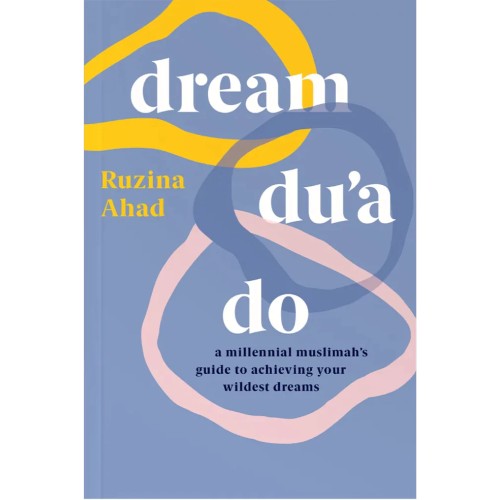
Dream Du’a Do by Ruzina Ahad
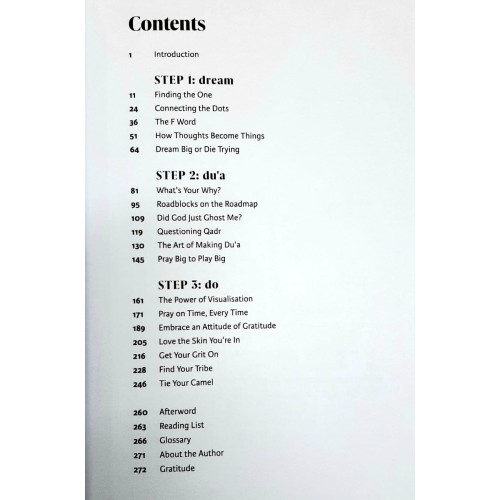
Dream Du’a Do is the ultimate survival guide for the Millennial Muslimah. Packed with humour, honesty and heartfelt advice, this sunny book offers strategies for Muslim women to not just survive in today’s world, but to thrive. As a young British Bengali woman, Ruzina shares the ups and downs of her own journey and explains how she gained the confidence and clarity to achieve her dreams. Using the latest research in neuroscience, positive psychology, and inspiring examples of Muslim women, this refreshingly engaging how-to guide will encourage you to
- Figure out your wildest ambitions by having the courage to DREAM
- Inspire you to rely on the transformational power of prayers through DU’A
- Empower you to go out to DO whatever it is you need to live your life to the full.
By the end of Dream Du’a Do, you will know exactly what you want out of this life, why you want it, how to achieve it!

The Greatest Invocation for Forgiveness (Dar-as-Sunnah)
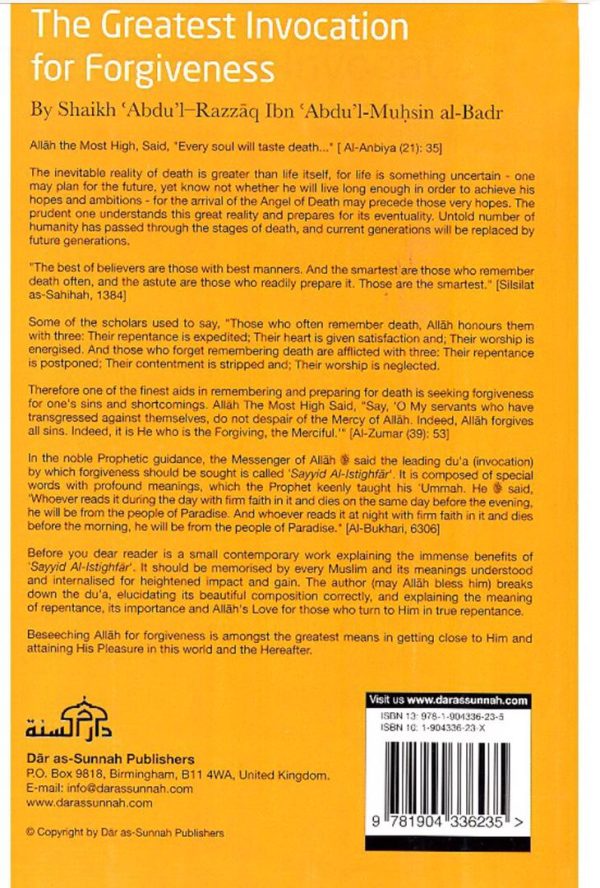
Allah the Most High, Said, “Every soul will taste death…” [ Al-Anbiya (21): 35] The inevitable reality of death is greater than life itself, for life is something uncertain – one may plan for the future, yet know not whether he will live long enough in order to achieve his hopes and ambitions – for the arrival of the Angel of Death may precede those very hopes. The prudent one understands this great reality and prepares for its eventuality.
Untold number of humanity has passed through the stages of death, and current generations will be replaced by future generations. “The best of believers are those with best manners. And the smartest are those who remember death often, and the astute are those who readily prepare it. Those are the smartest.” [Silsilat as-Sahihah, 1384] Some of the scholars used to say, “Those who often remember death, Allah honours them with three: Their repentance is expedited; Their heart is given satisfaction and; Their worship is energised. And those who forget remembering death are afflicted with three: Their repentance is postponed; Their contentment is stripped and; Their worship is neglected. Therefore one of the finest aids in remembering and preparing for death is seeking forgiveness for one’s sins and shortcomings. Allah The Most High Said, “Say, ‘O My servants who have transgressed against themselves, do not despair of the Mercy of Allah. Indeed, Allah forgives all sins. Indeed, it is He who is the Forgiving, the Merciful.'” [Al-Zumar (39): 53] In the noble Prophetic guidance, the Messenger of Allah (saw) said the leading du’a (invocation) by which forgiveness should be sought is called ‘Sayyid Al-Istighfār’.
It is composed of special words with profound meanings, which the Prophet keenly taught his ‘Ummah. He (saw) said, ‘Whoever reads it during the day with firm faith in it and dies on the same day before the evening, he will be from the people of Paradise. And whoever reads it at night with firm faith in it and dies before the morning, he will be from the people of Paradise.” [Al-Bukhari, 6306] Before you dear reader is a small contemporary work explaining the immense benefits of ‘Sayyid Al-Istighfar’. It should be memorised by every Muslim and its meanings understood and internalised for heightened impact and gain.
The author (may Allah bless him) breaks down the du’a, elucidating its beautiful composition correctly, and explaining the meaning of repentance, its importance and Allah’s Love for those who turn to Him in true repentance. Beseeching Allah for forgiveness is amongst the greatest means in getting close to Him and attaining His Pleasure in this world and the Hereafter.

15 Ways to Increase Your Earnings from the Quran and Sunnah (P/B)
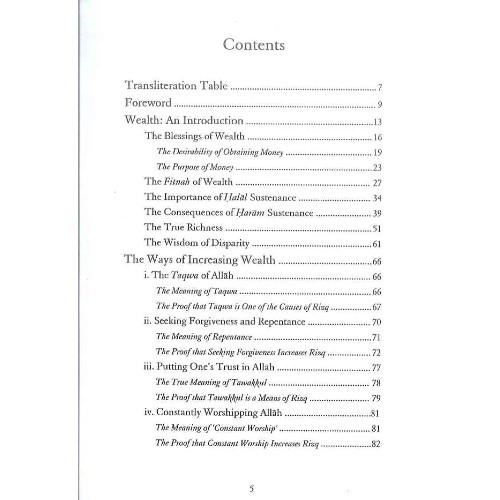
One of the blessings that Allah has given His servants is that of a convenient means of financial exchange, i.e. money. Money has since grown to become one of the most’ prized possessions of mankind, and like so many elements of the dunya, serves to test the obedience of Allah’s servants by challenging their system of priorities… Therefore, due to the fact that the Muslims of today are preoccupied with the seeking of money to an extent almost unparalleled in Islamic history, I felt the need to compile a short treatise explaining the manner in which Allah and His Messenger described how Muslims could increase their money. The focus of this book is upon encouraging Muslims to procure money through halal means, and to abstain from haram gains. Abu Ammaar Yasir Qadhi was born in Houston, TX, but completed his primary and secondary education in Jeddah, Saudi Arabia. He graduated with a B.Sc. in Chemical Engineering from the University of Houston, after which he was accepted as a student at the Islamic University of Madinah. After completing a diploma in Arabic, he graduated with a B.A. from the College of Hadith and Islamic Sciences. He is presently doing an M.A. in Islamic Theology (‘aqidah) from the College of Da’wah at the University. Of his published works are: Riyaa: Hidden Shirk; An Introduction to the Sciences of the Qur’an; An Explanation of the Four Principles of Shirk;Du’a: The Weapon of the Believer; and others.


Promised Paradise (P/B) – Quillspire (HS137)
With vivid storytelling and meaningful reflections, Shaykh Ali Hammuda brings their stories to life — stories of sacrifice, loyalty, and deep faith. Each chapter invites you to learn from their character, reflect on your own journey, and strive for the ultimate reward.
More than a collection of biographies, Promised Paradise is a spiritual guide that encourages you to embody the values of those who came before us and to pursue your own place in Paradise with conviction and hope.
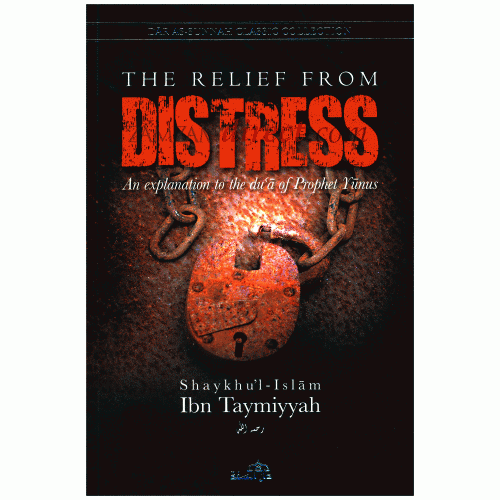
The Relief From Distress : An Explanation to the dua of Prophet Yunus (P/B)
Shaykh al-Islam Ibn Taymiyyah, may Allah sanctify his soul, was asked about the saying of the Prophet (pbuh),
The invocation of my brother Yunus, “none has the right to be worshipped save You; glory be to You, far removed are You from any imperfection; I have been amongst the wrong-doers,” none who is experiencing difficulty employs it except that Allah would relieve him of his difficulty.
What is the meaning of this du’a (prayer, supplication)?
Are their any unstated conditions that have to be met when one articulates it?
What is the connection between belief in the heart and the meaning of this supplication such that it leads to the removal of difficulty?
Why did he explicitly confess, ‘I have been amongst the wrong-doers’ when it is known that tawhid in itself leads to the removal of difficulty?
Is it sufficient to acknowledge ones’ sin alone, or must this be accompanied by repentance and the firm resolve not to repeat that sin in the future?
Why is it that difficulty and harm is removed only when a person relinquishes any hope, reliance and dependency upon the creation?
How can the heart relinquish the characteristic of putting hope in the creation and depending on them, and instead put its hope in Allah, Exalted is He, and turn to Him in its entirety?
What are the methods that would aid the heart in doing this?
The author replies to these questions in the form of this book.
Related Products
One Hundred Pieces of Advice
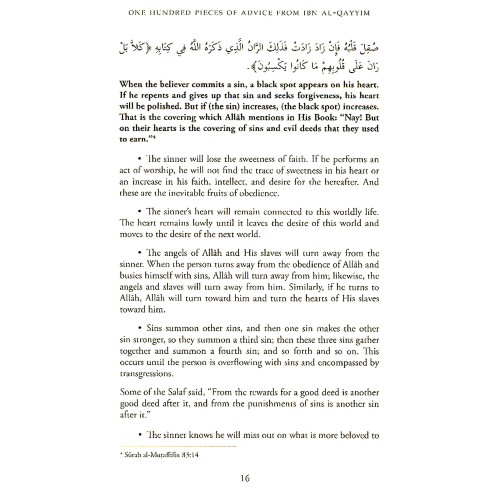
One hundred treasured advices extracted from the writings of the illustrious scholar, Imām Ibn al-Qayyim (may Allāh have mercy upon him): Ten ways to acquire Allāh’s love Ten ways to be patient and avoid sins Ten ways to be patient during a calamity Ten benefits to lowering your gaze Ten ways sins are expiated Ten barriers between the slave and his Lord Ten reasons knowledge is not put into action Ten ways to open your heart Ten ways to protect against envy Ten ways to protect against the plots of the Shayṭān
From my sisters’ lips
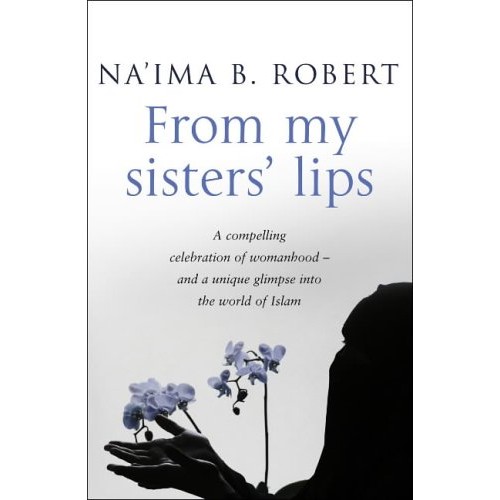
Covered from head to toe with only her eyes visible, the sight of a Muslim woman on a western city street rarely fails to provoke a strong reaction. Feelings of shock, horror, repulsion, pity or even fear are not uncommon. But have you ever wondered who it is behind the veil and what makes her tick? Ever wondered what her life is really like and whether her dreams, hopes and aspirations differ from yours? From My Sisters’ Lips offers a rare glimpse into the lives of a community of women, most of whom are converts to Islam, and invites you to share their joys, sorrows, convictions and faith.
When Na’ima B Robert abandoned her western lifestyle and embraced Islam six years ago, it was not a decision taken lightly. Yet soon after she took her first tentative steps towards covering, she felt empowered; no longer judged on physical appearances alone, no longer seeking the approval to feel beautiful – or using her looks to wield power over men – the experience effected her greatly. Before long she grew in confidence and courage. As she says, ‘Something just clicked. I thought, “Good, don’t look; don’t compare me with your latest squeeze, don’t try and guess my measurements – my body is my own business!”‘
From My Sisters’ Lips offers a glimpse into the lives of just some of the extraordinary women who, like herself, have chosen to live behind the veil. What emerges is a vivid and intimate portrait of a sisterhood; as they speak candidly and with conviction on a diverse range of subjects ranging from marriage to motherhood, stereotypes, submission and self-image, we hear the strong, proud voices of those who are seldom heard.
A Child Reads (Successful Family Upbringing Series-06)
A Child Reads (Successful Family Upbringing Series-06)
Golden Stories of Accepted Prayers
What are invocations? In a real sense these are requests which come from the bottom of our hearts to Allah Almighty. Allah is always ready and happy to receive prayers from anyone at any time.
If you’re facing any difficulties or trouble you should immediately turn to Allah for help. The best invocations are those narrated by the Prophet (S). If you don’t speak Arabic, you can pray in your mother tongue.
When we pray we should feel assured that Allah will accept our requests. We should do so with complete sincerity and devotion.
Prayers can be made at any time, but there is a greater possibility our prayers will be accepted if we do so at specific times.
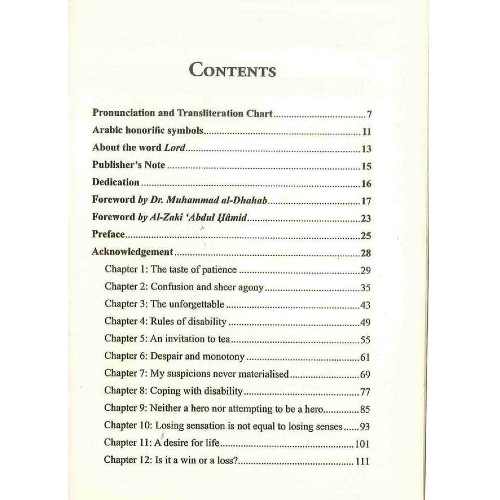
A Taste of Patience
The writer is a survivor of an accident that altered his life. He is a man who managed to overcome adversity and transform bitterness into personal success, as his literary gains outweighed his physical restrictions. Where his physical condition limited his movements, his creative writing opened up a new horizon that enabled him to freely interact with his readers.
This is a real-life account of how a human being can overcome obstacles, giving effect to the epithet: ‘What does not kill me makes me stronger.’ The autobiography defines patience in two ways: first, as a bitter experience and then second, as the ability to tolerate and turn one’s misfortune into investment. The accident that the writer suffered has paralysed his body, but at the same time it has unleashed his writing talents. (Yousef el-Sharoni, Egypt)
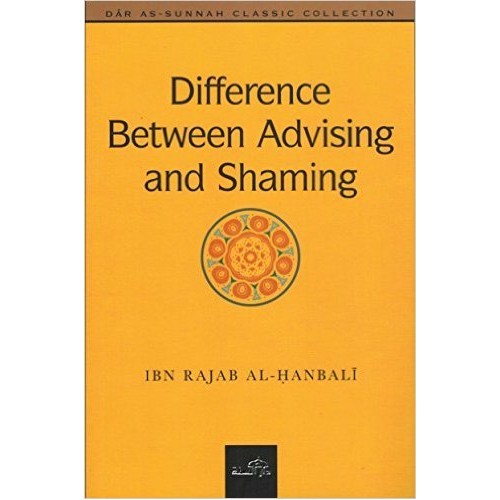
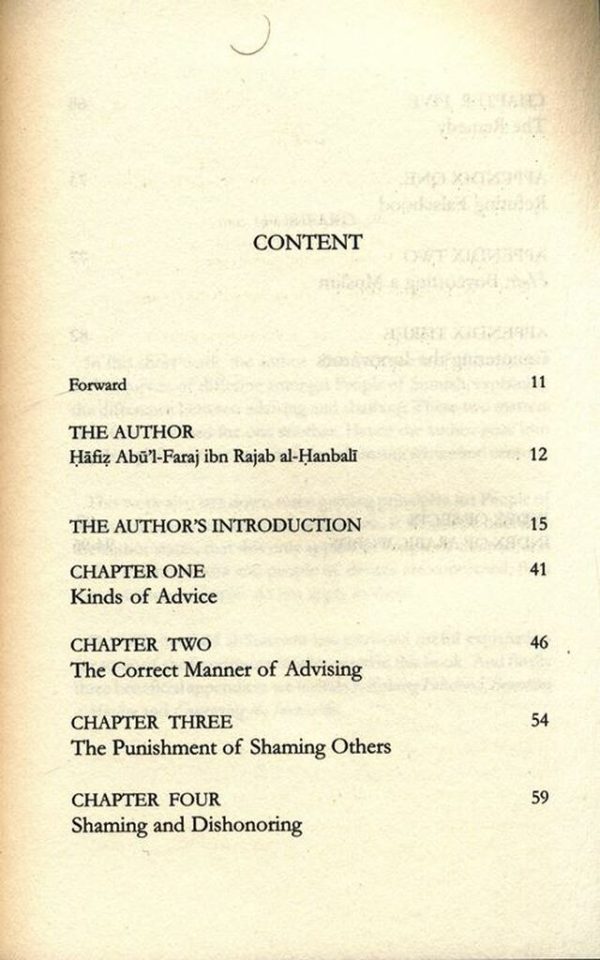
Difference Between Advising And Shaming ( Dar as-Sunnah)
[This book] beautifully illustrates the difference between advising that is encouraged and shaming that is not permitted.
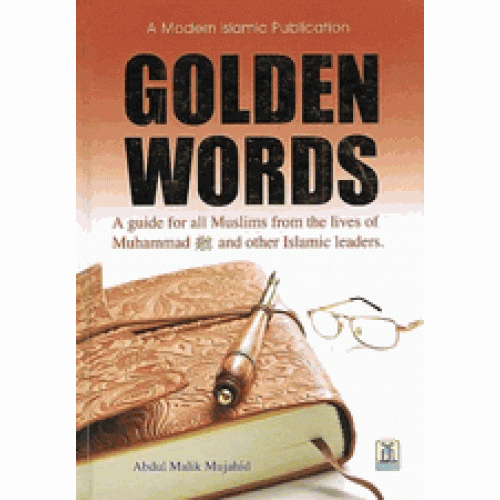
Golden Words (H/B)
Islam has declared this world and life as a test case for human beings. To live a successful life, Allah SWT has sent His Divine Teachings to help humans understand what to do and what not. This book “Golden Words (Golden Stories) consists of short stories and incidents that occurred during the life time of Prophet (Peace be upon him), Rightly Guided Caliphs, Salf-us-Saleheen, renowned kings/ rulers and other shining stars of the Islamic history. The purpose of these short stories is simple; providing real-life lessons to the readers.
The book provides a clear understanding of our ancestors, their thorough and firm knowledge, their intelligence, proper comprehension, modesty, sacrifices and their endeavors to elevate the truth. This is particularly rewarding book for youngsters that will find it a helping hand in living as per Islamic principles.
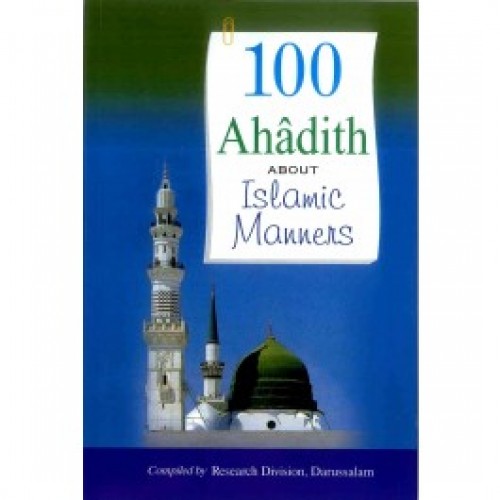
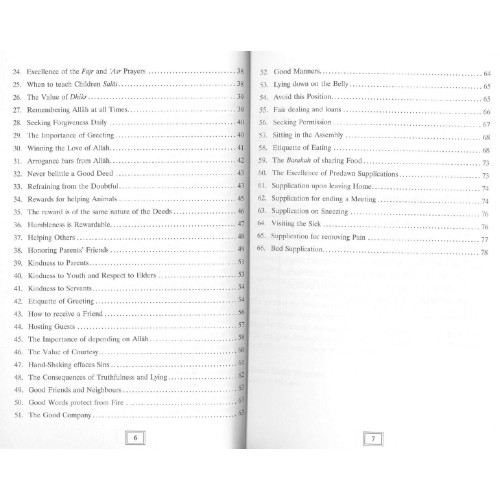
100 Ahadith about Islamic Manners
An extract of 100 Ahadith from famous collections of Ahadith (Sahih Al Bukhari, Sahih Muslim, At-Tirmidhi, Riyad-us-saliheen and others). The distinguishing feature of this book is the selection of its chapters that persuade the good morals and behaviour.
A moral and spiritual revolution begins to happen in the mind and conduct of the readers as their study progresses. We hope that this selection of Ahadith will initiate the readers to follow Islamic teachings throughout their life.
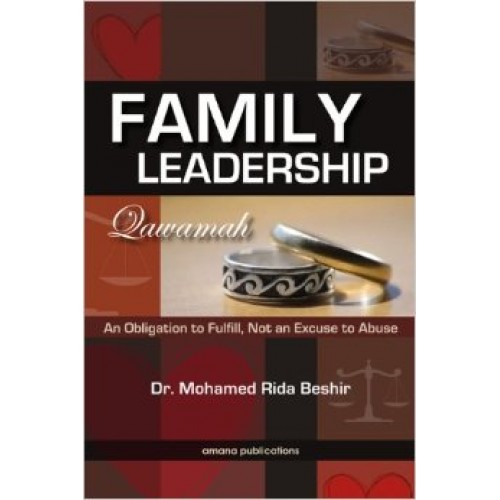
Family Leadership – Qawamah
This book discusses in details family leadership (Qawamah) in Islam and the many misconceptions that arise around this concept. It provides a detailed analysis on the subject from a variety of available literature and emphasizes that it is primarily an obligation to be fulfilled on part of the husband toward his family. It also provides many practical examples on the appropriate use of Qawamah as well as its inappropriate use.
“….an extremely valuable springboard for further discussion and consideration of a most timely topic that affects every Muslim family in North America. As a Muslim with a doctorate in clinical psychology, it is my professional recommendation that every mosque and Islamic center in North America should use Dr. Beshir’s new book to lead in-depth study and discussion sessions about the role of family leadership within Islam.” – Jerald F. Dirks, M.Div., Psy.D.

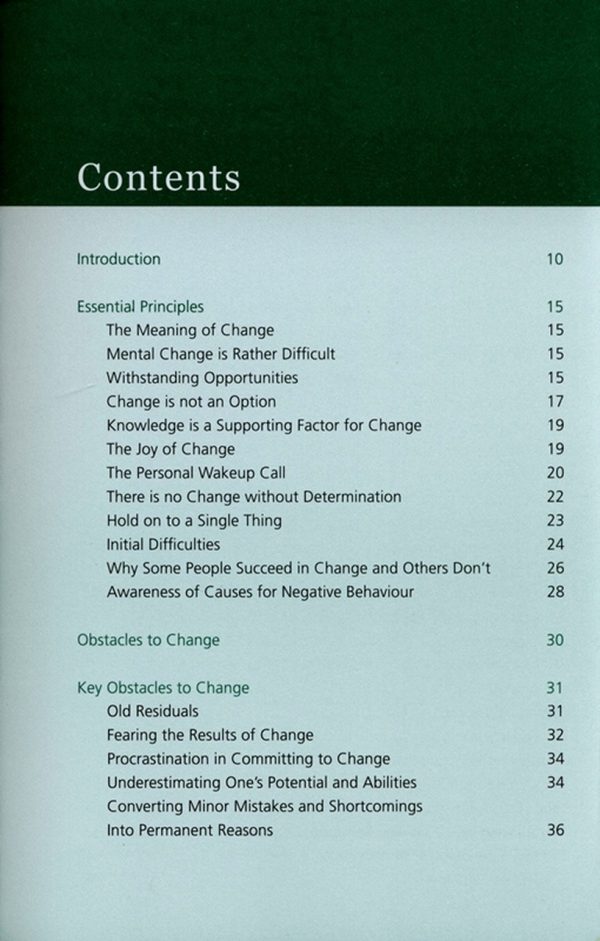
Change or Lose
Motivational & Manners
Change is not an easy and insignificant issue. It needs a deep insight and vision as much as will and determination. It is important here to realize that we can’t achieve all what we want and desire. Furthermore, getting what need and desire may not always be in our interest. This, of course, requires two things from us:
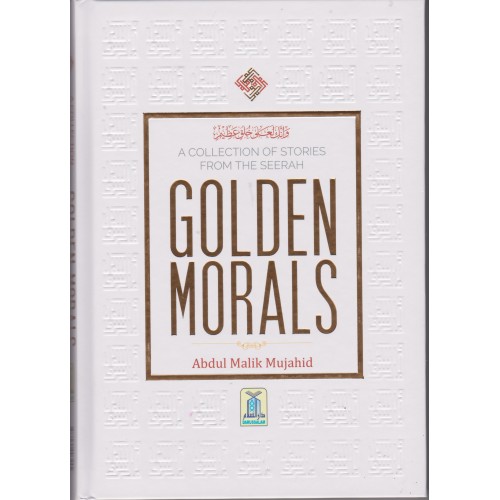
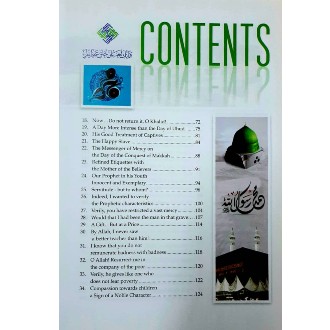
Golden Morals (A Collection Of Stories From The Seerah) (H/B)
The Seerah of the Prophet (PBUH) is an everlasting topic. The Muslims are never fed up with its fragrance. It has been a topic for writing sine centuries and it will be a topic for writing till the Day of Judgment. Every author shows his love and affection for the Messenger of Allah in his own style and he tries to highlight every aspect of his life. No doubt, thousands of books have been written on the Seerah of the Messenger in different languages from the ancient.
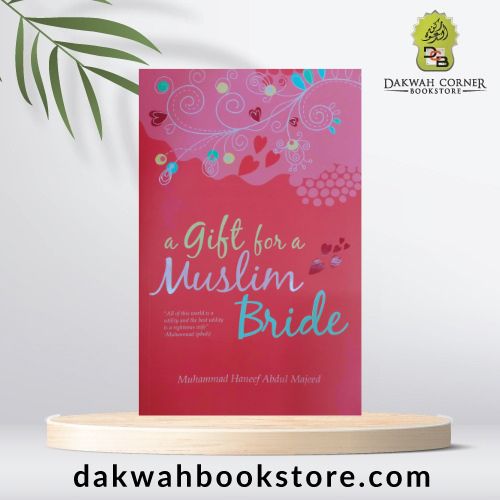
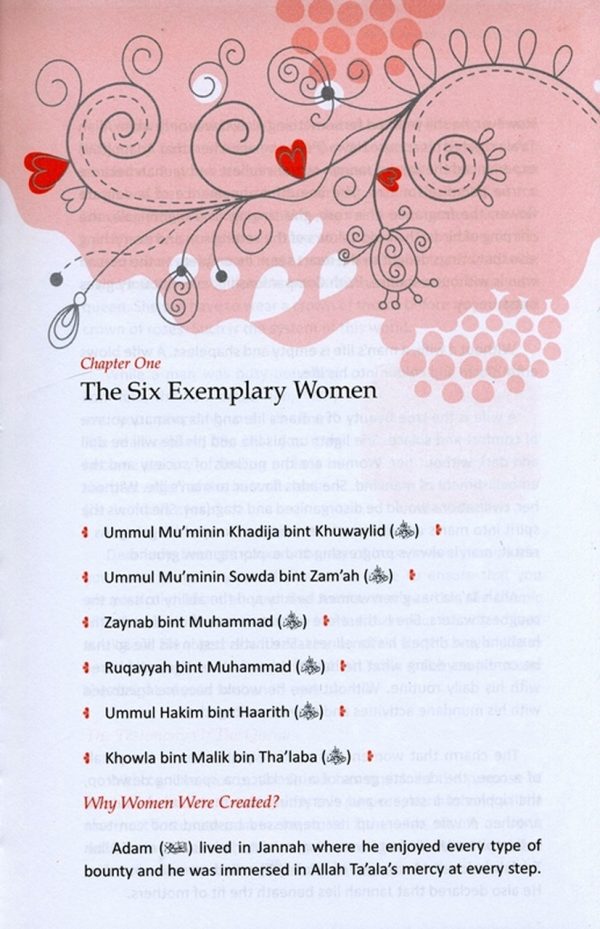
A Gift For Muslim Bride (P/B)
This book, truthfully, is an ideal gift to Muslim sisters (brides) and women in general, as it mainly deals with the concerned affairs of the marital life according to the Qur’an and Sunnah; touching upon topics like the excellence of a righteous wife, her attributes and duties to her husband.
Recently Viewed

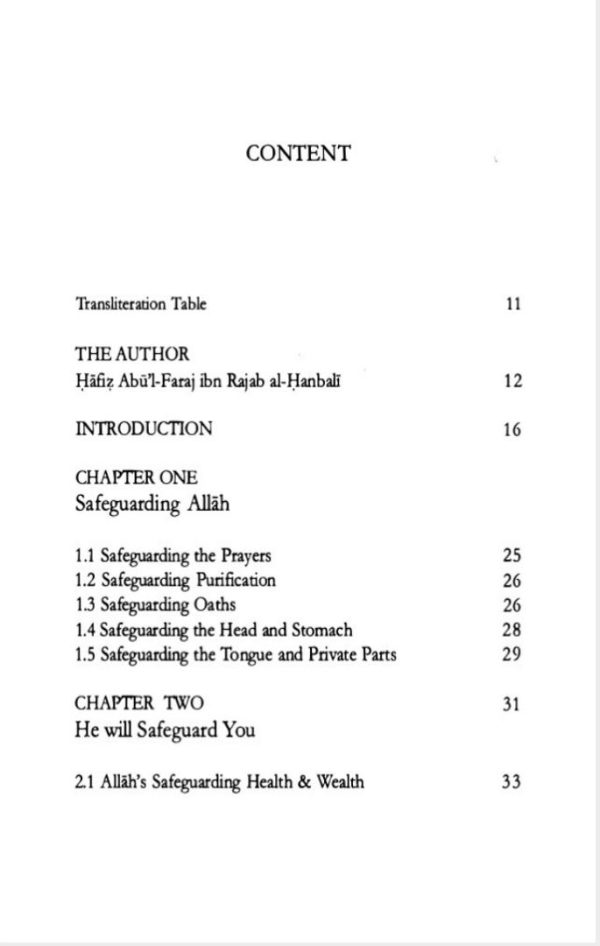
Legacy Of The Prophet (Dar Us Sunnah)
In this treatise, the author, ibn Rajab sets out to explain the advice the Prophet(s.a.w) imparted to ibn ‘Abbas (radiyAllahu ‘anhuma)…

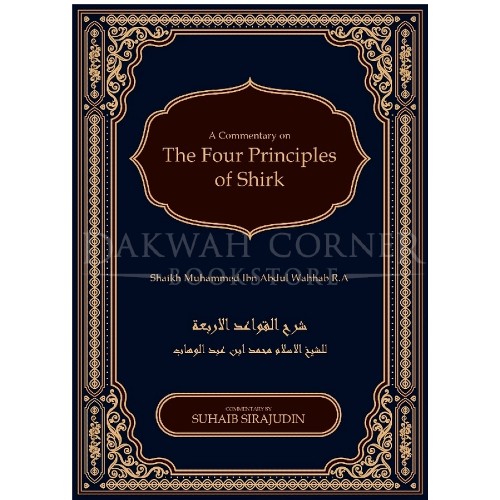
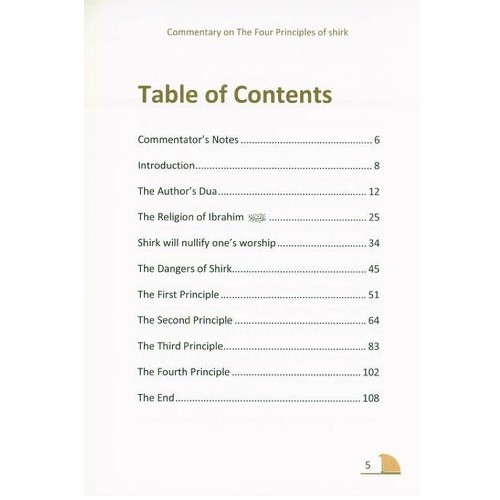
A Commentary on The Four Principles of Shirk
A commentary on the treatise of Shaikh Muhammed ibn Abdul Wahhab’s ‘Qawaidul Arba’ah’ The Four Principles of Shirk. In this treatise, the Shaikh discusses and brings the evidence for four principles; about knowing the disbelievers, knowing what they worship, that they differ in their religions, and the mushrikeen of now are worse than those before.
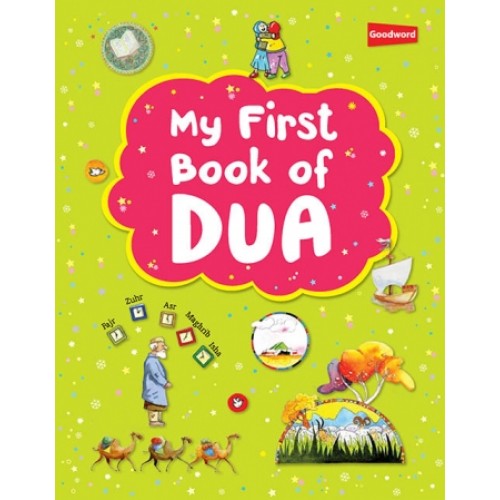
My First Book of Dua (H/B
My First Book of Dua is a delightful book for children which they may call their very own! Written with young hearts in mind, this short, easy-to-read book for 7 year-olds and above, is the perfect way to introduce children to the prayers from the Quran and the Hadith. My First Book of Dua helps children to learn to remember and thank Allah in a way that is meaningful and charming. This is a bright and appealing collection designed to be used at home, or at school. May this collection of prayers bring you wisdom and many blessings.
Speacial Features
- More than 150 prayers
- Delightful illustrations
- Exciting facts
- Hadith
- Quran quotes and references
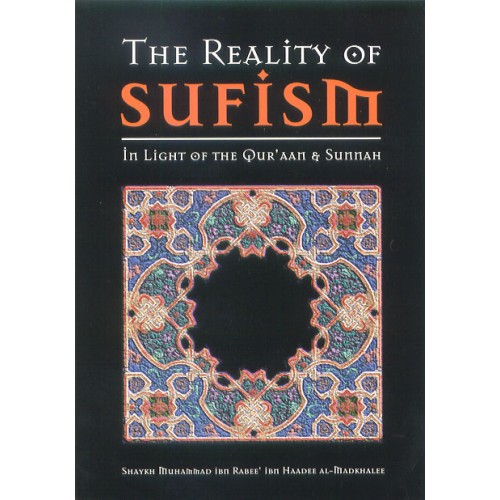
The Reality of Sufism In Light of the Quraan and Sunnah (P/B)
In this book, the author discusses the beliefs and origins of Sufism. It has been written in a clear and uncomplicated style which makes it accessible for readers of all levels. The history of Sufism is traced as well as how sufism developed into what we have today. The author touches upon the beliefs of Sufism, and gives examples from personalities that are regarded highly by those who ascribe to Sufism. A scholarly criticism in light of the Qur’an and Sunnah.
From the Back Cover
You must be aware that there are a number of destructive calls which have been established amongst the ranks of the Muslims and which have shaken and damaged the belief held in there hearts. They have polluted the pure Islamic ‘aqeedah, and have grown by stages to reach such a dangerous level that they led to the splitting of the Muslims into sects and the parties, about which the Prophet (peace be upon him) said: “Indeed those who were before you, from the people of the book, split into seventy-two sects, and this religion will split seventy-three. Seventy-two in the fire and one in the paradise and it is the Jammaa’ah.”
Then there is no doubt that each one of these sects claims for itself that it is the saved sect, and that it is correct, and that it alone follows the Messenger. But the way of truth is a single way and it is the one which leads to salvation, and any other way is one of the ways of miss guidance which leads to destruction.
So the way of truth is to cling to the book of Allaah and the Sunnah of Allaah’s Messenger (S) as occurs in the hadeeth: I have left amongst you two things whith which you will not go astray: The Book of Allah and my Sunnah, and they will not be separated till they come to me at the Pond.
- A scholarly criticism of Sufism in the light of the Qur’an and Sunnah
- Written in an uncomplicated style, ideal for the layman
[AAC] Bidaah Al Taasub Al Madhhabi / بدعة التعصب المذهبي
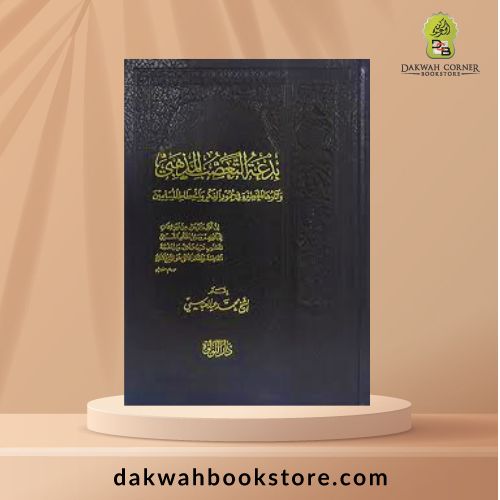
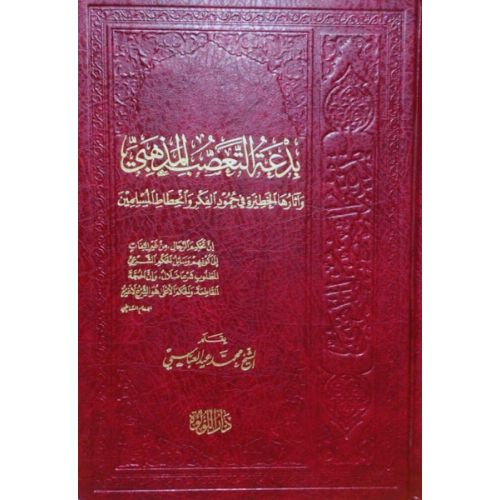
بدعة التعصب المذهبي واثارها الخطيرة في جهود الفكر وانحطاط المسلمين
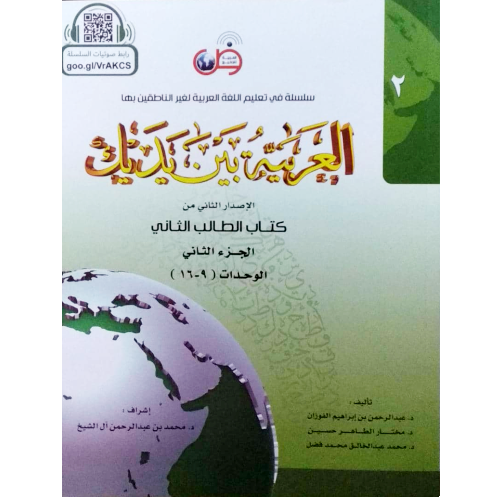
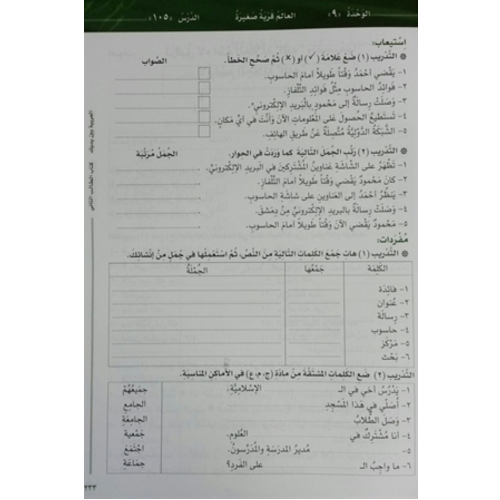
[AR] Al-Arabiyyah Bayna Yadayk Book 2 Part 2
Al-’Arabiyyah bayna yadayk Means Arabic in Your Hands.
The great thing about these books is it covers a lot of vocabulary through pictures, Images, and using Arabic Only, introduces the students to grammar later and gradually rather than pushing them at the deep end before they can swim. Much like the Arabic Course for English Speaking Students 3 Vols Set, UKIA, it is more Islamic inclined and fulfills the desire for the student of knowledge to learn the language of the Qur’an.
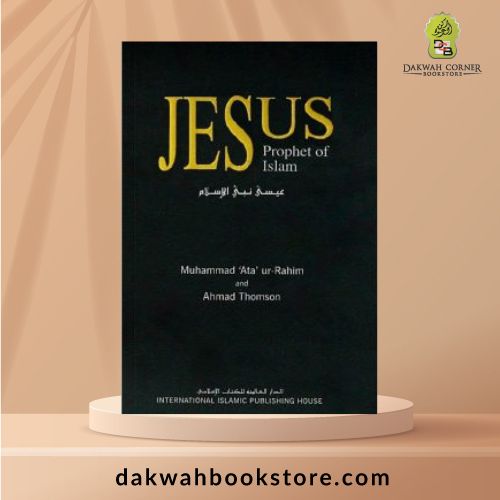
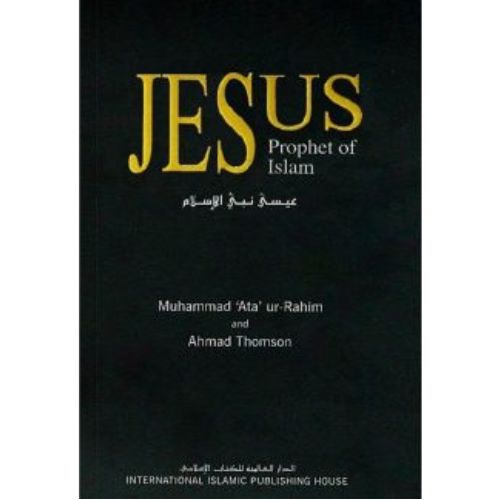
Jesus Prophet of Islam (H/B) – IIPH
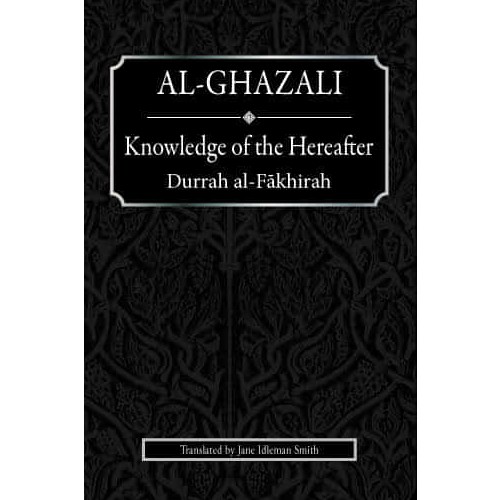
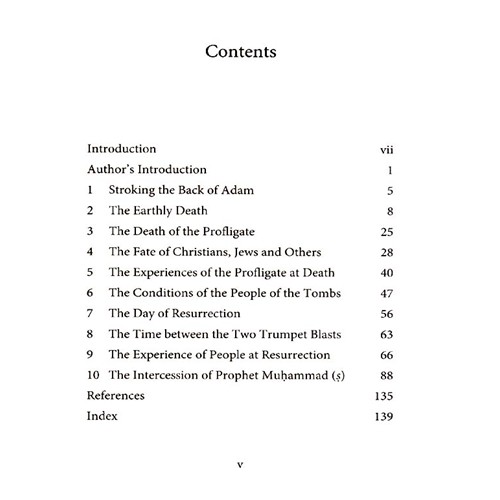
1996 expanded and revised edition. This book examines Jesus as a prophet teaching the Unity of God, and the historical collapse of Christianity as it abandoned his teaching. The author sketches the dramatic picture of the original followers of Jesus who affirmed Unity. What emerges is that “Christianity” is the fiction that replaced their truth. A work that covers the Gospel of Barnabas, the Gospel of Hermes, the Shephard, early and later Unitarian Christians, Jesus in the Gospels and in the Qur’an and Hadith. The author clearly shows the idea of Jesus as part of a Trinity was a Greek Pagan idea adopted by early Christian mission-aries to gain converts among the Greek, and did not become a widely accepted Christian doctrine until after the Council of Nicea in 325 A.D.
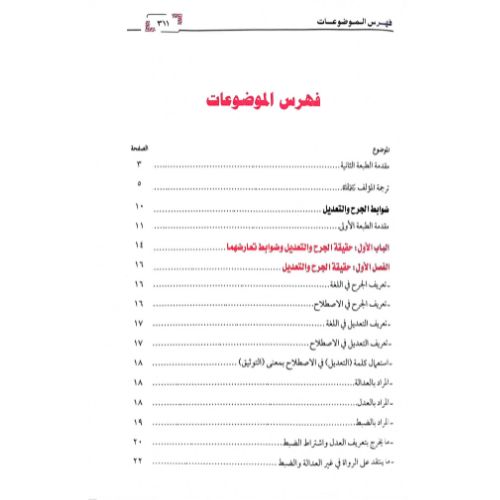
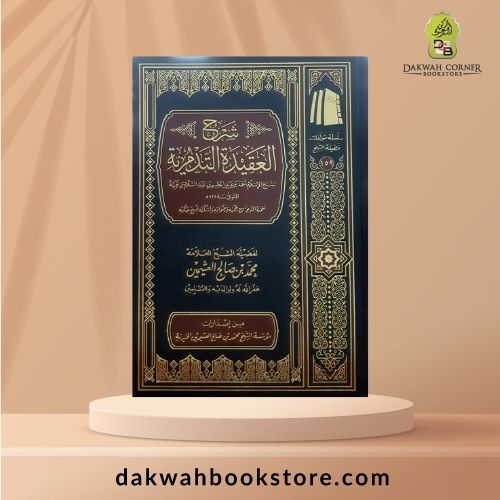
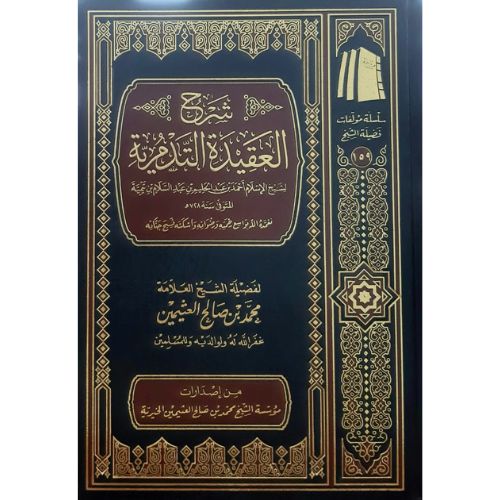
[AC] Sharh Alaqidati Altadamirati / شرح العقيدة التدمرىة
شرح على كتاب (العقيدة التدمرية)، وهي من أجوبة شيخ الإسلام ابن تيمية رحمه الله تعالى (ت728هـ) لأهل مدينة تدمر، في توضيح عقيدة السلف الصالح في أسماء الله الحسنى وصفاته العلى، وكان هذا الشرح ضمن الدروس الجامعية التي ألقاها فضيلة الشيخ في كلية الشريعة وأ


Divine Speech
The Quran, the sacred scripture of Islam, is revered as the spoken word of God by approximately one-fifth of the world’s population. Since its inception, the power of the Quran has derived not only from its message, but also from the inimitable literary style and rhetorical impact that the Arabic scripture has on its audiences. Divine Speech: Exploring the Quran as Literature attempts to make some of the most recent Arabic and European-language scholarship on its literary features accessible to a wider, English-speaking audience. These features include its language and word choice, its use of figures of speech and other rhetorical devices, its manner of narrating parables and stories, and the structure, coherence, and the order of its “chapters”-aspects that typically remain mysterious to readers of English translations of the text. Divine Speech furnishes its readers with a better appreciation of the Quran from a literary perspective, and in the process stimulates interest in, and provides tools and resources for, further study of the scripture.

Worship In Islam: An In-depth Study of Ibadah, Salah and Sawm (P/B)
Worship in Islam is in-depth study of the nature and significance of Islamic spirituality by Abul A‘la Mawdudi (1903–79), one of the leading Muslim intellectuals of the twentieth century, with special reference to the concepts of God’s Oneness (tawhid), the finality of Prophethood (risalah) and the Islamic system of worship (‘ibadah) with a focus upon prayer (salah) and fasting (sawm) and their role in the development of the Islamic personality and Islam’s social order. The distinguishing feature of Mawdudi’s approach is his elaboration of the social dimension of worship, which extends the traditional approach found in Islamic jurisprudence, with its focus upon ritual and self-purification, to consider worship’s transformative role in social life. Presenting a holistic view of the Islamic system, Mawdudi highlights Islam’s social, economic and political dimensions, which he argues has the capacity to resolve emergent issues and problems that humankind faces.
This historic text should be of wider interest to both students and specialists in contemporary Islamic thought, and includes an introduction by Professor Anis Ahmad.
Edited and translated into accessible English by Ahmad Imam Shafaq Hashemi, this book is an authoritative compilation by a leading Islamic twentieth-century revivalist on the central matter of worship’s role in Islam.
There are no reviews yet.