


| Weight | 0.45 kg |
|---|---|
| Dimensions | 17.5 × 12.5 × 1 cm |
| Author | |
| Binding | Hardcover |
| ISBN | 9781916186231 |
| Pages | 111 |
| Publisher | Suhaib Sirajudin |
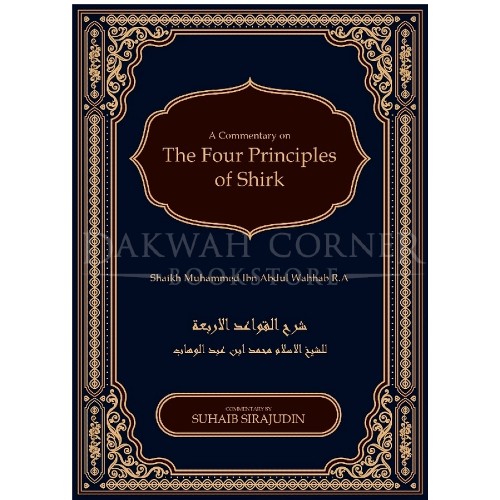
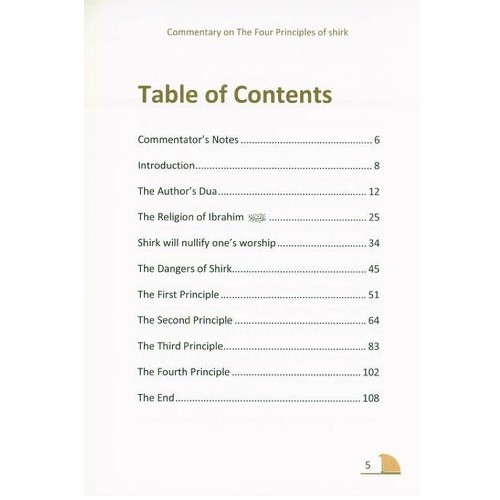
A Commentary on The Four Principles of Shirk
RM53.00
A commentary on the treatise of Shaikh Muhammed ibn Abdul Wahhab’s ‘Qawaidul Arba’ah’ The Four Principles of Shirk. In this treatise, the Shaikh discusses and brings the evidence for four principles; about knowing the disbelievers, knowing what they worship, that they differ in their religions, and the mushrikeen of now are worse than those before.
Frequently Bought Together
Be the first to review “A Commentary on The Four Principles of Shirk” Cancel reply
You must be logged in to post a review.
You may also like…
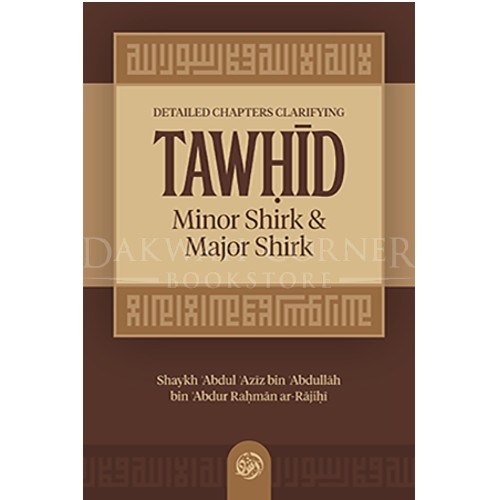
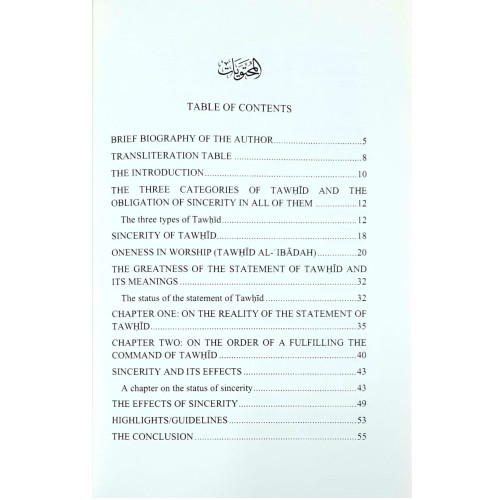
Detailed Chapters Clarifying Tawhid Minor Shirk & Major Shirk
It’s incumbent for the Muslim to be concerned with renewing his ʾIman (i.e., correct Islamic faith) in the evening and the morning by pondering on the meaning of the statement of Tawḥid la ilaha illa Allah since there’s no success except for the people of Tawḥid. For it is the statement of Islam. So, the Muslim (Muwahhid) must learn about Tawḥid, implement it, be aware of its position, reject Shirk which is the opposite of Tawḥid, have a hatred for associating partners with Allah as well as those who practice it. The Muslim must deem the one who commits major Shirk (knowingly) is a disbeliever of the true Islāmic Faith. The Muslim must also be aware of the position of Shirk.
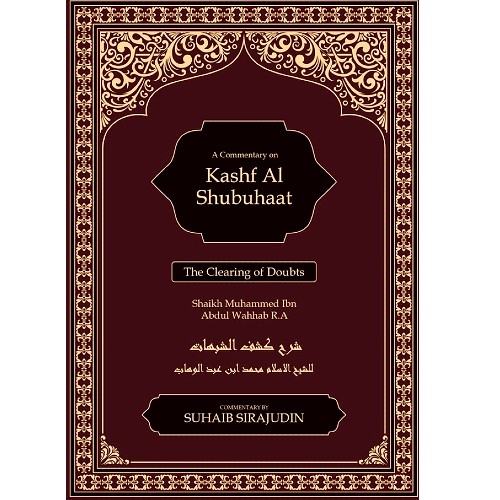
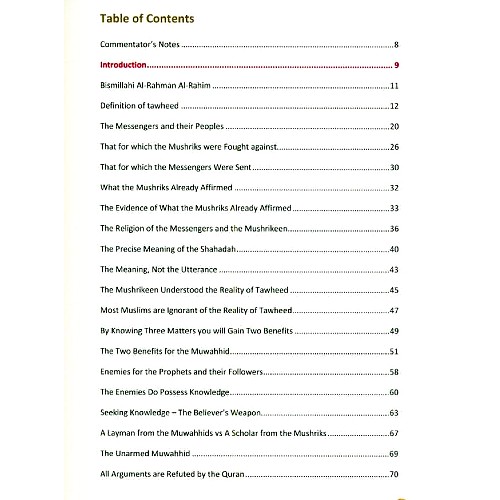
A Commentary on Kashf Al Shubuhaat: The Clearing of Doubts
This is a commentary on the book of Shaikh Muhammad Ibn Abdul Wahhab R.A’s Kashf Al Shubuhaat (The Clearing of Doubts). It deals with explaining and refuting the evidences that were used by certain Muslim groups of his time to justify acts of shirk.
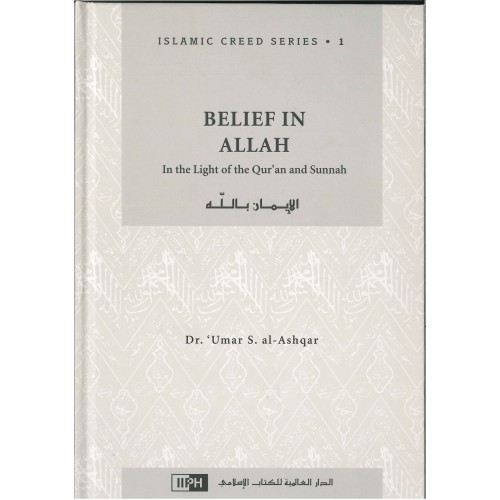
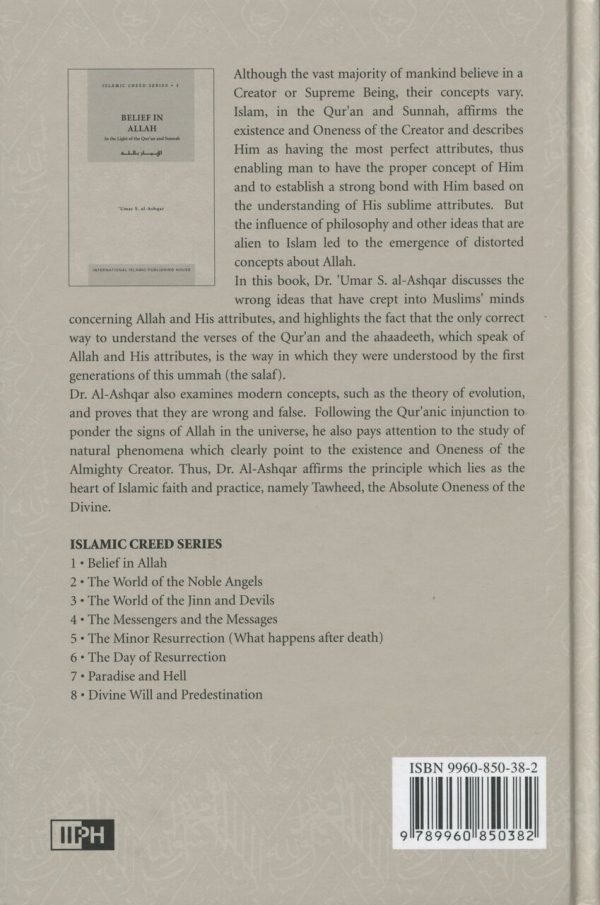
Belief In Allah – Islamic Creed Series 1
Aqidah and Creed
The Book of Major Sins
This is a useful handbook for every Muslim who wishes to please Allah and to avoid His wrath by learning what Allah has proscribed for him or her and making every effort to keep away from major sins.
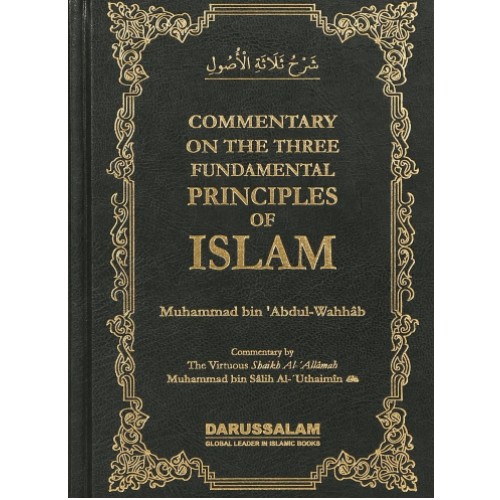
Commentary On The Three Fundamental Principles Of Islam (H/B)
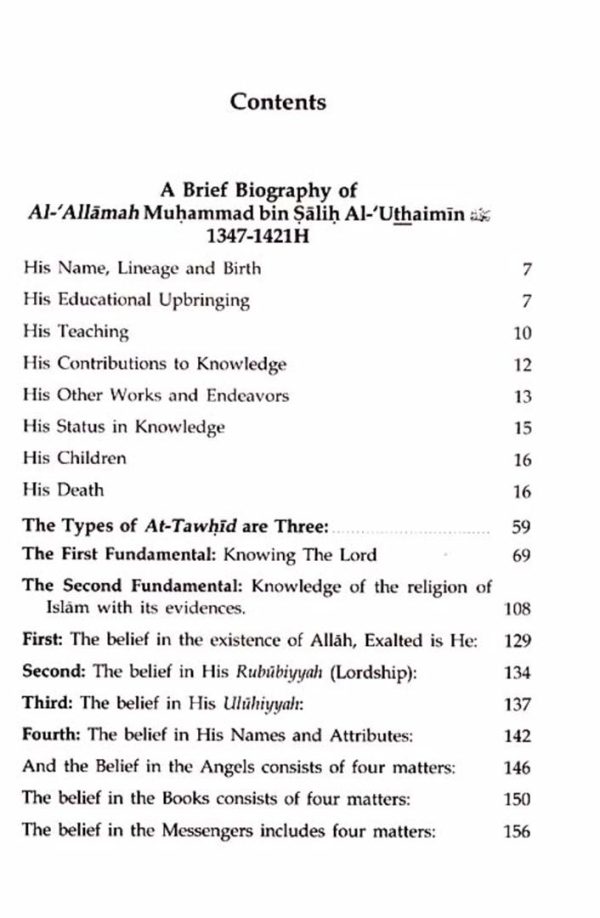
Commentary on the Three Fundamental Principles of Islam by Darussalam is an excellent book for everyone looking to correct their aqeedah. The commentary has been done by the virtuous Shaykh Al-Allamah Muhammad bin Salih Al-Uthaimin and the book also begins by his brief biography. The three fundamentals of Islam mentioned in this book are related to At-Tawhid, knowledge of Islam and knowledge about Prophet Muhammad (peace be upon him).
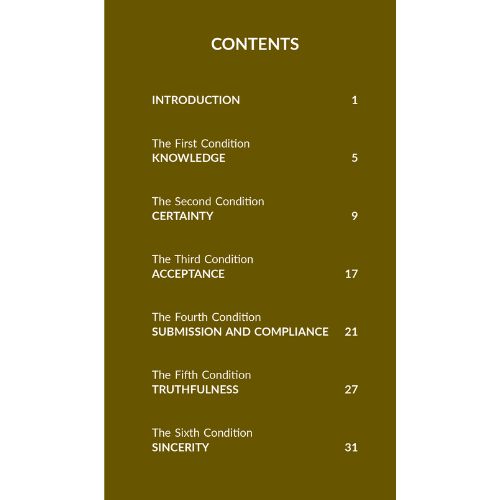
Conditions of LAA ILAAHA ILLALLAH (Revised Edition)
The famous Taabi’i Wahb ibn Munabbih was once asked,
“Isn’t the statement of laa ilaaha ill-Allah the key to Paradise?” He answered, “Yes, but every key has ridges, the door will open for you. Yet if you do not have the right ridges the door will not open for you.”
That is, it is saying {while meeting} certain conditions. These conditions are what will differentiate the person who will benefit from his making of that statement from the one who will not benefit from that statement.
Related Products
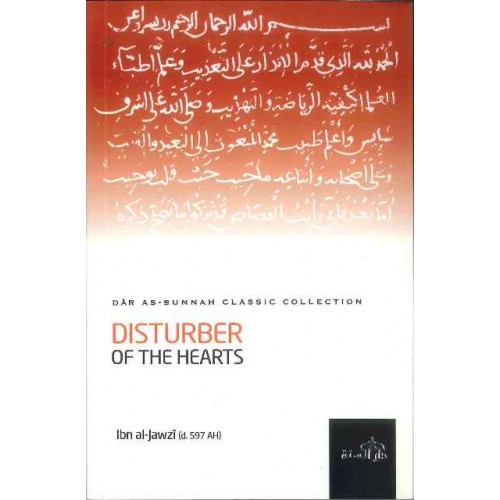
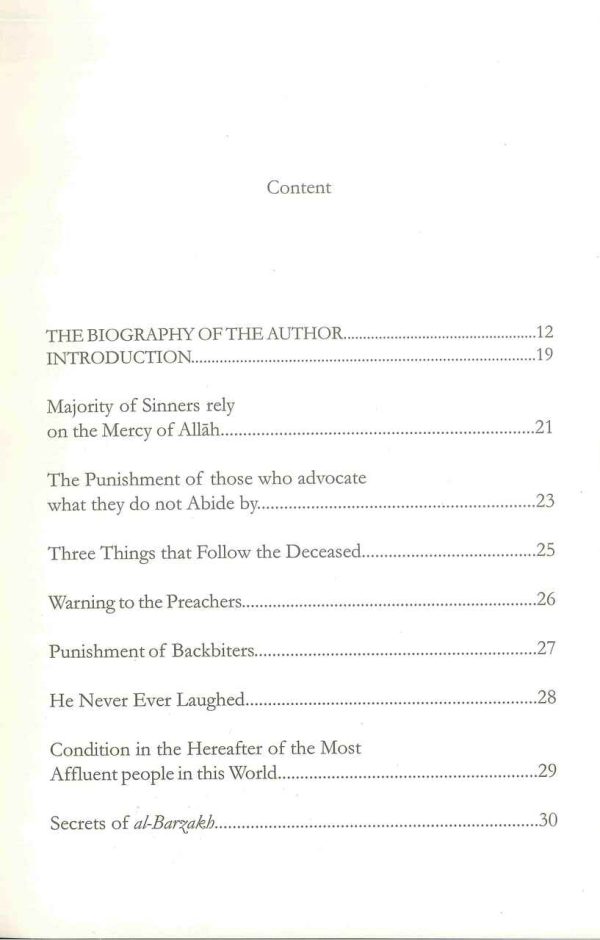
Disturber Of The Hearts
The third masterpiece in the series addresses the disturbing phenomena of unrealistic hope, lack of fear of Allah, and wishful thinking.
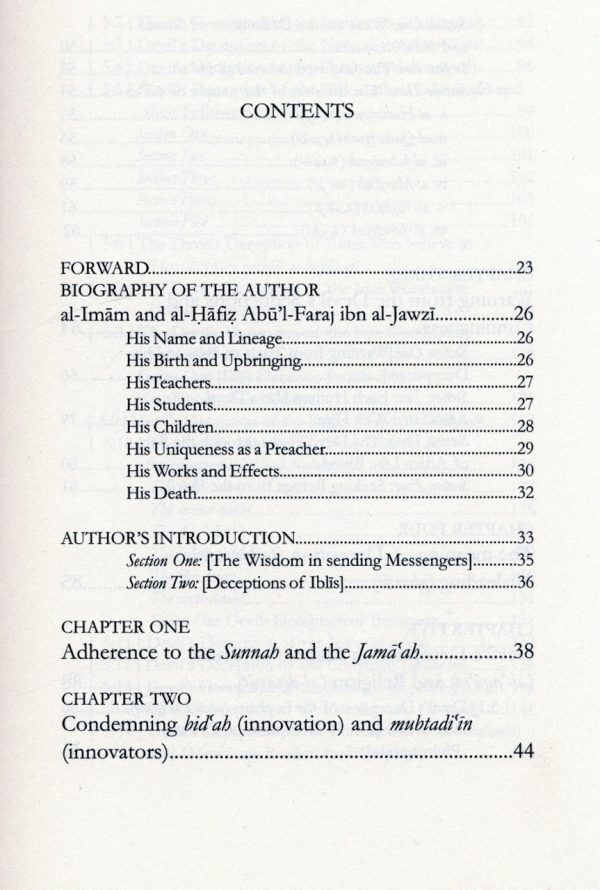
The Devil’s Deceptions
Imam Ibn Al-Jawzi It is from enmity and hopelessness of the devil that his endeavour to misguide mankind from the Path of Allah will persist. This misguidance takes many shades and forms; be it from planting seeds of doubt, or giving rise to deviant ideas antithetical to the sacred teachings of Islam, and essentially becoming entangled within regressive intellectual and rhetorical discourses.
The Ummah has suffered varying levels of deviation, some of which remain prevalent today, while more continue to be uncovered – and such is the impact of delusive plottings of the devil and his allies. This book is the sixth instalment from Dar as-Sunnah of the illustrious Imam, Abu’l-Faraj Ibn Jawzi. Being a complete translation of his well-known and prized work, Ibn Jawzi enumerates within it, many of the mechanisms and modus operandi used by the devil in deceiving and leading mankind away from the Straight Path.
It is of particular value and importance because only by unearthing and accentuating some of the traps of the devil, can mankind avoid them as well as navigate others away from falling prey to his harm. Speaking about the devil and his plotting, the author wrote that, “he was only able to do so while creeping during the night of ignorance. Had the dawn of knowledge shone on him, he would have been exposed.
Thus I decided to warn from his plots… for identifying evil is a form of warning from it.” This translation of Tablees Iblees will provide important analysis in developing self-awareness and critical thinking to ward off many deceptions of the devil, which have plagued mankind from the time of Adam. For such reasons alone, this work is a valuable addition to the scholarly discourse it presents to the English speaking world.
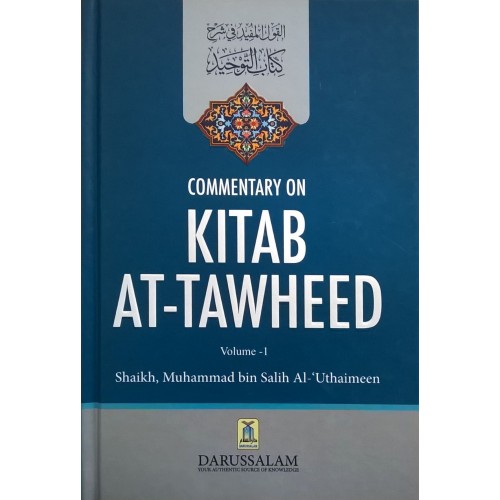
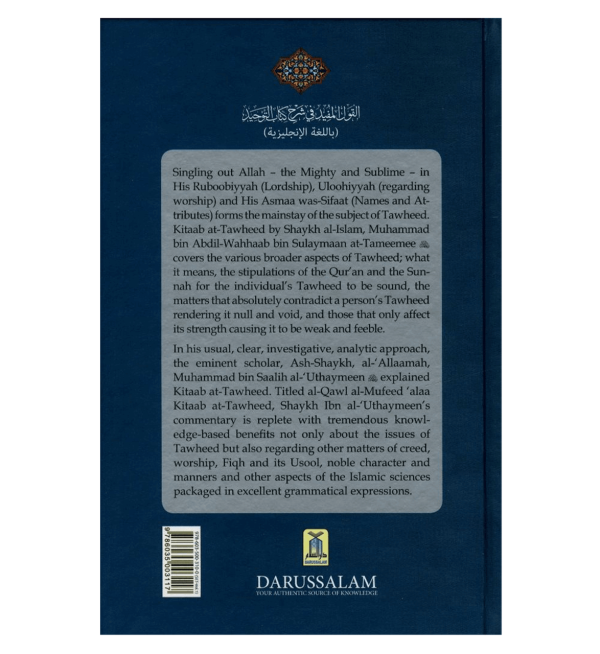
Commentary on Kitab At-Tawheed – 2 Volumes (H/B)
The title of the Arabic explanation by the shaykh is Al Qawl Al Mufeed Alaa Kitaab at-Tawheed.
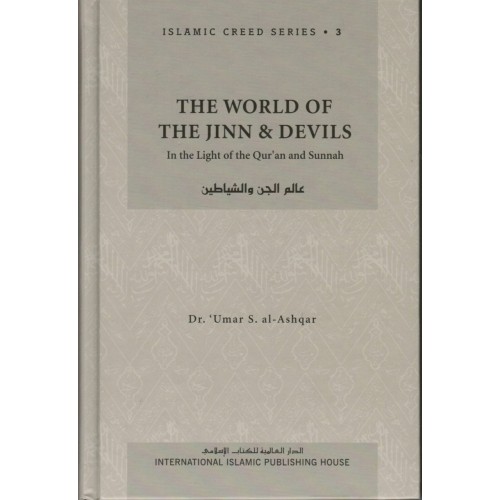
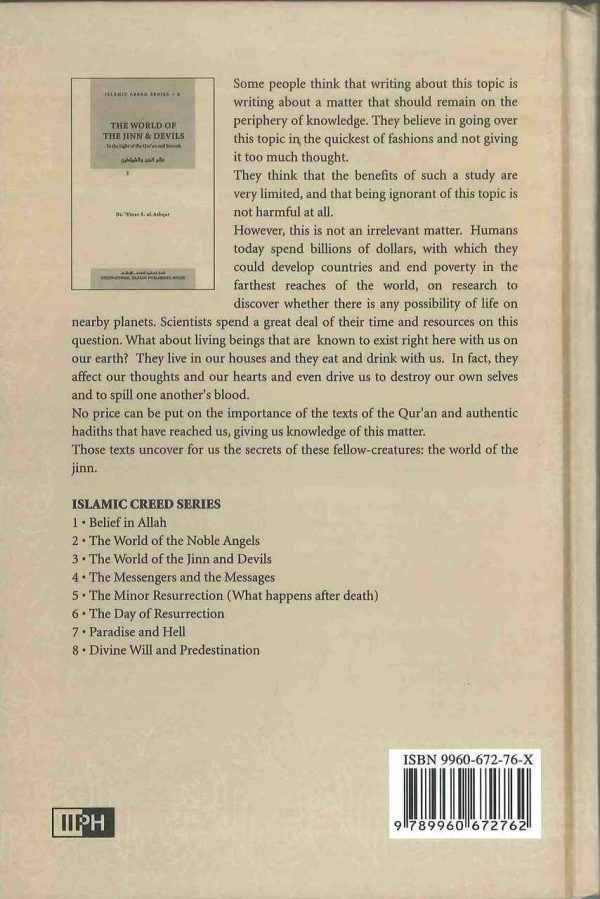
The World Of The Jinn & Devils – Islamic Creed Series 3
Aqidah and Creed
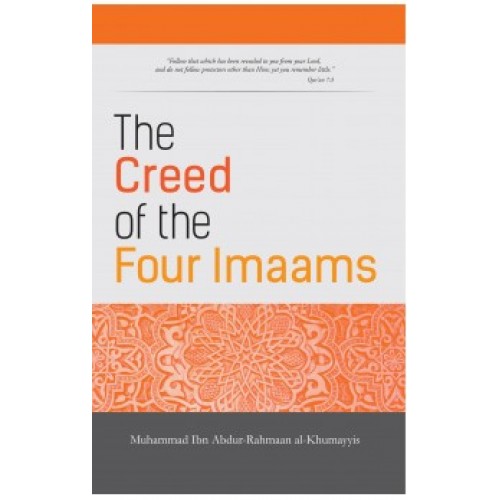
The Creed Of The Four Imaams (H/B)
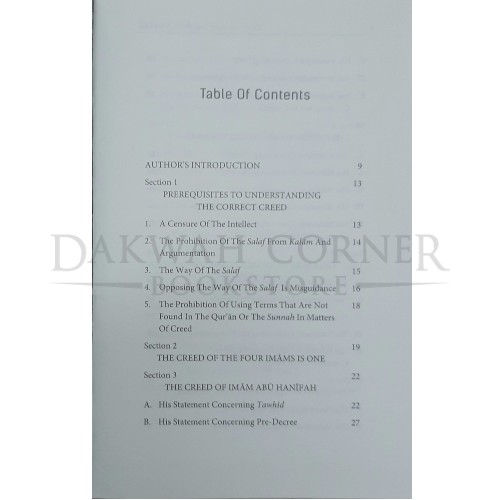
The book proves the important, yet overlooked point: that despite whatever differences the Imaams had in their fiqh, their creed (aqidah) was one and the same in almost all issues. Many narrations are brought from the past and present day scholars showing that the path to Allaah is one. Detailed biographies have been provided for each of the four Imaams from ancient authentic sources. Additionally many doubts cast over the creed and lives of the Imaams have been uncovered, and the Creed of the Ahlus-Sunnah wal-Jama’ah has been exonerated.
The World Of The Noble Angels – Islamic Creed Series 2
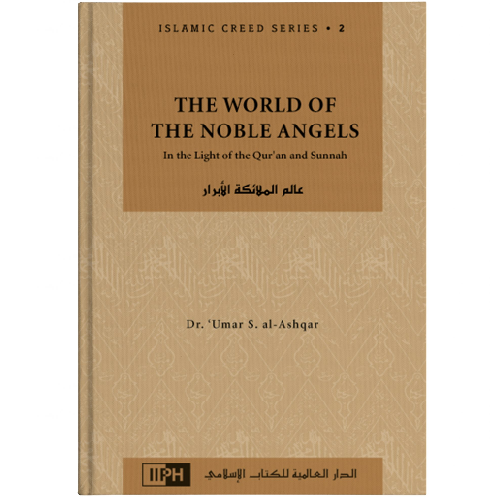
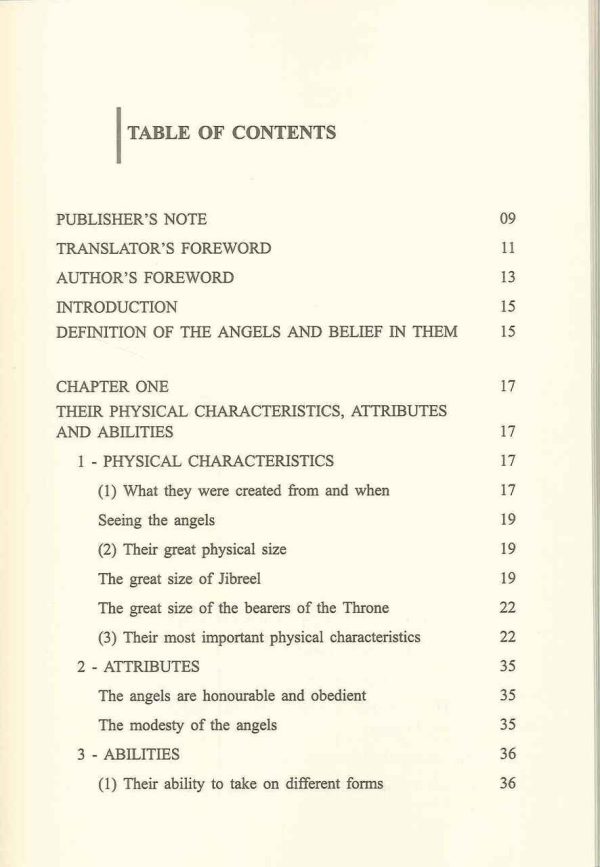
From the moment an individual is conceived in his or her mother’s womb, until death and beyond, angels play a part in human life. This volume draws on the sources of Islam to give us a comprehensive picture of who the angels are, their origins, their role in the universe and their interaction with humankind in this world and the next.
Stages & Means of Seeking Knowledge (P/B)
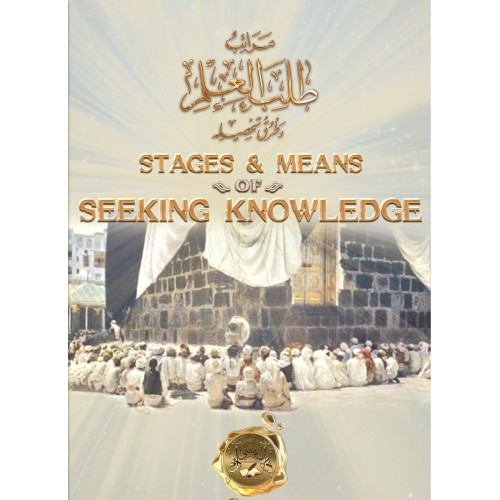
a small excerpt from the book:
“And those who disbelieve say: “Why is not the Quran revealed to him all at once?” Thus (it is sent down in parts), that We may strengthen your heart thereby. And We have revealed it to you gradually, in stages.”[1]”[2]
Al-Zarnooji -rahimahullah- said, “Imam Sharf ul-Din al-Uqayli – rahimahullah- used to say, “My opinion regarding learning knowledge is in agreement with what our teachers taught us. They used to teach beginners level one books because they are understandable, easy to memorize, enjoyable, and common. A beginner should not write down something he does not understand because it numbs the intelligence and is a waste of time. Instead, a beginner should focus on the task of understanding his teacher through deep thinking and repetition. Significantly, the smaller the portion in one class with repetition the more progress in understanding. A famous saying states: Memorizing two letters is better than hearing two loads, and understanding two letters is better than memorizing two loads.”[3]
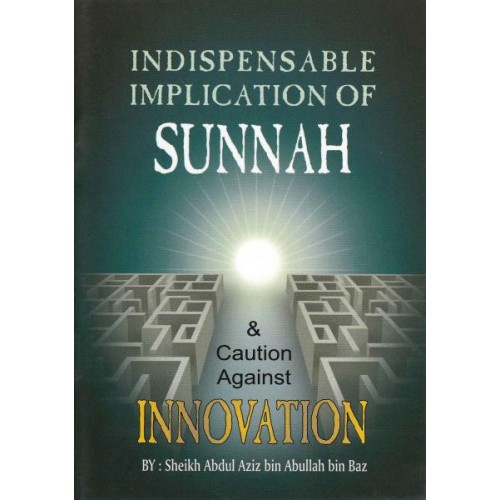
Indispensable Implication of Sunnah (P/B)
The author has discusses the topic of innovation in Islam. For example, he proves that celebrating the Prophet’s birthday is not right according to the Qur’an and Sunnah.
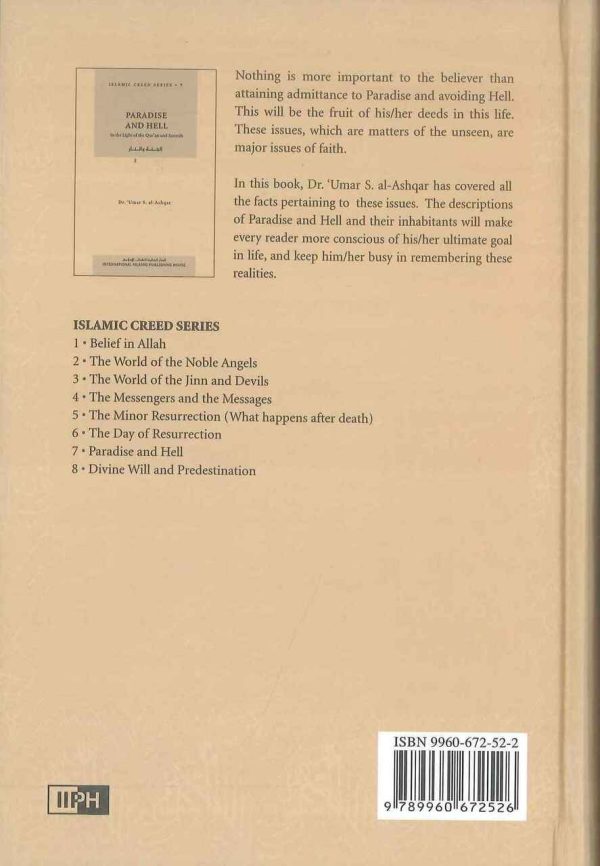
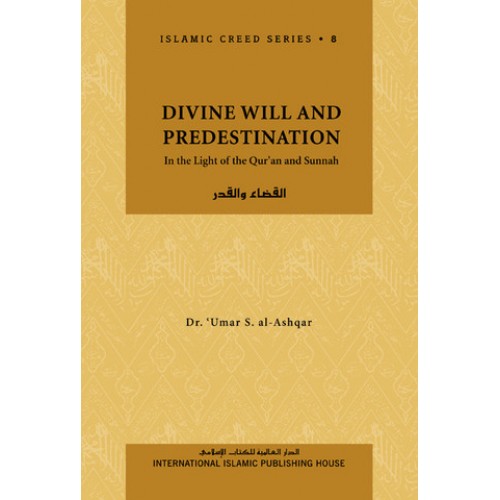
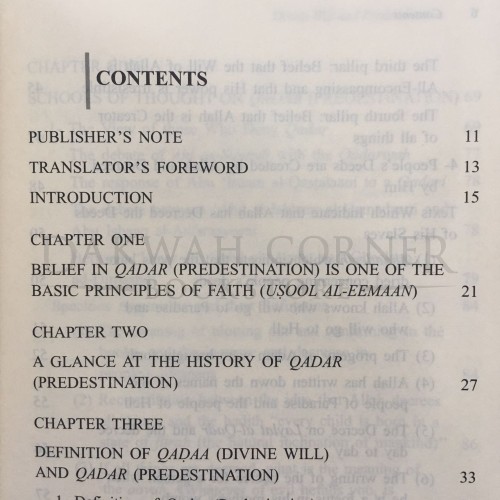
Divine Will and Predestination; Islamic Creed Series Vol. 8
The will and decree of Allah: Is this a matter which is directly relevant to the day-to-day life of the Muslim, or is it an obscure topic best left to the debates of philosophers and theologians? Does it imply that Muslims are ‘fatalists’ who see themselves as helpless in the hands of an indifferent fate? Attitudes towards divine will and predestination have always influenced Muslims’ daily activities. In this final volume of his eight-volume Islamic Creed Series, Dr. ‘Umar al-Ashqar explores this topic in depth, explaining it in clear terms for the ordinary Muslim. Drawing always on the Qur’an and the Sunnah, and on the words of the greatest scholars of Islam such as Ibn Taymiyah, he covers some of the historical debates that took place within the Ummah on this matter. The true Islamic concept of divine will and predestination is an empowering notion. While all that happens takes place within the framework of the divine will, people have freedom of choice within those parameters. This is a matter which is of interest and concern for all Muslims, one which will bring many benefits, both in this world and in the hereafter. This Islamic Creed Series of books has been translated into English by Nasiruddin al-Khattab.
Recently Viewed
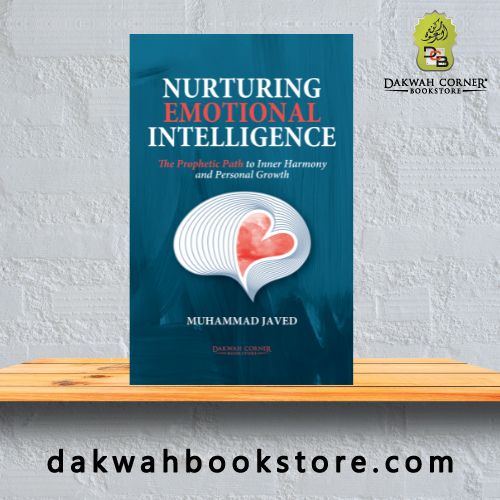
Nurturing Emotional Intelligence (New Cover)
Nurturing Emotional Intelligence
Have you ever wondered what sets apart the truly successful and fulfilled individuals? Are you searching for that missing piece that hinders your progress at work, strains your relationships, or leaves you feeling disconnected? If so, prepare to embark on a life-changing journey that will reveal the key to unlocking your full potential.
Ali and the Eid Goat ( Ali’s Inspiring Stories)
Ali and the Eid Goat:
5 books in the series, where 9-year-old Ali and his best friend Bear as they navigate through life’s many hair-raising and often hilarious misadventures. From an epic gladiator battle to saving a mischievous baby gibbon’s life, the Ali Series explores themes of friendship, loyalty, and bravery.
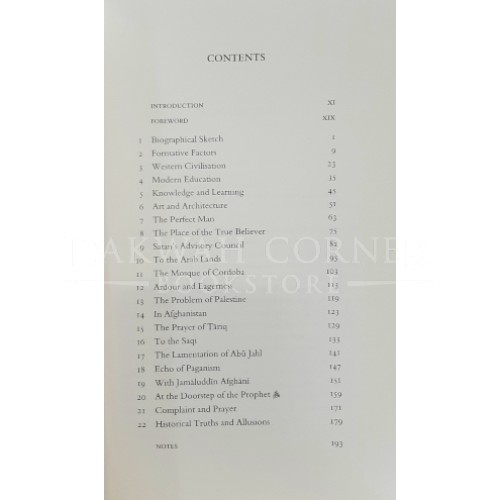
The Glory Of Iqbal
Even as I depart from this world, Everyone will say, “I knew him,” But the truth is, alas! That none knew, Who the stranger was, or what he said, or whence he came!
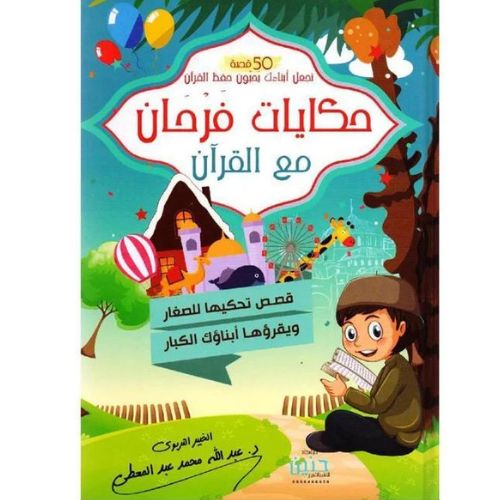
Hikayat Farhan Ma’a al-Qur’an / حكايات فرحان مع القرآن
حكايات فرحان مع القرآن
عندما تجلس مع أبنائك وتحكي لهم حكايات فرحان مع القرآن ، فأنت تعطيهم جرعة كبيرة من الحب والحنان ، وتزيد ثقتهم بأنفسهم ، وتمنحهم قوة ينطلقون بها في الحياة ، وتجعلهم يحبون القرآن ، ويفهمون معانيه ، ويجتهدون
Worship In Islam: An In-depth Study of Ibadah, Salah and Sawm (P/B)
Worship in Islam is in-depth study of the nature and significance of Islamic spirituality by Abul A‘la Mawdudi (1903–79), one of the leading Muslim intellectuals of the twentieth century, with special reference to the concepts of God’s Oneness (tawhid), the finality of Prophethood (risalah) and the Islamic system of worship (‘ibadah) with a focus upon prayer (salah) and fasting (sawm) and their role in the development of the Islamic personality and Islam’s social order. The distinguishing feature of Mawdudi’s approach is his elaboration of the social dimension of worship, which extends the traditional approach found in Islamic jurisprudence, with its focus upon ritual and self-purification, to consider worship’s transformative role in social life. Presenting a holistic view of the Islamic system, Mawdudi highlights Islam’s social, economic and political dimensions, which he argues has the capacity to resolve emergent issues and problems that humankind faces.
This historic text should be of wider interest to both students and specialists in contemporary Islamic thought, and includes an introduction by Professor Anis Ahmad.
Edited and translated into accessible English by Ahmad Imam Shafaq Hashemi, this book is an authoritative compilation by a leading Islamic twentieth-century revivalist on the central matter of worship’s role in Islam.


There are no reviews yet.