
| Weight | 1.60 kg |
|---|---|
| Dimensions | 24 × 17 × 3 cm |
| Author | |
| Binding | Hardcover |
| ISBN | 9781916186286 |
| Pages | 553 |
| Publisher | Suhaib Sirajudin |
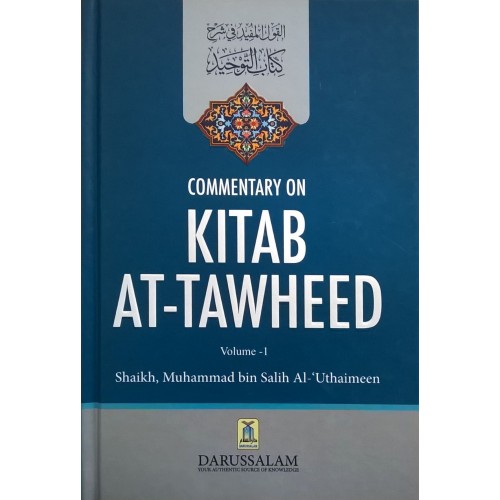
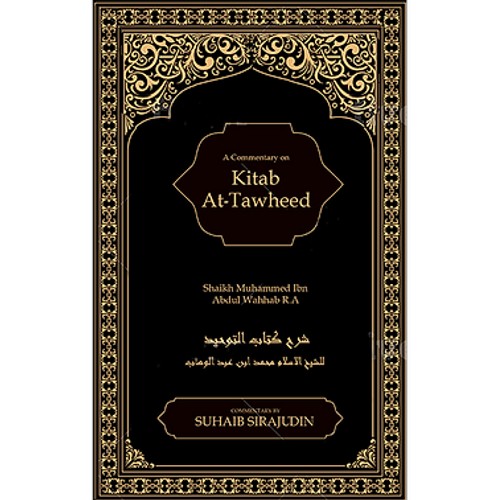
A Commentary On Kitab At-Tawheed
RM135.00
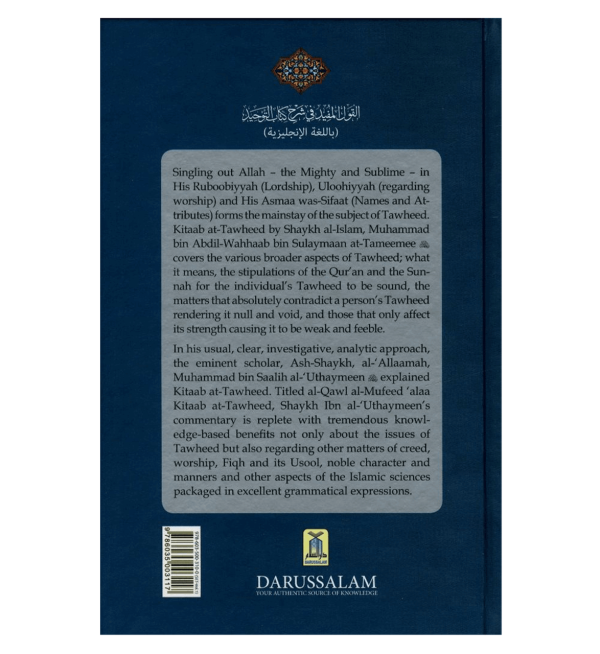
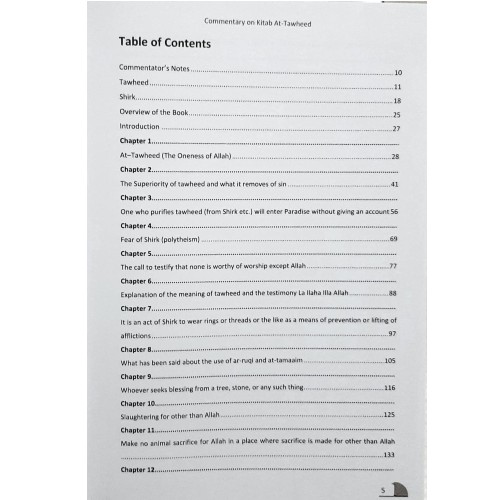
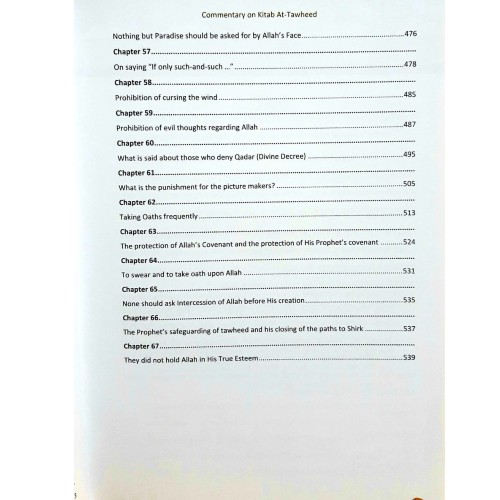
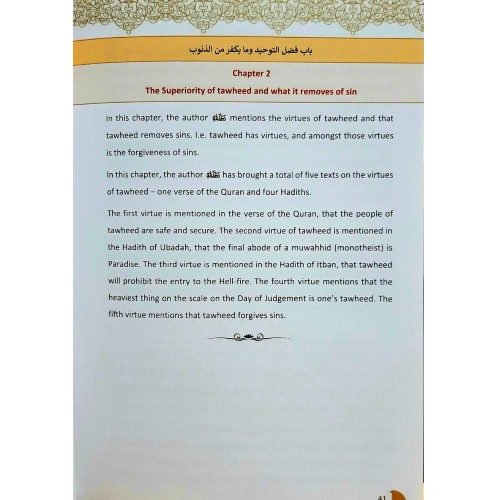
This is a commentary on the book of Shaikh Muhammed ibn Abdul Wahhab’s Kitab At-Tawheed (The Book of Tawheed). Kitab At-Tawheed is an excellent and comprehensive book. It illuminates to the reader the light of tawheed the Oneness of Allah tawheed, the very foundation of this deen, the single most important concept and the purpose behind our creation.
Frequently Bought Together
Be the first to review “A Commentary On Kitab At-Tawheed” Cancel reply
You must be logged in to post a review.
You may also like…
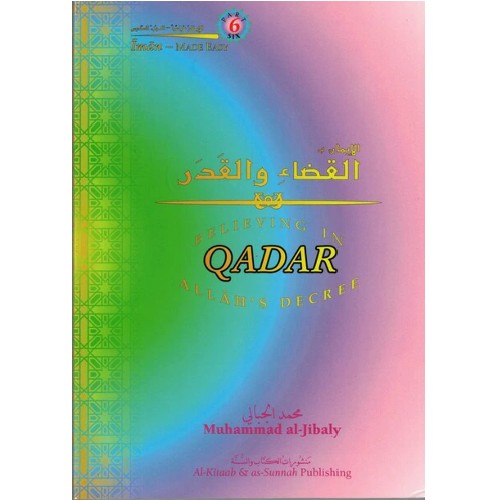
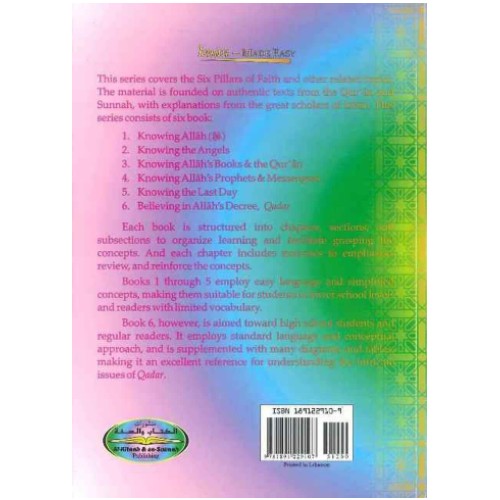
Believing In Allah’s Decree, Qadar (Eeman Made Easy Series)
This series of books presents stories of outstanding moral and educational value. The narrations are taken from texts of the Quran and authentic sunnah, enhanced by extensive remarks and commentaries, and supplemented with important conclusions and lessons.
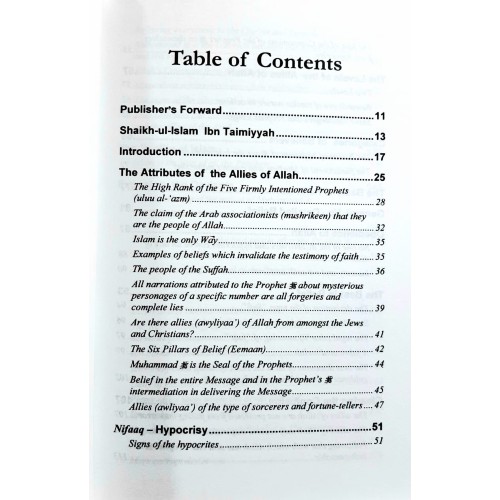
The Criterion (P/B)
The Criterion Between the Allies of the Most Merciful and the Allies of the Devil
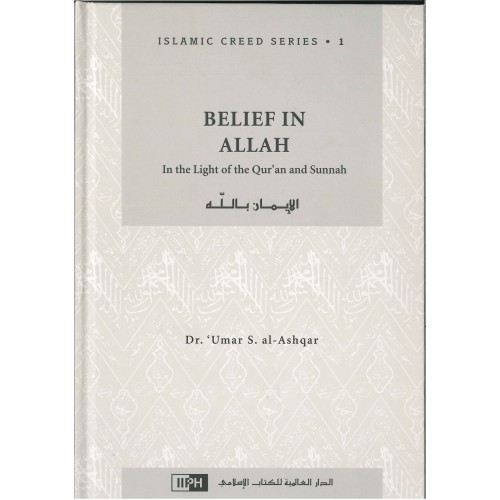
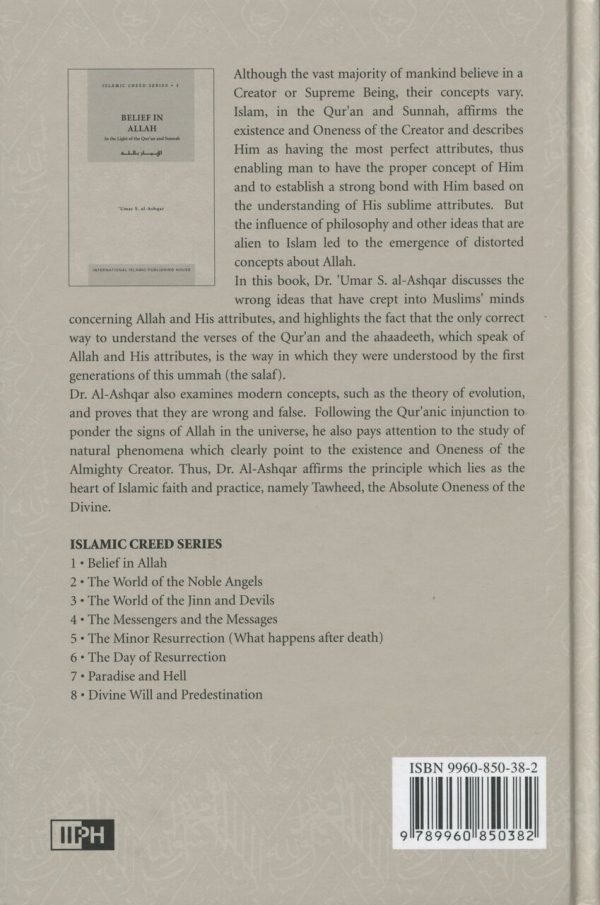
Belief In Allah – Islamic Creed Series 1
Aqidah and Creed
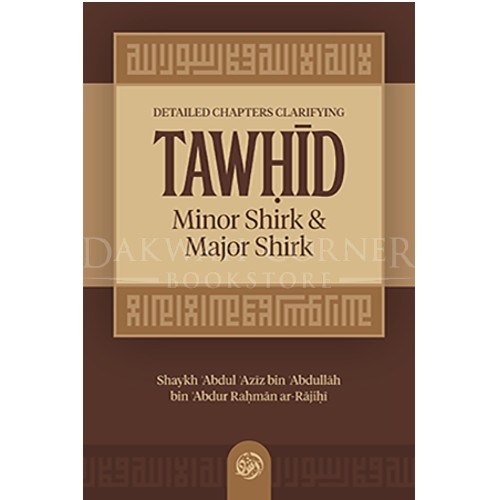
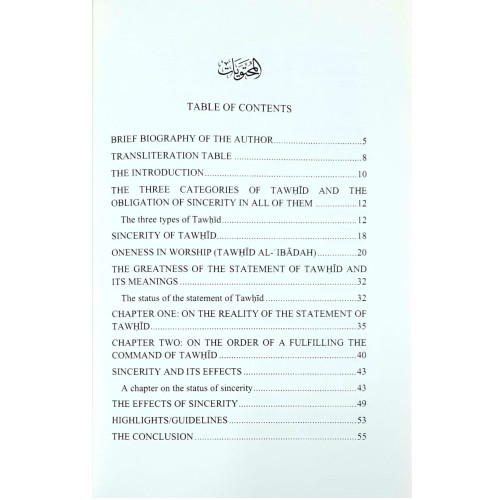
Detailed Chapters Clarifying Tawhid Minor Shirk & Major Shirk
It’s incumbent for the Muslim to be concerned with renewing his ʾIman (i.e., correct Islamic faith) in the evening and the morning by pondering on the meaning of the statement of Tawḥid la ilaha illa Allah since there’s no success except for the people of Tawḥid. For it is the statement of Islam. So, the Muslim (Muwahhid) must learn about Tawḥid, implement it, be aware of its position, reject Shirk which is the opposite of Tawḥid, have a hatred for associating partners with Allah as well as those who practice it. The Muslim must deem the one who commits major Shirk (knowingly) is a disbeliever of the true Islāmic Faith. The Muslim must also be aware of the position of Shirk.
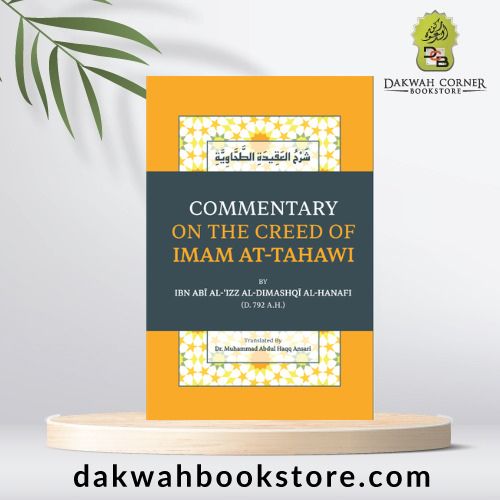
A Commentary on the Creed of Imam al-Tahawi (Dar Al Arqam)
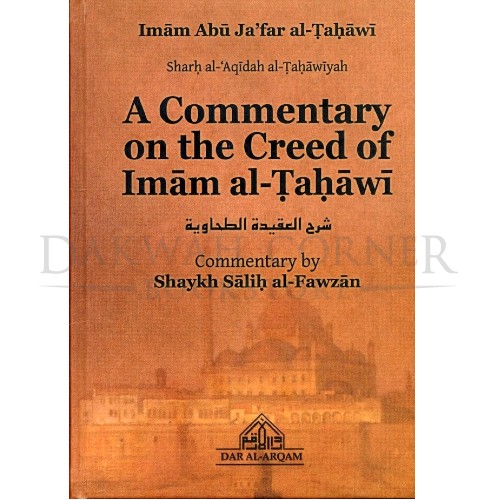
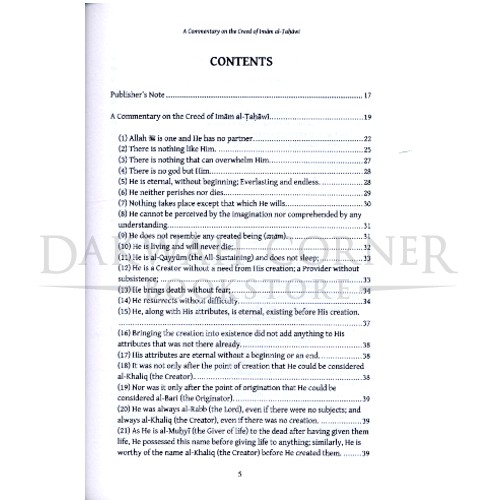
A commentary by Shaykh Salih al-Fawzan on al-Aqidah al-Tahawiyyah, the most widely acclaimed and accepted work on the creed of Ahlus Sunnah wal-Jama’ah. Before you is the English translation of Sharh al-‘Aqidah al-Tahawiyah by Shaykh Salih al-Fawzan. This is an explanation of the renowned treatise on the Islamic creed entitled al-‘Aqidah al-Tahawiyah (The Creed of Imam al-Tahawi). The author of this treatise is Imam Abu Ja‘far al-Tahawi (239-321 A.H.), one of the leading authorities on the Hanafī madhab. The period Imam al-Tahawi lived in was the zenith of the dissemination of the Islamic sciences and he was just one of the giants that this era produced. To illustrate this: his teachers included Imām Isma’il ibn Yahya al-Muzani (a major student of Imām al-Shāfiī), those he collected hadith from included Imām al-Nasai (author of ‘Sunan al-Nasai’, one of the ‘Sahih Sittah’) and his students included the great muhaddith Imām al-Tabarani. The purpose of his treatise was to state the creed of the early scholars of the Hanafī madhab and to indicate its correlation with the views of Ahl al-Sunnah wa’l-Jamā‘ah in general. As Shaykh al-Fawzan states in his explanation: “This entails a refutation against those who associate themselves with the Hanafī school of fiqh in modern or recent times: They associate themselves with the Hanafī school but contradict Imam Abū Hanīfah in creed; rather they only follow his views in jurisprudence. They adopt the creed of those who profess kalām (theological dialectic) and the logicians.
A Commentary on The Four Principles of Shirk
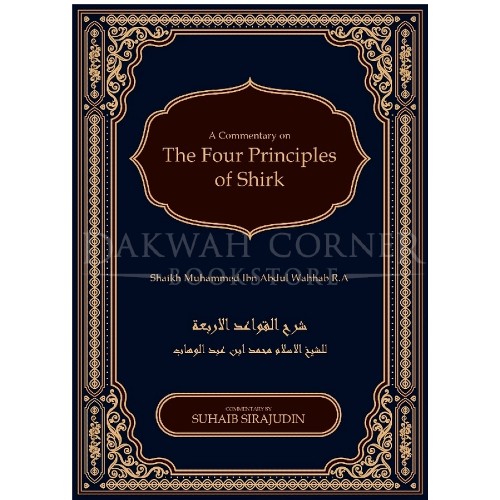
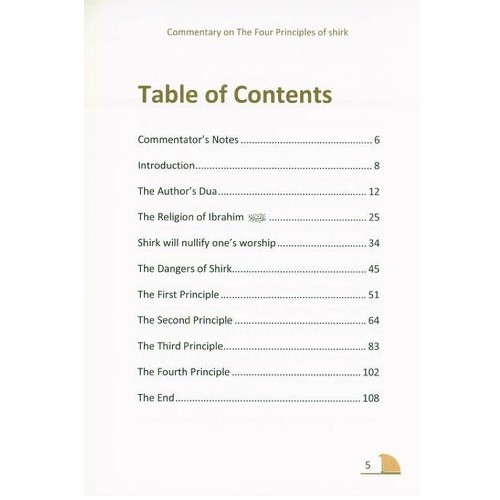
A commentary on the treatise of Shaikh Muhammed ibn Abdul Wahhab’s ‘Qawaidul Arba’ah’ The Four Principles of Shirk. In this treatise, the Shaikh discusses and brings the evidence for four principles; about knowing the disbelievers, knowing what they worship, that they differ in their religions, and the mushrikeen of now are worse than those before.
Related Products
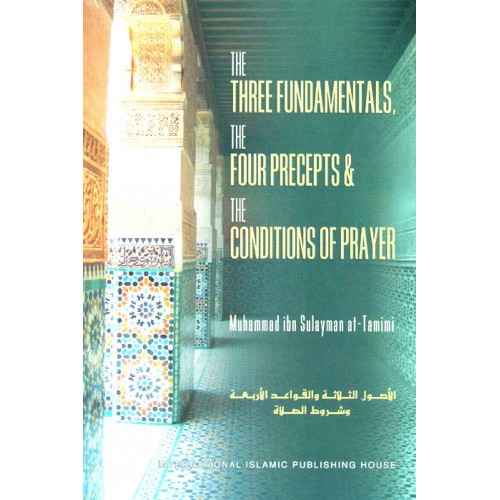
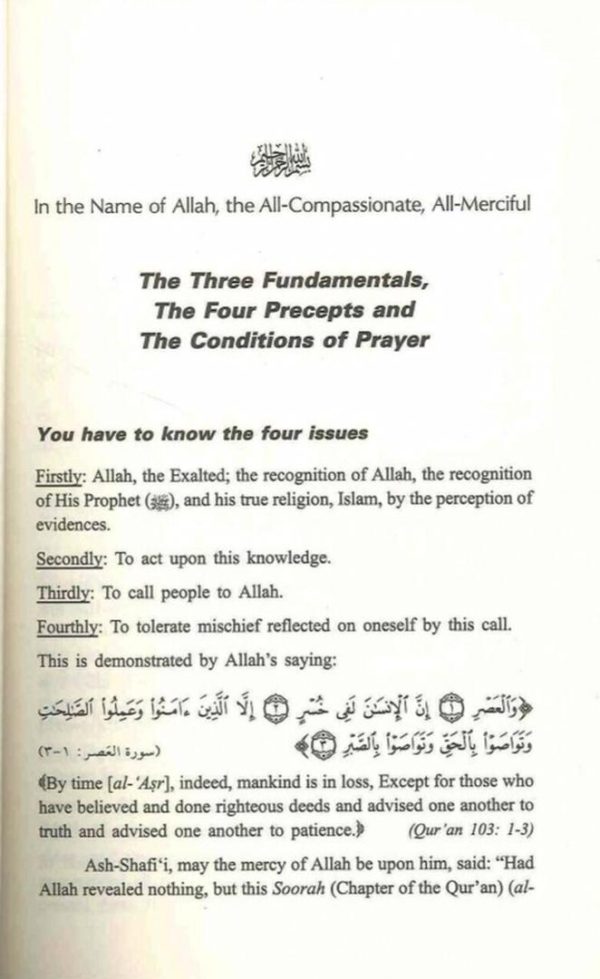
The Three Fundamentals, The Four Precepts & The Conditions Of Prayer (P/B)
(I have only created Jinn and men, but to worship me)
And the most common and lofty way of worship Allah, as we all know, is to pray. Pray, pray, pray.
But how will we react if we find out that after years and years of praying, our prayer is performed incorrectly?!?!
Some of us would be angry… actually, very very angry… while some will be dissappointed and wishing that they knew the correct way of praying earlier…
This book covers all of the guidelines of prayer, and what you need to do before, after, and during prayer, to keep you from that humiliating moment of “learning it the hard way.”
So once this book is between your hands, flip through its thin pages and earn the knowledge of your deen as you sit on the cushions of a warm, comfortable couch.
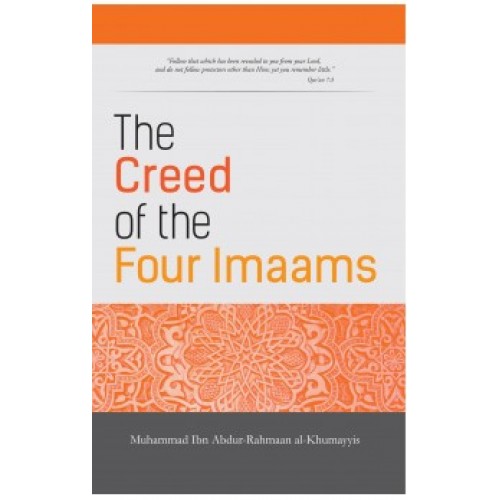
The Creed Of The Four Imaams (H/B)
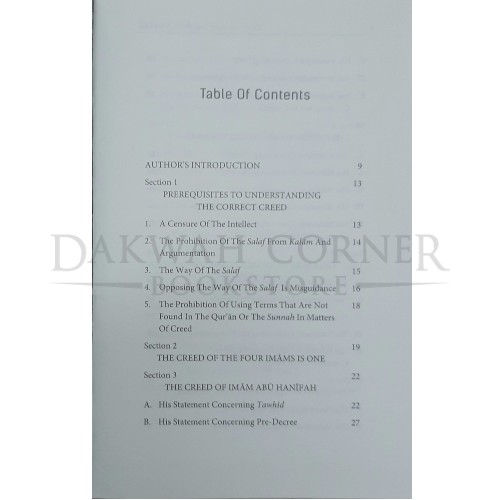
The book proves the important, yet overlooked point: that despite whatever differences the Imaams had in their fiqh, their creed (aqidah) was one and the same in almost all issues. Many narrations are brought from the past and present day scholars showing that the path to Allaah is one. Detailed biographies have been provided for each of the four Imaams from ancient authentic sources. Additionally many doubts cast over the creed and lives of the Imaams have been uncovered, and the Creed of the Ahlus-Sunnah wal-Jama’ah has been exonerated.
Commentary on Kitab At-Tawheed – 2 Volumes (H/B)
The title of the Arabic explanation by the shaykh is Al Qawl Al Mufeed Alaa Kitaab at-Tawheed.
Essentials Of Bid’ah
Essentials of Bid’ah forms the second and the third section of the book titled: Da’watu Ahl-Bid’ah (Inviting the People Of Innovations). In a very concise manner Shaykh Khalid bin Ahmad Az Zahraanee expounded on both the lexical and juristic meaning of the word Bid’ah, it’s evil effects and the words of disparagement, categories of Bid’ah, dealing with the people of Bid’ah, that has been mentioned in the Qur’an, the Sunnah of the Prophet, the statements and actions of the Companions and those who follow in their footsteps from the scholars over time regarding Bid’ah and its people.
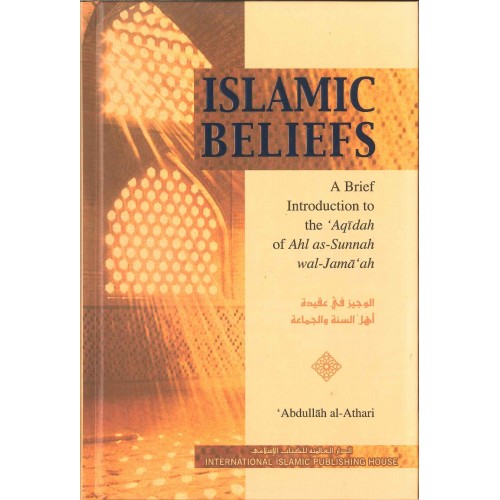
Islamic Beliefs
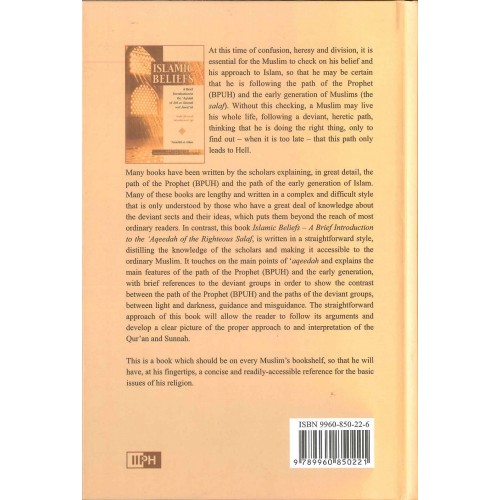
In this era of confusion, innovation, and division, it is essential for Muslims to monitor their beliefs and their approach to Islam, so that they may be certain that they are following the path of the Prophet (blessings and peace of Allah be upon him) and the early generation of pious Muslims (the salaf). Without careful attention, a Muslim may live his or her whole life following a deviant path filled with innovation, thinking that he or she is doing the right thing, only to find out – when it is too late – that this path only leads to hell. Islamic Beliefs: A Brief Introduction to the ‘Aqeedah of Ahl as-Sunnah wal-Jamâ‘ah is written in a straightforward style, distilling the knowledge of the scholars and making it accessible to the ordinary Muslim. It touches on the main points of ‘aqeedah (fundamental Islamic beliefs or creed) and explains the main features of the path of the Prophet (peace be upon him) and the early generation, with brief references to deviant groups in order to show the contrast between the path of the Prophet (peace be upon him) and the paths of the deviant groups, between light and darkness, guidance and misguidance. The straightforward approach of this book will allow the reader to follow its arguments and develop a clear picture of the proper approach to and interpretation of the Qur’an and the Sunnah. This is a book which should be on every Muslim’s bookshelf, so that they will have at their fingertips a concise and readily-accessible reference for the basic issues of their religion.
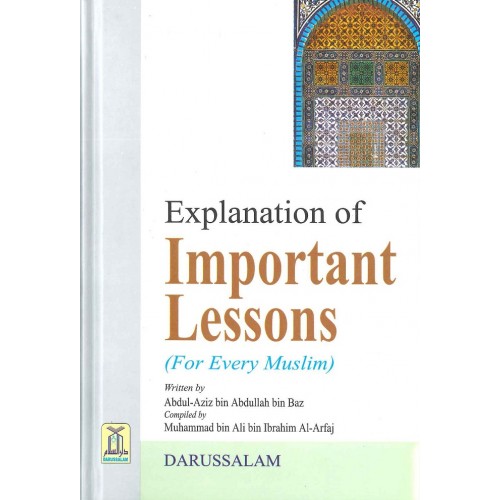
Explanation of Important Lessons (For Every Muslim) (H/B)
This book is a short work to explain what every Muslim needs to know about the religion of Islam. It covers many lessons under 18 chapters.
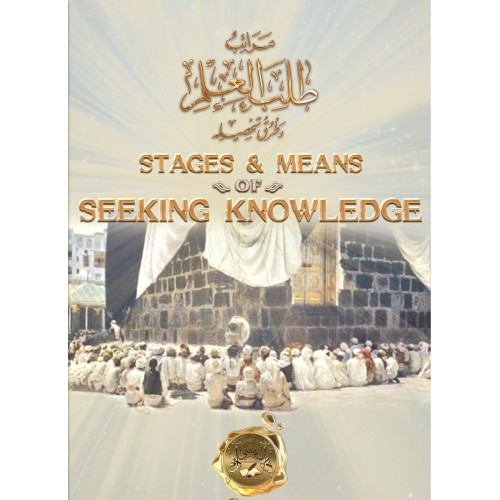
Stages & Means of Seeking Knowledge (P/B)
a small excerpt from the book:
“And those who disbelieve say: “Why is not the Quran revealed to him all at once?” Thus (it is sent down in parts), that We may strengthen your heart thereby. And We have revealed it to you gradually, in stages.”[1]”[2]
Al-Zarnooji -rahimahullah- said, “Imam Sharf ul-Din al-Uqayli – rahimahullah- used to say, “My opinion regarding learning knowledge is in agreement with what our teachers taught us. They used to teach beginners level one books because they are understandable, easy to memorize, enjoyable, and common. A beginner should not write down something he does not understand because it numbs the intelligence and is a waste of time. Instead, a beginner should focus on the task of understanding his teacher through deep thinking and repetition. Significantly, the smaller the portion in one class with repetition the more progress in understanding. A famous saying states: Memorizing two letters is better than hearing two loads, and understanding two letters is better than memorizing two loads.”[3]
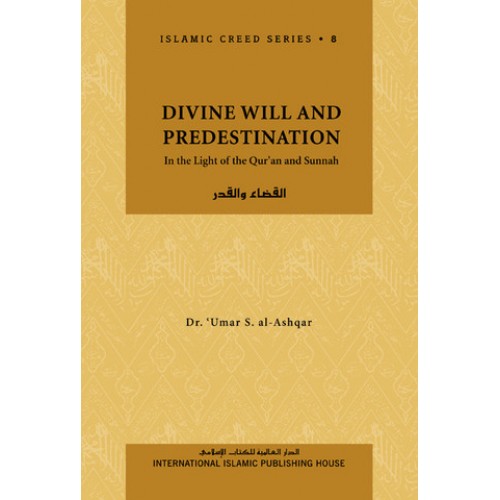
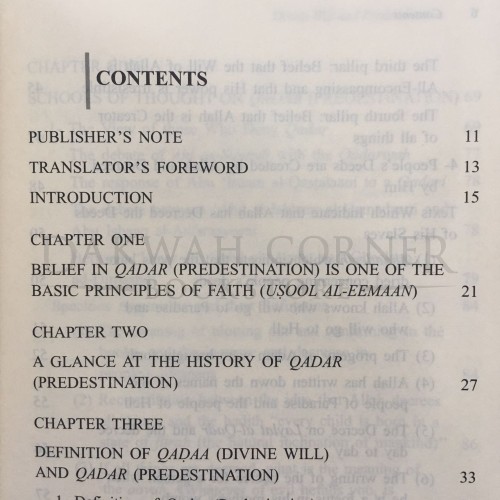
Divine Will and Predestination; Islamic Creed Series Vol. 8
The will and decree of Allah: Is this a matter which is directly relevant to the day-to-day life of the Muslim, or is it an obscure topic best left to the debates of philosophers and theologians? Does it imply that Muslims are ‘fatalists’ who see themselves as helpless in the hands of an indifferent fate? Attitudes towards divine will and predestination have always influenced Muslims’ daily activities. In this final volume of his eight-volume Islamic Creed Series, Dr. ‘Umar al-Ashqar explores this topic in depth, explaining it in clear terms for the ordinary Muslim. Drawing always on the Qur’an and the Sunnah, and on the words of the greatest scholars of Islam such as Ibn Taymiyah, he covers some of the historical debates that took place within the Ummah on this matter. The true Islamic concept of divine will and predestination is an empowering notion. While all that happens takes place within the framework of the divine will, people have freedom of choice within those parameters. This is a matter which is of interest and concern for all Muslims, one which will bring many benefits, both in this world and in the hereafter. This Islamic Creed Series of books has been translated into English by Nasiruddin al-Khattab.
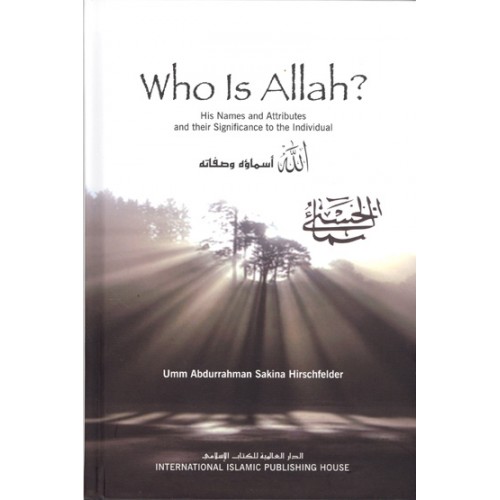
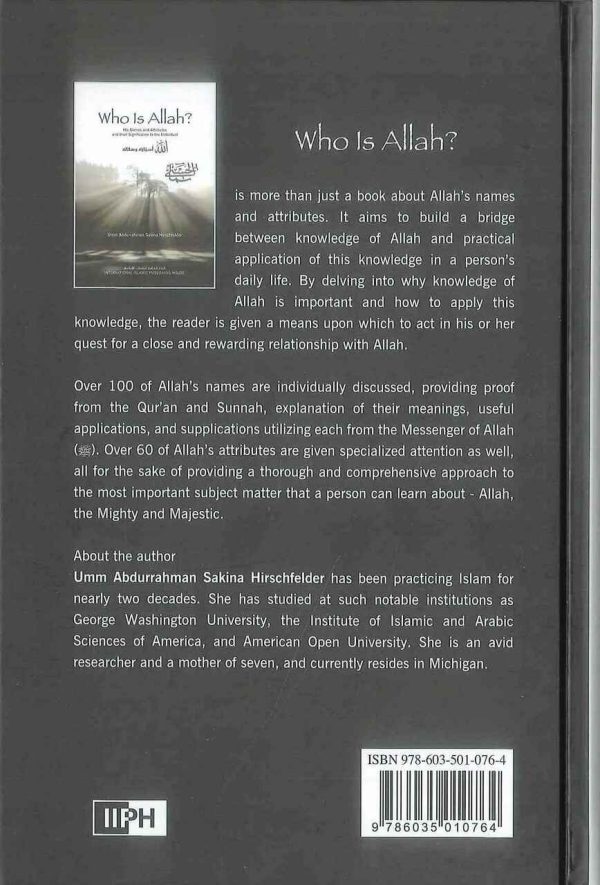
Who Is Allah? (H/B)
Who is Allah? is more than just a book about Allah’s names and attributes. It aims to build a bridge between knowledge of Allah and practical application of this knowledge in a person’s daily life. By delving into why knowledge of Allah is important and how to apply this knowledge, the reader is given a means upon which to act in his or her quest for a close and rewarding relationship with Allah.
Over 100 of Allah’s names are individually discussed, providing proof from the Qur’an and Sunnah, explanation of their meanings, useful applications, and supplications utilizing each from the Messenger of Allah. Over 60 of Allah’s attributes are given specialized attention as well, all for the sake of providing a thorough and comprehensive approach to the most important subject matter that a person can learn about – Allah, the Mighty and Majestic.
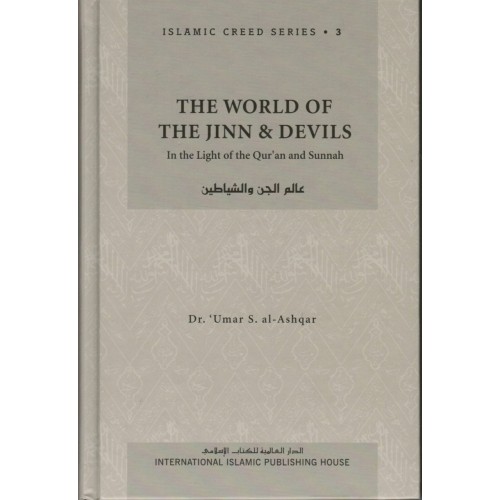
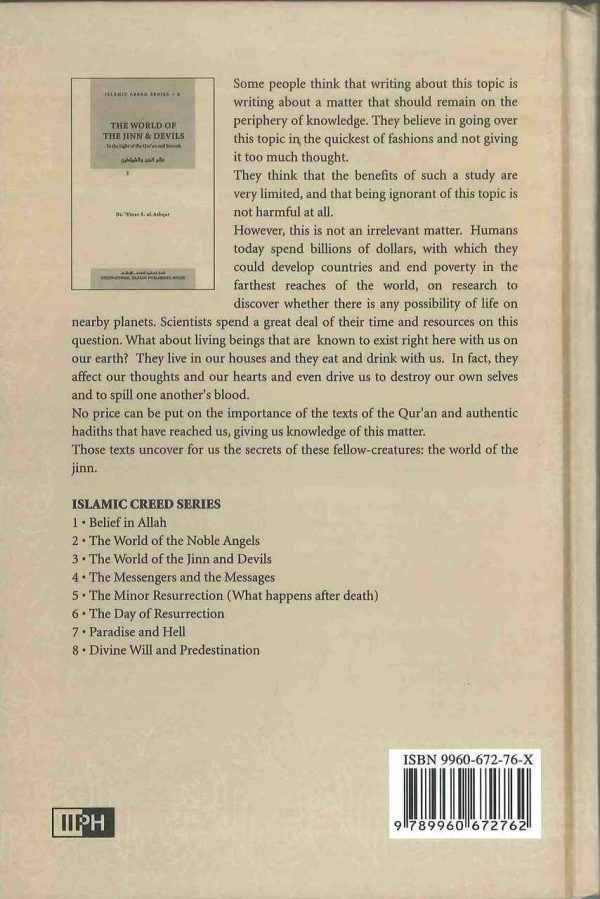
The World Of The Jinn & Devils – Islamic Creed Series 3
Aqidah and Creed
Recently Viewed
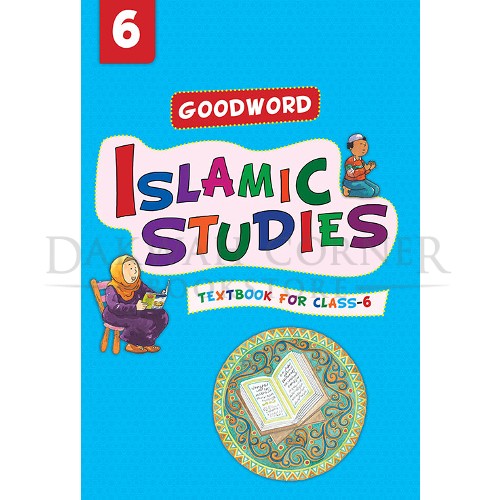
Goodword Islamic Studies Textbook for Class 6
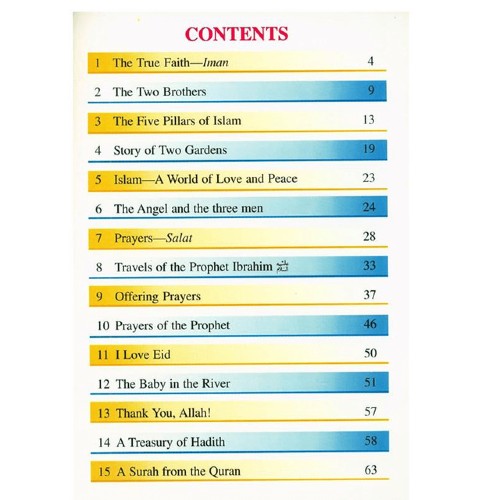
This course has been designed to present the young students comprehensive Islamic education, comprising general Islamic knowledge based on the Quran and Hadith. Instead of teaching moral principles directly, they are taught through themes chosen from the Quran and other Islamic sources. A major portion of the course comprises the text of the Quran, which is followed by exercises to test the depth of understanding of the students. Though basically intended for use as a school text book, it is also an ideal tool for home schooling involving both the parents and the children. In this way children will nt only learn the ethical values conveyed by the message of Islam but will also be stimulated to want to know more about Islamic teachings when they grow up..


There are no reviews yet.