



| Weight | 0.38 kg |
|---|---|
| Dimensions | 22 × 14.9 × 1.2 cm |
| Author | |
| ISBN | 9786035013178 |
| Pages | 128 |
| Product Type | Book |
| Publisher | IIPH |
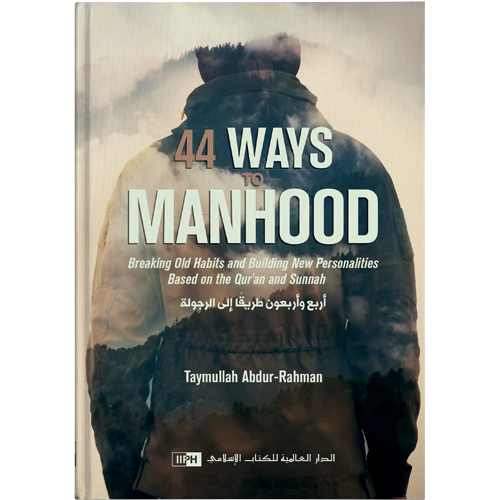
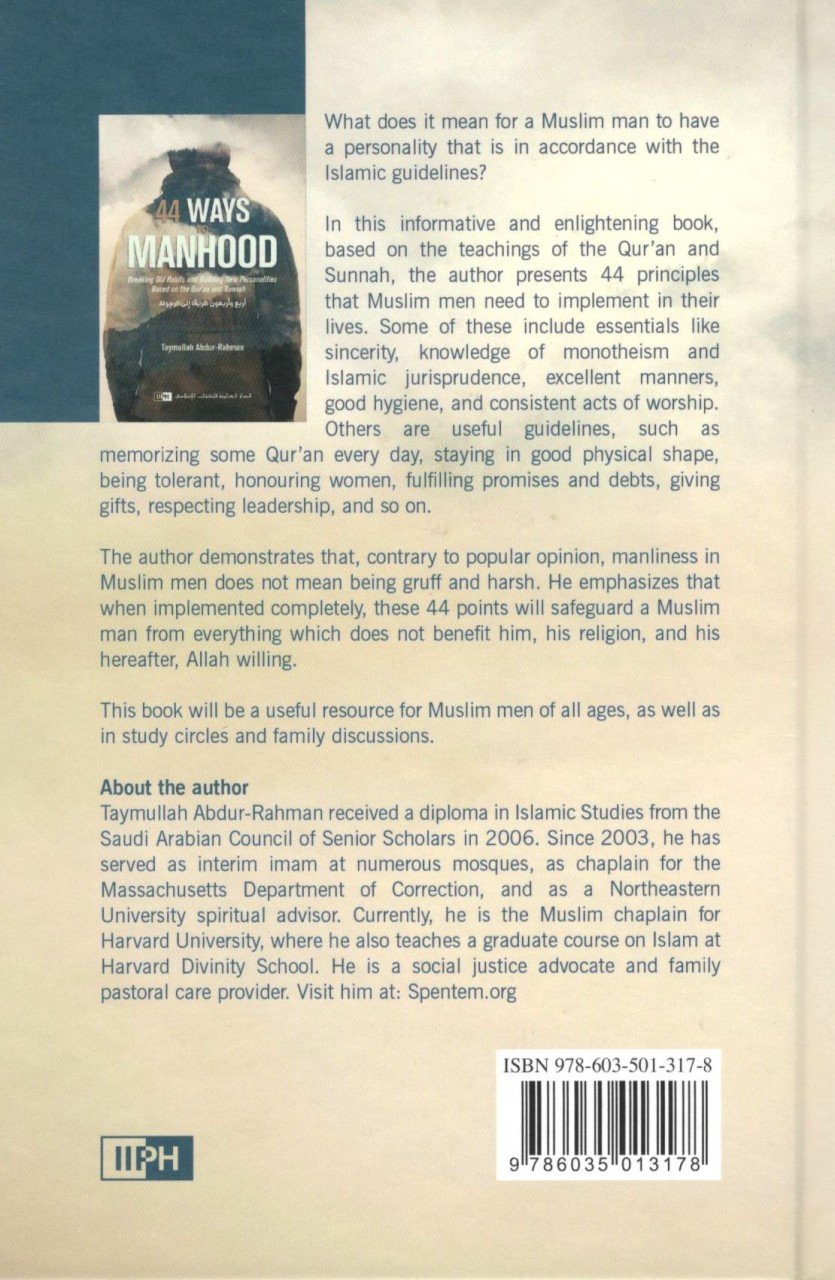
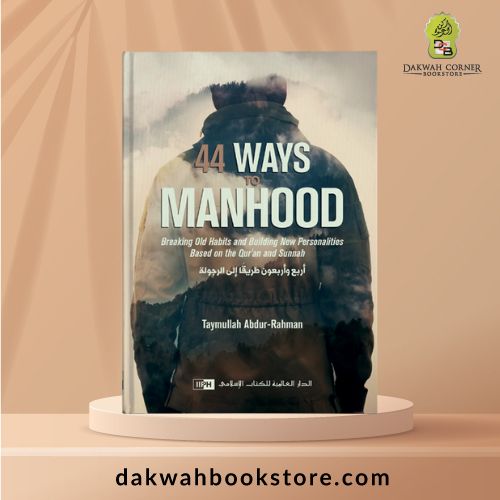
44 Ways to Manhood (H/B)
5 ★
5 ★
1 Rating
5 ★
1
4 ★
0
3 ★
0
2 ★
0
1 ★
0
RM50.00
Hurry up, Only 4 left.

Highlights:
somdn_product_page
Compare
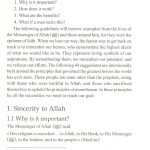
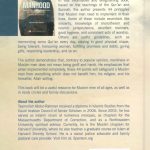
What does it mean for a Muslim man to have a personality that is in accordance with the Islamic guidelines? In this informative and enlightening book, based on the teachings of the Qur’an and Sunnah, Taymullah Abdur-Rahman presents 44 principles that Muslim men need to implement in their lives. This book will be a useful resource for Muslim men of all ages, as well as in study circles and family discussions.
Frequently Bought Together
1 Item
RM50.00
2 Add-Ons
RM155.00
Total
RM205.00
Additional information
Reviews (1)
5 ★
1 Rating
5 ★
1
4 ★
0
3 ★
0
2 ★
0
1 ★
0
Add a review Cancel reply
You must be logged in to post a review.
Related Products
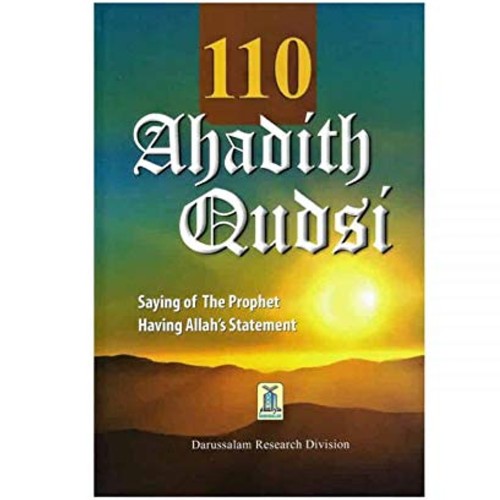
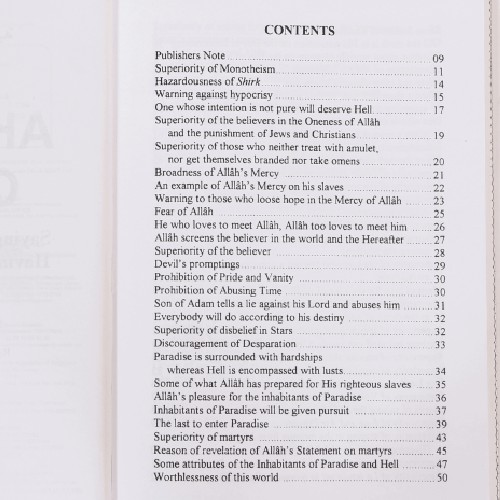
110 Ahadith Qudsi (3rd Edition)
Highlights:
Ahadith are the sayingd, deeds and approvals of the Prophet SAW under Divine guidance and are generally traced back to the Prophet SAW as regards their authority. But some Ahadith hold a distinct place and are termed as Ahadith Qudsi (Sacres Ahadith) and the authority in these Ahadith is attributed to Allah through the Prophet SAW. It is a collection of 110 such Ahadith relating to the important aspects of daily life so that the readers may get benefited from it for the success in this life as well as in the Hereafter.
RM35.00
Approaching the Sunnah: Comprehension & Controversy (P/B)
Highlights:
The Sunnah still provides the stable moral framework – the grammar – that enables Muslims, by formal rules and inward sense, to know right from wrong. However, separation from the mainstream of life puts the Sunnah in danger of becoming rigid – an archaism. Addressing that danger, this book explains how the Sunnah can function as the grammar of a living, adaptive language, capable of guiding (and not shying from) the mainstream.
The first chapter sets out the qualities that characterize authentic application of the Sunnah: universality, coherence (so that different spheres of human responsibility are not split), compassionate realism, moderation, and humility. The second explains standards and procedures for determining the Sunnah in the fields of jurisprudence and moral instruction. The third chapter illustrates through detailed examples common errors in understanding the Sunnah – reading hadiths singly without sufficient context, confusing legal and moral injunctions, means and ends, figurative and literal meanings…–and it proposes remedies for these errors.
YUSUF AL-QARADAWI is one of the Islamic world’s most widely respected and prolific scholars. His works have remained popular over many decades. Among the best known of his books to appear in English is The Lawful and the Prohibited in Islam (first edition 1994).
RM75.00
Authority of The Sunnah the Key to Paradise
Highlights:
Allah Most High Said, “And whatever the Messenger has given you, take it; and what he has forbidden you, refrain from it.” [Al-Hashr (59):7]
The Prophet said, “I have not left out anything of which Allah, The Most High has Commanded you with except I have apprised you of it. Likewise, I have not left out anything of which Allah has Prohibited you from it, except I have apprised you of it…” [Al Bayhaqi, 7/76 & others]
Together with the Qur’an, the Sunnah is the pivotal foundation and primary source of the Islamic faith. Following both of them is mandated by Allah Himself and obligated upon Muslims to adhere and live accordingly. Muslim theology is established upon them and remains defective and incomplete should either be forsaken for they both explain and interpret each other.
During his time, Imam al-Suyuṭi felt a genuine need to pen this compelling book in confuting those who either rejected the Sunnah altogether or did not grant it the status and respect it deserves in the religion. He primarily compiled from the works of Imam Al-Bayhaqi elucidating the position of Imam Shafi’i, and firmly laid out the arguments supporting the Sunnah of the Prophet by outlining its critical importance, its authority, and implication to one’s life.
Salvation, therefore, lies in embracing the Sunnah fully, for indeed it is the key to facilitating our worldly lives and thereafter, unlocking the doors of Paradise, as Shadh ibn Yaḥya said perfectly, “There is no better way to Paradise than the way of those who have followed the Sunnah.”
RM60.00
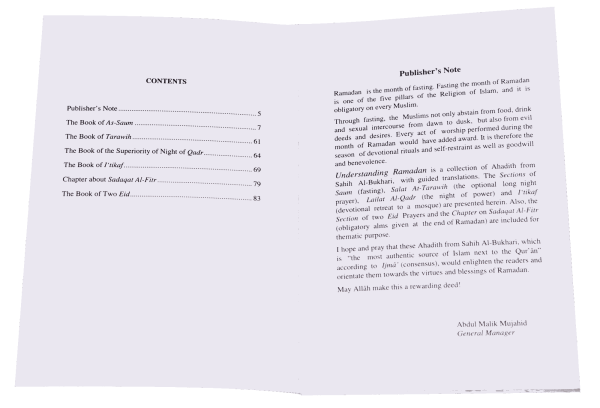
Understanding Ramadan
Highlights:
This book covers important aspects regarding Ramadan. The book is a collection of Ahadith from Sahih Al-Bukhari, with guided translations. The topics which are covered are Fasting, Salat at-Tarawih, Lailat Al-Qadr and Itikaf. Also, the section of two Eid Prayers and the chapter on Sadaqat Al-Fitr are included for the thematic purpose. This book is a must-read for all.
RM20.00
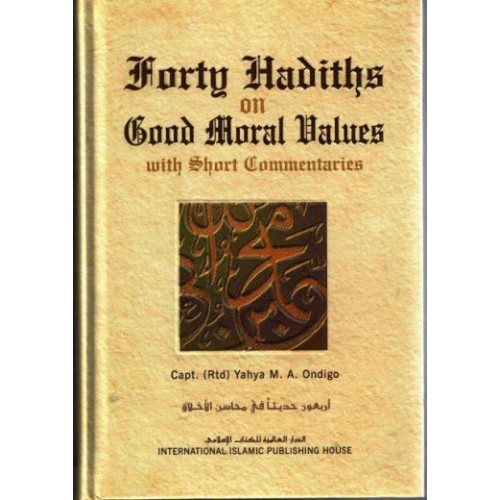
Forty Hadiths On Good Moral Values (H/B)
Highlights:
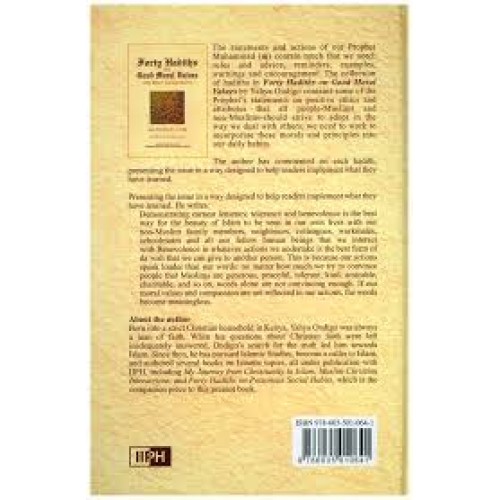
The statements and actions of our Prophet Muhammad (s) contain much that we need: rules and advice, reminders, examples, warnings and encouragement. The collection of hadiths in Forty Hadiths on Good Moral
Values by Yahya Ondigo contains some of the Prophet?s statements on positive ethics and attributes that all people-Muslims and non-Muslims-should strive to adopt in the way we deal with others; we need to work to incorporate these morals and principles into our daily habits.
RM65.00
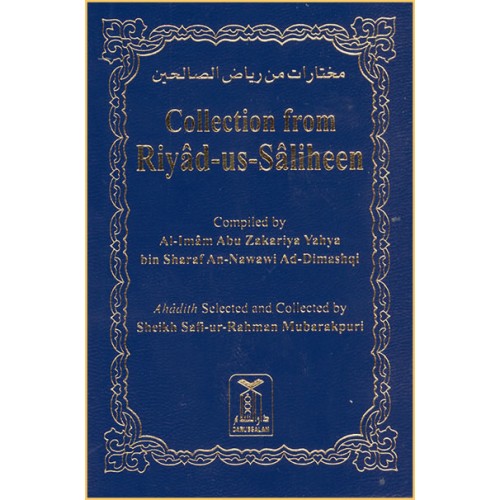
Collection from Riyad-us-Saliheen -Pocket Size (Softback)
Highlights:
This edition of Riyad-us-Saliheen has selected hadith from the full 2 volume edition. It has Arabic text, followed by English translation. It does not contain commentary like the larger editions.
Imam Nawawi was a great scholar of Hadith and Fiqh of his time. He compiled Riyad-us-Saliheen which acclaimed an important position in the Hadith Collections. It is an extremely popular and useful compilation of authentic hadith. Commentaries on the Ahadith were added by Hafiz Salahuddin Yusuf of Pakistan.
Keeping in view the problems of our times, we wished to print a concise volume of Riyad-us-Saliheen. For this volume, Sheikh Safi-ur-Rahman Mubarakpuri has made the selection of Ahddith.
RM36.00
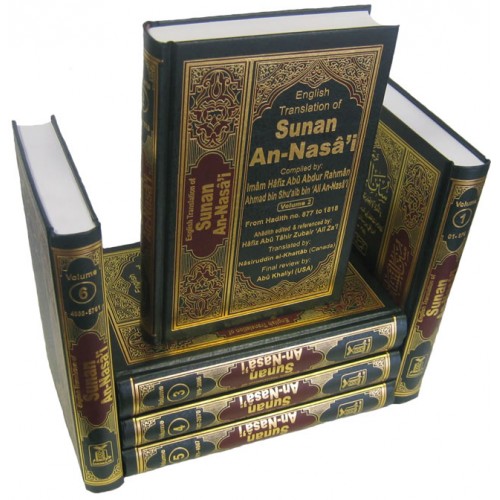
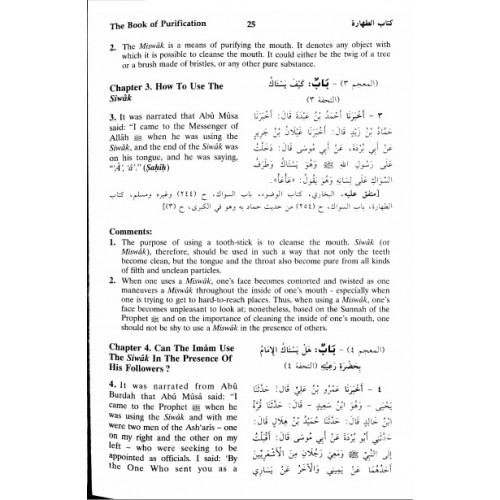
Sunan An-Nasa’i (6 Vol) (H/B)
Highlights:
Sunan An-Nasai has the fewest weak ahadith after the two Sahih collections. This Sunan is one of the six is al-Mujtaba or as-Sunan as-Sughara, which is a synopsis of a large collection of ahadith which he considered to be fairly reliable. In the smaller collection, only those ahadith which he considered to be reliable have been included.
It was compiled by the great scholar of hadith, Abu Abdur-Rahman Ahmad bin Shu’aib bin Bahr An-Nasae (Nasa’ of Khurasan) (214-303AH). Imam An-Nesai, like other great scholars of hadith traveled to Baghdad, Ash-Sham, Egypt, Mecca, and many other cities to seek knowledge. He received the praises of many scholars including Ad-Daraqutni who said about him: “He is given preference over all others who are mentioned with this knowledge from the people of his time”. Some scholars consider his compilation to have the least number of defective or weak narrations among the four Sunan. This great book of his contains 5761 ahadith, making it as an invaluable addition to anyone’s library.
RM460.00
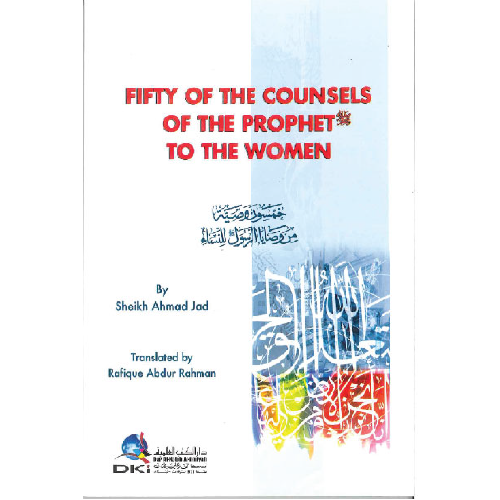
Fifty of the Counsels of the Prophet to the Women
Highlights:
Islam is very kind to women. The Prophet was very careful to respect their rights. Women \, in his times, possessed the religious knowledge, narrated ahadith. Nursed the sick and wounded on the battlefield and acquired knowledge. The home is the first madrasah of a child. This book shows women the path of Islam as shown by the prophet. The ahadith are explained on the pattern of great scholars like Ibn Hajar, Nawawi, Khattabi, Mubarakpuri, and others. A careful perusal will help the reader to understand the real message of Islam and to pattern her own life and her children’s on the right path.
RM18.00
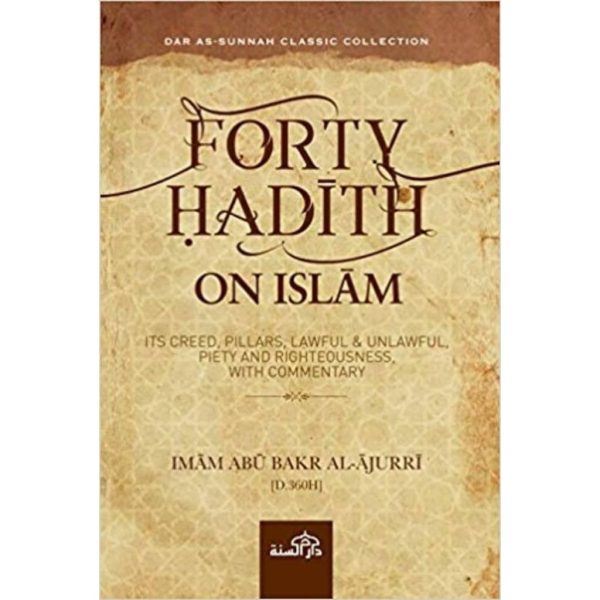
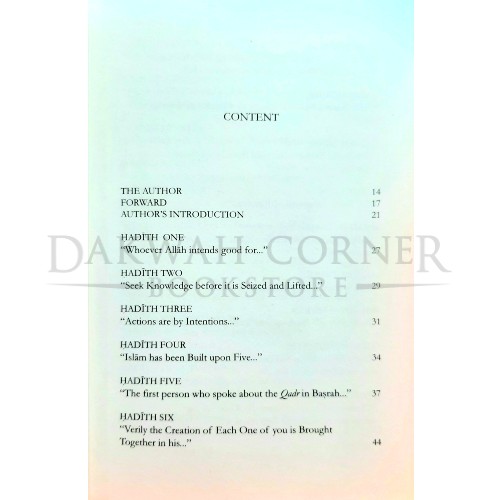
Forty Hadith on Islam (P/B)
Highlights:
This work covers, the Islamic creed, Pillars of Islam, Lawful & Unlawful, Piety and Righteousness, with commentary of Imam al-Ajurri. Anumber of scholars throughout Muslim history have penned their respective compilation of Forty Hadith books. Imam al-Ajurri’s kitab ularba` in Hadithan is among the earliest. It is a highly regarded text for Muslims to study and memorise, for it addresses fundamental aspects of religion, with particular focus on Creed, Pillars of Islam, the Halal and Haram as well as Piety and righteousness.
RM55.00

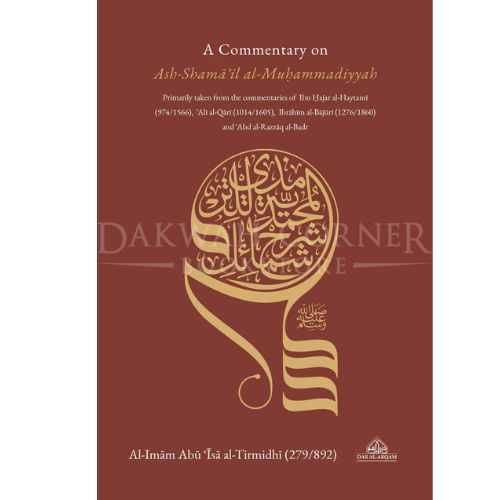
Recently Viewed
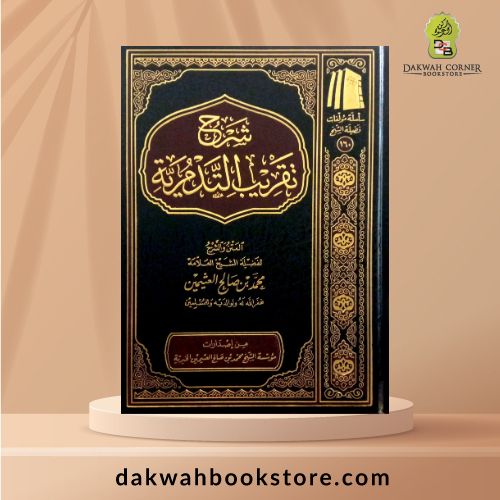
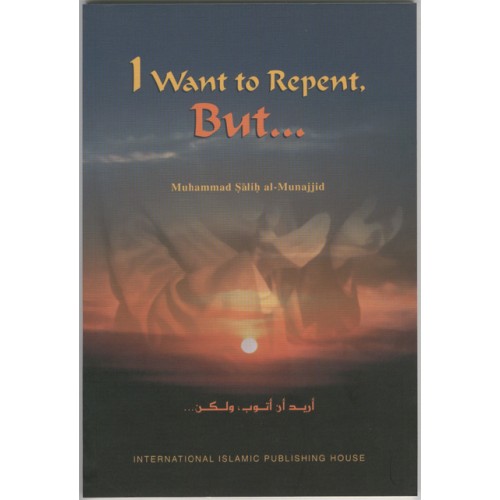
I Want to Repent, But…
Highlights:
One might say, “I want to repent, but who can guarantee that Allah will forgive me if I do so? I want to follow the Straight Path, but I feel very hesitant. If I know for sure that Allah would forgive me, I would definitely repent.” Shaykh Muhammad Sâlih al-Munajjid, may Allah reward him, gives a clear-cut response to such doubts and questions in this booklet. In order that the response reassures everybody concerned, it is based on the Noble Qur’an and the honourable Sunnah, quoting many verses and hadiths confirming that Allah’s mercy and forgiveness embrace all creation and are greater than any and all sins. The Shaykh then goes on to explain the preconditions and necessary steps for achieving true repentance, at which Allah is just waiting to forgive any of His penitent servants.
RM13.00

Worship In Islam: An In-depth Study of Ibadah, Salah and Sawm (P/B)
Highlights:
Worship in Islam is in-depth study of the nature and significance of Islamic spirituality by Abul A‘la Mawdudi (1903–79), one of the leading Muslim intellectuals of the twentieth century, with special reference to the concepts of God’s Oneness (tawhid), the finality of Prophethood (risalah) and the Islamic system of worship (‘ibadah) with a focus upon prayer (salah) and fasting (sawm) and their role in the development of the Islamic personality and Islam’s social order. The distinguishing feature of Mawdudi’s approach is his elaboration of the social dimension of worship, which extends the traditional approach found in Islamic jurisprudence, with its focus upon ritual and self-purification, to consider worship’s transformative role in social life. Presenting a holistic view of the Islamic system, Mawdudi highlights Islam’s social, economic and political dimensions, which he argues has the capacity to resolve emergent issues and problems that humankind faces.
This historic text should be of wider interest to both students and specialists in contemporary Islamic thought, and includes an introduction by Professor Anis Ahmad.
Edited and translated into accessible English by Ahmad Imam Shafaq Hashemi, this book is an authoritative compilation by a leading Islamic twentieth-century revivalist on the central matter of worship’s role in Islam.
RM84.00
[ATQ] Ahkam Alquran / أحكام القرآن
Highlights:
أحكام القرآن كتاب تفسير فقهي للقرآن الكريم حسب المذهب الحنفي من تأليف أبو بكر الجصاص، استنبط مؤلفه من آيات الأحكام، مع ذكر اختلاف العلماء، ثم ينبسط في ذكر الأدلة بتوسع من الكتاب والسنة واللغة العربية والنظر.
RM165.00
The Night Prayers Qiyam & Tarawih
Highlights:
A most rewarding and fulfilling part of a Muslim’s worship are those blessed moments that he spends praying in the depth of the night, privately addressing his Great Lord, sincerely glorifying Him, humbly imploring Him – beseeching His forgiveness and asking Him for favours. The voluntary “night prayer”, or qiyam, is indispensable for a person’s moral, spiritual, and physical welfare. Yet, it is greatly misunderstood and largely neglected by most Muslims. This is why we present this book, with two main objectives:
1. Provide a complete guide on the subject of qiyam and related issues, in accordance with the Quran, the Sunnah, and the guidance of the Salaf.
2. Present to the reader, in the process, two important works by the prominent scholar Muhammad Nasir ud-Deen al-Albaani (may Allah bless him): “Salat ut-Taraaweeh” and “Qiyaam Ramadan”.
This book is not only for Ramadan, but is for every night of the year. It is an treasure of guidance that one will want to keep by his pillow at night, and grab it as soon as he rises for the greatest bliss of the night. It is a gift that is sure to please and benefit
RM41.00
apanaufal –
The book is a great read. It is an essential guide especially for youth in their 20s/30s trying to find a firm footstone in today’s dynamic world. I loved the consiseness of the author- the points were not overflogged. I pray that Allah SWT reward the author for onerous efforts and give us(the youth) to act upon the recommendations.