

| Weight | 0.25 kg |
|---|---|
| Product Type | Book |
| Author | |
| Publisher | IIPH |
| Pages | 80 |
| ISBN | 9960672190 |
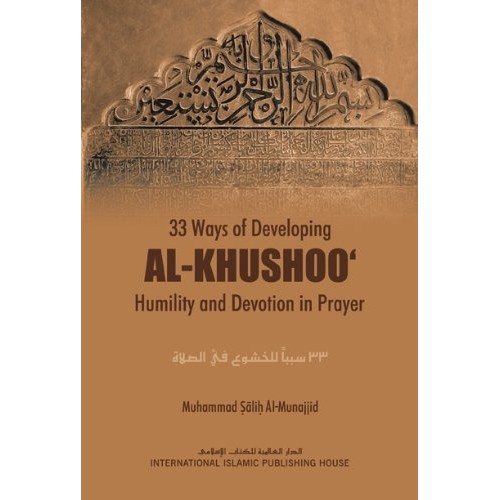
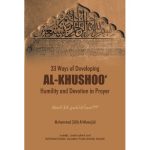
33 Ways of Developing Al-Khushoo`: Humility and Devotion in Prayer
5 ★
5 ★
1 Rating
5 ★
1
4 ★
0
3 ★
0
2 ★
0
1 ★
0
RM15.00
Hurry up, Only 2 left.

Highlights:
somdn_product_page
Compare
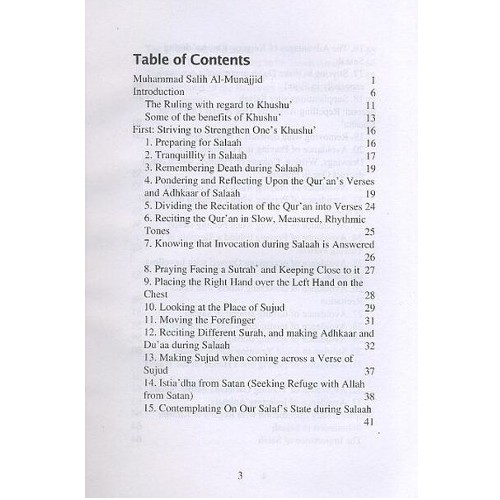
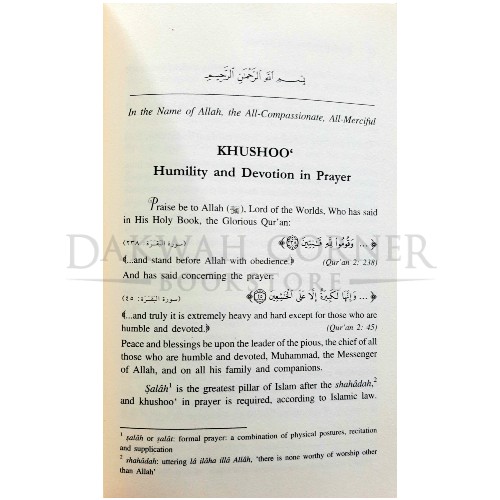
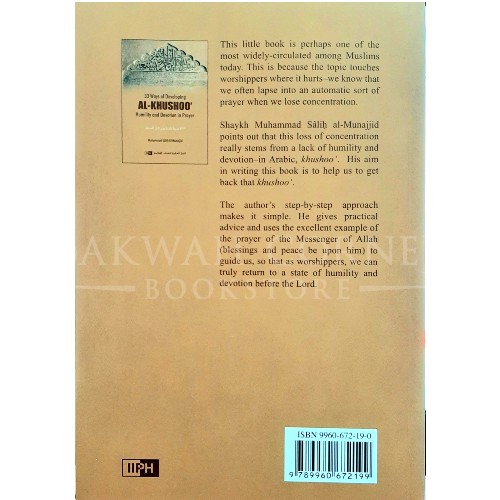
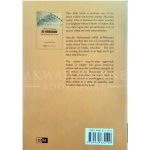
Shaykh Muhammad Salih al-Munajjid’s little book is perhaps one of the most widely-circulated among Muslims today. This is because the topic touches worshippers where it hurts—we know that we often lapse into an automatic sort of prayer when we lose concentration. The Shaykh points out that this loss of concentration really stems from a lack of humility and devotion—in Arabic, khushoo‘. His aim in writing this book is to help us to get back that khushoo‘. His step-by-step approach makes it simple. He gives practical advice and uses the excellent example of the prayer of the Messenger of Allah (blessings and peace be upon him) to guide us, so that as worshippers, we can truly return to a state of humility and devotion before the Lord.
Additional information
Reviews (1)
5 ★
1 Rating
5 ★
1
4 ★
0
3 ★
0
2 ★
0
1 ★
0
Add a review Cancel reply
You must be logged in to post a review.
Related Products
Governing Yourself and Your Family
5 ★
5 ★
1 Rating
5 ★
1
4 ★
0
3 ★
0
2 ★
0
1 ★
0
Highlights:
The subject matter of this work has preoccupied and continues to preoccupy the minds of our Nation?s members; yet in spite of this preoccupation, many people lack a correct understanding regarding it. Because the issues that fall under the subject matter of this work are so important, I decided to write this work, through which I hope to make plain the way to live and act according to what Allah has revealed.
Contrary to what some may think, this work is relevant not just to leaders, but to every individual as well. Each and every human being is a leader and chief of sorts, for just as a ruler is responsible for the welfare of his state and citizens, each one of us is responsible for his flock ? the members of his family and, more importantly, his own self?
RM25.00
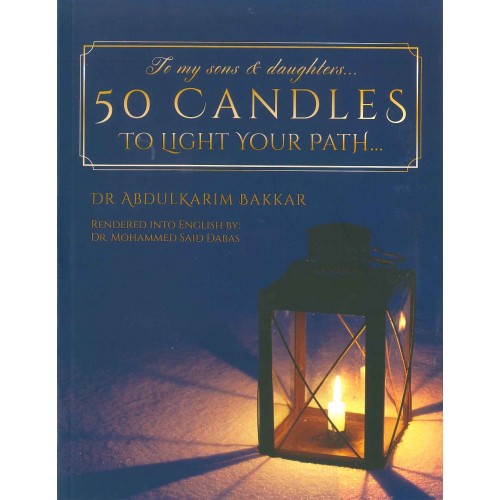
50 Candles To Light Your Path (P/B)
5 ★
5 ★
2 Ratings
5 ★
2
4 ★
0
3 ★
0
2 ★
0
1 ★
0
Highlights:
One goal brings them together : how to improve the well-being of our sons and daughters, how to aid them towards threading the path of guidance to engender their excelling in their academic, work and other facets of life.
RM36.00
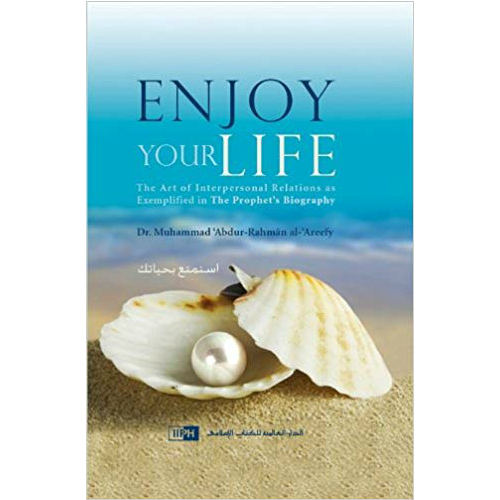
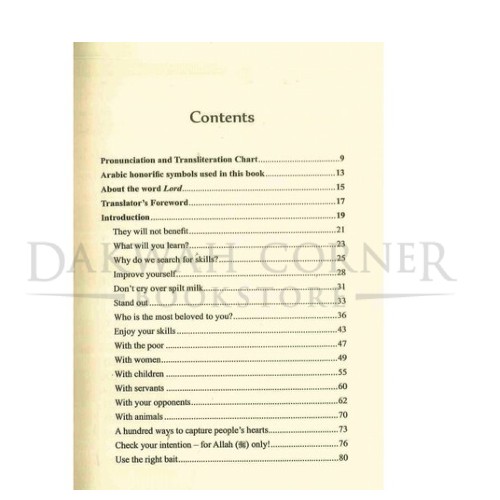
Enjoy Your Life (B/W) – IIPH
5 ★
5 ★
1 Rating
5 ★
1
4 ★
0
3 ★
0
2 ★
0
1 ★
0
Highlights:
Enjoy Your Life! Enjoy Your Life: The Art of Interpersonal Relations as Exemplified in The Prophet’s Biography is a comprehensive guide towards improving interpersonal skills and hence, enjoying life. The author, Dr. Muhammad ‘Abdur-Rahmân al-‘Areefy, writes: An enjoyable life entails learning and practicing multiple skills; the few who truly apply them savour the success that comes with it. Of course, atop the list of the successful is the chief of humanity, Muhammad (blessings and peace be upon him). His entire life was an ocean of pearls that I have scattered throughout the pages of this book.
Enjoy Your Life! is not the product of an effort of a month or a year. Rather, it has resulted from the research that I devoted myself to for twenty years. I inscribed it with my tears, pouring my soul and squeezing my memories into it. I penned down various incidents involving the joy of our eyes – our first teacher, Muhammad (blessings and peace be upon him). I highlighted his exceptional talents; his skills in dealing with people and enjoying his life. Enjoy Your Life! contains personal memories, real-life experiences, and incidents that I have publicised for the first time – praying that Allah, the Exalted, makes them a source of benefit for you.
Enjoy Your Life! contains words that are straight from my heart, hoping to find a place in yours. It is the dearest and most beloved of my books. I ask Allah, the Exalted, to benefit others with it, make this effort solely for His sake, and amply reward all those who have contributed to spread it.
RM85.00
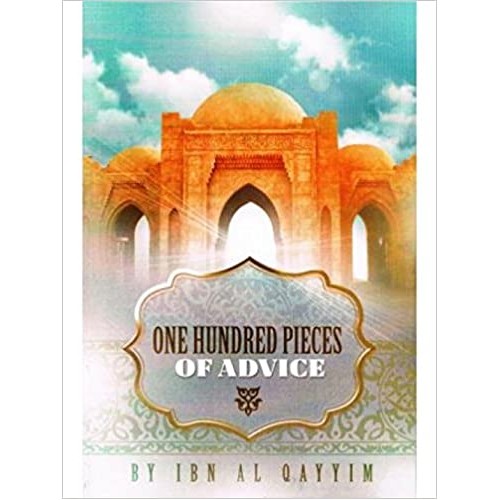
One Hundred Pieces of Advice
3 ★
3 ★
1 Rating
5 ★
0
4 ★
0
3 ★
1
2 ★
0
1 ★
0
Highlights:
One hundred treasured advices extracted from the writings of the illustrious scholar, Imām Ibn al-Qayyim (may Allāh have mercy upon him): Ten ways to acquire Allāh’s love Ten ways to be patient and avoid sins Ten ways to be patient during a calamity Ten benefits to lowering your gaze Ten ways sins are expiated Ten barriers between the slave and his Lord Ten reasons knowledge is not put into action Ten ways to open your heart Ten ways to protect against envy Ten ways to protect against the plots of the Shayṭān
RM48.00
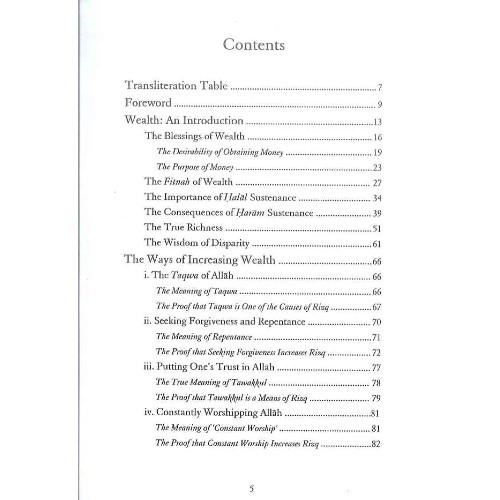
15 Ways to Increase Your Earnings from the Quran and Sunnah (P/B)
5 ★
5 ★
1 Rating
5 ★
1
4 ★
0
3 ★
0
2 ★
0
1 ★
0
Highlights:
One of the blessings that Allah has given His servants is that of a convenient means of financial exchange, i.e. money. Money has since grown to become one of the most’ prized possessions of mankind, and like so many elements of the dunya, serves to test the obedience of Allah’s servants by challenging their system of priorities… Therefore, due to the fact that the Muslims of today are preoccupied with the seeking of money to an extent almost unparalleled in Islamic history, I felt the need to compile a short treatise explaining the manner in which Allah and His Messenger described how Muslims could increase their money. The focus of this book is upon encouraging Muslims to procure money through halal means, and to abstain from haram gains. Abu Ammaar Yasir Qadhi was born in Houston, TX, but completed his primary and secondary education in Jeddah, Saudi Arabia. He graduated with a B.Sc. in Chemical Engineering from the University of Houston, after which he was accepted as a student at the Islamic University of Madinah. After completing a diploma in Arabic, he graduated with a B.A. from the College of Hadith and Islamic Sciences. He is presently doing an M.A. in Islamic Theology (‘aqidah) from the College of Da’wah at the University. Of his published works are: Riyaa: Hidden Shirk; An Introduction to the Sciences of the Qur’an; An Explanation of the Four Principles of Shirk;Du’a: The Weapon of the Believer; and others.
RM47.00
Golden Stories of Accepted Prayers
5 ★
5 ★
1 Rating
5 ★
1
4 ★
0
3 ★
0
2 ★
0
1 ★
0
Highlights:
What are invocations? In a real sense these are requests which come from the bottom of our hearts to Allah Almighty. Allah is always ready and happy to receive prayers from anyone at any time.
If you’re facing any difficulties or trouble you should immediately turn to Allah for help. The best invocations are those narrated by the Prophet (S). If you don’t speak Arabic, you can pray in your mother tongue.
When we pray we should feel assured that Allah will accept our requests. We should do so with complete sincerity and devotion.
Prayers can be made at any time, but there is a greater possibility our prayers will be accepted if we do so at specific times.
RM68.50
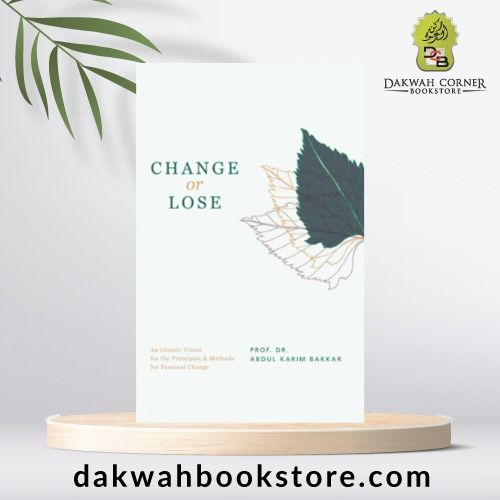
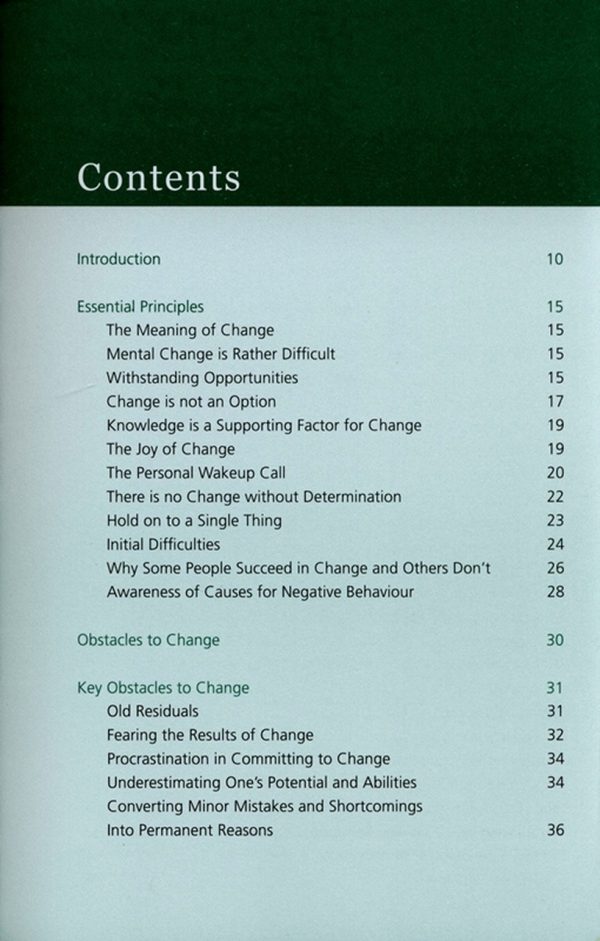
Change or Lose
5 ★
5 ★
1 Rating
5 ★
1
4 ★
0
3 ★
0
2 ★
0
1 ★
0
Highlights:
Motivational & Manners
Change is not an easy and insignificant issue. It needs a deep insight and vision as much as will and determination. It is important here to realize that we can’t achieve all what we want and desire. Furthermore, getting what need and desire may not always be in our interest. This, of course, requires two things from us:
RM15.00
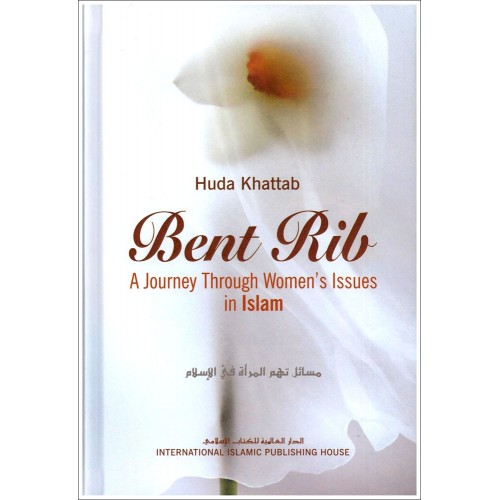
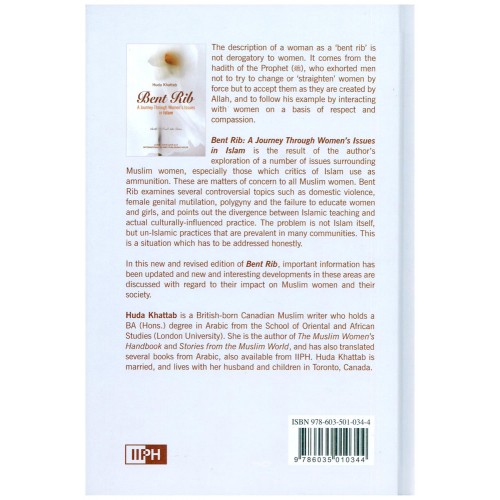
Bent Rib: A Journey Through Women’s Issues in Islam (H/B)
5 ★
5 ★
1 Rating
5 ★
1
4 ★
0
3 ★
0
2 ★
0
1 ★
0
Highlights:
This book examines the role of women in Islam, their education and marriage, and several controversial topics such as domestic violence, female genital mutilation and polygyny. It addresses honestly the divergence between Islamic teaching and actual culturally-influenced practices.
RM40.00

Ghibah (Backbiting) : The Root Cause of All Evil : The Commands and Prohibitions of the Shariah
Highlights:
Islam is a religion of peace, love, and compassion. Lies, suspicion, backbiting, slander, vain talk — all these are anathema to Islam. Indeed, such negative activity sows the seeds of enmity among the people and ultimately brings about the downfall of society. Backbiting (ghibah) in particular, according to the Qur’an, is not just a common social evil, but rather an abhorrent act, a major sin — the equivalent of eating one’s brother’s flesh.
Numerous ahadith of the Prophet Muhammed (pbuh) also underscore the complete futility, extreme loathsomeness and grave consequences of the deliberate misrepresentation of others. Backbiting, by the unanimous rulings of religious scholars (ijma) is forbidden, so that anyone who indulges in it is guilty of serious wrongdoing. Yet people have no qualms about engaging in this practice, flouting all prohibitions and strict commands.
Drawing upon important source material on the subjects of backbiting, false accusation (bhutan), and related issues, this book highlights the need to keep our society free of his ignoble malaise. To this end, it elucidates the relevant commands and prohibitions of the Shari’ah, so as to create in the minds of its readers a deep awareness of the sinfulness and ill effects of calumny.
By Shakil Ahmad Khan and Wasim Ahmad
RM16.00
Closer Than A Garment (P/B)
4 ★
4 ★
1 Rating
5 ★
0
4 ★
1
3 ★
0
2 ★
0
1 ★
0
RM41.00
Golden Words (H/B)
5 ★
5 ★
1 Rating
5 ★
1
4 ★
0
3 ★
0
2 ★
0
1 ★
0
Highlights:
Islam has declared this world and life as a test case for human beings. To live a successful life, Allah SWT has sent His Divine Teachings to help humans understand what to do and what not. This book “Golden Words (Golden Stories) consists of short stories and incidents that occurred during the life time of Prophet (Peace be upon him), Rightly Guided Caliphs, Salf-us-Saleheen, renowned kings/ rulers and other shining stars of the Islamic history. The purpose of these short stories is simple; providing real-life lessons to the readers.
The book provides a clear understanding of our ancestors, their thorough and firm knowledge, their intelligence, proper comprehension, modesty, sacrifices and their endeavors to elevate the truth. This is particularly rewarding book for youngsters that will find it a helping hand in living as per Islamic principles.
RM90.00
30 Ways To Attain Happiness (3rd Edition)
5 ★
5 ★
1 Rating
5 ★
1
4 ★
0
3 ★
0
2 ★
0
1 ★
0
Highlights:
This great book is guidance for all especially the Muslims society in our daily life as it present the ways of dealing with the daily life cycle, accepting the pasts and bracing for tomorrows based on the teaching of the Qur’an and Sunnah
RM15.00
Recently Viewed
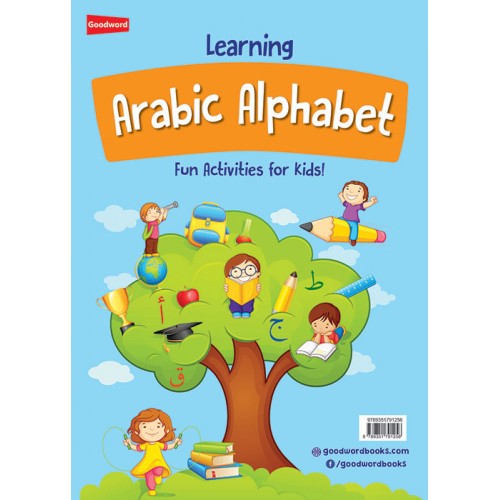
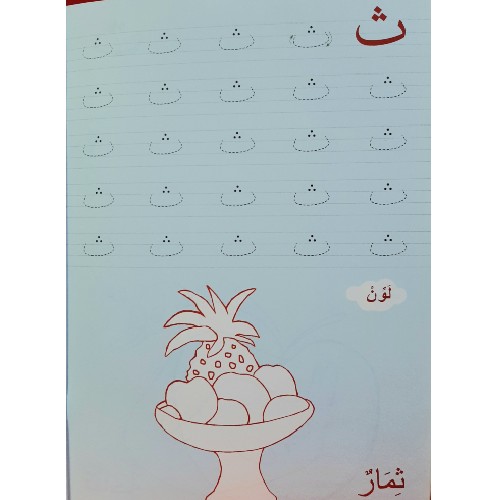
Learning Arabic Alphabet
Highlights:
Fun activities for kids to learn the Arabic alphabet!
RM13.00
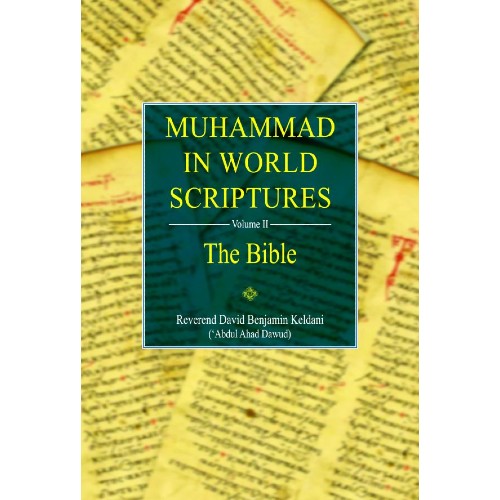
Muhammad In World Scriptures: Volume II (IBT)
Highlights:
This is the second volume of the series on the Prophet Muhammad as found in world scriptures. While the first volume explores the Parsi, Hindu and Buddhist scriptures, this volume explores what the Bible says about the Holy Prophet of Islam. Written some hundred years ago by a Christian priest who converted to Islam, this book helps readers understand the absolute unity of God and the ultimate source of all revealed Scriptures.
RM34.00

Usool Al-Hadeeth (H/B)
Highlights:
Dr. Bilal Philips writes: “The Prophet’s sayings and actions were primarily based on revelation from Allah and, as such, must be considered a fundamental source of guidance second only to the Qur’an.” According to Dr. Philips, the Hadith, the record of these sayings and actions, plays a vital role in that it transmits revelation, tafseer (exegesis of the Qur’an), Islamic law, and the Islamic moral ideal. For instance, the Prophet’s “…character and social interactions became prime examples of moral conduct for Muslims. Consequently, the daily life of the Prophet (blessings and peace of Allah be upon him) as recorded in the hadith represents an ideal code of conduct. It is largely due to the science of hadith that the final message of Islam has been preserved in its original purity for all times.” In Usool al-Hadeeth, the reader will embark on a course of study that will, Allah willing, enable him or her to make critical and intelligent use of the body of Hadith literature in his or her daily life.
RM50.00


Imam Bukhari – Imam Al-Muhadditheen (IIPH)
Highlights:
This book, authored by Luqman Nagy, introduces the reader to the life and times of Muhammad ibn Ismâ‘eel, the greatest of all Hadith scholars. In later life, he became known as Imam Bukhari. This Muslim spent his entire life in the service of his Lord and the Muslim community. His gift to the Ummah (nation) was the collection of hadiths in Saheeh al-Bukhâri, which Muslims cherish and read with confidence today. The story behind this remarkable achievement is certainly one worth telling and worth knowing.
RM54.00
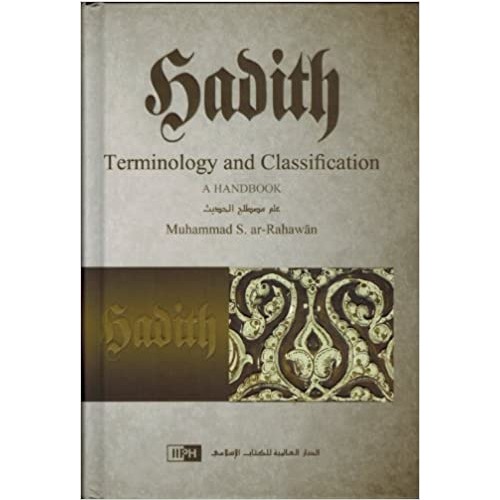
Hadith Terminology and Classification (H/B)
Highlights:
Islam is a complete way of life that enlightens through the Qur’an and the Sunnah, the true path of guidance and success in this world and the hereafter. However, one must accurately comprehend what has been ordained through the Sunnah and identify the authentic hadiths of the Prophet (blessings and peace be upon him). To do that, it is imperative to understand the rules that govern the classification and definitions of hadith methodology and criticism.
RM65.00
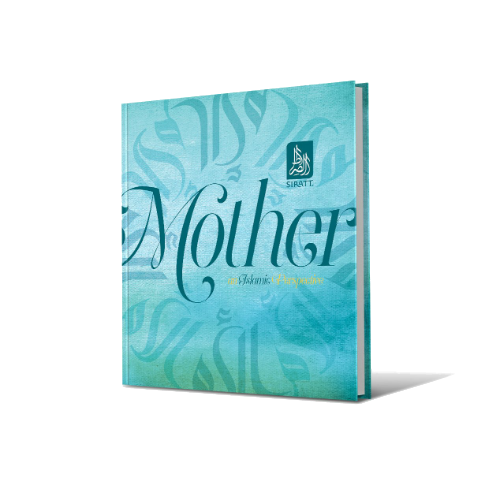
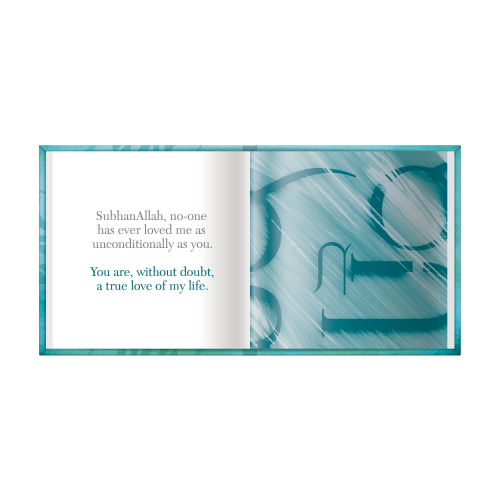
MOTHER
Highlights:
Mother The perfect gift to give a loved one or indeed to educate oneself as to the significance Islam places on this important relationship through relevant Qur’anic Ayah, Hadith, and Islamic Poetry.
Example Quotes from GiftBook:
And We have enjoined upon man (to be good and dutiful) to his parents; (because) his mother bore him in weakness, and hardship, and his weaning is in two years. (Hear the Command, therefore,), Show gratitude (and thanks) to Me and to your parents; (then) unto Me is the final destination. [Q31:14]
Through you, Allah brought me here Great pain and suffering you did bear I could never pay you back Words of gratitude I do lack From pen to paper I do convey The innermost love with which I pray I do love you with all my heart In Paradise I hope we never part.
Ideal gifts to convey what we sometimes find difficult to say through relevant Qur’anic Ayah, Hadith, and Islamic Poetry.
RM36.00
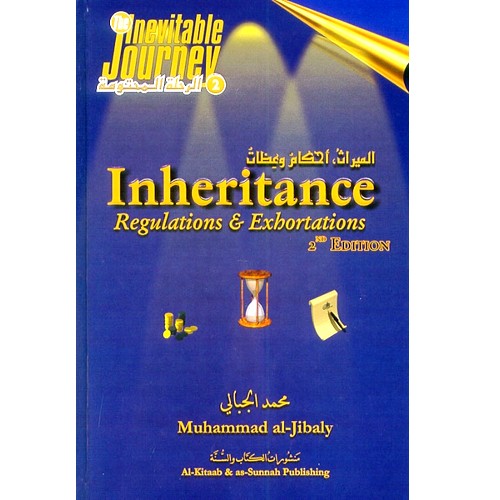
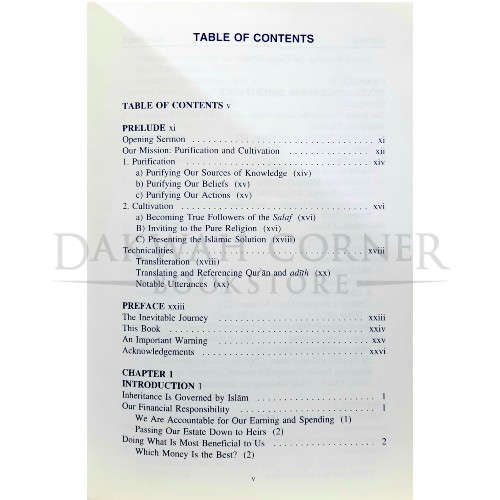
Inheritance Regulations & Exhortations
Highlights:
Description from the publisher: We inevitably go through the journey starting in this life, and extending into the grave, before our final abode in the hereafter. In the process, we pass through stages of sickness, death, and the intermediate life in the grave (al-Barzakh). Writing a will is a religious obligation on every capable Muslim. It protects against many problems and conflicts that could arise after a person’s death. This obligation is more emphasized in the West; Failing to write a well founded will may result in the distribution of one’s estate in discord with the Islamic law, and may lead to losses for some of the rightful inheritors
RM46.00
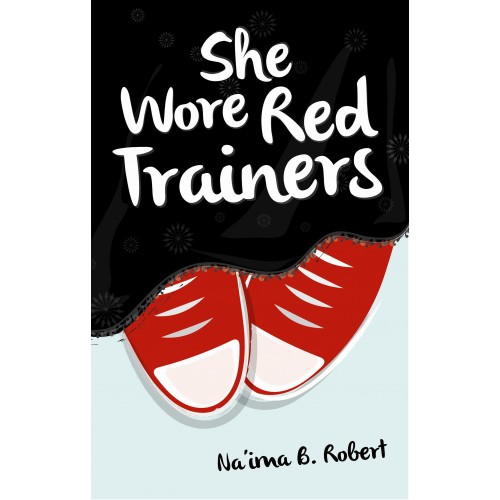
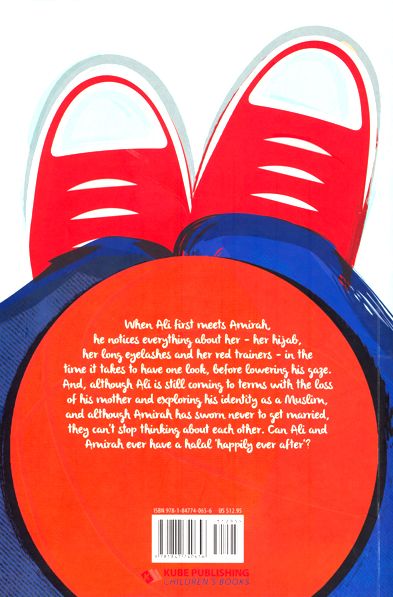
She Wore Red Trainers
Highlights:
A romance novel, written by an award-winning author, that explores the possibilities and passions young Muslims face when falling in love.
RM55.00
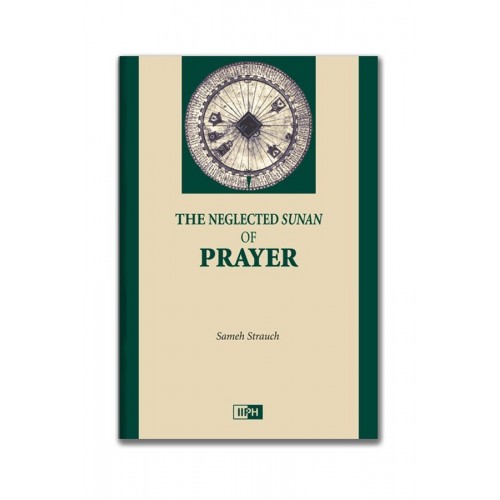
The Neglected Sunan of Prayer
Highlights:
The Prophet said: “Whoever performed a good sunnah in Islam will have the reward of it and the reward of those who perform it after him.” (Narrated by Imam Muslim) and he said: “Pray as you have seen me praying.” (Narrated by Bukhari and Ahmad)
It is with such ahaadeeth in mind that Sameh Strauch, the author, has attempted to bring to the attention of the English-speaking Muslims some of the sunan relating to prayer which, regrettably, are rarely or never performed in our time, in the hope that it will inspire the readers to revive them.
RM10.00
au.mu.smj –
I have found this short book to be very helpful for developing Khushoo in prayer.