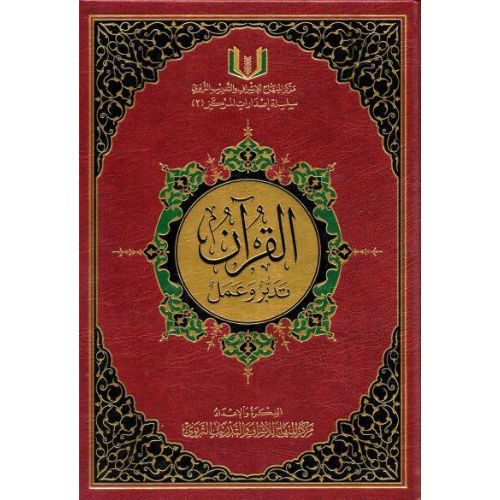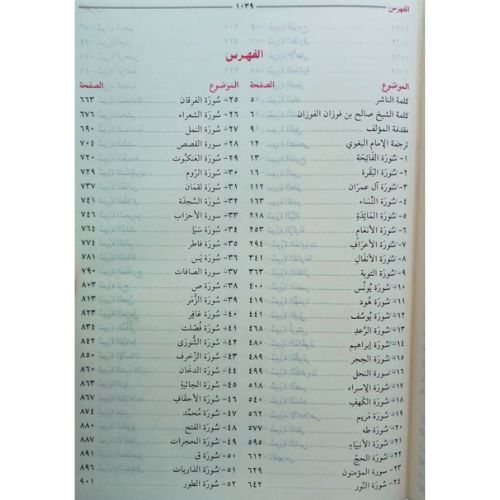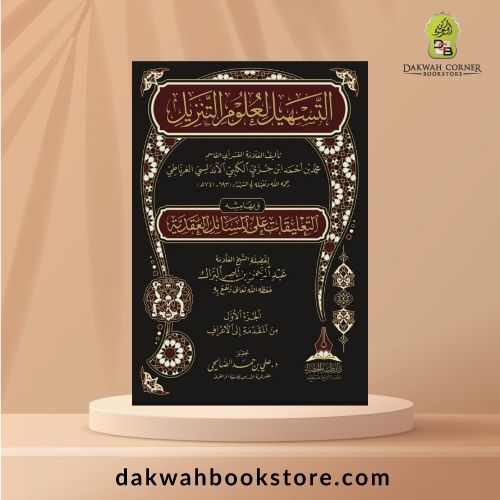
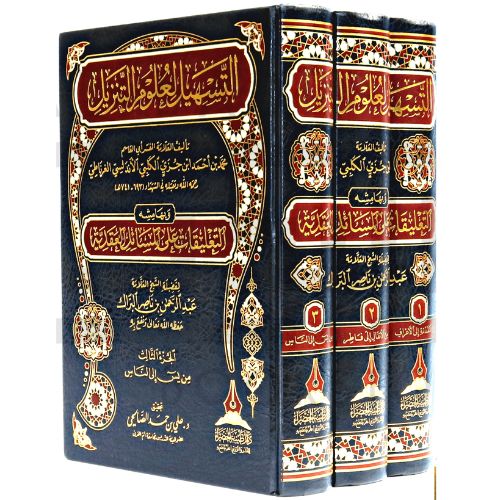
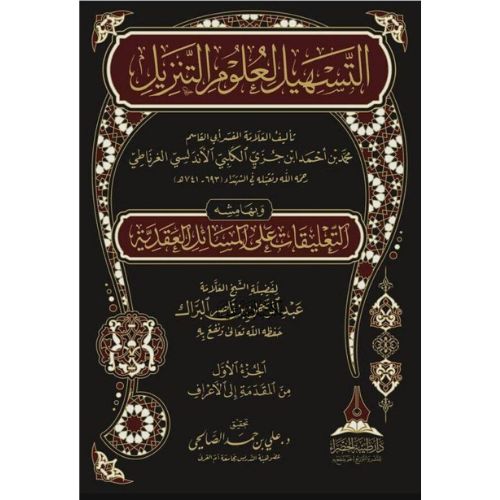
الكتاب يتعلق بتفسير القرآن العظيم وسائر ما يتعلق به من العلوم وقد سلك المؤلف فيه مسلكا نافعا إذ جعله وجيزا جامعا قصد به أربع مقاصد تتضمن أربع فوائد:
الفائدة الأولى :جمع كثير من العلم في كتاب صغير الحجم تسهيلا على الطالبين وتقريبا على الراغبين فلقد احتوى هذا الكتاب على ما تضمنته الدواوين الطويلة من العلم ولكن بعد تلخيصها وتمحيصها وتنقيح فصولها وحذف حشوها وفضولها ولقد أودعه من كل فن من فنون علم القرآن اللباب المرغوب فيه دون القشر المرغوب عنه من غير إفراط ولا تفريط ثم إنه عزم على إيجاز العبارة وإفراط الاختصار وترك التطويل والتكرار
الفائدة الثانية: ذكر نكت عجيبة وفوائد غريبة قلما توجد في كتاب وهي مما أخذها عن شيوخه رضي الله عنهم أو مما التقطه من مستظرفات النوادر الواقعة في غرائب الدفاتر
الفائدة الثالثة: إيضاح المشكلات إما بحل العقد المقفلات وإما بحسن العبارة ورفع الاحتمالات وبيان المجملات
الفائدة الرابعة: تحقيق أقوال المفسرين السقيم منها والصحيح وتمييز الراجح من المرجوح
[QQ] Tashil li ‘Ulum Tanzil 3v / التسهيل لعلوم التنزيل
RM380.00
Frequently Bought Together
| Weight | 4.00 kg |
|---|---|
| Dimensions | 24 × 17 × 6 cm |
| Author | |
| Binding | Hardcover |
| Publisher | Dar Tayba Al Khadhara' |
Be the first to review “[QQ] Tashil li ‘Ulum Tanzil 3v / التسهيل لعلوم التنزيل” Cancel reply
You must be logged in to post a review.
You may also like…
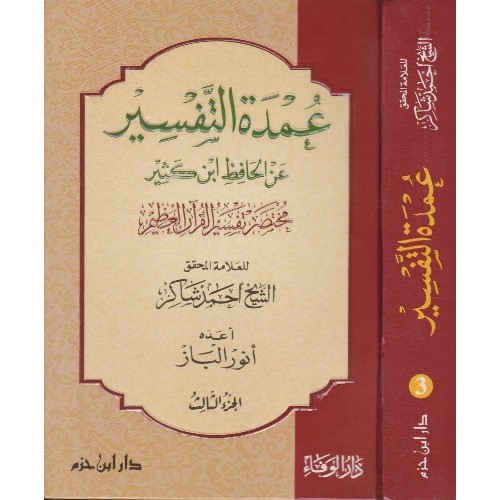
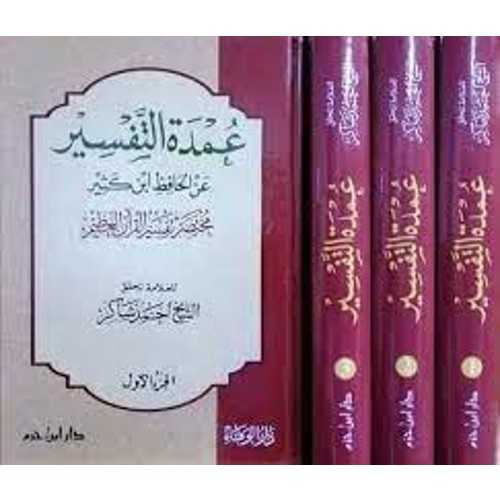
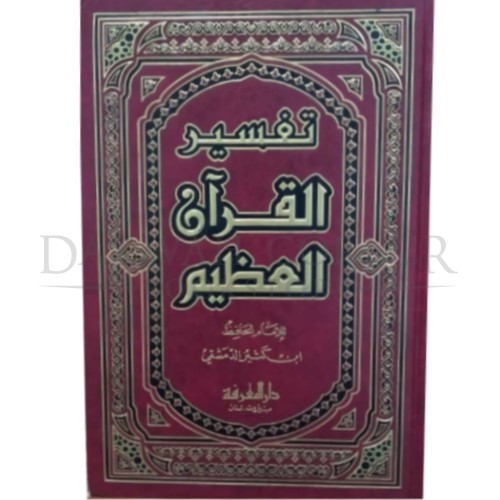
[QQ] Brief Interpretation Of Ibn Katheer (3vols) (عمدة التفسير عن الحافظ ابن كثير مختصر تفسير القران العظيم)
هذا الكتاب هو الطبعة الثانية عشرة المنقحة والمدققة والمصححة من سفر الامام ابن كثير فى تفسير القران العظيم والواقعة في ثلاث مجلدات وهو التفسير الأوسع انتشاراً والاكثر قبولا بين القراء في العالم العربي والإسلامي لسهولة تناوله على العامة والخاصة بعباراته السهلة البعيدة عن التعقيد والاقرب الى تفسير القران بالقران ، وقد اعتمد ابن كثيررحمه الله في تفسيره هذا اعتماداً كبيراً على تفسير الإمام الطبري حتى عُدّ عند بعض المدققين اختصاراً له .وتزداد اهمية وموثوقية هذه الطبعة بقيام العلامة الموسوعى المحقق الشيخ أحمد شاكر بتحقيقها والتعليق عليها ما يجعلها كتابين فى كتاب واحد … كتاب ابن كثير الاصلى وتعليقات واضافات أحمد شاكر عليه… رحم الله الرجلين رحمة واسعة ونفع بعملهما هذا الاسلام والمسلمين .. والله من وراء القصد وهو يهدى السبيل … م.ع.ح.
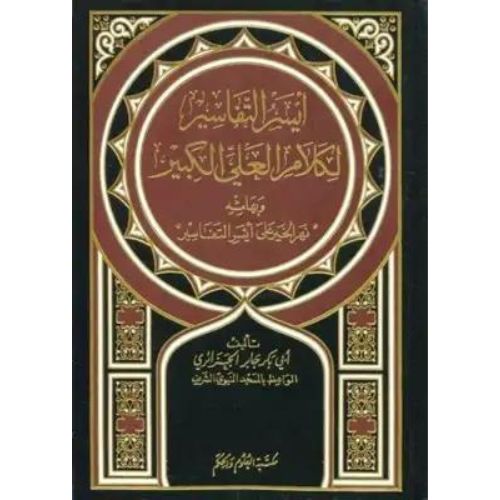
[QQ] Aiqtibasat Alkutub ‘aysar At-tafasir Likalam Alealii Alkabir (أيسر التفاسير لكلام العلي الكبير)
المؤلف كتاب أيسر التفاسير لكلام العلي الكبير – والمؤلف لـ 128 كتب أخرى.
Related Products
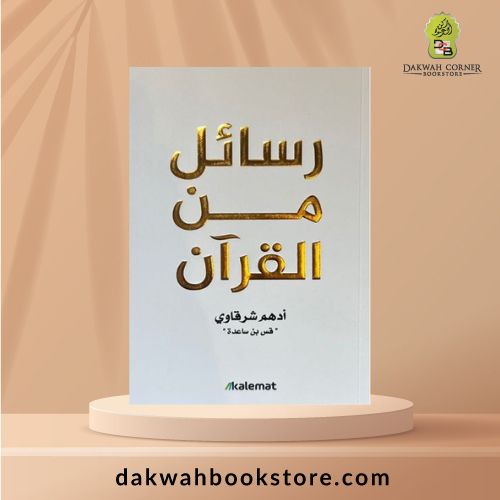
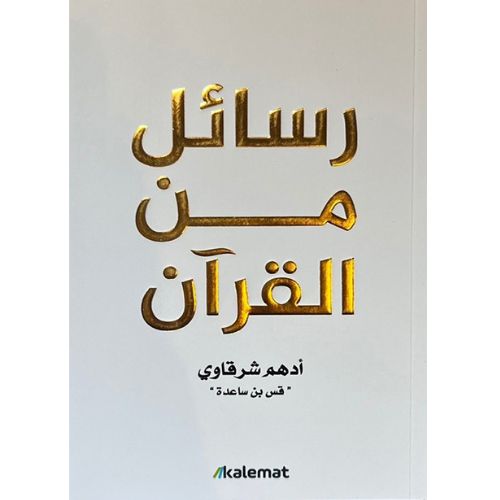
[QQ] Rasail min Al-Quran ( رسائل من القران)
نبذة عن كتاب ( رسائل من القرآن ) : من آخر إصدارات، الكاتب المتميز جدًا، أدهم شرقاوي، لقد أبدع المؤلف في هذا الكتاب الذي يتضمن أكثر من 283 صفحة.. أقل ما يقال عنه أنه راقي في معانيه بامتياز، فكيف لا يكون كذلك وكل عباراته مستخلصة من كلام الله جل وعلا.. ينادي فيها صاحب هذا الإصدار: يا الله، إنك عندما قلت لإبراهيم عليه السلام: (( وأذن في الناس بالحج)) قال لك: رب كيف أبلغ الناس وصوتي لا يصلهم !؟ ، فقلت له: عليك النداء وعلينا البلاغ !.. فبلغ صوته أرجاء الأرض !.. فيا الله: هذا الكتاب نداء عبد ضعيف القلب، ضعيف الصوت، ناداه حب لك، ورغبة فيك، فأكرمه بالبلاغ !؟؟..
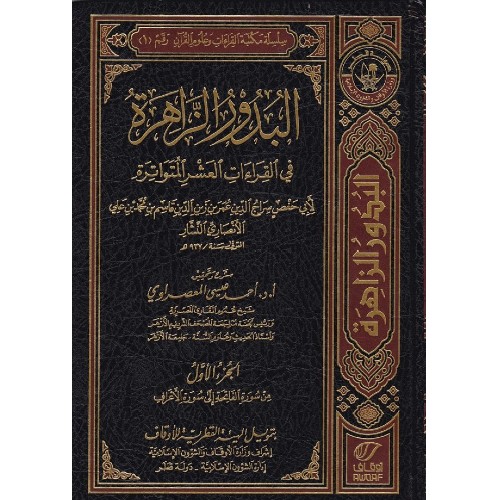
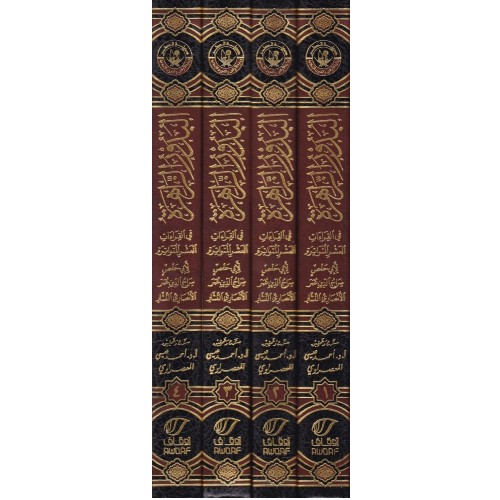
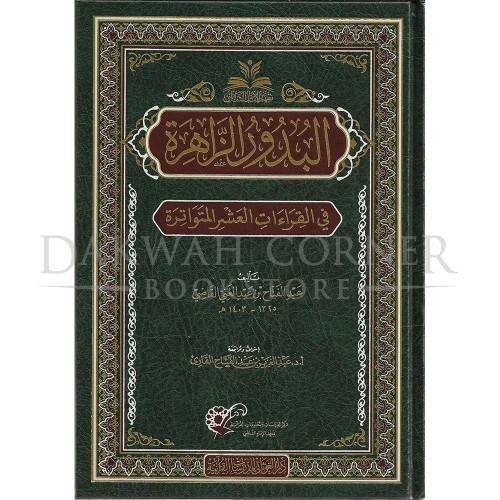
[QQ] Al-Budūr Az-Zāhirah Fī Al-Qirāʾāt Al-ʿAshr (4 Vol) / البدور الزاهرة في القراءات العشر مجلدات
[QQ] Al-Budur Az-Zahirah Fi Al-Qira’at Al-‘Ashr Al-Mutawatirah (البدور الزاهرة في القراءات العشر المتواترة)
Al-Budur Al-Zahirah: In The Ten Consecutive Recitations from The Sattabati and Dura, is prepared by the best of the works of Sheikh Abdul Fattah al-Qadi.
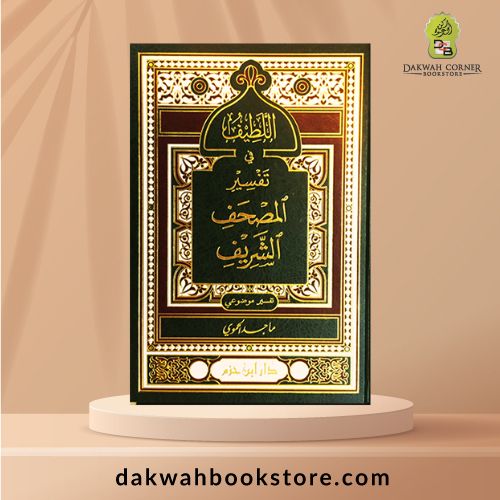
[QQ] Al Latif Fi Tafsir Al Mushaf Sharif /اللطيف في تفسير المصحف الشريف
عمد المؤلف أن يوفر تفسيراً مختصراً على ما يضطر إليه طالب العجالة لفهم المعنى . وقد جعل المؤلف هذا التفسير ممزوجاً بالقرآن مما يسهل على القارىء قراءة الشرح مع القرآن .
Recently Viewed
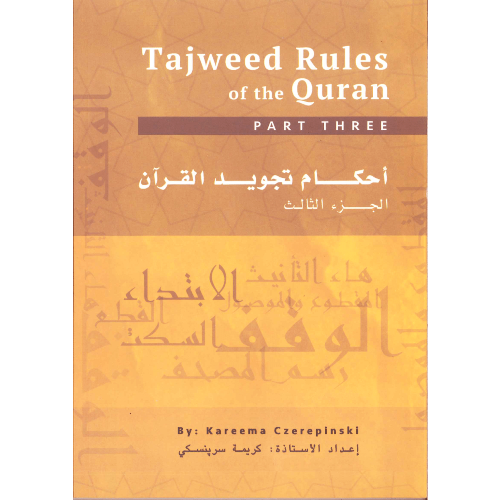
Tajweed Rules of the Quran (Part Three)
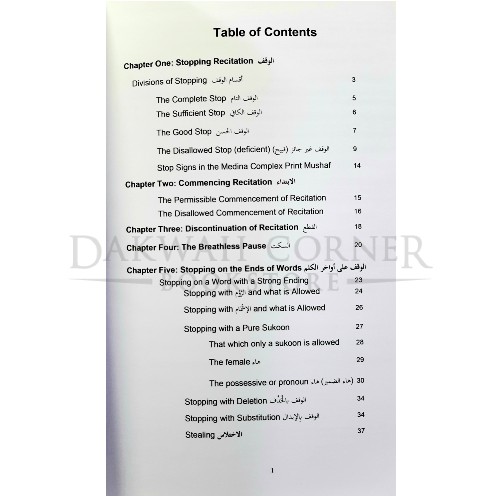
This is the third and final part of a three part series in English on the rules of tajweed the Qur’an for the recitation of Hafs from ‘Aasim by the way of Ash-Shaatibiyyah. These books are meant as a guide for non-Arabs with a good grasp of English for studying tajweed of the Glorious Qur’an. This final book explains the stop and start when reading the Glorious Qur’an, and gives details as to what kind of stop is allowed, what kind is preferred, and what kind of stop is forbidden. Stopping on the ends of words with strong endings (consonants) and rules for what is allowed on the last letter of the word is described, including ar-room (الروم) and al-ishmaam (الإشمام). Stopping on the ends of words with weak endings (words ending in the alif, ya’ or wow) and different rules and explanations for these type of words is clarified. One important aspect of Qur’an recitation is knowing and understanding which word combinations are written together and which separately in different parts of the Qur’an as well as in which places of the Qur’an are some words are written the female haa (هاء), and in which places they are written with the taa (تاء). This part lays out the different places in the Qur’an these occurrences take place, so the reader knows how he/she can stop on these words. The words that are read in a special way, or have two allowed ways for the reading of Hafs from ‘Aasim by the way of Ash-Shaatibiyyah are detailed in this book. The history of the writing of the Glorious Qur’an (رسم) and the general rules for the writing of the Qur’an are laid out in the last chapter of this part. This last part of the three parts on tajweed is for students who have studied and mastered the other two parts, or have studied everything covered in the first two parts. The explanations of the different subjects are in English, and the Arabic terms are translated. The goal is always to assist the students in understanding and to encourage them to learn the Arabic terms and definitions. The three parts of this series on tajweed rules of the Glorious Qur’an should facilitate non-Arabic speaking students of the Qur’an whether they are in a classroom with an Arabic medium for teaching or English. With this third part completed, insha’ Allah the non-Arab English speaking student of the Qur’an will find a complete curriculum and explanation of the tajweed rules for the recitation of Hafs ‘an ‘Aasim from the way of Ash-Shatibiyyah in any classroom or study situation that he/she may find themselves in. These three parts are only guidance; the real goal is reciting and applying all the different rules correction which can only be done by reciting to and being corrected by a qualified teacher of the Qur’an.
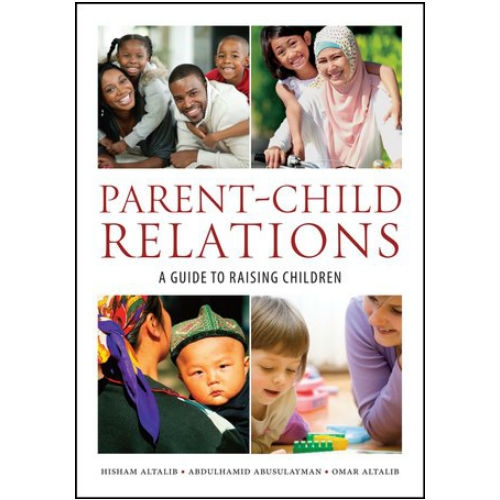
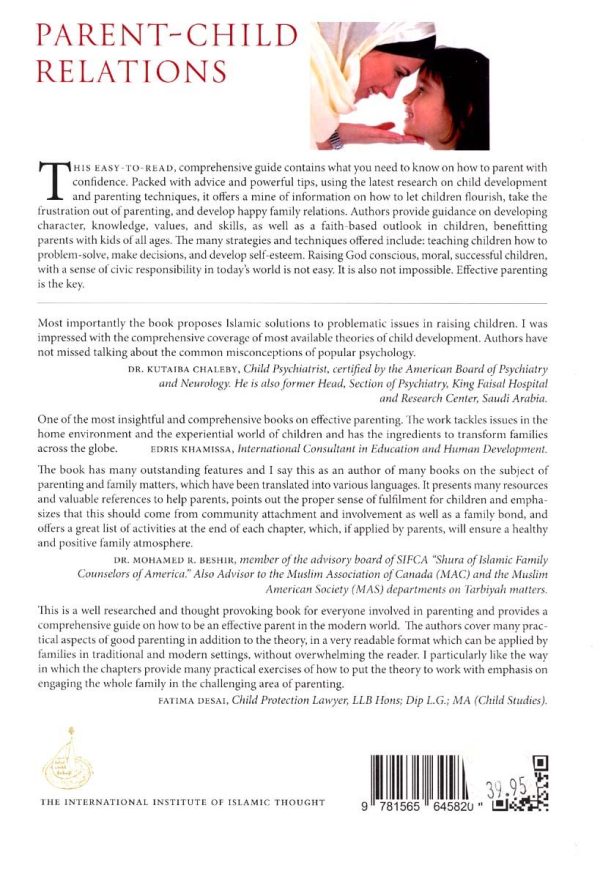
Parent-Child Relations A Guide To Raising Children (IIIT)
This parenting series is dedicated to families wishing to raise their children to become men and women of caliber, possessing values and qualities of righteousness, honesty, courage, compassion, creativity, and faith, as well as strength of mind and a sense of responsible independence.
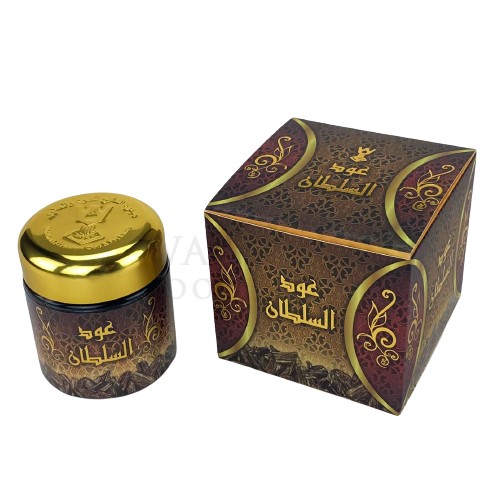
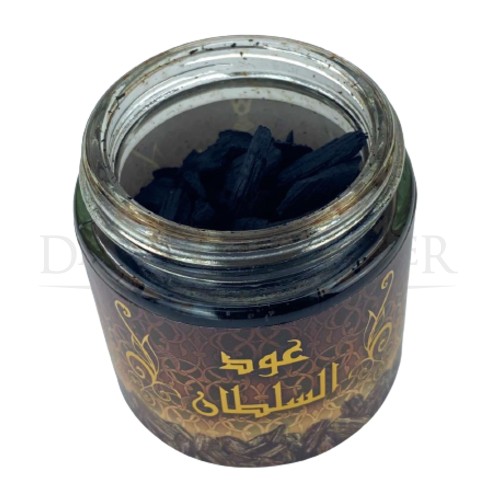
Oud Al-Sultan
High-quality bakhoor burn Incense gives a fresh scent for your HOME, SHOP, or OFFICE.
The Third Caliph of Islam: Uthman bin Affan (P/B)
Uthman bin Affan (R) was one of the early men who accepted Islam in Makkah. From the first moment he became a Muslim, he put all his wealth under the service of Islam. He spent most of his resources to satisfy the needs of poor Muslims. Recognizing his generosity and devotion to Islam, the Prophet (S) told him that his place would be in Paradise on the Hereafter. He married Ruqayah (R),the Prophet’s daughter. After she died, he married her sister Um Kulthum ;for that, the people at that time called him Dhun Nurain, “The Man with the Two Lights.”
Zikr Morning, Evening & After Obligatory Prayers (Pocket Size) (REVISED)
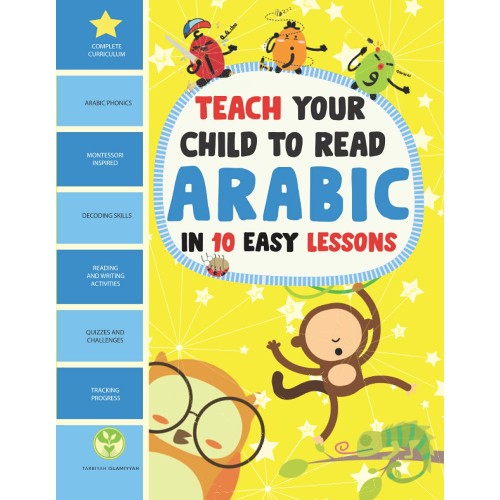
Teach Your Child To Read Arabic In 10 Easy Lessons
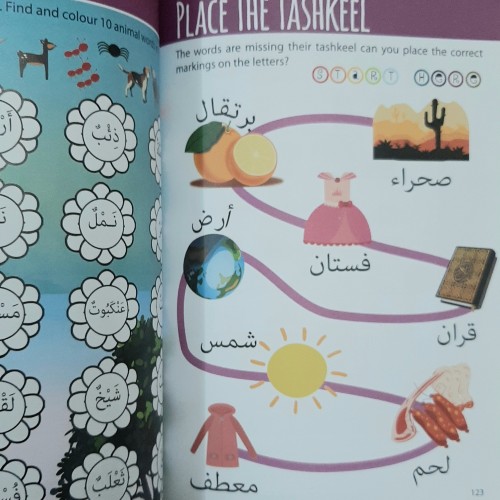
Welcome to the wonderful world of the Arabic language. Dive into Montessori inspired exercises, engaging activities, challenges and games in every lesson. A super-fun way to learn Arabic as a second language. An innovative visual approach combines colourful illustrations and useful Arabic vocabulary. Learn easily and systematically. Teach your child to become a reading pro. “Teach Your Child to Read Arabic in 10 Easy Lessons” provides an abundance of practice activities and exercises, giving them repeated exposure for teaching the core skills needed for reading and writing Arabic.
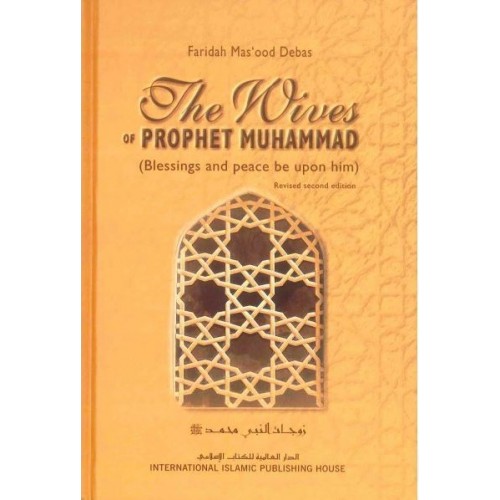
The Wives of the Prophet Muhammad (H/B)
Within this book, The Wives of Prophet Muhammad, is a wealth of captivating information about the distinguished wives of the Prophet (may Allah be pleased with them). Their lives are represented through vivid stories encompassing their lineage, history, and marriages to the Prophet (blessings and peace be upon him). From their hardships to their triumphs, their lives were filled with honesty, sincerity, and devotion to Allah. Their lives exemplify an ideal for which Muslims may strive. Each wife is honoured as an individual, with her life and her love of the Prophet (blessings and peace be upon him) directing her story. The author has compiled the statements of several scholars on this topic and added to this her own impassioned arguments, with which she dispels criticism by orientalists of the Prophet’s practice of polygyny. From a historical perspective, his life, along with those of his wives, authenticates his mission. His practice of polygyny, when investigated, reveals a deep wisdom behind his marriages that supported his efforts of teaching and spreading Islam. This edition is new and completely revised. It has been reorganized to make it easy to read while drawing out the most inspiring aspects of the lives of the honourable wives of the Prophet Muhammad.
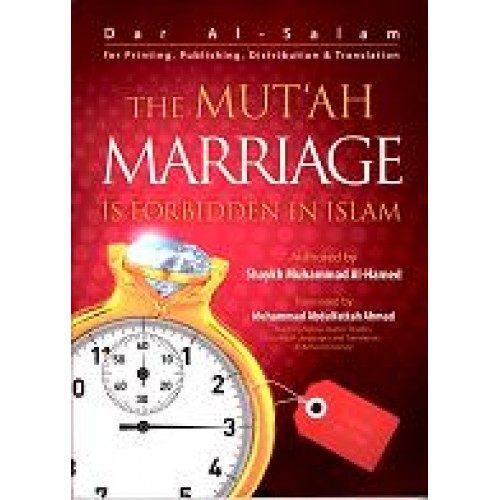
The Mut’ah Marriage is Forbidden in Islam (H/B) Pocket Size
A rumor has recently been circulated, inviting people to practice Mut‘ah marriage. The Mut‘ah marriage is not a permanent marriage. In other words, the Mut‘ah contract states the duration of marriage and stipulates that marriage will be valid for a specific period of time.
As an established fact, the Mut‘ah marriage is forbidden according to Muslim scholars of all generations. Only a few scholars keenly believe in its lawfulness.
Prophet Muhammad: A Blessing for Mankind
Prophet Muhammad (blessings and peace of Allah be upon him) and the lessons he taught us from the continued hardships he underwent in every stage of his life are a real blessing for humankind. Being an orphan child made him compassionate to widows and orphans as well as to the poor. His multiple marriages strengthened the ties of kinship amongst the different tribes, dissolving long-standing enmity. His message and prophethood were challenged by the polytheistic society in Makkah, forcing him and his few followers to emigrate to Madinah. Despite his illiteracy and the struggles he faced, he conveyed Allah’s Book, the Noble Qur’an, to all humanity, teaching them the values and principles that are presently adopted by billions of Muslims throughout the world. In the Qur’an, Allah, the Almighty addresses the Prophet (blessings and peace of Allah be upon him), saying: {We have sent you only as a mercy to the worlds.} (Qur’an 21: 107)


There are no reviews yet.