

| Weight | .470 kg |
|---|---|
| Dimensions | 23 cm |
| Author | |
| Binding | Paperbound |
| ISBN | 9781590080214 |
| Publisher | Amana Publications |
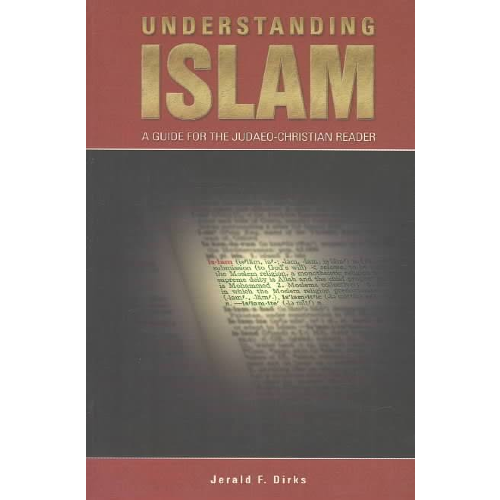
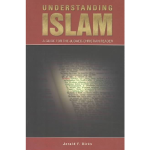
Understanding Islam A Guide for the Judaeo-Christian Reader
RM106.00
Out of Stock
Highlights:
somdn_product_page
Compare
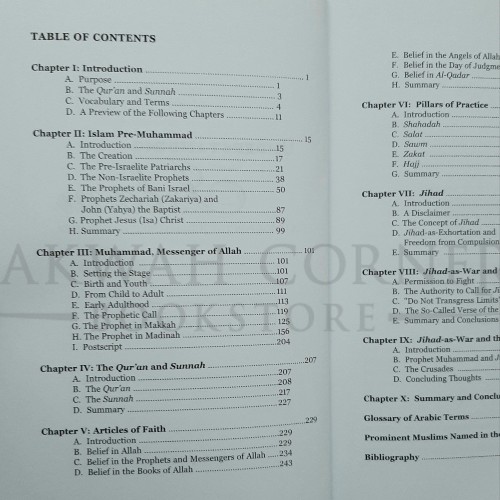
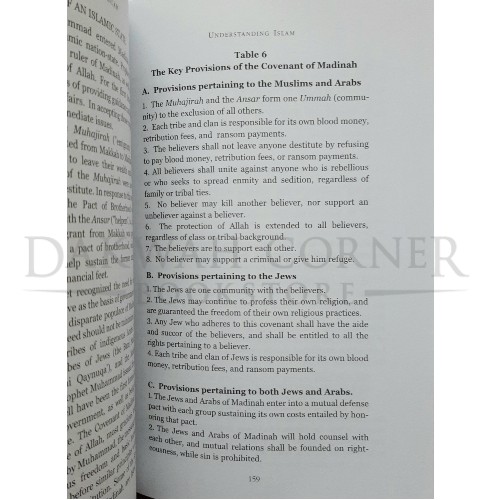
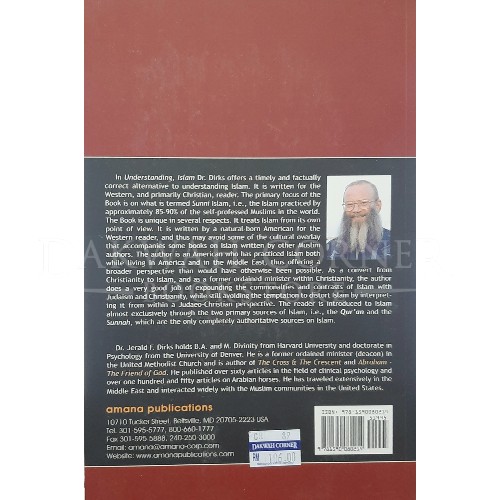
Written by former minister who converted to Islam, this book expounds the commonalities and contrasts between Islam, Judaism and Christianity. An excellent book for da’wah purposes and for Muslims to gain a deeper appreciation for the two earlier faiths.
SKU: CR89
Category: Comparative Religions
Additional information
Related Products
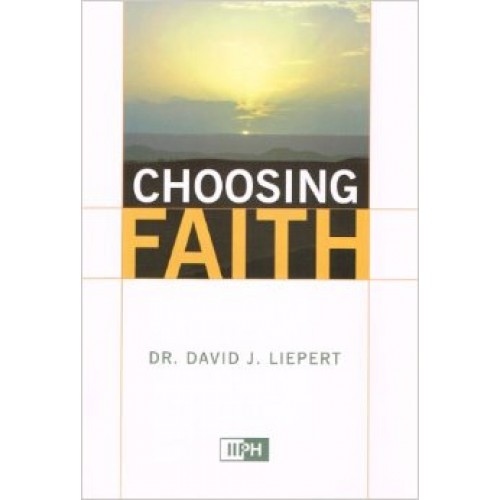
Choosing Faith (P/B)
Highlights:
Choosing Faith In a world of spiritual options, people constantly tell us what to believe. Yet, while we hear these pleas, we’re already functioning with existing beliefs–even if they are beliefs by default. So how do we choose what to believe–especially in the area of faith? Do we need to choose.
RM13.00
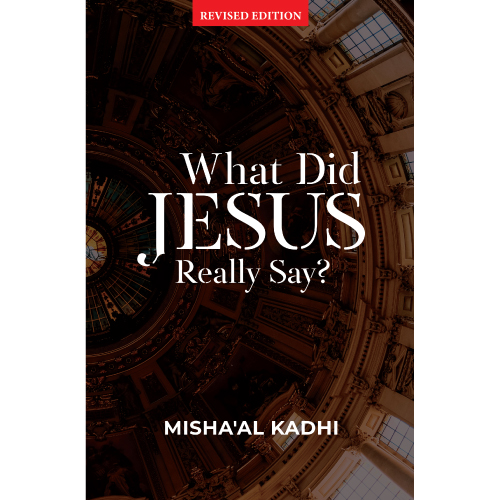
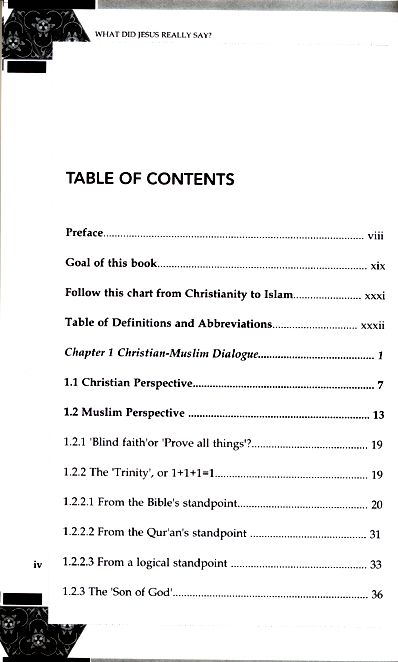
What Did Jesus Really Say?
4.5 ★
4.5 ★
2 Ratings
5 ★
1
4 ★
1
3 ★
0
2 ★
0
1 ★
0
Highlights:
The book contains detailed information and descriptions that show how the Bible was changed and tampered with over the past two millennia. The account and the discussions presented are based on, and collected from, the writings of Christian authors, the Church and the Bible.
RM45.00
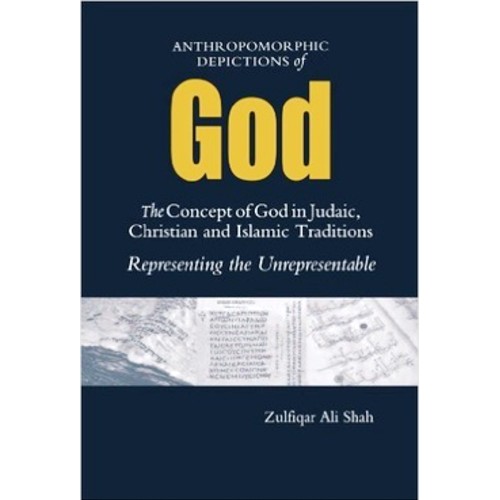
Anthropomorphic Depictions of God: The Concept of God in Judaic, Christian and Islamic Traditions: Representing the Unrepresentable
Highlights:
This monumental study examines issues of anthropomorphism in the three Abrahamic Faiths, as viewed through the texts of the Hebrew Bible, the New Testament, and the Qur’an. Throughout history, Christianity and Judaism have tried to make sense of God. While juxtaposing the Islamic position against this, the author addresses the Judeo-Christian worldview and how each has chosen to framework its encounter with God, to what extent this has been the result of actual scripture and to what extent the product of theological debate, or church decrees of later centuries and absorption of Hellenistic philosophy. Shah also examines Islam’s heavily anti-anthropomorphic stance and Islamic theological discourse on Tawhid as well as the Ninety-Nine Names of God and what these have meant in relation to Muslim understanding of God and His attributes. Describing how these became the touchstone of Muslim discourse with Judaism and Christianity he critiques theological statements and perspectives that came to dilute if not counter strict monotheism. As secularism debates whether God is dead, the issue of anthropomorphism has become of immense importance. The quest for God, especially in this day and age, is partly one of intellectual longing. To Shah, anthropomorphic concepts and corporeal depictions of the Divine are perhaps among the leading factors of modern atheism. As such he ultimately draws the conclusion that the postmodern longing for God will not be quenched by pre-modern anthropomorphic and corporeal concepts of the Divine which have simply brought God down to this cosmos, with a precise historical function and a specified location, reducing the intellectual and spiritual force of what God is and represents, causing the soul to detract from a sense of the sacred and thereby belief in Him.
RM150.00
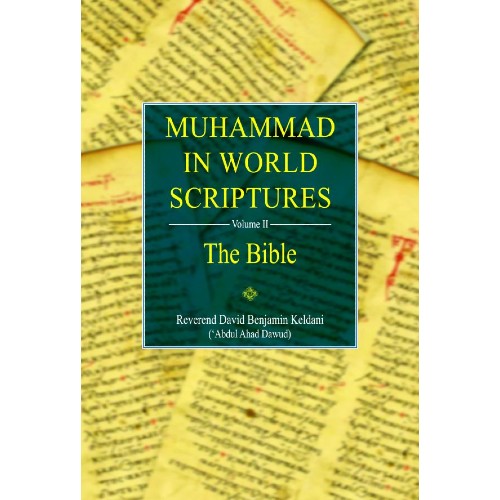
Muhammad In World Scriptures: Volume II (IBT)
Highlights:
This is the second volume of the series on the Prophet Muhammad as found in world scriptures. While the first volume explores the Parsi, Hindu and Buddhist scriptures, this volume explores what the Bible says about the Holy Prophet of Islam. Written some hundred years ago by a Christian priest who converted to Islam, this book helps readers understand the absolute unity of God and the ultimate source of all revealed Scriptures.
RM34.00
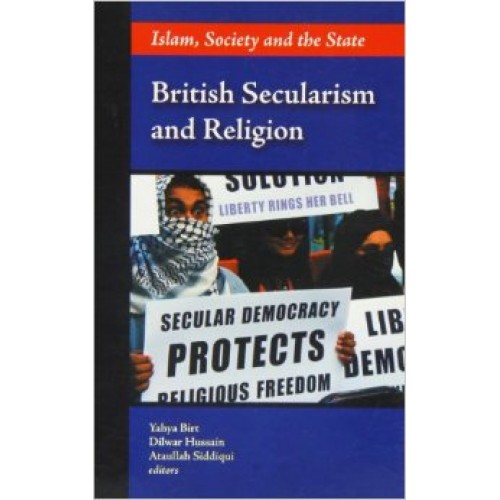
British Secularism and Religion (P/B)
Highlights:
This interesting, topical and sometimes heated, conversation among theologians, social scientists and policy experts on British secularism helps to shed vital light on the challenges of accommodating religious minorities and majorities within modern societies. The contributors question a number of received assumptions about the public role of religion, and also challenge traditional Muslim suspicions of secularism, thus succeeding in moving the debate on Islam in Britain, and secular polities in general, to new and very promising ground. This is a vital contribution to ongoing topical debates on secularism, pluralism, inclusion and the direction modern societies should take. Dr. Abdelwahab El-Affendi, University of Westminster Religious voices in favour of secularism are often absent from the debate on religion and politics. But as a political attitude that will guarantee freedom of belief for all, secularism is relevant to all. This volume – though non-religious secularists may find much to challenge within it – is a welcome contribution to this most important of modern debates. Andrew Copson Chief Executive, British Humanist Association –Commissioned
This volume on the role of Muslims in British society very helpfully addresses two concepts about which there is currently much confusion, namely secularism and secularity. The fact that it does this in conversation with some of the other interested parties, namely Jews and Christians, and that it seeks to combine specifically religious, or theological, and political, or social-scientific, approaches, means that it will be of interest to both theoreticians in the academy and practitioners in different areas of society, and it therefore deserves a wide readership. Professor Hugh Goddard, Director of the HRH Prince Alwaleed bin Talal Centre for the Study of Islam in the Contemporary World, University of Edinburgh –Commissioned
The question of the relationship between politics and religion tends to generate more heat than light, especially when the focus is on Islam. This book, with its careful analysis and respect for facts, helps dispel the smoke. It is an invaluable contribution to the public debate, especially in the British context, and will assist people of good will – of all faiths and none – to clarify their own thoughts about ‘the secular state’. Dr. Brian Klug Senior Research Fellow & Tutor in Philosophy, St. Benet’s Hall, Oxford –Commissioned
RM51.00
Losing My Religion: A Call For Help (P/B)
Highlights:
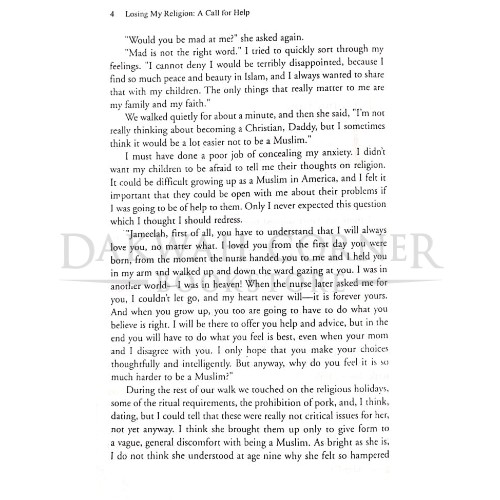
“Crucial to the vitality of any religious community is its ability to attract and engage descendants and converts. By this measure, notwithstanding the proliferation of mosques and Islamic organizations, the Muslim community in America is not doing at all well.” This rather sober assessment motivates Dr. Lang to address, in this book, the alienation from the Mosque of the great majority of America’s homegrown Muslims. In Losing My Religion: A Call For Help, the author comes to terms with many of the queries put to him by Americans of Muslim parentage and converts to Islam since the publication of his book Even Angels Ask in 1977. Lang asserts that to effectively respond to the general malaise of American-born Muslims, the Islamic establishment in America needs to be willing to listen to the doubts and complaints of the disaffected. This entails engaging in open discussions on issues with which many in the Muslim community will be uncomfortable, but Lang avers that such open dialogue will be of more benefit to young American Muslims struggling with their faiths than the covert and uniformed discussions that often take place or no discussion at all. For this reason, Lang feels it is important and beneficial “to be candid and objective and not evade controversy, for to inadequately state the case for or against a specific position, especially when it challenges convention, only serves to further alienate the sceptical.” In addition to examining questions of theodicy, hadith authenticity, and moot practices within the American Muslim community, the author includes many testimonials and inquiries that make this book informative. Dr. Lang is Professor of Mathematics at The University of Kansas, Lawrence, Kansas. He is the author of two best selling works: Struggling to Surrender and Even Angels Ask: A Journey to Islam in America. Both books have been translated into other languages.
RM115.00
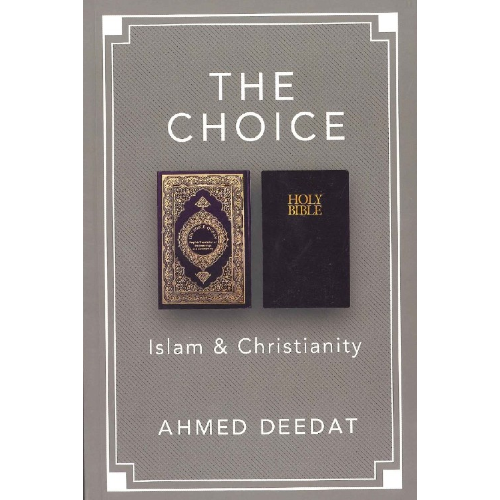
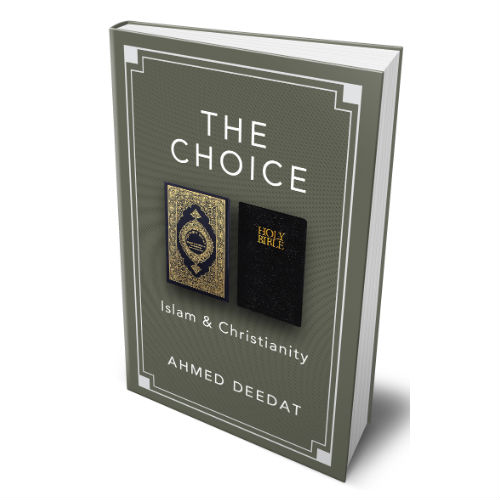
The Choice : Islam & Christianity (Revised Edition)
5 ★
5 ★
1 Rating
5 ★
1
4 ★
0
3 ★
0
2 ★
0
1 ★
0
RM45.00
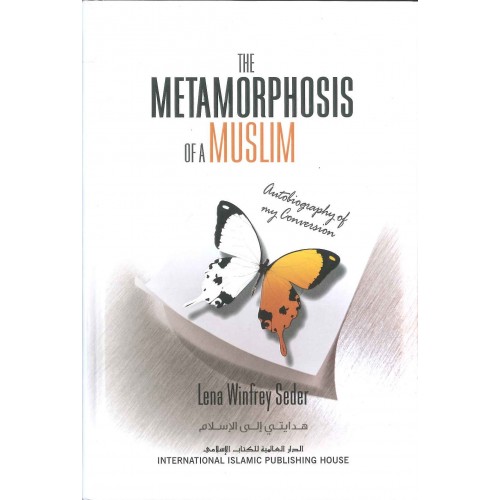
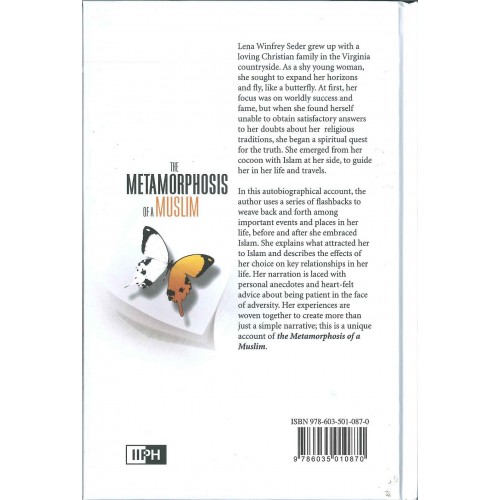
The Metamorphosis Of A Muslim (IIPH)
Highlights:
Lena Winfrey Seder grew up with a loving Christian family in the Virginia countryside. As a shy young woman, she sought to expand her horizons and fly, like a butterfly. At first, her focus was on worldly success and fame, but when she found herself unable to obtain satisfactory answers to her doubts about her religious traditions, she began a spiritual quest for the truth. She emerged from her cocoon with Islam at her side, to guide her in her life and travels. In this autobiographical account , the author uses a series of flashbacks to weave back and forth among important events and places in her life, before and after she embraced Islam. She explains what attracted her to Islam and describes the effects of her choice on key relationships in her life. Her narration is laced with personal anecdotes and heart-felt advice about being patient in the face of adversity. Her experiences are woven together to create more than just a simple narrative; this is a unique account of the Metamorphosis of a Muslim.
RM31.00
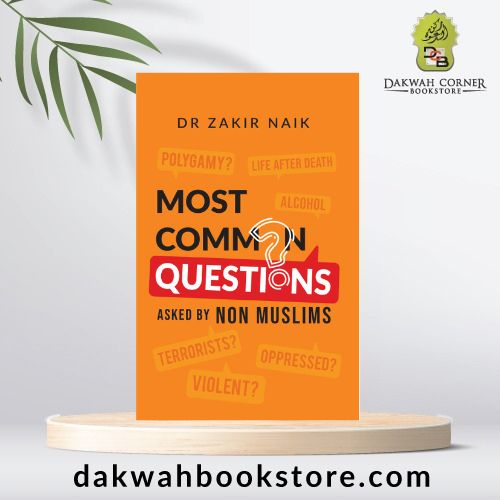
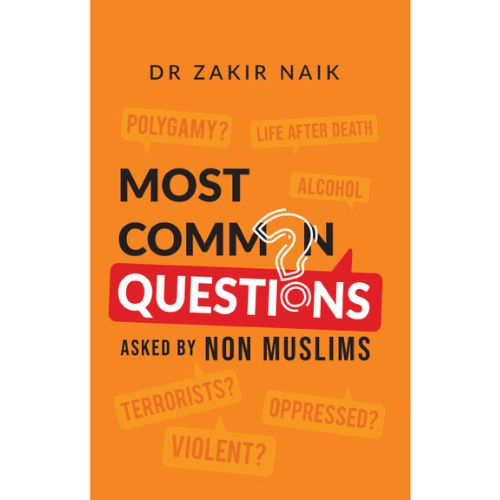
Most Common Questions Asked By Non-Muslims
5 ★
5 ★
2 Ratings
5 ★
2
4 ★
0
3 ★
0
2 ★
0
1 ★
0
RM17.00
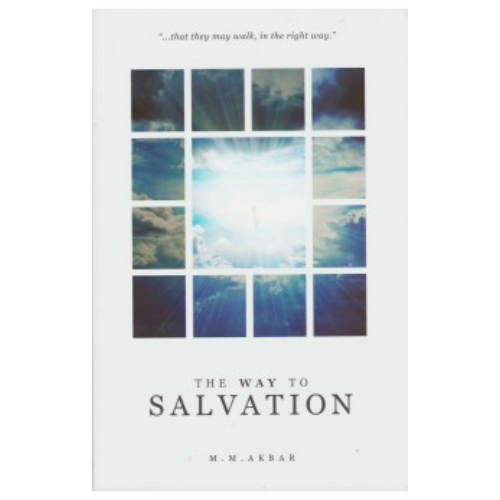
The Way to Salvation (P/B)
Highlights:
DA’WAH MATERIAL
This book can use for da’wah with the topic Salvation.
Salvation is the aim of human life, according to the religious ideologies. What is salvation? Is there an existence after this life? Are the religious scriptures in controversy on dealing with the topic ‘salvation”? Or are there any common points between them? An extensive study on the basis of Hindu, Christian, and Islamic scriptures.
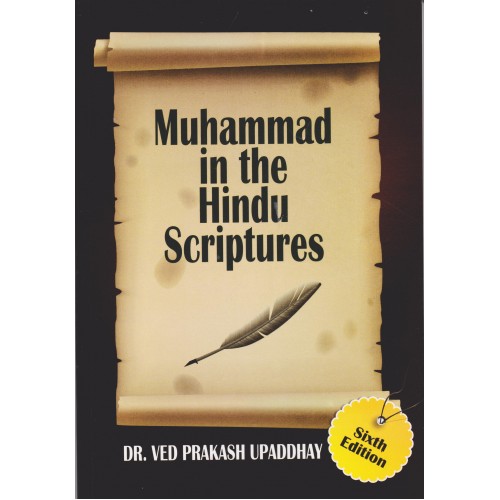
Muhammad in the Hindu Scriptures (P/B)
Highlights:
God is One. Human nature is one. Human destiny is one. And God�s message to humanity vis-a-vis that destiny is one. However, the rebellious element in man�s nature has led him to disobey God on the one hand, and on the other, he has pushed on to distort the very message of God. But the message is never fully lost. It would be ludicrous and indeed heretical to think that the situation could have gone out of God’s control.
With every distortion, therefore, He has renewed the message to salvage humanity from self-ruin. More interesting than that is the fact
that He has inserted in every message a Pointer to the Final Guide and the message he would be entrusted with; a Pointer which shows the true
seeker where the uncorrupted message could be found – the message that no one would be able to distort any more. While the main body of the message has been corrupted, the Pointer contained within has not been destroyed. Muhammad in the Hindu Scriptures brings out the truth of this phenomenon.
In addition to the Vedas and the Puranas, the book has unearthed this Pointer in the Buddhist, Christian, Jewish and other Hindu scriptures. Each of these scriptures uses its own unique Pointer relevant to its own theological scheme and the religious mentality of its own people. Separately and jointly these Pointers lit up the road to Muhammad (blessings and peace be upon him) exclusively, without any iota of doubt.
By all accounts the Final Guru has been sent and the Last Testament is in our laps. Additionally, the existence of these Pointers in the earlier
scriptures is yet another dimension of God’s mechanism to guide mankind to the infallible Truth. Upon reading the book, the theist, the atheist and the agnostic will find a lot to think about.
RM20.00
Recently Viewed
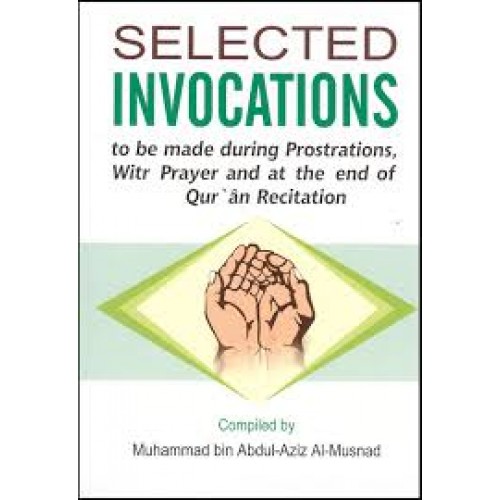
Selected Invocations (Pocket Size) (P/B)
Highlights:
This small booklet has many excellent invocations to read during prostration, witr prayer, and at the end of Qur’anic recitation.
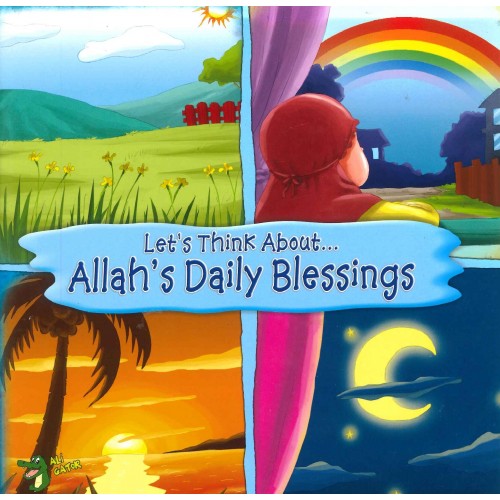
Let’s Think About Allah’s Daily Blessings
Highlights:
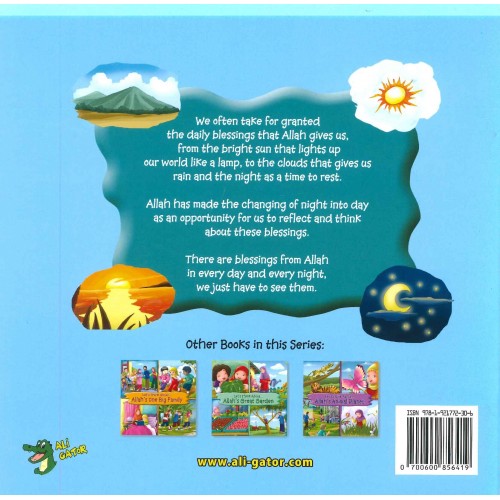
Let’s Think About… Daily Blessing gets children thinking about the world in which they live.
We often take for granted the daily blessing that Allah gives us, from the bright sun that lights up our world like a lamp, to the clouds that gives us rain and the night as a time to rest.
Allah has made the changing of night into day as an opportunity for us to reflect and think about these blessings.
There are blessing from Allah in every day and every night, we just have to see them.
There are four new easy to read titles in the Let’s Think About… series. All with simple to read text and beautiful illustrations to attract young minds.
The notes to teachers and parents section provides a list of points to consider and questions to ask as you read along. This allows for the young readers to receive the maximum benefit from the books, whilst enjoying them.
Full Color
RM20.00


Problems and Solutions (IIPH)
Highlights:
What should I do if I miss the fajr prayer? What are the consequences of excessive laughter? How should I deal with insinuating thoughts from Satan? How can I control my bad temper? What is so bad about staying up late night after night? Drawing on the great guidance of the Qur’an and the Sunnah, Shaykh Muhammad Sâlih al-Munajjid answers these questions and more, giving informative explanations and practical solutions to help you improve in your worship and in your performance of everyday activities.
Islamic Studies Grade 1 – Darussalam
Highlights:
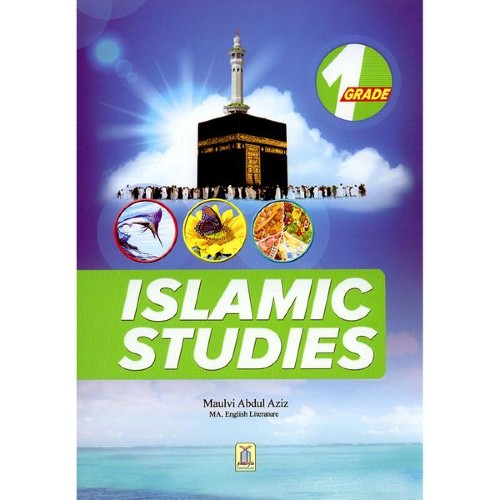
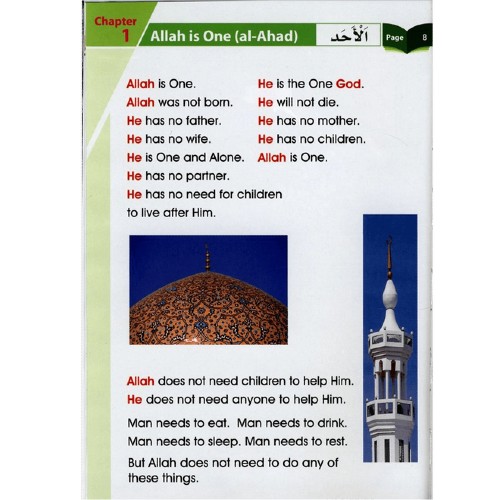
Grade 1 covers a variety of topics, including Allah as the One, the Creator, and the Giver of Life; pillars of Islam; Iman; performance of wudo; prayer; several sections about the Prophet Mohammad (s); and more. This book also contains fun activities and review sections.
RM100.00
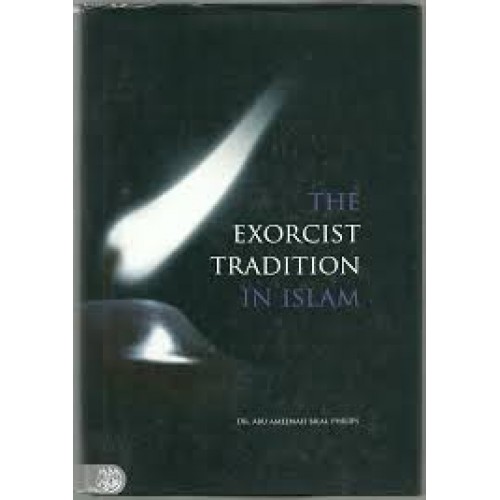
The Exorcist Tradition in Islam (H/B)
Highlights:
This original work was first presented as a Ph.D. thesis in 1994 at the University of Wales. It is a well-balanced combination of library as well as
field research which systematically and critically assesses the theory and practice of exorcism among orthodox Muslims.
The field research is comprised of interviews with seventeen exorcists from seven countries. The results are analysed in the main text, and the interviews themselves are reproduced in a sizeable appendix. This book is a unique contribution to the understanding of a subject little known among western scholars.
This work is specifically aimed at filling a gap in modern research on the Islamic concept of exorcism and the supernatural world related to it, based upon the sources considered authentic by Islamic authorities and augmented by field research. The possession of humans by jinns and their expulsion are thoroughly discussed. A comparative study is made with Christian exorcist tradition and the medical professions point of view. Case studies of leading Muslim exorcists from Egypt, Sudan, Saudi Arabia, Bahrain, Pakistan and India are included.
RM154.00
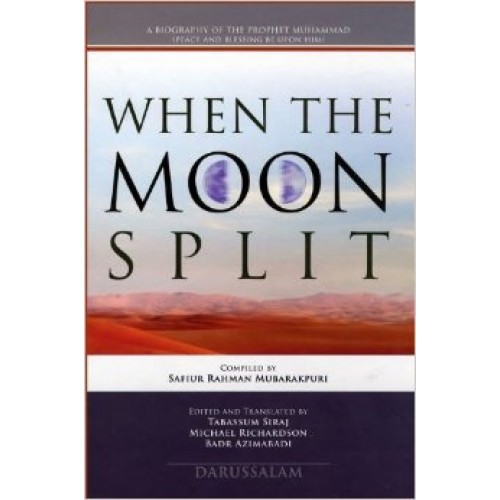
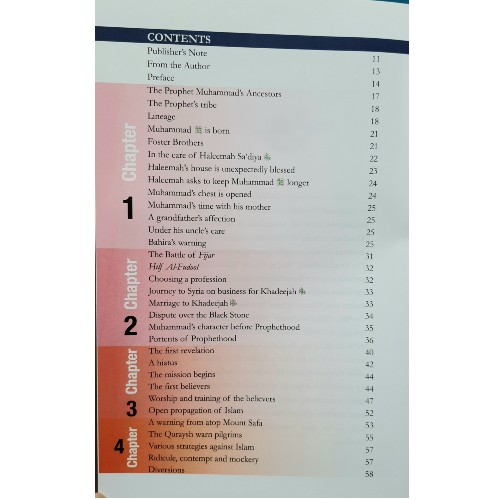
When The Moon Split – New Edition (HB Full Color)
Highlights:
New Revised Edition with full color pictures and Lessons & Morals at end of each section. The biography of the Prophet is a very noble and exalted subject by which Muslims learn about the rise of Islam, and how the Prophet Muhammad (S) was chosen by Allah to receive the divine revelation. You also learn about the hardships the Prophet and his Companions faced, and how they eventually succeeded with Allah’s help. So, it is necessary to study the Prophet’s life and follow it in all manners. We hope this study will help you to get the better understanding of the religion. In this sense, this is one of the best books which are meant to be read and read again.
RM85.00
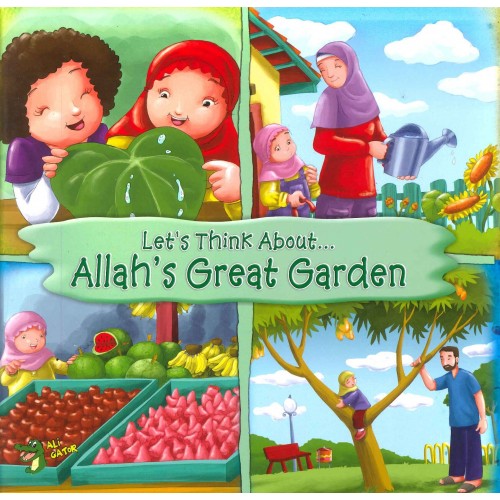
Let’s Think About Allah’s Great Garden
Highlights:
The Let’s Think About… series will grab the attention of young inquisitive minds with their vibrant colours and easy to read format.
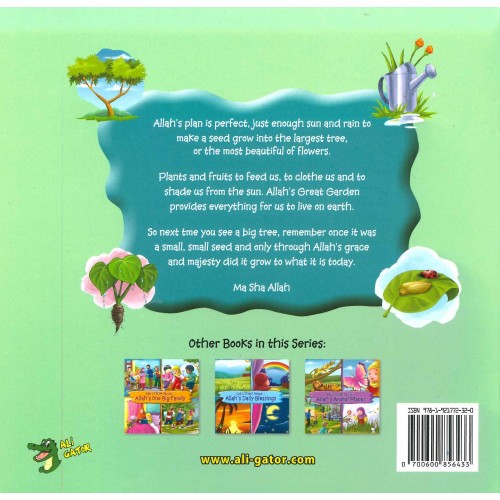
In Let’s Think About…Allah’s Great Garden, children are shown how Allah’s plan is perfect, just enough sun and rain to make a small seed grow into the largest tree, or the most beautiful of flowers.
Plants and fruits to feed us, to clothe us and to shade us from the sun. Allah’s Great Garden provides everything for us to live on earth.
So next time you see a big tree, remember once it was a small, small seed and only through Allah’s grace and majesty did it grow to what it is today.
Ma Sha Allah.
The notes to teachers and parents section provides a list of points to consider and questions to ask as you read along. This allows for the young readers to receive the maximum benefit from the books, whilst enjoying them.
There are four books in the series.
Full Color
RM20.00
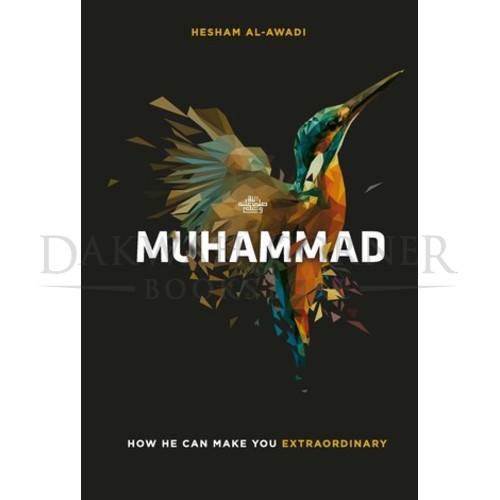

Kindness to Parents
Highlights:
Kindness to Parents is a very enlightening booklet by Abdul Malik Al-Qasim. He has collected several stories and narrations that demonstrate the Birr (being dutiful) and kindness to our righteous Salaf towards their parents’ needs and necessities, in obedience to Allah’s worship in sincerity. He refers from the Noble Qur’an that a man is never allowed to say ‘Uff” (fie) if he smells a bad order coming from his parents or one of them.
The author has exposed shortcomings and errors of many among us who don not preserve the rights of their parents.
RM17.00