



![[AAC] Al Alaqah Bayn al Tashayyu wa al-Taṣawwuf Arḍ wa Naqd / العلاقة بين التشيع والتصوف عرض ونقد](https://shop.dakwahbookstore.com/wp-content/uploads/2026/03/website-500x500-10.jpg)
![[ATQ] Tafsir al Jalalayn / Jawami'i / تفسير الجلالين/جوامعي](https://shop.dakwahbookstore.com/wp-content/uploads/2026/03/website-500x500-12.jpg)
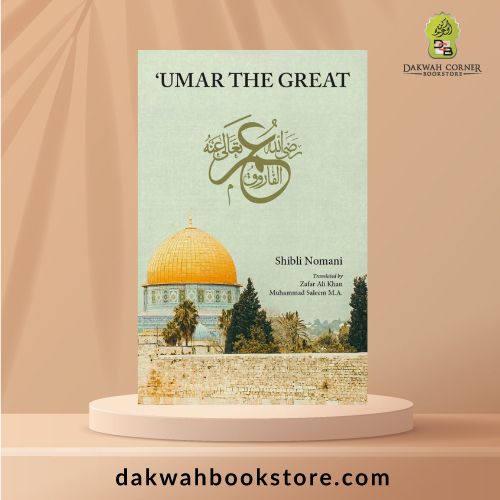
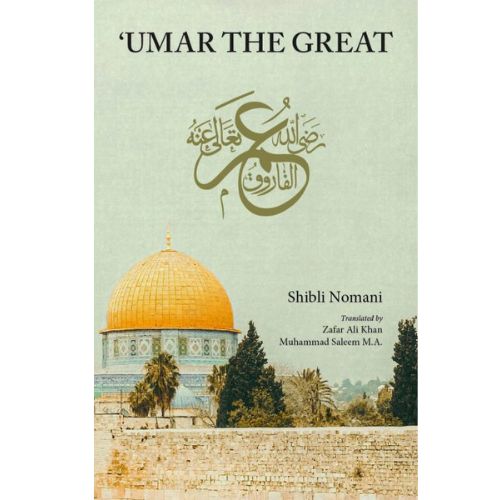
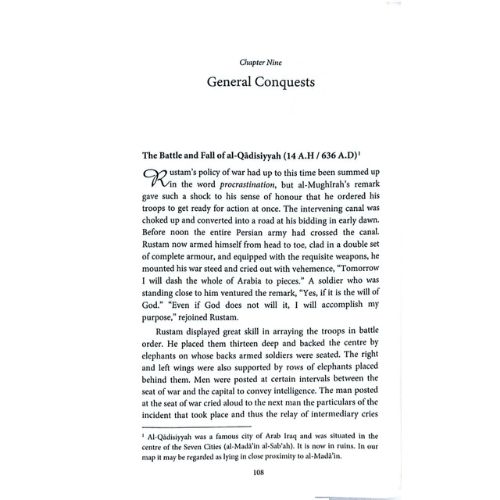
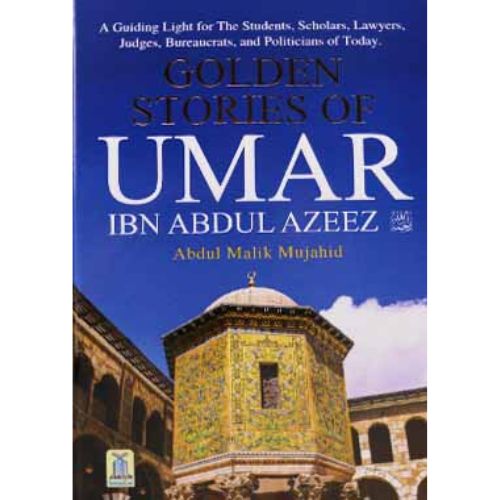
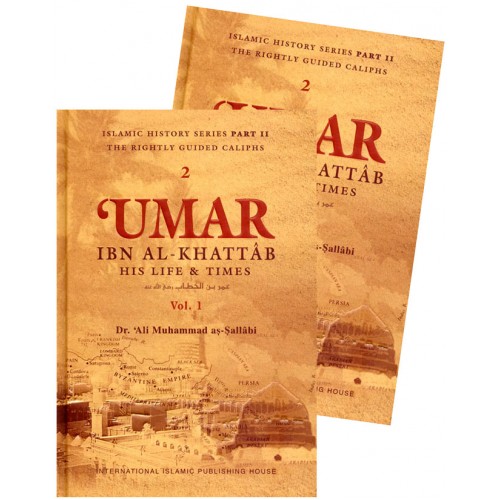
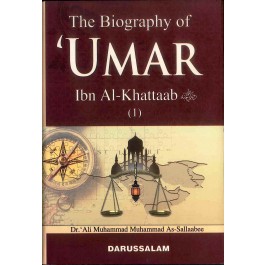
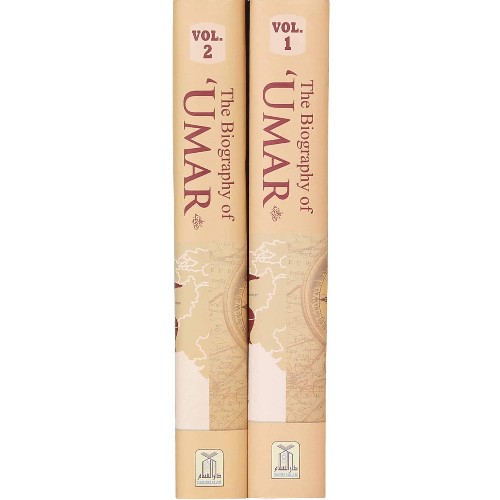
In the words of Washington Irving, the whole history of ‘Umar shows him to have been a man of great powers of mind, inflexible integrity and rigid justice. He was more than anyone else, the founder of Islamic empire; confirming and carrying out the inspirations of the Prophet; aiding Abu Bakr with his counsels during his brief Caliphate; and establishing wise regulations of the law throughout the rapidly extending bounds of the Muslim conquests. In the simplicity of his habits, his contempt for all pomp and luxury, he emulated the example of the Prophet and Abu Bakr.
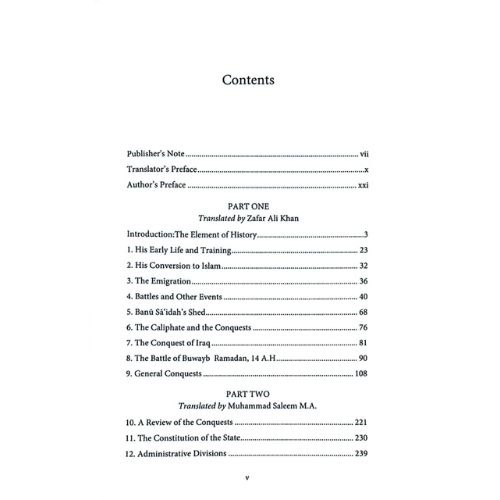
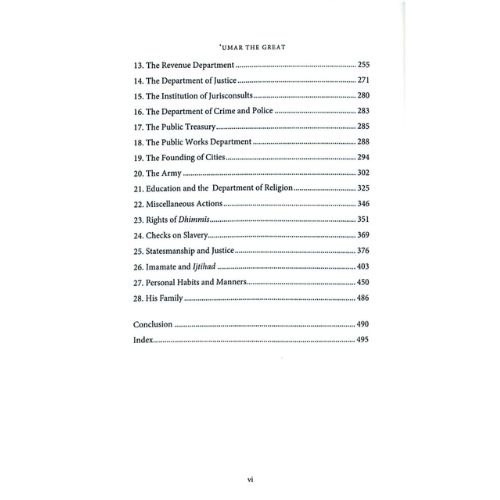
The Book: Publication of the original Urdu work, Al-Farooq, in 1898, took the Muslim world by storm as it was considered as a great literary event and it ran into several editions in a very short time. Soon its translations appeared in Turkish and Persian. No less warmer an appreciation was accorded to this English translation by Maulana Zafar Ali Khan when it was first published in 939 and so unceasing was the demand for it until today.




Usool at-Tafseer (H/B)
Usool at-Tafseer, essentially refers to the branches of knowledge necessary for providing an accurate interpretation of the Quranic texts, such as Arabic grammar and syntax, Arabic literature and Quranic sciences (Uloom al-Quran). Familiarity with modern fields of learning, like the pure sciences and social sciences is also necessary for a commentator in this era to make the Quraanic explanations relevant to human society. This book addresses the actual step-by-step methodology of interpreting Quran to ensure that interpretations are not merely the result of human whims and fancies.