| Weight | 0.230 kg |
|---|---|
| Dimensions | 23 cm |
| Author | |
| ISBN | 978-603-501-294-2 |
| Pages | 95 |
| Product Type | Book |
| Publisher | IIPH |
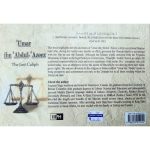
Umar ibn Abdul-Azeez The Just Caliph (IIPH)
$12.27
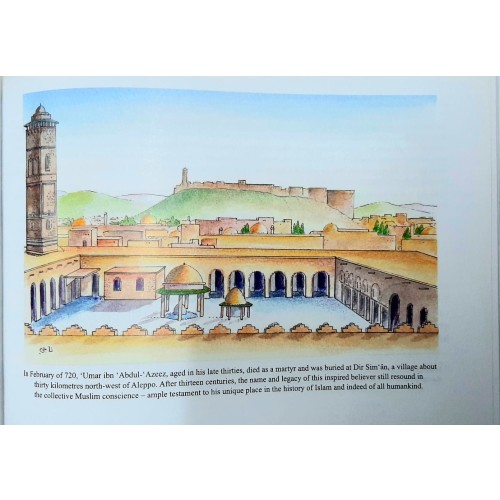
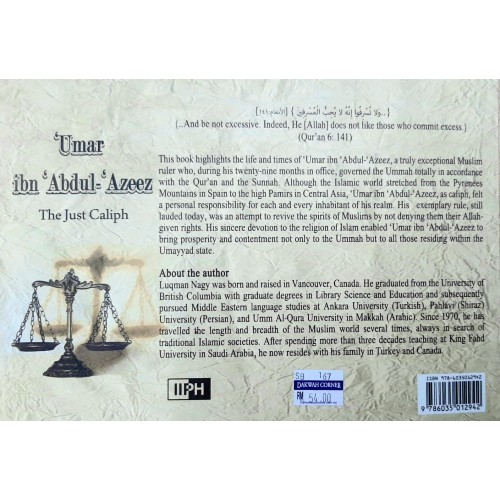
This book, written by Luqman Nagy, highlights the life and times of ‘Umar ibn ‘Abdul-‘Azeez, a truly exceptional Muslim ruler who, during his twenty-nine months in office, governed the Ummah totally in accordance with the Qur’an and the Sunnah. His sincere devotion to the religion of Islam enabled ‘Umar ibn ‘Abdul-‘Azeez to bring prosperity and contentment not only to the Ummah but to all those residing within the Umayyad state.
Be the first to review “Umar ibn Abdul-Azeez The Just Caliph (IIPH)” Cancel reply
You must be logged in to post a review.
Related Products
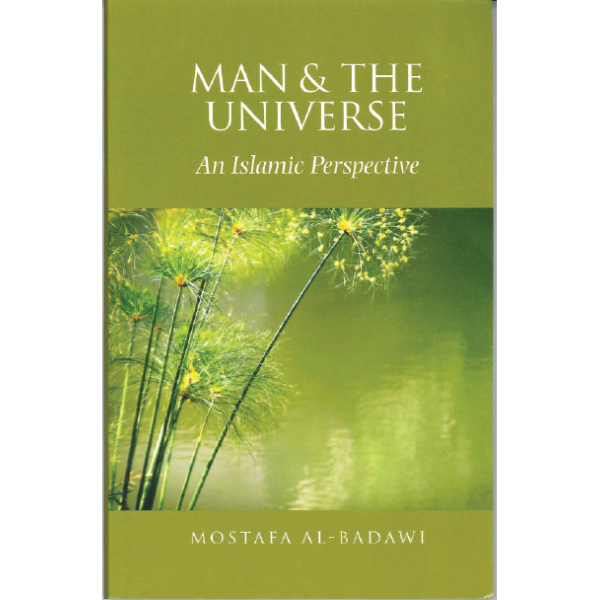
Man & The Universe An Islamic Perspective – Awakening
The author presents a penetrating diagnosis of the illnesses of humanity today, together with a fascinating overview of the Islamic metaphysics, unearthing its spiritual and moral values and its timeless relevance and applicability. Man and universe is a compelling and urgently needed piece of writing about what we human beings are, where we stand, and what we can do about it.
Let Us Remember Allah And Praise Him
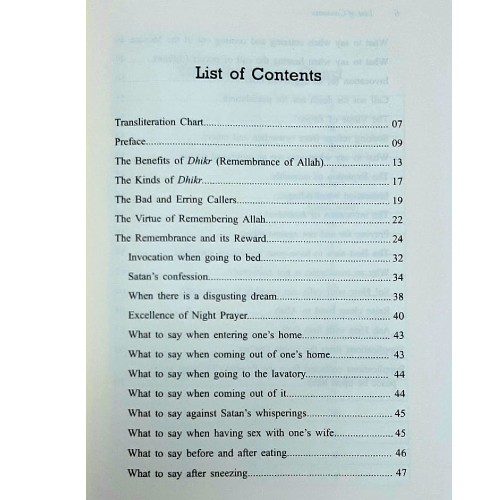
Remembrance, praise and supplication – dhikr and du‘â’ – are the core of worship of the Divine. The Noble Qur’an and the last Prophet (blessings and peace of Allah be upon him) have stressed this point and taught us how to attain Allah’s pleasure through calling on Him and remembering Him in words of praise and thankfulness. This small book is a valuable collection of daily supplications from the Qur’an and the authentic hadiths. It contains the Arabic text, full transliteration and clear translation of the meaning of dozens of phrases of remembrance (dhikr) and supplication (du‘â’). This new and revised edition of Let Us Remember Allah and Praise Him is designed to be easy to use: its full-sized page format ensures that the print is large enough to read effortlessly, and yet its ultra-slim volume makes it no trouble to slip into a handbag
or backpack. It is truly a practical handbook for every Muslim desiring to seek peace in this earthly life and salvation in the hereafter.

Imam Bukhari – Imam Al-Muhadditheen (IIPH)
This book, authored by Luqman Nagy, introduces the reader to the life and times of Muhammad ibn Ismâ‘eel, the greatest of all Hadith scholars. In later life, he became known as Imam Bukhari. This Muslim spent his entire life in the service of his Lord and the Muslim community. His gift to the Ummah (nation) was the collection of hadiths in Saheeh al-Bukhâri, which Muslims cherish and read with confidence today. The story behind this remarkable achievement is certainly one worth telling and worth knowing.
The Valley Came Alive (H/B)
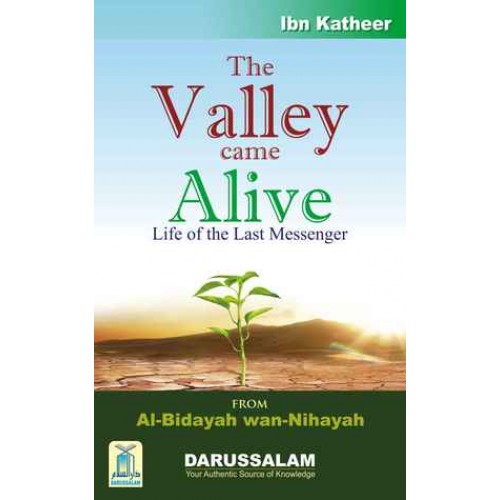
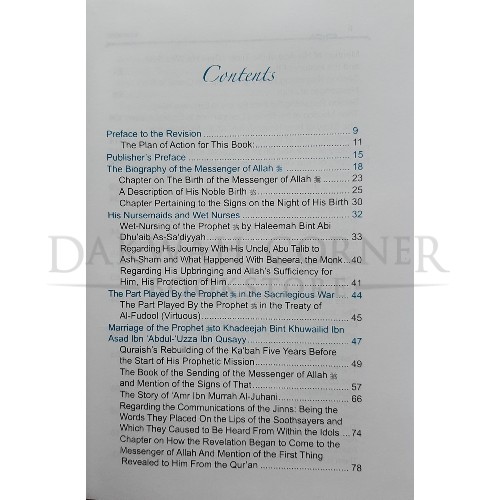
Darussalam is proud to present the abridged English translation of the classic work: Al-Bidayah wan Nihayah, focusing exclusively on the life of Prophet Muhammad (peace be upon him). This volume contains a detail account of the life and times of the Messenger of Allah taken from a number of historical and traditional sources. The book reports the events of his blessed life, his battles, military campaigns, the delegations that met him, and sheds light upon the unique exemplary qualities, virtues and signs of his Messengership that make him a guide and role-model for all of humanity until the end of time.
A1-Bidayah wan Nihayah (The Beginning and The End) by the renowned scholar Abu Al-Fida ‘Imad ad-Deen lsma’eel bin ‘Umar ibn Katheer, is considered one of the most authoritative sources on Islamic history.
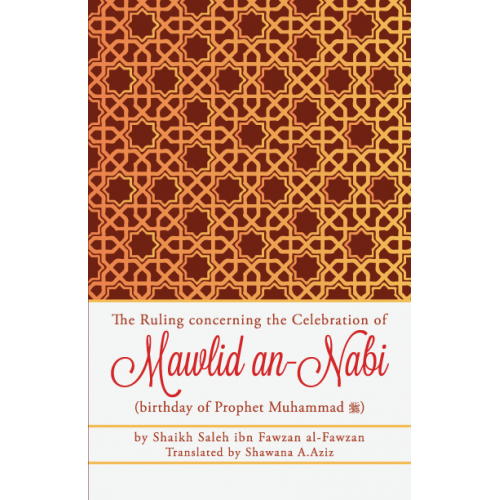
The Ruling Concerning the Celebration of Mawlid an-Nabi (2nd edition)
In this book, is an explicit CLARIFICATION of the MAJOR DOUBTS raised by the proponents of Mawlid an-Nabi, including:
- Mawlid an-Nabi is honoring the Prophet.
- Mawlid an-Nabi is celebrated by a large number of the people in many towns and cities.
- Commemorating Mawlid an-Nabi renews the memories of the Prophet.
- Celebration of Mawlid an-Nabi is cut of love for the Prophet and an expression of ones love, which is permissible.
- Mawlid an-Nabi is a Bidah Husna (good innovation) because it is a means of showing gratitude towards Allah for sending the Prophet.
- The sayings of Umar, ‘What a good Bidah is this?’
Additional quotes by Shaikh Muhammad ibn Ibraheem Aal-Shaikh have been added to further clarify these issues. The booklet also as 2 valuable appendixes:
Appendix 1: Explanation of the Hadeeth,”He, who established/initiates a Sunnah Husna in Islam.” in the word o Shaikh Saleh al-Fawzan and Shaikh Muhammad ibn al-Uthaimeen (rahimahullah)
Appendix 2: A Dialogue between Shaikh al-Albani (rahimahullah) and a proponent of Mawlid.
Islam is Your Birthright (IIPH)
Majed Al-Rassi’s popular booklet, compiled from the works of respected writers on the subject of comparative religion, has been revised and greatly expanded in this new edition. Islam is Your Birthright is a useful and comprehensive guide for Muslims who would like to know how to address non-Muslims on the subject of the relationship between Islam, Christianity and other religions. It is as well a helpful, easy-to-follow explanation of the basic precepts of Islam that interested non-Muslims can pick up and read, without having had any prior study of Islam. Wise men and women know that they are in existence for a purpose and a final destination, whether they know that destination or not. Also, wise people know that if they do not know where they are going, then they will never arrive. In this little book, light is focused on: Why human beings were created What is their final destination How to reach ‘safely’ to that destination
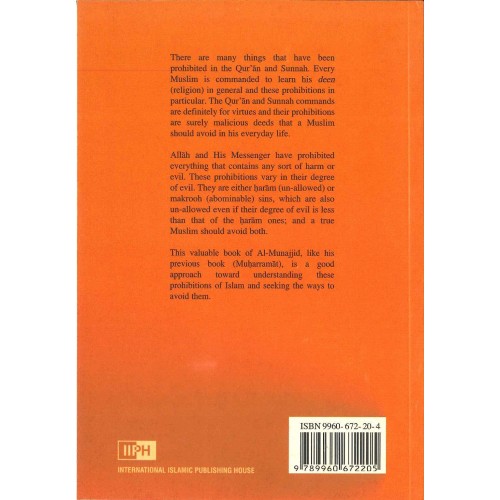
Manhiyyat Prohibitions in Islam (P/B) (IIPH)
Whatever has been prohibited in the Qur’an and the Sunnah is for a good reason. Every Muslim is commanded to learn his or her religion, and being aware of these prohibitions is part of that essential knowledge. The Qur’an and the Sunnah enjoin virtuous behaviour, and any actions they prohibit are destructive deeds that a Muslim should avoid. In Prohibitions in Islam, Shaykh Muhammad Sâlih al-Munajjid explains that Allah Almighty and His Messenger (blessings and peace be upon him) have prohibited everything that contains any sort of harm or evil. These prohibitions vary in their degree of evil: they are either forbidden or detestable, and a practicing Muslim should avoid both kinds.
Fatawa-fatawa Tentang Wanita (H/B)
Buku ini merupakan kumpulan fatwa-fatwa pilihan yang berkaitan dengan masalah wanita, yang dihimpun dari fatwa-fatwa Syaikh Abdul Aziz bin Baz, Syaikh Muhammad al-Utsaimin, Syaikh Abdullah al-Jabrain, dan fatwa-fatwa Lajnah Da’imah lil-Ifta’. Buku ini penting dimiliki setiap muslimah, karena di dalam buku ini terdapat jawaban-jawaban atas persoalan-persoalan yang dihadapi atau dialami oleh wanita muslimah dalam kehidupannya, di mana banyak dari persoalan-persoalan tersebut yang tidak didapatkan jawabannya dalam buku-buku klasik.
This is the Indonesian translation of Fatawa: Rulings for Muslim Woman. Acquiring knowledge of Islam is incumbent upon every Muslim – male and female – in order to live one’s life according to the commands and recommendations of the Qur’an and the Sunnah of Allah’s Messenger (blessings and peace of Allah be upon him). Naturally, women have some specific issues that concern them and that are different than those that concern all Muslims or only men. In this book, these rulings, or fatâwa, have been compiled from the religious verdicts of well-known and respected Islamic scholars, both past and present — Shaykh ‘Abdul-‘Aziz ibn Baz, Shaykh Muhammad ibn ‘Uthaymeen, Shaykh Ibn Jibreen, and the Standing Committee for Scholarly Research and Issuing Fatwas (Saudi Arabia). The rulings are derived from the Qur’an and the Sunnah. The rulings were compiled in this book by Muhammad al-Musnid and translated into Indonesian/Malay by Uril Bahruddin. This book is a compendium of such rulings in a question-and-answer format, catering to the special needs of the Muslim woman. It is a concise and readily accessible reference, and an invaluable addition to the Muslim woman’s personal library.
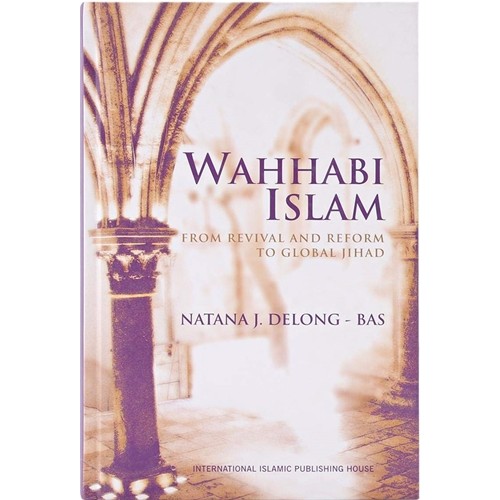
Wahhabi Islam From Revival And Reform To Global Jihad
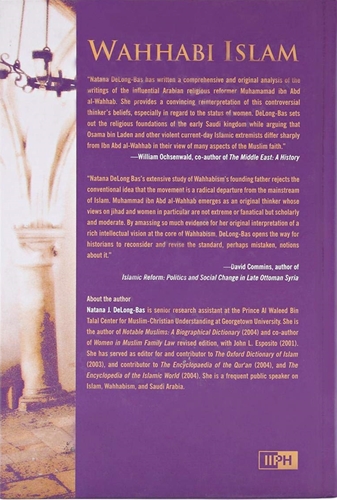
Until September 11, 2001 few Westerners had ever heard of “Wahhabism.” Now most of us recognize the word as describing an austere and puritanical type of Islam, mentioned frequently in connection with Osama bin Laden and Saudi Arabia and often named as the inspiration behind the 9/11 terror attacks. The word “Wahhabi” stems from the name of the founder of this system of thought, Muhammad Ibn Abd al-Wahhab (1702-1791), companion and religious adviser to Muhammad Ibn Saud, founder of the House of Saud. In this book Natana DeLong-Bas offers an in-depth study of the written works of al-Wahhab. She focuses on four areas: theology, legal theory, proselytizing through education and jihad, and law on women. Through a close reading of al-Wahhab’s texts she demonstrates that many aspects of 20th- and 21st-century Wahhabi extremism do not have their origins in his writings. Examples of this extremism include the emphasis on jihad, martyrdom and militancy, and misogyny. The strict division of the world into dar al-Islam and dar al-kufr, according to which only Wahhabi adherents are considered to be true Muslims and all others are non-Muslims who must be fought, is entirely absent from al-Wahhab’s work. Instead, argues DeLong-Bas, all of these themes were only added to Wahhabi teachings in the 19th century following armed engagement with the Ottoman Empire. DeLong-Bas’s study fills an enormous gap in the literature about Wahhabism by returning to the original writings of the founder of the movement. She debunks the common journalistic portrayal of Muhammad Ibn Abd al-Wahhab as an illiterate, rural bumpkin with no scholarly formation. Her revisionist reading of al-Wahhab’s thought will be controversial but impossible to ignore. The book will be essential reading for students and scholars of Islam as well as for those interested in the background of this dangerous modern ideology.
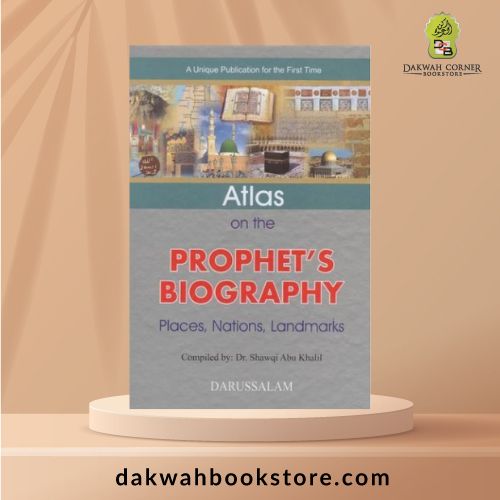
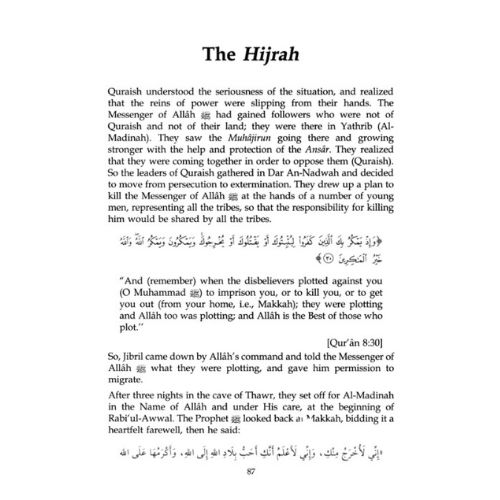
Atlas on the Prophet’s Biography Places, Nations, Landmarks
Seerah and Biographies
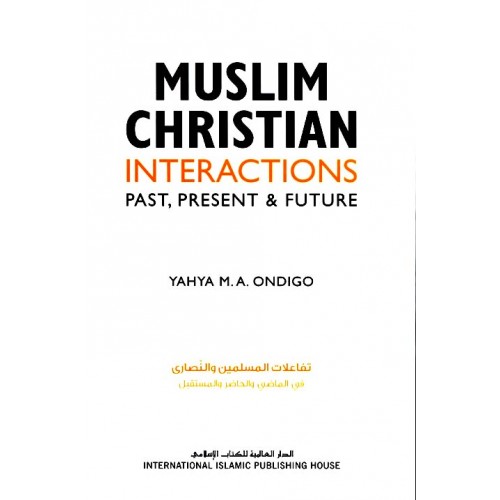
Muslim-Christian Interactions: Past, Present & Future (H/B)
In light of the past, with hope for the future,Muslim-Christian Interactions: Past, Present, and Future addresses a subject that is vital to the 21st century. It provides an in-depth study of Islam and Christianity, taking an analytical approach to their respective edicts while comparing and contrasting them. It offers an investigation of religious concepts with respect to logic and scientific knowledge, and considers the true role and mission of religious figures of both faiths. With a past full of oppression from leaders of both faiths, against their respective doctrines and principles, Muslim-Christian Interactions sorts out the truth of what these religions really stand for. It looks at the manner in which Muslims and Christians have interacted in the past and present, in order to draw lessons for the future.
Now more than ever, it is crucial for Muslims and Christians to seek a path of mutual understanding, allowing compassion for fellow human beings to prevail over divisive politics and views. In the wake of false propaganda against Islam, the author seeks to correct the misconceptions that abound regarding Islam and Muslims.
Recently Viewed
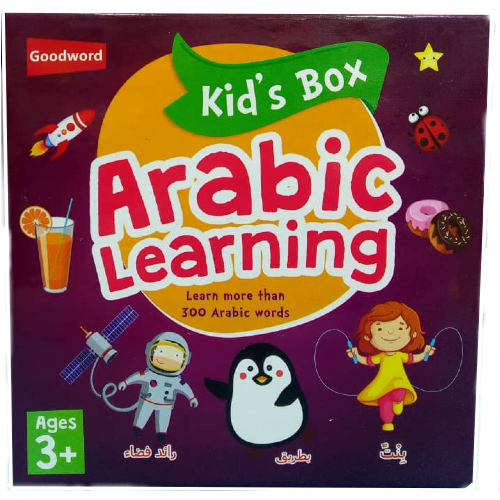
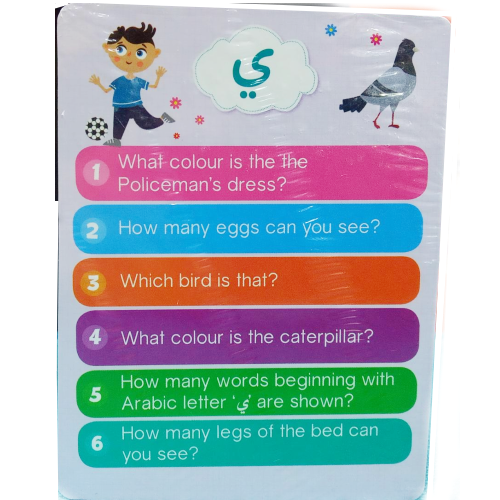
Kid’s Box: Arabic Learning
Learn Arabic Words & Develop Observation Skills
- A card game for 2 and more players
- Suitable for children 3 years and above
- Learn more than 300 Arabic words
- Improves memory and concentration skills
- A simple, fun-filled and educational game
- Challenge your brain in just 15 minutes
- Full of fun illustrations
- A perfect boredom buster for children
- Includes words from topics such as animals, home, school, fruits, and transport.
Suitable for 3+ years old
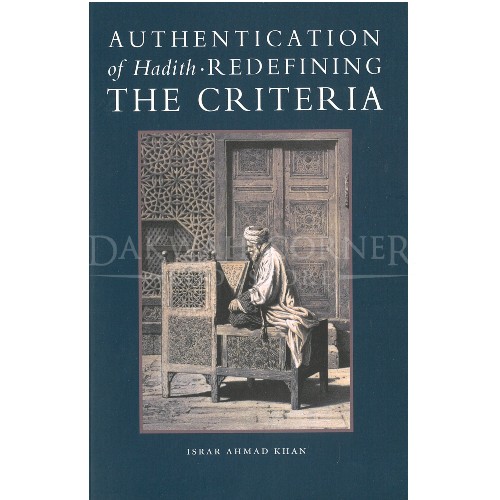
Authentication of Hadith: Redefining the Criteria (IIIT)
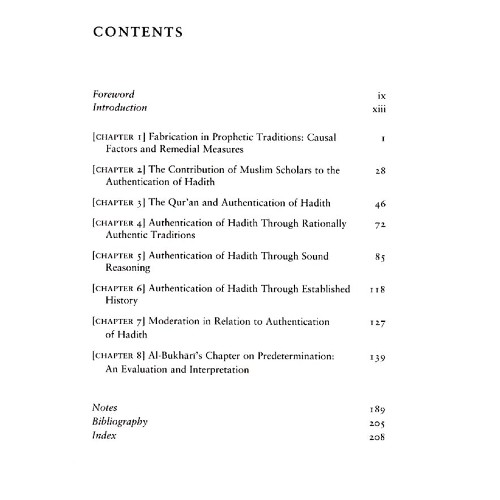
In today’s complex and volatile world the consequences of relying on fraudulent and counterfeit Hadith to legitimise extremist behaviour, issue violent fatwas, and justify blatant abuse, particularly of women, is not only far too easy but in fact dangerous. Israr Khan addresses the sensitive topic of Hadith authentication, focusing on the criteria adopted by classical scholars to maintain that concentration on the continuity and accuracy of the chain of narrators, rather than the textual content of Hadith, has led to particular Hadith being included which either contradict other Hadith directly, project the Prophet (SAAS) in an uncharacteristic light, or do not reflect and/or conflict with the teachings of the Qur an. The study traces in careful detail the historical development of the oral and written traditions, as well as the many targeted attempts at fabrication that took place, critiquing in methodical detail certain Hadith which have come to be widely accepted as authentic. The prominent collections we have today, were made possible by the development of the science of Hadith criticism, and Muslim scholars deserve deep appreciation for their painstaking work, as well as their invaluable contribution towards preserving the Hadith literature to the best of their ability. However, insists the author, the process is ongoing, and the closed door policy which currently surrounds Hadith authentication needs to be carefully reexamined.
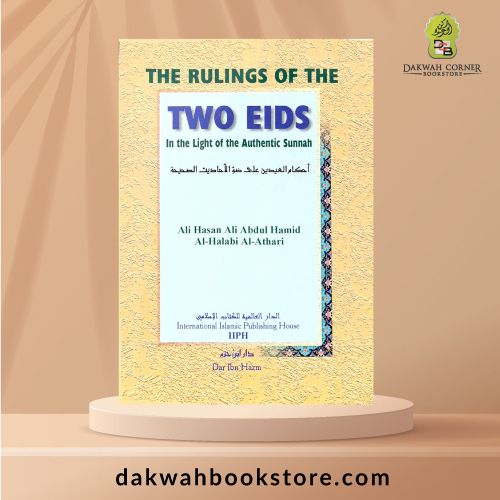
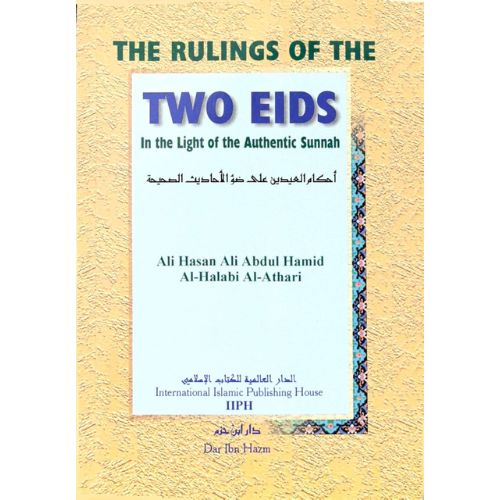
The Rulings Of The Two Eids
Islam the religion revealed by Allah the All-Merciful did not ignore the human need for entertainment and allowed pleasure. The Two Eids are two occasions on which people show and feel happiness. After performing Hajj, the Muslim enjoys the Eid festival and eats his sacrifice meat. After Ramadan, the breakfast (Fitr) festival is another occasion for happiness, love and entertainment.
Umar ibn Abdul-Azeez The Just Caliph (IIPH)
This book, written by Luqman Nagy, highlights the life and times of ‘Umar ibn ‘Abdul-‘Azeez, a truly exceptional Muslim ruler who, during his twenty-nine months in office, governed the Ummah totally in accordance with the Qur’an and the Sunnah. His sincere devotion to the religion of Islam enabled ‘Umar ibn ‘Abdul-‘Azeez to bring prosperity and contentment not only to the Ummah but to all those residing within the Umayyad state.
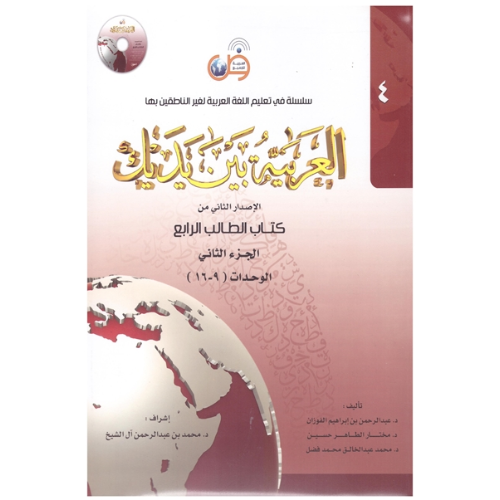
[AR] Al-Arabiyyah Baynah Yadayk Book 4 Part 2
Al-’Arabiyyah bayna yadayk Means Arabic in Your Hands.
The great thing about these books is, that it covers a lot of vocabulary through pictures, Images and using Arabic Only, introduces the students to grammar later and gradually rather than pushing them at the deep end before they can swim.
Much like Arabic Course for English Speaking Students 3 Volumes Set, UKIA, it is more Islamic inclined and fulfils the desire for the student of knowledge to learn the language of the Qur’an.
Students who had completed all three books wanted something else to reach higher competency, which has given rise to volume 4 which is available in 2 Parts.
Al-’Arabiyyah bayna yadayk series comes in 3 Basic Student Books and a further study Book 4 Parts 1 & Book 4 Part 2
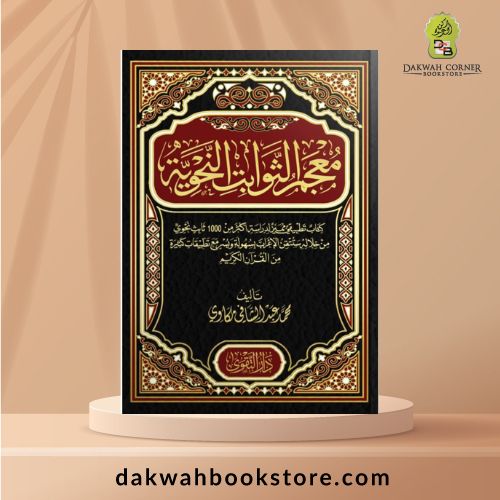
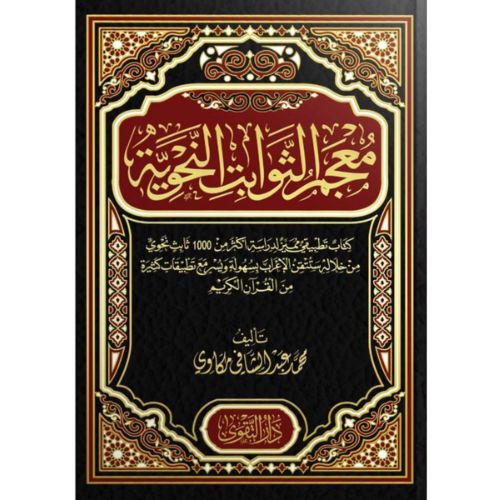
[ALA] Muʿjam al-Thawābit al-Naḥwiyya / معجم الثوابت النحوية
كتاب تطبيقي مميز لدراسة أكثر من 1000 ثابت نحوي من خلاله ستتقن الإعراب بسهولة ويسر مع تطبيقات كثيرة من القرآن الكريم
Angels in Your Presence By Omar Suleiman
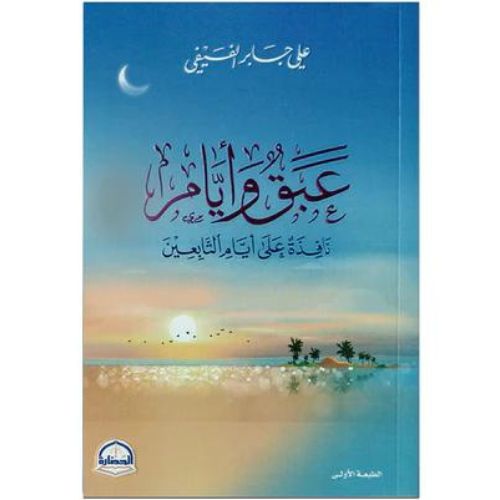
[MM] Abaq Wa Ayyam ( عبق وأيام)
أيام التابعين المضمّخة بذلك العبق الفريد، وتلك المشاعر الاستثنائية وكأنّي بشوارعهم العتيقة وفوانيسهم المعلّقة على أبواب مساجدهم الطينية، وكأني بخطواتهم المخبتة ونوافذهم المشرَعة على عهد الصحابة.. كلها تنبعث عبر كلماتهم ومواعظهم وصدقهم
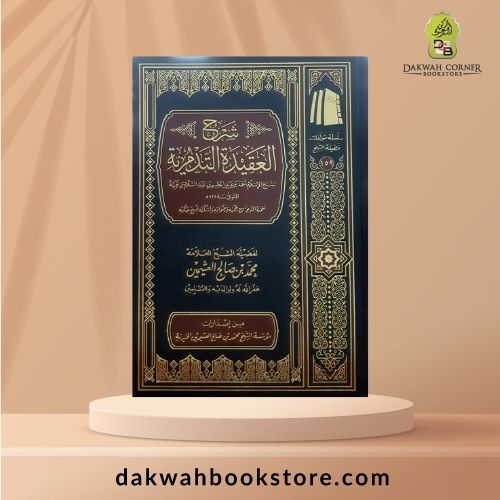
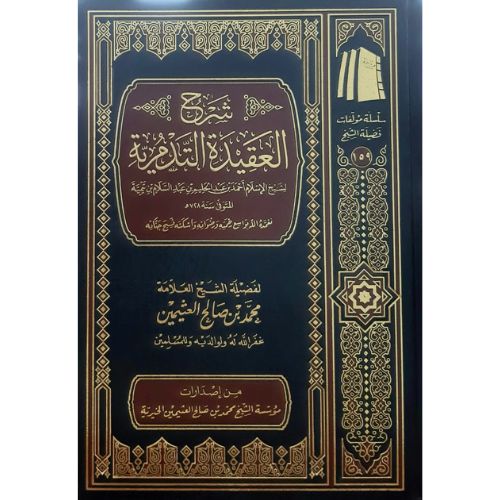
[AC] Sharh Alaqidati Altadamirati / شرح العقيدة التدمرىة
شرح على كتاب (العقيدة التدمرية)، وهي من أجوبة شيخ الإسلام ابن تيمية رحمه الله تعالى (ت728هـ) لأهل مدينة تدمر، في توضيح عقيدة السلف الصالح في أسماء الله الحسنى وصفاته العلى، وكان هذا الشرح ضمن الدروس الجامعية التي ألقاها فضيلة الشيخ في كلية الشريعة وأ
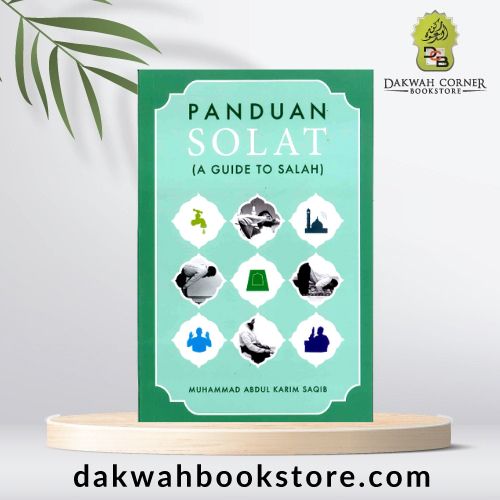
Panduan Solat (A Guide To Salah)
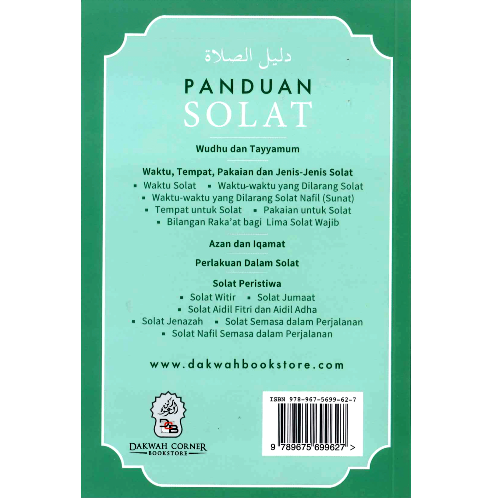
Panduan Solat
Wudhu dan Tayyamum
Waktu, Tempat, Pakaian dan Jenis-Jenis Solat


There are no reviews yet.