

| Weight | 0.550 kg |
|---|---|
| Dimensions | 21.5 × 14.5 cm |
| Author | |
| Binding | Hardcover |
| Publisher | IIPH |
| ISBN | 9786035013826 |
| Year of publication | 2021 |
| Pages | 320 |
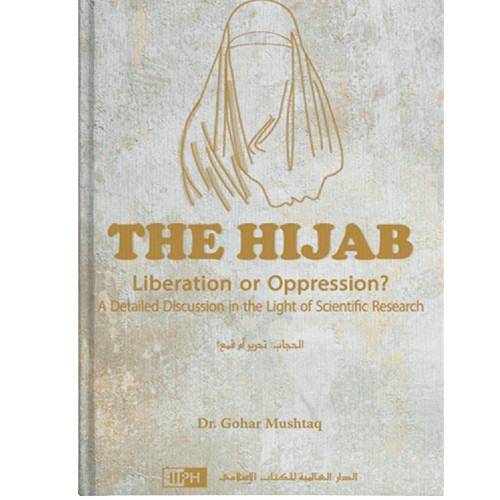
The Hijab – Liberation or Oppression?
Next product
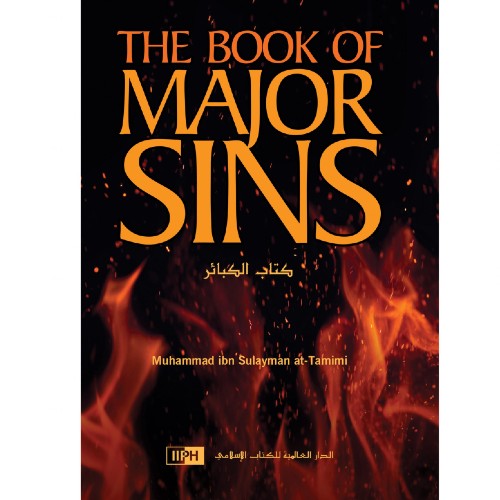
The Book of Major Sins
RM45.00
RM75.00
Hurry up, Only 1 left.

Highlights:
somdn_product_page
Compare
In this authentic Islamic resource book, Dr. Gohar Mushtaq comprehensively explains the benefits of wearing the hijab, citing evidence from both Islamic sources and scientific research. He also expertly cites and analyzes fascinating research to highlight the little-known wisdom behind the institution of the hijab. Furthermore, he tackles some of the topics that are generally misunderstood in Islam, such as the segregation of men and women in gatherings.
This is a much needed book at a time and age when eyes are dazzled by modernity, where modesty has lost its value and many Muslims have embraced the apologetic edition of the religion of Islam. Maryam Jameelah
Additional information
Related Products


Why Islam?
Highlights:
Often, the first thing someone is asked when they discover the truth and embrace Islam is the question: Why Islam? Here, an American revert-to-Islam answers that question. The author, K. Sherman, writes: The beauty of Islam is probably the best-kept secret in modern times; it is about time it was revealed. This is the sentiment of a majority of people who are discovering the truth about Islam every day. My first exposure to the religion was through a perusal of a fifty-page booklet titled Towards Understanding Islam (written in 1932). It explained to me everything that twenty years of life and fifteen years of education could not. After the initial sense of relief, I suddenly felt cheated. I was consumed with rage. Why? I could not fathom how people could know about this phenomenal way of life and not speak out and inform others. This book is my personal take on the beauty of Islam, backed up by relevant and authentic references. I am convinced that humanity direly needs it and it is my duty to speak out.
RM22.00

In Search of God (P/B)
Highlights:
Some thinkers has said, ‘A smattering of knowledge turns people away from God. Grater knowledge brings them back to Him’. The author concludes in this book by examining various theories that the choice humanity have is not between the universe with God and the universe with God and the universe without God. The real option is between the universe with God and no universe at all. Therefore humanity is compelled to opt for the proposition the universe with God. Hence it is logical to say I exist, therefore, God exists.
RM11.00

Dreams of the Prophets and the Righteous
Highlights:
Originally written in Arabic by Abdul Mun’im al Hashmi. It is like an encyclopedia of dreams. It tells us how we should behave on seeing a dream and how they may be interpreted. There are dreams of the Prophets and the Righteous men, and the dreams of the Prophet and his Sahabah. Some dreams of non-Muslims also find place in this book. The author also informs as to what various things like animals, birds and certain chapters of the Qur’an would mean if seen in a dream.
RM35.00

Muslim Unification at Time of Crisis
Highlights:
This book authored by one of the great scholars of our time is an advice to the people of Ahulul ?Sunnah wal-Jamaah to unify and be merciful to each other, and cooperate upon righteousness and taqwa.
RM24.00


Weakness of Faith (IIPH)
5 ★
5 ★
1 Rating
5 ★
1
4 ★
0
3 ★
0
2 ★
0
1 ★
0
Highlights:
The phenomenon of weak faith has become very widespread among Muslims, and many people complain about the hardness of their hearts. So often we hear the words, “I feel hardness in my heart,” “I do not find any joy in worship,” “I feel that my faith has hit rock bottom,” “Reading Qur’aan does not move me,” “I fall into sin so easily.” The effects of this affliction can be seen in many people, and this problem is the cause of every disaster and adversity.
One of the most important principles which must be understood in order to treat the problem of weak faith is that faith increases and decreases, or waxes and wanes. This is one of the basic principles of the ‘aqeedah of Ahl al-Sunnah wa’l-Jamaa’ah, who say that faith is something to be spoken in words, to be believed in in the heart, and to be put into action. Faith increases with obedience and decreases with disobedience.
‘… that they may grow more in Faith along with their (present) Faith…’ [al-Fath 48:4]
‘… Which of you has had his faith increased by it? …'[al-Tawbah 9:124]. aari, Fath, 1/51).
RM13.00 – RM30.00Price range: RM13.00 through RM30.00
HardcoverPaperback
Clear

Philanthropy and Social Justice in Islam (P/B)
Highlights:
This book analyses the principles and practices of philanthropy and distributive justice in Islam. It argues, with analyses and examples, that the accomplishment of purposive philanthropy, as commanded by the fundamental tenets of Islam, through the professionalization and rationalization of zakat management, modernization of awaqaf, etc. has the potential of optimizing justice in Muslim societies. The work draws on the Quran, Hadithe, other authentic literature, and also on official documents and publications of management agencies dealing with philanthropy in different Muslim countries/societies. The analyses are documented enough to be used as a text for the study of philanthropy in Islam in tertiary institutions nonetheless are simple enough to draw general readership and to be used by non-profit and international organizations worldwide in order to order to understand the principles and issues of philanthropy and distributive justice in Muslim societies.
RM40.00

In Pursuit of Allah’s Pleasure
Highlights:
In this book the authors outlined a complete methodology for Islamic work today. From `Aqeedah to Da’wah, Jihad to Khilafah and Taqwa to Sabr (patience), they explained how all of these parts of Islam come together for the sole objective of each and every Muslim: to seek the Pleasure of Allah ( SWT ), the Irresistible. It was written in a manner portraying the true situation of the Muslims today and, coming from imprisoned scholars: a realistic portrayal.
This book is an excellent read by itself and an even better guide if used as a syllabus in learning Islam in an organised, collective manner. It is ideal as a basis for study circles and acts as a comprehensive manual. Coupled with the supplementary reading of some other books in the English language and memorisation of the Holy Quran, it can consolidate the knowledge of anyone seeking to work for Islam in this day and age.
Contents
Preface
Introduction
Part One: Our Ultimate Goal
Part Two: Our `Aqeedah
Part Three: Our Understanding
Part Four: Our Aim
Part Five: Our Path
Part Six: Our Provisions
Part Seven: Our Walaa’ (Loyalty)
Part Eight: Our ‘Adaa’ (Animosity)
Part Nine: Our Gathering
Glossary of Arabic Trems
The Twentieth Century has witnessed one of the fiercest blows inflicted upon our Ummah by our enemy: the collapse of the Khilafah. If only their conspiracy had stopped at the demise of Khilafah. But they went on to indoctrinate Muslims with strange, foreign ideas and concepts, in order to confuse our understanding of our Deen. Once we wake up and try to return to our original Deen, we will be confronted with an intellectual perplexity, in which evil and good is mixed. Hence, the truth will be ambiguous and we will go astray, and lose the true understanding of Islam.
And hold fast, all of you together, to the Rope of Allah (this Qur’an) and be not divided among yourselves.” [Surah Ale-Imran (3), Ayah 103.]
by Dr. Naahah Ibrahim, Asim Abdul Maajid and Esaam-ud-Deen Darbaalah
RM53.00


Islam A Total Beginners Guide – Part Three (P/B)
Highlights:
In present era we are facing lot of questions:
• What is status of women in Islam?
• Who is superior – man or women?
• What does Islam say about inter-religious marriages, man’s treatment towards his wife and privacy in homes?
• What does Islam say about dress, veil, clothing and ornaments, perfumes and the wisdom of banning gold and silk for men?
This beginner’s guide to Islam answers all such questions.
RM45.00

New Directions in Islamic Education : Pedagogy and Identity Formation (P/B)
Highlights:
New Directions in Islamic Education explores the relationship between pedagogy and the formation of religious identities within Islamic education settings that are based in minority and majority Muslim contexts. Based on empirical research, the book engages critically with the philosophical, theological and cultural dynamics that inform Muslim educational thought and practice. The book offers an integrated model of Islamic education that identifies the heart of the Islamic educational imagination as tarbiyah, a transformative process of becoming. Overall, this book seeks to ground the theory and practice of Islamic education within the experience of the educator and the learner, and it synthesises the spiritual foundations of Islam with the tradition of critical reflection within the classical Muslim educational heritage. This ground breaking and wide-ranging work should be of interest not only to Muslim educators and education specialists, but also to social scientists, theologians and policy makers.
RM120.00

Provisions of the Afterlife Which Lie Within Prophetic Guidance (H/B – DKI
Highlights:
Written originally by Ibn Qayyim Al-Jauziyyah is one of the important resources of knowledge for those who seek to know the Seerah of their Prophet (P.B.U.H) as well as the Fiqh learned from it. This is a book that is unique in that it explains the Sunnah through the Seerah and the Seerah through the Sunnah. It is a profound classic work containing thousands of pages written by Imam ibn al-Qayyam while on the Hajj journey, Pilgrimage, from Damascus to Makkah. Despite its being written from memory, the several thousand incidents, Hadiths, Ayat (verses of the Quran), Fiqh benefits, as well as names of the companions associated with them, were remarkably close to the truth with marginal errors.
However, those who know the status, level of knowledge ad Ta’hqiq that Imam ibn al-Qayyim had will not be surprised to know this fact. Still, it is amazing how Ibn Al-Qayyim was able to write this vast volume while traveling to Hajj (Pilgrimage), especially since he was away from the resources of knowledge and was enduring the hardships of travel. It is a blessing from Allah (S.A.T) that it was possible for him to do so. Note: As with Many English Translations this work appears to be slightly abridged but it seems to cover most of the subjects Note : With the Lack of English works covering Hanbali Fiqh , This Books would be the nearest alternative. Although not a Specifically Fiqh Book, Ibn Qayyim’s views which are based on Hanbali Fiqh are quoted throughout.
RM130.00

Lawful Wives or Unlawful Girlfriends
Highlights:
In the Name of Allah, the Most Beneficent, the Most Merciful
Allah (SWT) says: (If you fear that you will not be able to deal justly with the orphans, marry women of your choice, two or three or four; but if you fear that you shall not be able to deal justly (with them), then only one or (the captives or the slaves) that your right hands possess. That will be more suitable to prevent you from doing injustice) (An-Nisa’: 3).
Praise be to Allah (SWT) who has prescribed for His Servants a religion (Islam) that is beneficial to them in this world and the Hereafter, and Peace and Blessing be upon His Messengers and Prophets who were guided by His Guidance and conveyed His Religion. The last and seal of His Messengers was Muhammad Ibn Abdillah (SAW). He (SAW) was the best to advise his Ummah and convey the True Message, by words, deeds and his character. He (SAW) was the best model and example for the believers.
RM42.00


Recently Viewed
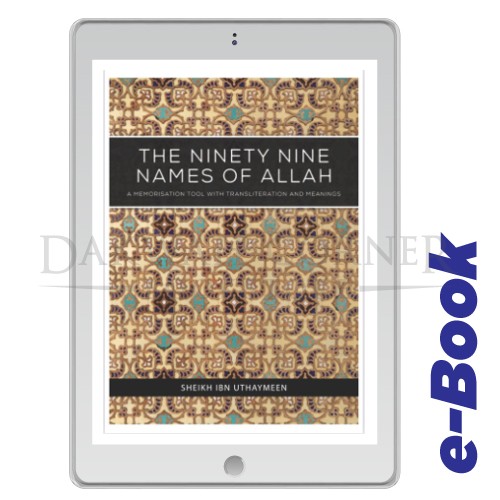
(FREE-eBook) The Ninety-Nine Names of Allah
Highlights:
(E-book FREE)
Sheikh ibn Uthaymeen, was a scholar, jurist, and Mufti. He was born in 1929 in Saudi Arabia. He memorised the Quran and studied other books at the age of 14 at the hands of his grandfather and other prominent scholars.
Sheikh ibn Uthaymeen is considered one of the most pre-eminent scholars of the 20th century. For more than 50 years, he worked hard for the sake of teaching, preaching, lecturing, and guiding people to worship Allah. He has authored more than 40 books in different Islamic sciences. He passed away in 2001 at the age of 74 and was buried in Mecca.
Sheikh ibn Uthaymeen was a highly significant scholar whose Islamic rulings are followed by a large number of Muslims worldwide. He played a prominent role in expanding the principals of Islamic monotheism and in explaining perplexed issues in the Islamic jurisprudence. He was a model of knowledgeable scholar, uprightness, honesty and commitment. May Allaah have Mercy upon his soul, ameen.
This booklet is a translation of a lecture by Sheikh ibn Uthaymeen on the ninety nine name of Allah. It has been produced to help the reader understand the meanings and memorise the names of Allah.
RM0.00
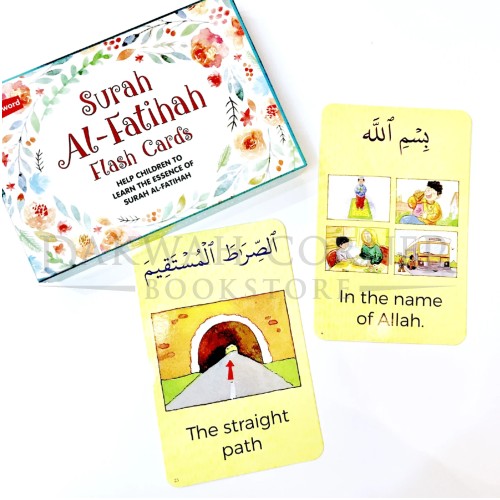
Surah Al-Fatihah (Flash Card)
5 ★
5 ★
2 Ratings
5 ★
2
4 ★
0
3 ★
0
2 ★
0
1 ★
0
Highlights:
A set of 32 beautifully crafted flash cards to help children understand and memorize the true essence of Surah Al Fatihah.
- Vocabulary learning is made fun and exciting by picture-word association.
- Exercise cards to stimulate imagination and reinforce the concept behind each ayah for practical and linguistic understanding.
- Comes with instruction booklet – suggests various games to engage with children.
Suitable for 3+ years old.
RM30.00
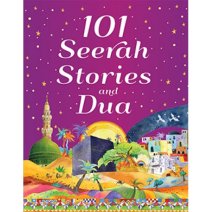

101 Seerah Stories and Dua (H/B)
Highlights:
101 Seerah Stories and Dua is a richly illustrated collection of 101 great stories told in simple language that children will easily understand and relate to. Each story comes with delightful illustrations and a beautiful prayer. The book includes well known tales from the life of the Prophet Muhammad — the Year of Elephant, the birth and childhood of the Prophet, the revelation of the Quran, the first Muslims, opposition of the Quraysh, the spread of Islam and migration to Madinah to name a few. It’s a unique experience the whole family will cherish and revisit again and again!
RM50.00
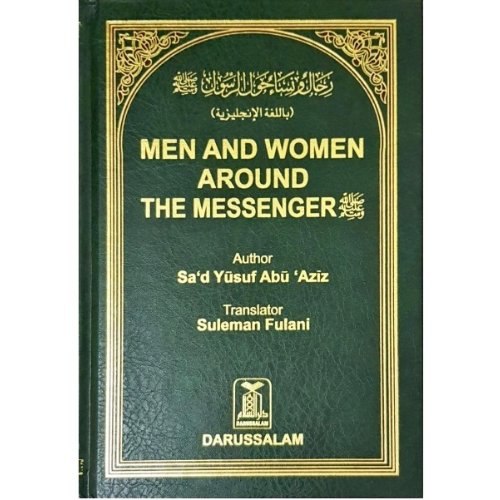
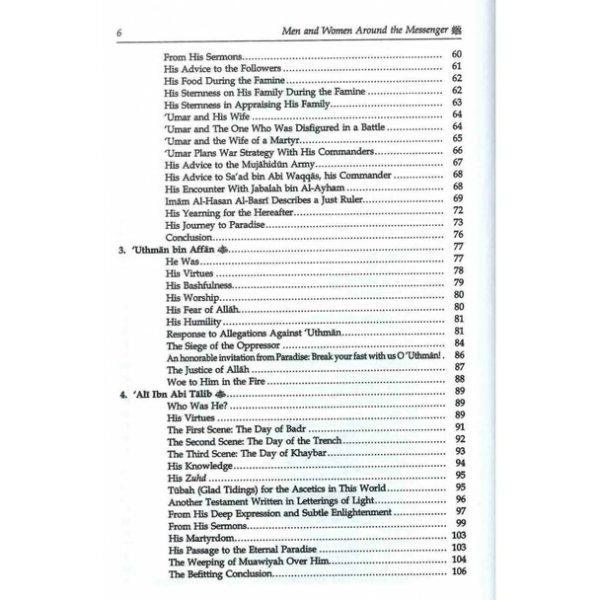
Men & Women Around The Messenger – Darussalam
Highlights:
The author has chosen one hundred personalities amongst the Companions. He compiled narrations, hadiths and incidences that contributed to the distinction of these individuals who have no similitude in the history of mankind after the Prophets of Allah and His Messengers. Their excellence is further clearly established from the study of these individuals, their attributes and their characters with which they were embellished. For this reason, they were from the best of people ever raised up for mankind.
RM85.00
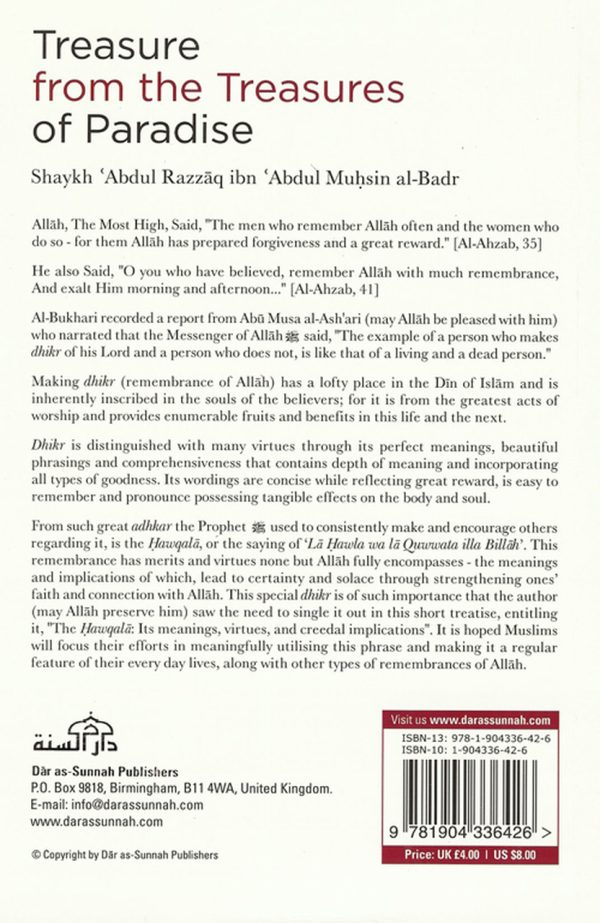
Treasure From the Treasures of Paradise (P/B)
Highlights:
Allah, The Most High, Said, “The men who remember Allah often and the women who do so – for them Allah has prepared forgiveness and a great reward.” [Al-Ahzab, 35]. He also Said, “O you who have believed, remember Allah with much remembrance, And exalt Him morning and afternoon…” [Al-Ahzab, 41] Al-Bukhari recorded a report from AbuMusa al-Ash’ari (may Allah be pleased with him) who narrated that the Messenger of Allah said, “The example of a person who makes dhikr of his Lord and a person who does not, is like that of a living and a dead person.”
Making dhikr (remembrance of Allah) has a lofty place in the Din of Islam and is inherently inscribed in the souls of the believers; for it is from the greatest acts of worship and provides enumerable fruits and benefits in this life and the next.
Dhikr is distinguished with many virtues through its perfect meanings, beautiful phrasings and comprehensiveness that contains depth of meaning and incorporating all types of goodness. Its wordings are concise while reflecting great reward, is easy to remember and pronounce possessing tangible effects on the body and soul.
From such great adhkar the Prophet used to consistently make and encourage others regarding it, is the Hawqala, or the saying of ‘La Hawla wa la Quwwata illa Billah’. This remembrance has merits and virtues none but Allah fully encompasses – the meanings and implications of which, lead to certainty and solace through strengthening ones’ faith and connection with Allah. This special dhikr is of such importance that the author (may Allah preserve him) saw the need to single it out in this short treatise, entitling it, “The Hawqala: Its meanings, virtues, and creedal implications”. It is hoped Muslims will focus their efforts in meaningfully utilising this phrase and making it a regular feature of their every day lives, along with other types of remembrances of Allah.
RM39.00
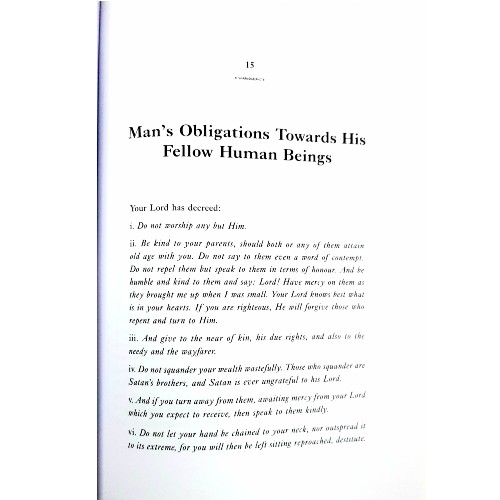
The Qur’an Essential Teachings
Highlights:
The Qur’an: Essential Teachings explains major Qur’anic terms, concepts and themes in a simple language. The work is intended to help readers gain a clear idea of the Qur’anic worldview, particularly the articles of Islamic faith, God – man relationship, religious duties and Islamic value system. The Divine guidance is elaborated for appreciating better the meaning and message of the Qur’an. It brings into sharper focus God – oriented life as prescribed by Islam.
RM114.00
HardcoverPaperback
Clear
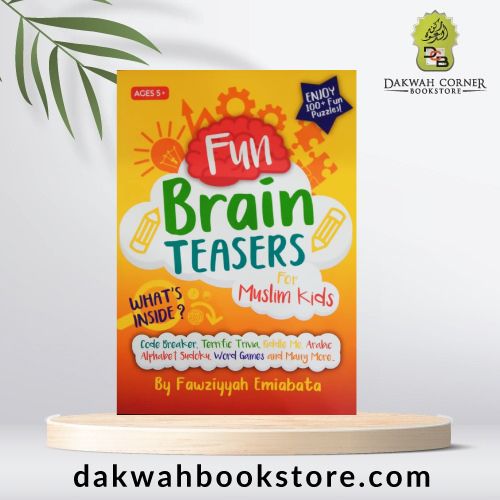
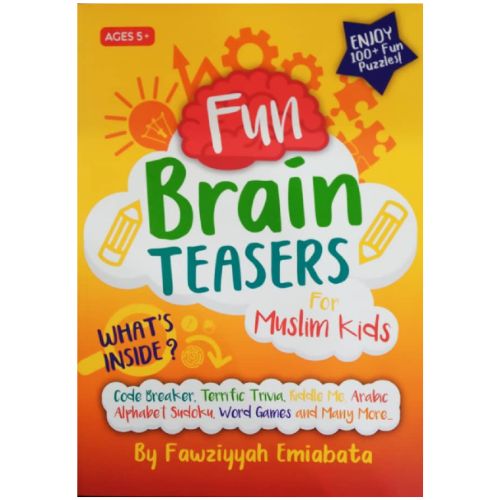
Fun Brain Teasers For Muslim Kids
5 ★
5 ★
2 Ratings
5 ★
2
4 ★
0
3 ★
0
2 ★
0
1 ★
0
Highlights:
Fun Brain Teasers is aimed to provide Muslim children with information about the deen of Allah in a fun way. It is therefore based on a play and learn pattern as it is fun, educative, stimulating and challenging. It will also awaken a sense of curiosity in children to learn more about Islam.
Enjoy 100+ FUN Puzzles in one books. Suitable for ages 5+ years old.
What’s Inside the Book?
-Code Breaker, Terrific Trivia, Riddle Me, Arabic Alphabet Sudoku, Word Games, Maze, Beacons of Light, Spot The Difference, Link Up, Missing Link and Many More…
RM36.00
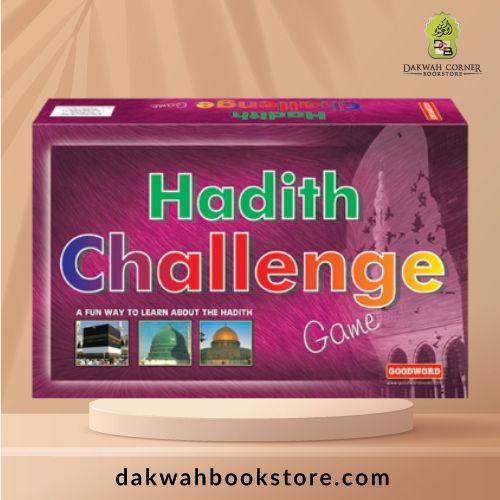
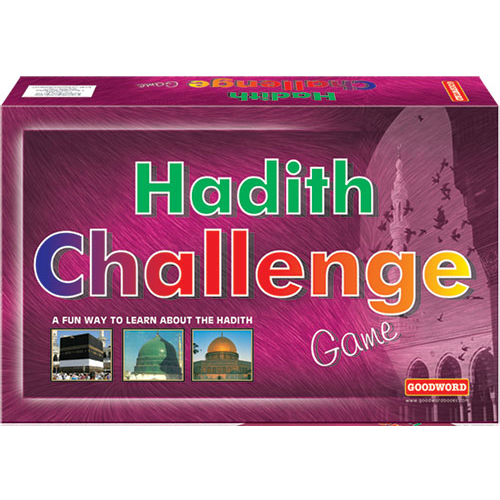
Hadith Challenge Game
Highlights:
The Hadith Challenge Game is a unique game based on sayings of the Prophet Muhammad. The idea behind this game is to provide the children with both fun and education. All questions are based on the authentic sayings of the Prophet Muhammad. They have been creatively worked into this game and children will enjoy answering them. This game can be played at school or at home with all the family members. Begin your journey and find out what fun it is to learn from the Hadith.
RM55.00
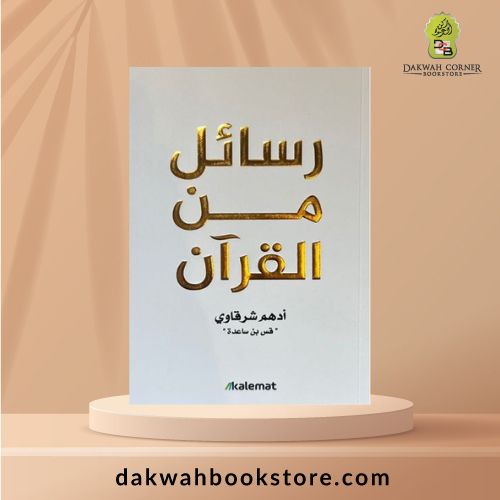
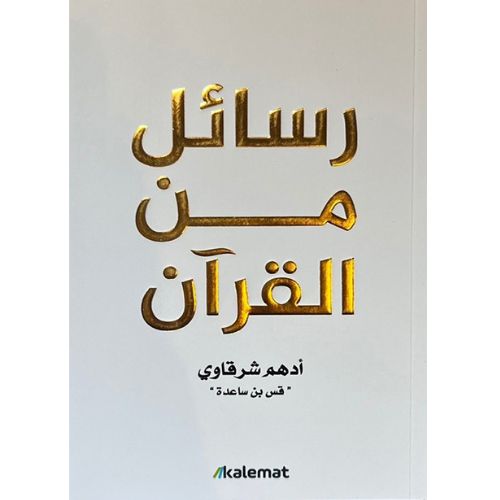
[QQ] Rasail min Al-Quran ( رسائل من القران)
Highlights:
نبذة عن كتاب ( رسائل من القرآن ) : من آخر إصدارات، الكاتب المتميز جدًا، أدهم شرقاوي، لقد أبدع المؤلف في هذا الكتاب الذي يتضمن أكثر من 283 صفحة.. أقل ما يقال عنه أنه راقي في معانيه بامتياز، فكيف لا يكون كذلك وكل عباراته مستخلصة من كلام الله جل وعلا.. ينادي فيها صاحب هذا الإصدار: يا الله، إنك عندما قلت لإبراهيم عليه السلام: (( وأذن في الناس بالحج)) قال لك: رب كيف أبلغ الناس وصوتي لا يصلهم !؟ ، فقلت له: عليك النداء وعلينا البلاغ !.. فبلغ صوته أرجاء الأرض !.. فيا الله: هذا الكتاب نداء عبد ضعيف القلب، ضعيف الصوت، ناداه حب لك، ورغبة فيك، فأكرمه بالبلاغ !؟؟..
RM90.00
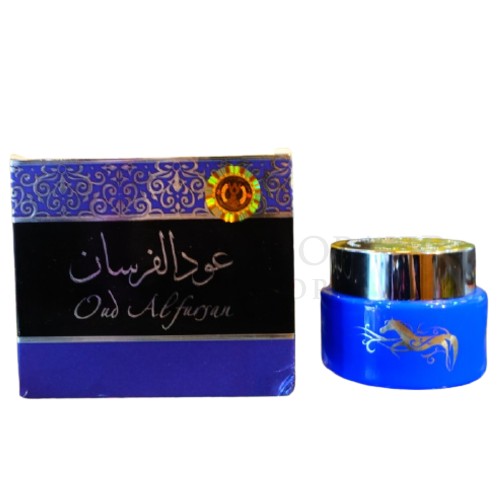
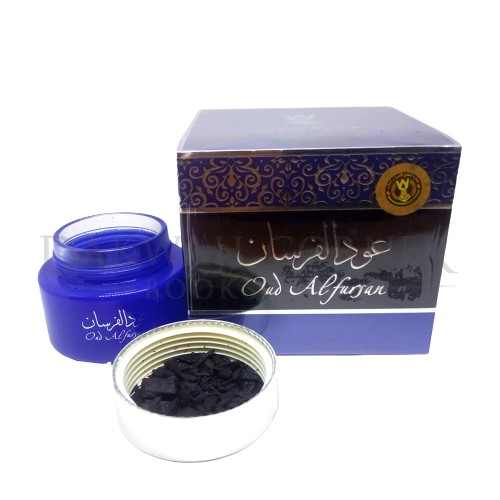
Oud Al Fursan
Highlights:
High-quality bukhoor burn Incense gives a fresh scent for your HOME, SHOP, or OFFICE.
RM60.00
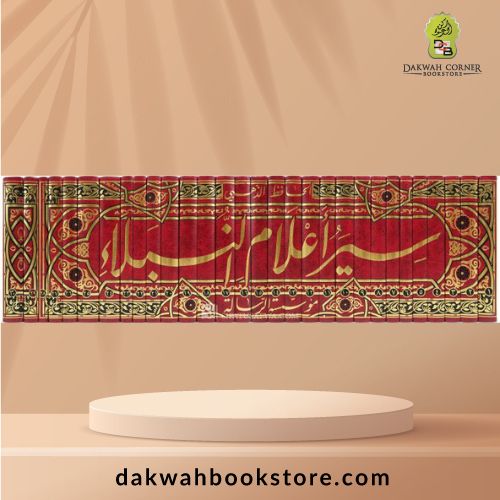
RM2,600.00 RM2,800.00
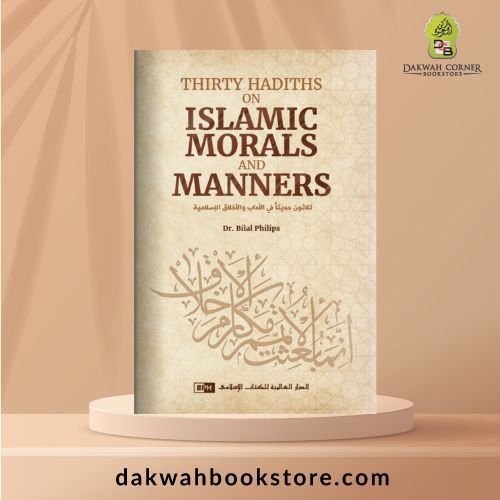
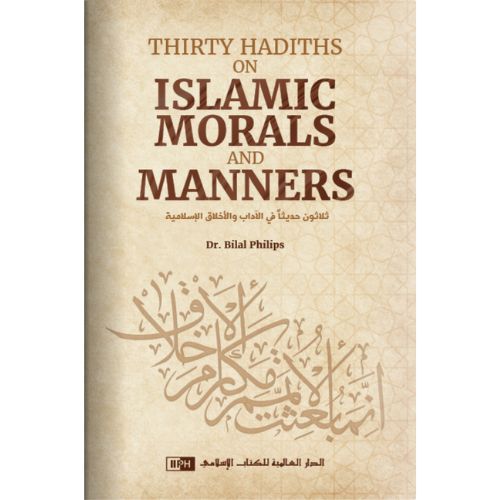
Thirty Hadiths on Islamic Morals and Manners (IIPH)
Highlights:
30 Hadiths on Islamic Morals and Manners is an attempt to draw guidance from Allah’s Messenger (sa) on diverse topics such as intentions, suspicion, jealousy, backbiting, bribery, greetings, marriage, and families. Dr. Bilal Philips has offered a commentary with each hadith to enable readers to learn about morality, ethics, and manners, as taught by Prophet Muhammad (sa).
RM75.00