




| Weight | 0.20 kg |
|---|---|
| Product Type | Book |
| Publisher | TIMEAG |
| Pages | 16 |
Tajweed Made Easy Mind Maps
$5.68
Hurry up, Only 1 left.
Highlights:
somdn_product_page
Compare
This mind map provides an overview of the different tajwid topics with the aim to:
- Encourage readers to see the bigger picture of the important areas of tajwid by making use of key words.
- Help readers to understand the inter-relationships between the various subject matters in a topic.
- Provide an attractive, fun and enjoyable format of learning tajwid, which could be remembered easily.
- Summarise information relating to tajwid knowledge efficiently.
Additional information
Reviews (0)
Be the first to review “Tajweed Made Easy Mind Maps” Cancel reply
You must be logged in to post a review.
Related Products


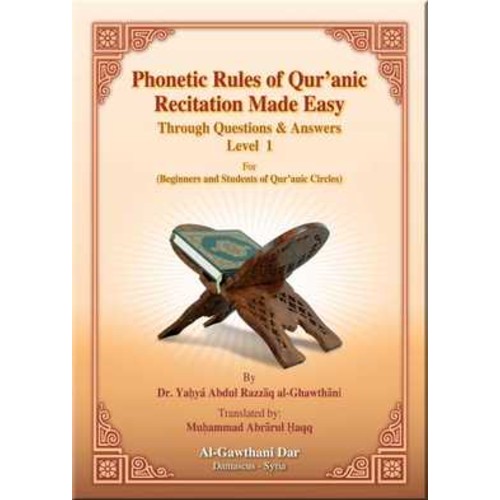
Tajweed Rules For Quranic Recitation [A Beginner Guide]
Highlights:
For every letter of the Qur’an that a Muslim recites, s/he is rewarded ten times over. This immense reward for such a seemingly simple task emphasizes the importance of learning how to recite the Qur’an. Tajweed Rules for Qur’anic Recitation: A Beginner’s Guide aims to give the reader the necessary tools to properly recite the Qur’an according to the manner in which the Prophet Muhammad (sa) recited it. To set the stage for learning the proper Qur’anic recitation, or tajweed, the history of the Qur’an is briefly discussed from its revelation to its compilation. In addition, the history of the Science of Tajweed is touched upon, in order to move the reader into the rules of Qur’anic recitation. With the beginning learner in mind, the rules are detailed in a simple yet clear manner. Each new rule is elucidated with examples from the Qur’an for learners to apply to their recitation.
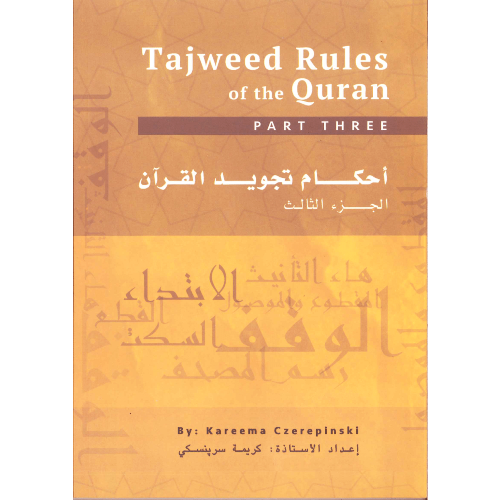
Tajweed Rules of the Quran (Part Three)
Highlights:
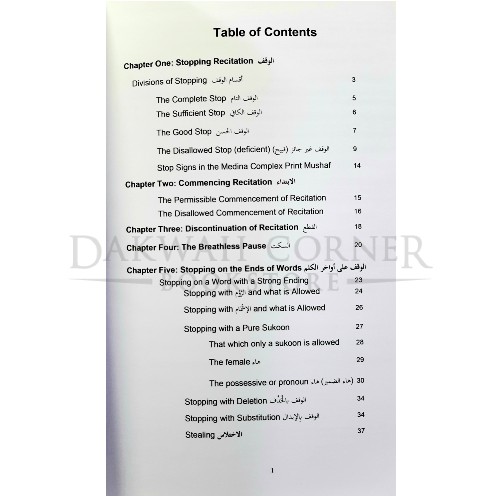
This is the third and final part of a three part series in English on the rules of tajweed the Qur’an for the recitation of Hafs from ‘Aasim by the way of Ash-Shaatibiyyah. These books are meant as a guide for non-Arabs with a good grasp of English for studying tajweed of the Glorious Qur’an. This final book explains the stop and start when reading the Glorious Qur’an, and gives details as to what kind of stop is allowed, what kind is preferred, and what kind of stop is forbidden. Stopping on the ends of words with strong endings (consonants) and rules for what is allowed on the last letter of the word is described, including ar-room (الروم) and al-ishmaam (الإشمام). Stopping on the ends of words with weak endings (words ending in the alif, ya’ or wow) and different rules and explanations for these type of words is clarified. One important aspect of Qur’an recitation is knowing and understanding which word combinations are written together and which separately in different parts of the Qur’an as well as in which places of the Qur’an are some words are written the female haa (هاء), and in which places they are written with the taa (تاء). This part lays out the different places in the Qur’an these occurrences take place, so the reader knows how he/she can stop on these words. The words that are read in a special way, or have two allowed ways for the reading of Hafs from ‘Aasim by the way of Ash-Shaatibiyyah are detailed in this book. The history of the writing of the Glorious Qur’an (رسم) and the general rules for the writing of the Qur’an are laid out in the last chapter of this part. This last part of the three parts on tajweed is for students who have studied and mastered the other two parts, or have studied everything covered in the first two parts. The explanations of the different subjects are in English, and the Arabic terms are translated. The goal is always to assist the students in understanding and to encourage them to learn the Arabic terms and definitions. The three parts of this series on tajweed rules of the Glorious Qur’an should facilitate non-Arabic speaking students of the Qur’an whether they are in a classroom with an Arabic medium for teaching or English. With this third part completed, insha’ Allah the non-Arab English speaking student of the Qur’an will find a complete curriculum and explanation of the tajweed rules for the recitation of Hafs ‘an ‘Aasim from the way of Ash-Shatibiyyah in any classroom or study situation that he/she may find themselves in. These three parts are only guidance; the real goal is reciting and applying all the different rules correction which can only be done by reciting to and being corrected by a qualified teacher of the Qur’an.
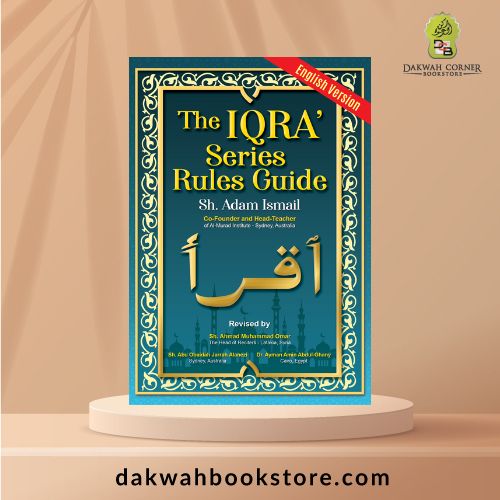
The Iqra’ Series Rules Guide
Highlights:
- This guide is a must for anyone studying or teaching from the IQRA’ Series! Aimed at children and adults to be used by schools, mosques and learning centres.
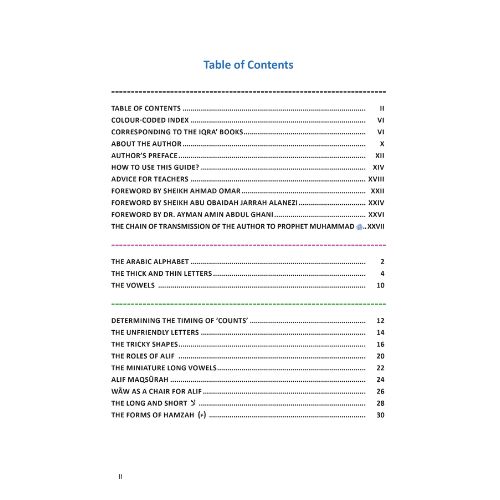
- This guide contains all the Tajwīd rules needed throughout the IQRA’ series. It introduces each rule based on the same structure and patterns of the IQRA’ Series.
- This guide has been designed to make it as easy as possible to achieve a beautiful and elegant recitation, whilst also having a firm grasp of all the required theory.
Tajweed Rules of the Quran (Part Two)
Highlights:
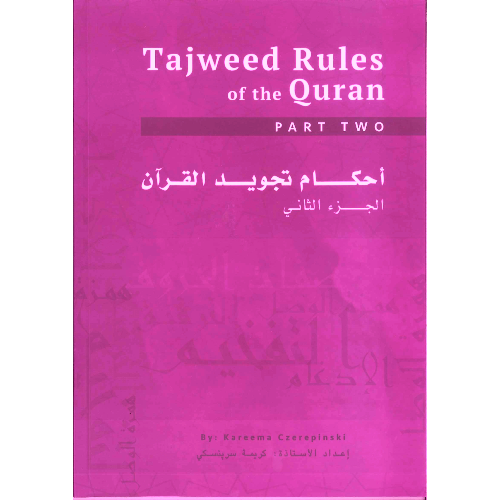
By Allah’s grace, this is the second part of a three part book on the rules of tajweed of the Qur’an, for the recitation of Hafs from ‘Aasim by the way of Ash-Shaatibiyyah. It is is intended to be a guide for nom-Arabs with a good grasp in English in studying tajweed.
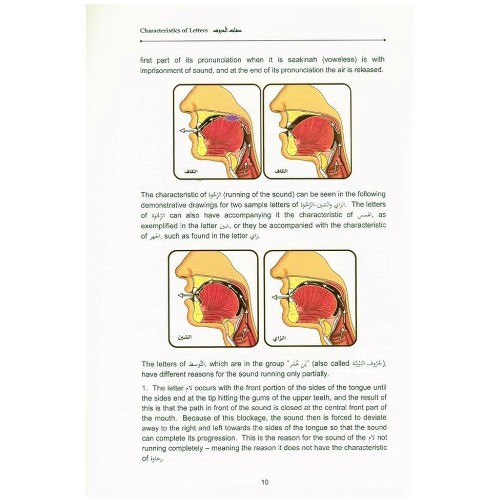
This book explains the concept of the accent (an-nabr) in the recitation of the Glourious Qur’an and the conditions of its use, it is also defines and explains the important chapter on the characteristics of the letter, velarization and attenuation (tafkheem and tarqeeq) are covered in this part, as well as the concept of the two alike, the two similar, the two close, and the two far and the rules for merging (idghaam) and clarity (ith-haar) in these different relationships. A brief introductory to grammar term is made in this book to assist the student in understanding the last chapter, that of the connecting hamzah (hamzah al-wasl).
The explanation of the different subject are in English, and the Arabic terms are translated. This is to assist the student in understanding and encourage them to learn the Arabic definitions and terms. This book should facilitate non-Arabs studying tajweed in a classroom with explanations taught in Arabic or in English.
This book cannot replace the importance of reciting to and being corrected by a trained teacher of tajweed, instead it is a guide and an aid in understanding the concepts of tajweed, the application can only be refined by recitation and correction.
$12.50 – $27.27Price range: $12.50 through $27.27
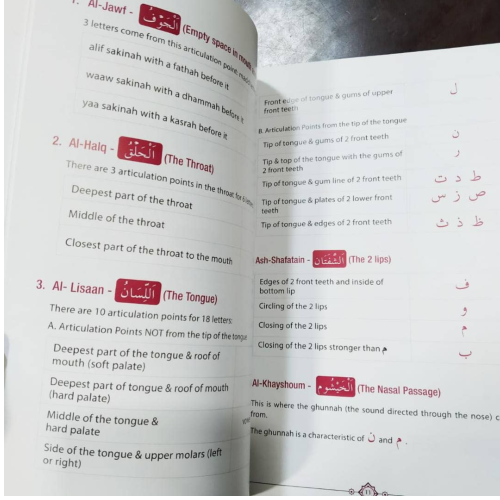
Tajweed For All (Revised Edition)
5 ★
5 ★
1 Rating
5 ★
1
4 ★
0
3 ★
0
2 ★
0
1 ★
0
Highlights:
Note: Revised Version – thicker than previous version (Art Paper)
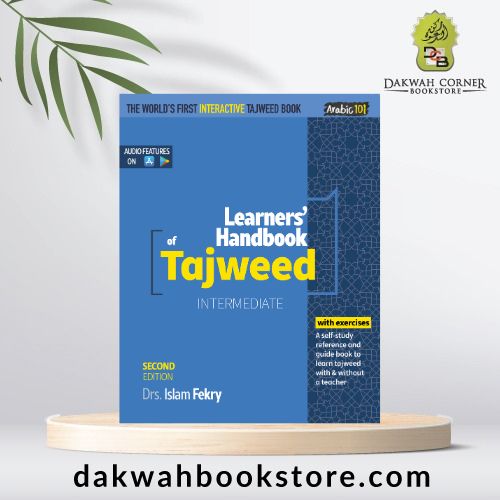
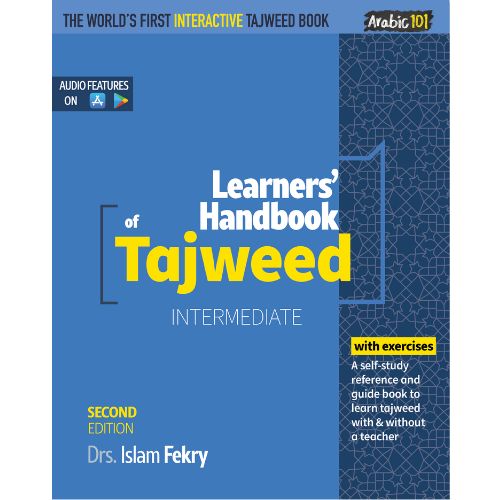
Learners Handbook Tajweed (Intermediate) – Second Edition (Arabic 101 Series)
Highlights:
Learners’ Handbook of Tajweed
Intermediate
Learners’ Handbook of Tajweed is designed as a self-study handbook, yet it is equally suitable for classroom settings. It stands as the world’s first Tajweed book that goes beyond presenting just rules; it is an interactive experience that will change the way you think about learning Tajweed. This book has been uniquely designed to offer an unparalleled learning experience that seamlessly blends enjoyment with information.
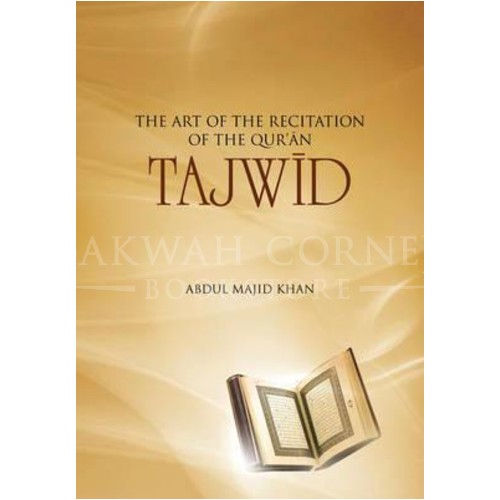
Tajwid : The Art of the Recitation of the Qur’an
Highlights:
This book on the art of the recitation of the Holy Qur’an is easy to follow with its simple yet detailed presentation of subjects. It is accessible for beginners who have had little exposure to Tajwid. It does not require any knowledge of Arabic grammar or understanding of the Arabic language. It provides both the young and adult English speaking Muslims with the best organization and presentation of the art of Tajwid. The Art of the Recitation of the Qur’an can be used for self-study or with the guidance of a teacher at Islamic schools and colleges as well as theology faculties. This book is primarily intended for the English speaking audience. The explanations in this work are augmented by figures, charts, tables, and examples for full and easy comprehension by English speaking Muslims. Readers will also find a Glossary of Arabic and Phonetic terms extremely helpful in learning the rules of Tajwid.
Recently Viewed


Principles of Islamic Jurisprudence (2nd Revised Edition)
Highlights:
This book offers a detailed presentation of the theory of Muslim law (usul al-figh). Often regarded as the most sophisticated of the traditional Islamic disciplines, Muslim jurisprudence is concerned with the way in which the rituals and laws of religion are derived from the Qur’an and the Sunna – the precedent of the Prophet. Revelation, which is given to man to restore unity and help him achieve a just and devout order in society as well as in the soul, must be interpreted so as to render it practicable in every culture, while not betraying its spirit and immutable provisions. To achieve this, additional sources of legal authority are recognized, including consensus (ijma), analogical deduction (qiyas), public interest (maslaha) and local customary precedent (urf). In employing these, the jurist guards the five principles which it is the purpose of Islamic law to uphold, namely, the right to life, sound mind, property, lineage and religion.
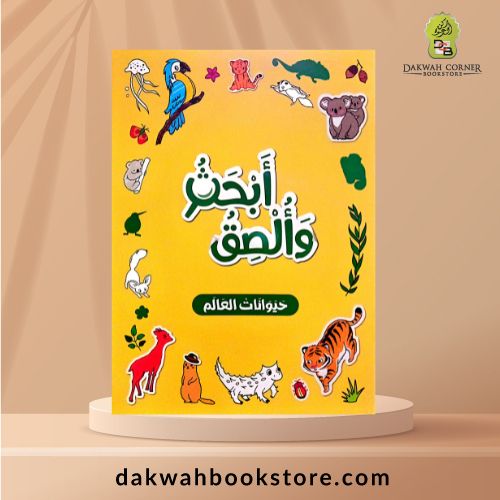
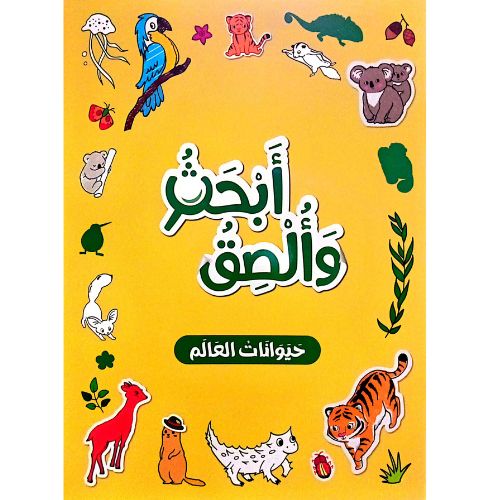
[CB] Abhath Waulsiq – Hayawaanaat Al-‘Aalam / (أبحث وألصق (حيوانات العالم
Highlights:
أَلْصِقِ النَّمِرَ فِي الأَدْغَالِ، وَامْنَحِ المَرَامِيطَ قُبَّعَاتٍ طَرِيفَةً.
ابْحَثُ عَنْ كُلِّ البُومَاتِ فِي الرَّسْمِ، وَامْنَحْ كُلَّ وَاحِدَةٍ مِنْهَا نَظَارَةً.
سَتَجِدُ فِي كِتَابِ الإِلْصَاقِ وَالتَّلْوِينِ المُسَلِّي هَذَا، حَيَوَانَاتٍ مِنْ جِهَاتِ هَذَا
الكَوْكَبِ الأَرْبَعِ : حَيَوَانَاتِ الصَّحْرَاءِ وَحَيَوَانَاتِ الأَدْغَالِ وَحَيَوَانَاتِ الغَابَةِ.
أَلْصِقْهَا جَمِيعًا فِي مَكَانِهَا ، ثُمَّ لَوْنِ الرُّسُومَاتِ الجَمِيلَةَ.
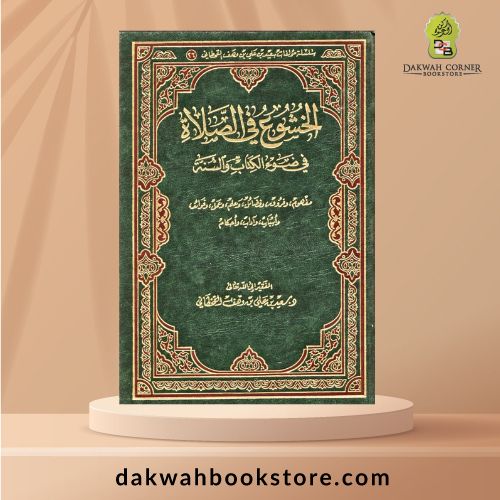
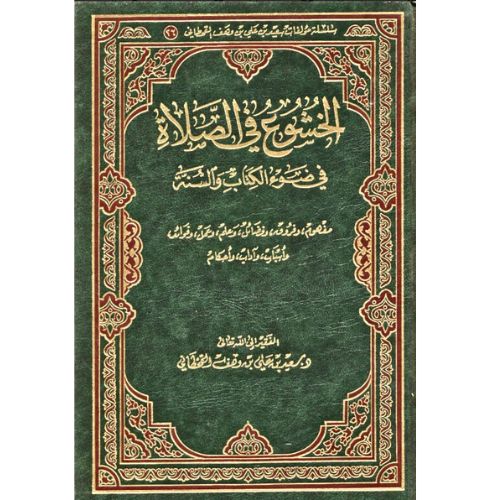
[ASJ] Al Khushoo’ fi al Salah / الخشوع في الصلاة
Highlights:
الخشوع هو روح الصلاة ولبّها، ويعني حضور القلب بين يدي الله تعالى، وسكون الجوارح، واستشعار عظمة الخالق. وقد ربط الله سبحانه وتعالى فلاح المؤمنين بالخشوع في قوله: ﴿قَدْ أَفْلَحَ الْمُؤْمِنُونَ * الَّذِينَ هُمْ فِي صَلَاتِهِمْ خَاشِعُونَ﴾

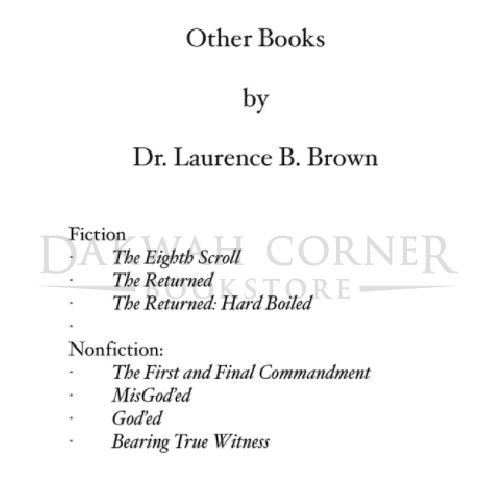
The Zion Deception
Highlights:
With a keen sense of closure and awareness of the interconnectedness behind history’s failings, author Dr. Laurence B. Brown exposes popularized fallacies, and reveals the threat Zionism poses not only to Jews, but to the world as a whole.
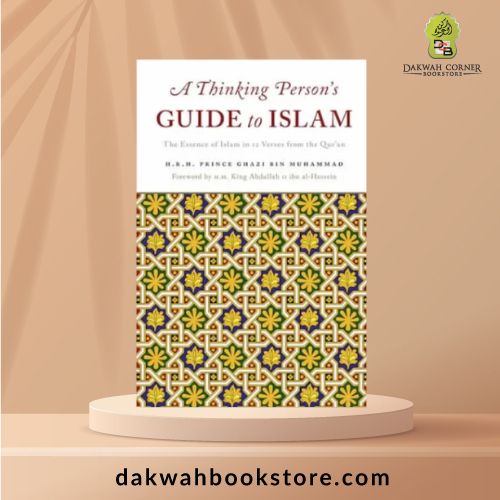
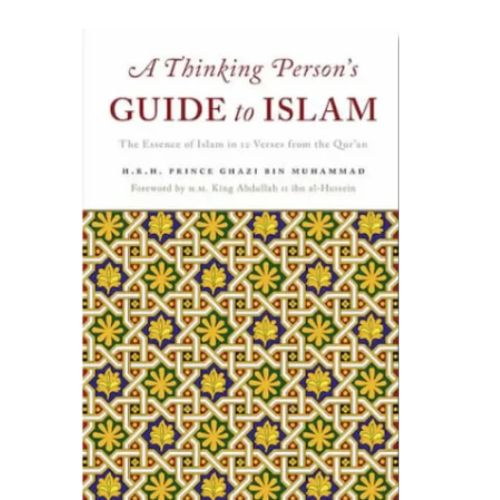
A Thinking Person’s Guide to Islam
Highlights:
The world is at a crossroads today. A tiny minority of Muslims seems to be bent on hijacking the religion of Islam and bringing it into perpetual conflict with the rest of the world. Because of their actions, very few non-Muslims understand the real difference between Islam as it has always been, and the distorted perversions of Islam today. This book is an attempt to positively say what Islam actually is—and always was—as well as what it is not.
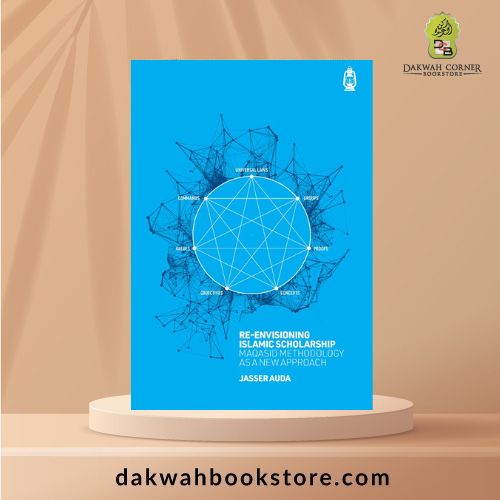
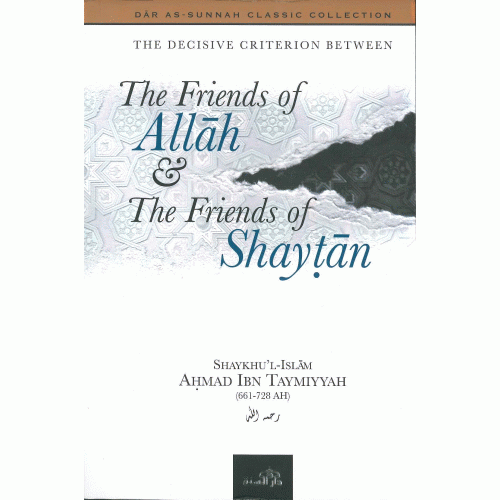
The Decisive Criterion Between The Friends of Allah & The Friends of Shaytan (P/B)
Highlights:
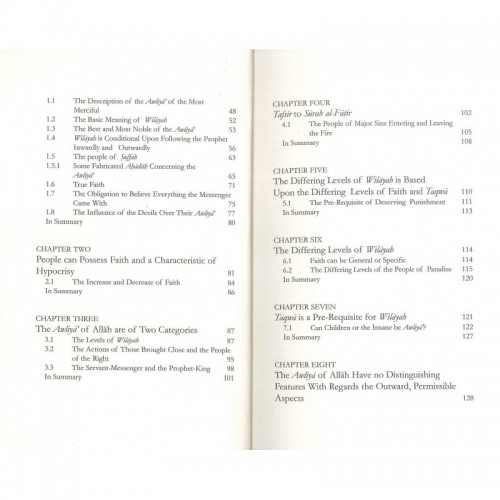
The Decisive Criterion between the Awliyaa of The Most Merciful and the Awliyaa of Shaytaan Indeed the enmity between man and Shaytaan is old, commencing from the time that Adam (alayhi as-salaam) was created � from the time he was ordered to prostrate to him. Shaytaan refused, become arrogant and hence disobeyed his Lord. His arrogance and pride let him to commit a whole host of sins, it made him expend every effort in misleading the children of Adam and made him beautify and embellish sins such that they accepted them and eagerly committed them. Books sent the Messenger and enjoined His servants to various injunctions and admonitions in order to secure them from the evil of Shaytaan.
In the light of His advice, profound injunctions and admonitions in order to secure them from the evil of Shaytaan. In the light of His advice, profound injunctions and sever warnings, mankind becomes separated into two groups: a group who were guided and a group who deserved to be misguided. The groups who were guided are the inhabitants of Paradise and the groups who were misguided are the denizens of the Fire. The inhabitants of Paradise are the Awliyaa of the Most Merciful and the denizens of the Fire are the Awliyaa of Shaytaan
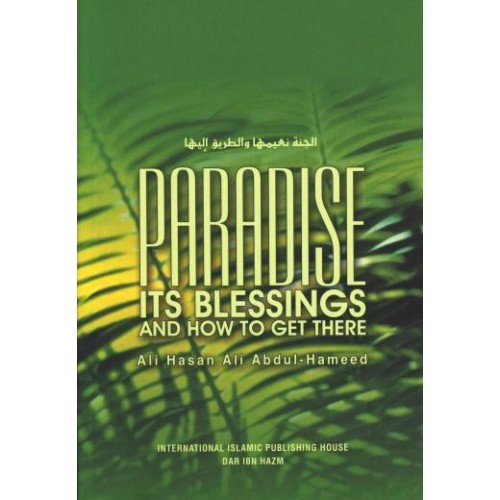
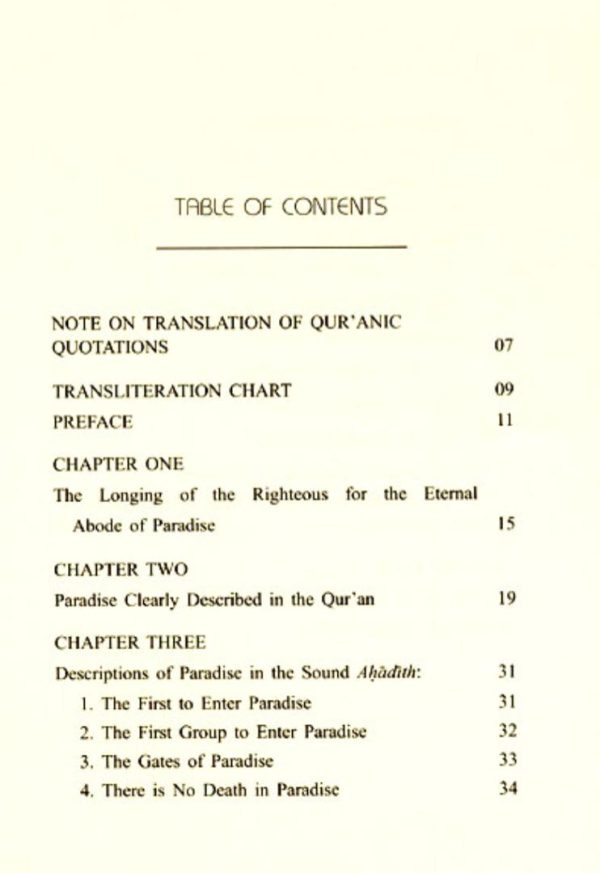
Paradise Its Blessings and How To Get There (P/B)
Highlights:
Paradise and its inhabitants as portrayed in the Qur’an and the Hadith, then discusses the various rewards and blessings that are promised to those who make it there. Finally, the author lists the many and myriad deeds that a Muslim can do that will help him or her to achieve the Garden of Eden.
$2.27 $2.50
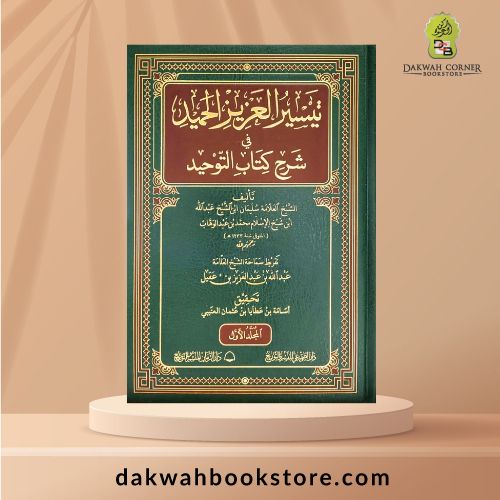
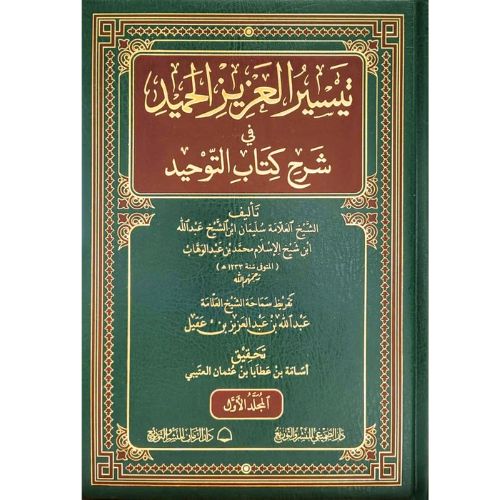
[AAC] Tayseer al-‘Azeez al-Hameed fi Sharh Kitab at-Tawheed 2 Volumes – تيسير العزيز الحميد في شرح كتاب التوحيد
Highlights:
شرح الشيخ سليمان بن عبد الله حفيد الإمام المجدد الوهاب على كتاب التوحبد الذي هو حق الله على العبيد
There are no reviews yet.