


| Weight | 0.145 kg |
|---|---|
| Product Type | Book |
| Author | |
| Publisher | Darussalam |
| Pages | 48 |
| ISBN | 9786035003148 |
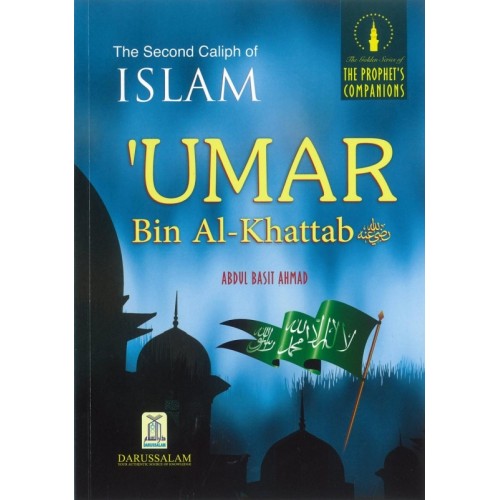
The Second Caliph of Islam: ‘Umar bin Al-Khattab (P/B)
$5.91
Hurry up, Only 1 left.

Highlights:
somdn_product_page
Compare
Uthman bin Affan (R) was one of the early men who accepted Islam in Makkah. From the first moment he became a Muslim, he put all his wealth under the service of Islam. He spent most of his resources to satisfy the needs of poor Muslims. Recognizing his generosity and devotion to Islam, the Prophet (S) told him that his place would be in Paradise on the Hereafter. He married Ruqayah (R),the Prophet’s daughter. After she died, he married her sister Um Kulthum ;for that, the people at that time called him Dhun Nurain, “The Man with the Two Lights.”
Additional information
Reviews (0)
Be the first to review “The Second Caliph of Islam: ‘Umar bin Al-Khattab (P/B)” Cancel reply
You must be logged in to post a review.
Related Products
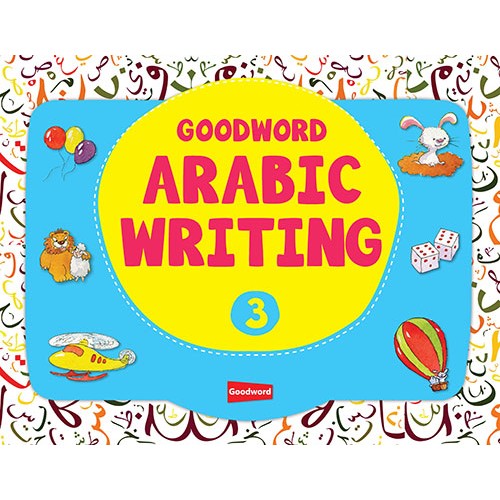
Arabic Writing Book 3
Highlights:
This series is perfect for your children to practice their Arabic writing skills. These books will bring out the latent calligraphers in them.
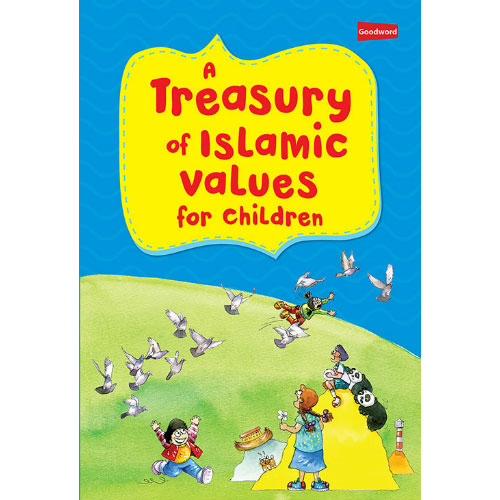
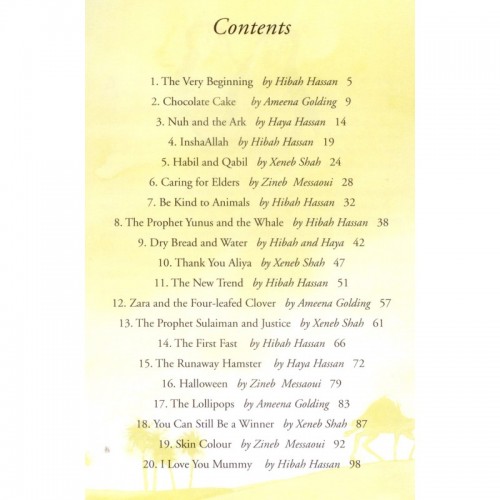
A Treasury of Islamic Values for Children (P/B)
Highlights:
A Treasury of Islamic Values for Children, a highly creative work, consisting of twenty short stories, has been written exclusively for children by children. These young authors have expressed their experiences and feelings in the light of Islam in a very interesting and educative way.Written in simple language with attractive illustrations, this book will captivate young readers, who will find that the stories relate directly to their own lives. Each tale gives them a correct Islamic perspective and proper guidance in their day-to-day activities. All the moral lessons conveyed by the tales are supported by references to the Quran and authentic sayings of the Prophet. This work is an invaluable addition to the home library in that it will help children develop a strong sense of what is right and what is wrong. It is truly in accordance with the teachings of Islam, a vital feature in these challenging times if one is to lead a successful life.
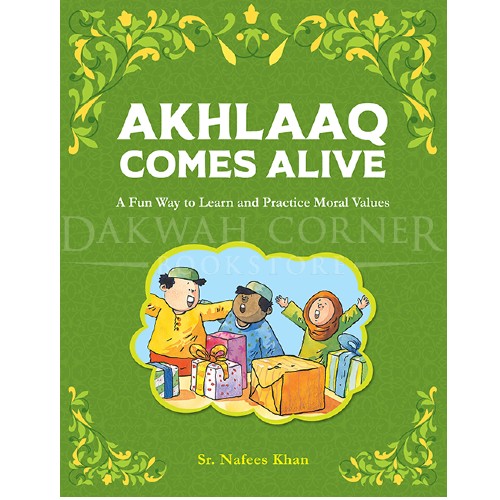
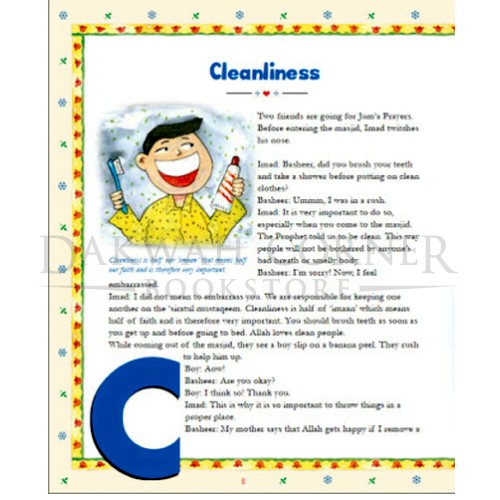
Akhlaaq Comes Alive (P/B)
Highlights:
Often elders find it difficult to find a fun way to teach children akhlaaq, that is, moral values and good manners in Islam. All About Akhlaaq, being a fun book, will aid them in this. Designed for use at home and school, it covers a wide range of moral issues and the occasions in daily life when good manners are essential. Colourful and story-filled, with an easy-to-use format and short skits, it will give a better understanding of each akhlaaq by encouraging children, parents and teachers to engage in role playing. Each theme, listed alphabetically, is expressed in simple language and has attractive illustrations on every page. What better way to learn akhlaaq than by acting it out! So, be active and practice akhlaaq!
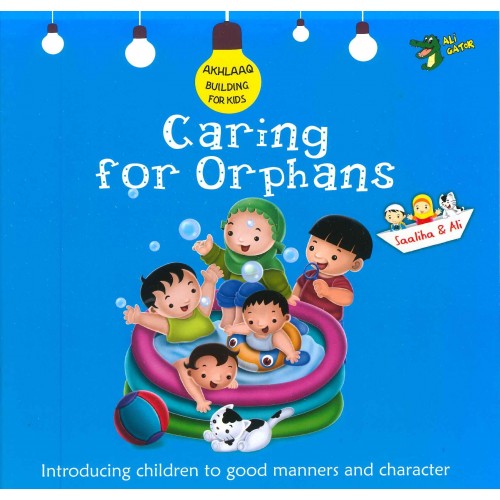

Caring For Orphans (Akhlaaq Building Series)
Highlights:
“Caring for Orphans” introduces to children the importance of caring for those less fortunate than themselves.
When Saaliha and her younger brother Ali go and visit the orphans, they are so happy to meet such nice children. Now Saaliha and Ali now have new friends.
Caring for Orphans is part of the very popular “Akhlaaq Building Series”, which aims to teach children to follow the example of our Prophet Muhammad (peace be upon him) and to be nice to all people.
It is essential for children to develop good character, morals and values from a young age. Reading good books, with good messages and good role models is part of this character development.
There are 8 books in this highly successful series
Full Color
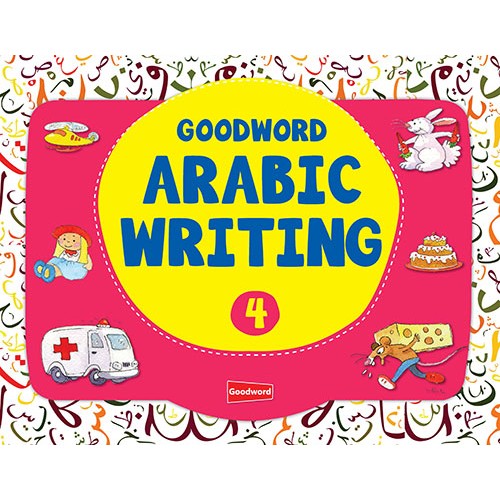
Arabic Writing Book 4
Highlights:
This series is perfect for your children to practice their Arabic writing skills. These books will bring out the latent calligraphers in them.
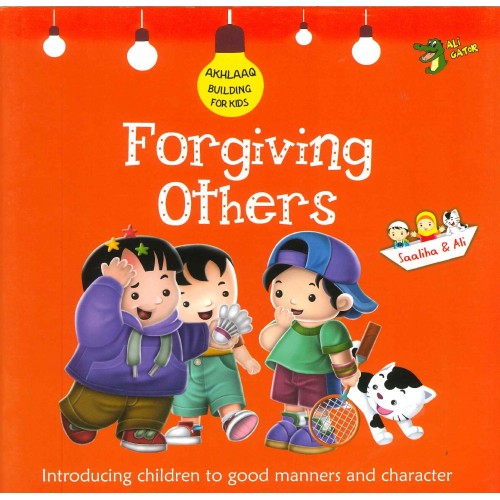
Forgiving Others (Akhlaaq Building Series)
Highlights:
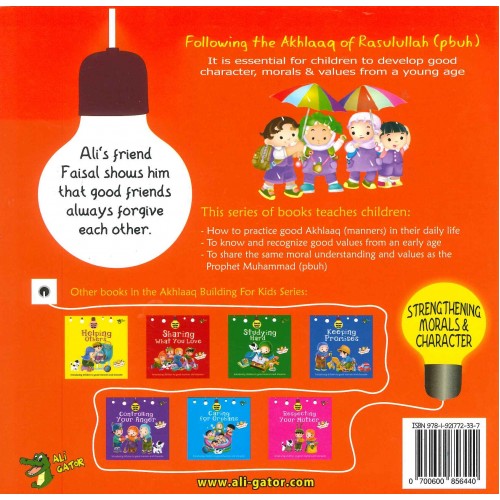
“Forgiving Others” is one the latest releases in the immensely popular “Akhlaaq Building Series”, featuring Saaliha and her younger brother Ali.
In “Forgiving Others” Ali’s friend Faisal shows him that good friends always forgive each other, which really isn’t that hard. There are good lessons in there for children (and adults too).
Colourful, funny and educational, the perfect combination for young readers.
Customers who bought the original 4 titles will grab this off the shelf.
There are 8 books in this highly successful series.
Full Color
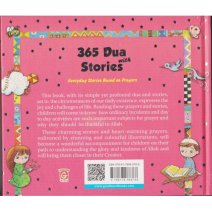
365 Dua with Stories (H/B)
Highlights:
This book, with its simple yet profound dua and stories, set in the circumstances of our daily existence, expresses the joy and challenges of life. Reading these prayers and stories, children will come to know how ordinary incidents and day to day activities are such important subjects for prayer and why they should be thankful to Allah.
These charming stories and heart-warming prayers, enlivened by stunning and colourful illustrations, will become a wonderful accompaniment for children on their path to understanding the glory and kindness of Allah and will bring them closer to their Creator.
By Ali Kara Cam and Hasibe Sahin
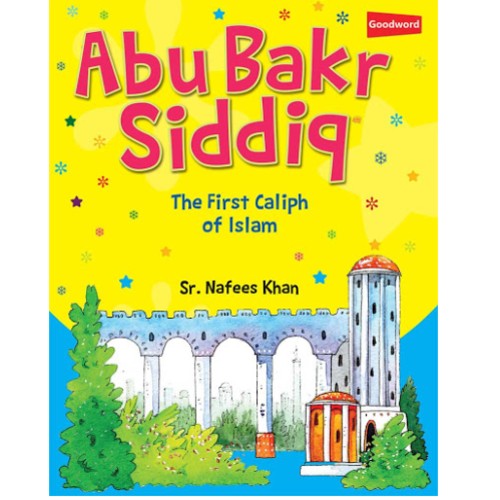
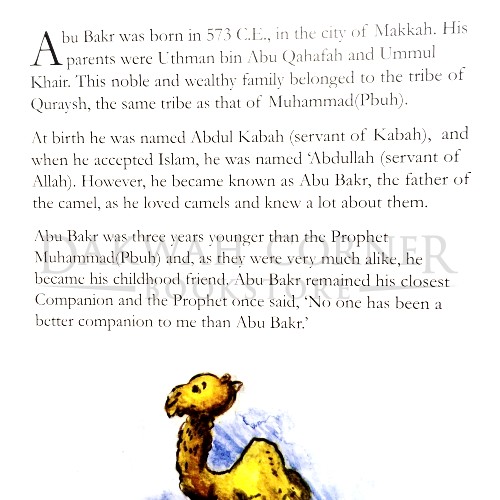
Abu Bakr Siddiq: The First Caliph of Islam
Highlights:
This book is about the life and teachings of Abu Bakr Siddiq (may Allah be pleased with Him)-The First Caliph of Islam.
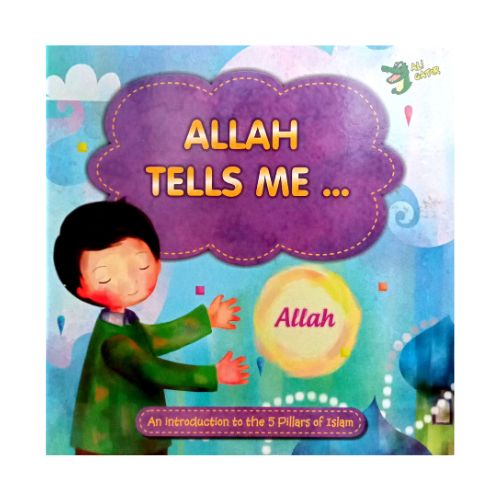
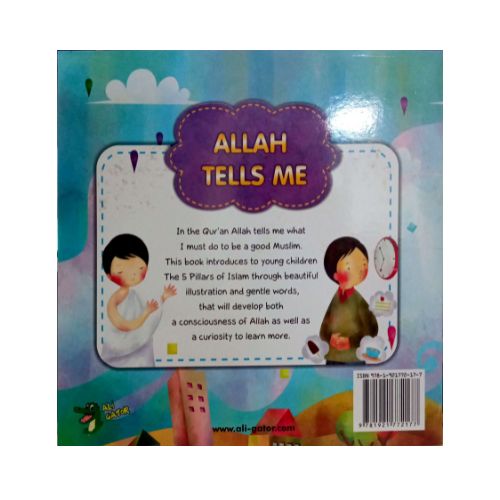
Allah Tell Me – Ali Gator
Highlights:
In the Quran Allah Tells Me what I must do to be a good Muslim.
In Sha Allah (God Willing) this book inspires young hearts to learn & love Allah.
Full Color
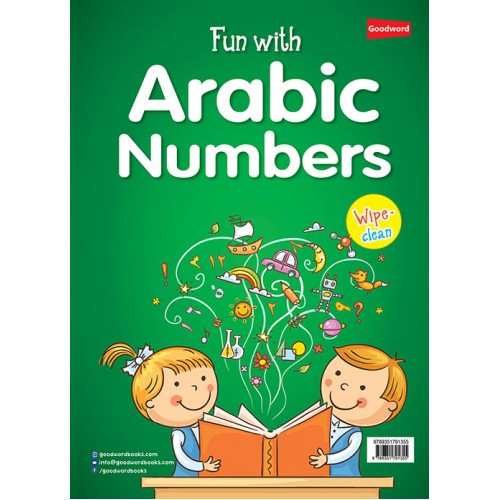
Fun with Arabic Numbers
Highlights:
Fun with Arabic Numbers is an ideal first book for your child to learn and practice writing Arabic Numbers. The 10 jumbo-size, wipe and clean pages packed with beautiful, clear and easily recognised pictures encourage your child early Arabic number learning in a fun way.
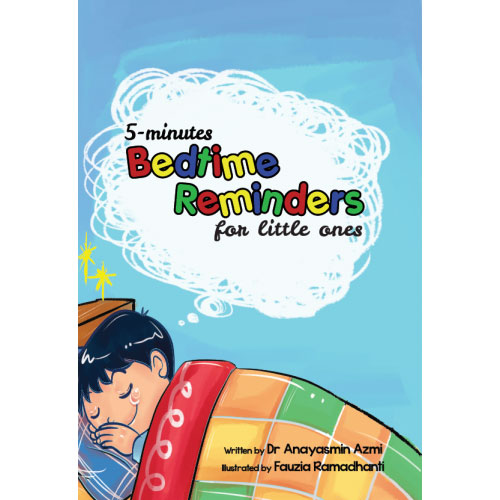
5 – Minutes Bedtime Reminders for Little Ones
Highlights:
Bedtime reminders for children. 1 night 1 reminder for parent to read to their children.
Main objectives are to initiate children to think of their responsibilities as Muslim and practise better behaviour.

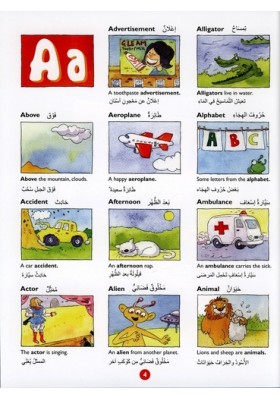
Arabic Picture Dictionary for Kids (P/B)
Highlights:
Goodword Arabic Picture Dictionary for Kids, is the perfect first reference book created to help your child learn Arabic in an easy and fun-filled way. This book includes over 500 commonly used words and their helpful definitions of them in English and Arabic. These are accompanied by colourful and amusing illustrations of familiar subjects to better understanding. Goodword Arabic Picture Dictionary of Kids, is a must-have vocabulary building and Arabic learning resource book for your child.
Recently Viewed

The Middle Path of Moderration in Islam (H/B)
Highlights:
In The Middle Path of Moderation in Islam, leading Islamic law expert Mohammad Hashim Kamali examines the concept of wasatiyyah, or moderation, arguing that scholars, religious communities, and policy circles alike must have access to this governing principle that drives the silent majority of Muslims, rather than focusing on the extremist fringe. Kamari explores wasatiyyah in both historical/conceptual terms and in contemporary/practical terms. Tracing the definition and scope of the concept from the foundational sources of Islam, the Qu’ran and Hadith, he demonstrates that wasatiyyah has a long and well-developed history in Islamic law and applies the concept to contemporary issues of global policy, such as justice, women’s rights, environmental and financial balance, and globalization.
Framing his work as an open dialogue against a now-decades long formulation of the arguably destructive Huntingtonian “clash of civilizations” thesis as well as the public rhetoric of fear of Muslim extremism since the attacks of September 11, 2001, Kamali connects historical conceptions of wasatiyyah to the themes of state and international law, governance, and cultural maladies in the Muslim world and beyond. Both a descriptive and prescriptive meditation on a key but often neglected principle of Islam, The Middle Path of Moderation in Islam provides insight into an idea that is in the strategic interest of the West both to show and practice for themselves and to recognize in Muslim countries.

Quranic Arabic With Basic Grammar
Highlights:
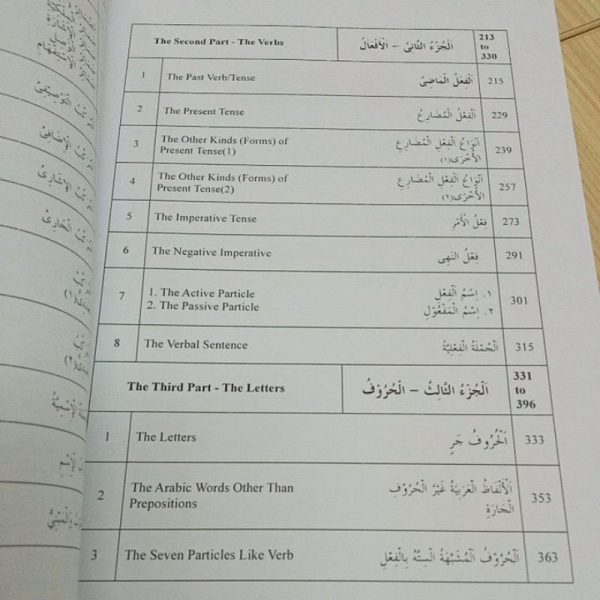
This book, which is a compilation of the author’s lectures in seminars during his post-doctoral research at the Centre for Islamic Development Management Studies, Universiti Sains Malaysia, dwells on Arabic language with a focus on Quranic grammar. It comprises of three parts, each part contains various units. The first part contains 15 unit which look into the nouns, pronouns, different types of compounds, the nominal sentence and punctuation. The second part consists of seven units which discuss the various types of tenses, sentences, the imperatives and the particles. The last part featuring five units covers prepositions and different types of words in Arabic.
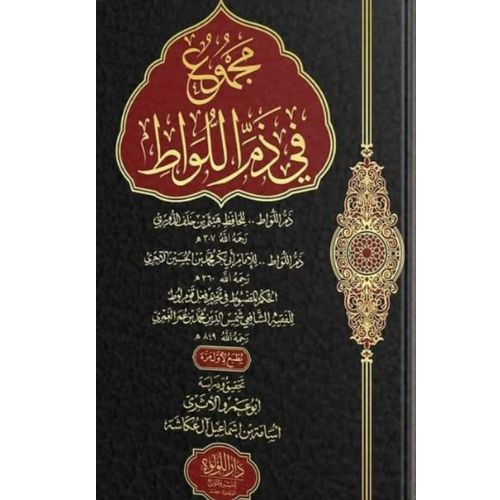
[AMM] Majmu’ fi Dham al-Liwat / مجموع في ذم اللواط
Highlights:
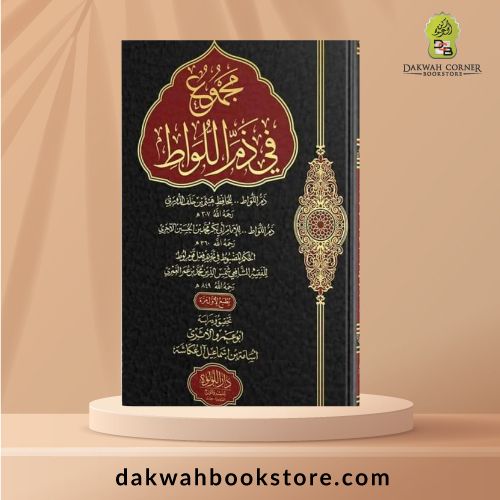
زين الشيطان لقوم نبي الله لوط عليه السلام فعل اللواط وحلاها لهم ورغبهم ووسوس لهم حتي وقعوا فيها وجعلوها في ناديهم. فقام لوط عليه السلام بالنصح والدعوة وتبين الحق حتّى أتى أمر الله فجعل عاليها سافلها وموعظة للناس أجمعين. فتم جمع ما ورد من آيات وأحاديث وأقوال الصحابة والتابعين في المسألة في مصنف مستقل.
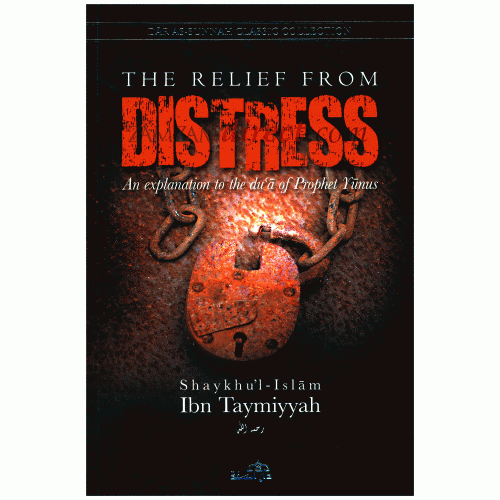
The Relief From Distress : An Explanation to the dua of Prophet Yunus (P/B)
Highlights:
Shaykh al-Islam Ibn Taymiyyah, may Allah sanctify his soul, was asked about the saying of the Prophet (pbuh),
The invocation of my brother Yunus, “none has the right to be worshipped save You; glory be to You, far removed are You from any imperfection; I have been amongst the wrong-doers,” none who is experiencing difficulty employs it except that Allah would relieve him of his difficulty.
What is the meaning of this du’a (prayer, supplication)?
Are their any unstated conditions that have to be met when one articulates it?
What is the connection between belief in the heart and the meaning of this supplication such that it leads to the removal of difficulty?
Why did he explicitly confess, ‘I have been amongst the wrong-doers’ when it is known that tawhid in itself leads to the removal of difficulty?
Is it sufficient to acknowledge ones’ sin alone, or must this be accompanied by repentance and the firm resolve not to repeat that sin in the future?
Why is it that difficulty and harm is removed only when a person relinquishes any hope, reliance and dependency upon the creation?
How can the heart relinquish the characteristic of putting hope in the creation and depending on them, and instead put its hope in Allah, Exalted is He, and turn to Him in its entirety?
What are the methods that would aid the heart in doing this?
The author replies to these questions in the form of this book.

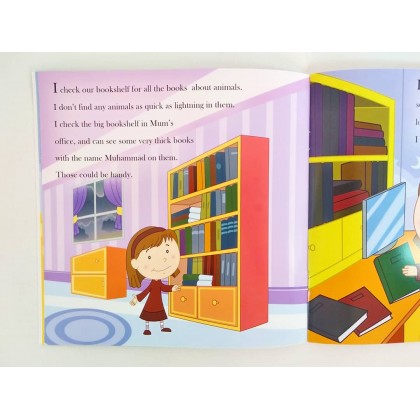
Faatimah & Ahmed An Extraordinary Journey
5 ★
5 ★
1 Rating
5 ★
1
4 ★
0
3 ★
0
2 ★
0
1 ★
0
Highlights:
Faatimah and Ahmed are watching the lightning during a storm. There is an animal that is named after the Arabic word for lightning – Al Buraq. Faatimah wants to know more about it! Join Faatimah and Ahmed as they discover more about Buraaq, and the extraordinary journey Prophet Muhammad SAW went on.
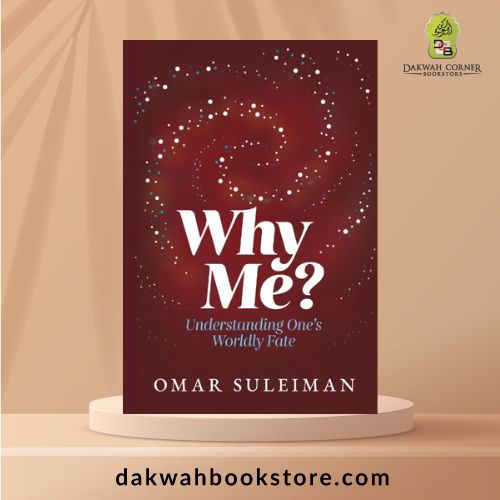
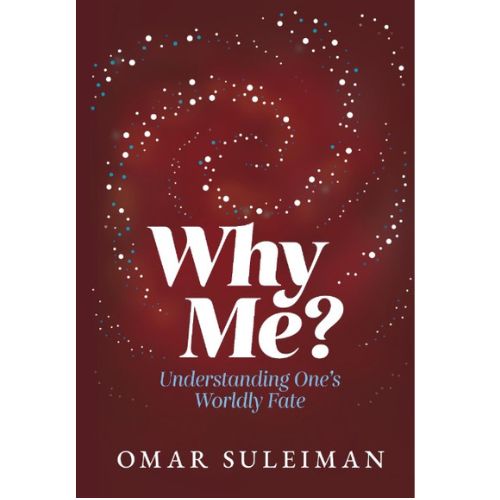
Why Me? Understanding One’s Worldly Fate (H/B)
Highlights:
You will never understand why you’re here if you don’t know the One who brought you here! You will never understand why you were blessed with something, if you don’t know what it means to be a blessing yourself.
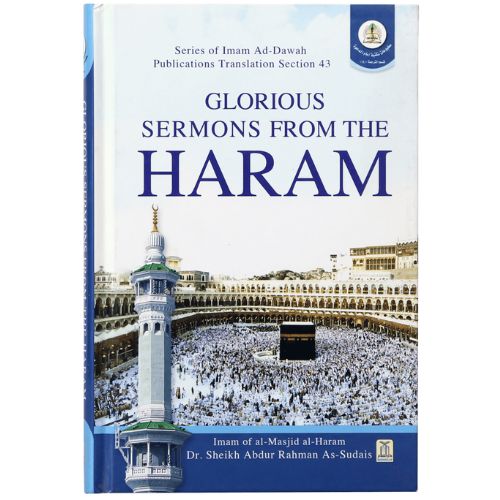
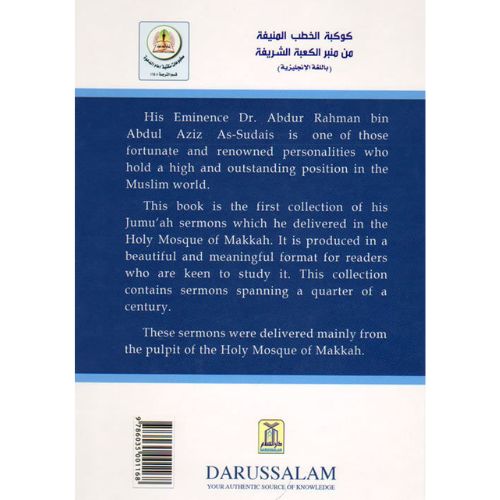
Glorious Sermons from The Haram (Darussalam)
Highlights:
This book is the first collection of his Jumu’ah sermons which he delivered in Haram Makkah after doing intensive preparation for each Khutba, thus making each Khutba unique and outstanding. It is produced in a beautiful and meaningful format for readers who are keen to study it. This collection contains sermons spanning a quarter of a century. These sermons were delivered mainly from the pulpit of the Holy Mosque of Makkah.
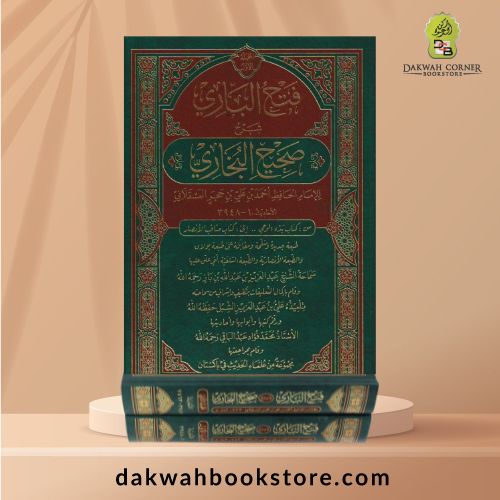
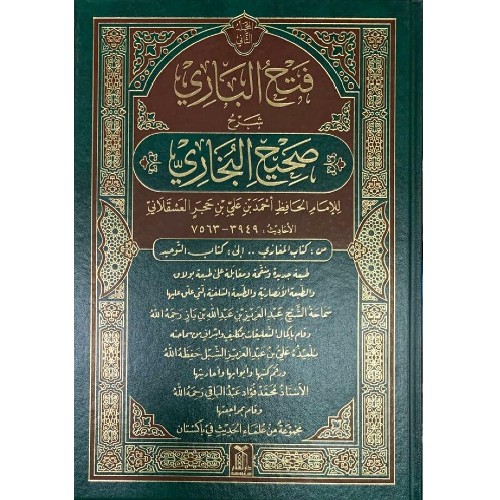
[AH] Fathul-Bari Sharah Sahi Al- Bukhari (2 vols) – فتح الباری شرح صحیح البخاری
Highlights:
Fathul-Bari Sharah Sahi Al- Bukhari vol 1&2
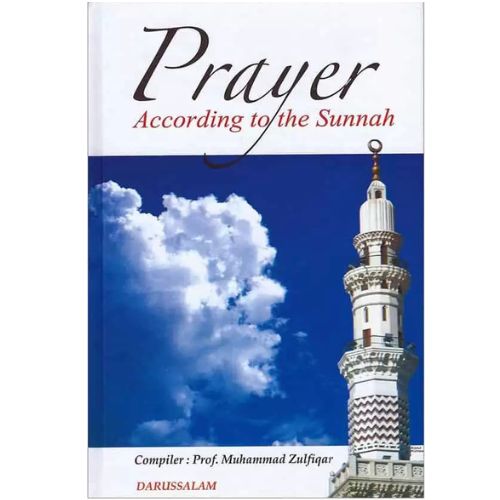
Prayer According to The Sunnah
Highlights:
A complete, comprehensive book covering almost every aspect related to prayer (Salah) according to the Quran and authentic Sunnah of the Prophet Muhammad (S). It is a must for every Muslim to learn and educate themselves about this basic and most important pillar of Islam that everyone is required to do 5 times every day.
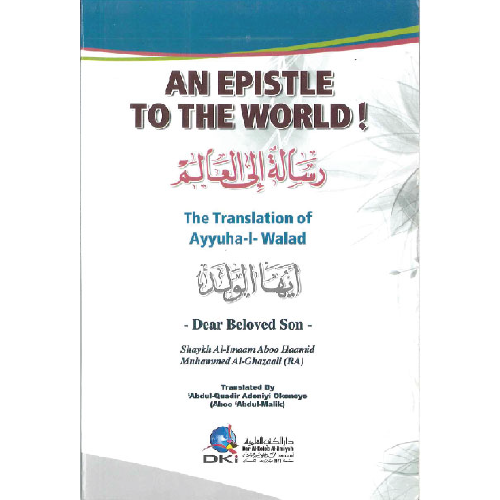
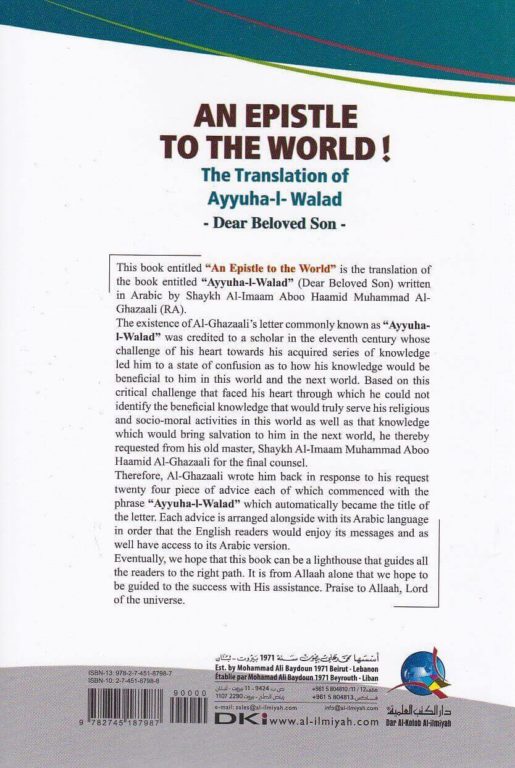
An Epistle To The World!
Highlights:
This book offers twenty-four pieces of valuable advice to seekers of knowledge. It touches on all aspects of life, from material wealth and the love of this life to Islamic etiquette and acquiring knowledge.
There are no reviews yet.