| Weight | 0.095 kg |
|---|---|
| Product Type | Book |
| Author | |
| Publisher | DCP |
| Pages | 59 |
| ISBN | 9789675699436 |
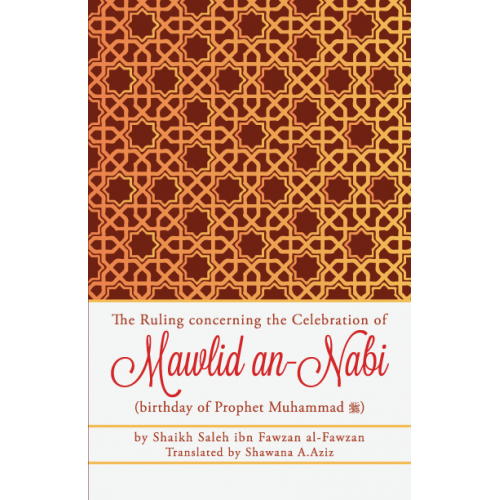
The Ruling Concerning the Celebration of Mawlid an-Nabi (2nd edition)
RM5.00 RM7.00
In this book, is an explicit CLARIFICATION of the MAJOR DOUBTS raised by the proponents of Mawlid an-Nabi, including:
- Mawlid an-Nabi is honoring the Prophet.
- Mawlid an-Nabi is celebrated by a large number of the people in many towns and cities.
- Commemorating Mawlid an-Nabi renews the memories of the Prophet.
- Celebration of Mawlid an-Nabi is cut of love for the Prophet and an expression of ones love, which is permissible.
- Mawlid an-Nabi is a Bidah Husna (good innovation) because it is a means of showing gratitude towards Allah for sending the Prophet.
- The sayings of Umar, ‘What a good Bidah is this?’
Additional quotes by Shaikh Muhammad ibn Ibraheem Aal-Shaikh have been added to further clarify these issues. The booklet also as 2 valuable appendixes:
Appendix 1: Explanation of the Hadeeth,”He, who established/initiates a Sunnah Husna in Islam.” in the word o Shaikh Saleh al-Fawzan and Shaikh Muhammad ibn al-Uthaimeen (rahimahullah)
Appendix 2: A Dialogue between Shaikh al-Albani (rahimahullah) and a proponent of Mawlid.
Be the first to review “The Ruling Concerning the Celebration of Mawlid an-Nabi (2nd edition)” Cancel reply
You must be logged in to post a review.
Related Products
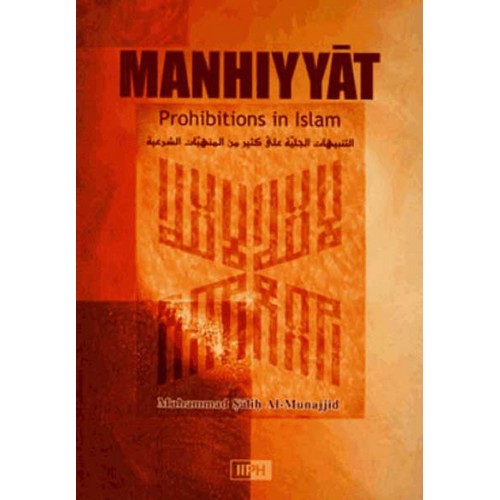
Manhiyyat Prohibitions in Islam (P/B) (IIPH)
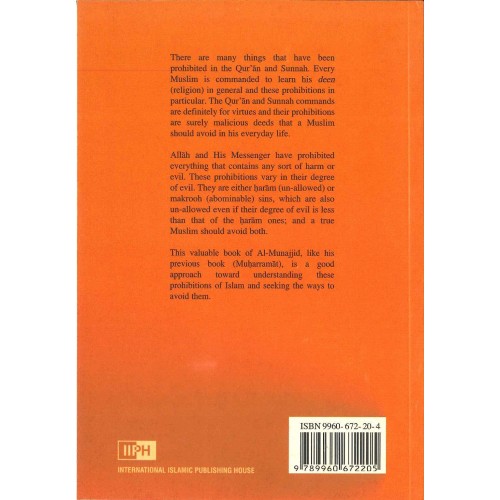
Whatever has been prohibited in the Qur’an and the Sunnah is for a good reason. Every Muslim is commanded to learn his or her religion, and being aware of these prohibitions is part of that essential knowledge. The Qur’an and the Sunnah enjoin virtuous behaviour, and any actions they prohibit are destructive deeds that a Muslim should avoid. In Prohibitions in Islam, Shaykh Muhammad Sâlih al-Munajjid explains that Allah Almighty and His Messenger (blessings and peace be upon him) have prohibited everything that contains any sort of harm or evil. These prohibitions vary in their degree of evil: they are either forbidden or detestable, and a practicing Muslim should avoid both kinds.
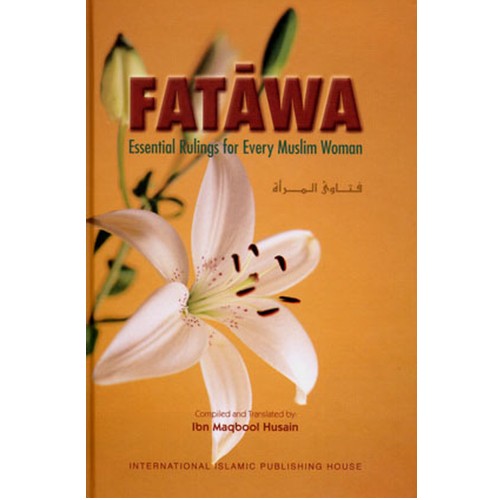
Fatawa Essential Rulings For Every Muslim Woman (P/B)
This book is an obligation to every Muslim, both male and female, to attain the knowledge of Islam that is necessary for them in their daily lives. There are many books available on various aspects of Islam in English language, but most of them deal with aspects of general nature.
There are many rulings in Islam that are concerned with Muslim women only. It is the job of every Muslim woman to obtain adequate knowledge of what is addressed to her with respect to her religion.
All these specific issues relating to Muslim women, have been compiled in the book which is in-between your hands, in the form of questions and answers. Each of the questions presented in it, was addressed to world renowned scholars, both of our time and those who have passed away. In turn, the scholars answered them in simple language and concise manner, so that Muslims women may increase their knowledge of Islam and, eventually, become close to their Creator.
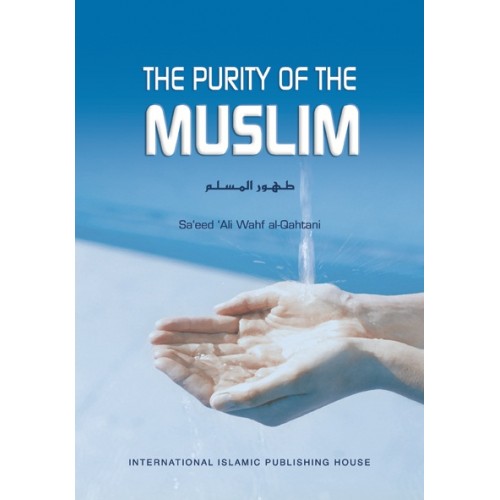
The Purity of Muslim (P/B)
According to a well-known hadith, cleanliness and purity are half of the faith. It is obligatory for a Muslim to be clean and in a state of purity in order to offer formal prayer and recite the Quran by way of ablution, a ritual shower, or dry ablution. Purity and cleanliness encompass both physical and spiritual aspects. Physical impurities can be removed by clean, pure water or dry, clean earth or stone, and this is a beginning step for spiritual cleanliness. In the Purity of the Muslim, Saeed al-Qahtani explains in a clear and comprehensive manner the types of various impurities and the ways to attain purity and cleanliness according to the teachings of the Quran and of the final prophet, Muhammad (blessings and peace of Allah be upon him).
Atlas on the Prophet’s Biography Places, Nations, Landmarks
Seerah and Biographies
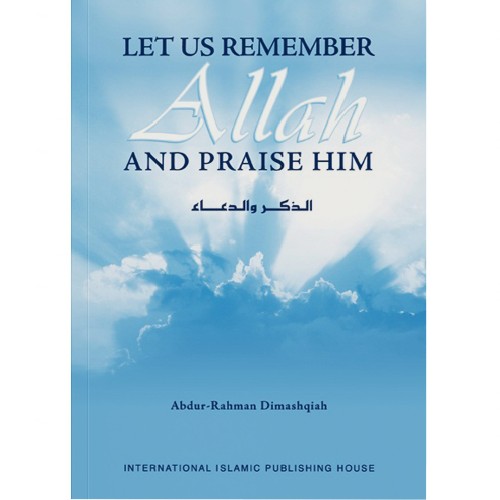
Let Us Remember Allah And Praise Him
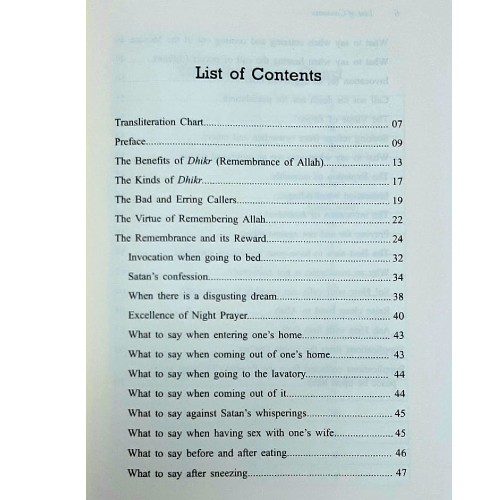
Remembrance, praise and supplication – dhikr and du‘â’ – are the core of worship of the Divine. The Noble Qur’an and the last Prophet (blessings and peace of Allah be upon him) have stressed this point and taught us how to attain Allah’s pleasure through calling on Him and remembering Him in words of praise and thankfulness. This small book is a valuable collection of daily supplications from the Qur’an and the authentic hadiths. It contains the Arabic text, full transliteration and clear translation of the meaning of dozens of phrases of remembrance (dhikr) and supplication (du‘â’). This new and revised edition of Let Us Remember Allah and Praise Him is designed to be easy to use: its full-sized page format ensures that the print is large enough to read effortlessly, and yet its ultra-slim volume makes it no trouble to slip into a handbag
or backpack. It is truly a practical handbook for every Muslim desiring to seek peace in this earthly life and salvation in the hereafter.
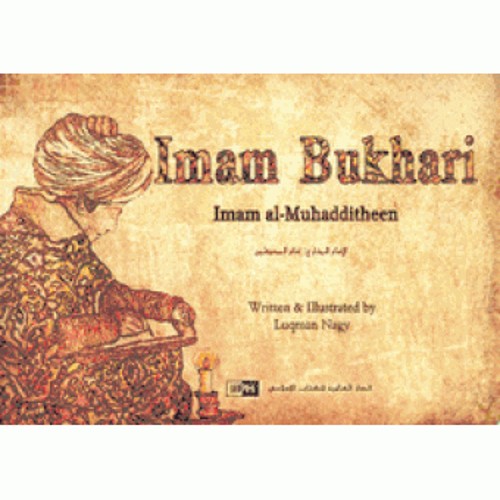
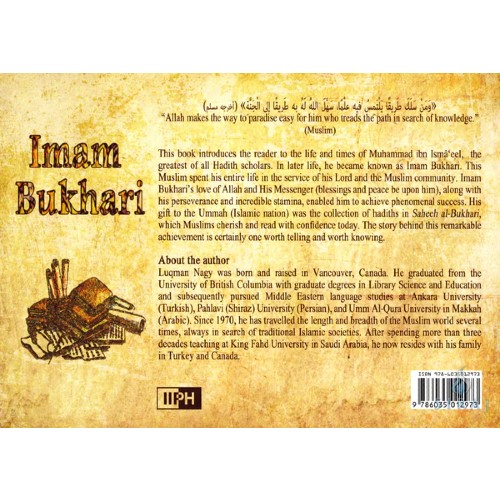
Imam Bukhari – Imam Al-Muhadditheen (IIPH)
This book, authored by Luqman Nagy, introduces the reader to the life and times of Muhammad ibn Ismâ‘eel, the greatest of all Hadith scholars. In later life, he became known as Imam Bukhari. This Muslim spent his entire life in the service of his Lord and the Muslim community. His gift to the Ummah (nation) was the collection of hadiths in Saheeh al-Bukhâri, which Muslims cherish and read with confidence today. The story behind this remarkable achievement is certainly one worth telling and worth knowing.
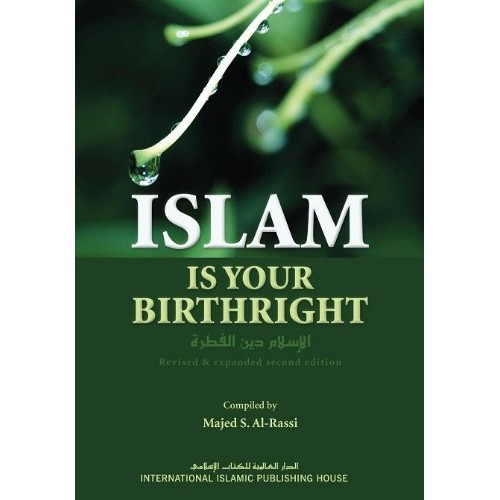
Islam is Your Birthright (IIPH)
Majed Al-Rassi’s popular booklet, compiled from the works of respected writers on the subject of comparative religion, has been revised and greatly expanded in this new edition. Islam is Your Birthright is a useful and comprehensive guide for Muslims who would like to know how to address non-Muslims on the subject of the relationship between Islam, Christianity and other religions. It is as well a helpful, easy-to-follow explanation of the basic precepts of Islam that interested non-Muslims can pick up and read, without having had any prior study of Islam. Wise men and women know that they are in existence for a purpose and a final destination, whether they know that destination or not. Also, wise people know that if they do not know where they are going, then they will never arrive. In this little book, light is focused on: Why human beings were created What is their final destination How to reach ‘safely’ to that destination
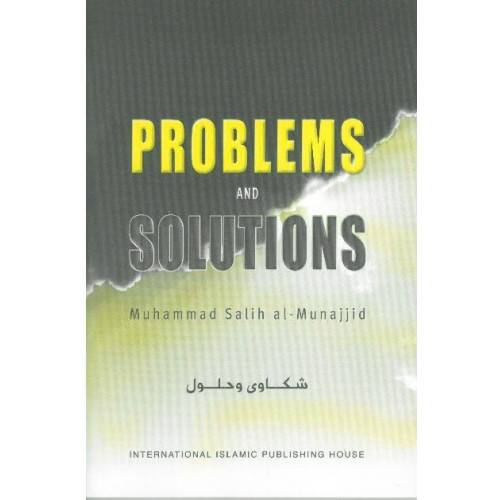
Problems and Solutions (IIPH)
What should I do if I miss the fajr prayer? What are the consequences of excessive laughter? How should I deal with insinuating thoughts from Satan? How can I control my bad temper? What is so bad about staying up late night after night? Drawing on the great guidance of the Qur’an and the Sunnah, Shaykh Muhammad Sâlih al-Munajjid answers these questions and more, giving informative explanations and practical solutions to help you improve in your worship and in your performance of everyday activities.
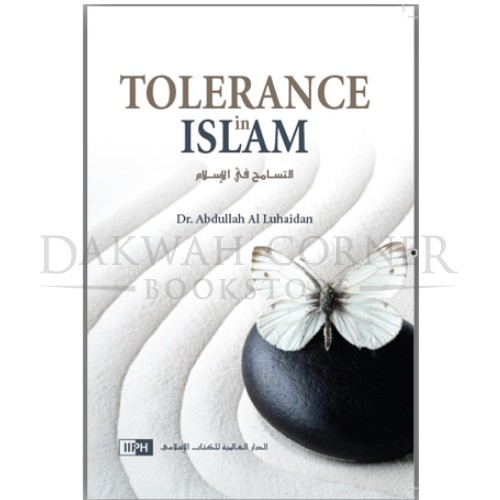
Tolerance In Islam
This short book examines the concept of tolerance in Islam. The Arabic word that is translated in English as ‘tolerance’ encompasses a much richer meaning than the idea of putting up with something grudgingly. It conveys a reciprocal sense of generosity, forgiveness, ease and smoothness.
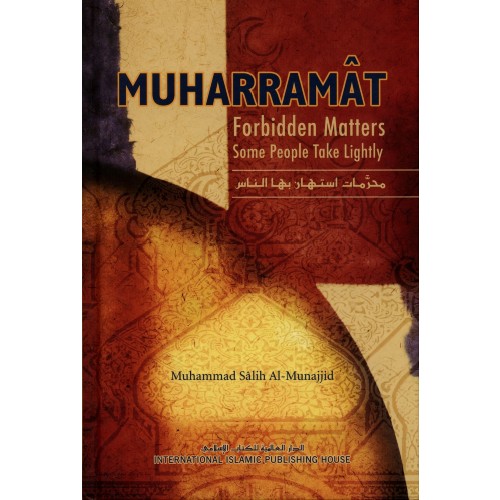
Muharramat: Forbidden Matters Some People Take Lightly
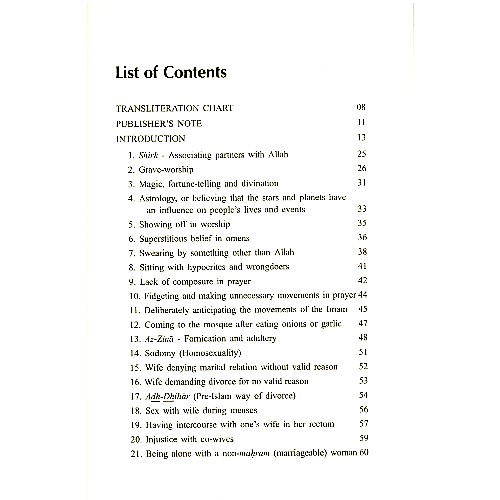
Some Muslims who are either ignorant or of weak faith still commit many acts which Allah never allowed. Ignorance is not an excuse for doing something wrong or illegal, hence it is important to make an effort to learn what these muharramât or forbidden acts are, in order to avoid ever committing them. The author, Shaykh Muhammad Sâlih al-Munajjid, explains many of the forbidden acts that have to do with calling on human beings and things other than Allah, worshipping the dead and circumambulating their graves, invoking prophets and the dead, magic, fortune-telling, believing in the power of astrologists and planets and other acts that go against the Islamic creed of monotheism (tawheed). As such, this book of prohibitions regarding beliefs and acts of worship is a helpful resource for Muslims, if they are really practicing Islam and want to avoid committing great sins.
Recently Viewed
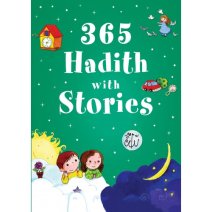
365 Hadith with Stories
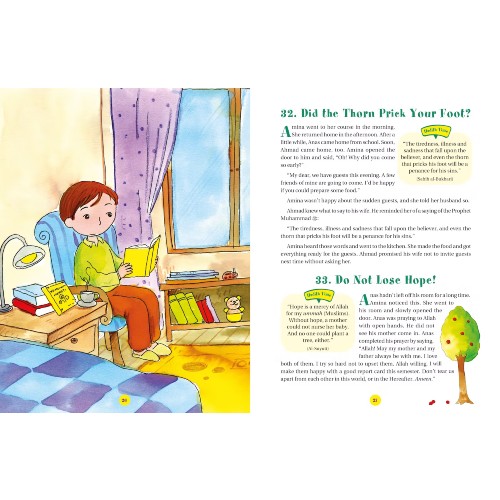
This book, with its simple yet profound hadith and stories, set in the circumstances of our daily existence, expresses the joy and challenges of life. Reading these hadith and stories, children will come to know how ordinary incidents and day to day activities can be seen and better understood in the light of the sayings of the Prophet Muhammad.
These charming stories and heart-warming sayings of the Prophet, enlivened by stunning and colourful illustrations, will become a wonderful accompaniment for children on their path to understanding the life and message of the Prophet Muhammad, to appreciating the glory and kindness of Allah, and will bring them closer to their Prophet and Creator.
By Ali KaraCam and Hasibe Sahin
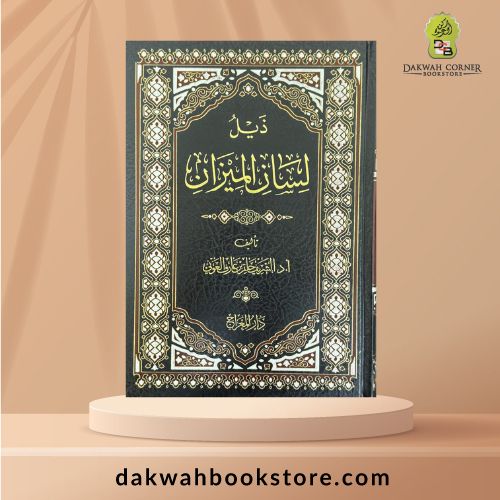
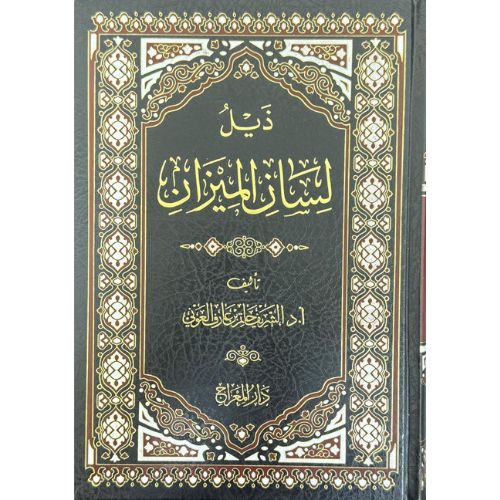
[AH] Dhayl Lisān al-Mīzān/ذيل لسان الميزان
لسان الميزان هو معجمٌ هامٌّ في علم الرجال، من تأليف ابن حجر العسقلاني (توفي عام ١٤٤٩م)، وهو معجمٌ شاملٌ لرواة الحديث.
ما هو موضوعه؟
هو مرجعٌ أساسيٌّ في علم الرجال، ويركّز بشكلٍ رئيسيٍّ على:
الرواة الذين وُجِّهت إليهم انتقادات
الرواة الذين اعتُبروا ضعفاء
الرواة الذين اتُّهموا بالتلفيق
الرواة الذين اختلف العلماء فيهم
ويهدف إلى مساعدة العلماء في تحديد صحة الحديث من خلال تقييم موثوقية رواة إسناده.
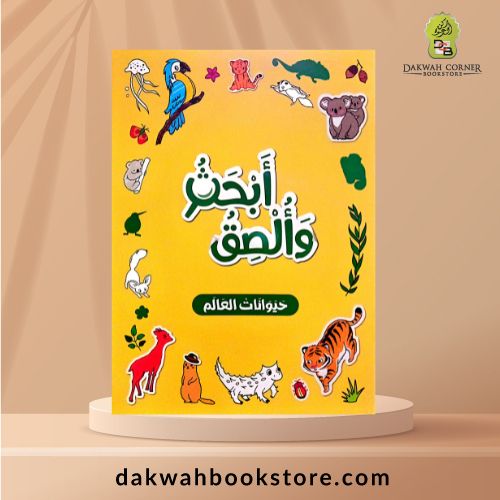
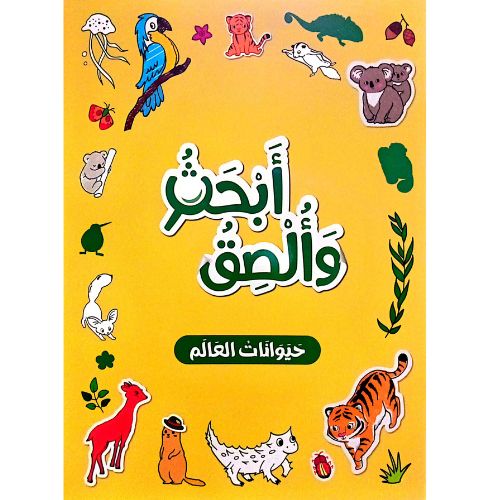
[CB] Abhath Waulsiq – Hayawaanaat Al-‘Aalam / (أبحث وألصق (حيوانات العالم
أَلْصِقِ النَّمِرَ فِي الأَدْغَالِ، وَامْنَحِ المَرَامِيطَ قُبَّعَاتٍ طَرِيفَةً.
ابْحَثُ عَنْ كُلِّ البُومَاتِ فِي الرَّسْمِ، وَامْنَحْ كُلَّ وَاحِدَةٍ مِنْهَا نَظَارَةً.
سَتَجِدُ فِي كِتَابِ الإِلْصَاقِ وَالتَّلْوِينِ المُسَلِّي هَذَا، حَيَوَانَاتٍ مِنْ جِهَاتِ هَذَا
الكَوْكَبِ الأَرْبَعِ : حَيَوَانَاتِ الصَّحْرَاءِ وَحَيَوَانَاتِ الأَدْغَالِ وَحَيَوَانَاتِ الغَابَةِ.
أَلْصِقْهَا جَمِيعًا فِي مَكَانِهَا ، ثُمَّ لَوْنِ الرُّسُومَاتِ الجَمِيلَةَ.
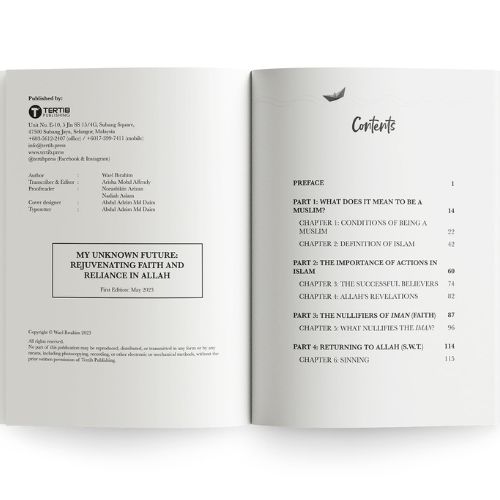
My Unknown Future: Rejuvenating Faith and Reliance in Allah
People are so preoccupied with the process of planning their future, making the dunya their centre of attention, that they often forget their main task: to worship Allah.
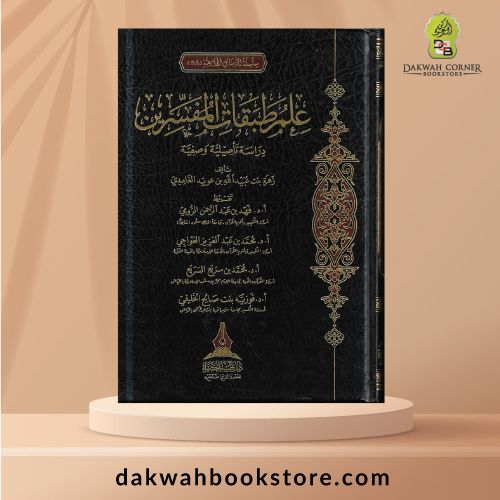
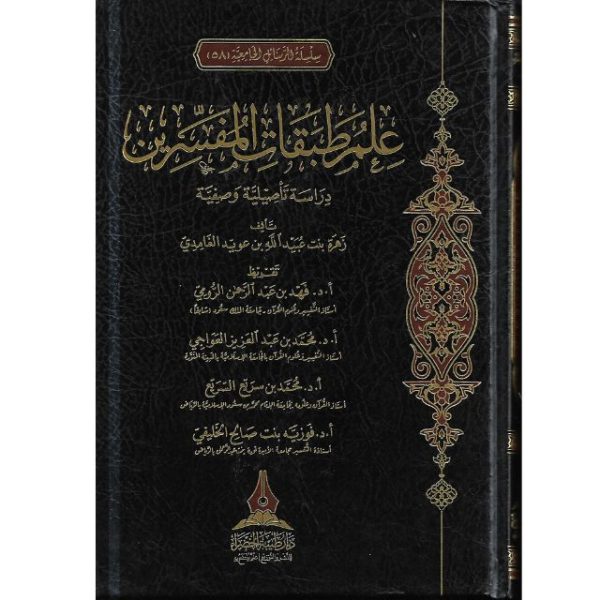
[AUT] Ilm Tabaqat Almufasirin / علم طبقات المفسرين
علم طبقات المفسرين هو علم يعنى بترتيب علماء تفسير القرآن الكريم في فئات أو “طبقات” بناءً على عصرهم، شيوخهم، وفضلهم. يهدف إلى حفظ تاريخ التفسير، معرفة أسانيد الروايات، وتمييز أقوال السلف عن المتأخرين.
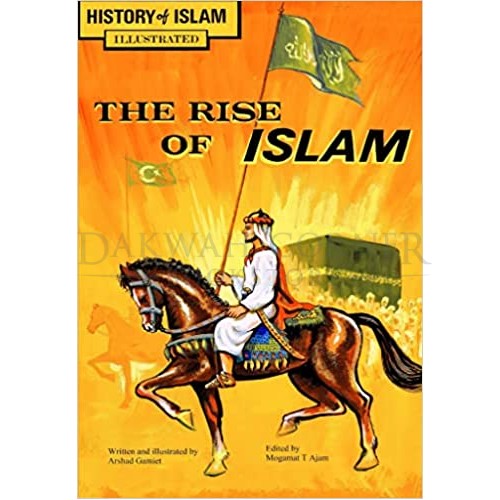
The Rise of Islam (P/B)
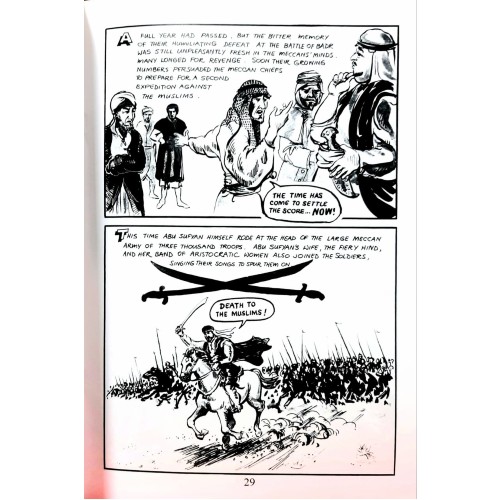
A classical Islamic graphic book brought back to life to share the universal message and history of the beginning of Islam. Immerse yourself in a glimpse of the life of Prophet Muhammad (pbuh) from the point of the first revelation to the Prophet’s Last Sermon at Arafat. Originally published in 1970
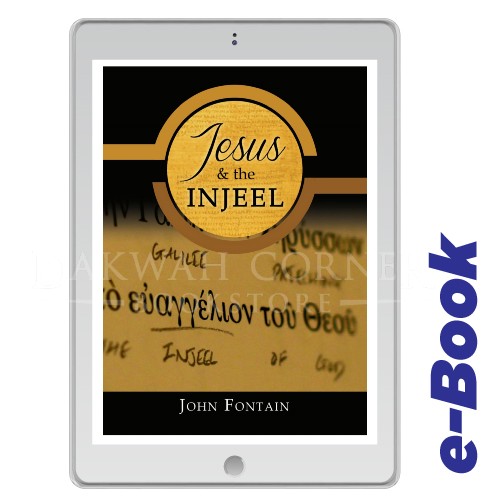
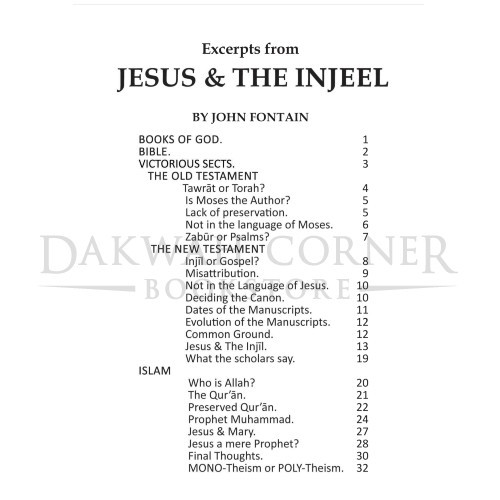
(FREE-eBook) Jesus & the INJEEL
John Fontain was raised as a ChrisƟan but always believed in the
concept of One God. In 2006 he started looking into Islam aŌer
coming in to contact with Muslims in West Africa. AŌer studying
the religion he finally embraced Islam in 2008, in Cairo, Egypt. Since
then he has been acƟvely involved in Da’wah work (inviƟng people
to Islam). John also runs his own charity organisaƟon “Volunteer
Sierra Leone” which helps support over 65 Muslim schools throughout Sierra Leone. AŌer researching extensively some of the oldest
scriptures of the Bible he discovered some key points that will
ulƟmately change the way Muslims and ChrisƟans view Jesus and
his Message. All of these points and more will be discussed further
in the book “Jesus & the Injeel…the Untold Story.
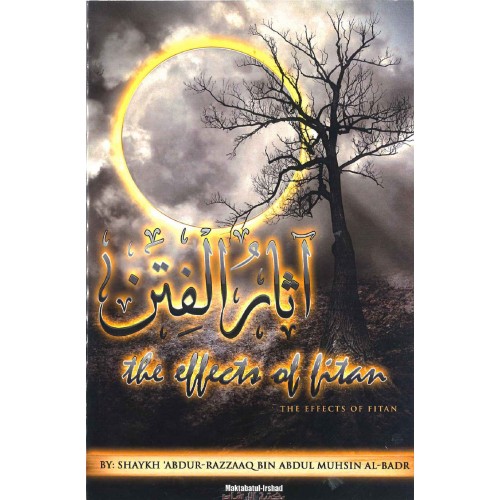
The Effects of Fitan (P/B)
Among his outstanding traits (radhiallahu ‘anhu) is what Al-Bukhari and Muslim collected on the authority of Anas bin Malik (radhiallahu ‘anhu) that Allah’s Messenger (sallallahu ‘alayhi wa sallam) said to Ubay,
إِنَّ اللهَ أَمَـرَنِـي أَنْ أَقْـرَأَ عَـلَـيْـكَ , قَـالَ : آلله سَـمَّـانِـي لَـكَ ؟ قَـالَ : اللهُ سَـمَّـاكَ لِـي . قَـالَ : فَـجَـعَـلَ أُبَـيٌّ يَـبْـكِـي .
“Indeed Allah ordered me to teach you” He (i.e. Ubay) said, “Did Allah mention my name to you?” the Prophet said, “Allah mentioned your name to me” Anas bin Malik said, “Ubay began to weep.”
Likewise you should contemplate in order to grasp Ubay’s the full extent of understanding of the religion (radhiallahu ‘anhu); his response to this question wasn’t after long period of time like a week or a month in which he could review the verses and contemplate its meanings; rather he (radhiallahu ‘anhu) merely responded immediately after the Messenger (sallallahu ‘alayhi wa sallam) repeated the question; so he chose this blessed verse.


There are no reviews yet.