



| Weight | 0.10 kg |
|---|---|
| Dimensions | 21 × 16 × 1 cm |
| Product Type | Book |
| Author | |
| Publisher | IIPH |
| Pages | 64 |
| ISBN | 9789960850306 |
Problems and Solutions (IIPH)
RM9.00
Hurry up, Only 3 left.

Highlights:
somdn_product_page
Compare
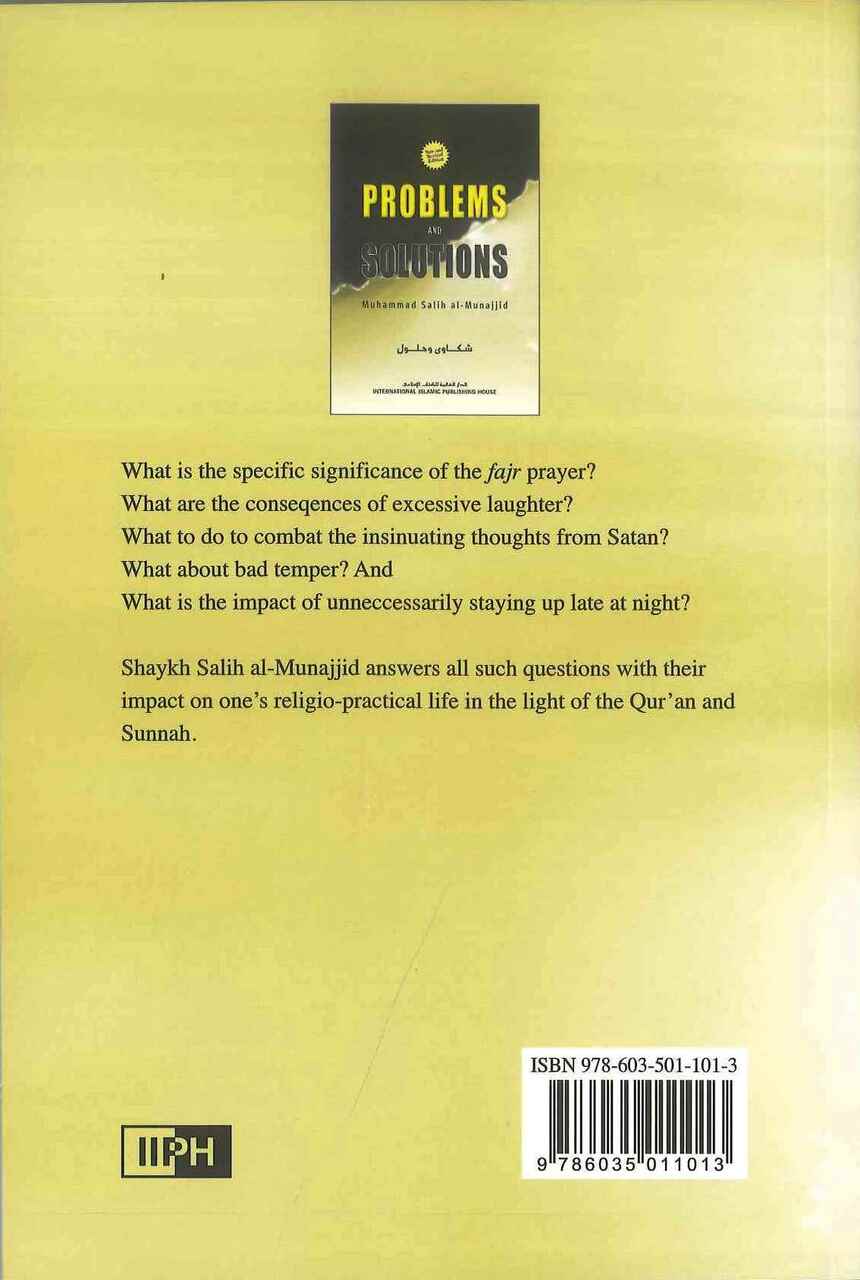
What should I do if I miss the fajr prayer? What are the consequences of excessive laughter? How should I deal with insinuating thoughts from Satan? How can I control my bad temper? What is so bad about staying up late night after night? Drawing on the great guidance of the Qur’an and the Sunnah, Shaykh Muhammad Sâlih al-Munajjid answers these questions and more, giving informative explanations and practical solutions to help you improve in your worship and in your performance of everyday activities.
Additional information
Reviews (0)
Be the first to review “Problems and Solutions (IIPH)” Cancel reply
You must be logged in to post a review.
Related Products
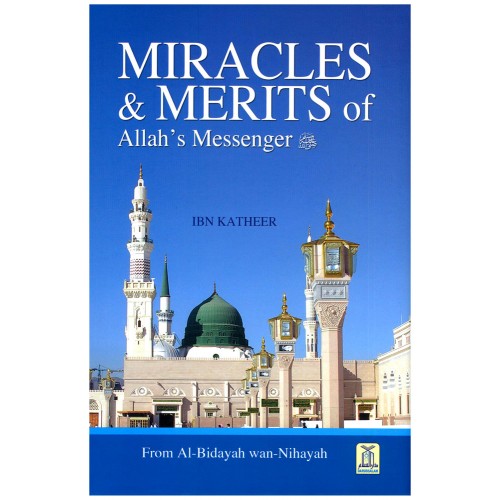
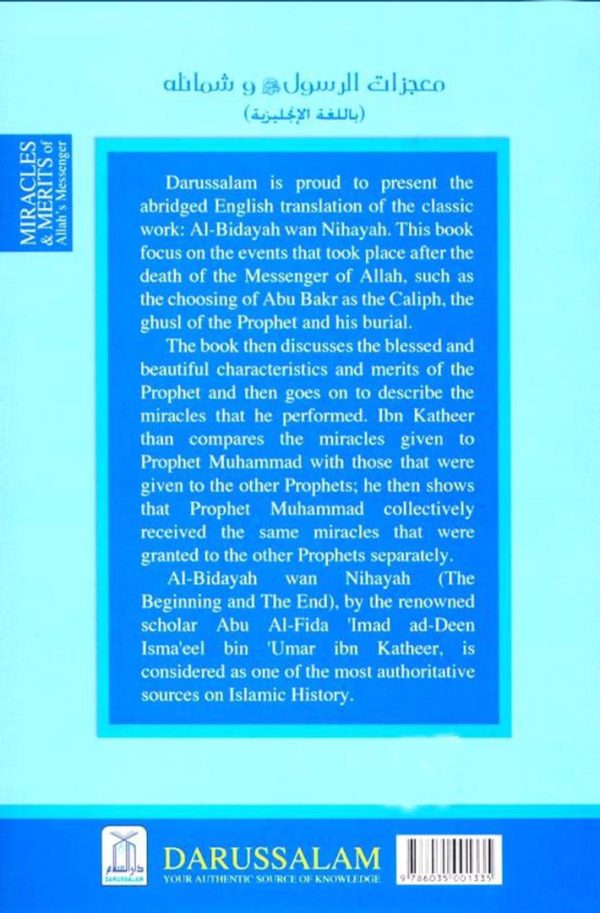
Miracles & Merits of Allah’s Messenger: from Al-Bidayah Wan-nihayah
Highlights:
Miracles & Merits of Allah’s Messenger By Ibn Katheer The book then discusses the blessed and beautiful characteristics and merits of the Prophet and then goes on to describe the miracles that he performed. Ibn Katheer than compares the miracles given to Prophet Muhammad with those that were given to the other Prophets; he then shows that Prophet Muhammad collectively received the same miracles that were granted to the other Prophets separately. AI-Bidayah wan Nihayah (The Beginning and The End), by the renowned scholar Abu Al-Fida ‘Imad ad-Deen Isma’eel bin ‘Umar ibn Katheer, is considered as one of the most authoritative sources on Islamic History.
RM60.00
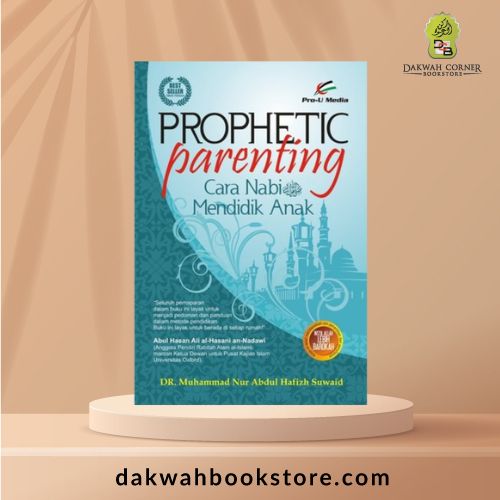
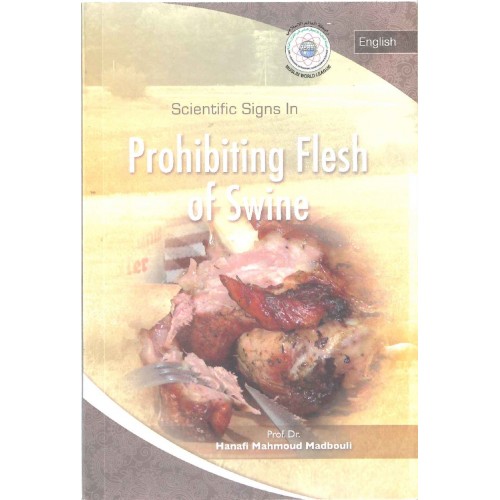
Scientific Signs In Prohibiting Flesh of Swine (P/B)
Highlights:
Scientific Signs In Prohibiting Flesh of Swine
RM5.00 RM15.00
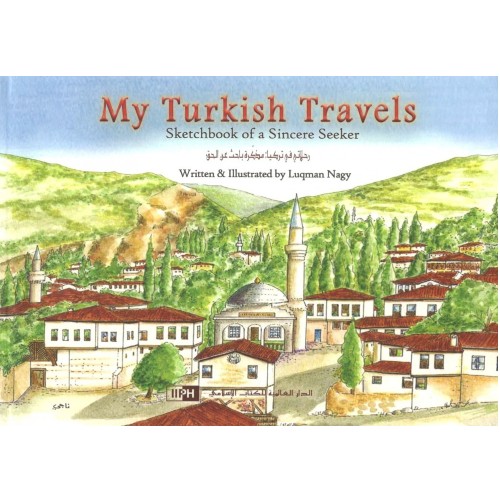
My Turkish Travels Sketchbook of a Sincere Seeker (IIPH)
Highlights:
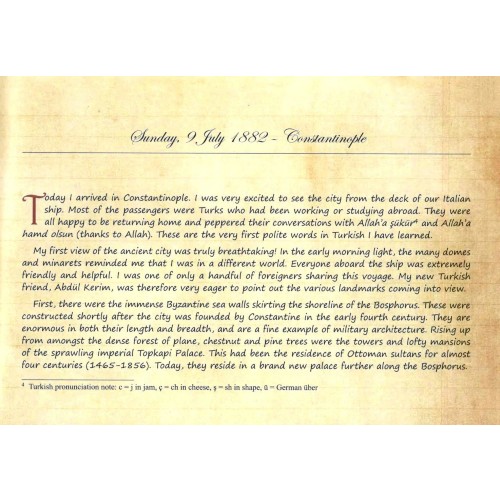
Written by Luqman Nagy, My Turkish Travels comprises of the diary entries of a young Hungarian artist named László who traveled to Constantinople (now Istanbul) in 1882. The time he spent in Turkey changed his life forever. In this book, the readers can admire László’s wonderful watercolour paintings and read the personal diary entries he writes at the end of each day.
RM54.00
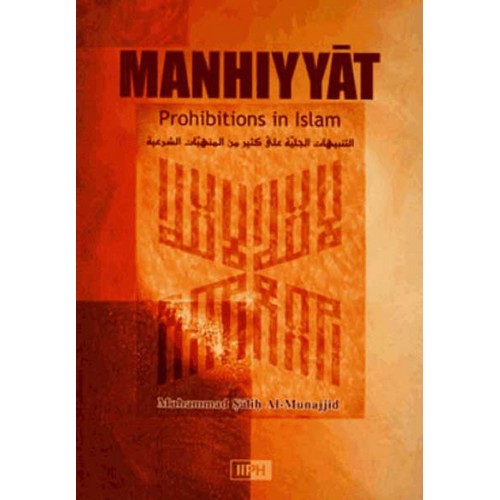
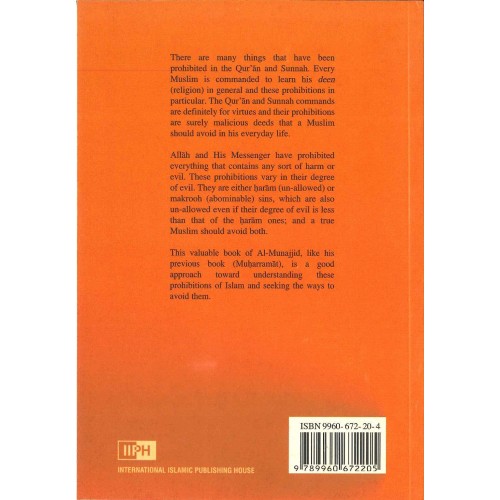
Manhiyyat Prohibitions in Islam (P/B) (IIPH)
Highlights:
Whatever has been prohibited in the Qur’an and the Sunnah is for a good reason. Every Muslim is commanded to learn his or her religion, and being aware of these prohibitions is part of that essential knowledge. The Qur’an and the Sunnah enjoin virtuous behaviour, and any actions they prohibit are destructive deeds that a Muslim should avoid. In Prohibitions in Islam, Shaykh Muhammad Sâlih al-Munajjid explains that Allah Almighty and His Messenger (blessings and peace be upon him) have prohibited everything that contains any sort of harm or evil. These prohibitions vary in their degree of evil: they are either forbidden or detestable, and a practicing Muslim should avoid both kinds.
RM11.00
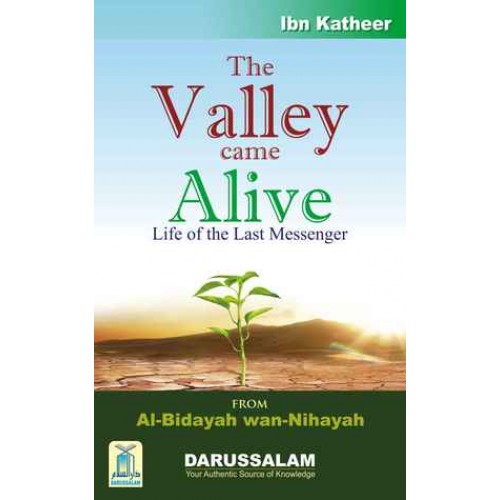
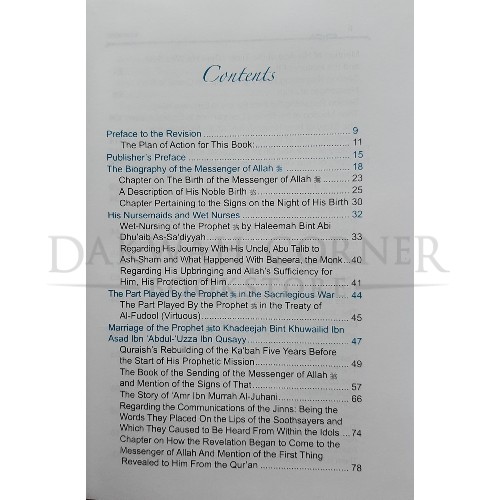
The Valley Came Alive (H/B)
Highlights:
Darussalam is proud to present the abridged English translation of the classic work: Al-Bidayah wan Nihayah, focusing exclusively on the life of Prophet Muhammad (peace be upon him). This volume contains a detail account of the life and times of the Messenger of Allah taken from a number of historical and traditional sources. The book reports the events of his blessed life, his battles, military campaigns, the delegations that met him, and sheds light upon the unique exemplary qualities, virtues and signs of his Messengership that make him a guide and role-model for all of humanity until the end of time.
A1-Bidayah wan Nihayah (The Beginning and The End) by the renowned scholar Abu Al-Fida ‘Imad ad-Deen lsma’eel bin ‘Umar ibn Katheer, is considered one of the most authoritative sources on Islamic history.
RM60.00


Imam Bukhari – Imam Al-Muhadditheen (IIPH)
Highlights:
This book, authored by Luqman Nagy, introduces the reader to the life and times of Muhammad ibn Ismâ‘eel, the greatest of all Hadith scholars. In later life, he became known as Imam Bukhari. This Muslim spent his entire life in the service of his Lord and the Muslim community. His gift to the Ummah (nation) was the collection of hadiths in Saheeh al-Bukhâri, which Muslims cherish and read with confidence today. The story behind this remarkable achievement is certainly one worth telling and worth knowing.
RM54.00
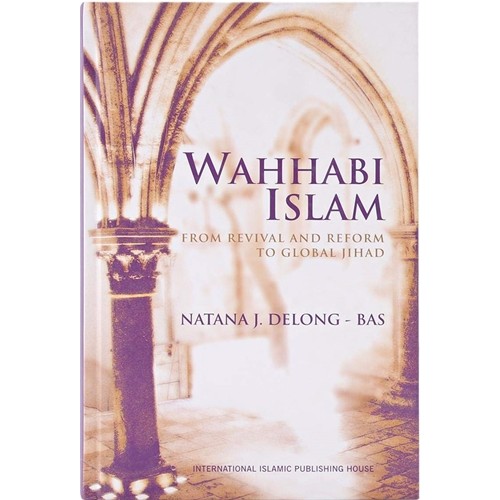
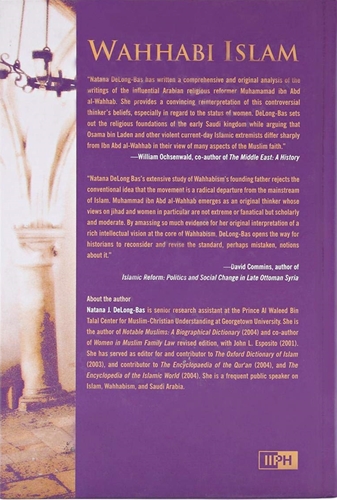
Wahhabi Islam From Revival And Reform To Global Jihad
Highlights:
Until September 11, 2001 few Westerners had ever heard of “Wahhabism.” Now most of us recognize the word as describing an austere and puritanical type of Islam, mentioned frequently in connection with Osama bin Laden and Saudi Arabia and often named as the inspiration behind the 9/11 terror attacks. The word “Wahhabi” stems from the name of the founder of this system of thought, Muhammad Ibn Abd al-Wahhab (1702-1791), companion and religious adviser to Muhammad Ibn Saud, founder of the House of Saud. In this book Natana DeLong-Bas offers an in-depth study of the written works of al-Wahhab. She focuses on four areas: theology, legal theory, proselytizing through education and jihad, and law on women. Through a close reading of al-Wahhab’s texts she demonstrates that many aspects of 20th- and 21st-century Wahhabi extremism do not have their origins in his writings. Examples of this extremism include the emphasis on jihad, martyrdom and militancy, and misogyny. The strict division of the world into dar al-Islam and dar al-kufr, according to which only Wahhabi adherents are considered to be true Muslims and all others are non-Muslims who must be fought, is entirely absent from al-Wahhab’s work. Instead, argues DeLong-Bas, all of these themes were only added to Wahhabi teachings in the 19th century following armed engagement with the Ottoman Empire. DeLong-Bas’s study fills an enormous gap in the literature about Wahhabism by returning to the original writings of the founder of the movement. She debunks the common journalistic portrayal of Muhammad Ibn Abd al-Wahhab as an illiterate, rural bumpkin with no scholarly formation. Her revisionist reading of al-Wahhab’s thought will be controversial but impossible to ignore. The book will be essential reading for students and scholars of Islam as well as for those interested in the background of this dangerous modern ideology.
RM91.00
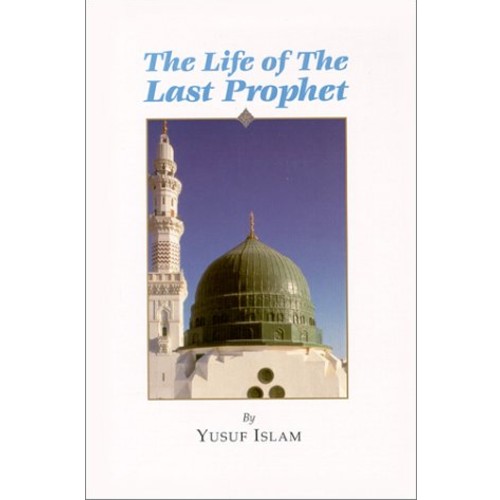
The Life of The Last Prophet (Darussalam)
Highlights:
The influence of Muhammad’s prophet hood is visible in everything that the world now contains: beliefs and patterns of thought, culture and civilization, morals and modes of living, knowledge and learning. In short, all spheres of human endeavor. Strange indeed, therefore, that so many people on the face of the earth today have little or no knowledge of the life and mission of this last great Prophet of God and his historical impact on the world we live in.
The Life of The Last Prophet , is a concise and authentic account of the life of the Prophet Muhammad (S) written by Yusuf Islam, formerly known as Cat Stevens. This book is the printed version of the spoken word album of the same name and also includes a selection of prophetic sayings and detailed references.
RM13.00
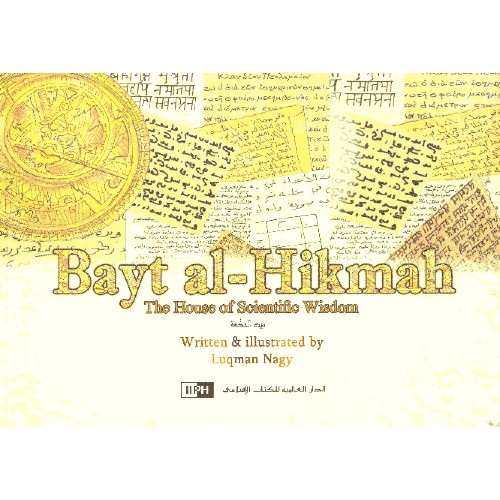
Bayt al-Hikmah The House of Scientific Wisdom (IIPH)
Highlights:
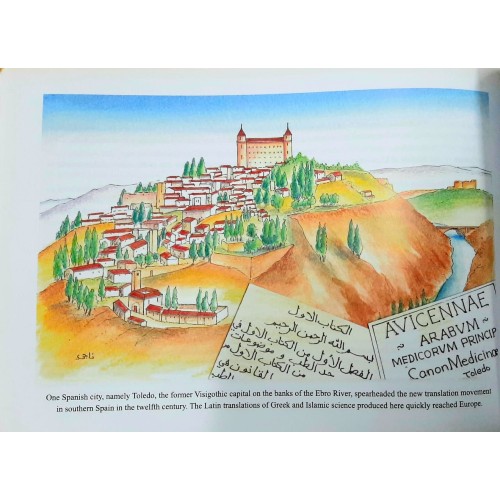
This book, authored by Luqman Nagy, is an introduction to the history and legacy of the great translation movement that began at the Bayt al-Hikmah in ninth century Abbasid Baghdad and culminated centuries later in Spain, with teams of Muslim, Christian and Jewish scholars translating works of Greek and Islamic science from Arabic into Latin. These translations became the first scientific textbooks to be used at many European universities. This wealth of knowledge that was made available in Latin helped initiate the Renaissance, or ‘rebirth’ of learning in the West.
RM54.00
Islam and The World (IIPH)
Highlights:
Despite the world’s tremendous advances in the fields of science and technology, almost all communities have been led into the wilderness of fear, greed, loneliness and spiritual despair. Professor Nadwi explicitly asserts that the achievements of science and technology did not match humanity’s moral or spiritual aspirations. Should a corresponding improvement is attained in human behaviour by applying the teachings of Islam, such as advances would have conferred benefits on all parties.
RM31.00
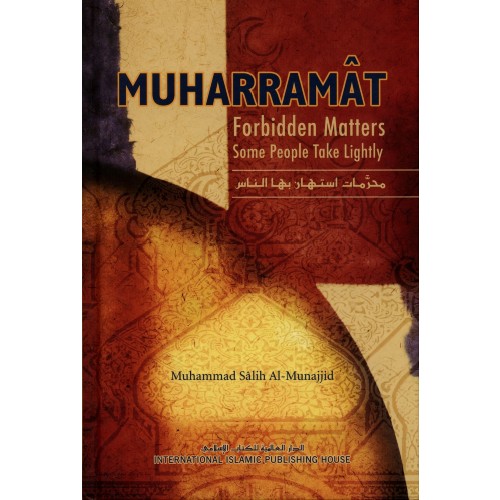
Muharramat: Forbidden Matters Some People Take Lightly
5 ★
5 ★
1 Rating
5 ★
1
4 ★
0
3 ★
0
2 ★
0
1 ★
0
Highlights:
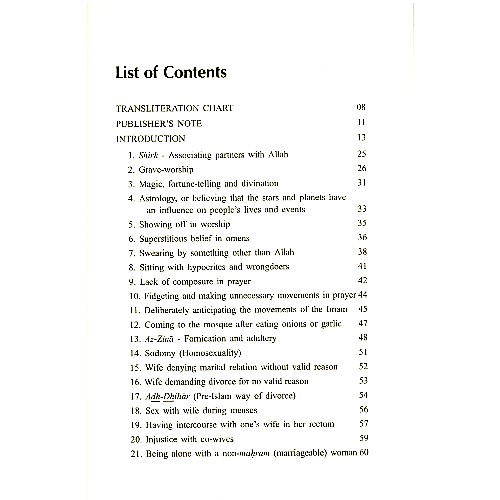
Some Muslims who are either ignorant or of weak faith still commit many acts which Allah never allowed. Ignorance is not an excuse for doing something wrong or illegal, hence it is important to make an effort to learn what these muharramât or forbidden acts are, in order to avoid ever committing them. The author, Shaykh Muhammad Sâlih al-Munajjid, explains many of the forbidden acts that have to do with calling on human beings and things other than Allah, worshipping the dead and circumambulating their graves, invoking prophets and the dead, magic, fortune-telling, believing in the power of astrologists and planets and other acts that go against the Islamic creed of monotheism (tawheed). As such, this book of prohibitions regarding beliefs and acts of worship is a helpful resource for Muslims, if they are really practicing Islam and want to avoid committing great sins.
RM11.00 – RM27.00Price range: RM11.00 through RM27.00
HardcoverPaperback
Clear
Recently Viewed
How can I get Closer To Allah? IIPH
5 ★
5 ★
1 Rating
5 ★
1
4 ★
0
3 ★
0
2 ★
0
1 ★
0
Highlights:
Whenever a Muslim woman has a question about her religion, she should seek the answer in the Qur’an (Allah’s revealed Word) and the Sunnah (the example in word and deed) of His Prophet Muhammad (blessings and peace of Allah be upon him). If the answer is not found in these two sources, she should look to trustworthy Muslim scholars for help. She is encouraged to read, study, and learn as much as she can about her religion, for the search for religious knowledge is an obligation upon every Muslim individual. A Muslim woman who is learning about her religion finds out quickly that the menstrual period and the period of bleeding after childbirth (postpartum bleeding) are times for her to leave off certain acts of worship such as formal prayer and fasting. It is important for believing women to be aware of exactly which acts are forbidden and which ones are permitted to them in these situations. This revised edition of How Can I Get Closer to Allah? is intended to clear up the issue as much as possible (with Allah’s permission).
RM10.00
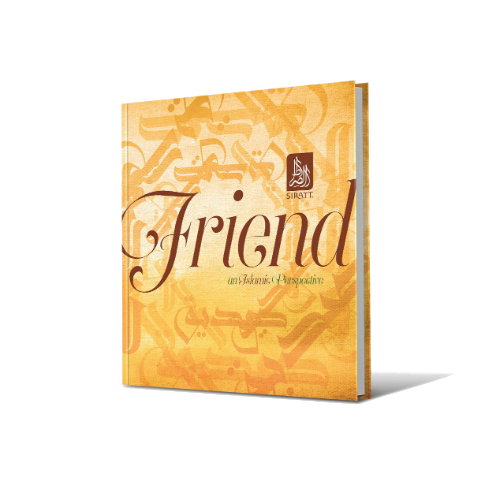
FRIEND
Highlights:
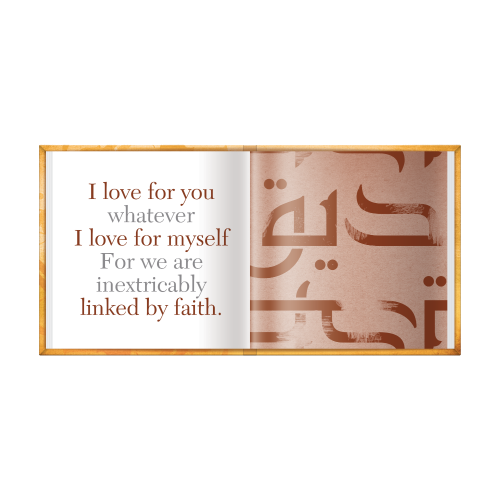
Friend The perfect gift to give a loved one or indeed to educate oneself as to the significance Islam places on this important relationship through relevant Qur’anic Ayah, Hadith, and Islamic Poetry.
Example Quotes from GiftBook:
You will see the believers in their mutual kindness, love and sympathy just like one body. When a limb complains, the whole body responds to it with wakefulness and fever. (Bukhari and Muslim)
I love for you whatever I love for myself For we are inextricably linked by faith Ideal gifts to convey what we sometimes find difficult to say through relevant Qur’anic Ayah, Hadith, and Islamic Poetry.
RM36.00
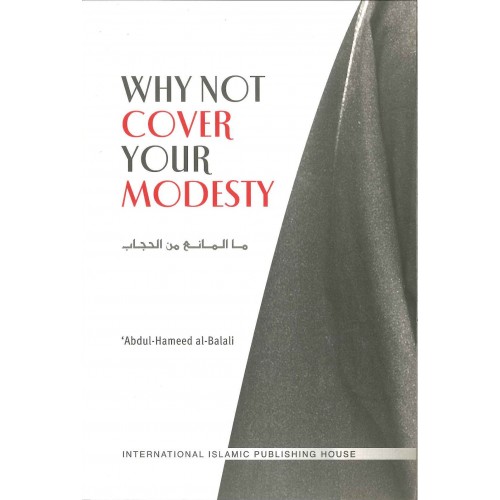
Why Not Cover Your Modesty
Highlights:
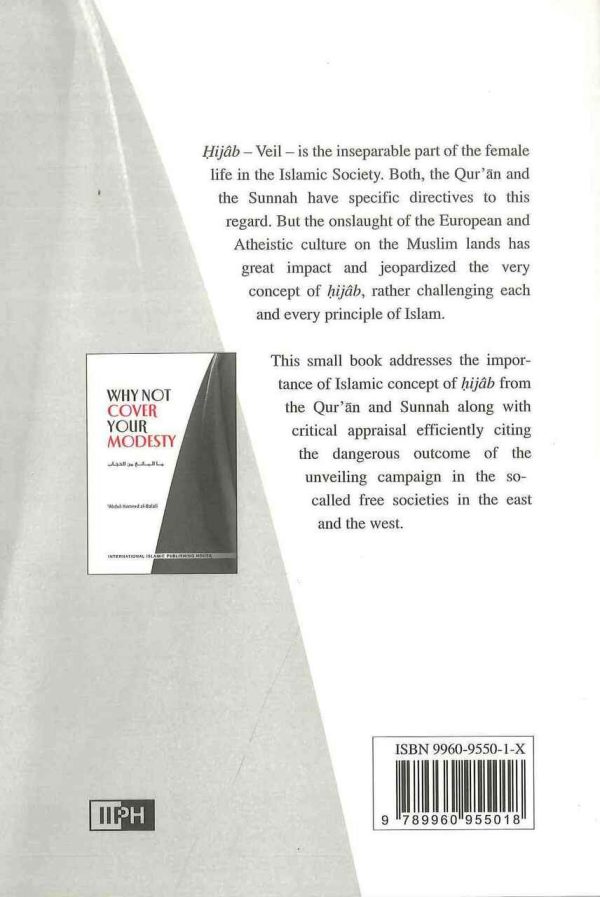
Hijab – or the veil – is an inseparable part of an Islamic Society. Both, the Qur’an and the Sunnah have specific directives regarding the veiling of women (and even the appropriate dress for men). However, the influence of western and atheistic cultures has had great impact, attempting to infuse its norms on the Muslim lands. The very concept of Hijab has been under attack, singled out for criticism. This small book addresses the importance of the Islamic concept of Hijab and how it seeks to honour women and protect the family unit. The author quotes from the Qur’an and the Sunnah to support Hijab. He also critically appraises the dangerous outcome of the unveiling campaign in the so-called free societies in the east and the west.
RM11.00
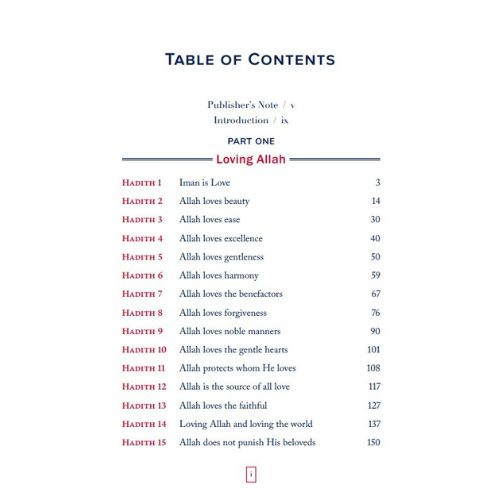
This is Love [3rd Edition]
5 ★
5 ★
1 Rating
5 ★
1
4 ★
0
3 ★
0
2 ★
0
1 ★
0
Highlights:
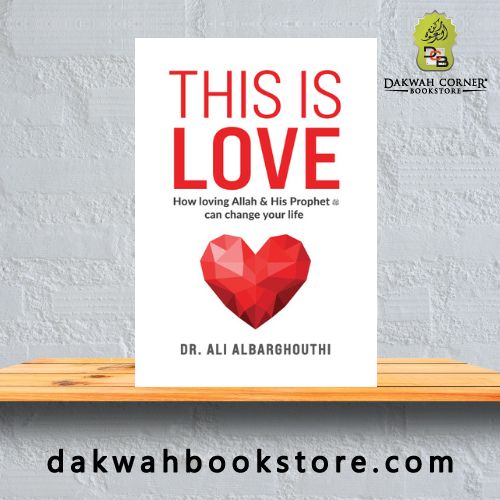
This book presents the Islamic message of love through forty hadiths on loving Allah, His Prophet, and His creation. It explains the indispensability of divine love in human existence, the centrality of love in Islam, and the means to attain and spread love on earth.
RM85.00
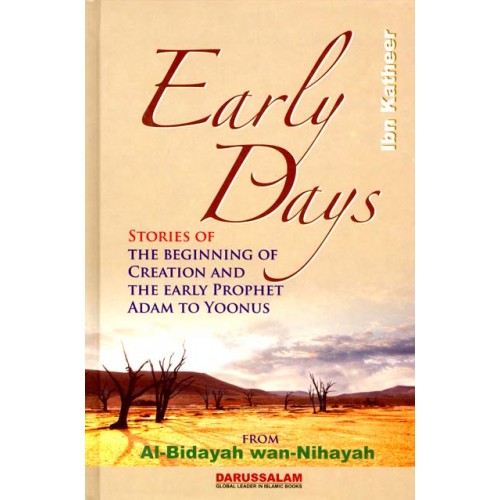
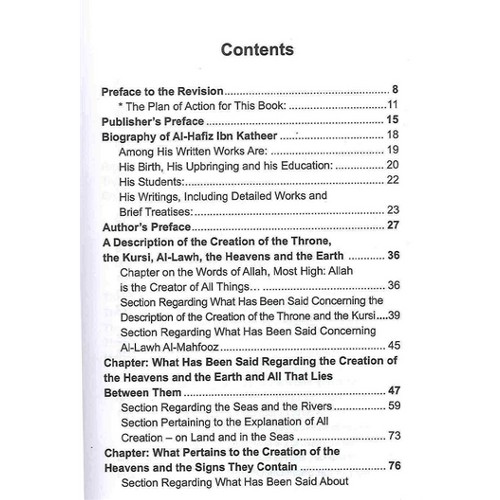
Early Days : From Al – Bidayah wan – Nihayah (H/B)
4 ★
4 ★
1 Rating
5 ★
0
4 ★
1
3 ★
0
2 ★
0
1 ★
0
Highlights:
The book starts by describing the beginning of creation- from the throne and the Kursi, the universe and all that is in it , such as the angels, the jinn and humans . The book also recounts stories from the lives of the prophets and their nations up to the times of the children of Israeel and the Days of Igorance,which ended with the advent of the final Prophet Muhammad ( PBUH ).
RM80.00
Imam Bukhari – Imam Al-Muhadditheen (IIPH)
Highlights:
This book, authored by Luqman Nagy, introduces the reader to the life and times of Muhammad ibn Ismâ‘eel, the greatest of all Hadith scholars. In later life, he became known as Imam Bukhari. This Muslim spent his entire life in the service of his Lord and the Muslim community. His gift to the Ummah (nation) was the collection of hadiths in Saheeh al-Bukhâri, which Muslims cherish and read with confidence today. The story behind this remarkable achievement is certainly one worth telling and worth knowing.
RM54.00
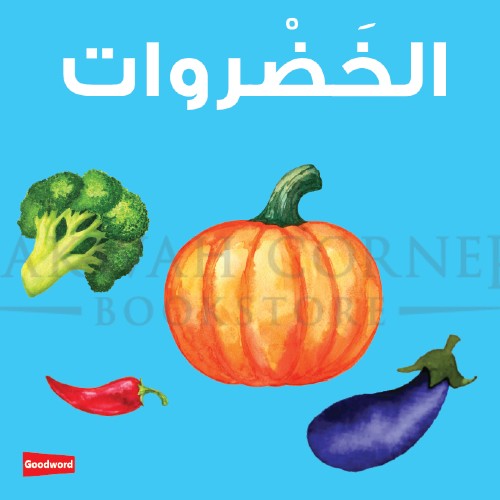
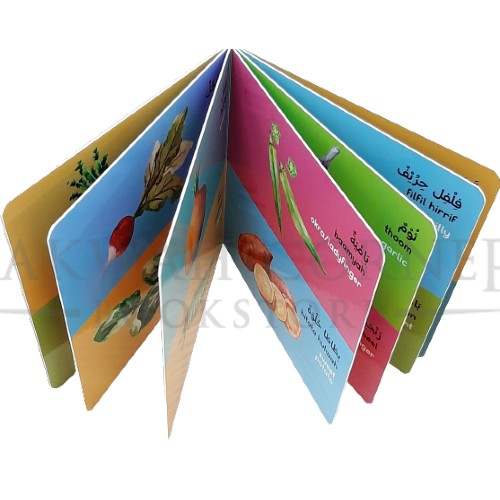
[CB] Vegetables Board Book -الخضروات
Highlights:
Vegetables Board Book (Arabic/English) By Saniyasnain Khan
RM20.00

Scholars of Hadith (P/B)
Highlights:
This book presents an extensive, in-depth analysis of great Muhaddithun (scholars of the science of Hadith). Each chapter presents detailed biographies of Malik b. Anas, Ibn Hanbal, al-Bukhari, Muslim, al-Tirmidhi, Abu Dawud, an-Nasai, Ibn Majah, ad-Darimi and al-Bayhaqi along with the methods they used in Hadith collection and classification. This work is especially important in today’s world where many Muslims have a dire need to connect with the great corpus of work that was produced by the scholars or traditional Islam. A work such as Scholars of Hadith has been long overdue in the English language and it will certainly make for productive reading for all interested in deepening their knowledge of Islam.
RM24.00
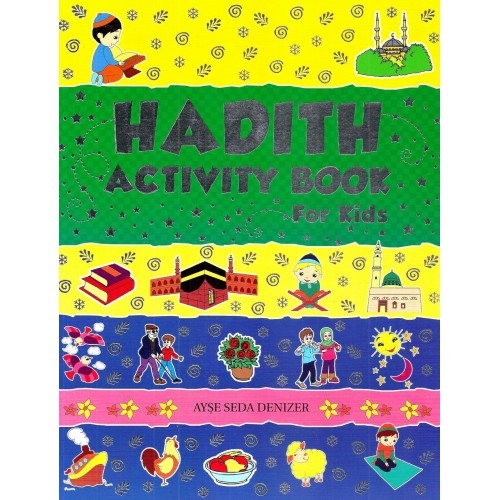
Hadith Activity Book For Kids (P/B)
Highlights:
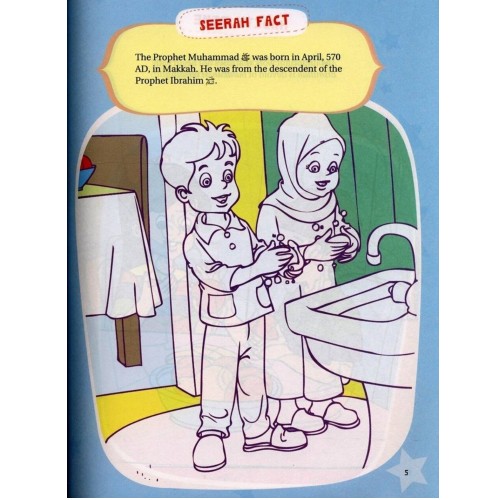
The Hadith Activity Book for Kids is a captivating book for children to learn about hadith (sayings of the Prophet Muhammad) and Seerah (the life of the Prophet Muhammad) in a truly engaging way. It contains highly attractive artwork to inspire creativity; a carefully chosen collection of hadith to instil moral values; fascinating facts to provide a basic understanding of hadith and Seerah; and some fun-filled activities at the end to help children enjoy what they have learnt so far.
Comes with:
* Pre-coloured colouring pages
* A collection of hadith
* Seerah facts
* Activities.
RM20.00

Problems and Solutions (IIPH)
Highlights:
What should I do if I miss the fajr prayer? What are the consequences of excessive laughter? How should I deal with insinuating thoughts from Satan? How can I control my bad temper? What is so bad about staying up late night after night? Drawing on the great guidance of the Qur’an and the Sunnah, Shaykh Muhammad Sâlih al-Munajjid answers these questions and more, giving informative explanations and practical solutions to help you improve in your worship and in your performance of everyday activities.
There are no reviews yet.