

| Weight | 0.157 kg |
|---|---|
| Dimensions | 21 × 14.8 × 0.8 cm |
| Author | |
| Binding | Paperback |
| ISBN | 9781897940891 |
| Pages | 94 |
| Publisher | Taha |
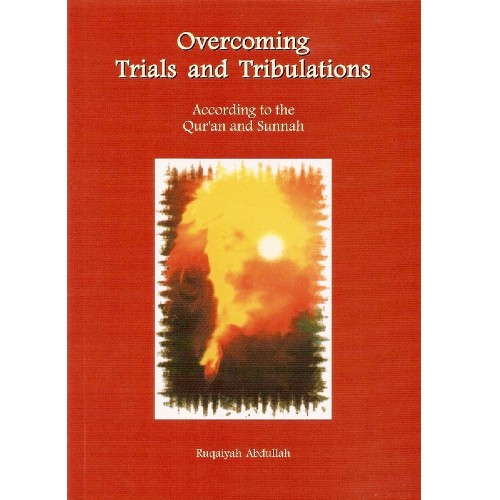
Overcoming Trials and Tribulations According to the Qur’an and Sunnah
RM21.00
In Stock
Highlights:
somdn_product_page
Compare
Allah (swt) will continue to test us throughout our lives. This book attempts to evaluate the different types of tests that we may experience, why they occur, how to cope with them successfully and their significance both in this world and in the Hereafter. This is a strengthening and inspiring book that is particularly recommended during difficult times.
SKU: GB142
Category: General Islamic Books
Additional information
Related Products

Essential Lessons for Every Muslim
Highlights:
This work is a translation of Shaikh Abdul Aziz bin Baz’s book ‘Ad-Duroos Al-Muhimmah li-Ammatil-Ummah.’ It contains concise lessons that explain the fundamental teachings of Islam. This book covers a wide range of basic information such as the meaning of Tawhid (Islamic monotheism), the categories and implications of Shirk (polytheism), the regulations of prayer, and Islamic morals and manners. As the title implies, these are truly essential lessons for everyone who is concerned with the correctness of his Islamic beliefs and acts of worship.
RM15.00


Provisions of the Afterlife Which Lie Within Prophetic Guidance (H/B – DKI
Highlights:
Written originally by Ibn Qayyim Al-Jauziyyah is one of the important resources of knowledge for those who seek to know the Seerah of their Prophet (P.B.U.H) as well as the Fiqh learned from it. This is a book that is unique in that it explains the Sunnah through the Seerah and the Seerah through the Sunnah. It is a profound classic work containing thousands of pages written by Imam ibn al-Qayyam while on the Hajj journey, Pilgrimage, from Damascus to Makkah. Despite its being written from memory, the several thousand incidents, Hadiths, Ayat (verses of the Quran), Fiqh benefits, as well as names of the companions associated with them, were remarkably close to the truth with marginal errors.
However, those who know the status, level of knowledge ad Ta’hqiq that Imam ibn al-Qayyim had will not be surprised to know this fact. Still, it is amazing how Ibn Al-Qayyim was able to write this vast volume while traveling to Hajj (Pilgrimage), especially since he was away from the resources of knowledge and was enduring the hardships of travel. It is a blessing from Allah (S.A.T) that it was possible for him to do so. Note: As with Many English Translations this work appears to be slightly abridged but it seems to cover most of the subjects Note : With the Lack of English works covering Hanbali Fiqh , This Books would be the nearest alternative. Although not a Specifically Fiqh Book, Ibn Qayyim’s views which are based on Hanbali Fiqh are quoted throughout.
RM130.00


From Monogamy to Polygamy : A Way Through (H/B)
Highlights:
From Monogamy to Polygyny: A Way Through addresses the deep and complex issues and concerns the Muslim women worldwide have with polygyny. The insight offered by this book is new, unique, and encouraging. Practical advice is brought forth to aid in moving past the negative feelings that are commonly associated with polygyny, ultimately helping the Muslim woman progress to a higher level of Iman, In sha Allah. Rich with understanding, comfort, advice, motivation, clarity, examples, experiences, and answers; a way through is paved for the Muslim woman, making polygyny easier, or at the very least more endurable. Although this book is geared mainly towards women, its vast content can give men insight into the emotional affects of polygyny on women, which they can use to make sound and wise decisions. Overall, this is a valuable resource for both Muslim men and Muslim women considering, dealing with, questioning, and pondering polygyny.
RM50.00

Let Us Be Muslims (P/B)
Highlights:
LET US BE MUSLIMS is a new edited English version of Sayyid Mawdudi’s Urdu Khutubat. It is no ordinary book, says Khurram Murad in his long Introduction, for it has stirred more hearts and impelled more lives to change their course than any of his more erudite works. In these Friday congregational addresses, Sayyid Mawdudi expounds such familiar themes as Iman, Islam, the Prayer, Fasting, Almsgiving, Pilgrimage and Jihad. But, in an unusually beautiful, powerfully reasoned, eloquent and passionate, and yet simple and lucid style,
“Sayyid Abul A’la Al-Mawdudui (1903-1979), one of the chief architects of contemporary Islamic resurgence, was the an outstanding Islamic thinker and writer of his time. He devoted his life to expound the meaning and message of Islam and to organise a collective movement to establish the Islamic Order. In this struggle, he had to pass through all kinds of sufferings.
Between 1948-67, he spent a total of five years in different prisons of Pakistan. In 1953, he was also sentenced to death by a Martial Law court for writing a ‘seditious’ pamphlet, this sentence being later commuted to life imprisonment. In 1941, he founded Jama’at-I Islami, of which he remained Amir, until 1972 and which is one of the most prominent Islamic movements of our day. He authored more than one hundred works on Islam, both scholarly and popular, and his writings have been translated into forty languages.”
RM70.00



Journey to Islam: Diary of a German Diplomat 1951-2000 (The Islamic Foundation)
Highlights:
A lengthy process, rich in remarkable and thought-provoking events, including compelling encounters with Islamic philosophy, led the author to embrace Islam. His experiences since that time – such as his pilgrimages to Makkah – further deepened his understanding of, and identification with, this “fastest growing religion in Europe.” This “Diary” is, however, much more than a recorded soliloquy. It is a lively introduction to Islam as such – developed in the spiritual confrontation of a Muslim intellectual of European background with the ideology and value system of post-industrial western society.
RM25.00

Philanthropy and Social Justice in Islam (P/B)
Highlights:
This book analyses the principles and practices of philanthropy and distributive justice in Islam. It argues, with analyses and examples, that the accomplishment of purposive philanthropy, as commanded by the fundamental tenets of Islam, through the professionalization and rationalization of zakat management, modernization of awaqaf, etc. has the potential of optimizing justice in Muslim societies. The work draws on the Quran, Hadithe, other authentic literature, and also on official documents and publications of management agencies dealing with philanthropy in different Muslim countries/societies. The analyses are documented enough to be used as a text for the study of philanthropy in Islam in tertiary institutions nonetheless are simple enough to draw general readership and to be used by non-profit and international organizations worldwide in order to order to understand the principles and issues of philanthropy and distributive justice in Muslim societies.
RM40.00


Weakness of Faith (IIPH)
5 ★
5 ★
1 Rating
5 ★
1
4 ★
0
3 ★
0
2 ★
0
1 ★
0
Highlights:
The phenomenon of weak faith has become very widespread among Muslims, and many people complain about the hardness of their hearts. So often we hear the words, “I feel hardness in my heart,” “I do not find any joy in worship,” “I feel that my faith has hit rock bottom,” “Reading Qur’aan does not move me,” “I fall into sin so easily.” The effects of this affliction can be seen in many people, and this problem is the cause of every disaster and adversity.
One of the most important principles which must be understood in order to treat the problem of weak faith is that faith increases and decreases, or waxes and wanes. This is one of the basic principles of the ‘aqeedah of Ahl al-Sunnah wa’l-Jamaa’ah, who say that faith is something to be spoken in words, to be believed in in the heart, and to be put into action. Faith increases with obedience and decreases with disobedience.
‘… that they may grow more in Faith along with their (present) Faith…’ [al-Fath 48:4]
‘… Which of you has had his faith increased by it? …'[al-Tawbah 9:124]. aari, Fath, 1/51).
RM13.00 – RM30.00Price range: RM13.00 through RM30.00
HardcoverPaperback
Clear

Fundamentals of Islam (P/B)
Highlights:
Fundamentals of Islam is a revised English edition of the critically acclaimed Khutubah (original written in Urdu). It consist of Friday congregational addresses, in them he expounds familiar themes; like Iman, Islam, the Prayer, Fasting, Alms-giving, Pilgrimage and Jihad.
RM38.00


Why Islam?
Highlights:
Often, the first thing someone is asked when they discover the truth and embrace Islam is the question: Why Islam? Here, an American revert-to-Islam answers that question. The author, K. Sherman, writes: The beauty of Islam is probably the best-kept secret in modern times; it is about time it was revealed. This is the sentiment of a majority of people who are discovering the truth about Islam every day. My first exposure to the religion was through a perusal of a fifty-page booklet titled Towards Understanding Islam (written in 1932). It explained to me everything that twenty years of life and fifteen years of education could not. After the initial sense of relief, I suddenly felt cheated. I was consumed with rage. Why? I could not fathom how people could know about this phenomenal way of life and not speak out and inform others. This book is my personal take on the beauty of Islam, backed up by relevant and authentic references. I am convinced that humanity direly needs it and it is my duty to speak out.
RM22.00

Muslim Unification at Time of Crisis
Highlights:
This book authored by one of the great scholars of our time is an advice to the people of Ahulul ?Sunnah wal-Jamaah to unify and be merciful to each other, and cooperate upon righteousness and taqwa.
RM24.00

Dreams of the Prophets and the Righteous
Highlights:
Originally written in Arabic by Abdul Mun’im al Hashmi. It is like an encyclopedia of dreams. It tells us how we should behave on seeing a dream and how they may be interpreted. There are dreams of the Prophets and the Righteous men, and the dreams of the Prophet and his Sahabah. Some dreams of non-Muslims also find place in this book. The author also informs as to what various things like animals, birds and certain chapters of the Qur’an would mean if seen in a dream.
RM35.00
Recently Viewed
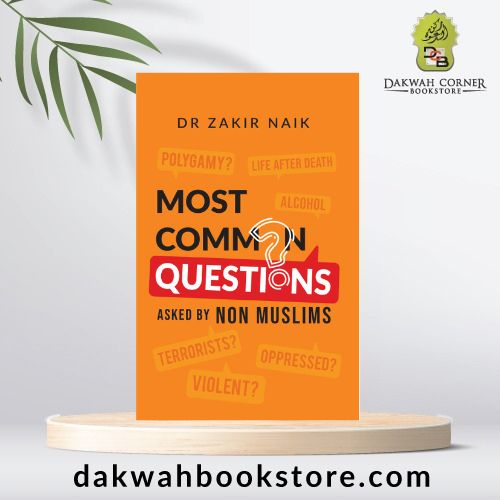
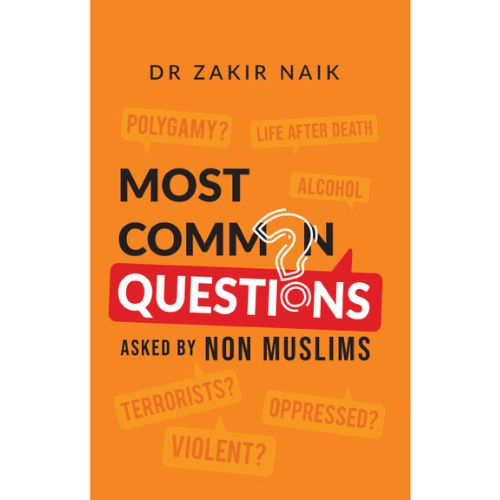
Most Common Questions Asked By Non-Muslims
5 ★
5 ★
2 Ratings
5 ★
2
4 ★
0
3 ★
0
2 ★
0
1 ★
0
RM17.00


The Sources of the Qur’an
Highlights:
“Who is the author of the Qur’an?” On this subject scholars have flagrantly contradicted each other. This work attempts to make a critical review of the major ‘authorship’ theories by pressing into service logical arguments, historical evidence, textual analysis and scientific data. Probably, the only point of agreement about the Qur’an is that it was uttered for the first time by a man who was born in Makkah (Mecca), a city of Arabia, in the sixth century—a man by the name of Muhammad (blessings and peace be upon him). As to the source of the Qur’an, scholars are divided into three main groups: those who believe that Muhammad (blessings and peace be upon him) himself was the author; those who believe that he was not the author himself but learned it from another human author or authors; and those who believe that the Qur’an has no human author but is rather a word-for-word revelation from God. Hamza Njozi examines the three theories and comes to a firm and logical conclusion.
RM14.00
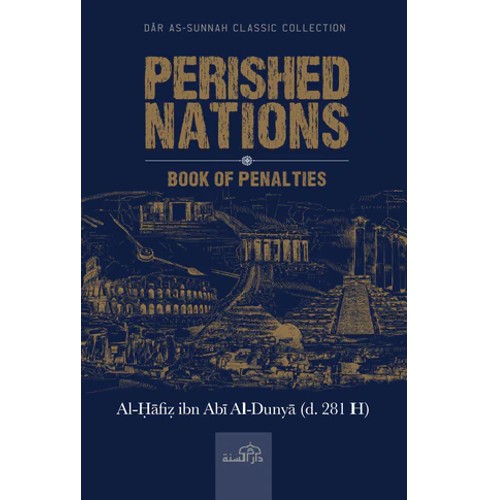
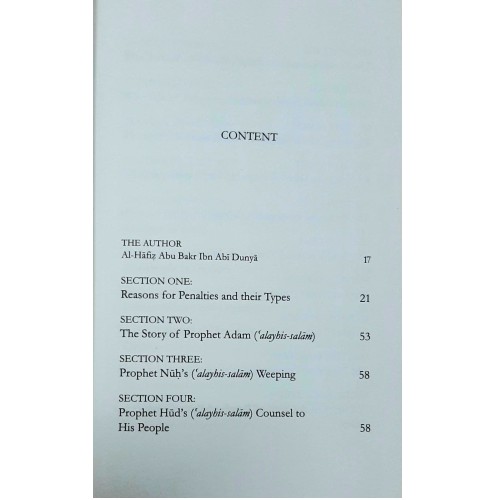
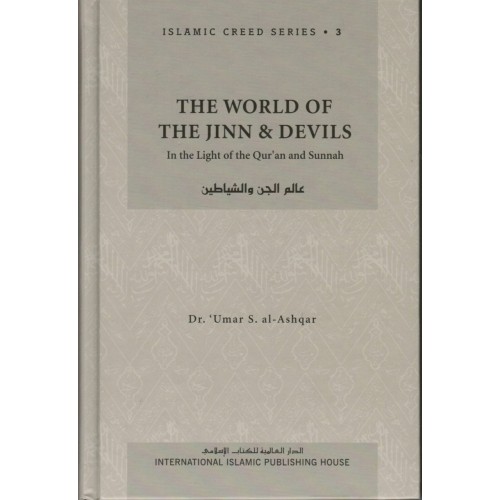
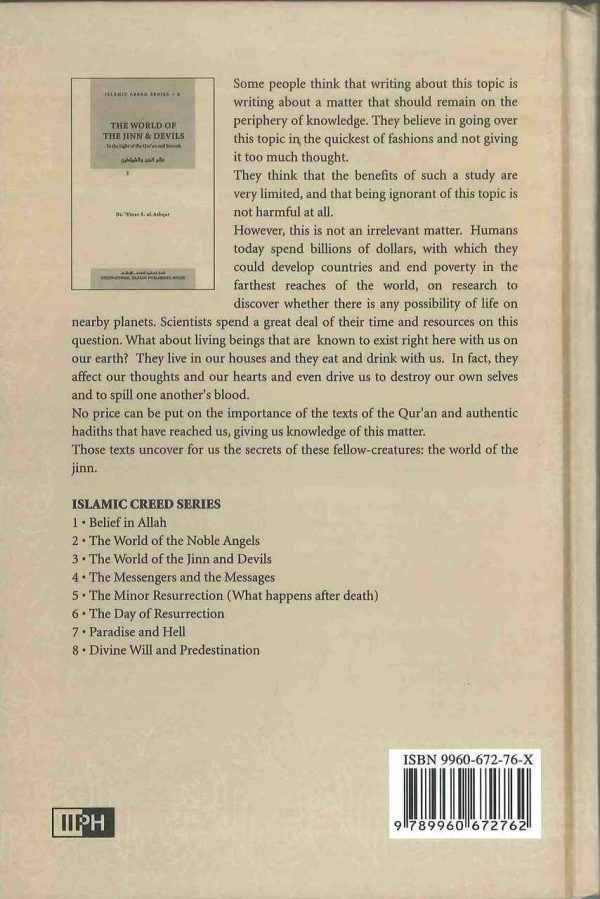
The World Of The Jinn & Devils – Islamic Creed Series 3
Highlights:
Aqidah and Creed
RM60.00
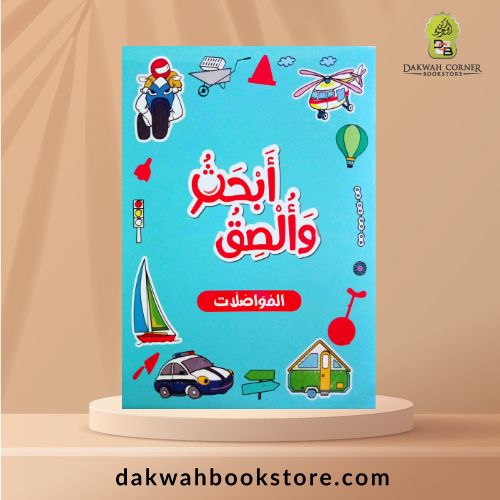
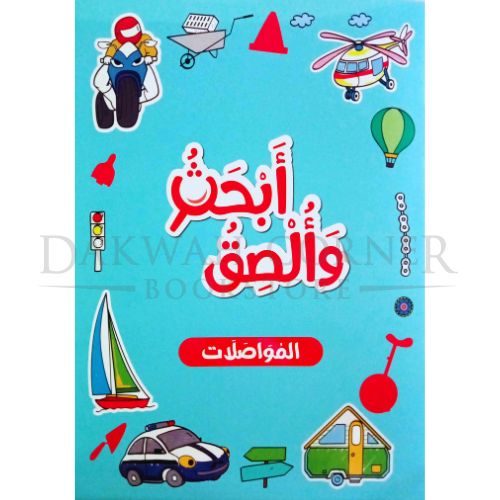
[CB] Abhath Waulsiq – Al-Muwasalaat / أبحث وألصق (المواصلات)
Highlights:
أَلْصِقِ القَاطِرَةَ فِي مَكَانِهَا، وَزَخْرِفِ المَنَاطِيدَ بِالنُّجُومِ،
وَأَلْبِسُ سَائِقَ الفُورْمُولَا 1 خُوذَةً.
سَتَجِدُ فِي كِتَابِ الإِلصَاقِ وَالتَّلْوِينِ المُسَلِّي هَذَا العَدِيدَ مِنَ المُوَاصَلَاتِ:
قَوَارِبَ شِرَاعِيَّةٍ وَقِطَارَاتٍ وَشَاحِنَاتٍ وَحَافِلَاتٍ وَجَرَّافَاتٍ، بَلْ وَدَرَّاجَاتٍ أَحَادِيَّةٍ
أَيْضًا. بَعْدَ أَنْ تَفْرَغَ مِنْ الصَاقِ المُلْصَقَاتِ، لَوْنِ الرُّسُومَاتِ بِالأَقْلَامِ المُلَوَّنَةِ.
RM25.00
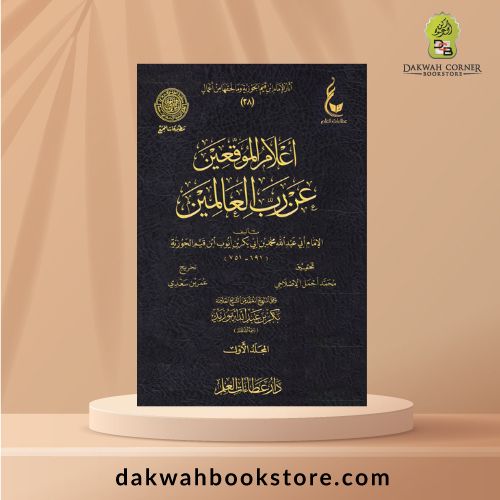
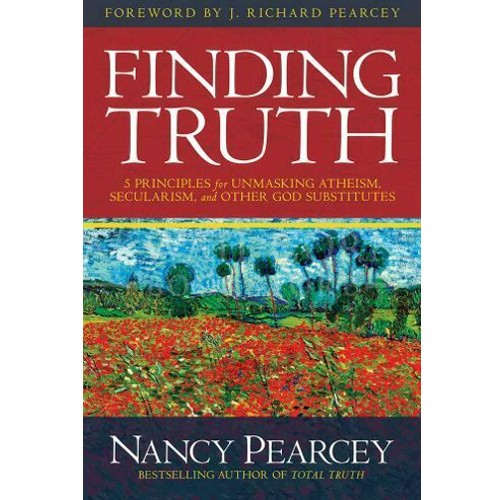
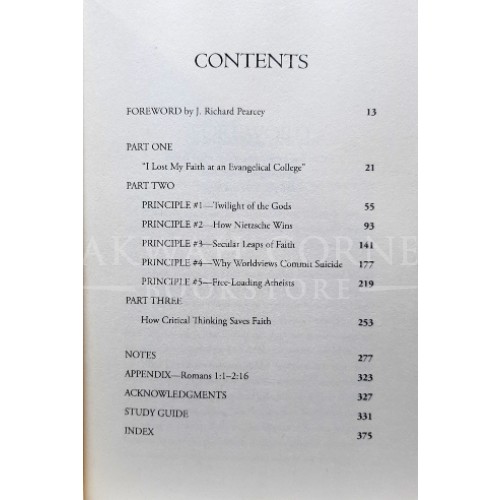
Finding Truth: 5 Principles for Unmasking Atheism, Secularism, and Other God Substitutes
Highlights:
“If I’d read this book as a young man, I would have been challenged to re-examine my views much earlier.”
– J. Warner Wallace
RM99.00
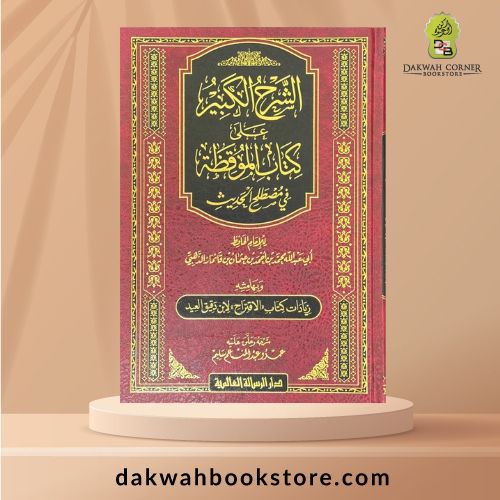
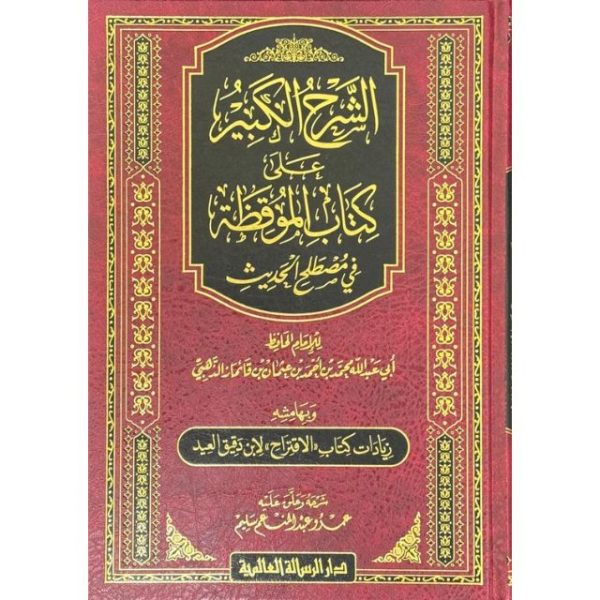
[AUH]Al-Sharḥ al-Kabīr ʿAlā al-Mawqiẓah / الشرح الكبير علي الموقظة
Highlights:
“الشرح الكبير على كتاب الموقظة” هو شرح موسع لمتن “الموقظة في علم مصطلح الحديث” للحافظ الذهبي. قام بإعداده وتحقيقه والتعليق عليه الباحث والمحقق عمرو عبد المنعم سليم
RM75.00

RM72.00 RM120.00
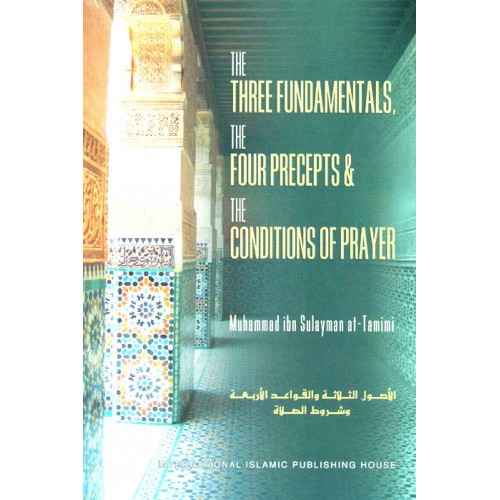
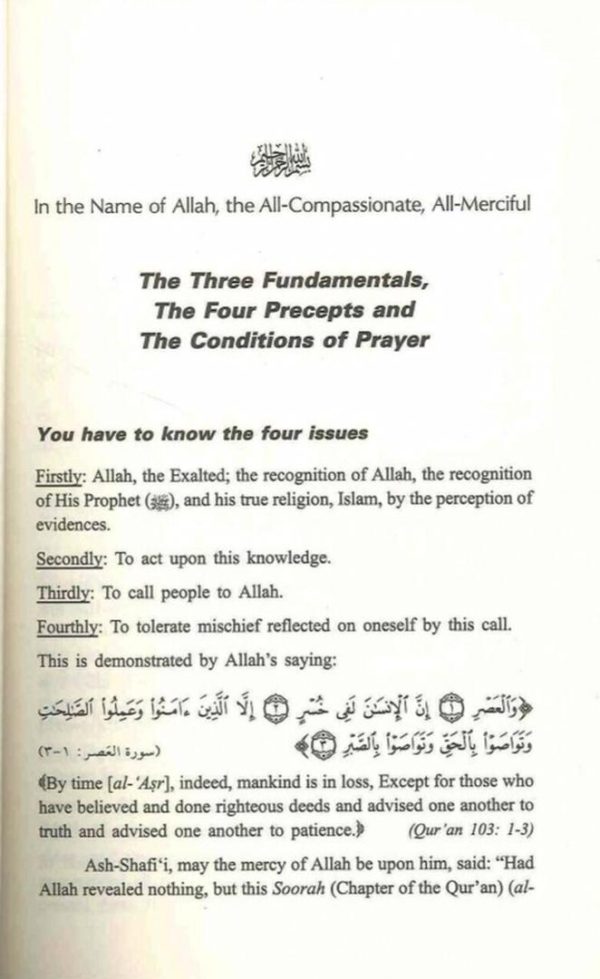
The Three Fundamentals, The Four Precepts & The Conditions Of Prayer (P/B)
Highlights:
(I have only created Jinn and men, but to worship me)
And the most common and lofty way of worship Allah, as we all know, is to pray. Pray, pray, pray.
But how will we react if we find out that after years and years of praying, our prayer is performed incorrectly?!?!
Some of us would be angry… actually, very very angry… while some will be dissappointed and wishing that they knew the correct way of praying earlier…
This book covers all of the guidelines of prayer, and what you need to do before, after, and during prayer, to keep you from that humiliating moment of “learning it the hard way.”
So once this book is between your hands, flip through its thin pages and earn the knowledge of your deen as you sit on the cushions of a warm, comfortable couch.
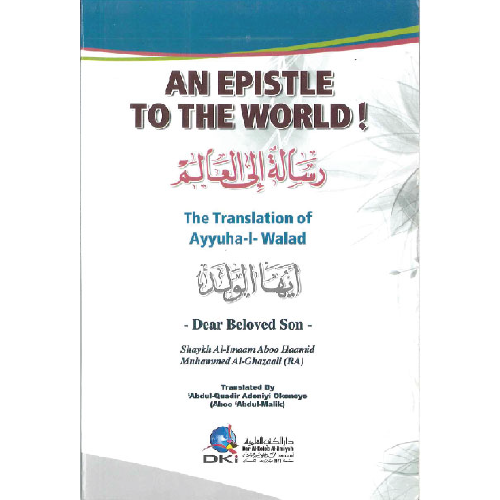
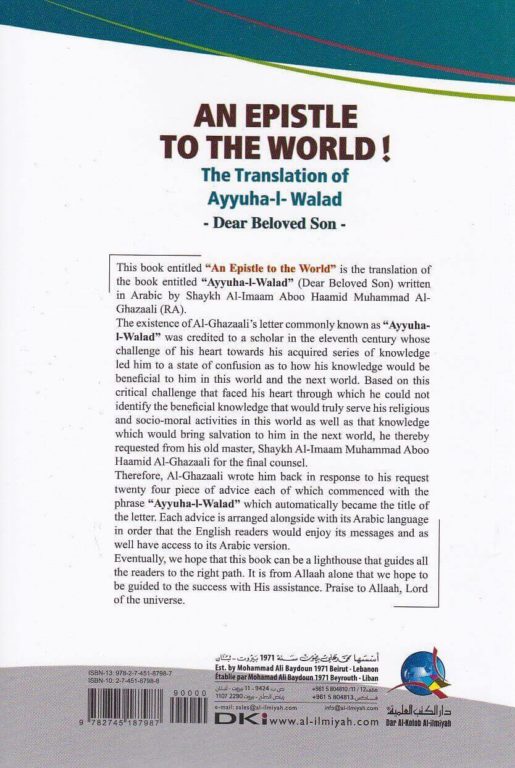
An Epistle To The World!
Highlights:
This book offers twenty-four pieces of valuable advice to seekers of knowledge. It touches on all aspects of life, from material wealth and the love of this life to Islamic etiquette and acquiring knowledge.
RM25.00


33 Ways of Developing Al-Khushoo`: Humility and Devotion in Prayer
5 ★
5 ★
1 Rating
5 ★
1
4 ★
0
3 ★
0
2 ★
0
1 ★
0
Highlights:
Shaykh Muhammad Salih al-Munajjid’s little book is perhaps one of the most widely-circulated among Muslims today. This is because the topic touches worshippers where it hurts—we know that we often lapse into an automatic sort of prayer when we lose concentration. The Shaykh points out that this loss of concentration really stems from a lack of humility and devotion—in Arabic, khushoo‘. His aim in writing this book is to help us to get back that khushoo‘. His step-by-step approach makes it simple. He gives practical advice and uses the excellent example of the prayer of the Messenger of Allah (blessings and peace be upon him) to guide us, so that as worshippers, we can truly return to a state of humility and devotion before the Lord.
RM15.00