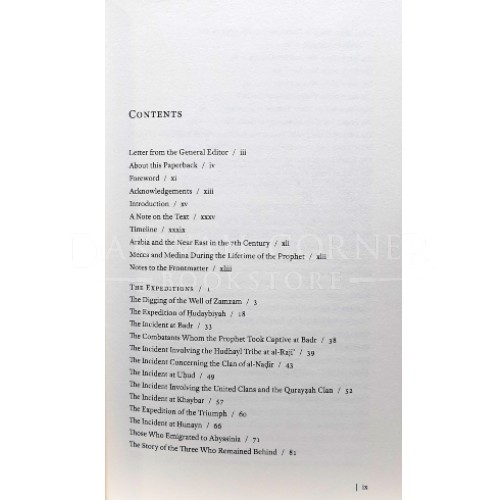
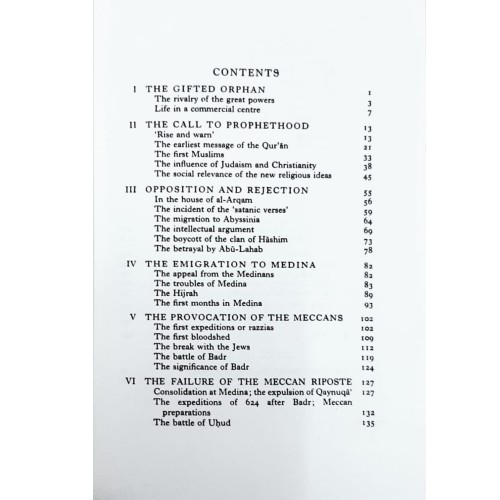
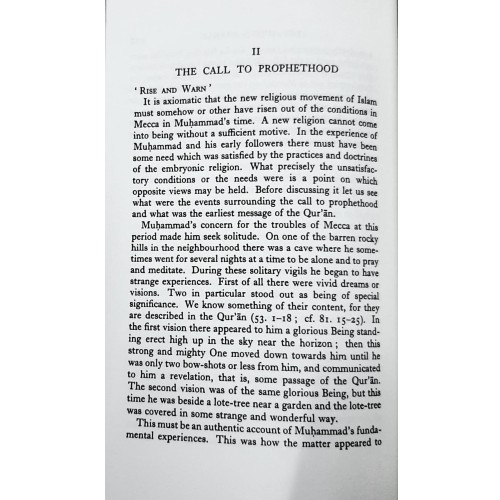

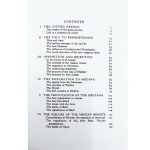
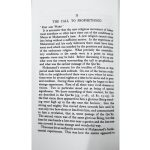

A short account of the life and achievements of one of the great figures of history, this volume also serves as an excellent introduction to one of the world’s major religions. Written with objectivity, the book opens with a background chapter on the birth and early life of the Prophet in Mecca. Dr. Watt tells of Muhammad’s struggle to make his way as an untrained orphan in the city’s commercial world, and his call to prophethood as a result of visions.
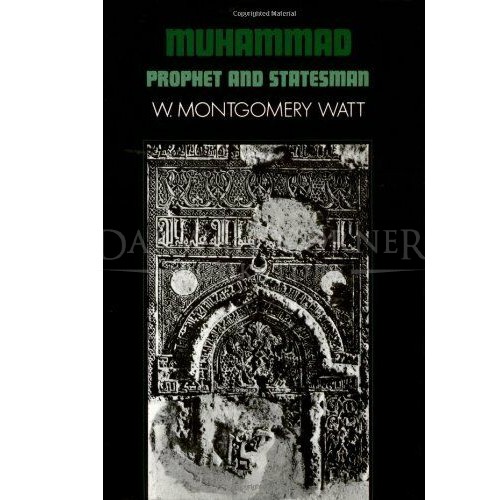
Muhammad, Prophet and Statesman (P/B)
$26.14
A short account of the life and achievements of one of the great figures of history, this volume also serves as an excellent introduction to one of the world’s major religions.
Frequently Bought Together
| Weight | 0.45 kg |
|---|---|
| Dimensions | 20.3 × 12.5 × 1.5 cm |
| Author | |
| Binding | Paperback |
| ISBN | 9780198810780 |
| Pages | 250 |
| Publisher | OXFORD University Press |
Be the first to review “Muhammad, Prophet and Statesman (P/B)” Cancel reply
You must be logged in to post a review.
You may also like…
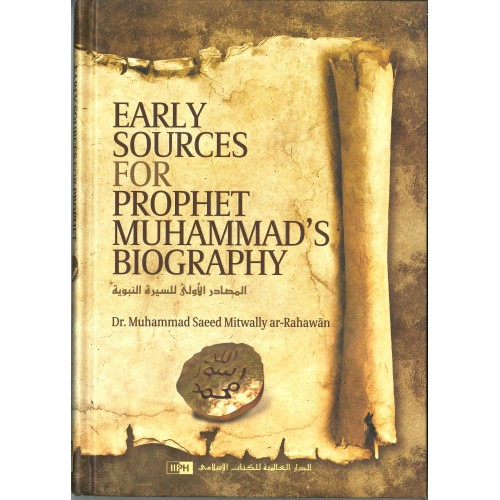
Early Sources For Prophet Muhammad’s Biography (H/B)
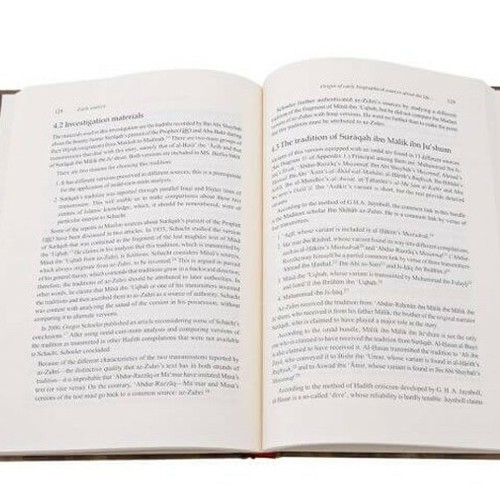
In ‘Early Sources for Prophet Muhammad’s Biography’, Dr. Muhammad Saeed Mitwally aims to prove that applying Western methods of critical analysis to the available Muslim sources can take us back to early, reliable information about the Prophet (sa).
Early Western biographies of the Prophet of Islam (sa) were largely based upon the Qur’an, as well as upon the late Muslim sources dating from the sixteenth century. After the publication of Goldziher’s Muhammedanische Studien in 1890, the reliability of Muslim sources became controversial. This stance was intensified by the publication of Schacht’s The Origins of Muhammadan Jurisprudence, in which he claimed that none of the Hadith literature is authentic. In this book, Dr. Muhammad Saeed Mitwally successfully challenges some of the problems raised by the pessimistic attitude.
Students of Hadith will find this study thought-provoking and informative.
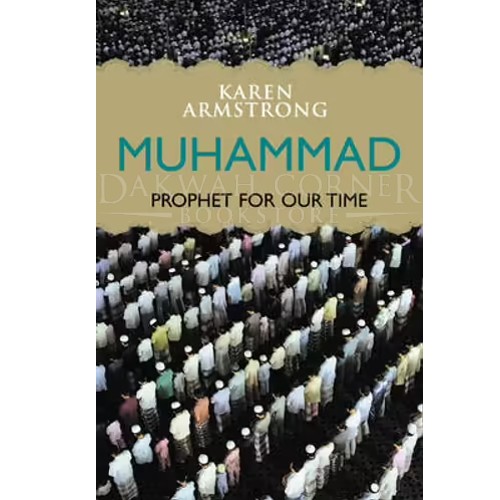
Muhammad: Prophet for Our Time (Harper Perennial)
Muhammad was born in 570 CE, and over the following sixty years built a thriving spiritual community, laying the foundations of a religion that changed the course of world history.
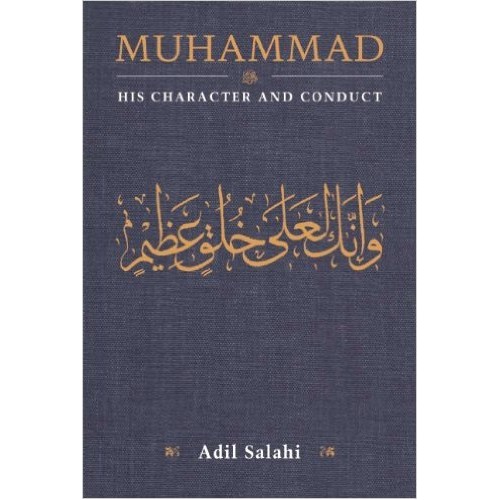
Muhammad His Character and Conduct
Seerah and Biographies
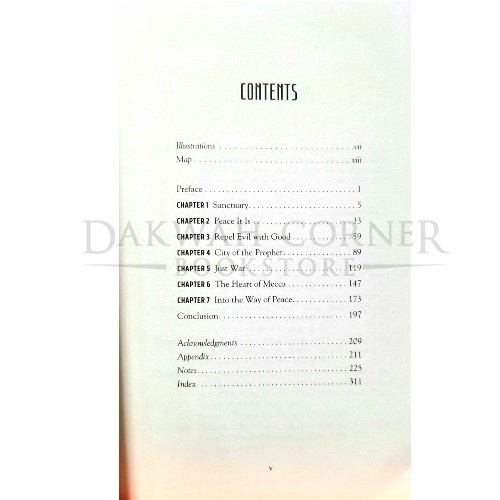
Muhammad: Prophet of Peace Amid The Clash of Empires
“In the midst of the dramatic seventh-century war between two empires, Muhammad was a spiritual seeker in search of community and sanctuary.”
Related Products
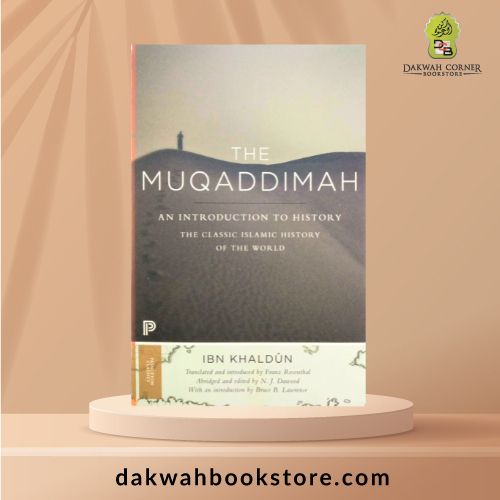
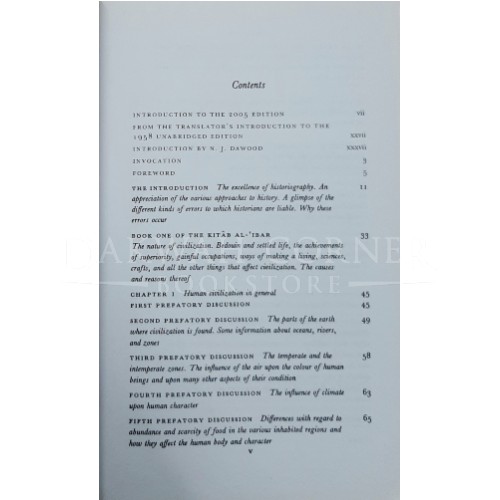
The Muqaddimah: An Introduction To History
The Muqaddimah: An Introduction to History –Abridged Edition
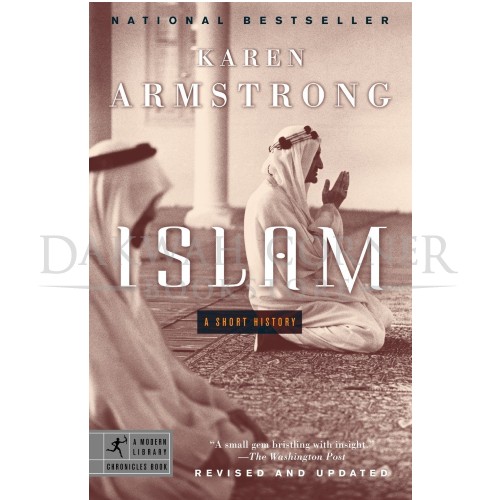
Islam: A Short History
With this brilliant book, Karen Armstrong issues a forceful challenge to those who hold the view that the West and Islam are civilizations set on a collision course. It is also a model of authority, elegance, and economy.
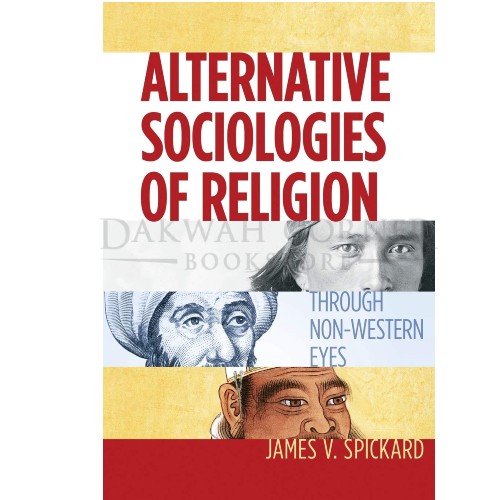
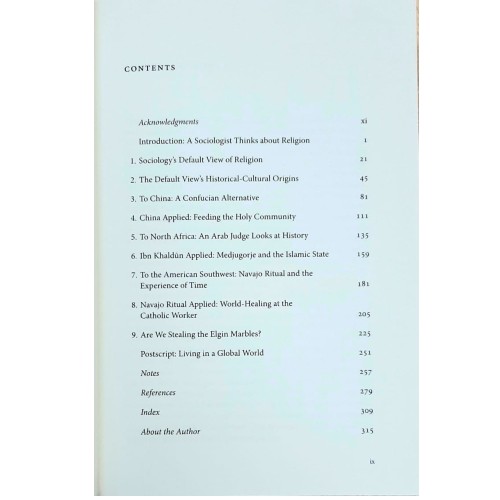
Alternative Sociologies Of Religion: Through Non-Western Eyes
Sociology has long used Western Christianity as a model for all religious life. As a result, the field has tended to highlight aspects of religion that Christians find important, such as religious beliefs and formal organizations, while paying less attention to other elements. Rather than simply criticizing such limitations, James V. Spickard imagines what the sociology of religion would look like had it arisen in three non-Western societies. What aspects of religion would scholars see more clearly if they had been raised in Confucian China? What could they learn about religion from Ibn Khaldun, the famed 14th century Arab scholar? What would they better understand, had they been born Navajo, whose traditional religion certainly does not revolve around beliefs and organizations?
Through these thought experiments, Spickard shows how non-Western ideas understand some aspects of religions―even of Western religions―better than does standard sociology. The volume shows how non-Western frameworks can shed new light on several different dimensions of religious life, including the question of who maintains religious communities, the relationships between religion and ethnicity as sources of social ties, and the role of embodied experience in religious rituals. These approaches reveal central aspects of contemporary religions that the dominant way of doing sociology fails to notice. Each approach also provides investigators with new theoretical resources to guide them deeper into their subjects. The volume makes a compelling case for adopting a global perspective in the social sciences.
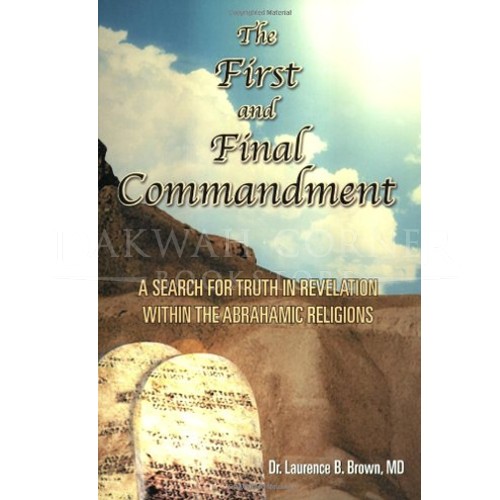
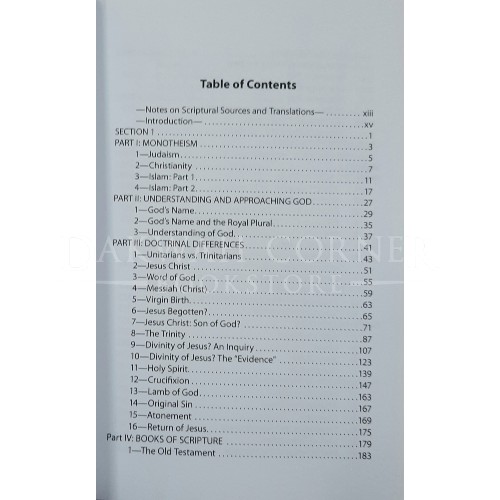
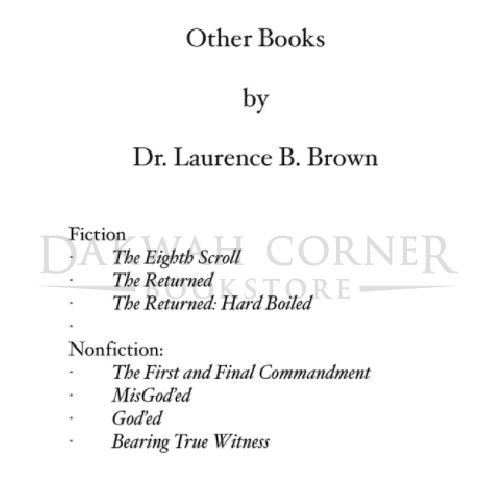
The First and Final Commandment (2nd Edition)
“A search for truth in revelation within the Abrahamic religions.”
Faith First: A Guide To Awakening Iman
“Fait first is based on a simple premise: Begin with faith, and the rest will follow.”
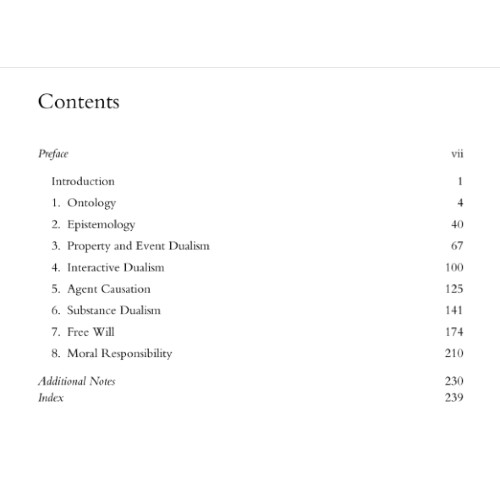
Mind, Brain, & Free Will (P/B)
Mind, Brain, and Free Will presents a powerful new case for substance dualism (the idea that humans consist of two parts–body and soul) and for libertarian free will (that humans have some freedom to choose between alternatives, independently of the causes which influence them). Richard
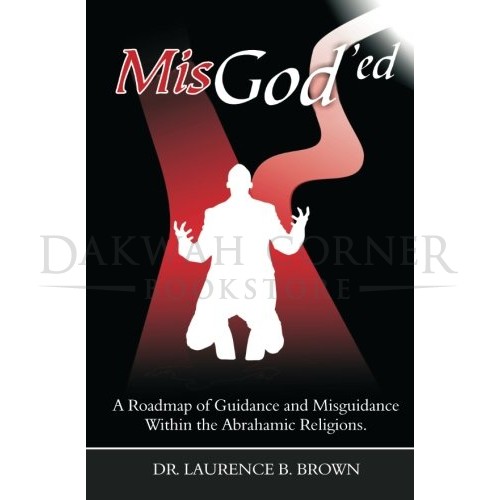
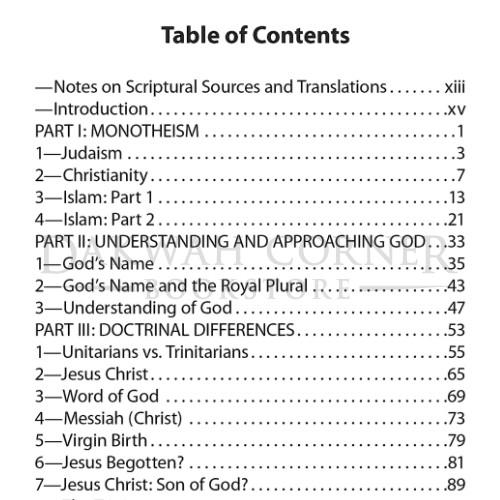
MisGod’ed: A Roadmap of Guidance and Misguidance Within the Abrahamic Religions
The world is fraught with religious conflict.
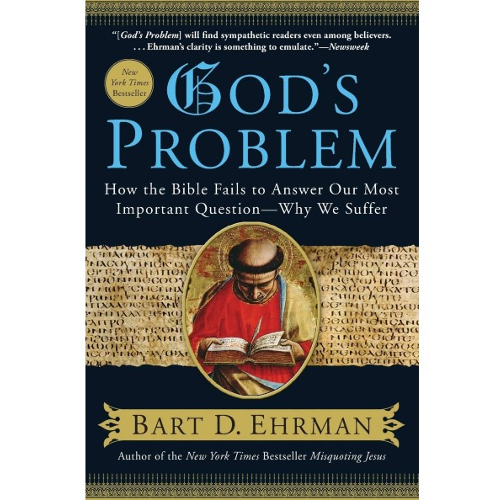
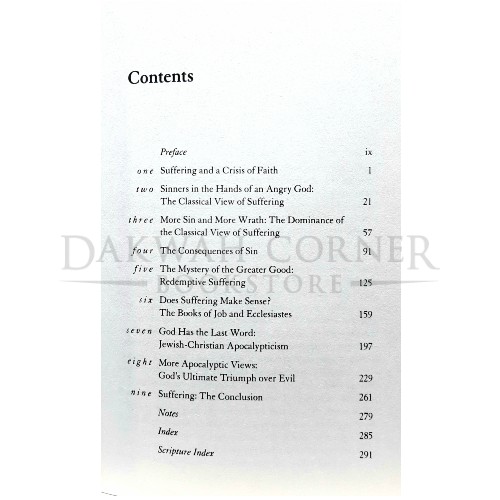
God’s Problem: How the Bible Fails to Answer Our Most Important Question–Why We Suffer
In times of questioning and despair, people often quote the Bible to provide answers. Surprisingly, though, the Bible does not have one answer but many “answers” that often contradict one another. Consider these competing explanations for suffering put forth by various biblical writers:
The prophets: suffering is a punishment for sin
The book of Job, which offers two different answers: suffering is a test, and you will be rewarded later for passing it; and suffering is beyond comprehension, since we are just human beings and God, after all, is God
The Zion Deception
With a keen sense of closure and awareness of the interconnectedness behind history’s failings, author Dr. Laurence B. Brown exposes popularized fallacies, and reveals the threat Zionism poses not only to Jews, but to the world as a whole.
Recently Viewed
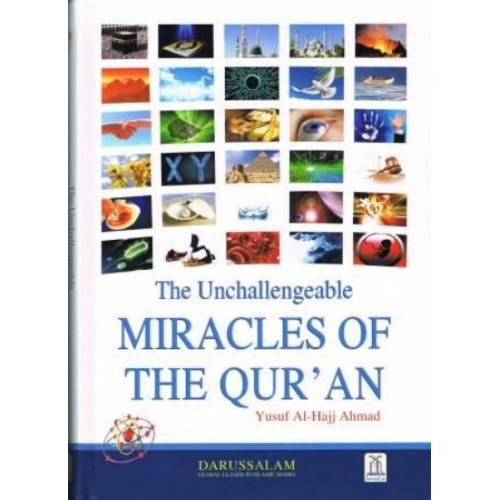
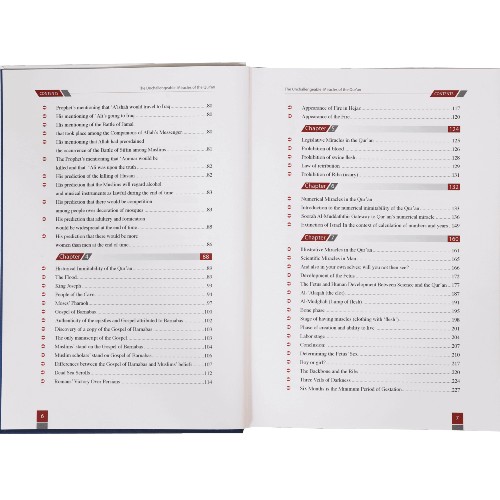
The Unchallengeable Miracles Of The Qur’an (H/B)
The Qur’an is a book of guidance for all of humanity, and Allah has promised that He will preserve it in its original pristine form until the Day of Judgment. The inimitable style of the Qur’aan and the superior wisdom in it are definitive evidences that it is the Word of God. Besides, the Qur’an has many miraculous verses proving that it is undoubtedly a revelation from God and not the work of a human.
Although the Qur’an is not just a book of science, it clearly states a number of scientific truths that were uncovered only with the help of modern technology in the 20th century. How can we explain the numerous scientific facts mentioned in its verses over 1400 years ago?
Time after time, respected scientists and renowned experts from all over the world, upon studying the verses of the Qur’an (Quraan) have had no other choice but to acknowledge that there were no means of knowing these scientific facts 1400 years ago. The only way they could have reached us is through revelation: proving that the Qur’an is the word of God.
Just as scientists and researchers are fascinated by the wealth of knowledge and depth of meaning carried in the verses of the Qur’an (Koran/Coran), modern readers too will find a great deal of benefit in the amazing information and insight offered by this book.
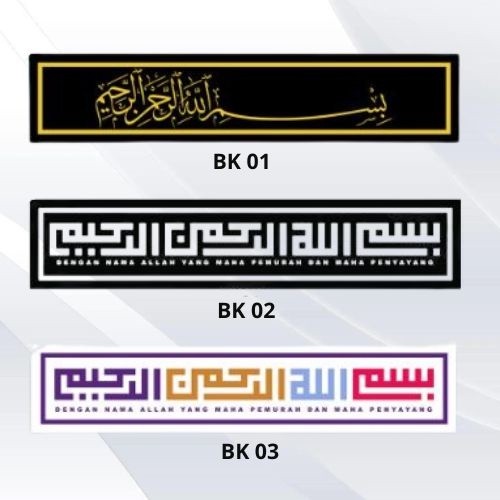
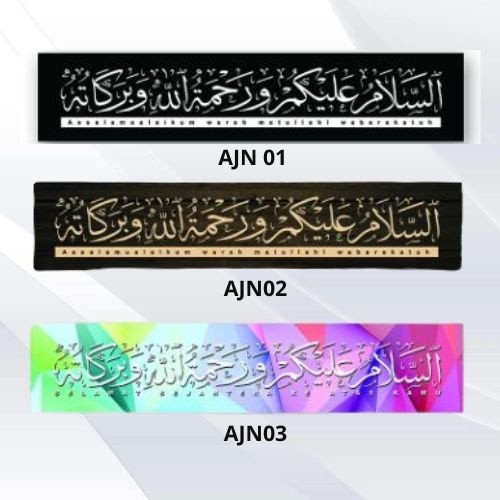
Frame Khat BISMILLAH dan ASSALAMUALAIKUM
FRAME KHAT: ASSALAMUALAIKUM DAN BISMILLAH.
✔1 panel frame
✔Material : 440gsm Tarpaulin dengan kemasan frame kayu
✔High Quality Printing : 1200dpi
✔UV Ink untuk image yang lebih kemas
✔Warna yang menyerlah dan tahan lama
✔Kalis air dan mudah dibersihkan
✔2pcs hook dipasang di bahagian belakang
✔Frame Saiz : 24 X 5inci
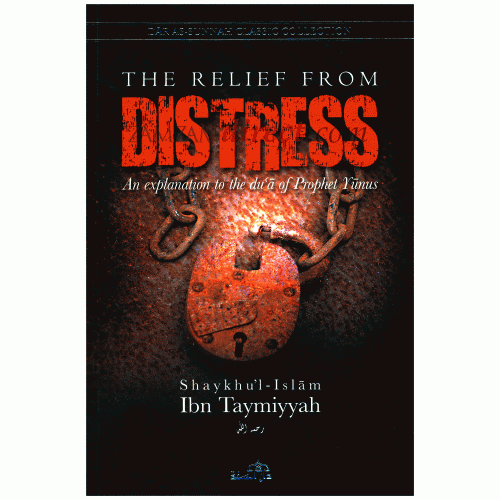
The Relief From Distress : An Explanation to the dua of Prophet Yunus (P/B)
Shaykh al-Islam Ibn Taymiyyah, may Allah sanctify his soul, was asked about the saying of the Prophet (pbuh),
The invocation of my brother Yunus, “none has the right to be worshipped save You; glory be to You, far removed are You from any imperfection; I have been amongst the wrong-doers,” none who is experiencing difficulty employs it except that Allah would relieve him of his difficulty.
What is the meaning of this du’a (prayer, supplication)?
Are their any unstated conditions that have to be met when one articulates it?
What is the connection between belief in the heart and the meaning of this supplication such that it leads to the removal of difficulty?
Why did he explicitly confess, ‘I have been amongst the wrong-doers’ when it is known that tawhid in itself leads to the removal of difficulty?
Is it sufficient to acknowledge ones’ sin alone, or must this be accompanied by repentance and the firm resolve not to repeat that sin in the future?
Why is it that difficulty and harm is removed only when a person relinquishes any hope, reliance and dependency upon the creation?
How can the heart relinquish the characteristic of putting hope in the creation and depending on them, and instead put its hope in Allah, Exalted is He, and turn to Him in its entirety?
What are the methods that would aid the heart in doing this?
The author replies to these questions in the form of this book.


There are no reviews yet.