


| Weight | 0.575 kg |
|---|---|
| Product Type | Book |
| Author | |
| Publisher | OXFORD University Press |
| Pages | 320 |
| ISBN | 9780190226831 |
The Middle Path of Moderration in Islam (H/B)
$42.95
Out of Stock
Highlights:
somdn_product_page
Compare
In The Middle Path of Moderation in Islam, leading Islamic law expert Mohammad Hashim Kamali examines the concept of wasatiyyah, or moderation, arguing that scholars, religious communities, and policy circles alike must have access to this governing principle that drives the silent majority of Muslims, rather than focusing on the extremist fringe. Kamari explores wasatiyyah in both historical/conceptual terms and in contemporary/practical terms. Tracing the definition and scope of the concept from the foundational sources of Islam, the Qu’ran and Hadith, he demonstrates that wasatiyyah has a long and well-developed history in Islamic law and applies the concept to contemporary issues of global policy, such as justice, women’s rights, environmental and financial balance, and globalization.
Framing his work as an open dialogue against a now-decades long formulation of the arguably destructive Huntingtonian “clash of civilizations” thesis as well as the public rhetoric of fear of Muslim extremism since the attacks of September 11, 2001, Kamali connects historical conceptions of wasatiyyah to the themes of state and international law, governance, and cultural maladies in the Muslim world and beyond. Both a descriptive and prescriptive meditation on a key but often neglected principle of Islam, The Middle Path of Moderation in Islam provides insight into an idea that is in the strategic interest of the West both to show and practice for themselves and to recognize in Muslim countries.
SKU: SJ180
Category: Sharia, Fiqh and Jurisprudence
Additional information
Reviews (0)
Be the first to review “The Middle Path of Moderration in Islam (H/B)” Cancel reply
You must be logged in to post a review.
Related Products

The Pillars of Islam Made Easy – II Salah & Its Essential Conditions (H/B)
Highlights:
Salah is one of the five pillars on which the edifice of Islam rests. Most of us feel that we already know all there is about salah – the formal prayers of a Muslim. However, very few individuals actually do justice to it or derive any worldly or spiritual benefits from it.
Salah & Its Essential Conditions is an effort to detail the essential prerequiires of salah. Moreever, it takes a detailed look at its importance along with the different types of obligatory and voluntary prayers. It alsa presents an illustrated guide to help those who wish to learn or correct the performance of their prayers.
Inshallah, all those who wish to improve their salah will find plenty of help in this book whether they are looking for information on cleanliness and purify, locating the direction of qibla, improving their congregation during salah, making up for the missed salah, or joining acongregation when the imam has already sarted the salah, or joining a congregation when the imam has already started the salah. All in all, it is a relevant handbook on what the Prophet (saw) has described as the coolness of his eyes.


Should A Muslim Follow A Particular Madhhab?
Highlights:
In this book, the author has widely described the main principle of Taqleed. He says that Allah and Prophet Mohammed (SAW) has not ordered us to follow any opinions and interpretations. So there’s a possibility of being correct or incorrect in the opinions because there are many issues on which the Imams had different views and they explain them according to their own reasons and speculations, but the real and true Islam is based on the book (Quran) and Prophet’s Sunnah.
Allah says: “But no, by your Lord, they can have no Faith until they make you judge in all disputed matters between them, and find in themselves no resistance against your decision, and accept them with full submission.” And the prophet said: “I leave you with two things as long as you hold them tightly, you never go astray: they are the book of Allah and my Sunnah.” In this sense, the author has described the difference between different Madhahib (madhabs/mazhabs), and their views and urged to follow only the Quran and Sunnah.

Istihsan (P/B)
Highlights:
This work constitutes a critical analysis of classical and modern aspects of the concept of istihsan (juristic preference), an important principle in Islamic legal legislation throughout history. Although there has been many research works on the subject, it still requires further investigation on the role and nature of istihsan with regard to a combination of classical and modern approaches. Consisting of four chapters, the author begins by introducing some general principles of Islamic law, before discussing the history of istihsan during the time of the Prophet and his Companions. He also analyses the validity of istihsan as a source of law and discusses the differences among scholars on its method of implementation.


Hajj & Umrah (Pocket Guide) – English Version
5 ★
5 ★
2 Ratings
5 ★
2
4 ★
0
3 ★
0
2 ★
0
1 ★
0
Highlights:
A useful pocket guide that includes the rites of Umrah,Hajj, and visiting Madinah.

Shatibi’s Philosophy of Islamic Law (P/B)
Highlights:
Abu Ishaq al-Shatibi, who died in 1888, had sought an answer to the challenge posed by modernisation and change to Islamic law, by introducing maslahah, which forms the basis of his philosophy of Islamic law. In a fascinating way, the author leads us step by step to what he considers the true import of Shatibi’s views concerning jurisprudence.

The Right to Education, Work and Welfare in Islam (P/B)
Highlights:
In The Right to Education, Work and Welfare in Islam Professor M.H. Kamali develops an Islamic perspective on three connected and complementary areas of rights and liberties. He urges that education is often a necessary ingredient of professional work even more so now than in earlier times when the range and variety of specialised knowledge were relatively limited. A person who acquires education, whether generally or at advanced levels of specialisation, is more likely to stand in a better position to enter the workforce and thus to contribute to the welfare of the community.
The author commences his discussions on education, work and welfare in Islam by focusing on how each is treated in the Qur’an; and follows this by the example of the Prophet and, after him, the Pious Caliphs who gave prominence to the education and welfare needs of people at times both of scarcity and affluence. Professor Kamali then moves forward to our time and discusses the right to education, the education of children, institutionalisation of learning, academic freedom and the debate between science and religion.
The section on work elaborates on the value of work, work ethics, workers’ and employers’ rights and responsibilities, and the role and responsibility of governments.
Finally, the section on welfare focuses on the importance in Islam of caring for those who are in need and the different forms of provision that can be made available by individuals, the state and charities.


The Ultimate Guide to Umrah by Darussalam
Highlights:
Based on the famous book ‘Getting the Best out of Hajj’ With special chapters on Umrah in Ramadaan & Visiting Madinah After Hajj, a Muslim considers Umrah to be the most significant worship that brings the opportunity of rewards and the blessings of visiting Ka’bah and the Prophet’s Mosque along with other sacred places one wishes to visit and try to feel the atmosphere present at the time of Allah’s Messenger (peace be upon him) and the hardships he had to bear while preaching Islam. During such a visit, a newcomer has to face many difficulties because of a lack of knowledge about the rites and places. To provide complete details about everything, a pilgrim wants to know, the first time this book has been compiled with the utmost care and research so as to make it useful in every respect.


Fiqh According To The Quran & Sunnah (2 vol)
Highlights:
The complete set, ‘Al-Lubab Fee Fiqh As-Sunnah Wal-Kitab,’ contains all of the books of Islamic Fiqh and its chapters, accompanied by evidence and is presented in a clear and simple manner, in order that they may be understood by the young and the old, without blindly following any of the schools of Jurisprudence, but rather being subject to authentic proofs and following the most authoritative opinions, without fanatical adherence to any particular group. Rather the author agrees with each group when the truth is with them and contradicts them when they veer from that which is correct.
Fiqh is to achieve access to knowledge of that which is unclear through knowledge of that which is proven, so it is more specific than mere knowledge or learning. And fiqh is knowledge of the juristic law. It is said Faquha -A man has acquired understanding and so he has become a Faqeeh (A scholar of Islamic Jurisprudence); and it is said Faqiha – He has understood it, i.e he has attained understanding of it, and it is said Tafaqqaha – he has devoted himself to the acquisition of (Islamic) Knowledge and specialized in it. Fiqh has been a subject of contention among the scholars as well as layman throughout the history of Islam.


Ibn Ashur Treatise on Maqasid al-Shariah (P/B)
Highlights:
Ibn Khaldun, the fourteenth century Arab historiographer and historian, is viewed as a founder of modern historiography, sociology and economics. He lived during a turbulent part of history, and out of his experiences, he ?conceived and created a philosophy of history that was undoubtedly the greatest work ever created by a man of intelligence…?. This work tells of the period of unrest in Ibn Khaldun?s life marked by political rivalries. It is during this turbulent period which provided him with the opportunity to write the Muqaddimah (or Prolegomena), earning him an immortal place among historians, sociologists and philosophe


Funerals Regulations and Exhortations (H/B)
Highlights:
Our soul inevitably follows a route starting from birth, passing through death, and ending with our resurrection in the next life. The inevitable journey discusses over a sequence of titles: sickness, inheritance, funerals, Life in Barzakh and so on…

Islamic Fatawa Regarding Women (H/B)
Highlights:
Women face a lot of special problems regarding their menses, postpartum bleeding, istihada, hijab, mixing with men, rights & duties with respect to their husband, husband’s household, children, inheritance, marriage, divorce, etc
More than 350 of such problems & issues have been answered in this book by Grand Mufti of Saudi Arabia Sheikh Ibn Baz, and the eminent scholars like Sheikh Ibn Uthaimin, Sheikh Ibn Jibreen and others.
.

Worship In Islam: An In-depth Study of Ibadah, Salah and Sawm (P/B)
Highlights:
Worship in Islam is in-depth study of the nature and significance of Islamic spirituality by Abul A‘la Mawdudi (1903–79), one of the leading Muslim intellectuals of the twentieth century, with special reference to the concepts of God’s Oneness (tawhid), the finality of Prophethood (risalah) and the Islamic system of worship (‘ibadah) with a focus upon prayer (salah) and fasting (sawm) and their role in the development of the Islamic personality and Islam’s social order. The distinguishing feature of Mawdudi’s approach is his elaboration of the social dimension of worship, which extends the traditional approach found in Islamic jurisprudence, with its focus upon ritual and self-purification, to consider worship’s transformative role in social life. Presenting a holistic view of the Islamic system, Mawdudi highlights Islam’s social, economic and political dimensions, which he argues has the capacity to resolve emergent issues and problems that humankind faces.
This historic text should be of wider interest to both students and specialists in contemporary Islamic thought, and includes an introduction by Professor Anis Ahmad.
Edited and translated into accessible English by Ahmad Imam Shafaq Hashemi, this book is an authoritative compilation by a leading Islamic twentieth-century revivalist on the central matter of worship’s role in Islam.
Recently Viewed
The Cross and The Crescent (IIPH)
Highlights:
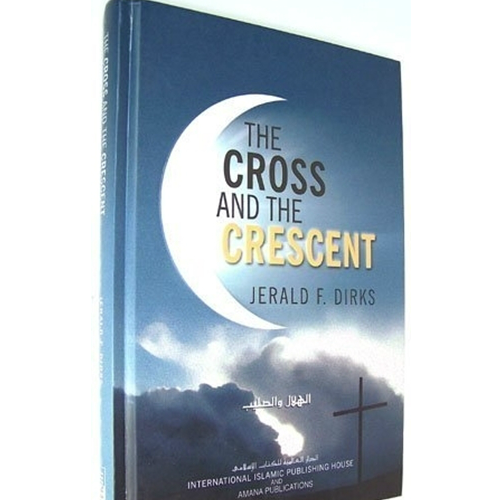
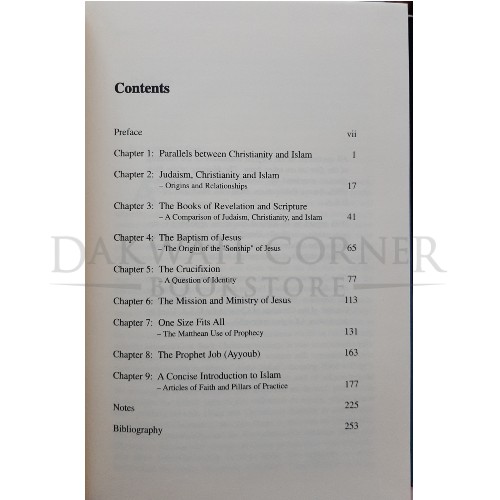
In The Cross and The Crescent, Dr. Dirks, a former ordained minister (deacon) in the United Methodist Church, a graduate of Harvard Divinity School and with a doctorate in clinical psychology, reaches out to the Christians and the Muslims for an interfaith dialogue. Drawing on his seminary education and thirty years of interaction with Muslims in America and overseas, the author digs deep into the roots of Christianity to bring out obscure information that highlights what was once common between Christianity and Islam. He envisioned that, “In writing this book, I would like to touch the lives of those Christians who have not been given the knowledge that I have gained both about Islam, from my direct contact with Muslims, and about Christianity from my seminary education. I want to share with those Christians, who are willing to listen, what is so often known by their clergy and church leaders, but seldom finds its way into their knowledge of their own religion. Likewise, I would like to reach out to the Muslims, in order to help them understand the religious commonality that they share with Christians”.


Difference Between Advising And Shaming ( Dar as-Sunnah)
4.5 ★
4.5 ★
2 Ratings
5 ★
1
4 ★
1
3 ★
0
2 ★
0
1 ★
0
Highlights:
[This book] beautifully illustrates the difference between advising that is encouraged and shaming that is not permitted.
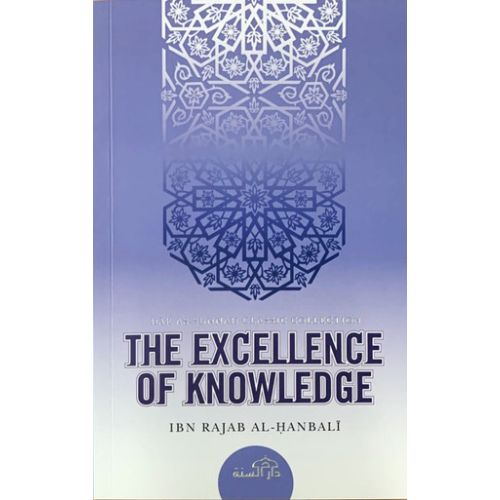
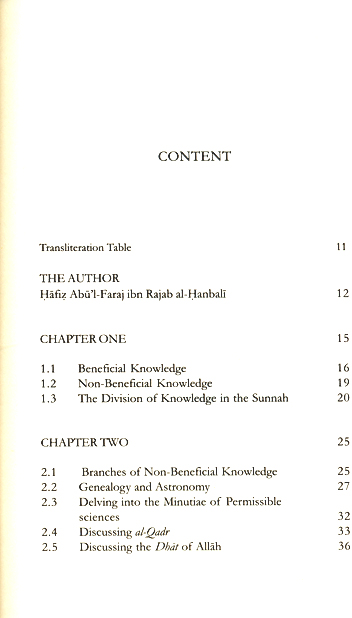
The Excellence of Knowledge (Dar as-Sunnah Publishers)
Highlights:
The way and wisdom of the Salaf, all goodness lies in traversing the way of the Salaf, beneficial Knowledge with regards the ‘Inner Sciences’, the foundation of knowledge and many other branches of the beneficial knowledge.
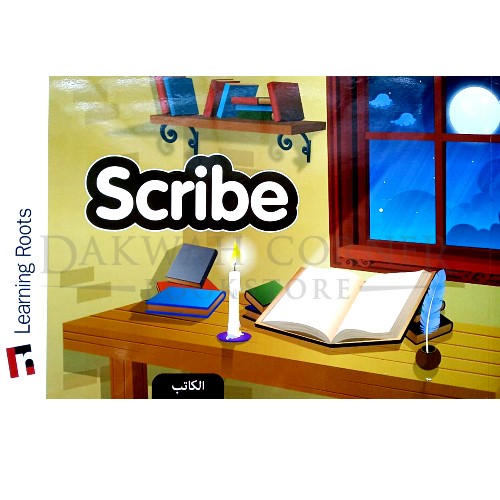
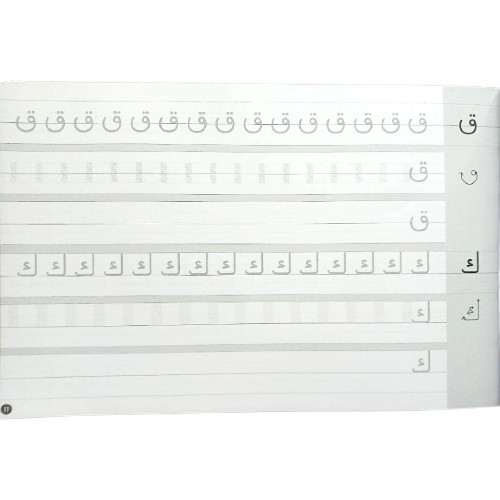
Scribe
Highlights:
Scribe allows you to achieve beautiful Arabic handwriting with precision guidance, leaving you to practice your skills to perfection. The secret of the Scribe approach is simple: it’s everything an outstanding handwriting practice course should be. In particular, Scribe has been designed with an exclusively tailored typeface that combines the beauty of Arabic calligraphic proportion with the ease of a single-width stroke. There are precision guidelines to help scaffold letters as well as a gradual reduction in the size of the typeface for a smoother transition to more advanced stages. There is plenty of room for practice, and a comprehensive foundational approach means that all aspects of handwriting are covered in a natural progression.

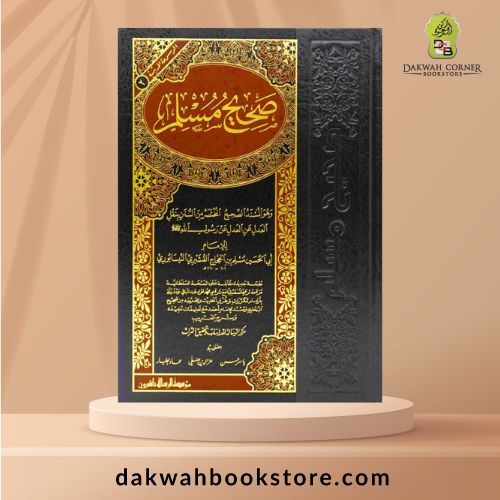
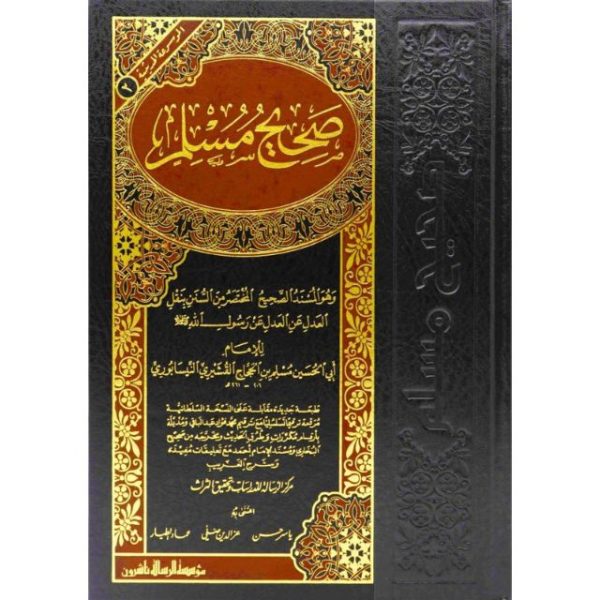
[AH] Sahih Al Muslim / صحيح مسلم
Highlights:
هو أحد أهم كتب الحديث النبوي عند المسلمين من أهل السنة والجماعة، ويعتبرونه ثاني أصح الكتب المصنفة في الحديث النبوي بعد صحيح البخاري، وثالث أصح الكتب على الإطلاق بعد القرآن الكريم.
ألفه الإمام أبو الحسين مسلم بن الحجاج القشيري النيسابوري، واستغرق في جمعه وتصنيفه قرابة خمس عشرة سنة، حيث انتقى أحاديثه من بين ثلاثمائة ألف حديث مسموعة.
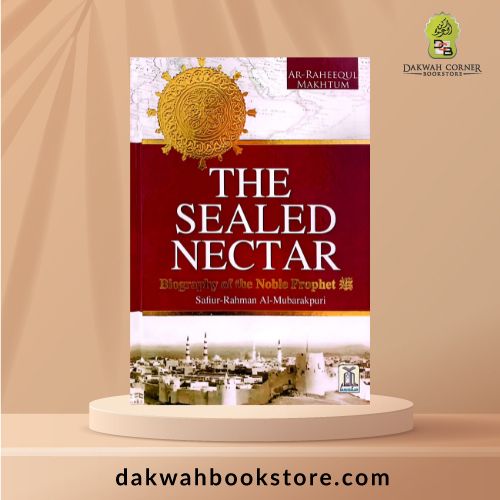
The Sealed Nectar (Full Color New)
Highlights:
Seerah and Biographies
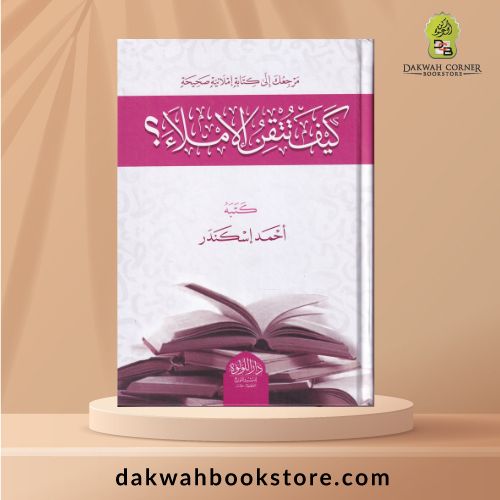
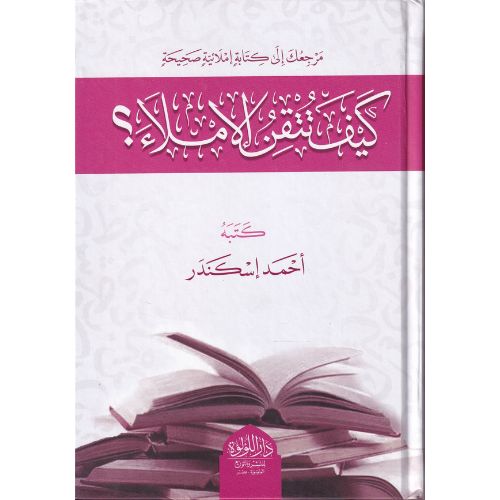
[ALA] Kayfa Tutkinun al-Imla’ / كيف تتقن الإملاء
Highlights:
يبدأ الكتاب بعلامات النحو والأساليب النحوية ويستمر حتى يصل إلى أهم وأعمق فروع القواعد في هذا المقال سيوضح موقع “مطبات” كل التفاصيل التي ترغبون في معرفتها.
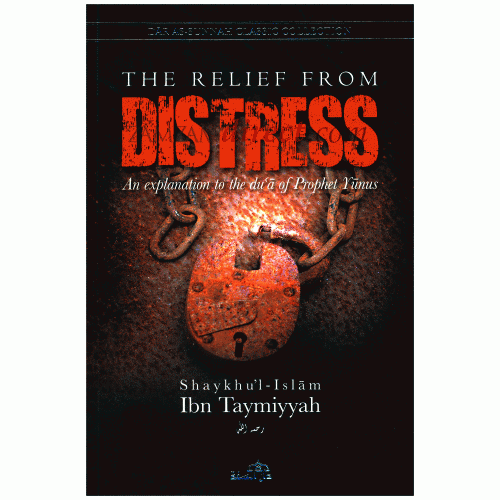
The Relief From Distress : An Explanation to the dua of Prophet Yunus (P/B)
Highlights:
Shaykh al-Islam Ibn Taymiyyah, may Allah sanctify his soul, was asked about the saying of the Prophet (pbuh),
The invocation of my brother Yunus, “none has the right to be worshipped save You; glory be to You, far removed are You from any imperfection; I have been amongst the wrong-doers,” none who is experiencing difficulty employs it except that Allah would relieve him of his difficulty.
What is the meaning of this du’a (prayer, supplication)?
Are their any unstated conditions that have to be met when one articulates it?
What is the connection between belief in the heart and the meaning of this supplication such that it leads to the removal of difficulty?
Why did he explicitly confess, ‘I have been amongst the wrong-doers’ when it is known that tawhid in itself leads to the removal of difficulty?
Is it sufficient to acknowledge ones’ sin alone, or must this be accompanied by repentance and the firm resolve not to repeat that sin in the future?
Why is it that difficulty and harm is removed only when a person relinquishes any hope, reliance and dependency upon the creation?
How can the heart relinquish the characteristic of putting hope in the creation and depending on them, and instead put its hope in Allah, Exalted is He, and turn to Him in its entirety?
What are the methods that would aid the heart in doing this?
The author replies to these questions in the form of this book.
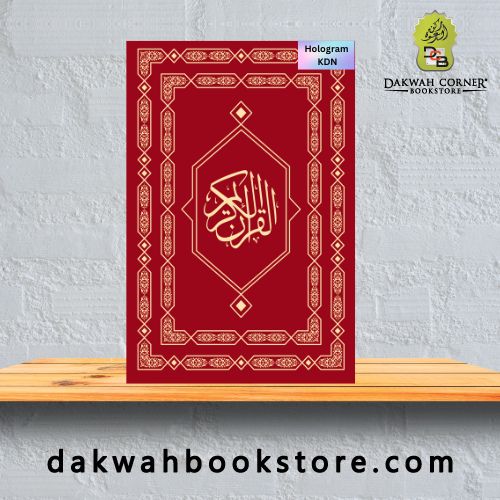
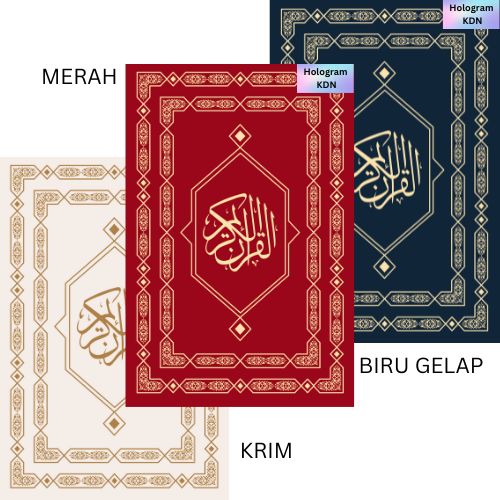
Mushaf Madinah DCB (Local Edition)
Highlights:
Mushaf Madinah Local Edition (Explanation in Malay)
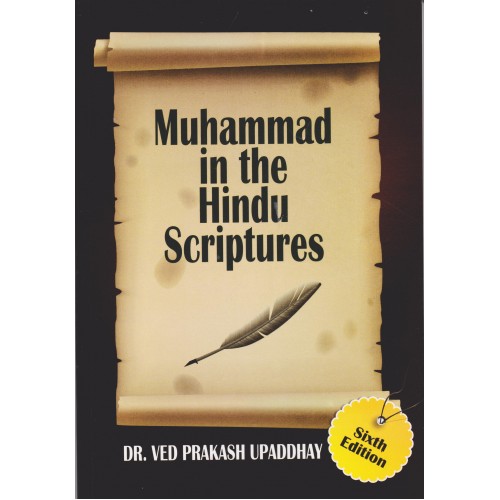
Muhammad in the Hindu Scriptures (P/B)
Highlights:
God is One. Human nature is one. Human destiny is one. And God�s message to humanity vis-a-vis that destiny is one. However, the rebellious element in man�s nature has led him to disobey God on the one hand, and on the other, he has pushed on to distort the very message of God. But the message is never fully lost. It would be ludicrous and indeed heretical to think that the situation could have gone out of God’s control.
With every distortion, therefore, He has renewed the message to salvage humanity from self-ruin. More interesting than that is the fact
that He has inserted in every message a Pointer to the Final Guide and the message he would be entrusted with; a Pointer which shows the true
seeker where the uncorrupted message could be found – the message that no one would be able to distort any more. While the main body of the message has been corrupted, the Pointer contained within has not been destroyed. Muhammad in the Hindu Scriptures brings out the truth of this phenomenon.
In addition to the Vedas and the Puranas, the book has unearthed this Pointer in the Buddhist, Christian, Jewish and other Hindu scriptures. Each of these scriptures uses its own unique Pointer relevant to its own theological scheme and the religious mentality of its own people. Separately and jointly these Pointers lit up the road to Muhammad (blessings and peace be upon him) exclusively, without any iota of doubt.
By all accounts the Final Guru has been sent and the Last Testament is in our laps. Additionally, the existence of these Pointers in the earlier
scriptures is yet another dimension of God’s mechanism to guide mankind to the infallible Truth. Upon reading the book, the theist, the atheist and the agnostic will find a lot to think about.
There are no reviews yet.