


| Weight | 0.575 kg |
|---|---|
| Product Type | Book |
| Author | |
| Publisher | OXFORD University Press |
| Pages | 320 |
| ISBN | 9780190226831 |
The Middle Path of Moderration in Islam (H/B)
RM189.00
Out of Stock
Highlights:
somdn_product_page
Compare
In The Middle Path of Moderation in Islam, leading Islamic law expert Mohammad Hashim Kamali examines the concept of wasatiyyah, or moderation, arguing that scholars, religious communities, and policy circles alike must have access to this governing principle that drives the silent majority of Muslims, rather than focusing on the extremist fringe. Kamari explores wasatiyyah in both historical/conceptual terms and in contemporary/practical terms. Tracing the definition and scope of the concept from the foundational sources of Islam, the Qu’ran and Hadith, he demonstrates that wasatiyyah has a long and well-developed history in Islamic law and applies the concept to contemporary issues of global policy, such as justice, women’s rights, environmental and financial balance, and globalization.
Framing his work as an open dialogue against a now-decades long formulation of the arguably destructive Huntingtonian “clash of civilizations” thesis as well as the public rhetoric of fear of Muslim extremism since the attacks of September 11, 2001, Kamali connects historical conceptions of wasatiyyah to the themes of state and international law, governance, and cultural maladies in the Muslim world and beyond. Both a descriptive and prescriptive meditation on a key but often neglected principle of Islam, The Middle Path of Moderation in Islam provides insight into an idea that is in the strategic interest of the West both to show and practice for themselves and to recognize in Muslim countries.
SKU: SJ180
Category: Sharia, Fiqh and Jurisprudence
Additional information
Reviews (0)
Be the first to review “The Middle Path of Moderration in Islam (H/B)” Cancel reply
You must be logged in to post a review.
Related Products


Fast According to the Quran & Sunnah
Highlights:
Saum (Fast) is a third Pillar of Islam. Allah’s Messenger said, Allah says: “Every deed of the son of Adam is for him, except Saum (fasting). It is for Me and I shall reward for it.”
As the status of this act of worship is so high it is essential to learn the pilings pertaining to this month of fasting so that Muslims will know what is obligatory in order to do it, what is forbidden to avoid it, and what is permissible so that they do not unnecessarily subject themselves to any hardship by depriving themselves from it.
This book consists of all the main issues of Fast. The main objective of this work is to serve an easy and authentic reference to the reader.
RM35.00

Islamic Rules of Order (P/B)
Highlights:
Organizations must have rules of order to facilitate their debate and to fill in the procedures not detailed by their constitutional documents. While most American organizations are content to operate by Robert’s Rules of Order, Muslim organizations have often wrestled with questions over whether the rules of order systemized by a Western military figure are in accord with the Qur’an and the Sunnah.
This book tackles the matter directly and takes into account the Qur’an, the sunnah, Islamic manners and the history of Islamic consultation and leadership to provide a simple, practical guide to organizational procedure that can be incorporated into the governance of Muslim organizations. The book includes advice on writing bylaws and on complying with the best practices of the U.S. Dept. of Justice in a way that is Islamically authentic, transparent, and accountable. It provides a basic starting point for any Muslim organization while allowing for flexibility so that organizations may make any variations they require within their own bylaws and constitution, so that it can accommodate differing schools of thought on Islamic law. In its discursive approach it is an essential primer for understanding the value of rules of order and the Islamic context for their application. The Islamic Rules of Order has been adopted as the rules of order of the Association of Muslims Social Scientists.
RM50.00


Smoking Intoxicants & Narcotics (P/B)
Highlights:
This book deals with the epidemic of smoking, which enslaves many of today’s Muslims, and which is aggravated by that most victims belittle its dangers and deny its prohibition.
This book includes a discussions of intoxicants, establishing the prohibition of various practices associated with them, as well as penalties (in both lives) for those who partake in them.
This book also includes a discussion of narcotics, with an overview of marijuana and qaat (or khat). Based on their established effects and harms, we conclude that narcotics are strongly prohibited, except in very limited medical settings.
This book, we hope, will provide many Muslims with guidance toward a healthier, cleaner and worthies Islamic personality. My Allah grant us guidance and facilitation.
RM28.00


Zakah According to the Quran & Sunnah (Darussalam)
Highlights:
Zakah, the third Pillar of Islam, is probably the first Pillar of its economic system. It represents the first and most important mechanism to implement economic justice and to provide sustenance to the economically unfortunate, two issues for which Islam is especially sensitive. These two issues are the essence of this book. This book consists of all the main issues of Zakat (i-e, Zakah on Gold, Silver, Paper Money, Livestock, Fruits, Grains, Rented Land, Buried treasures, Minerals, Trade, Shares, Stocks, and Exploited Assets etc). The main objective of this work is to serve an easy and authentic reference to the reader.
RM65.00


Funeral Rites In Islam (H/B)
Highlights:
The purpose of this book is to provide English speaking Muslims a concise and authentic compilation of the instructions regarding funeral rites in Islam.
RM35.00


Hajj & Umrah (Pocket Guide) – English Version
5 ★
5 ★
2 Ratings
5 ★
2
4 ★
0
3 ★
0
2 ★
0
1 ★
0
Highlights:
A useful pocket guide that includes the rites of Umrah,Hajj, and visiting Madinah.
RM14.00

The Pillars of Islam Made Easy – II Salah & Its Essential Conditions (H/B)
Highlights:
Salah is one of the five pillars on which the edifice of Islam rests. Most of us feel that we already know all there is about salah – the formal prayers of a Muslim. However, very few individuals actually do justice to it or derive any worldly or spiritual benefits from it.
Salah & Its Essential Conditions is an effort to detail the essential prerequiires of salah. Moreever, it takes a detailed look at its importance along with the different types of obligatory and voluntary prayers. It alsa presents an illustrated guide to help those who wish to learn or correct the performance of their prayers.
Inshallah, all those who wish to improve their salah will find plenty of help in this book whether they are looking for information on cleanliness and purify, locating the direction of qibla, improving their congregation during salah, making up for the missed salah, or joining acongregation when the imam has already sarted the salah, or joining a congregation when the imam has already started the salah. All in all, it is a relevant handbook on what the Prophet (saw) has described as the coolness of his eyes.
RM50.00

The Right to Education, Work and Welfare in Islam (P/B)
Highlights:
In The Right to Education, Work and Welfare in Islam Professor M.H. Kamali develops an Islamic perspective on three connected and complementary areas of rights and liberties. He urges that education is often a necessary ingredient of professional work even more so now than in earlier times when the range and variety of specialised knowledge were relatively limited. A person who acquires education, whether generally or at advanced levels of specialisation, is more likely to stand in a better position to enter the workforce and thus to contribute to the welfare of the community.
The author commences his discussions on education, work and welfare in Islam by focusing on how each is treated in the Qur’an; and follows this by the example of the Prophet and, after him, the Pious Caliphs who gave prominence to the education and welfare needs of people at times both of scarcity and affluence. Professor Kamali then moves forward to our time and discusses the right to education, the education of children, institutionalisation of learning, academic freedom and the debate between science and religion.
The section on work elaborates on the value of work, work ethics, workers’ and employers’ rights and responsibilities, and the role and responsibility of governments.
Finally, the section on welfare focuses on the importance in Islam of caring for those who are in need and the different forms of provision that can be made available by individuals, the state and charities.
RM63.00


The Ultimate Guide to Umrah by Darussalam
Highlights:
Based on the famous book ‘Getting the Best out of Hajj’ With special chapters on Umrah in Ramadaan & Visiting Madinah After Hajj, a Muslim considers Umrah to be the most significant worship that brings the opportunity of rewards and the blessings of visiting Ka’bah and the Prophet’s Mosque along with other sacred places one wishes to visit and try to feel the atmosphere present at the time of Allah’s Messenger (peace be upon him) and the hardships he had to bear while preaching Islam. During such a visit, a newcomer has to face many difficulties because of a lack of knowledge about the rites and places. To provide complete details about everything, a pilgrim wants to know, the first time this book has been compiled with the utmost care and research so as to make it useful in every respect.
RM55.00


Getting the Best Out of Hajj
Highlights:
The book provides a realistic view of Hajj as it is today, with detailed explanations of all the rites. It provides Figh related issues about Hajj, Salah and personal behaviour according to the Quran and Sunnah, to enable you to obtain the best value for your time spent in the holy cities. It also provides information and suggestions about planning for the journey, what to expect and how to survive, so you can depart with full confidence. This is a must have for all those planning to go on Hajj!
RM75.00


Fiqh According To The Quran & Sunnah (2 vol)
Highlights:
The complete set, ‘Al-Lubab Fee Fiqh As-Sunnah Wal-Kitab,’ contains all of the books of Islamic Fiqh and its chapters, accompanied by evidence and is presented in a clear and simple manner, in order that they may be understood by the young and the old, without blindly following any of the schools of Jurisprudence, but rather being subject to authentic proofs and following the most authoritative opinions, without fanatical adherence to any particular group. Rather the author agrees with each group when the truth is with them and contradicts them when they veer from that which is correct.
Fiqh is to achieve access to knowledge of that which is unclear through knowledge of that which is proven, so it is more specific than mere knowledge or learning. And fiqh is knowledge of the juristic law. It is said Faquha -A man has acquired understanding and so he has become a Faqeeh (A scholar of Islamic Jurisprudence); and it is said Faqiha – He has understood it, i.e he has attained understanding of it, and it is said Tafaqqaha – he has devoted himself to the acquisition of (Islamic) Knowledge and specialized in it. Fiqh has been a subject of contention among the scholars as well as layman throughout the history of Islam.
RM180.00


Funerals Regulations and Exhortations (H/B)
Highlights:
Our soul inevitably follows a route starting from birth, passing through death, and ending with our resurrection in the next life. The inevitable journey discusses over a sequence of titles: sickness, inheritance, funerals, Life in Barzakh and so on…
RM75.00
Recently Viewed
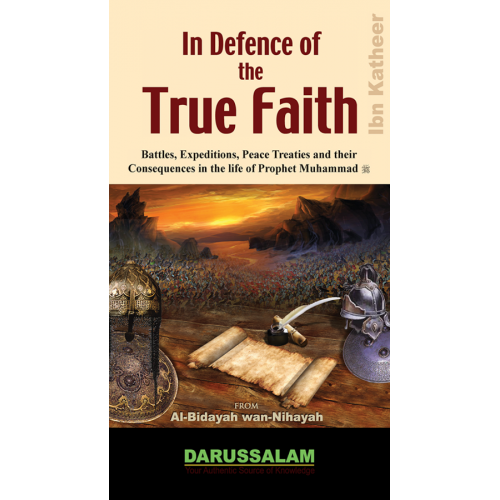
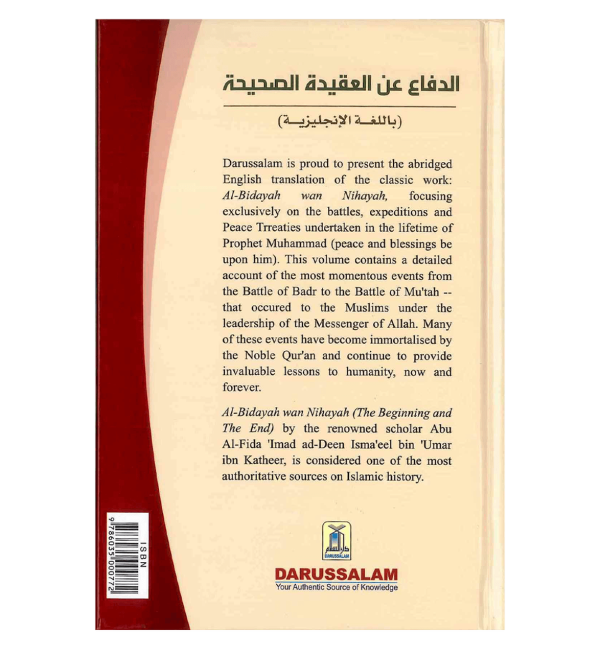
In Defence of the True Faith (H/B)
Highlights:
Darussalam is proud to present the abridged English translation of the classic work: Al-Bidayah wan Nihayah, focusing exclusively on the battles, expeditions and Peace Treaties undertaken in the lifetime of Prophet Muhammad (peace and blessings be upon him). This volume contains a detailed account of the most momentous events from the Battle of Badr to the Battle of Mu’tah -that occurred to the Muslims under the leadership of the Messenger of Allah. Many of these events have become immortalized by the Noble Qur’an and continue to provide invaluable lessons to humanity, now and forever.
Al-Bidayah wan Nihayah (The Beginning and The End) by the renowned scholar Abu Al-Fida ‘Imad ad-Deen Isma’eel bin ‘Umar ibn Katheer/Kathir, is considered one of the most authoritative sources on Islamic history.
RM50.00
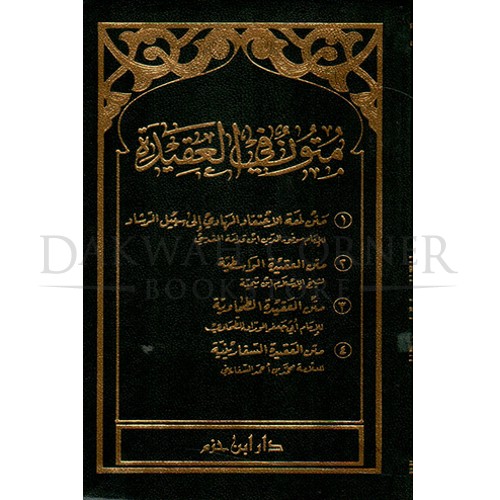
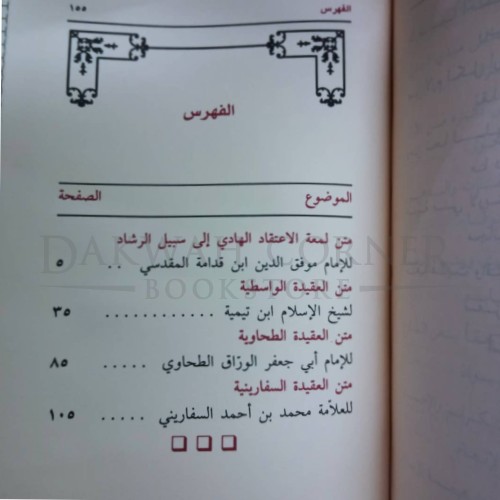
[AC] Mutunun Fi Aqeedah / متون في العقيدة
Highlights:
متون النحو (الآجرومية وملحة الإعراب ) لونان ـ شاموا ( 10×15 فلكسي )
RM20.00
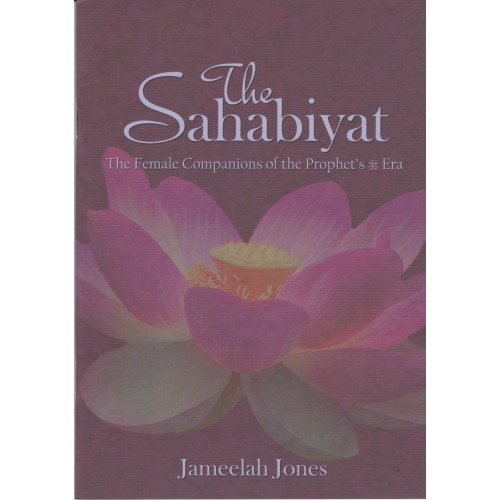
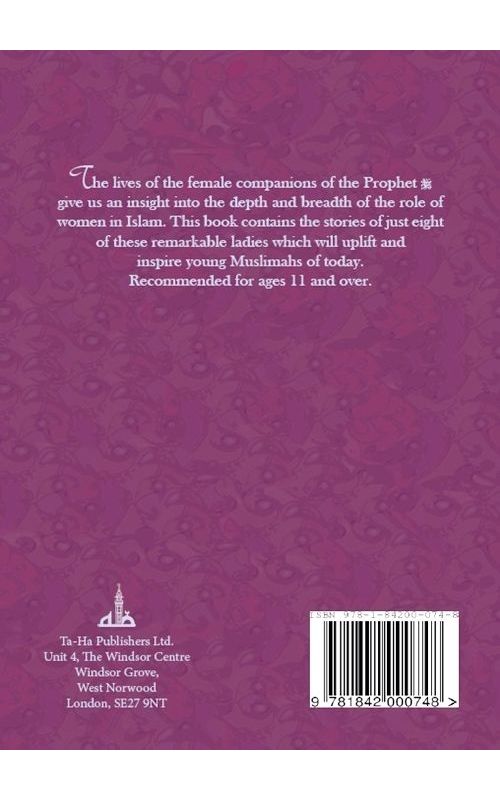
The Sahabiyat (P/B)
4 ★
4 ★
1 Rating
5 ★
0
4 ★
1
3 ★
0
2 ★
0
1 ★
0
Highlights:
The lives of the female companions of the Prophets SAW give us an insight inti depth and breadth of the role of women in Islam. This book contains the stories of just eight of these remarkable ladies which will uplift and inspire young Muslimahs of today.
Recommended for ages 11 and over.
RM15.00
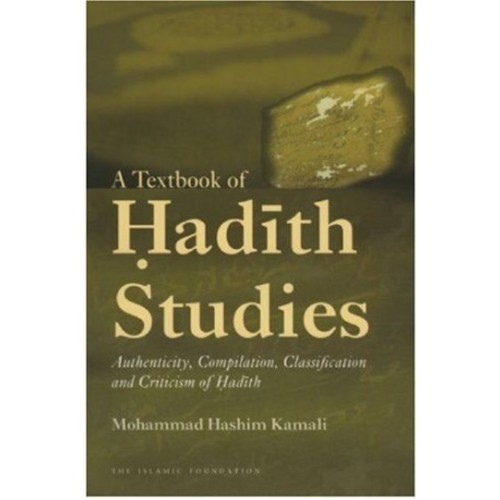
A Textbook Of Hadith Studies (P/B)
Highlights:
Mohammad Hashim Kamali, born in Afghanistan in 1944, was a professor of Islamic Law and Jurisprudence at the International Islamic University in Malaysia, and dean of the International Institute of Islamic Thought and Civilization (ISTAC) from 1985 2007. He is currently chairman and CEO of the International Institute of Advanced Islamic Studies, Malaysia. He is also on the international advisory boards of eleven academic journals published in Malaysia, the United States, Canada, Kuwait, India, Australia, and Pakistan. Professor Kamali has addressed over 120 national and international conferences, and has published sixteen books and over 110 academic articles. His books include The Principles of Islamic Jurisprudence, Freedom of Expression in Islam, and Islamic Commercial Law: An Analysis of Futures and Options. “
RM77.00
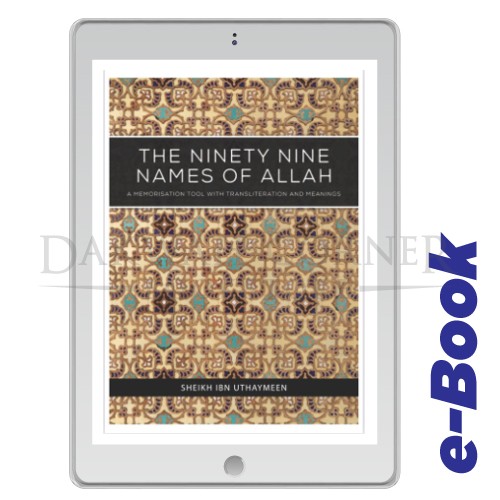
(FREE-eBook) The Ninety-Nine Names of Allah
Highlights:
(E-book FREE)
Sheikh ibn Uthaymeen, was a scholar, jurist, and Mufti. He was born in 1929 in Saudi Arabia. He memorised the Quran and studied other books at the age of 14 at the hands of his grandfather and other prominent scholars.
Sheikh ibn Uthaymeen is considered one of the most pre-eminent scholars of the 20th century. For more than 50 years, he worked hard for the sake of teaching, preaching, lecturing, and guiding people to worship Allah. He has authored more than 40 books in different Islamic sciences. He passed away in 2001 at the age of 74 and was buried in Mecca.
Sheikh ibn Uthaymeen was a highly significant scholar whose Islamic rulings are followed by a large number of Muslims worldwide. He played a prominent role in expanding the principals of Islamic monotheism and in explaining perplexed issues in the Islamic jurisprudence. He was a model of knowledgeable scholar, uprightness, honesty and commitment. May Allaah have Mercy upon his soul, ameen.
This booklet is a translation of a lecture by Sheikh ibn Uthaymeen on the ninety nine name of Allah. It has been produced to help the reader understand the meanings and memorise the names of Allah.
RM0.00
[HS] Qisas Al Anbiya’ / قصص الانبياء
Highlights:
قصص الأنبياء
للحافظ عماد الدين إسماعيل بن عمر بن كثير الدمشقي (٧.١ – ٥٧٧٤)
RM150.00
The Middle Path of Moderration in Islam (H/B)
Highlights:
In The Middle Path of Moderation in Islam, leading Islamic law expert Mohammad Hashim Kamali examines the concept of wasatiyyah, or moderation, arguing that scholars, religious communities, and policy circles alike must have access to this governing principle that drives the silent majority of Muslims, rather than focusing on the extremist fringe. Kamari explores wasatiyyah in both historical/conceptual terms and in contemporary/practical terms. Tracing the definition and scope of the concept from the foundational sources of Islam, the Qu’ran and Hadith, he demonstrates that wasatiyyah has a long and well-developed history in Islamic law and applies the concept to contemporary issues of global policy, such as justice, women’s rights, environmental and financial balance, and globalization.
Framing his work as an open dialogue against a now-decades long formulation of the arguably destructive Huntingtonian “clash of civilizations” thesis as well as the public rhetoric of fear of Muslim extremism since the attacks of September 11, 2001, Kamali connects historical conceptions of wasatiyyah to the themes of state and international law, governance, and cultural maladies in the Muslim world and beyond. Both a descriptive and prescriptive meditation on a key but often neglected principle of Islam, The Middle Path of Moderation in Islam provides insight into an idea that is in the strategic interest of the West both to show and practice for themselves and to recognize in Muslim countries.
RM189.00
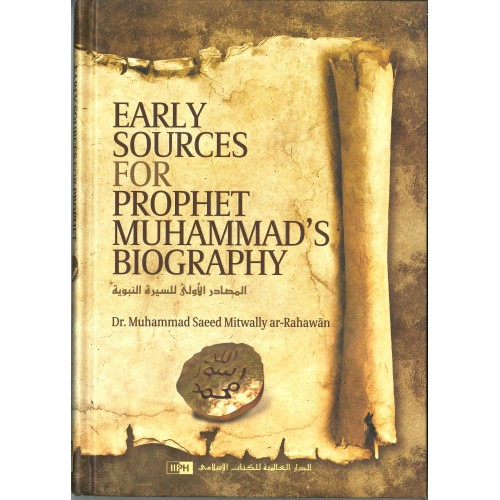
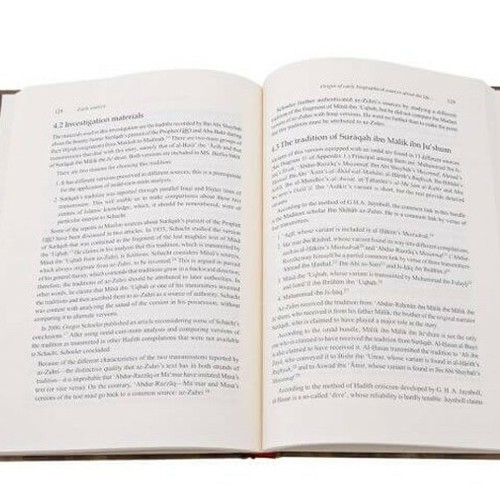
Early Sources For Prophet Muhammad’s Biography (H/B)
Highlights:
In ‘Early Sources for Prophet Muhammad’s Biography’, Dr. Muhammad Saeed Mitwally aims to prove that applying Western methods of critical analysis to the available Muslim sources can take us back to early, reliable information about the Prophet (sa).
Early Western biographies of the Prophet of Islam (sa) were largely based upon the Qur’an, as well as upon the late Muslim sources dating from the sixteenth century. After the publication of Goldziher’s Muhammedanische Studien in 1890, the reliability of Muslim sources became controversial. This stance was intensified by the publication of Schacht’s The Origins of Muhammadan Jurisprudence, in which he claimed that none of the Hadith literature is authentic. In this book, Dr. Muhammad Saeed Mitwally successfully challenges some of the problems raised by the pessimistic attitude.
Students of Hadith will find this study thought-provoking and informative.
RM54.00
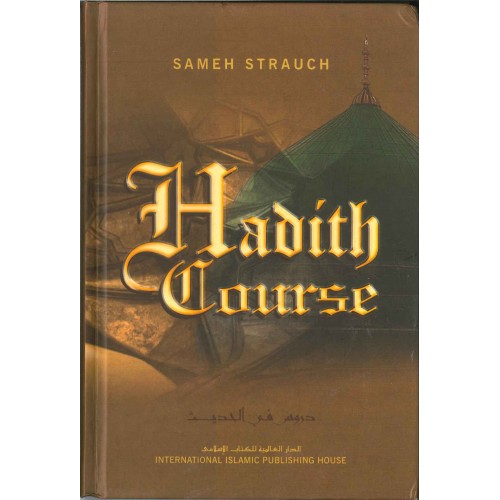
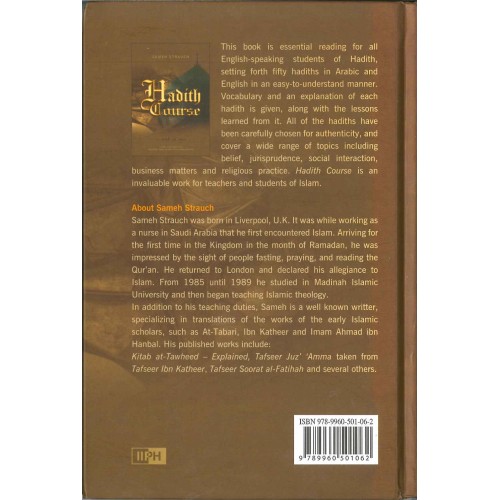
Hadith Course
Highlights:
Hadith Course is essential reading for all English speaking students of Hadith, presenting fifty hadiths in Arabic and English in an easy-to-understand manner. Vocabulary and an explanation of each hadith are given, along with the lessons learned from it. All of the hadiths have been carefully chosen for authenticity and cover a wide range of topics, including belief, jurisprudence, social matters, business and much more. This book is an invaluable handbook for schools and self-learners.
RM27.00
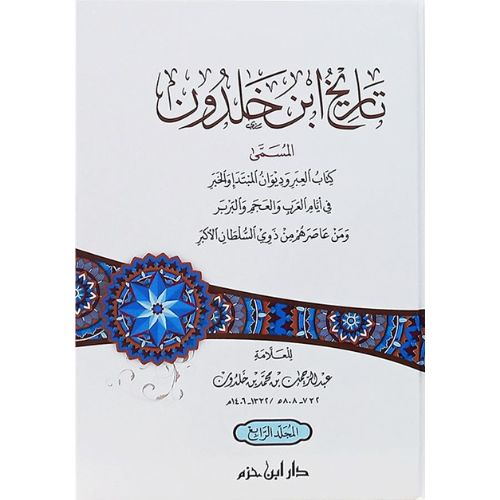
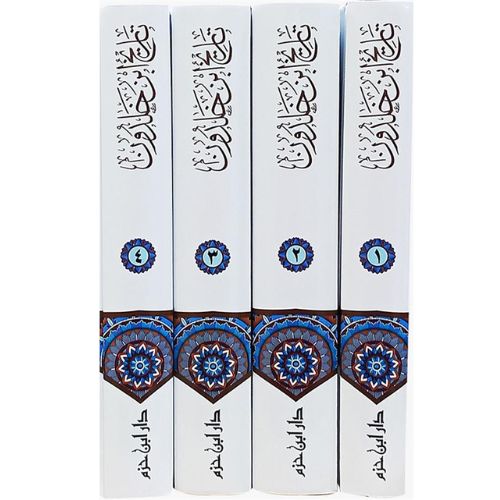
[HS] Tarikh Ibn Khaldun 4 Vol (تاريخ ابن خلدون 1 /4)
Highlights:
كتاب “تاريخ الطبري” تاريخ “الرسل والملوك” أو الأمم والملوك من أهم كتب المصادر في مجال التاريخ، إذ يعد أوفى عمل تاريخي بين مصنفات العرب أقامه مصنفه على منهج مرسوم، وساقه في طريق استقرائي شامل، بلغت فيه الرواية مبلغها من الثقة والأمانة، أكمل ما قام به المؤرخون قبله، كاليعقوبي والبلاذري، والواقدي، ومهد لمن جاء بعده كالمسعودي، وابن مسكويه وابن الأثير وابن خلدون ولم يقتصر على تاريخ الإسلام بل أرخ لما قبل الهجرة بل ابتدأ من القول في ابتداء الخلق ما كان أوله
RM390.00
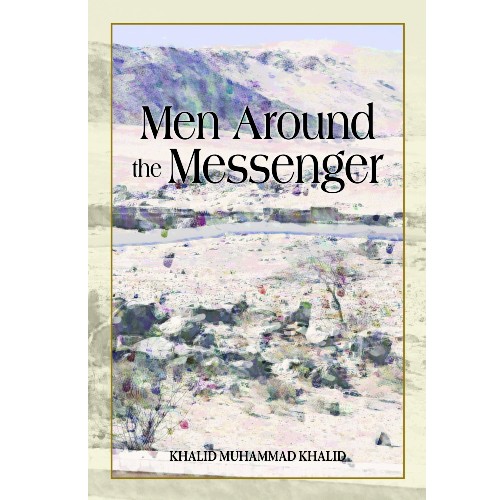
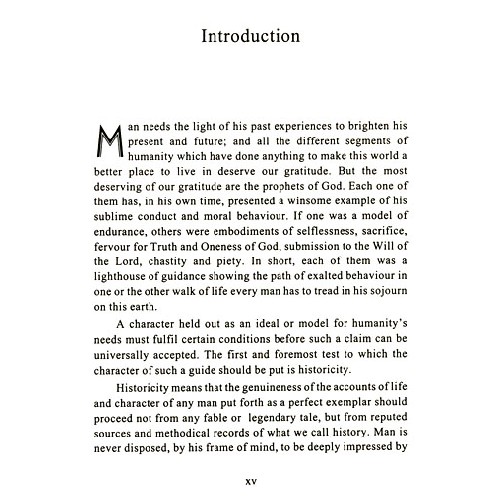
Men Around the Messenger (IBT)
Highlights:
This book is a translation based on Khalid Muhammad Khalid’s celebrated work in Arabic, Rijal Hawla al-Rasul. The sixty-four companions presented here are representative of that unique generation, a generation without parallel in history. They come from all walks of life and character. These are stories of real people which can be historically verified. These stories will touch the souls of the believers, for they will find in them yet another proof of that conviction that fills their hearts.
RM59.00
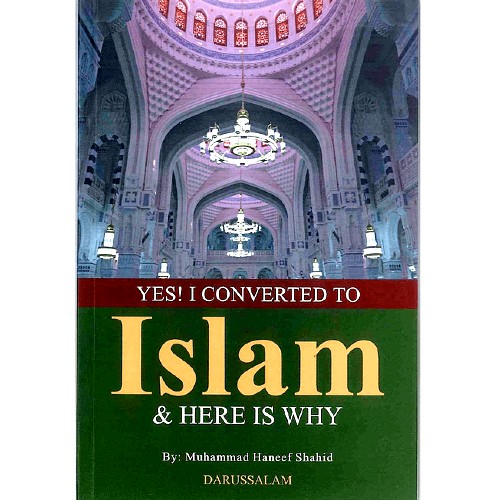
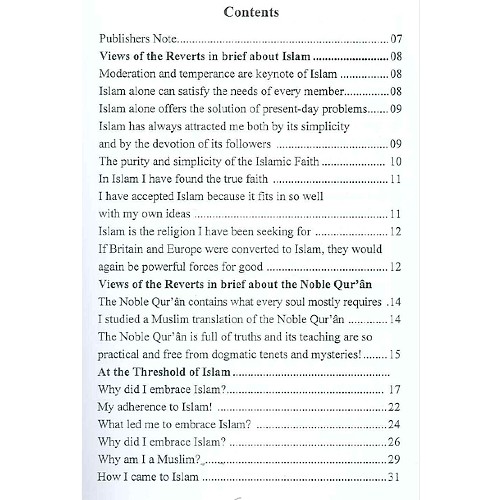
Yes! I Converted To Islam & Here Is Why
Highlights:
This book is a collection from the several narratives about the lives, experiences and previous beliefs as well as Islamic impressions and reasons of different personalities belonging to all walks of life as to why they reverted to Islam.
RM14.00
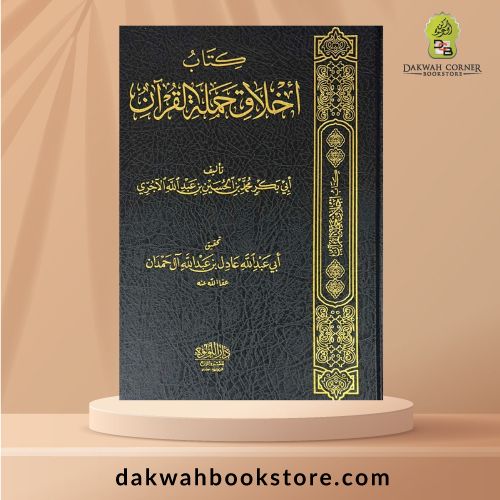
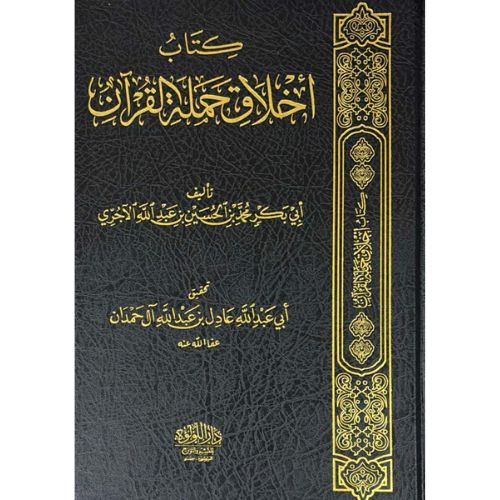
[AMM] Kitab Akhlaqi Hamalati Al Quran / أخلاق حملة القران
Highlights:
(من الجامع لكتب الإمام أبي بكر الآجري رحمه الله) أخلاق حملة القرآن
لأبي بكر محمد بن الحسين بن
عبد الله الآجري
تحقيق: عادل بن عبد الله آل حمدان | الناشر: دار اللؤلؤة
RM55.00
There are no reviews yet.