

| Weight | 0.350 kg |
|---|---|
| Author | |
| Binding | Softcover |
| ISBN | 9786027820470 |
| Pages | 388 |
| Publisher | Pro-U Media |
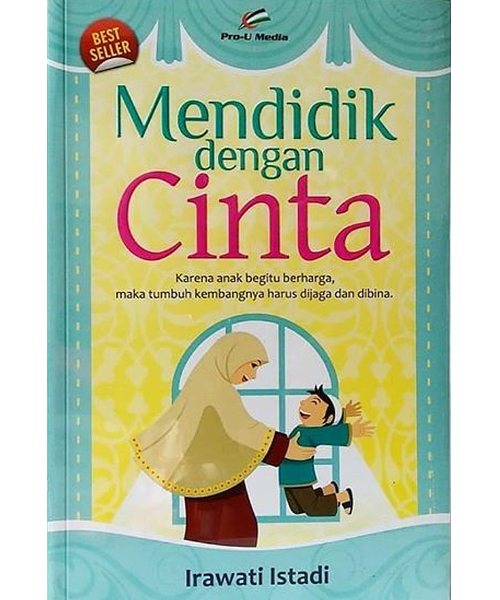
Mendidik Dengan Cinta
RM50.00
Hurry up, Only 1 left.
somdn_product_page
Compare
SKU: IB261
Category: Indonesian Books
Additional information
Related Products
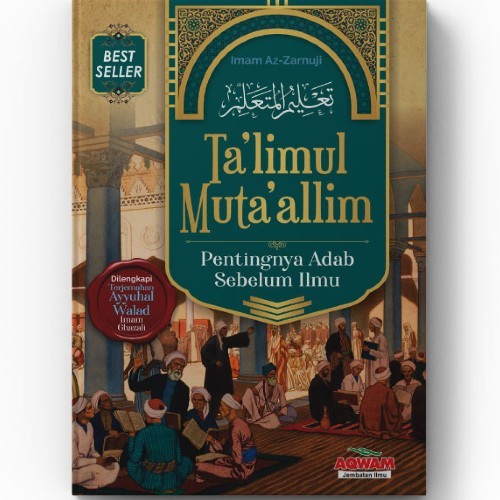
Ta’limul Muta’allim (Pentingnya Adab Sebelum Ilmu)
Highlights:
Saya melihat banyak penuntut ilmu pada zaman kita bersungguh-sungguh, tetapi tidak sampai kepada ilmu. Tidak mendapat manfaat dari ilmunya. Mereka terhalang dari buah ilmu (yaitu mengamalkan dan menyebarkannya) karena keliru dalam menempuh jalan (untuk mencari ilmu) dan meninggalkan syarat-syaratnya. Padahal siapa yang salah jalan maka akan tersesat, dan tidak akan meraih tujuan, baik sedikit maupun banyak. Maka saya ingin menjelaskan kepada mereka cara menuntut ilmu berdasar yang telah saya pahami dari buku-buku dan yang saya dengar dari guru-guru saya yang memiliki ilmu dan hikmah.
~ Imam Az-Zarnuji, Penulis Kitab Ta’limul Muta’allim
RM25.00
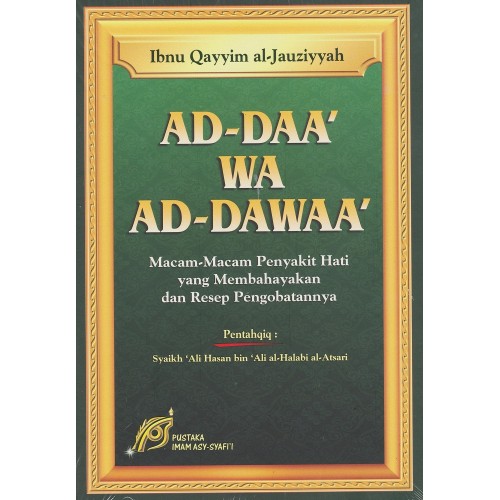
Ad-Daa’ Wa Ad-Dawaa’ (H/B)
Highlights:
Buku Ad-Daa’ wa ad-Dawaa’ adalah sebuah karya besar dan fenomenal di bidang akhlak, tarbiyah, dan tazkiyatunnufus. Penulisnya, Ibnu Qayyim al-Jauziyyah, adalah seorang ulama tersohor dan penulis buku berbobot yang hidup pada abad ke-8 H. Buku ini berbicara panjang lebar serta sempurna di berbagai masalah tarbiyah dan tazkiyatun-nufus, mulai dari pentingnya do’a bagi seorang hamba serta hubungan do’a dengan takdir.
Berbicara tentang macam-macam maksiat dan bahayanya bagi pelakunya, juga dosa-dosa dan pengaruh negatifnya secara langsung di dunia.
Berbicara pula tentang hukuman Allah terhadap hamba-Nya baik itu hukuman syar’i maupun qadari, qalbi maupun badani, duniawi maupun ukhrawi. Berbicara mengenai syirik dan macam-macamnya dalam ibadah, perbuatan, perkataan, kehendak, dan niat, serta syiriknya agama Nasrani, juga syirik dalam wasilah dan syafaat.
Berbicara seputar dosa-dosa besar, seperti kezhaliman, pembunuhan, dan zina beserta dampak-dampak negatifnya. Berbicara seputar pintu-pintu pembuka maksiat, diantaranya bisikan hati, pandangan mata, dan langkah kaki. Berbicara mengenai liwath (homoseks) dan menyetubuhi binatang; serta tentang cinta, tingkatan-tingkatannya, soal mabuk asmara dan masalah yang lain.
Anda akan dibuat terpesona oleh uraian-uraian penulis yang sangat dalam dan kuat, halaman demi halaman. Anda pun akan terpuaskan dari dahaga ilmu yang bermanfaat. Maka janganlah Anda lewatkan untuk segera memiliki buku ini dan menelaahnya.
RM80.00
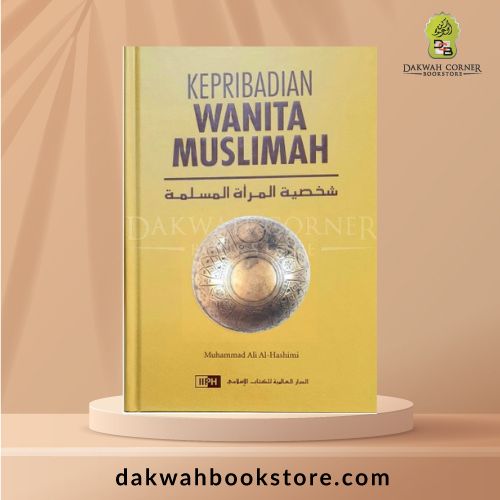
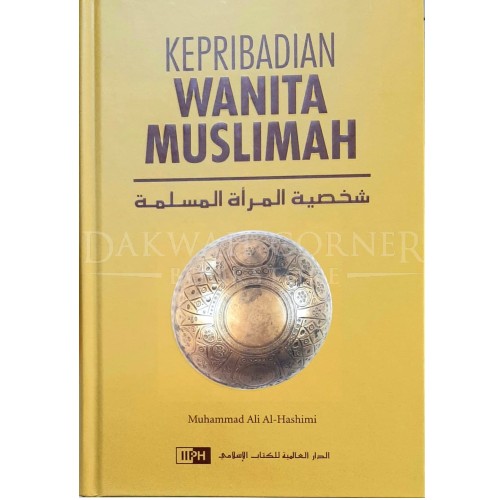
Kepribadian Wanita Muslimah (IIPH)
4 ★
4 ★
1 Rating
5 ★
0
4 ★
1
3 ★
0
2 ★
0
1 ★
0
Highlights:
Kepribadian Wanita Muslimah: menurut al-qur’an danas-sunnah. Wanita mempunyai peran yang sangat penting dalam keluarga, masyarakat dan negara, baik buruknya suatu bangsa sangat erat kaitannya dengan baik buruknya wanita. Wanita muslimah berbeda dengan wanita-wanita lainnya, ia mempunyai kepribadian yang ideal dan karakter yang istimewa, karena islam telah memberikan petunjuk dan ajaran bagaiman semestinya wanita muslimah dalam kehidupan ini, ia harus bisa memainkan perannya agar ia menjadi orang yang berguna bagi dirinya, keluarga, masyarakat dan bangsanya. Dalam buku ini, penulis menjelaskan bagaimana seharusnya wanita muslimah terhadap tuhannya, terhadap dirinya, kedua orang tuanya, suaminya, anak-anaknya, saudaranya, teman-temannya, tetangganya, dan masyarakatnya, sebagaimana yang diajarkan dalam Al Qur’an dan Hadits-hadits nabi. Ini semua beliau kaji dengan luas dan mendalam, lalu dituangkan dalam bahasa yang mudah, lugas dan jelas. Oleh karena itu buku ini pantas dimiliki dan dibaca oleh setiap wanita muslimah yang ingin menjadi sosok wanita muslimah sejati.
RM76.00
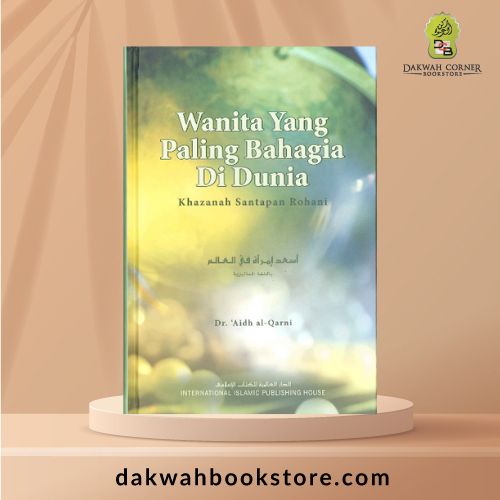
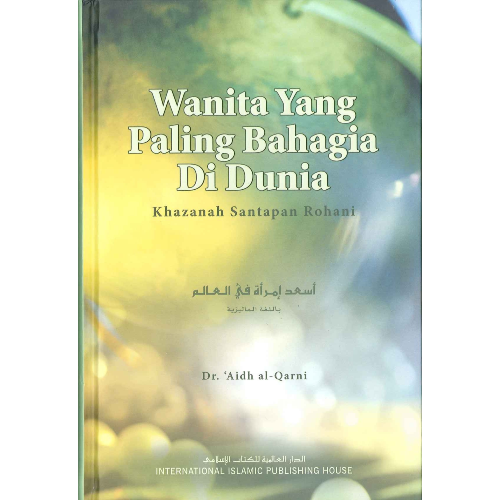
Wanita Yang Paling Bahagia Di Dunia (H/B)
5 ★
5 ★
1 Rating
5 ★
1
4 ★
0
3 ★
0
2 ★
0
1 ★
0
RM65.00


Recently Viewed

Fundamentals of Islam (P/B)
Highlights:
Fundamentals of Islam is a revised English edition of the critically acclaimed Khutubah (original written in Urdu). It consist of Friday congregational addresses, in them he expounds familiar themes; like Iman, Islam, the Prayer, Fasting, Alms-giving, Pilgrimage and Jihad.
RM38.00
From my sisters’ lips
5 ★
5 ★
1 Rating
5 ★
1
4 ★
0
3 ★
0
2 ★
0
1 ★
0
Highlights:
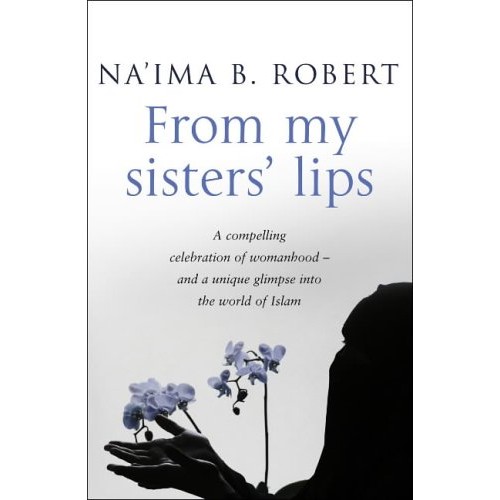
Covered from head to toe with only her eyes visible, the sight of a Muslim woman on a western city street rarely fails to provoke a strong reaction. Feelings of shock, horror, repulsion, pity or even fear are not uncommon. But have you ever wondered who it is behind the veil and what makes her tick? Ever wondered what her life is really like and whether her dreams, hopes and aspirations differ from yours? From My Sisters’ Lips offers a rare glimpse into the lives of a community of women, most of whom are converts to Islam, and invites you to share their joys, sorrows, convictions and faith.
When Na’ima B Robert abandoned her western lifestyle and embraced Islam six years ago, it was not a decision taken lightly. Yet soon after she took her first tentative steps towards covering, she felt empowered; no longer judged on physical appearances alone, no longer seeking the approval to feel beautiful – or using her looks to wield power over men – the experience effected her greatly. Before long she grew in confidence and courage. As she says, ‘Something just clicked. I thought, “Good, don’t look; don’t compare me with your latest squeeze, don’t try and guess my measurements – my body is my own business!”‘
From My Sisters’ Lips offers a glimpse into the lives of just some of the extraordinary women who, like herself, have chosen to live behind the veil. What emerges is a vivid and intimate portrait of a sisterhood; as they speak candidly and with conviction on a diverse range of subjects ranging from marriage to motherhood, stereotypes, submission and self-image, we hear the strong, proud voices of those who are seldom heard.
RM67.00
The Book of Manners (H/B)
Highlights:
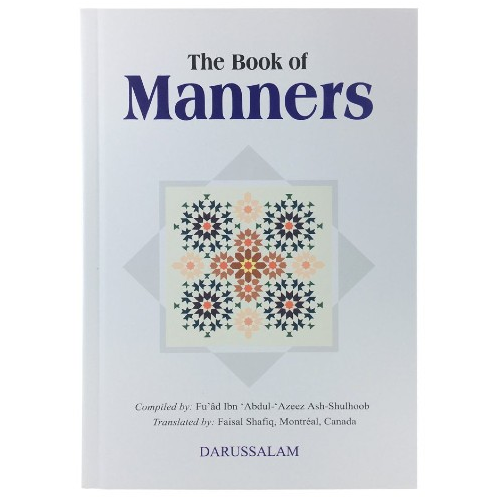
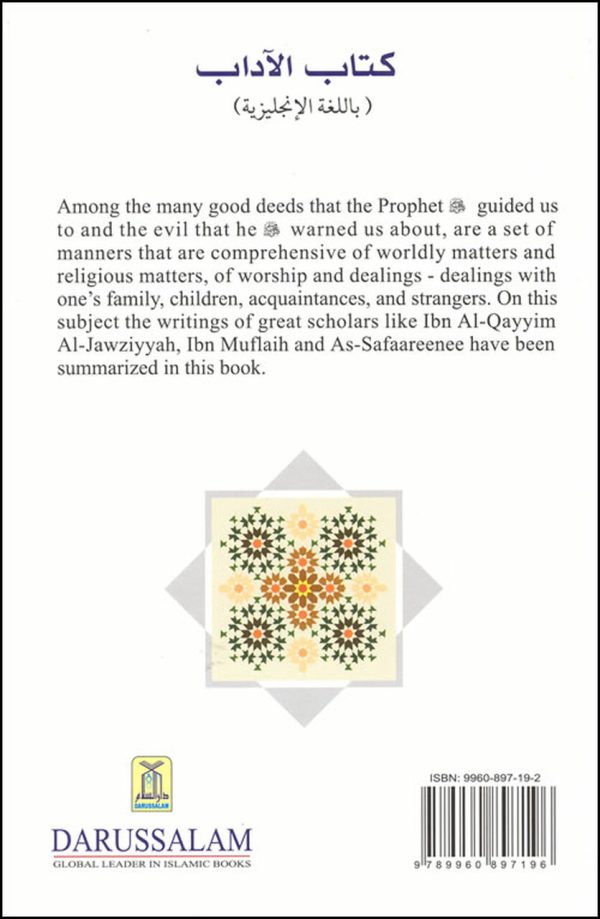
Among the many good deeds that the Prophet (S) guided us to and the evil that he (S) warned us about, are a set of manners that are comprehensive of worldly matters and religious matters, of worship and dealings – dealings with one’s family, children, acquaintances, and strangers. On this subject the writings of great scholars like Ibn Al-Qayyim Al-Jawziyyah, Ibn Muflaih and As-Safaareenee have been summarized in this book.
RM85.00
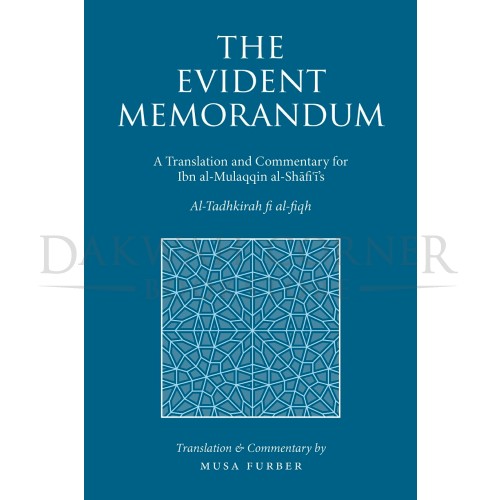
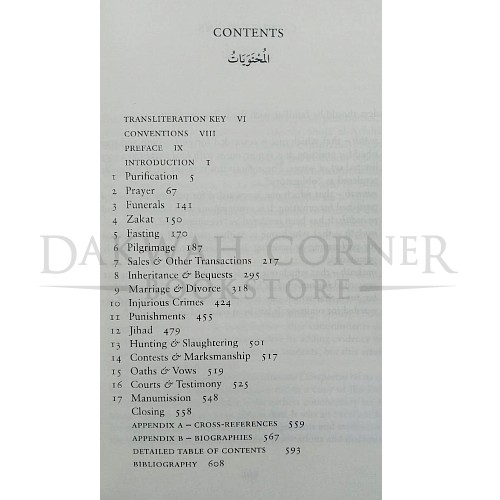
The Evident Memorandum
Highlights:
The Evident Memorandum: A Translation and Commentary for Ibn al-Mulaqqin al-Shāfiʿī’s Al-Tadhkirah fi al-fiqh
This volume contains an original commentary for Al-Tadhkirah (The Memorandum), a legal primer for Islamic Law according to the later scholars of the Shāfiʿī school by Ibn al-Mulaqqin, an Egyptian scholar who died in 804 AH/1401 CE. The commentary introduces essential evidence for the core issues of Islamic Law from its primary sources (the Quran, Sunnah, legal analogy, and scholarly consensus).
The Arabic text of Al-Tadhkirah is approximately 8,500 words in length. It is two hundred words longer than Abū Shujāʿ al-Aṣfahānī (b. 433AH/1042CE)’s Matn al-ghāyat wa-l-taqrīb (published as The Ultimate Conspectus). Although the two are roughly the same size, Ibn Mulaqqin’s style is more economical than Abū Shujāʿ’s, allowing him to cover more within the same word count. And while Ibn Mulaqqin discusses more issues, he does occasionally skip a few details that Abū Shujāʿ includes.
The primary sources for comments in this book are Ibn Mulaqqin’s books of fiqh, including Sharḥ Mukhtasar al-Tabrīzī, ʿUjālat al-muḥtāj, and Khulāṣat al-fatāwī. The bulk of the commentary comes from Sharḥ Mukhtaṣar al-Tabrīzī. Comments and hadith in the commentary can be sourced back to either one of Ibn Mulaqqin’s fiqh texts or a Shāfiʿī fiqh text through an appendix that cross-references each chapter and section in this book against its sources. Each hadith mentioned in the book is traced back to its primary sources, along with a reference to one or more of Ibn Mulaqqin’s hadith works. In the few instances where a hadith is not included in one of Ibn Mulaqqin’s works, it is referenced it to a Shāfiʿī text that does. Through this, readers can be assured that the hadiths cited here are ones that Shāfiʿīs themselves use.
Readers will find the book most beneficial after reading The Accessible Conspectus and Sharh al-Waraqat.
RM125.00
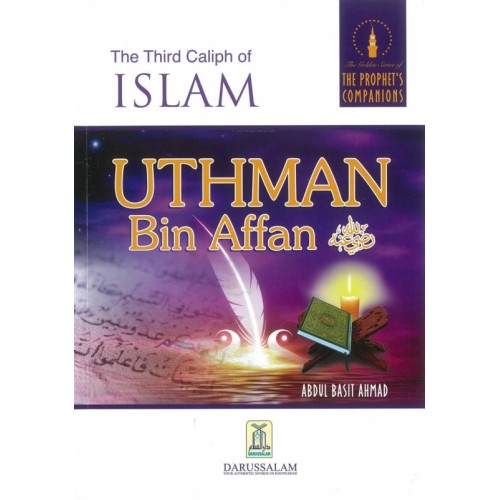
The Third Caliph of Islam: Uthman bin Affan (P/B)
Highlights:
Uthman bin Affan (R) was one of the early men who accepted Islam in Makkah. From the first moment he became a Muslim, he put all his wealth under the service of Islam. He spent most of his resources to satisfy the needs of poor Muslims. Recognizing his generosity and devotion to Islam, the Prophet (S) told him that his place would be in Paradise on the Hereafter. He married Ruqayah (R),the Prophet’s daughter. After she died, he married her sister Um Kulthum ;for that, the people at that time called him Dhun Nurain, “The Man with the Two Lights.”
RM26.00
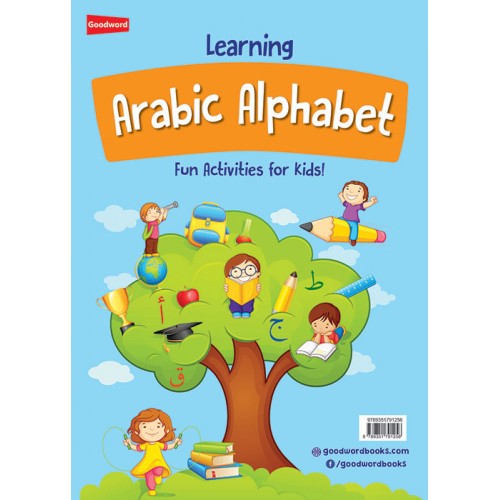
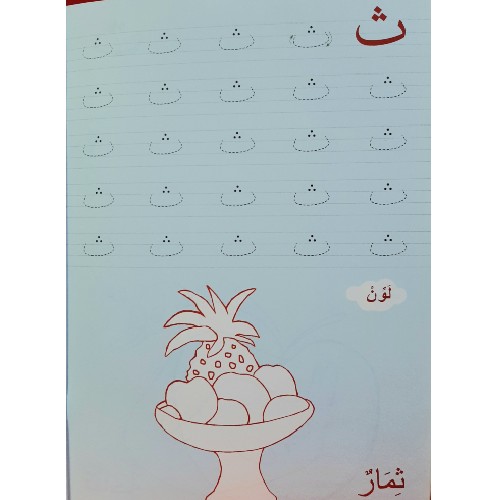
Learning Arabic Alphabet
Highlights:
Fun activities for kids to learn the Arabic alphabet!
RM13.00
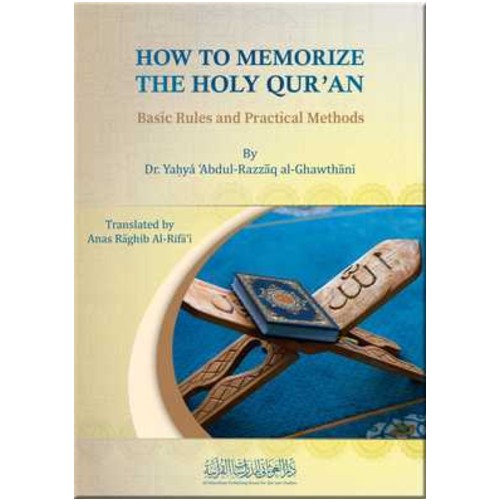
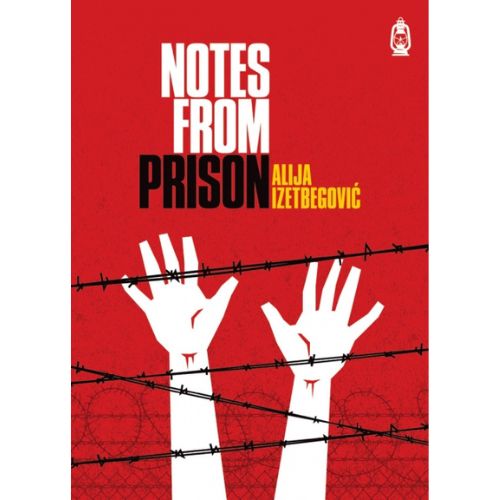
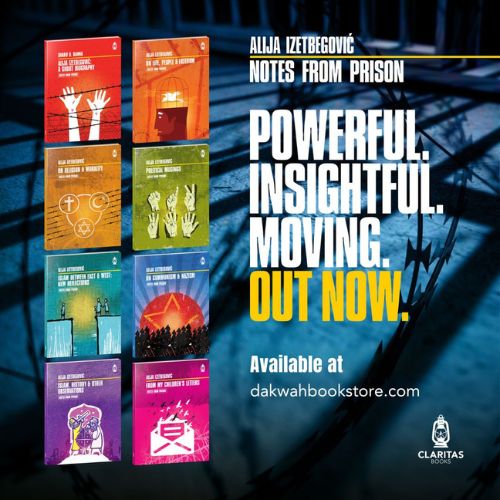
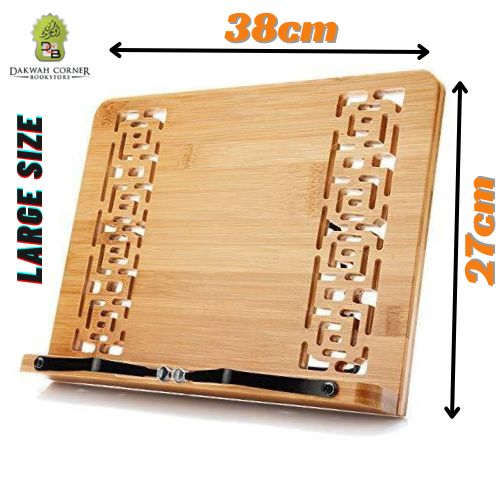
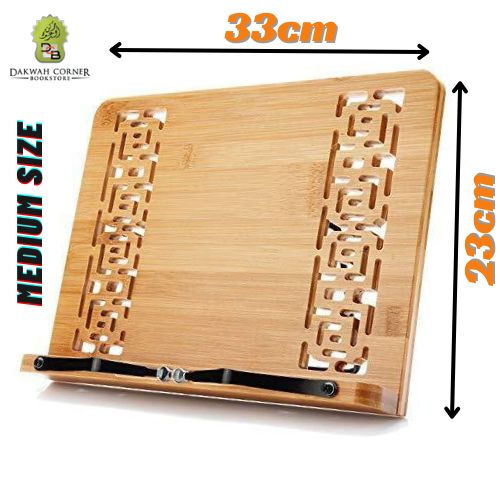
RM50.00 – RM65.00Price range: RM50.00 through RM65.00