

| Weight | 1.60 kg |
|---|---|
| Dimensions | 24 × 17 × 3 cm |
| Author | |
| Binding | Hardcover |
| Publisher | Al Fursan |
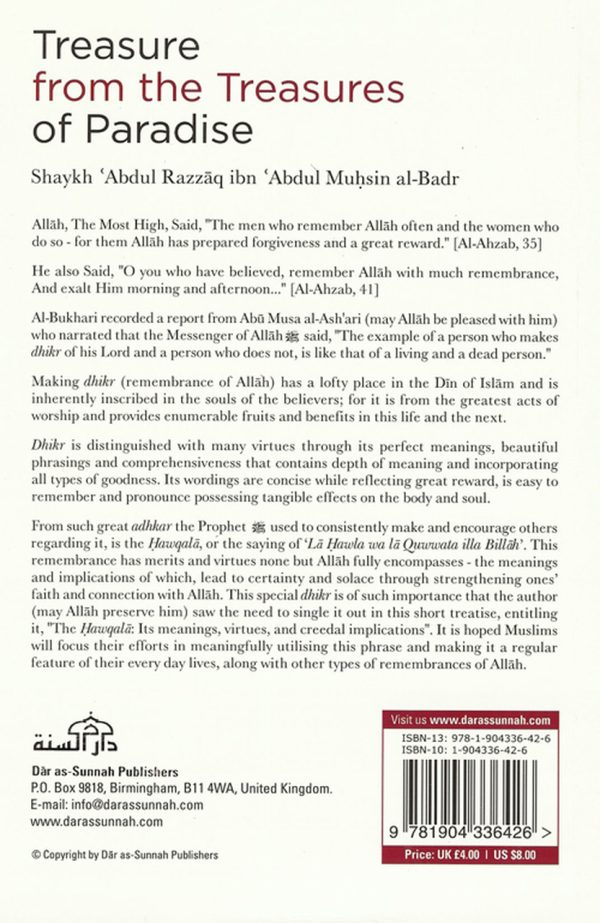
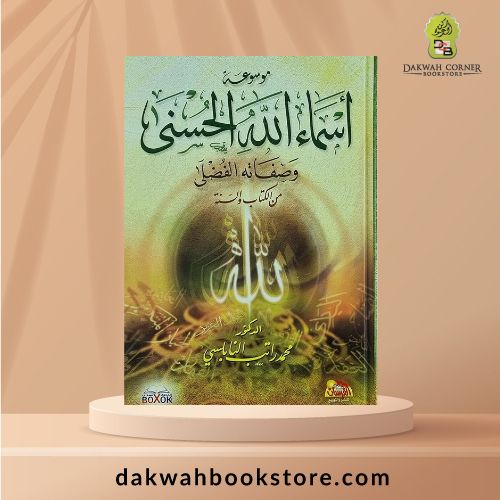
[AC] Mausū’at Asmā’ Allāh al-Ḥusnā / موسوعة أسماء الله الحسني
$39.77
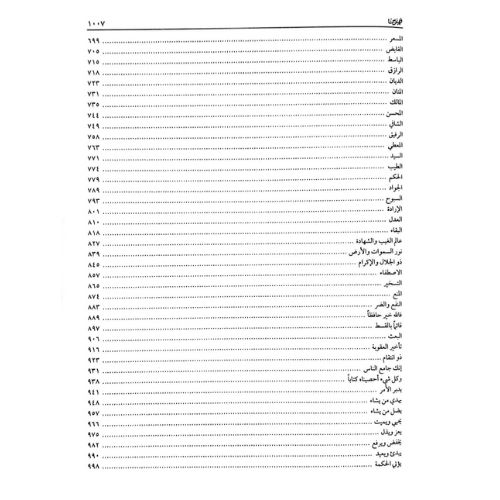
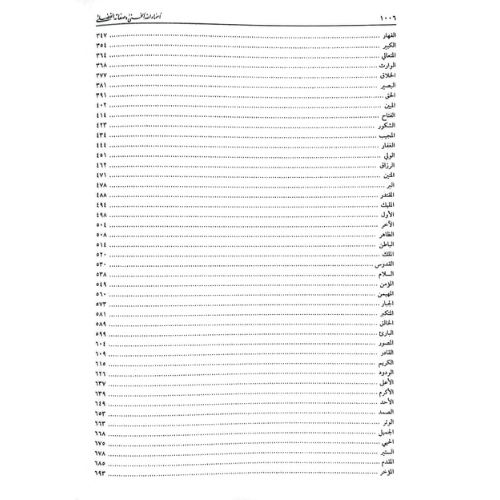
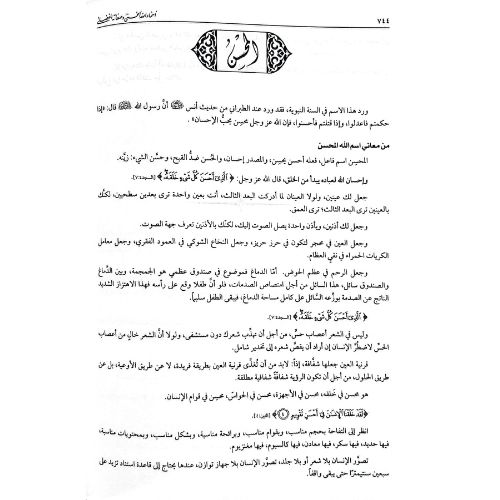
الدكتور محمد راتب النابلسي في موسوعته هذه، فضلاً عن نقله لما في كتب العلماء الأجلاء، قديماً وحديثاً، من روح لأسماء الله الحسنى، يسلك أسلوباً جديداً في شرحه لهذه الأسماء الحسنى، يعتمد على آيات الله في الآفاق، وعلى آيات الله في النفس البشرية
Frequently Bought Together
Be the first to review “[AC] Mausū’at Asmā’ Allāh al-Ḥusnā / موسوعة أسماء الله الحسني” Cancel reply
You must be logged in to post a review.
You may also like…
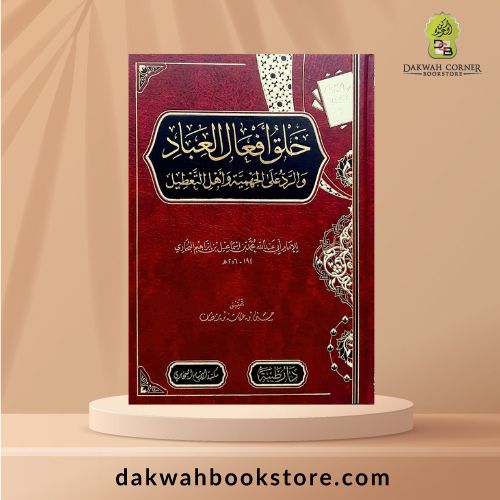
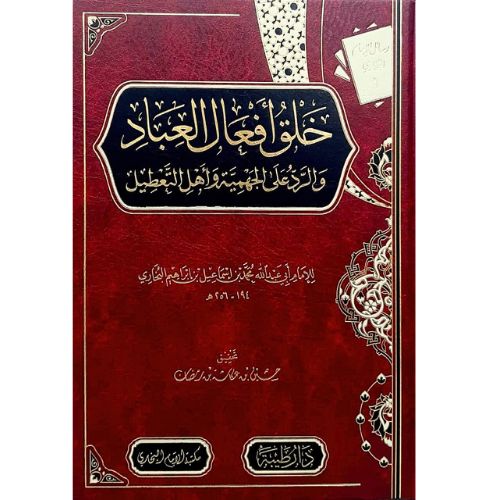
[AC] Khalqu Afali Ibadi / خلق أفعال العباد
بدأ الكتاب بذكر أقاويل أهل السنة في الجهمية وتكفير من يقول بقولها
تناول في الباب الثاني الكلام في مسألة خلق الأفعال، وأثبت أن أفعال العباد مخلوقة، وقام بالرد على الجهمية في هذا
يعد الكتاب أصلًا من الأصول التي احتفظت لنا بجملة كبيرة من أقاويل أئمة السلف من الصحابة والتابعين في فرقة الجهمية ومن قال بقولها، وبيَّن لنا الكتاب كذلك الطريقة المثلى في الرد على أهل البدعة.
يلاحظ كذلك كثرة تعليقات المصنف على ما يورده من نصوص، وأنه لم يكتف بسرد النصوص فحسب، بل كانت له كذلك ردود على الشبهات التي يلقيها الجهمية
Related Products
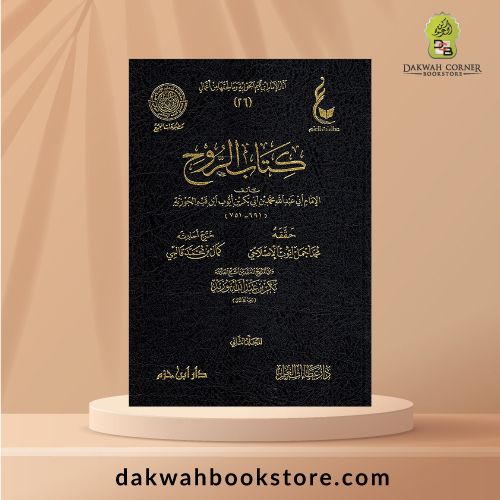
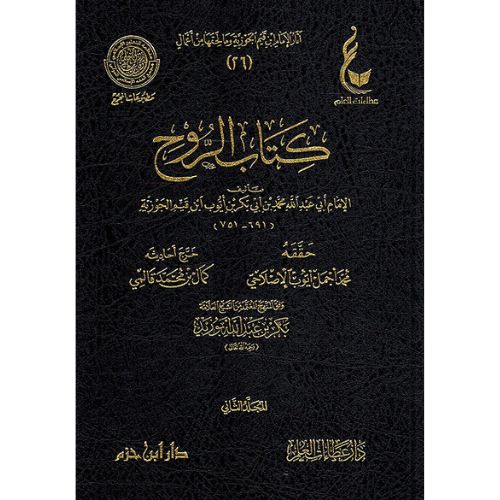
[AC] Kitab Alruh 2 Vol / كتاب الروح 2 مجلد
كتاب يطرح فيه المؤلف مسألة الروح لم ترد في غيره من كتب السلف، فيه معلومات معرفية عن النفس والروح والفرق بينهما، وعلاقة الروح بالجسد، ومصيرها بعد الموت. وذلك استنادا إلى الكتاب والسنة مؤيدا بالحجة والبرهان النقليين والعقليين والمنطقيين
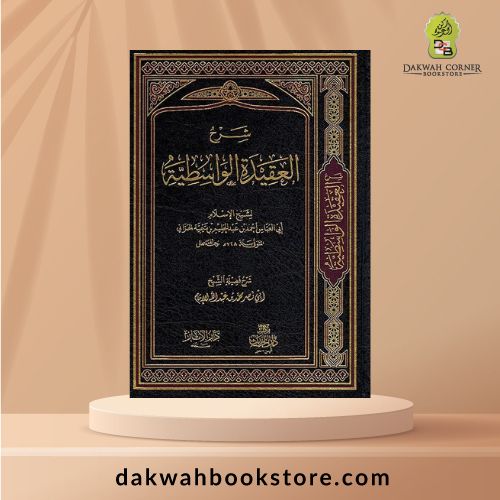
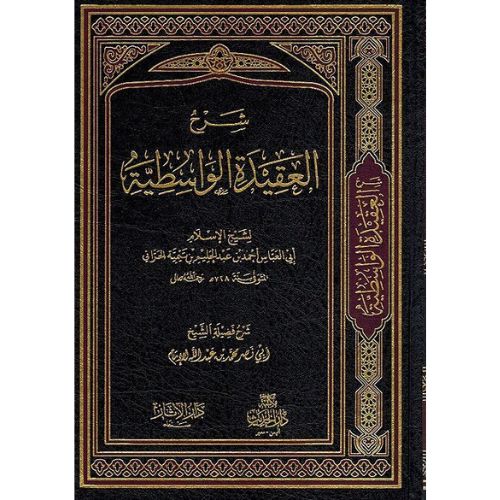
[AC] Sharhu Al’aqidah Alwasatiah Mujalid Wahid (شرح العقيدة الواسطية مجلد واحد)
[AC] Sharh Al Aqidah Al Wasatiah / شرح العقيدة الواسطية
شرح كتاب العقيدة الشهير للشيخ ابن تيمية والذي تم شرحه عدة مرات، هذا شرح جديد للشيخ أبي نصر الإمام.
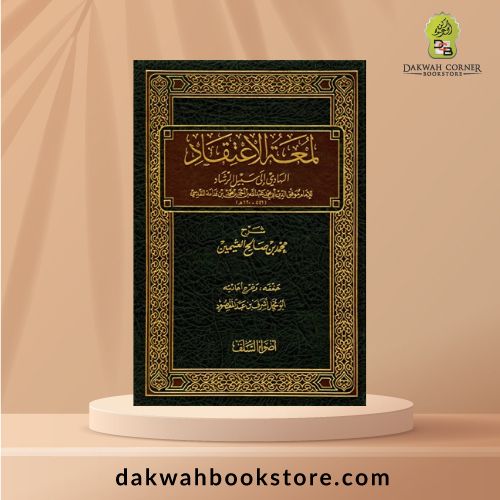
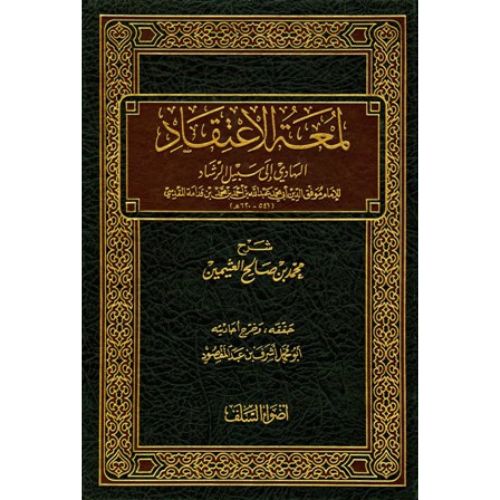
[AC] Lam’at Al-I’tiqad Al-Hadi Ila Sabil Al-Rashad / لمعة الاعتقاد الهادي إلى سبيل الرشاد
شرح لمعة الاعتقاد الهادي الى سبيل الرشاد
لابن قدامة المقدسي
كتاب من كتب العقيدة، ألفه الحافظ ابن قدامة (541 هـ – 620 هـ)، يعتبر الكتاب رسالة جمع فيها
المؤلف معتقد أهل السنة والجماعة في إثباته لصفات الله عز وجل كما جاءت في القرآن أو على لسان
النبي بدون تحريف أو تأويل أو تعطيل أو تمثيل، كما أن الرسالة احتوت على الإيمان بالقضاء والقدر،
والرد على من أنكر القدر، واحتوت أيضا على مسائل الإيمان، واليوم الآخر، والممعتقد في أصحاب رسول الله.
Recently Viewed
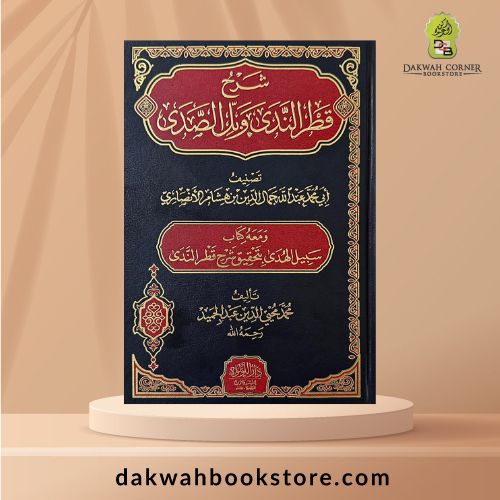
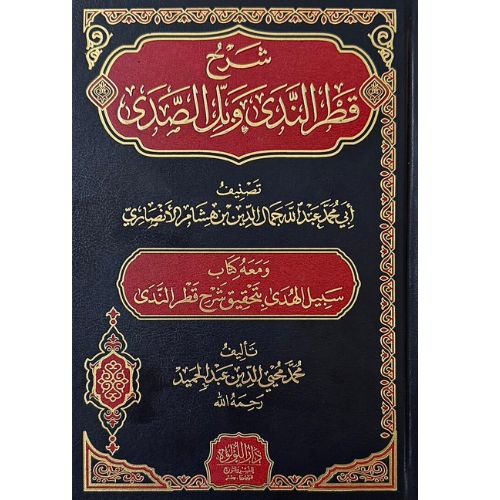
[ALA] Sharḥ Qaṭr al-Nadā wa Bal al-Ṣadā / شرح قطر الندى وبل الصدى
The severe – something that is not specific to a book from the books of our ancestors, and it is not unique to a trace of their precious traces, but you do not fall – except in the rare little – on the book of their books, the publisher of which has taken out on your face if you look at it, and God is sufficient for us and the best deputy!
Therefore, I did not find a beginning to do this book: by adjusting its examples and testones from the Holy Qur’an, the Prophet’s hadith and Arabic poetry, and then by explaining its verses as a middle explanation between the brief and the boring simple, with the expression of the verses in full expression, and I did all this with an easy phrase and a close style.
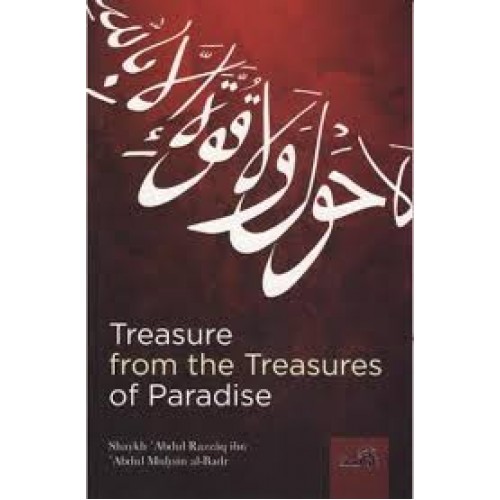
Treasure From the Treasures of Paradise (P/B)
Allah, The Most High, Said, “The men who remember Allah often and the women who do so – for them Allah has prepared forgiveness and a great reward.” [Al-Ahzab, 35]. He also Said, “O you who have believed, remember Allah with much remembrance, And exalt Him morning and afternoon…” [Al-Ahzab, 41] Al-Bukhari recorded a report from AbuMusa al-Ash’ari (may Allah be pleased with him) who narrated that the Messenger of Allah said, “The example of a person who makes dhikr of his Lord and a person who does not, is like that of a living and a dead person.”
Making dhikr (remembrance of Allah) has a lofty place in the Din of Islam and is inherently inscribed in the souls of the believers; for it is from the greatest acts of worship and provides enumerable fruits and benefits in this life and the next.
Dhikr is distinguished with many virtues through its perfect meanings, beautiful phrasings and comprehensiveness that contains depth of meaning and incorporating all types of goodness. Its wordings are concise while reflecting great reward, is easy to remember and pronounce possessing tangible effects on the body and soul.
From such great adhkar the Prophet used to consistently make and encourage others regarding it, is the Hawqala, or the saying of ‘La Hawla wa la Quwwata illa Billah’. This remembrance has merits and virtues none but Allah fully encompasses – the meanings and implications of which, lead to certainty and solace through strengthening ones’ faith and connection with Allah. This special dhikr is of such importance that the author (may Allah preserve him) saw the need to single it out in this short treatise, entitling it, “The Hawqala: Its meanings, virtues, and creedal implications”. It is hoped Muslims will focus their efforts in meaningfully utilising this phrase and making it a regular feature of their every day lives, along with other types of remembrances of Allah.


There are no reviews yet.