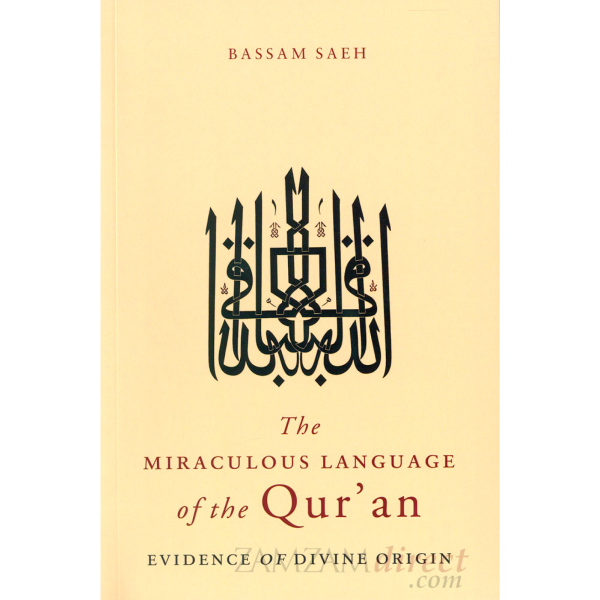
| Weight | 0.35 kg |
|---|---|
| Dimensions | 22 cm |
| Author | |
| ISBN | 9781565645936 |
| Pages | 209 |
| Product Type | Book |
| Publisher |
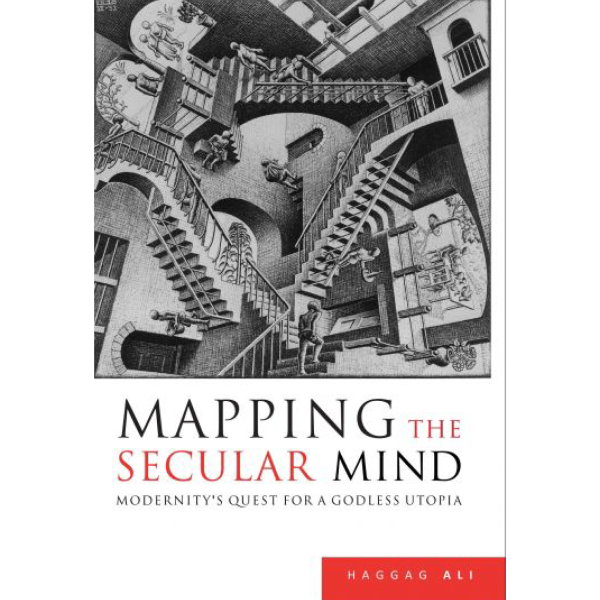
Mapping The Secular Mind (IIIT)
$19.55
The secular mind had a grand plan, to establish an earthly paradise, a utopia of the here and now, a modern civilization governed by human reason, rationality, and the triumph of progress. Whilst ideals are one thing, the means to realize them is something else. Away from the hype, emancipating humanity from the shackles of God and religion has proved no easy matter. Mapping the Secular Mind critically examines issues of reason, rationality, and secular materialism, to explore how these mental perceptions, or ways of mapping the world, have affected human interaction and sociological development. It does this by comparing and contrasting the ideas of Abdelwahab M. Elmessiri (1938 2008) a leading Arab intellectual, and Zygmunt Bauman (1925), one of the world s foremost sociologists. In the last few decades, an emergent Western critique of modernity has inspired Muslim intellectuals to develop new ideas, images, terms and concepts that state their positions towards the tendencies of secular modernity, its transformations and consequences, and how it manipulates perceptions of reality. The book challenges foundations of secular ideology to argue that its aspirations have deeply transformed human consciousness and man s sense of self, leaving him a creature of purposeless consumption, wearied by the search for fulfillment, and controlled by materialistic laws governing physical phenomena. It also offers a more darker thesis, that Fascist Germany and the Eugenics movement were a form of Social Darwinism taken to its logical course. These were not an aberration from the principles of modernity, Ali argues, but a consistent outcome of the modern worldview, with the seeds of self-destruction being woven into the very fabric of the philosophy.
Be the first to review “Mapping The Secular Mind (IIIT)” Cancel reply
You must be logged in to post a review.
Related Products
Ibn Taymeeyah’s Essay on the Jinn (P/B) ASN
Dr. Abu Ameenah Bilal Philips has rendered Ibn Taymiyah’s treatise, Eedaah-ud-Dalaalah fee ‘Umoom-ir-Risaalah, from volume 19 of Majmoo‘-ul-Fataawa into very readable English. This abridged and annotated translation is significant in that it is perhaps the first book available in English exclusively on the topic of spirit-possession and exorcism in Islam.
Ahmad ibn ‘Abdul-Haleem ibn Taymeeyah was bron in the town of Harran [near Edessa, in what was once Northern Iraq, but is now called Orfa and is a part of Turkey.], in the year 1263 CE. His father was a leading scholar of the Hanbalite school of Islamic law and so was his grandfather, who authored Muntaqaa al-Akhbaar, the text of ash-Shawkaanee’s Hadeeth classic Nayl al-Awtaar.
Ibn Taymeeyah mastered the various disciplines of Islamic study at an early age and read extensively the books of the various sects and religions in existence at that time. Much of his time and effort was spend defending the orthodox Islamic position against a tidal wave of deviation which had swept over the Muslim nation. Consequently, he faced many difficulties from both the prominent sectarian scholars of his time and from the authorities who supported them. His clashes with them led to his imprisonment on numerous occasions. Ibn Taymeeyah also fought, not only against internal enemies of Islaam, but also against its external enemies by both his Fatwaas (Islamic legal rulings) and his physical participation in battles. His ruling allowing the taking up arms against groups which recognized the Shahaadataan (declaration of faith) but refused to uphold some aspects of the fundamental principles of Islaam, greatly affected the resistance movement against the Tartars who had declared their acceptance of Islaam but did not rule according to divine law.
During these struggles he wrote countless books and treatises demonstrating his extensive reading and knowledge, not only of the positions of the early scholars, but also those of the legal and theological schools which had subsequently evolved. Ibn Taymeeyah also had a major effect on the open-minded schoars of his day, most of whom were from the Shaafi’ite school of law. Among the most famous of his students were IBN KATHEER, ADH-DHAHABEE and IBN AL-QAYYIM. The author died in 1328 while in prison in Damascus for his Fatwaa against undertaking journeys to visit the graves of saints [Ibn Taymeeyah’s ruling was based on the authentic statement reported by Abu Hurayrah wherein the Prophet Muhammad (sallallaahu alayhi wasallam) said, “Do not undertake a journey except to three masjids; this masjid of mine, Masjid al-Haraam (Makkah) and Masjid al-Aqsaa (Bayt al-Maqdis).” Collected by Al-Bukhaaree and Muslim]. His Fatwaa had been distorted by his enemies to say that he forbade visiting the Prophet Muhammad’s (sallallaahu alayhi wasallam) grave.
Dreams of the Prophets and the Righteous
Originally written in Arabic by Abdul Mun’im al Hashmi. It is like an encyclopedia of dreams. It tells us how we should behave on seeing a dream and how they may be interpreted. There are dreams of the Prophets and the Righteous men, and the dreams of the Prophet and his Sahabah. Some dreams of non-Muslims also find place in this book. The author also informs as to what various things like animals, birds and certain chapters of the Qur’an would mean if seen in a dream.
Lawful Wives or Unlawful Girlfriends
In the Name of Allah, the Most Beneficent, the Most Merciful
Allah (SWT) says: (If you fear that you will not be able to deal justly with the orphans, marry women of your choice, two or three or four; but if you fear that you shall not be able to deal justly (with them), then only one or (the captives or the slaves) that your right hands possess. That will be more suitable to prevent you from doing injustice) (An-Nisa’: 3).
Praise be to Allah (SWT) who has prescribed for His Servants a religion (Islam) that is beneficial to them in this world and the Hereafter, and Peace and Blessing be upon His Messengers and Prophets who were guided by His Guidance and conveyed His Religion. The last and seal of His Messengers was Muhammad Ibn Abdillah (SAW). He (SAW) was the best to advise his Ummah and convey the True Message, by words, deeds and his character. He (SAW) was the best model and example for the believers.
When Wings Expand (P/B)
Writing on the pages of her journal, Nur, a teenage girl in Canada, charts the onset and advance of her mother’s cancer. Nur watches her mother’s body begin to shrink and her mood begin to darken. And when family and friends begin to encroach, Nur must face the prospect of her mother’s looming death.
A Brief Illustrated Guide to Understanding Islam (P/B)
Discusses some evidence for the truth of Islam, the scientific miracles in the Holy Qur’an, and the great challenge to produce a single chapter like the chapters of the Holy Qur’an.
Polygamy in Islam (P/B)
Polygamy is the Muslim practice most frequently and severely maligned by Westerners and modernist Muslims. This book can be read with profit by all unprejudiced readers who wish to know its justification and rationale.
One of the greatest contrasts between Islam and the West is their conflicting concepts of relations between the sexes. Indeed, the very first question a Muslim convert is confronted with by an American or European is ‘Why does Islam allow four wives?’ This book…replies straightforwardly to that question and much more.
The authors describe all the most important characteristics of marriage in Islam, pointing out that the Western notions of sex equality and romantic premarital ‘love’ are not necessary in Islamic marriage based on piety and the commitment on the part of both parents to win the pleasure of Almighty Allah.’
This book contains basic guides for anyone interested in understanding the rights and obligations of males and females in Islamic plural marriage. The guidelines have been drawn from the Quran, Hadith and opinions of Islamic scholars.
Muslim Unification at Time of Crisis
This book authored by one of the great scholars of our time is an advice to the people of Ahulul ?Sunnah wal-Jamaah to unify and be merciful to each other, and cooperate upon righteousness and taqwa.
Provisions of the Afterlife Which Lie Within Prophetic Guidance (H/B – DKI
Written originally by Ibn Qayyim Al-Jauziyyah is one of the important resources of knowledge for those who seek to know the Seerah of their Prophet (P.B.U.H) as well as the Fiqh learned from it. This is a book that is unique in that it explains the Sunnah through the Seerah and the Seerah through the Sunnah. It is a profound classic work containing thousands of pages written by Imam ibn al-Qayyam while on the Hajj journey, Pilgrimage, from Damascus to Makkah. Despite its being written from memory, the several thousand incidents, Hadiths, Ayat (verses of the Quran), Fiqh benefits, as well as names of the companions associated with them, were remarkably close to the truth with marginal errors.
However, those who know the status, level of knowledge ad Ta’hqiq that Imam ibn al-Qayyim had will not be surprised to know this fact. Still, it is amazing how Ibn Al-Qayyim was able to write this vast volume while traveling to Hajj (Pilgrimage), especially since he was away from the resources of knowledge and was enduring the hardships of travel. It is a blessing from Allah (S.A.T) that it was possible for him to do so. Note: As with Many English Translations this work appears to be slightly abridged but it seems to cover most of the subjects Note : With the Lack of English works covering Hanbali Fiqh , This Books would be the nearest alternative. Although not a Specifically Fiqh Book, Ibn Qayyim’s views which are based on Hanbali Fiqh are quoted throughout.
Islam A Total Beginners Guide – Part Two (P/B)
In present era we are facing lot of questions:
• What is status of women in Islam?
• Who is superior – man or women?
• What does Islam say about inter-religious marriages, man’s treatment towards his wife and privacy in homes?
• What does Islam say about dress, veil, clothing and ornaments, perfumes and the wisdom of banning gold and silk for men?
This beginner’s guide to Islam answers all such questions.
Islam A Total Beginners Guide – Part Three (P/B)
In present era we are facing lot of questions:
• What is status of women in Islam?
• Who is superior – man or women?
• What does Islam say about inter-religious marriages, man’s treatment towards his wife and privacy in homes?
• What does Islam say about dress, veil, clothing and ornaments, perfumes and the wisdom of banning gold and silk for men?
This beginner’s guide to Islam answers all such questions.
Journey to Islam: Diary of a German Diplomat 1951-2000 (The Islamic Foundation)
A lengthy process, rich in remarkable and thought-provoking events, including compelling encounters with Islamic philosophy, led the author to embrace Islam. His experiences since that time – such as his pilgrimages to Makkah – further deepened his understanding of, and identification with, this “fastest growing religion in Europe.” This “Diary” is, however, much more than a recorded soliloquy. It is a lively introduction to Islam as such – developed in the spiritual confrontation of a Muslim intellectual of European background with the ideology and value system of post-industrial western society.
Recently Viewed
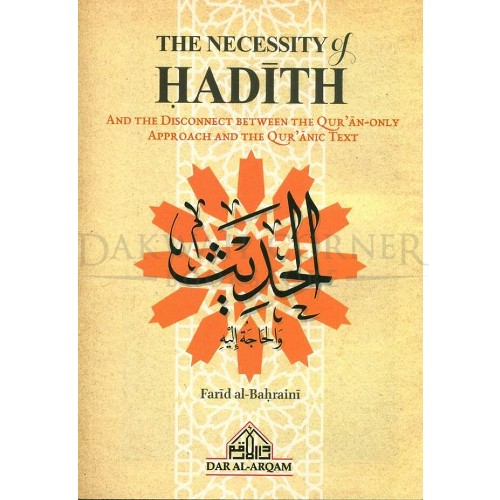
The Necessity of Hadith
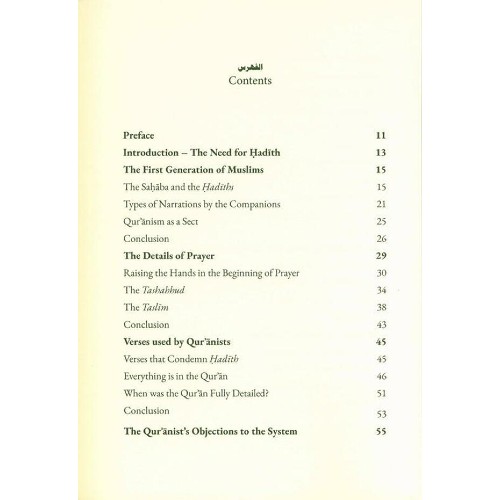
Imagine a religion in which its adherents openly reject every saying, action, and event surrounding their Prophet &$. It is a Qur’anist’s reality. What exactly would lead to this stance, this scepticism, towards haduh? What would cause a Muslim to reject the teachings of the Prophet ¿E that he adores?! Everything about Islam is questionable without hadiths. What exactly do we know about the Prophet of Islam 2 without hadiths? Never mind his biography, we can’t even ascertain his identity. The Qur’än only identifies him as Muhammad (Q. 3:144). Couldn’t this be referring to Muhammad bin Maslama d. 43 AH) instead of Muhammad bin ‘Abdilläh (d. 11 AH)? This book is directed to hadith-rejecters, to Muslims in general that are on the fence, as well as to conservative Muslims that seek to reaffirm their stance in regards to the authority of hadiths.
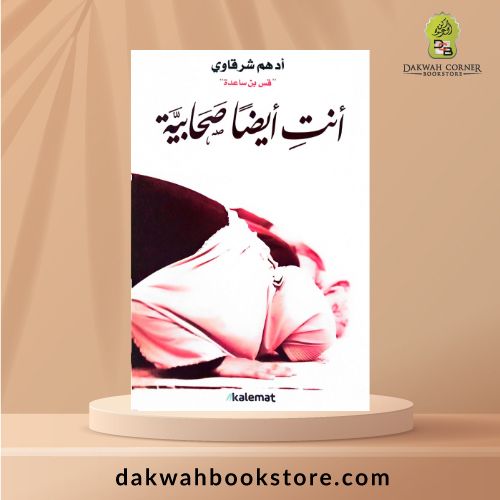
[MM] Anti Aydan Sohabiyyah / أنتِ أيضا صحابية
أنت الحضن الحنون الذي نأوي إليه هاربين من مشقة الحياة وأنت الكتف الذي لا نستغني عن الاتكاء عليه رغم رقته وأنت العكاز الذي لا نستغني عن الاستناد عليه رغم نعومته
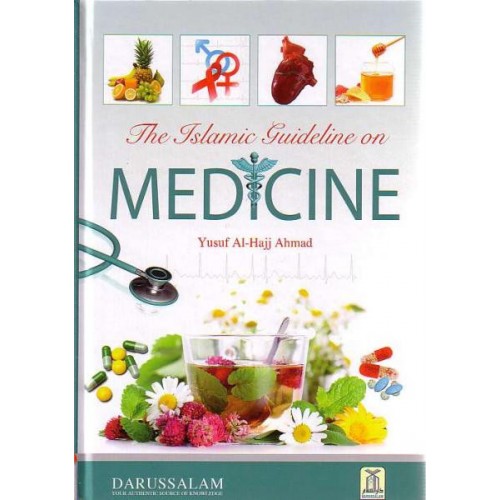
Islamic Guideline on Medicine
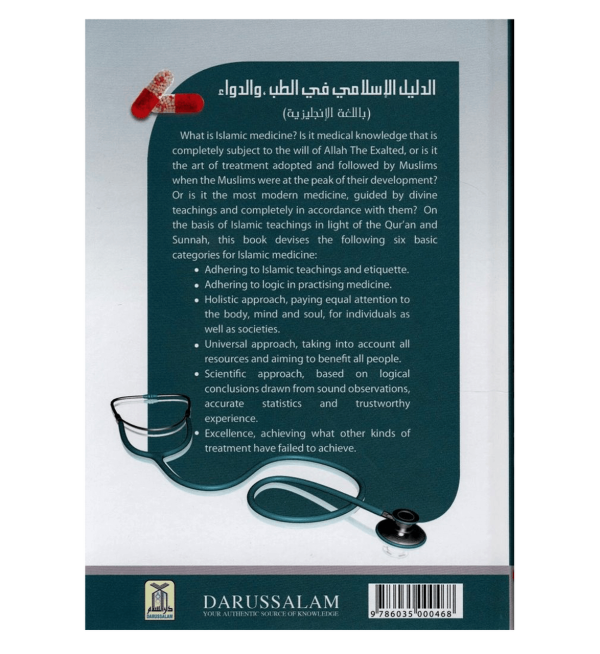
What is Islamic medicine? Is it medical knowledge that is completely subject to the will of Allah The Exalted, or is it the art of treatment adopted and followed by Muslims when the Muslims were at the peak of their development? Or is it the most modern medicine, guided by divine teachings and completely in accordance with them?
On the basis of Islamic teachings in light of the Qur’an and Sunnah, this book devises the following six basic categories for Islamic medicine:
- Adhering to Islamic teachings and etiquette.
- Adhering to logic in practicing medicine.
- Holistic approach, paying equal attention to the body, mind and soul, for individuals as well as societies.
- Universal approach, taking into account all resources and aiming to benefit all people.
- Scientific approach, based on logical conclusions drawn from sound observations, accurate statistics and trustworthy experience.
- Excellence, achieving what other kinds of treatment have failed to achieve.
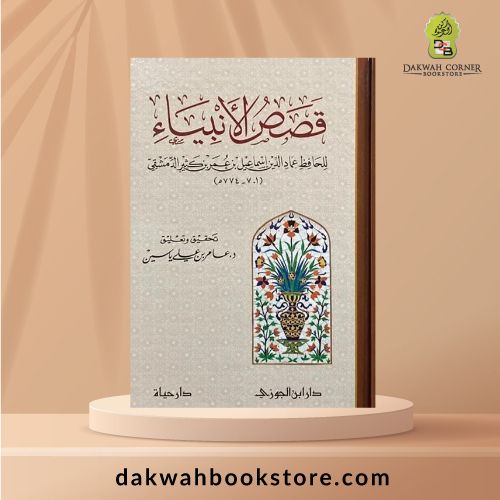
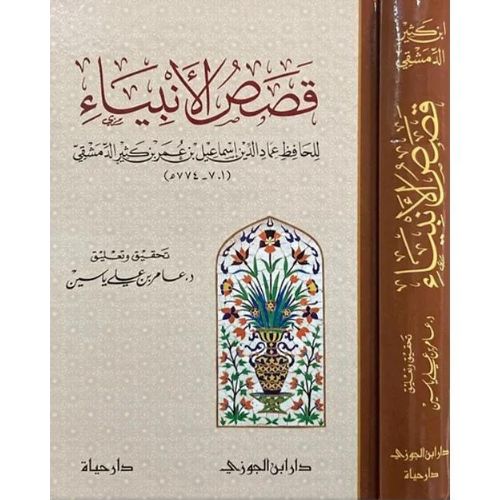
[HS] Qisas Al Anbiya’ / قصص الانبياء
قصص الأنبياء
للحافظ عماد الدين إسماعيل بن عمر بن كثير الدمشقي (٧.١ – ٥٧٧٤)
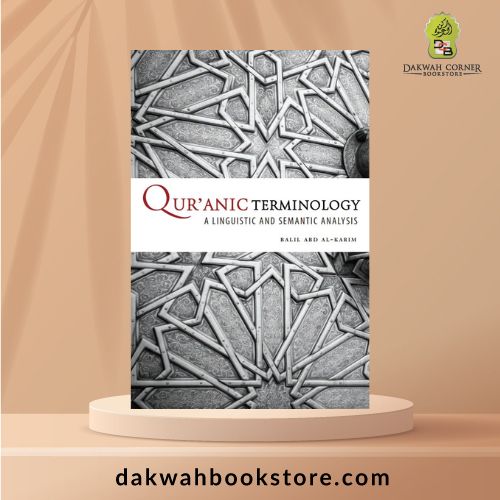
Qur’anic Terminology a Linguistic and Semantic Analysis (IIIT)
There is no way to understand the Qur’an properly, or to elucidate as accurately as possible the meaning of its verses, without studying Qur’anic terminology and concepts. Taken together these sum up the universal truth of the Faith (the great moral code), not only animating the text and giving it incredible life, precision, and flexibility, but also enriching the communication of the Qur’anic message through their beautiful and comprehensive nature.
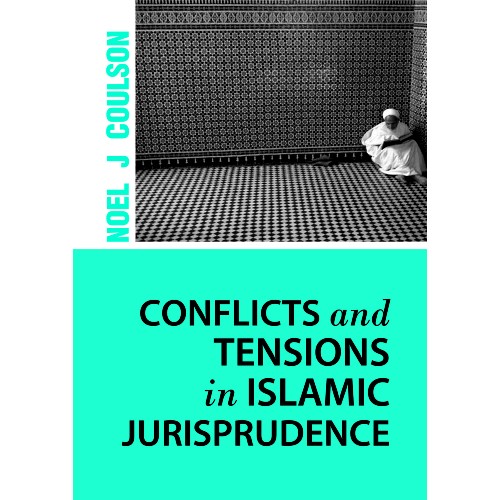
Conflicts and Tensions in Islamic Jurisprudence
Professor Coulson’s method is to examine the principal currents of Islamic legal thought through a series of conflicting concepts. The six polarizations he has devised are revelation and reason, unity and diversity, authority and liberty, idealism and realism, law and morality, and stability and change. Although clearly relevant to general Islamic studies, this book is intended primarily as a study in comparative law. This follows the trend of recent developments in the Islamic legal system itself. In the past, Muslim law has been regarded essentially as a brand of religious studies. Now, however, it is being separated from religion and becoming a province of legal science rather than a matter of religious expertise.
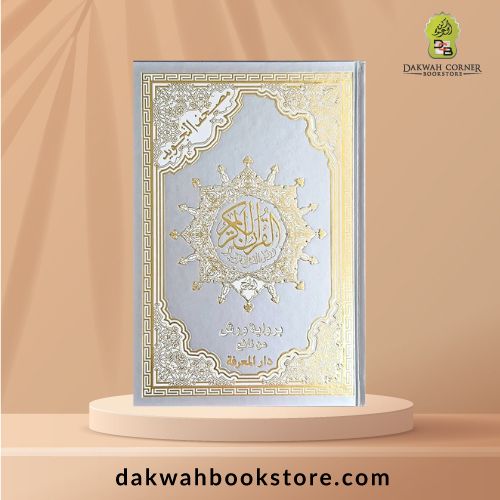
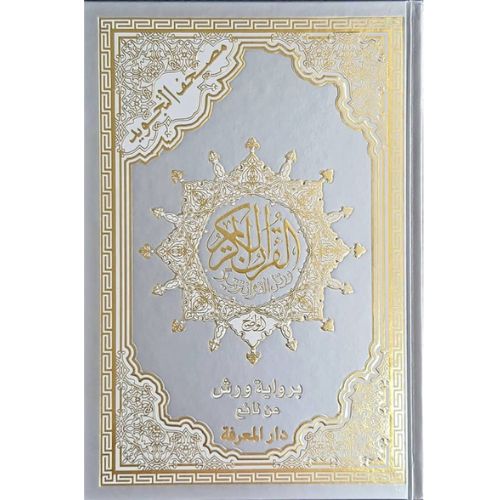
Mushaf Tajwid (Riwayat Warsh) (L)
Mushaf Al Quran Qiraat Nafi’ Riwayat Warash Warsh Warsy Tajwid Warna.
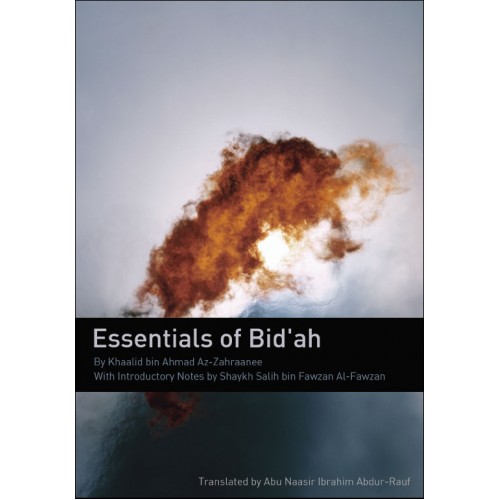
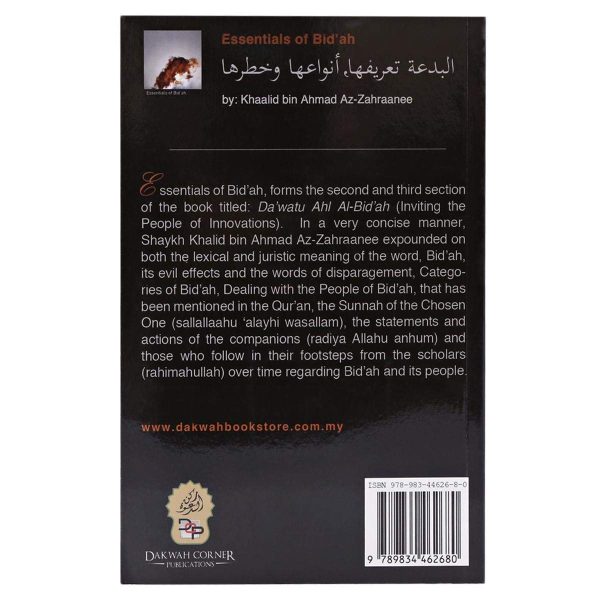
Essentials Of Bid’ah
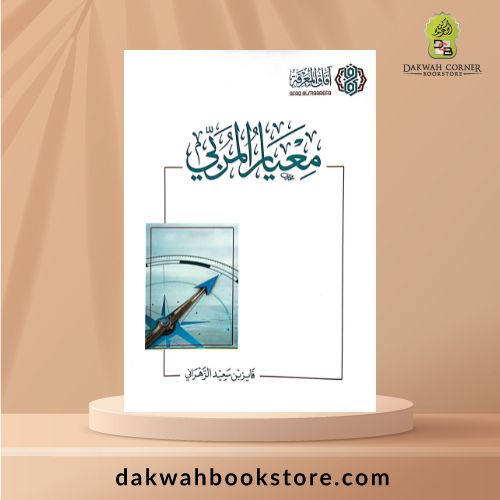
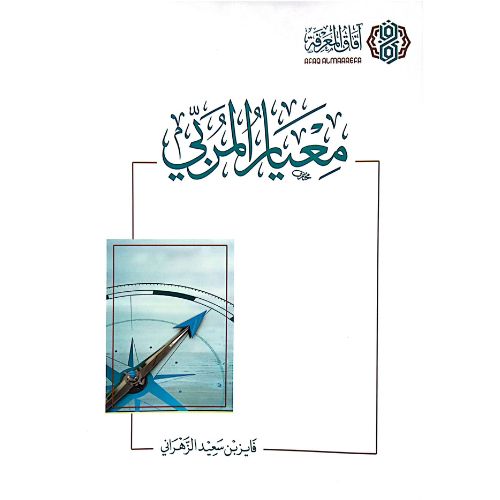
Essentials of Bid’ah forms the second and the third section of the book titled: Da’watu Ahl-Bid’ah (Inviting the People Of Innovations). In a very concise manner Shaykh Khalid bin Ahmad Az Zahraanee expounded on both the lexical and juristic meaning of the word Bid’ah, it’s evil effects and the words of disparagement, categories of Bid’ah, dealing with the people of Bid’ah, that has been mentioned in the Qur’an, the Sunnah of the Prophet, the statements and actions of the Companions and those who follow in their footsteps from the scholars over time regarding Bid’ah and its people.
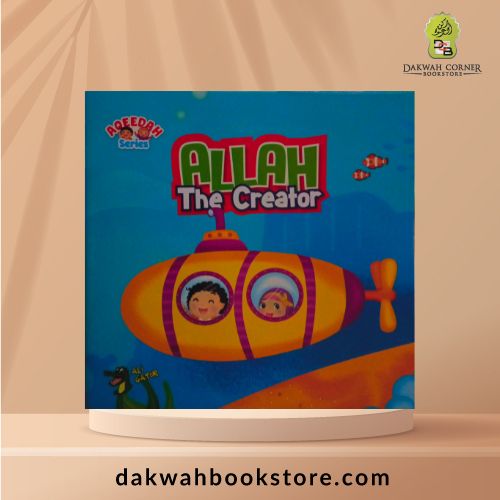
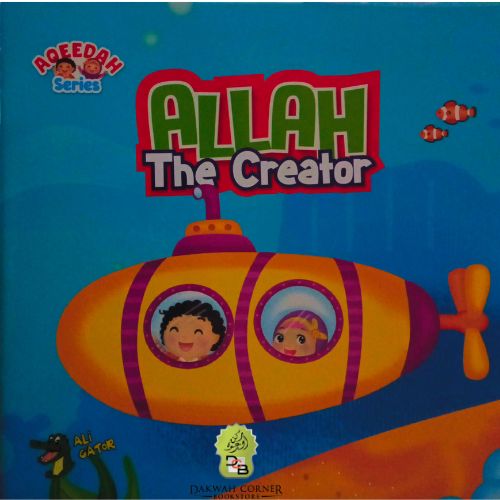
Allah The Creator – Aqeedah Series
Brand new Children’s Book Series – Aqeedah Series.
“Whose toy car is that?” asked Mahmoud’s mother. Mahmoud was scared to answer his mother as he thought no one saw him take his friends toy car from the park.
But very quickly Mahmoud learns that Allah knows everything and sees everything we do.
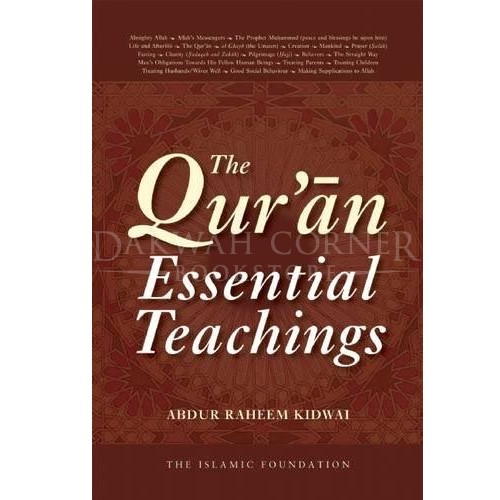
The Qur’an Essential Teachings
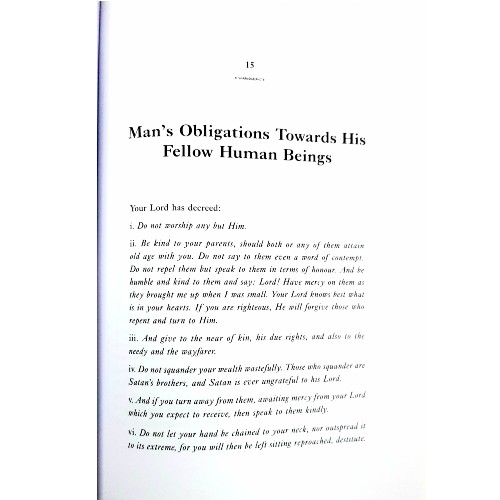
The Qur’an: Essential Teachings explains major Qur’anic terms, concepts and themes in a simple language. The work is intended to help readers gain a clear idea of the Qur’anic worldview, particularly the articles of Islamic faith, God – man relationship, religious duties and Islamic value system. The Divine guidance is elaborated for appreciating better the meaning and message of the Qur’an. It brings into sharper focus God – oriented life as prescribed by Islam.
Mapping The Secular Mind (IIIT)
The secular mind had a grand plan, to establish an earthly paradise, a utopia of the here and now, a modern civilization governed by human reason, rationality, and the triumph of progress. Whilst ideals are one thing, the means to realize them is something else. Away from the hype, emancipating humanity from the shackles of God and religion has proved no easy matter. Mapping the Secular Mind critically examines issues of reason, rationality, and secular materialism, to explore how these mental perceptions, or ways of mapping the world, have affected human interaction and sociological development. It does this by comparing and contrasting the ideas of Abdelwahab M. Elmessiri (1938 2008) a leading Arab intellectual, and Zygmunt Bauman (1925), one of the world s foremost sociologists. In the last few decades, an emergent Western critique of modernity has inspired Muslim intellectuals to develop new ideas, images, terms and concepts that state their positions towards the tendencies of secular modernity, its transformations and consequences, and how it manipulates perceptions of reality. The book challenges foundations of secular ideology to argue that its aspirations have deeply transformed human consciousness and man s sense of self, leaving him a creature of purposeless consumption, wearied by the search for fulfillment, and controlled by materialistic laws governing physical phenomena. It also offers a more darker thesis, that Fascist Germany and the Eugenics movement were a form of Social Darwinism taken to its logical course. These were not an aberration from the principles of modernity, Ali argues, but a consistent outcome of the modern worldview, with the seeds of self-destruction being woven into the very fabric of the philosophy.


There are no reviews yet.