

| Weight | 0.30 kg |
|---|---|
| Dimensions | 11.5 × 1 × 16 cm |
| ISBN | 978-614-447-078-7 |
| Pages | 120 |
| Publisher | Learning |
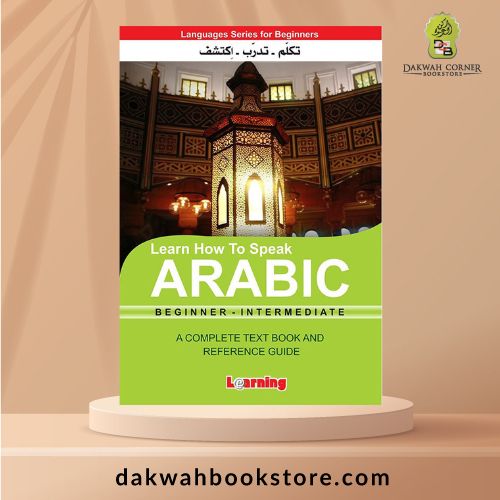
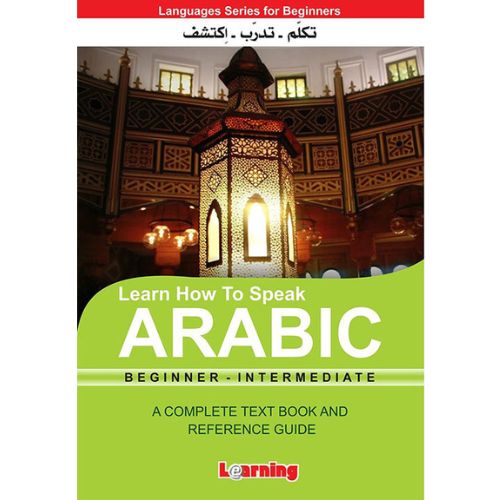
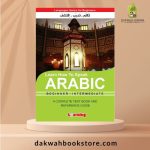
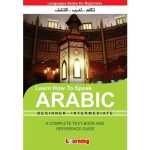
Learn How To Speak Arabic: Beginner – Intermediate (Small Book)
$3.41
Hurry up, Only 2 left.
Highlights:
somdn_product_page
Compare
An educational series for modern languages designed for beginners and those planning to travel to new countries.
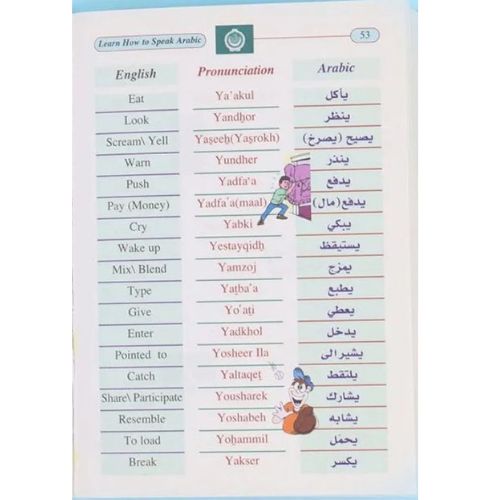
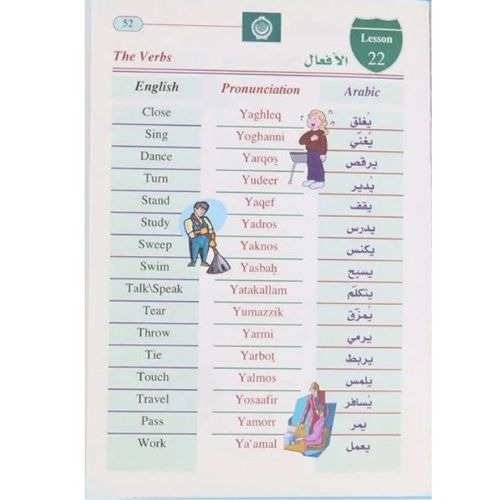
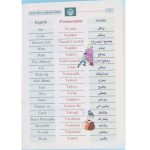
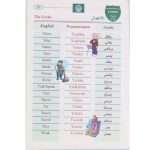
Covers language fundamentals—including key phrases and expressions—as well as pronunciation, vocabulary, basic grammar, and everyday conversation.
SKU: AR84
Categories: Arabic Books, Arabic Learning
Frequently Bought Together
1 Item
$3.41
2 Add-Ons
$17.27
Total
$20.68
Additional information
You may also like…
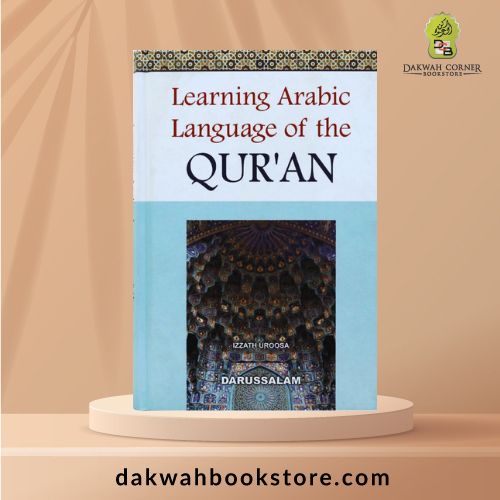
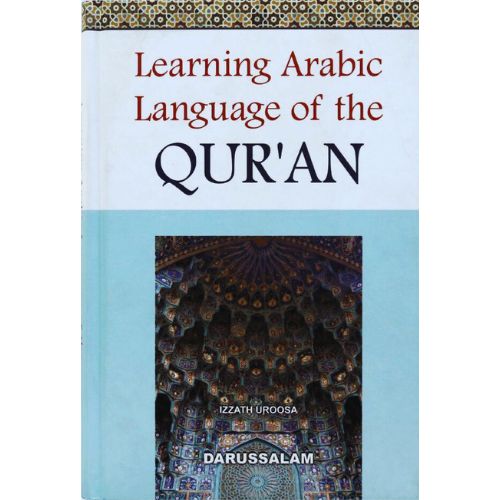
Learning Arabic Language Of The Qur’an
Highlights:
Other components that make this book attractive and useful are the simplicity of the language used, and its clarity and effectiveness of expression in achieving its objective. This book can be used by students of different ages whose intention is to learn Arabic with an eye toward proper understanding of the Qur’an.
The author has profound knowledge of both the Arabic and English languages. She also possesses a deep insight into Qur’anic expressions. She studied Arabic in Saudi Arabia and in India. This comprehensive book is the result of her diligence and commitment to learning and teaching the Qur’anic Arabic.
May Allah reward her for this valuable service to the understanding of the Qur’an and make it popular among the students and the academic world at large.
Prof. Mohsin Usmani Nadwi, Professor of Arabic and Dean at English and Foreign languages University (formerly CIEFL) Hyderabad, India.
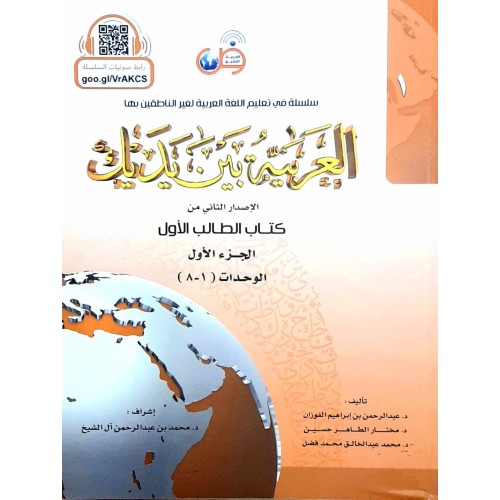
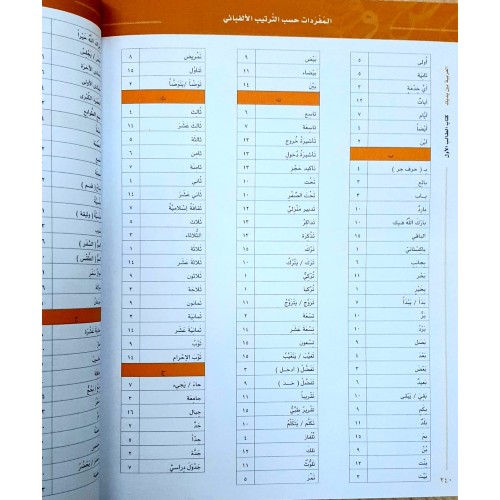
[AR] Al-Arabiyyah Bayna Yadayk Book 1 Part 1
Highlights:
Al-Arabiyyah Bayna Yadayk, Arabic At Your Hands (Students Level 1, Book 1) – With QR
This series is designed for the non-Arab speaking, senior level student. It helps the student learn Arabic through listening and conversation along with reading and writing. The series stresses communication and also offers glimpses into the Arabic culture, both Islamic and national.
The first level consists of two parts (books), each of which includes 8 units (total of 16 units). Each unit consists of 9 lessons, constituting a total of 144 basic lessons in this level.
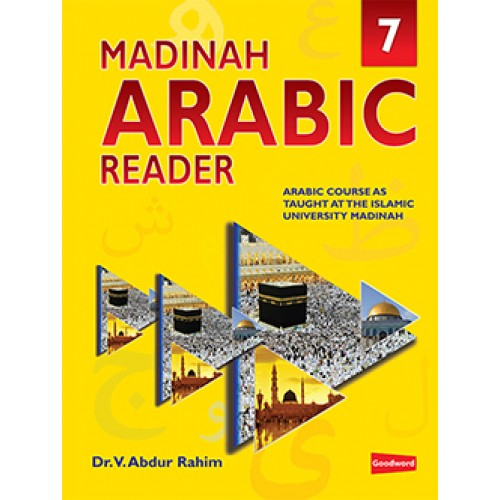
Madinah Arabic Reader (Book 7)
Highlights:
Professor Abdur Rahim, Director of the Translation Centre of the King Fahd Quran Printing Complex and former Professor of Arabic at the Islamic University of Madinah, Saudi Arabia, has authored texts designed to impart a knowledge of classical Arabic through applied grammar. Each lesson, based on a conversation, illustrates distinctive language patterns. These patterns are elucidated by a variety of helpful exercises. The vocabulary ranges from classical and Quranic Arabic to modern Arabic. This series of books is currently being utilized at various schools to prepare students for the University of London (UK) GCE O-Level and A-Level examinations.
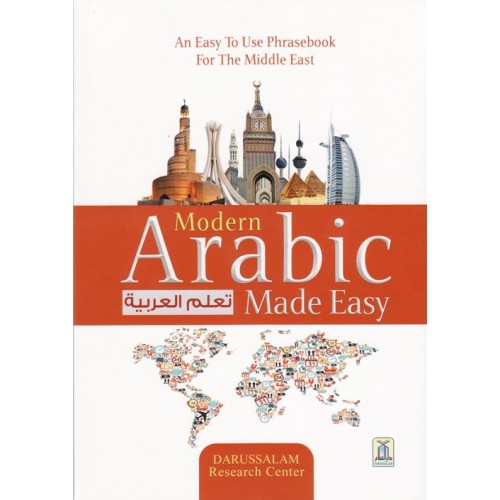
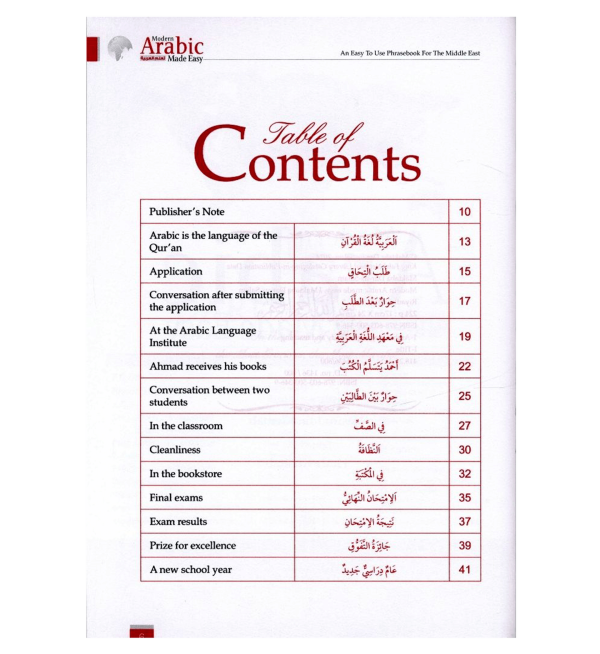
Modern Arabic Made Easy (P/B)
Highlights:
This product was added to our catalog on Thursday 30 April, 2015.
Notify me of updates to Modern Arabic Made Easy
Tell someone you know about this product.
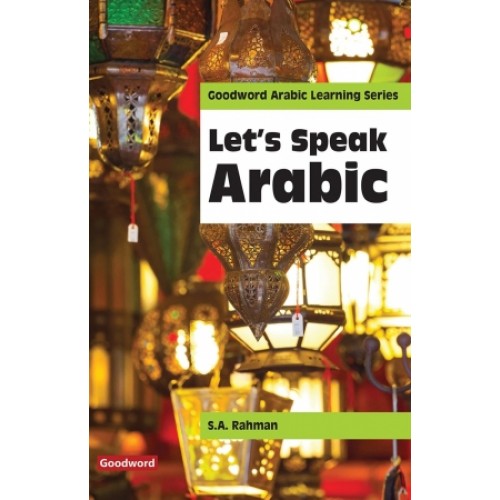
Let’s Speak Arabic
Highlights:
For business or pleasure you need Let’s Speak Arabic for useful vocabulary and phrases. The book is organized to make Arabic learning easy and accessible. Let’s Speak Arabic focuses exclusively on the most common, everyday situations you will encounter in Arabic-speaking countries. It is just what you need to communicate successfully in basic Arabic.
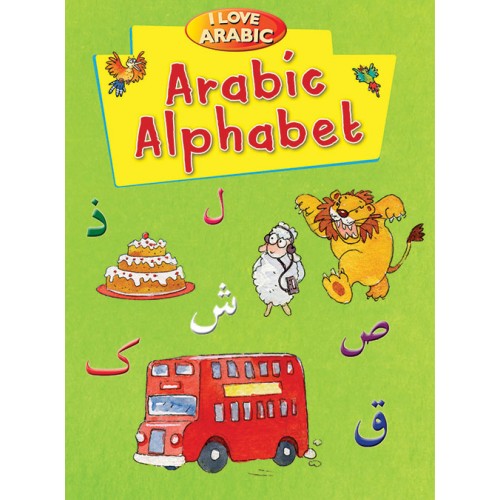
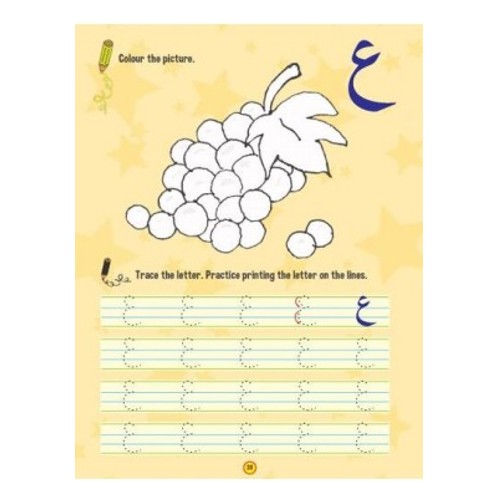
I Love Arabic: Alphabet
Highlights:
Arabic Alphabet, the first book in the I Love Arabic series, introduces young learners to the Arabic letters. This helpful and captivating book presents each letter with a delightful illustration, which ensures rapid and enjoyable learning. Arabic Alphabet is an exciting first book for young Arabic learners. Arabic Alphabet develops these skills: * Sequencing letters * Identifying letters.
Related Products
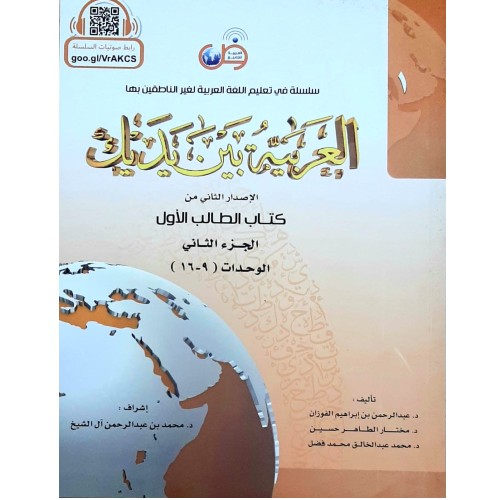
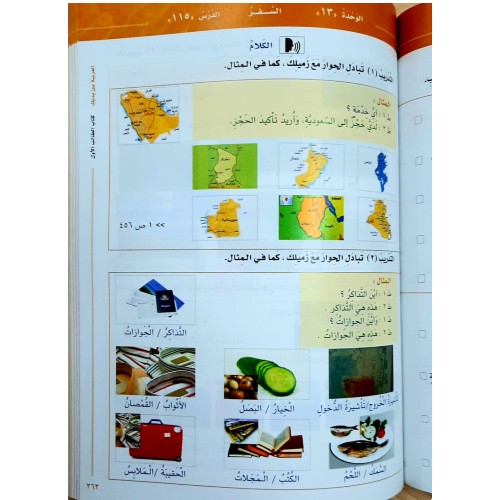
[AR] Al-Arabiyyah Bayna Yadayk Book 1 Part 2
Highlights:
Al-Arabiyyah Bayna Yadayk, Arabic At Your Hands Series (Students Level 1- Book 2) – With QR
This series is designed for the non-Arab speaking, senior level student. It helps the student learn Arabic through listening and conversation along with reading and writing. The series stresses communication and also offers glimpses into the Arabic culture, both Islamic and national.
The first level consists of two parts (books), each of which includes 8 units (total of 16 units). Each unit consists of 9 lessons, constituting a total of 144 basic lessons in this level.
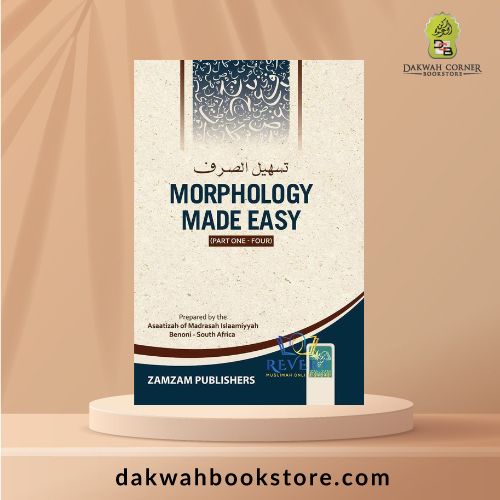
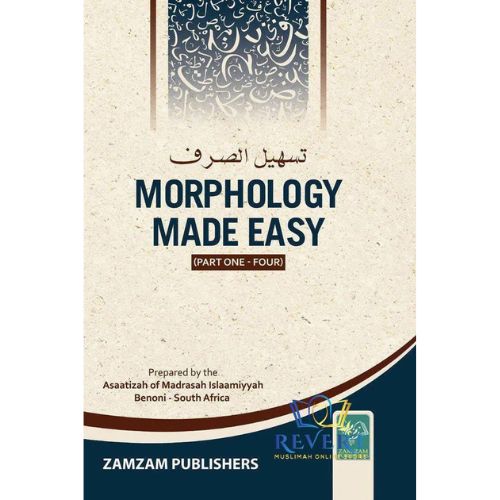
Morphology Made Easy P/B (Part 1-4)
Highlights:
Prepared by the teachers of Madrasa Islamiyah Benoni, South Africa.
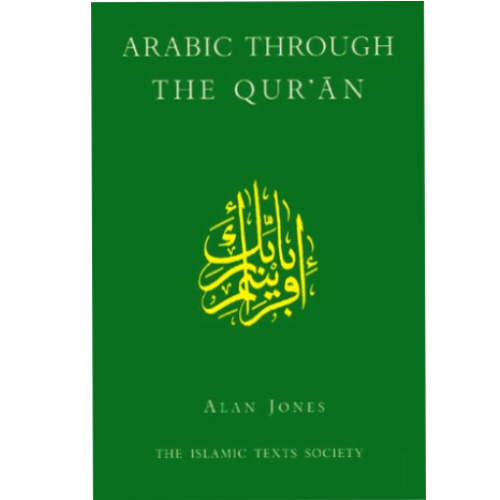
Arabic Through The Qur’an
Highlights:
Whether used as a means of self-instruction or as part of higher learning coursework, this language primer is ideally suited for those wishing to learn classical Arabic and for Muslims who wish to learn Arabic exclusively for use in their religious and spiritual practice. Designed to enhance the understanding of the Qur’an and its vocabulary that has infiltrated the whole of Arabic and Islamic literature, this workbook provides 40 easy-to-follow lessons for learning Qur’anic rather than modern Arabic. Beginning with a section on the Arabic alphabet, the text moves on to individual lessons that address one or more grammatical topics, ranging from the basics of nouns, adjectives, and prepositions to the more complex concepts of the imperative, the passive, and conditional sentence, introducing new vocabulary in the process. Accompanying translation exercises, a glossary of technical terms, and an index supplement the main text.
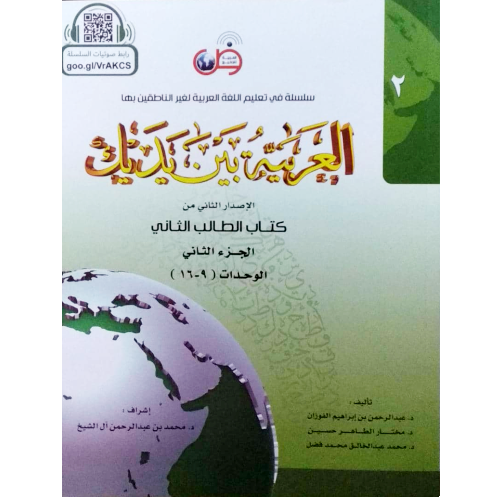
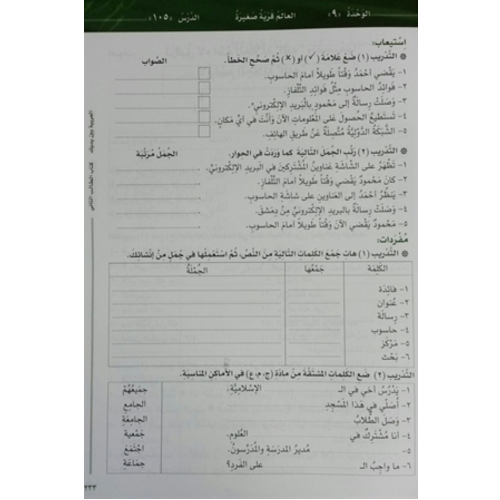
[AR] Al-Arabiyyah Bayna Yadayk Book 2 Part 2
Highlights:
Al-’Arabiyyah bayna yadayk Means Arabic in Your Hands.
The great thing about these books is it covers a lot of vocabulary through pictures, Images, and using Arabic Only, introduces the students to grammar later and gradually rather than pushing them at the deep end before they can swim. Much like the Arabic Course for English Speaking Students 3 Vols Set, UKIA, it is more Islamic inclined and fulfills the desire for the student of knowledge to learn the language of the Qur’an.
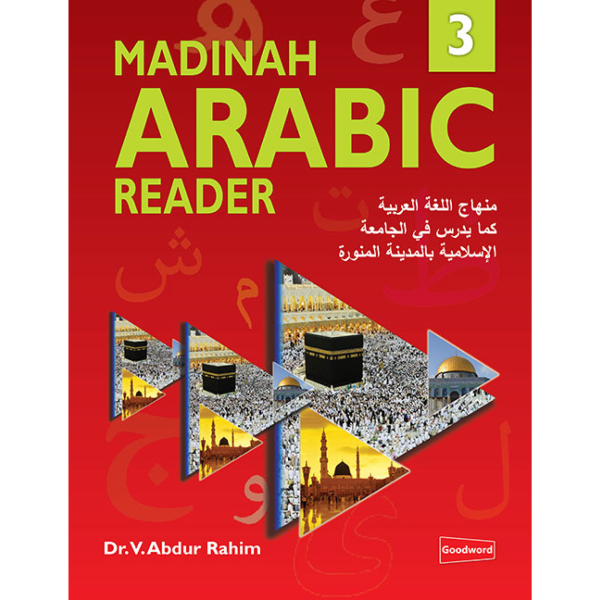
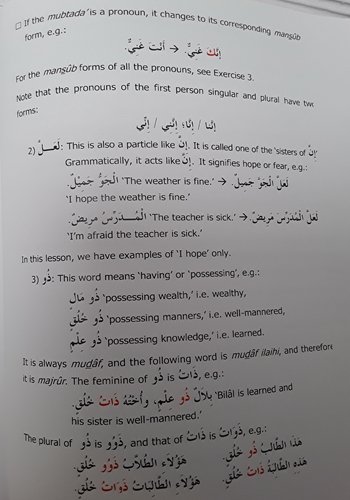
Madinah Arabic Reader (Book 3)
5 ★
5 ★
1 Rating
5 ★
1
4 ★
0
3 ★
0
2 ★
0
1 ★
0
Highlights:
Professor Abdur Rahim, Director of the Translation Centre of the King Fahd Quran Printing Complex and former Professor of Arabic at the Islamic University of Madinah, Saudi Arabia, has authored texts designed to impart a knowledge of classical Arabic through applied grammar. Each lesson, based on a conversation, illustrates distinctive language patterns. These patterns are elucidated by a variety of helpful exercises. The vocabulary ranges from classical and Quranic Arabic to modern Arabic. This series of books is currently being utilized at various schools to prepare students for the University of London (UK) GCE O-Level and A-Level examinations.
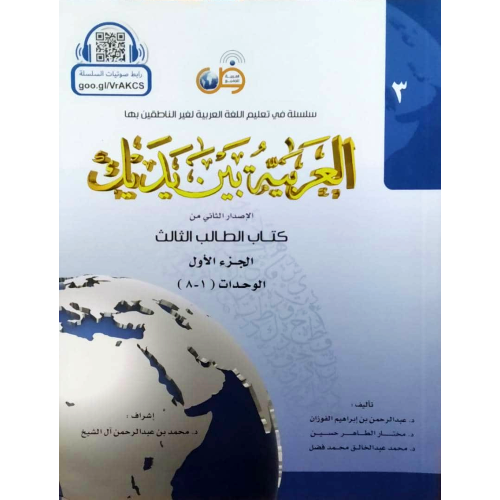
[AR] Al-Arabiyyah Bayna Yadayk Book 3 Part 1
Highlights:
Al-’Arabiyyah bayna yadayk Means Arabic in Your Hands.
The great thing about these books is it covers a lot of vocabulary through pictures, Images, and using Arabic Only, introduces the students to grammar later and gradually rather than pushing them at the deep end before they can swim. Much like the Arabic Course for English Speaking Students 3 Vols Set, UKIA, it is more Islamic inclined and fulfills the desire for the student of knowledge to learn the language of the Qur’an.
The third level (part 1 and 2) comprises 5 tests as follows:
- 1. Level determining test at the beginning of the first book to determining the student’s level and his ability to begin the third level.
- 2. Small test in the middle of the first book.
- 3. Midlevel test at the end of the first book.
- 3. Small test in the middle of the second book.
- 4. Final comprehensive test at the end of the second book.
At the end of the third level, there are lists of vocabulary used n each unit and another list of all the vocabularies of the level arranged alphabetically. It also includes comprehension texts for all text and some exercises used in this level.
[AR] Al-Arabiyyah Bayna Yadayk Book 3 Part 2
Highlights:
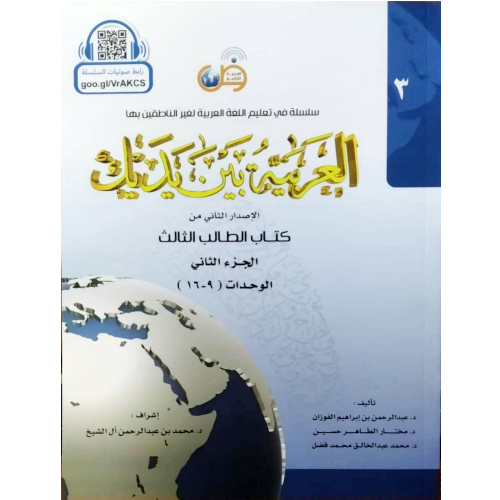
Arabic Between Your Hands Series is one of the programs in a collection of programs called “Arabic For All”. This series is a developed version of the book “Arabic Between Your Hands”, that introduces a comprehensive curriculum for teaching Arabic for non-Arabic speakers, students and teachers. This curriculum is developed for educational entities, including schools, college and universities. It starts with the basic level, and continues with the students until they master the Arabic language, that enables them to join university and continue their Arabic studies in various majors. The authors of the original series, who are an academic team specialized in teaching Arabic for non-Arabic speakers, has developed this series.
Level’s units, books and lessons:
The third level consists of two parts (books), each of which includes 8 units (total of 16 units). Each unit consists of 7 lessons, constituting a total of 112 basic lessons in this level.
The third level (part 1 and 2) comprises 5 tests as follows:
- Level determining test at the beginning of the first book to determining the student’s level and his ability to begin the third level.
- Small test in the middle of the first book.
- Midlevel test at the end of the first book.
- Small test in the middle of the second book.
- Final comprehensive test at the end of the second book.
At the end of the third level, there is a list of vocabularies that are used in each unit and another list of all the vocabularies of the level arranged alphabetically.
Arabic Grammar Made Easy (P/B)
Highlights:
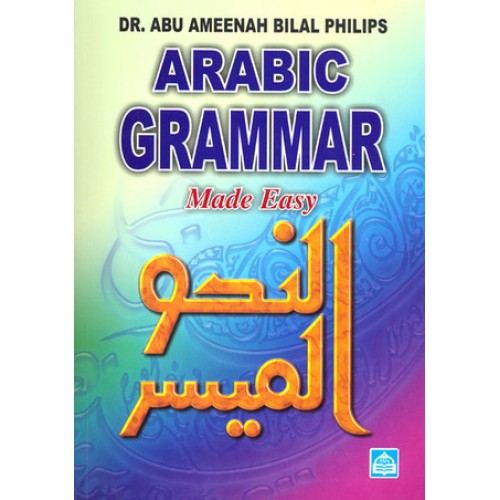
An approach to teaching the Arabic language by introducing vocabulary and grammar in small doses, based on the most commonly used words in Arabic literature and the most frequently used grammatical constructions. Book One focuses on the rules of nominal sentences.
Teach Yourself MP3 Complete Arabic Step by Step A1-A2
Highlights:
Arabic Books – Arabic World – Arts & Crafts, Decoration – Biographies – Calligraphy – Children – Clothing – Companions – Computer – Cooking – Courses & Lectures – Culture & Leisure – Dictionaries – Dogma (‘Aqeedah) – Dreams interpretation – Economy – Education – Educational – Electronics – Ethics – Exhortation – Fast (Ramadan) – Geopolitics – Gift Ideas – Hadith – Halal Food – Health & Dietetics – History – Holy Quran Stories – Introduction to Islam – Invocations – Islam & Science – Islam & secularity – Islam and Modernity- Islamic songs – Jurisprudence – Learning Arabic – Learning English – Learning French – Literature & Poetry – Magazines – Marriage – Miscellaneous – Mystic and Sufism – Names- Natural Beauty Care – Other Religions – Paradise – Hell – Dead – Philosophy – Pilgrimage & Umrah – Propagation (Da’wah) – Prophet Life – Prophets – Quran Sciences – Quran Tafseer – Religious practice – Roqya & Protection – Sciences of Hadith – Society – Spirituality – Strories – Sunnah – Tajweed (Rules) – Tamazight Culture – The Holy Quran – The West and Islam – Tourism – Understanding Islam – Ussul Al-Fiqh – Various Accessories – Well-Being – Woman – Youth – Zakat & Charity
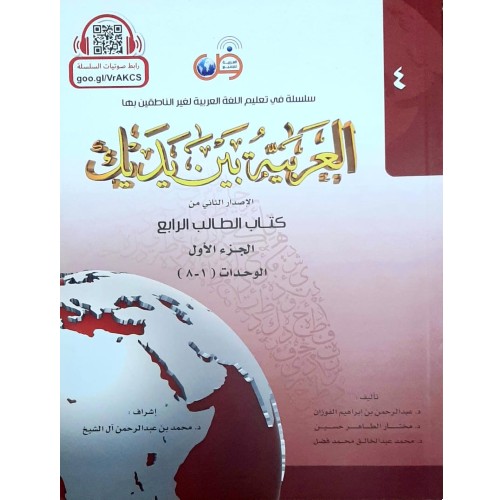
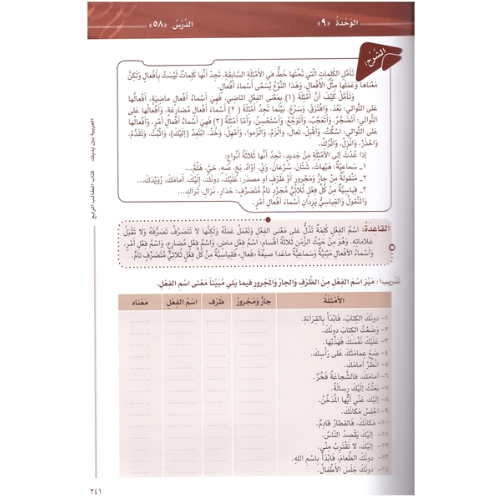
[AR] Al-Arabiyyah Bayna Yadayk Book 4 Part 1
Highlights:
Al-’Arabiyyah bayna yadayk Means Arabic in Your Hands.
The great thing about these books is that it covers a lot of vocabulary through pictures, Images and using Arabic Only, introduces the students to grammar later and gradually rather than pushing them at the deep end before they can swim.
Much like Arabic Course for English Speaking Students 3 Volumes Set, UKIA, it is more Islamic inclined and fulfils the desire for the student of knowledge to learn the language of the Qur’an.
Students who had completed all three books wanted something else to reach higher competency, which has given rise to volume 4, which is available in 2 Parts.
Al-’Arabiyyah bayna yadayk series comes in 3 Basic Student Books and a further study Book 4 Parts 1 & Book 4 Part 2
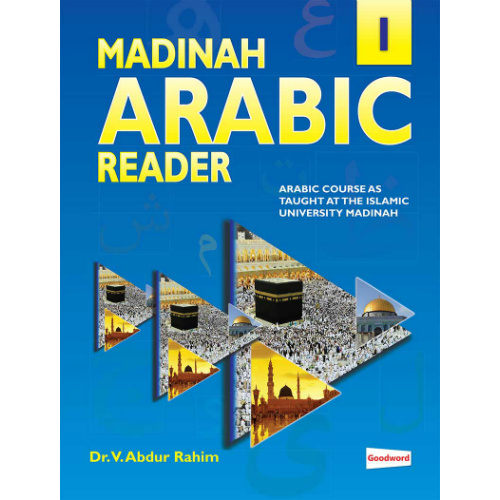
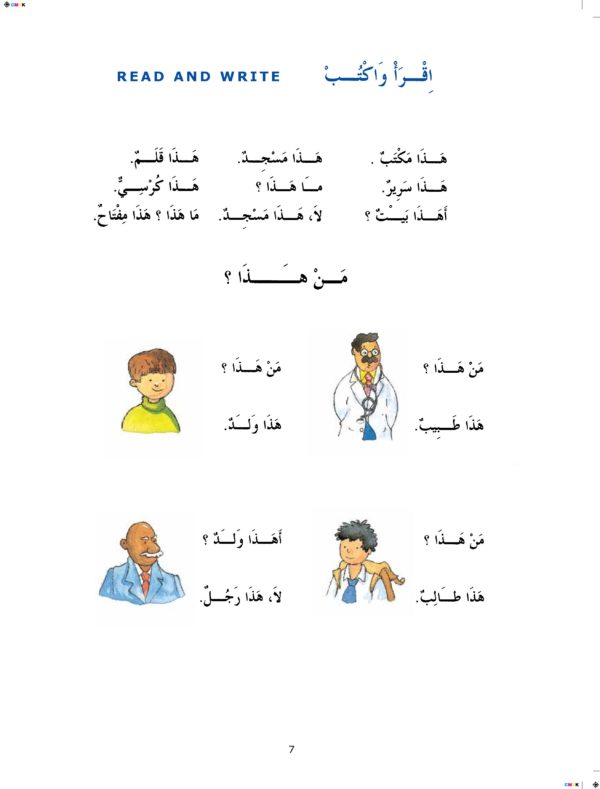
Madinah Arabic Reader (Book 1)
5 ★
5 ★
1 Rating
5 ★
1
4 ★
0
3 ★
0
2 ★
0
1 ★
0
Highlights:
Arabic Learning
Recently Viewed
[AR] Al-Arabiyyah Bayna Yadayk Book 3 Part 1
Highlights:
Al-’Arabiyyah bayna yadayk Means Arabic in Your Hands.
The great thing about these books is it covers a lot of vocabulary through pictures, Images, and using Arabic Only, introduces the students to grammar later and gradually rather than pushing them at the deep end before they can swim. Much like the Arabic Course for English Speaking Students 3 Vols Set, UKIA, it is more Islamic inclined and fulfills the desire for the student of knowledge to learn the language of the Qur’an.
The third level (part 1 and 2) comprises 5 tests as follows:
- 1. Level determining test at the beginning of the first book to determining the student’s level and his ability to begin the third level.
- 2. Small test in the middle of the first book.
- 3. Midlevel test at the end of the first book.
- 3. Small test in the middle of the second book.
- 4. Final comprehensive test at the end of the second book.
At the end of the third level, there are lists of vocabulary used n each unit and another list of all the vocabularies of the level arranged alphabetically. It also includes comprehension texts for all text and some exercises used in this level.
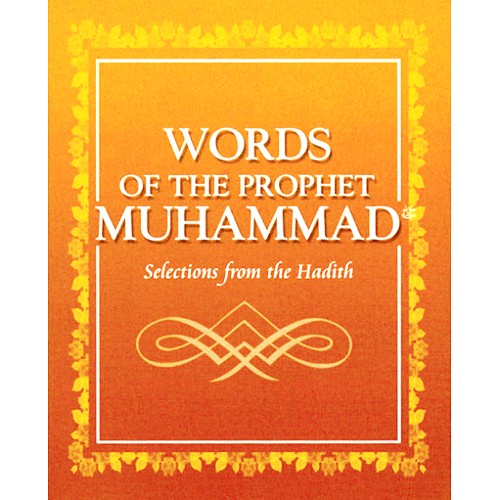
Words Of The Prophet Muhammad (Pocket Size)
Highlights:
The sayings of the Prophet Muhammad have been handed down to posterity through both oral and written traditions, the foundations of which were laid by the Prophet’s Companions, some of whom were also his scribes. In Word of the Prophet Muhammad Maulana Wahiduddin Khan compiles some of the essential hadith compilations from the life of the Prophet. The hadith thus compiled give some of the principles by which one can seek guidance from the sayings of the prophet. Eternal in essence, they are of value not only to Muslims but to humanity at large. In essence, this volume is an anthology compiled from Hadith literature, an Islamic source second only to the Quran in religious importance. Although brief, it covers, directly or indirectly, the more important aspects of the Hadith’s, teachings. This book teaches us some of the principles by which the Prophet of Islam sought to guide his followers. Eternal in essence, they are of value not only to Muslims but to humanity at large. The words of the Prophet deeply touch our hearts, inspiring us to lead a righteous life leading to salvation.
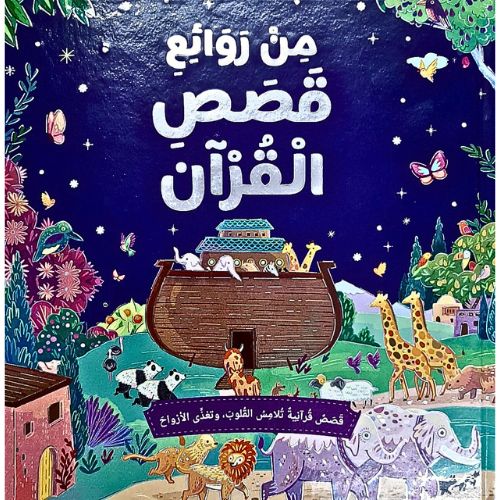
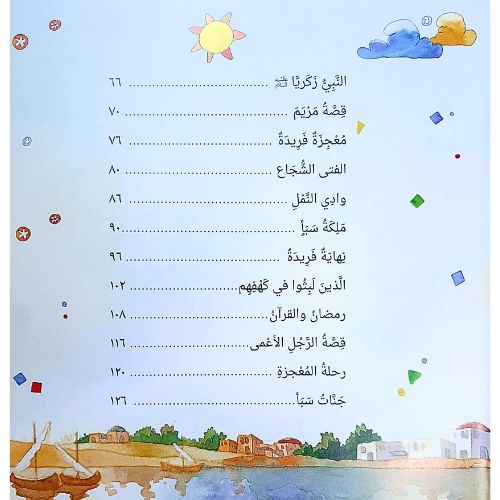
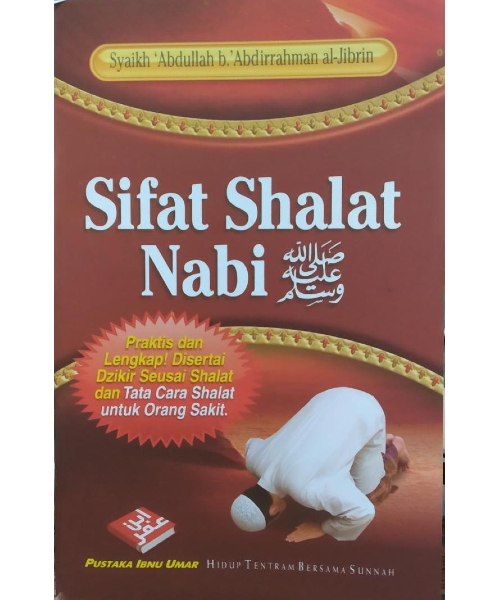
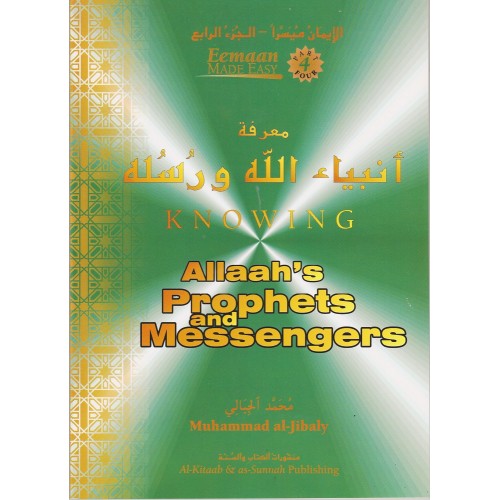
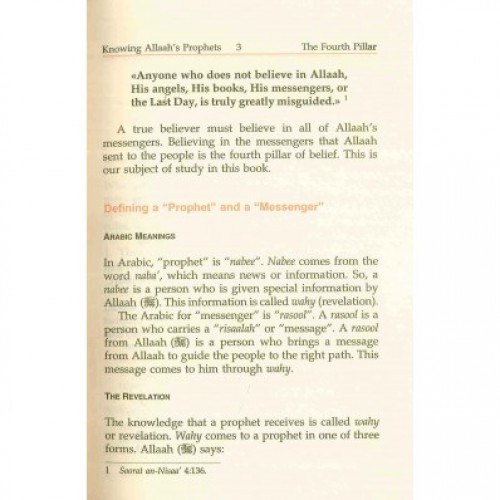
Knowing Allaah’s Prophets and Messengers (P/B) (Eeman Made Easy Series)
Highlights:
This is a simplified series of books dealing with the fundamental Islaamic beliefs. The material is well-founded on authentic proofs from the Qur’aan and Sunnah. The books are written in easy language, making them accessible to individuals with limited vocabulary.
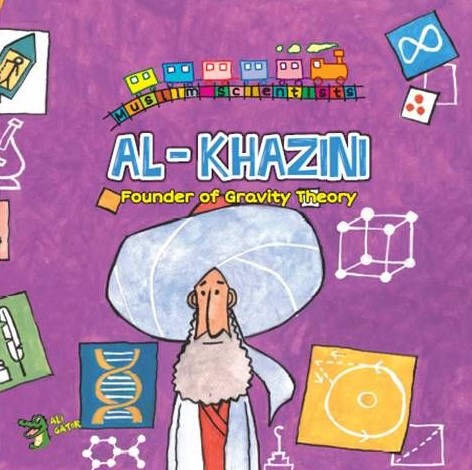
Al Khazini: The Founder Of Gravity Theory (The Muslim Scientists Series)
5 ★
5 ★
1 Rating
5 ★
1
4 ★
0
3 ★
0
2 ★
0
1 ★
0
Highlights:
The Muslim Scientists Series introduces children to great scientists, scholars and adventurers from the Golden Age of Islam. Al Khazini’s early understanding of weights & scales, along with the effect of gravity is the basis of mechanical engineering of today.
He is recognised as ‘The Founder of the Theory of Gravity.’
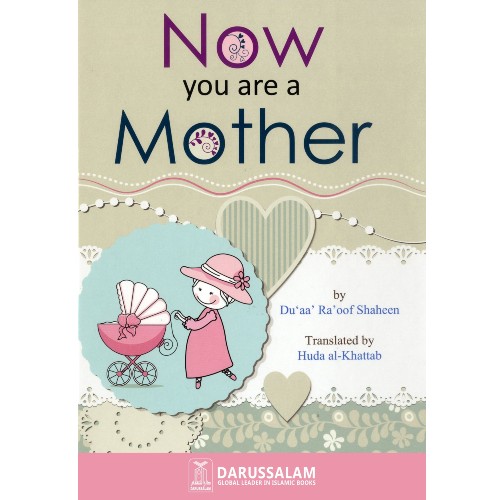
Now You Are A Mother (H/B)
Highlights:
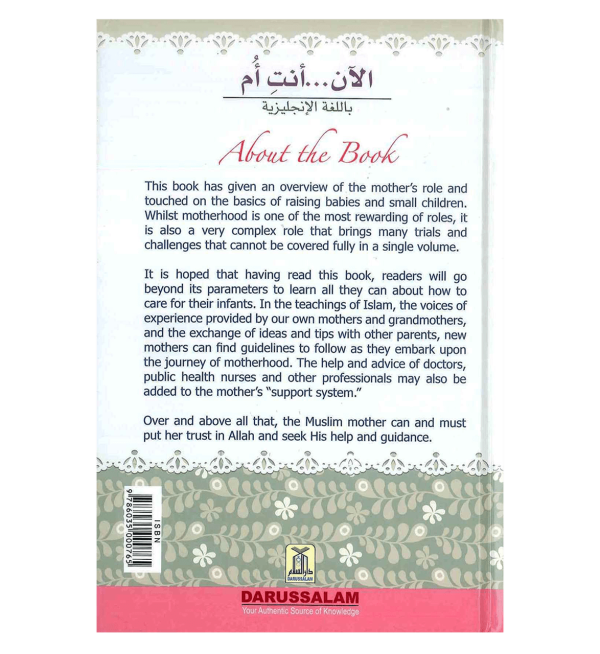
This book has given an overview of the mother’s role and touched on the basics of raising babies and small children. Whilst motherhood is one of the most rewarding of roles, it is also a very complex role that brings many trials and challenges that cannot be covered fully in a single volume.
It is a very good preparation guide for expectant/expecting mothers who are pregnant/in pregnancy as it will teach many useful practical tidbits on how to prepare and what to expect. It is also a very good parenting guide book for concerned fathers/husbands who will also have take care of their children.
It is hoped that having read this book, readers will go beyond its parameters to learn all they can about how to care for their infants. In the teachings of Islam, the voices of experience provided by our own mothers and grandmothers, and the exchange of ideas and tips with other parents, new mothers can find guidelines to follow as they embark upon the journey of motherhood. The help and advice of doctors, public health nurses and other professionals may also be added to the mother’s “support system.”
Over and above all that, the Muslim mother can and must put her trust in Allah and seek His help and guidance.
$6.82 – $10.23Price range: $6.82 through $10.23
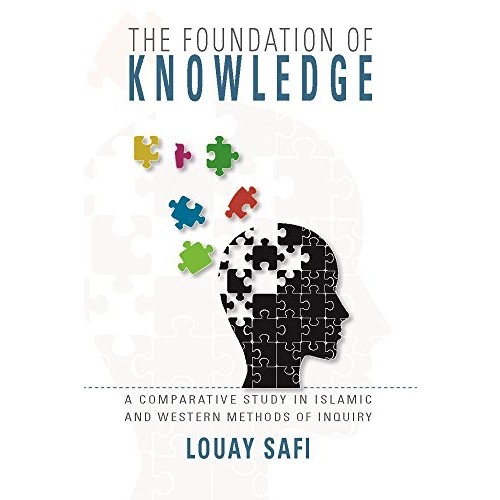
The Foundation of Knowledge: A Comparative Study in Islamic and Western Methods of Inquiry
Highlights:
The Foundation of Knowledge’s most fundamental concern is to trace the evolution of scientific methodology and to highlight Islamic scholarship s everlasting contribution to grounding scientific research in the social experience while bringing transcendental knowledge to bear on normative frameworks. In addition, the book emphasizes the need to remain open-minded to a variety of scientific approaches to social phenomena. The book is of particular interest to the students of methodology and scientific methods, as it catalogs the various approaches to systematic investigation and sheds light on the profound role early Muslim scholars played in laying the foundation of scientific knowledge.
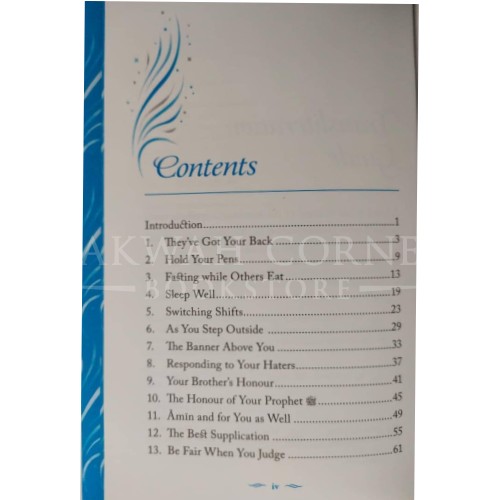
Angels in Your Presence By Omar Suleiman
5 ★
5 ★
1 Rating
5 ★
1
4 ★
0
3 ★
0
2 ★
0
1 ★
0