| Weight | 0.295 kg |
|---|---|
| Dimensions | 21.5 × 19.5 × 0.8 cm |
| Author | |
| Pages | 78 |
| Binding | Paperback |
| ISBN | 9786144164563 |
| Publisher | Dar Ibn Hazm |
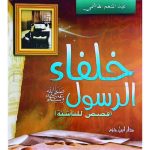
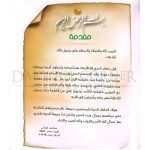
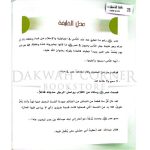
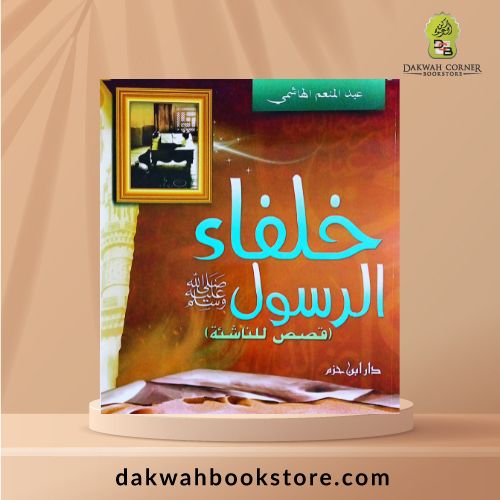
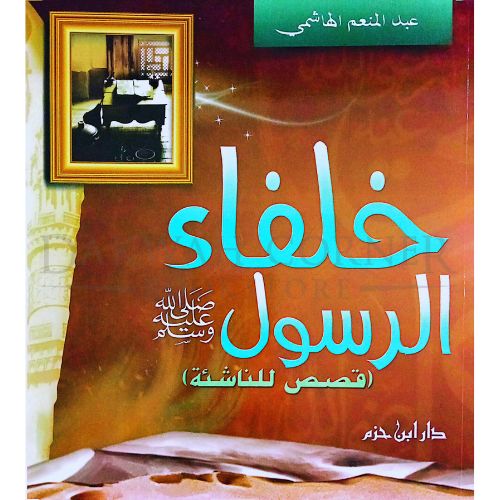
[SB] Khulafa’ Ar Rasul / خلفاء الرسول(ص)( قصص للناشئة ) ( ملون )
RM45.00
Frequently Bought Together
Related Products
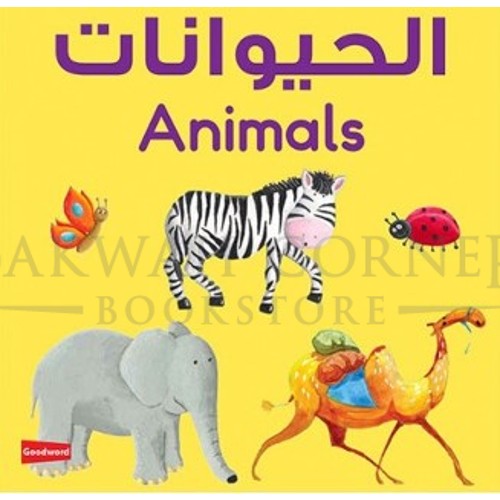
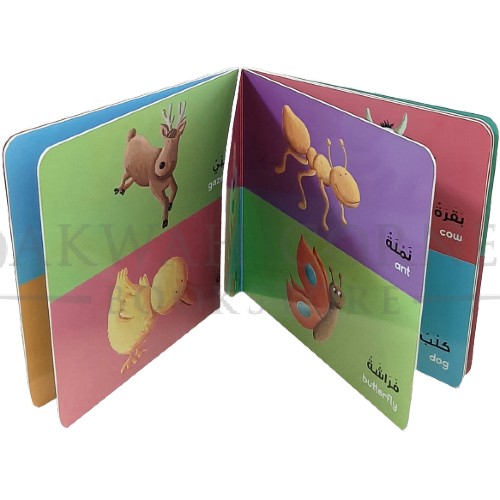
[CB] Animals Board Book (الحيوانات)
Animals Board Book
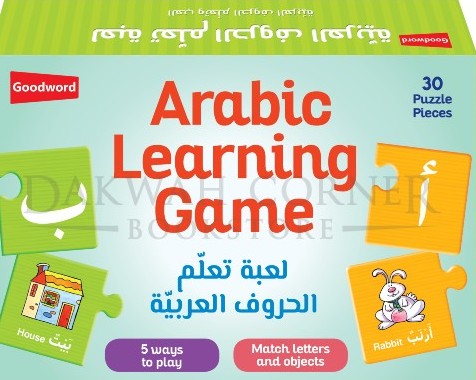
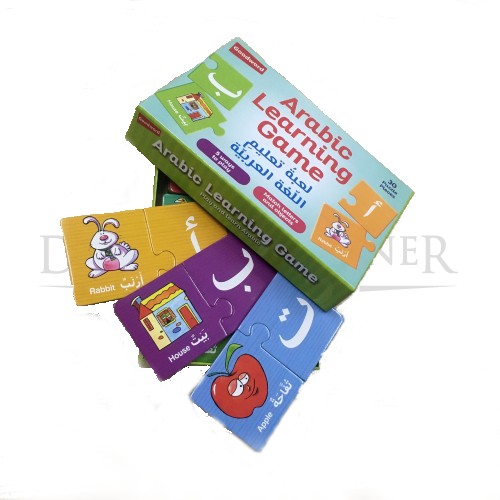
[GM] Arabic Learning Game
Enjoy the Arabic letters. Enhance the skills of recognizing letters, shapes, and sounds.
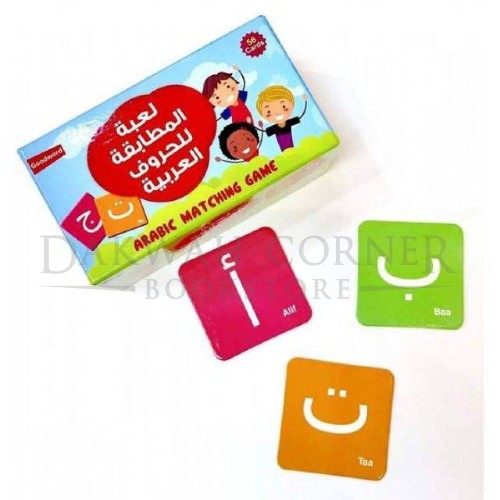
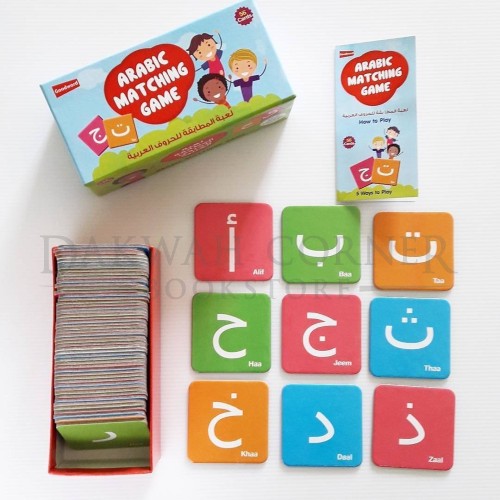
[GM] Arabic Matching Game (لعبة المطابقة للحروف العربية)
Fun way to learn Arabic
- Learn to say from alif to yaa.
- 5 ways to play
- 56 cards
- Encourage letter recognition.
- Develops matching skills
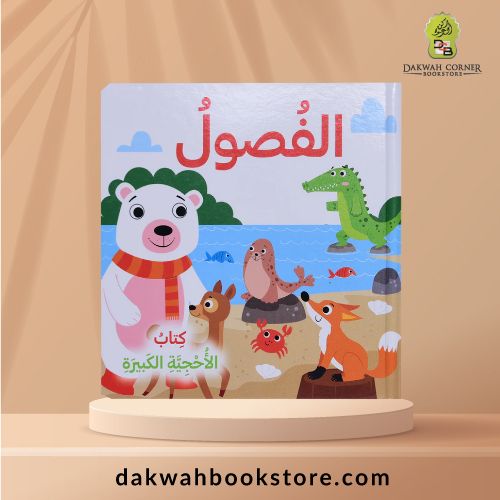
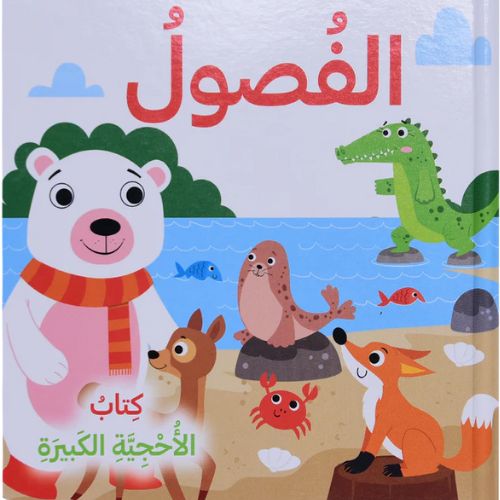
[CB] Uhjiyyah Kabirah – Fusul (Arabic) / الفصول – كتاب الأحجية الكبيرة
كتاب الاحجية الكبيرة الفصول
كتاب أحجية من الكرتون المقوى , مكون من ست قطع مصورة على الوجهين حول موضوع الفصول مع الصيف , الشتاء , الربيع والخريف .
في اثناء قلب الصفحات سيتعلم طفلك كيفية ادارة الاحجية وتركيبها .
كتاب لعبي يجمع بين متعة الاكتشاف والتسلية .
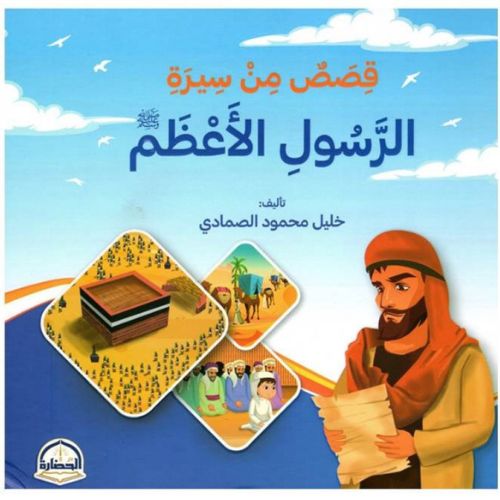
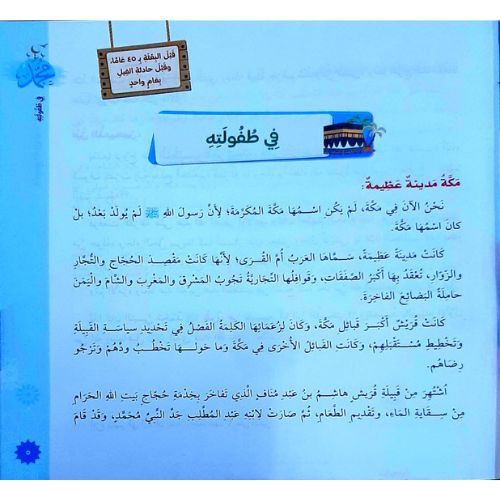
[CB] Qisas Min Sirah Al ‘Azam (قصص من سيرة الأعظم)
مناسب لعمر :+ 11
لمشاهدة مؤلفات د. خليل محمود الصمادي
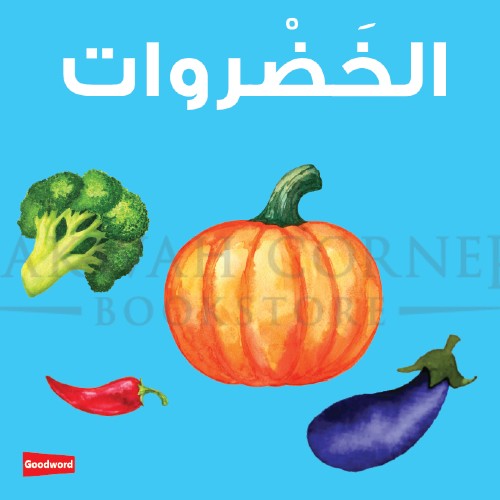
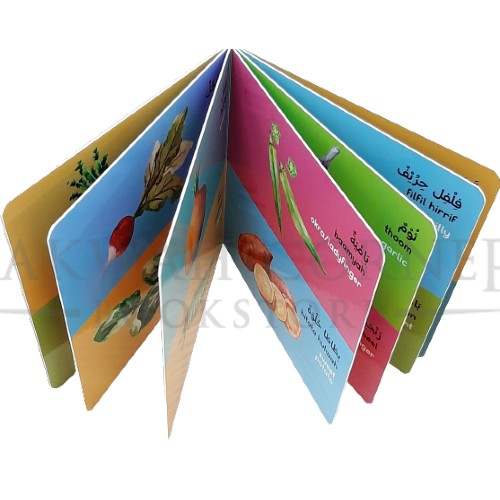
[CB] Vegetables Board Book -الخضروات
Vegetables Board Book (Arabic/English) By Saniyasnain Khan
[CB] Things that Move Board Book (الاشياء التي تتحرك)
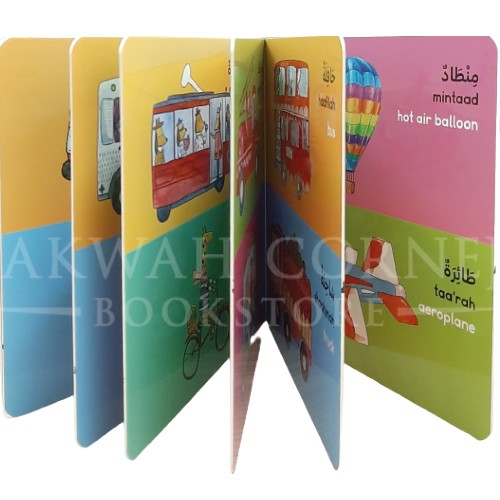
Things That Move Board Book | Arabic-English | Islamic Baby Book
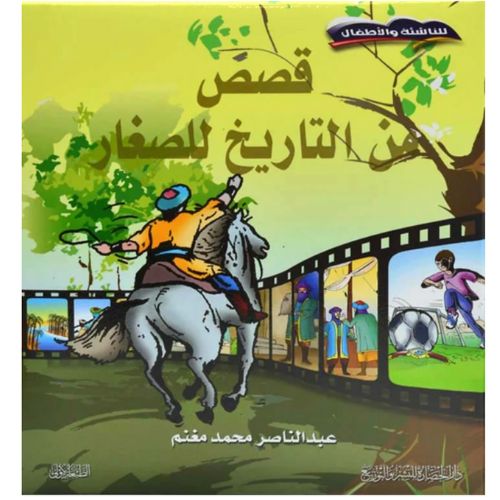
[CB] Qisas Min Al Tarikh Lilsighar (قصص من التاريخ للصغار)
كتاب يحتوي على 10 قصص من التاريخ على شكل حوار، مصحوبة بالصور، مع أنشطة على كل قصة.
Recently Viewed
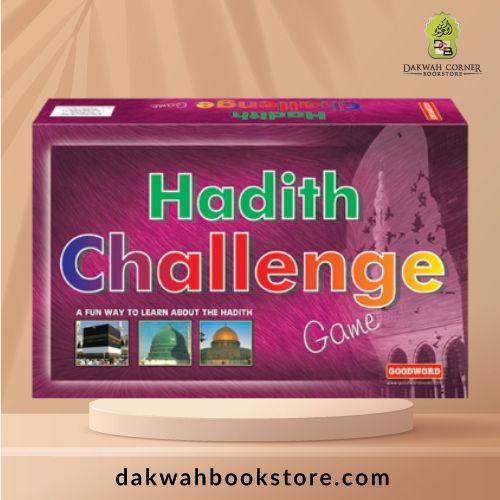
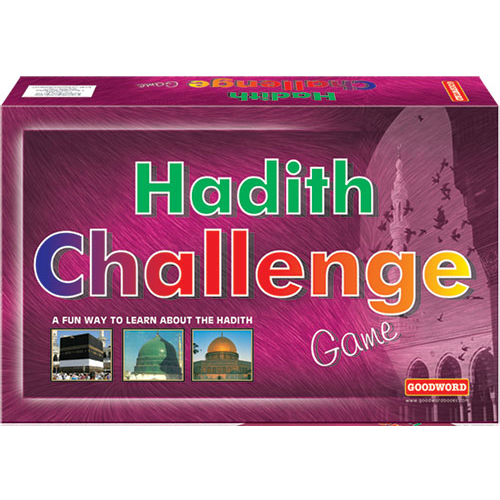
Hadith Challenge Game
The Hadith Challenge Game is a unique game based on sayings of the Prophet Muhammad. The idea behind this game is to provide the children with both fun and education. All questions are based on the authentic sayings of the Prophet Muhammad. They have been creatively worked into this game and children will enjoy answering them. This game can be played at school or at home with all the family members. Begin your journey and find out what fun it is to learn from the Hadith.
33 Ways of Developing Al-Khushoo`: Humility and Devotion in Prayer
Shaykh Muhammad Salih al-Munajjid’s little book is perhaps one of the most widely-circulated among Muslims today. This is because the topic touches worshippers where it hurts—we know that we often lapse into an automatic sort of prayer when we lose concentration. The Shaykh points out that this loss of concentration really stems from a lack of humility and devotion—in Arabic, khushoo‘. His aim in writing this book is to help us to get back that khushoo‘. His step-by-step approach makes it simple. He gives practical advice and uses the excellent example of the prayer of the Messenger of Allah (blessings and peace be upon him) to guide us, so that as worshippers, we can truly return to a state of humility and devotion before the Lord.
Islamic Rules of Order (P/B)
Organizations must have rules of order to facilitate their debate and to fill in the procedures not detailed by their constitutional documents. While most American organizations are content to operate by Robert’s Rules of Order, Muslim organizations have often wrestled with questions over whether the rules of order systemized by a Western military figure are in accord with the Qur’an and the Sunnah.
This book tackles the matter directly and takes into account the Qur’an, the sunnah, Islamic manners and the history of Islamic consultation and leadership to provide a simple, practical guide to organizational procedure that can be incorporated into the governance of Muslim organizations. The book includes advice on writing bylaws and on complying with the best practices of the U.S. Dept. of Justice in a way that is Islamically authentic, transparent, and accountable. It provides a basic starting point for any Muslim organization while allowing for flexibility so that organizations may make any variations they require within their own bylaws and constitution, so that it can accommodate differing schools of thought on Islamic law. In its discursive approach it is an essential primer for understanding the value of rules of order and the Islamic context for their application. The Islamic Rules of Order has been adopted as the rules of order of the Association of Muslims Social Scientists.