![[CB] Animal Story from Quran Children's Encyclopedia ( قصص الحيوان في القرآن الكريم)](https://shop.dakwahbookstore.com/wp-content/uploads/2023/06/Untitled-design-3-1.jpg)
![[HH] Riyad As Salihin Min Kalam Saidil Mursalin ( رياض الصالحين من كلام سيد المرسلين)](https://shop.dakwahbookstore.com/wp-content/uploads/2023/06/Untitled-design-9.jpg)
| Weight | 0.720 kg |
|---|---|
| Dimensions | 24 × 17 × 2 cm |
| Author | |
| Binding | Hardcover |
| ISBN | 9789673497379 |
| Pages | 426 |
| Publisher | INCEIF |
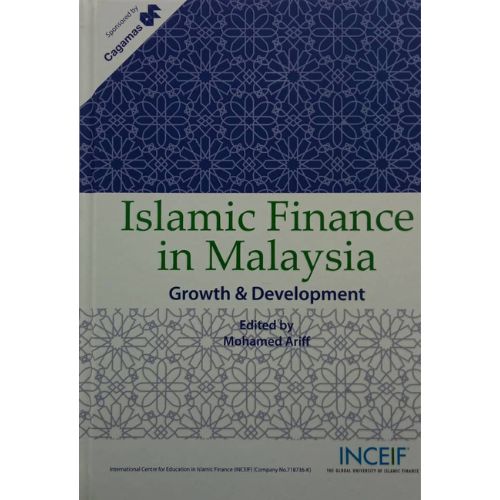
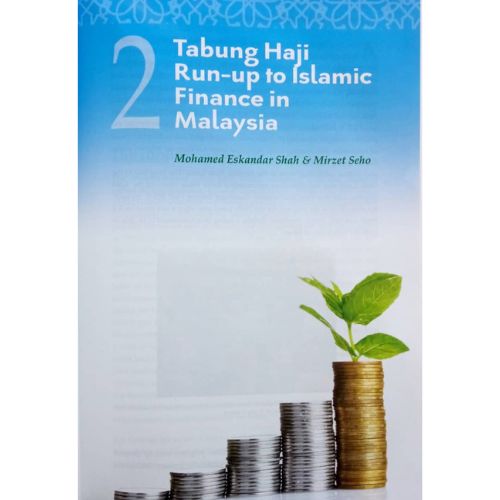
Islamic Finance in Malaysia: Growth & Development
RM150.00
Hurry up, Only 1 left.
Highlights:
somdn_product_page
Compare
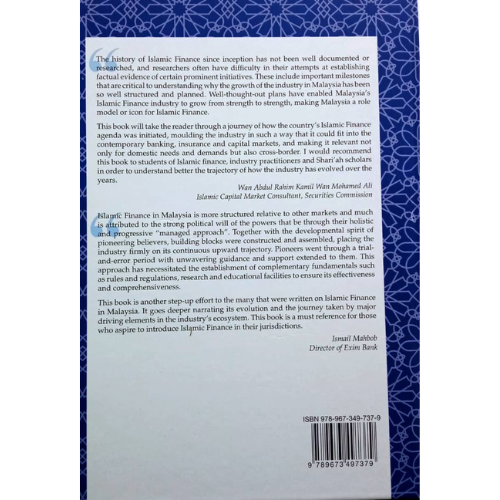
This modern history of Islamic finance is pretty short spanning a period of roughly five decades, compared to conventional finance which goes back to more than four centuries earlier. Islamic finance has spread rapidly across the globe, reminiscent of Lao-Tzu’s famous saying “A journey of a thousand miles begins with a single step”. Malaysia, a pioneer in the development of the Islamic finance industry, has emerged as one of the major hubs for global Islamic finance.
Frequently Bought Together
1 Item
RM150.00
1 Add-Ons
RM50.00
Total
RM200.00
Additional information
Related Products
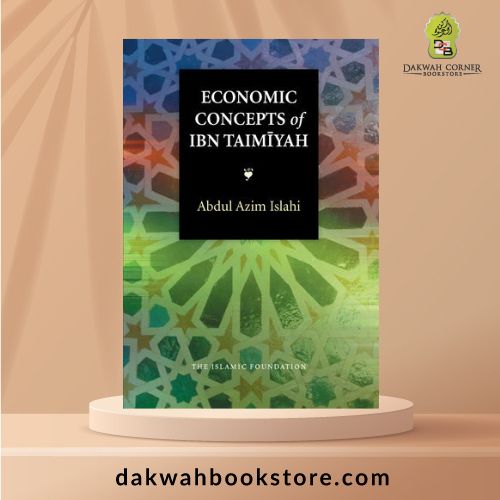
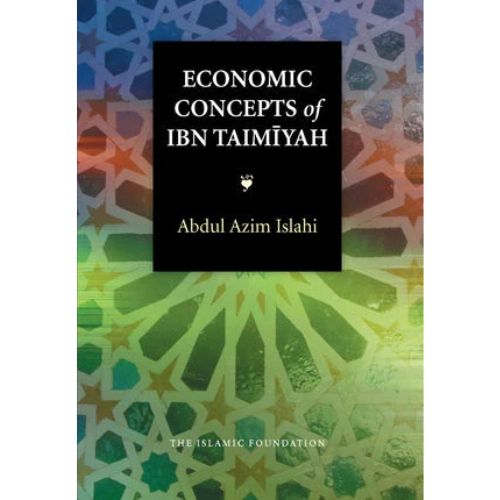
Economic concepts of Ibn Taimiyah
Highlights:
This valuable work presents Ibn Taimiyah’s thoughts on the concept of Islamic economics, the state in the economy, on public finance, money, interest, prices, partnership, and profit-sharing, and offers a comparison of his ideas with those of some medieval scholars in Europe, along with a study of his influence on Islamic thinkers in later periods.
RM110.00
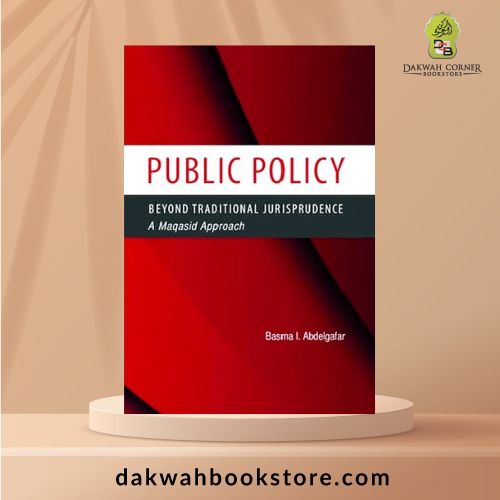
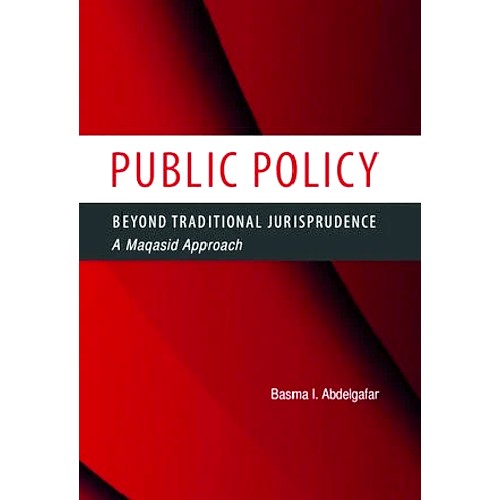
Public Policy: Beyond Traditional Jurisprudence A Maqasid Approach (IIIT)
Highlights:
This work charts new territory in Islamic scholarship by attempting to address the field of public policy from a maqasid (higher objectives of the Shariah) perspective. Public Policy is an independent discipline from both law and politics. Thus, Public Policy in Islam is introduced here as a qualitatively different enterprise from both fiqh (Islamic jurisprudence) and siyasah shar’iyyah (Shariah-oriented politics). The book deals with a number of critical topics that include methodology, governance, human rights, ethics, political power, and reform and renewal. It highlights how the maqasid approach is indispensable to the theory and practice of public policy in Islam, how it could resolve some of the most persistent governance dilemmas throughout Muslim history, but more significantly, how it forces a re-conceptualization of the wealth of knowledge available in Islam s primary sources to introduce Public Policy in Islam to mainstream policy studies.
RM100.00
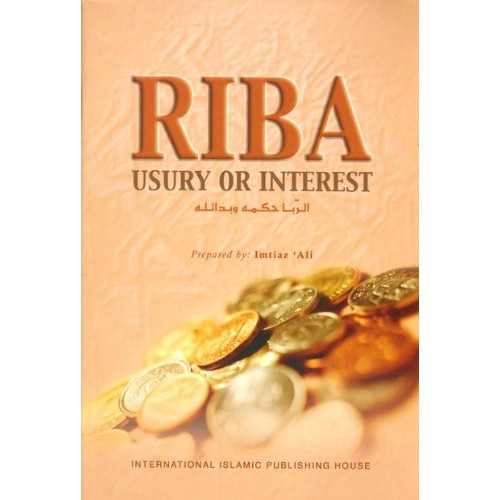
Riba: Usury or Interest
Highlights:
The Noble Qur’an states: {… Fear Allah, and give up what remains of your demand for usury/interest, if you are indeed believers. If you do not do so, then take notice of war from Allah and His Messenger.} (Qur’an 2: 278-279) Despite this obvious prohibition, the practice of ribâ (usury and interest) has polluted the global economy completely. This booklet explains the awful consequences of dealing in usury and interest in a summarized but convincing manner.
RM8.00 RM9.00
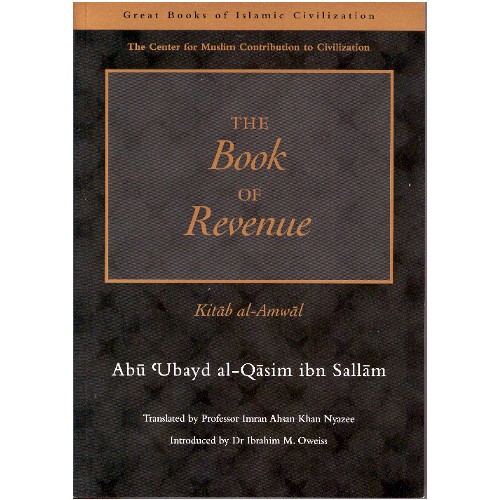
The Book Of Revenue
Highlights:
Kitab al-Amwal (The Book of Revenue) is the work of a brilliant legal mind. Abu Ubayd al-Qasim ibn Sallam provides us with an accurate record of legal precedents laid down in the first two centuries of Islam, in particular those pertaining to the sources of revenue and the avenues of public expenditure. The power of the book, however, lies in the method of the author and the analysis undertaken by him. He gathers together the traditions of the Prophet (pbuh), the opinions of his companions, and the views of eminent jurists, and then subjects them to legal analysis that is unparalleled in Islamic legal literature. The book is essential for every student of Islamic law, especially those who wish to master the art of interpreting and analyzing legal traditions and early precedents. In the discipline known as fiqh al-sunnah, there is no book or manual that can compete with this outstanding work.
RM165.00
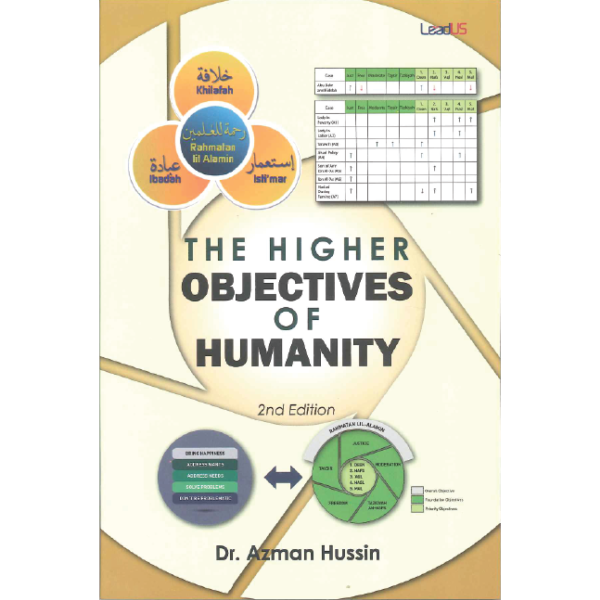
The Higher Objectives of Humanity
Highlights:
A video summary of this book can be found here: https://www.youtube.com/watch?v=YdNQxv_ODdc&t=26s This book discusses the why, what and how of Rahmatan lil-Alamin as the higher objective of humanity. It presents a practical understanding of the purpose of creation and humanity to improve the individual and collective well-being of Muslims and society. The intention is to re-introduce and re-emphasize the correct Islamic perspective of humanity. The first five chapters revisits the common understanding among Muslims as to why mankind is created. We show that the prevalent view that we are created to worship Allah (SWT) is incomplete. There is a higher and more noble purpose; Rahmatan lil-Alamin (mercy to the worlds). We next describe the what of Rahmatan lil-Alamin. The best role model of Rahmatan lil-Alamin is undoubtedly Prophet Muhammad (SAW), the last and final prophet and messenger, whom Allah (SWT) sent with a very clear purpose, “And We have not sent you but as a mercy to the worlds.” [21:107]. We present many examples from the history of Prophet Muhammad (SAW) and a collection of his (SAW) sayings and advice on being the best. The final chapters of the book deal with the how of Rahmatan lil-Alamin. We describe in detail how the Muslim can apply Rahmatan lil-Alamin daily in his or her life. We propose a practical model of Rahmatan lil-Alamin that we induced from the Quran. We also addressed how to apply Rahmatan lil-Alamin to a broader society by proposing a decision-making tool that can guide us as persons and as communities to make decisions that conform to the foundations and priorities of Rahmatan lil-Alamin. We present case studies from the history of the Companions using this decision-making model. This book seeks to establish a connection between Islam and civilization within a civilizational and ethical framework. We believe that a more proper and complete understanding of the Islamic view about humanity may present to us new perspectives of Islam and how Muslims should engage with fellow Muslims and people of other faiths. In fact, the implication of this new reinterpretation framework goes even further in that: any human civilization built on this framework is the most prosperous for the whole and also for the individuals in it.
RM45.00
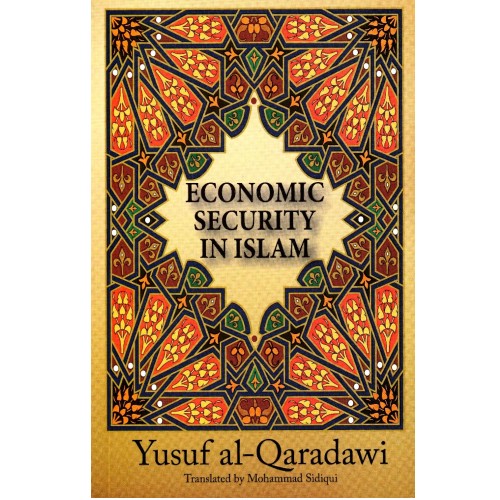
Economic Security In Islam
Highlights:
This book is an English rendering of a popular Arabic book entitled Mushkala al-Faqr wa Kaifa ‘Aljiha al-Islam by the renowned Muslim Scholar ‘Yusuf al-Qaradawi. The author depicts the basic principles of the Islamic Economic System in the light of the Holy Qur’an and the Sunnah.
RM26.00
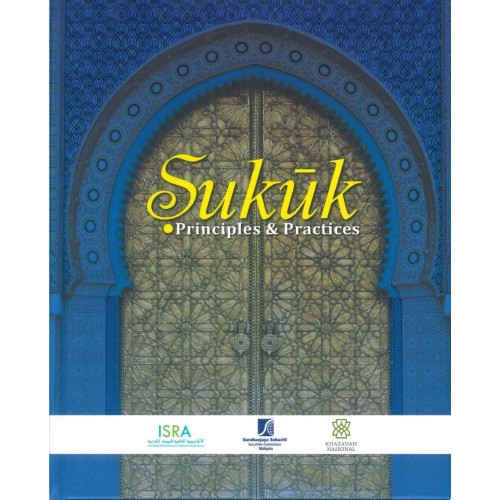
Sukuk: Principles & Practices (P/B)
Highlights:
Sukuk are an important asset class which has captured the attention of a wide range of issuers and investors, regulators and sovereigns, and academics and market players. The sukuk industry has made remarkable leaps since its modern inception in the 1990s. It has grown in size and volume, evolved in structural possibilities, and successfully expanded the boundaries of the Islamic capital market to far-flung jurisdictions worldwide. Its promising future has led the International Shari’ah Research Academy for Islamic Finance (ISRA) and Securities Commission Malaysia (SC Malaysia) to collaborate to provide essential and comprehensive knowledge on this key instrument of the Islamic capital market.
RM150.00
Islamic Capital Markets: Principles and Practices (P/B)
Highlights:
KEY FEATURES OF THE BOOK
* It elucidates the principles and practices of the Islamic capital market with academic rigours.
* It sheds light on the cutting-edge practical issues faced by the industry.
* Every chapter contains relevant case studies and supportive illustrations.
* Multiple Choice Questions (MCQs) and discussion questions are provided at the end each chapter.
KEY SUBJECTS
Shari’ah framework, Regulatory framework, Corporate and Shari’ah governance, Risk management, Accounting and taxation, Sukuk Islamic equity market, Islamic unit trust, REITs and ETFs, Islamic private equity and venture capital, Islamic derivatives and hedging and Islamic structured investment products.
RM180.00
Islamic Finance : A Practical Introduction
Highlights:
Islamic finance and banking is governed by the tenets of Islam and is based upon the principles of the Shariah, a code of conduct for Muslims to adhere to when managing their lives, including their finances. This slim volume breaks down this code and teaches readers how it is practically applied in business, personal finances, and the global economy.
RM65.00
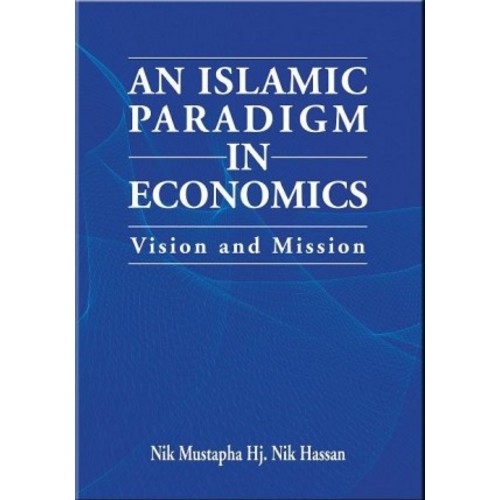
An Islamic Paradigm In Economics Vision And Mission
Highlights:
This book emphasises not only thoughts and theoretical concepts, but also discusses their application.
in the real world. Hence, it suggests that a holistic approach to economic development, which harmonises between material and spiritual well-being is not entirely idealistic but is, in fact, pragmatic and applicable.
RM40.00
Recently Viewed
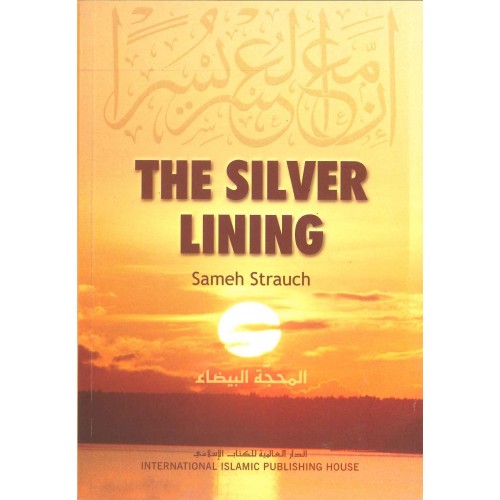
The Silver Lining (P/B)
Highlights:
The theme of this book is relief after hardship, or as the old proverb has it, ‘Every cloud has a silver lining.’ The author, Sameh Strauch, explains this concept, describing, with evidence from the Qur’an and the Sunnah, why we are subject to trials and tribulations, and how, when adversity is at its worst, relief is near. He uses as examples the stories of the prophets and the trials they endured. Strauch then proposes measures to be undertaken to attain relief from difficulty, and explains the importance of tawakkul (depending upon Allah), the benefits and wisdom derived from the concept of hardship and relief, and much more. If you have ever been stricken by calamity and wondered why it happens, this book has the answer.


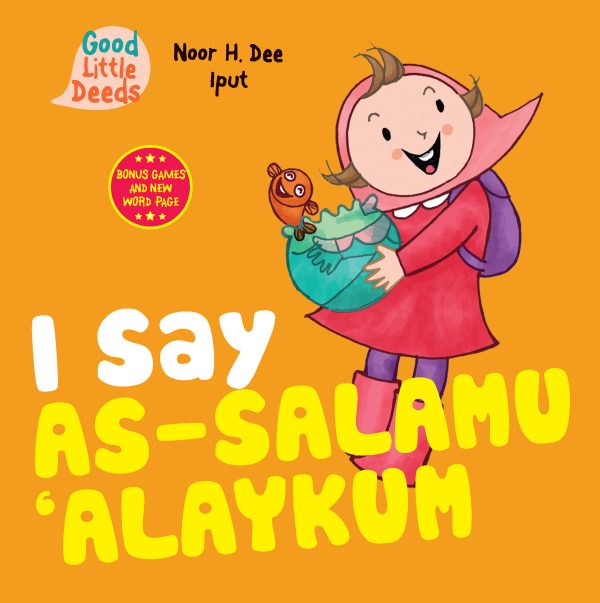
[CB]I Say As-Salamu’Alaykum
Highlights:
The phrase translates to “Peace be upon you”. An extended, more formal version is As-salamu ʿalaykum wa-raḥmatu -llāhi wa-barakātuhᵘ̄, meaning “May the peace, mercy, and blessings of God be upon you”.
Nabil and Noura are going to the park. Along the way Nabil greets the gardener and park ranger. Now Noura wants to say, ‘AS-SALAMU ‘ALAYKUM!’ Who, or what, will she salam?
RM40.00
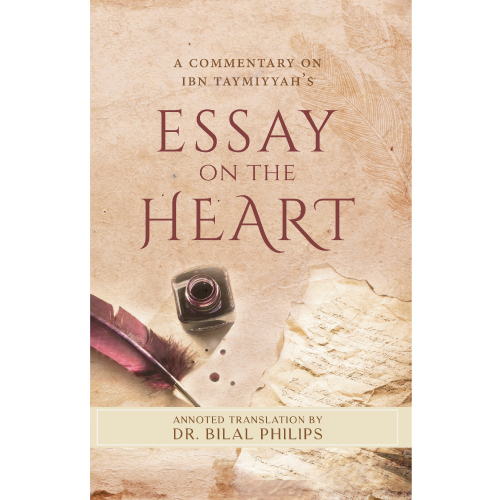
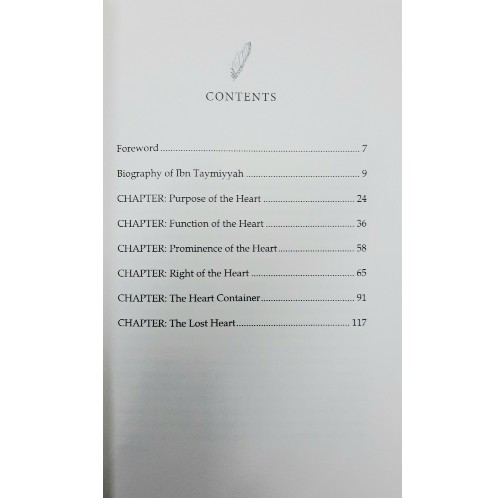
Essay On The Heart (P/B)
5 ★
5 ★
1 Rating
5 ★
1
4 ★
0
3 ★
0
2 ★
0
1 ★
0
Highlights:
There are many books currently in circulation concerning the purification on the heart and soul. This text is a welcome addition to the Islamic English as it takes a unique approach to the subject.
There are many of this brief treatise, Ibn Taymiyah, systematically dissects the primary role of the heart in the life of a true Muslim. After discussing the heart’s purpose and function, the author discusses the prominence given to the heart in all affairs by Allah and His Prophet (pbuh) in the various texts of the Qur’an and Sunnah. He then goes on to identify the right of the heart in relationship to Allah; remeberance and consciousness of its Lord. Ibn Taymiyyah also categorized the various types of the hearts that exist relative to their states and conditions and concluded his treatise with the worst state for the heart to be in, lost, along with advice on how to avoid it.
Dr. Bilal Philips has added an extensive commentary referencing verses and tranditiona and further elucidating the deep meaning alluded to by the author, making the final text a very enjoyable inspiring read.
RM18.00
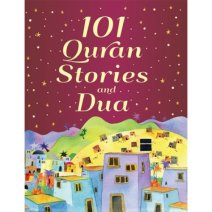
101 Quran Stories and Dua
5 ★
5 ★
2 Ratings
5 ★
2
4 ★
0
3 ★
0
2 ★
0
1 ★
0
Highlights:
101 Quran Stories and Dua is a richly illustrated collection of 101 great stories told in simple language that children will easily understand and relate to. Each story comes with delightful illustrations and a beautiful prayer. The book includes well known tales of the Prophet Adam, the Prophet Yusuf and his brother, the Prophet Yunus and the whale and last messenger of Allah, the Prophet Muhammad ³ to name a few. It’s a unique experience the whole family will cherish and revisit again and again!
Special Features
- 101 interesting stories
- Delightful illustrations
- 101 beautiful Quran prayers
- Quran quotes and references
RM40.00 – RM50.00Price range: RM40.00 through RM50.00
HardcoverSoftcover
Clear
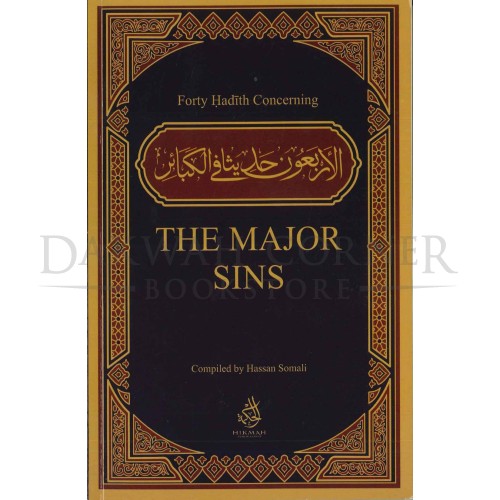
Forty Hadith Concerning the Major Sins
Highlights:
Know that many of these major sins – the majority of them except a few – most people are unaware about their forbiddance, and the threat and warning [associated with them] has not reached them…
It is upon the scholar to not be rash when dealing with a person who is ignorant [of these matters].
Rather, he should be gentle with him and teach him with the knowledge that Alkali has taught him, especially if the individual recently [embraced Islam and] left his period of ignorance, and he was raised in the distant lands of disbelief.”
RM80.00
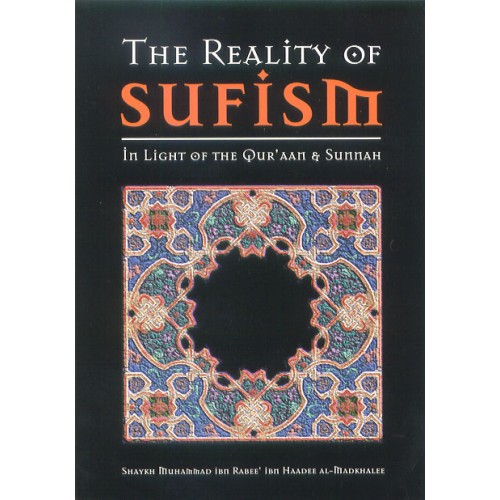
The Reality of Sufism In Light of the Quraan and Sunnah (P/B)
Highlights:
In this book, the author discusses the beliefs and origins of Sufism. It has been written in a clear and uncomplicated style which makes it accessible for readers of all levels. The history of Sufism is traced as well as how sufism developed into what we have today. The author touches upon the beliefs of Sufism, and gives examples from personalities that are regarded highly by those who ascribe to Sufism. A scholarly criticism in light of the Qur’an and Sunnah.
From the Back Cover
You must be aware that there are a number of destructive calls which have been established amongst the ranks of the Muslims and which have shaken and damaged the belief held in there hearts. They have polluted the pure Islamic ‘aqeedah, and have grown by stages to reach such a dangerous level that they led to the splitting of the Muslims into sects and the parties, about which the Prophet (peace be upon him) said: “Indeed those who were before you, from the people of the book, split into seventy-two sects, and this religion will split seventy-three. Seventy-two in the fire and one in the paradise and it is the Jammaa’ah.”
Then there is no doubt that each one of these sects claims for itself that it is the saved sect, and that it is correct, and that it alone follows the Messenger. But the way of truth is a single way and it is the one which leads to salvation, and any other way is one of the ways of miss guidance which leads to destruction.
So the way of truth is to cling to the book of Allaah and the Sunnah of Allaah’s Messenger (S) as occurs in the hadeeth: I have left amongst you two things whith which you will not go astray: The Book of Allah and my Sunnah, and they will not be separated till they come to me at the Pond.
- A scholarly criticism of Sufism in the light of the Qur’an and Sunnah
- Written in an uncomplicated style, ideal for the layman
RM24.00
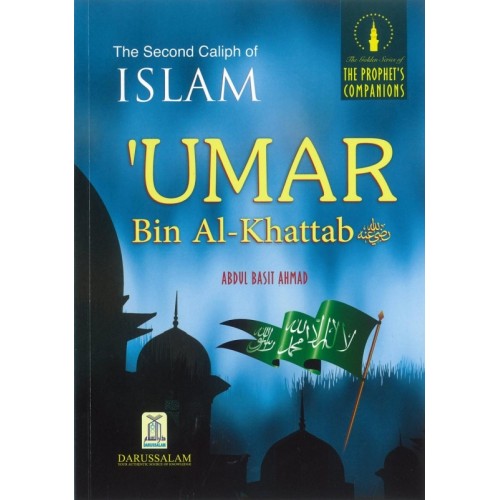
The Second Caliph of Islam: ‘Umar bin Al-Khattab (P/B)
Highlights:
Uthman bin Affan (R) was one of the early men who accepted Islam in Makkah. From the first moment he became a Muslim, he put all his wealth under the service of Islam. He spent most of his resources to satisfy the needs of poor Muslims. Recognizing his generosity and devotion to Islam, the Prophet (S) told him that his place would be in Paradise on the Hereafter. He married Ruqayah (R),the Prophet’s daughter. After she died, he married her sister Um Kulthum ;for that, the people at that time called him Dhun Nurain, “The Man with the Two Lights.”
RM26.00