

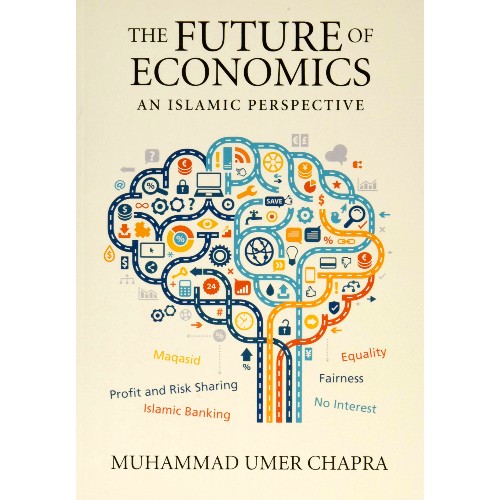
| Weight | 0.26 kg |
|---|---|
| Dimensions | 21 × 13 × 1.9 cm |
| Author | |
| Binding | Paperback |
| ISBN | 9780860376354 |
| Pages | 224 |
| Year of publication | 2020 |
| Publisher | The Islamic Foundation |
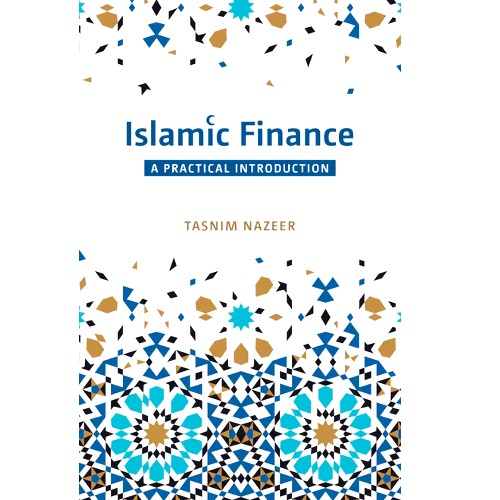
Islamic Finance : A Practical Introduction
RM65.00
Hurry up, Only 2 left.
Highlights:
somdn_product_page
Compare
Islamic finance and banking is governed by the tenets of Islam and is based upon the principles of the Shariah, a code of conduct for Muslims to adhere to when managing their lives, including their finances. This slim volume breaks down this code and teaches readers how it is practically applied in business, personal finances, and the global economy.
SKU: EA30
Categories: Islamic Economics, Finance and Banking, Islamic Finance
Additional information
Reviews (0)
Be the first to review “Islamic Finance : A Practical Introduction” Cancel reply
You must be logged in to post a review.
Related Products
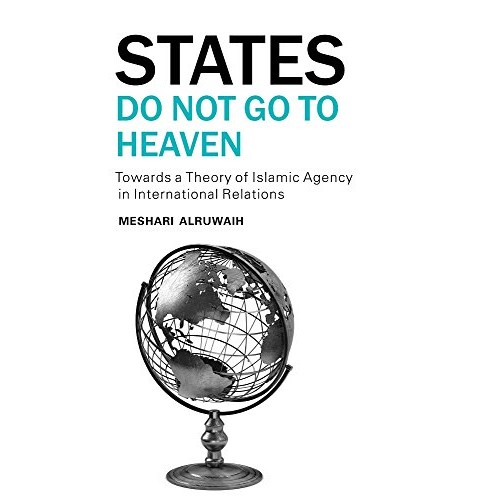
States Do Not Go to Heaven: Towards a Theory of Islamic Agency in International Relations
Highlights:
This book compares and contrasts Islamic world views and Western theoretical perspectives on international relations to suggest that a combination of the two could lead to a mutually beneficial redefinition of contemporary international relations utilizing Western theoretical tools and incorporating an Islamic perspective. Particular focus is given to the Islamic concept of istikhlaf as an ontological and normative foundation. The reasoning being that all man-made social arrangements on “earth”, as well as international society, should be considered a realm of istikhlaf. This allows for return to an eternal and critical first principle, linking all social roles to this principle, which is that man as designated by the Qur’an, is God’s khalifah or Vicegerent on earth. It’s a statement of great magnitude.
RM45.00
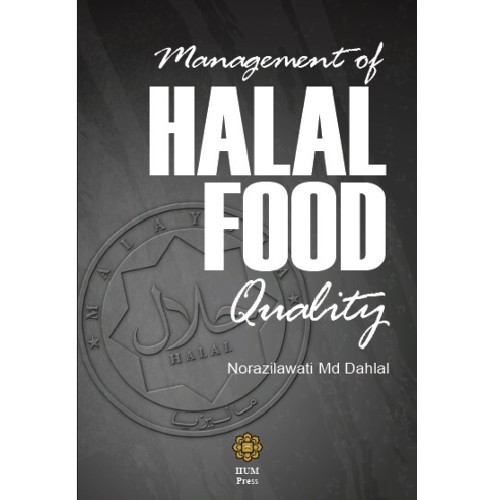
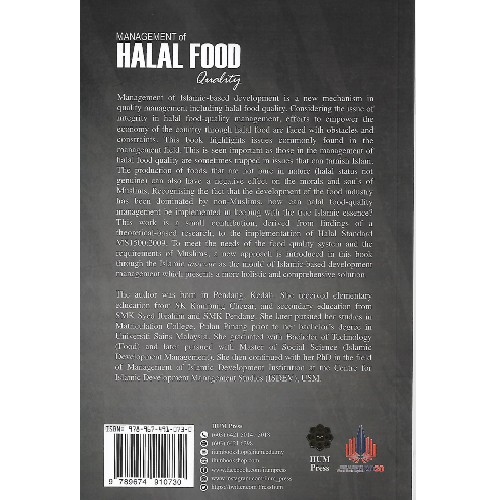
Management of Halal Food Quality
Highlights:
Management of Islamic-based development is a new mechanism in quality management including halal food quality. Considering the issue of integrity in halal food-quality management, efforts to empower the economy of the country through halal food are faced with obstacles and constraints. This book highlights issues commonly found in the management field. This is seen important as those in the management of halal food quality are sometimes trapped in issues that can tarnish Islam. The production of foods that are not pure in nature (halal status not genuine) can also have a negative effect on the morals and souls of Muslims.
RM30.00
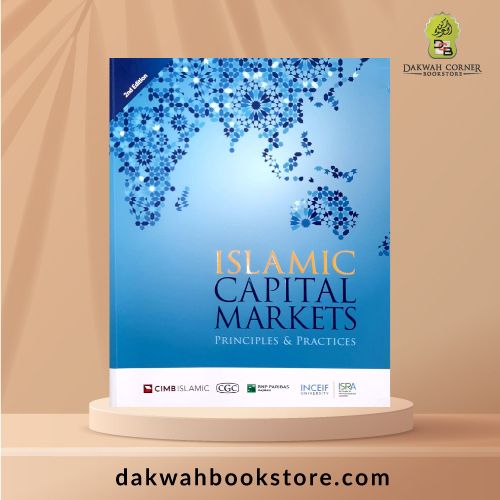
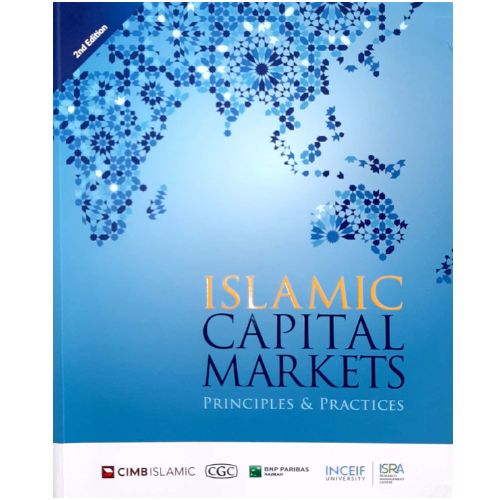
Islamic Capital Markets: Principles and Practices (P/B)
Highlights:
KEY FEATURES OF THE BOOK
* It elucidates the principles and practices of the Islamic capital market with academic rigours.
* It sheds light on the cutting-edge practical issues faced by the industry.
* Every chapter contains relevant case studies and supportive illustrations.
* Multiple Choice Questions (MCQs) and discussion questions are provided at the end each chapter.
KEY SUBJECTS
Shari’ah framework, Regulatory framework, Corporate and Shari’ah governance, Risk management, Accounting and taxation, Sukuk Islamic equity market, Islamic unit trust, REITs and ETFs, Islamic private equity and venture capital, Islamic derivatives and hedging and Islamic structured investment products.
RM180.00
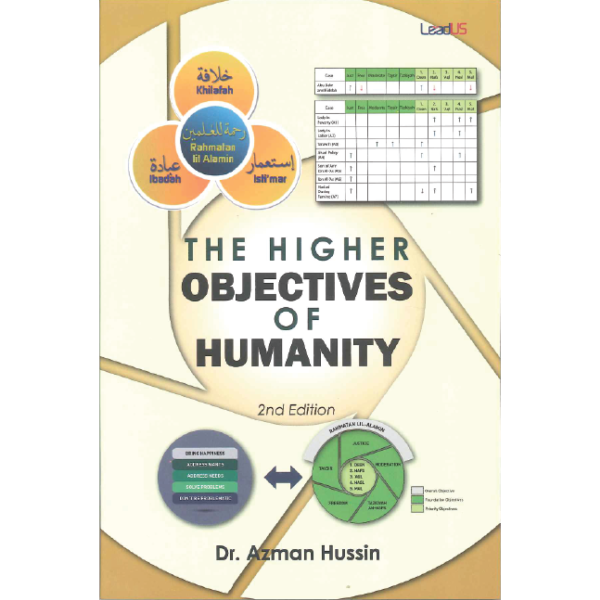
The Higher Objectives of Humanity
Highlights:
A video summary of this book can be found here: https://www.youtube.com/watch?v=YdNQxv_ODdc&t=26s This book discusses the why, what and how of Rahmatan lil-Alamin as the higher objective of humanity. It presents a practical understanding of the purpose of creation and humanity to improve the individual and collective well-being of Muslims and society. The intention is to re-introduce and re-emphasize the correct Islamic perspective of humanity. The first five chapters revisits the common understanding among Muslims as to why mankind is created. We show that the prevalent view that we are created to worship Allah (SWT) is incomplete. There is a higher and more noble purpose; Rahmatan lil-Alamin (mercy to the worlds). We next describe the what of Rahmatan lil-Alamin. The best role model of Rahmatan lil-Alamin is undoubtedly Prophet Muhammad (SAW), the last and final prophet and messenger, whom Allah (SWT) sent with a very clear purpose, “And We have not sent you but as a mercy to the worlds.” [21:107]. We present many examples from the history of Prophet Muhammad (SAW) and a collection of his (SAW) sayings and advice on being the best. The final chapters of the book deal with the how of Rahmatan lil-Alamin. We describe in detail how the Muslim can apply Rahmatan lil-Alamin daily in his or her life. We propose a practical model of Rahmatan lil-Alamin that we induced from the Quran. We also addressed how to apply Rahmatan lil-Alamin to a broader society by proposing a decision-making tool that can guide us as persons and as communities to make decisions that conform to the foundations and priorities of Rahmatan lil-Alamin. We present case studies from the history of the Companions using this decision-making model. This book seeks to establish a connection between Islam and civilization within a civilizational and ethical framework. We believe that a more proper and complete understanding of the Islamic view about humanity may present to us new perspectives of Islam and how Muslims should engage with fellow Muslims and people of other faiths. In fact, the implication of this new reinterpretation framework goes even further in that: any human civilization built on this framework is the most prosperous for the whole and also for the individuals in it.
RM45.00
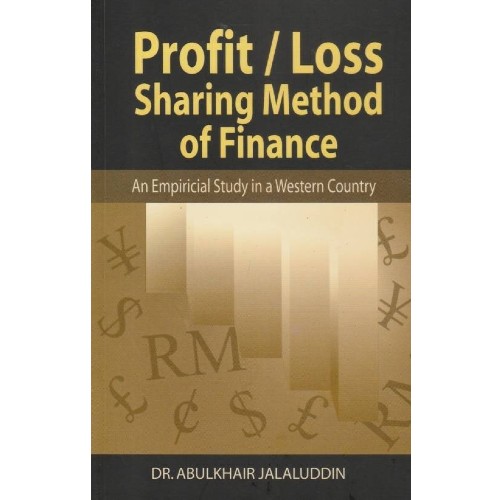
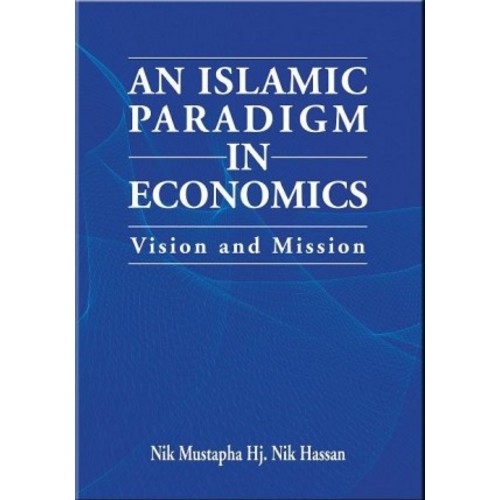
An Islamic Paradigm In Economics Vision And Mission
Highlights:
This book emphasises not only thoughts and theoretical concepts, but also discusses their application.
in the real world. Hence, it suggests that a holistic approach to economic development, which harmonises between material and spiritual well-being is not entirely idealistic but is, in fact, pragmatic and applicable.
RM40.00
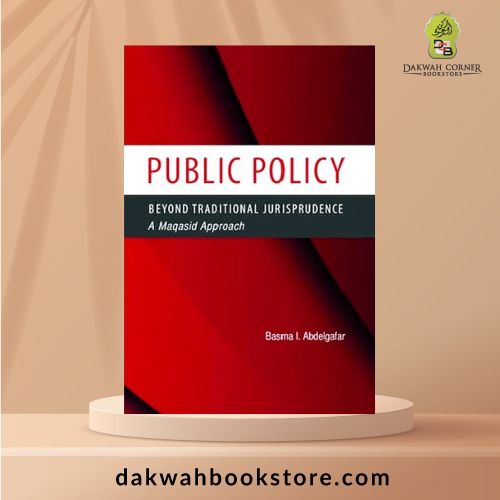
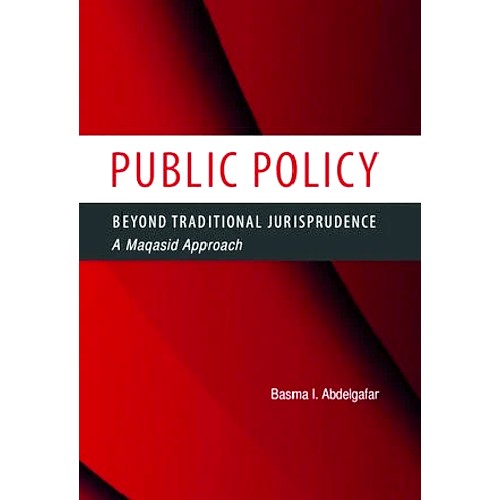
Public Policy: Beyond Traditional Jurisprudence A Maqasid Approach (IIIT)
Highlights:
This work charts new territory in Islamic scholarship by attempting to address the field of public policy from a maqasid (higher objectives of the Shariah) perspective. Public Policy is an independent discipline from both law and politics. Thus, Public Policy in Islam is introduced here as a qualitatively different enterprise from both fiqh (Islamic jurisprudence) and siyasah shar’iyyah (Shariah-oriented politics). The book deals with a number of critical topics that include methodology, governance, human rights, ethics, political power, and reform and renewal. It highlights how the maqasid approach is indispensable to the theory and practice of public policy in Islam, how it could resolve some of the most persistent governance dilemmas throughout Muslim history, but more significantly, how it forces a re-conceptualization of the wealth of knowledge available in Islam s primary sources to introduce Public Policy in Islam to mainstream policy studies.
RM100.00
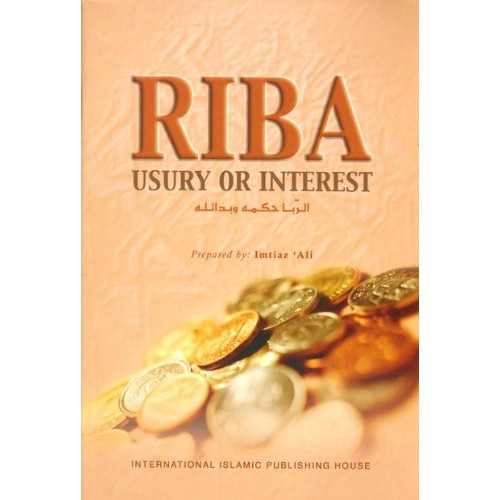
Riba: Usury or Interest
Highlights:
The Noble Qur’an states: {… Fear Allah, and give up what remains of your demand for usury/interest, if you are indeed believers. If you do not do so, then take notice of war from Allah and His Messenger.} (Qur’an 2: 278-279) Despite this obvious prohibition, the practice of ribâ (usury and interest) has polluted the global economy completely. This booklet explains the awful consequences of dealing in usury and interest in a summarized but convincing manner.
RM8.00 RM9.00
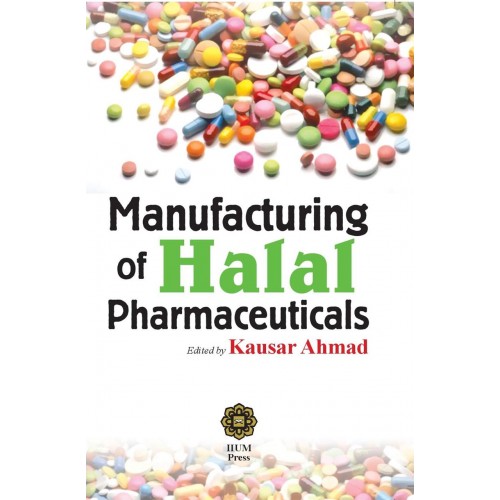
Manufacturing of Halal Pharmaceuticals (P/B)
Highlights:
This book aims to cover the fundamental aspects of pharmaceutical manufacturing from the Islamic worldview to inspire students that whatever they do including very mundane routine work such as checking pH can be an ‘ibādah – if they work within the sphere of Islamic teachings and in shā’ Allah all the time and effort will be rewarded by Allah SWT. The first chapter describes the Islamic perspectives towards the safeguarding of life vis-à-vis the use of medicines or pharmaceuticals and can be considered as an overview for the Islamic manufacturing practices. Although this book is about the manufacturing of pharmaceuticals, other industries may benefit from the discourse and examples given. As much as possible, processes and regulations are described in the book so that it covers the syllabus of industrial pharmacy for undergraduate use and still can be referred for postgraduate studies.
RM70.00
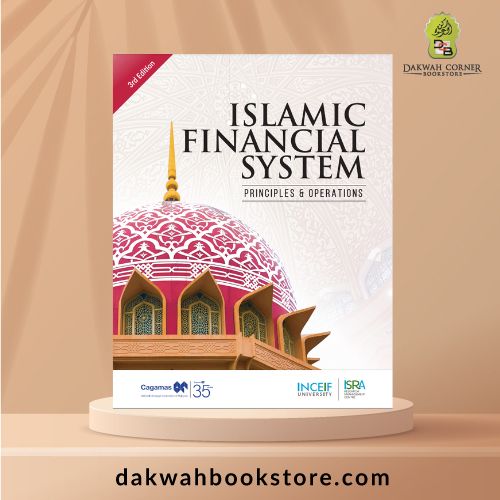
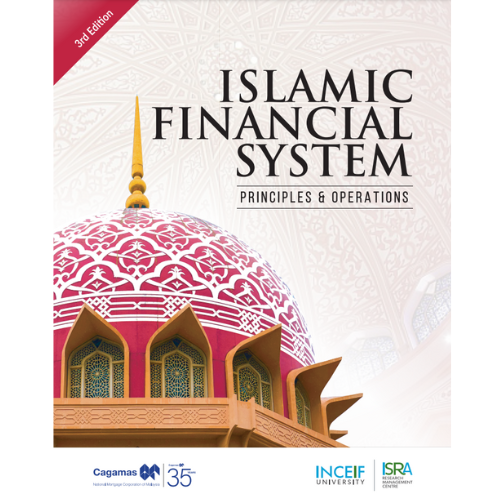
Islamic Financial System: Principles & Operations
Highlights:
This second edition of the book marks another milestone of a collaborative effort between prominent scholars and practitioners of the Islamic finance industry. It sheds light on the front line issues faced by the Islamic finance industry with academic rigor. Each chapter in the book is complete with figures, diagrams, tables, case studies, a set of review questions and problems and a list of references for further reading. It offers invigorating discussion on a comprehensive range of topics related to Islamic finance, combining both theoretical foundations and operational aspects.
RM180.00
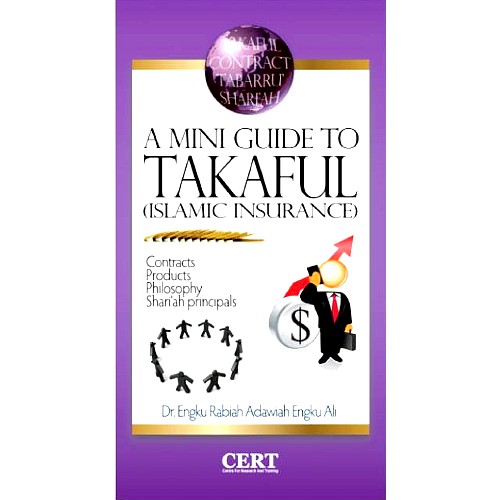
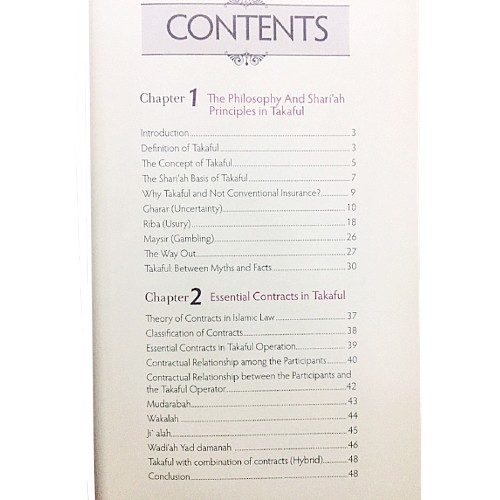
A Mini Guide to Takaful (Islamic Insurance)
Highlights:
This Mini Guide will prove useful and constructive to readers who want a better understanding of the takaful industry in contemporary Islamic finance.
RM45.00
Recently Viewed

Prophet Muhammad: A Blessing for Mankind
Highlights:
Prophet Muhammad (blessings and peace of Allah be upon him) and the lessons he taught us from the continued hardships he underwent in every stage of his life are a real blessing for humankind. Being an orphan child made him compassionate to widows and orphans as well as to the poor. His multiple marriages strengthened the ties of kinship amongst the different tribes, dissolving long-standing enmity. His message and prophethood were challenged by the polytheistic society in Makkah, forcing him and his few followers to emigrate to Madinah. Despite his illiteracy and the struggles he faced, he conveyed Allah’s Book, the Noble Qur’an, to all humanity, teaching them the values and principles that are presently adopted by billions of Muslims throughout the world. In the Qur’an, Allah, the Almighty addresses the Prophet (blessings and peace of Allah be upon him), saying: {We have sent you only as a mercy to the worlds.} (Qur’an 21: 107)
RM8.00 RM9.00
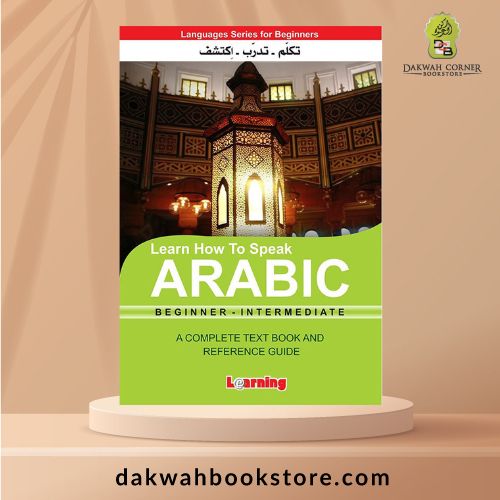
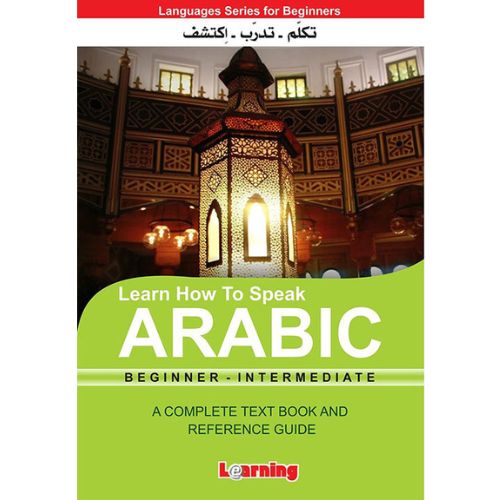
Learn How To Speak Arabic: Beginner – Intermediate (Small Book)
Highlights:
An educational series for modern languages designed for beginners and those planning to travel to new countries.
Covers language fundamentals—including key phrases and expressions—as well as pronunciation, vocabulary, basic grammar, and everyday conversation.
RM15.00
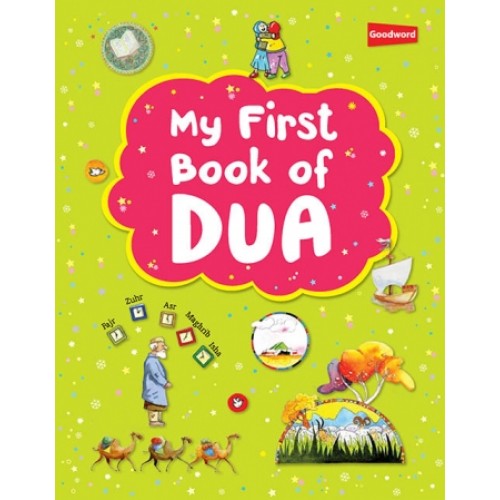
My First Book of Dua (H/B
Highlights:
My First Book of Dua is a delightful book for children which they may call their very own! Written with young hearts in mind, this short, easy-to-read book for 7 year-olds and above, is the perfect way to introduce children to the prayers from the Quran and the Hadith. My First Book of Dua helps children to learn to remember and thank Allah in a way that is meaningful and charming. This is a bright and appealing collection designed to be used at home, or at school. May this collection of prayers bring you wisdom and many blessings.
Speacial Features
- More than 150 prayers
- Delightful illustrations
- Exciting facts
- Hadith
- Quran quotes and references
RM35.00
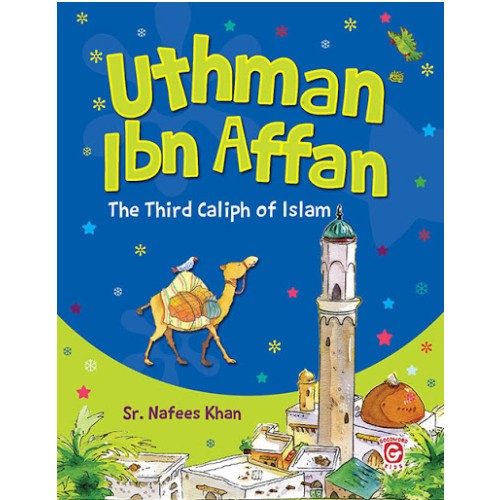
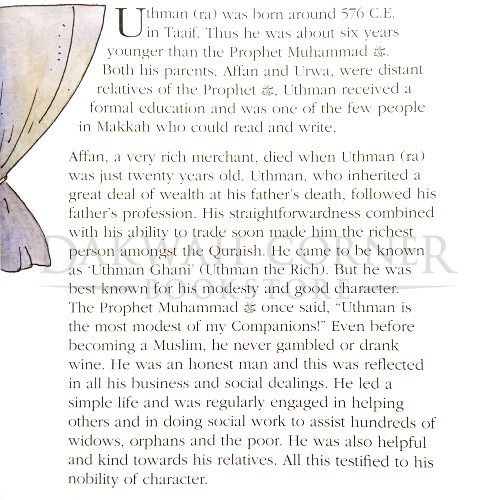
Uthman Ibn Affan: The Third Caliph of Islam
Highlights:
This book is about the life and teachings of Uthman Ibn Affan (may Allah be pleased with Him), TheThird Caliph of Islam.
RM15.00
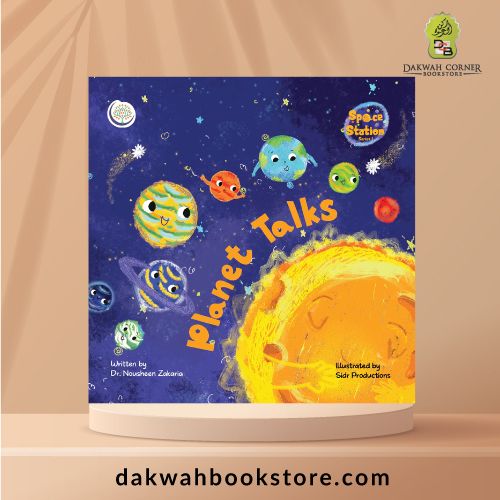
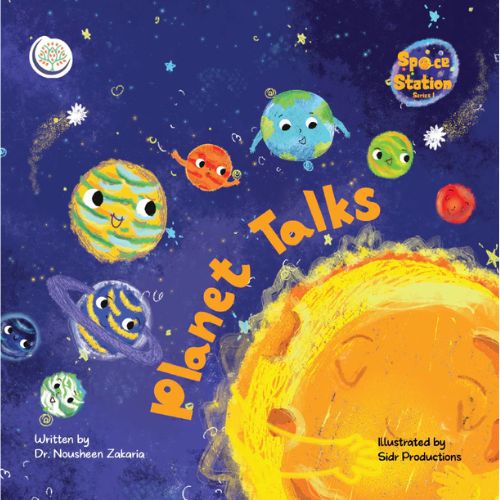
Planet Talks (P/B)
Highlights:
What if the planets could talk?
High above the Earth, beyond clouds and stars, the planets gather for a quiet conversation. Some are hot. Some are icy. Some spin fast, others slowly.
Each one has a story to tell.
What makes Earth so special?
Why does Mars hold secrets of ancient water?
Planet Talks is a gentle journey through space where science meets wonder, and every planet becomes a sign to reflect upon.
RM20.00 RM35.00
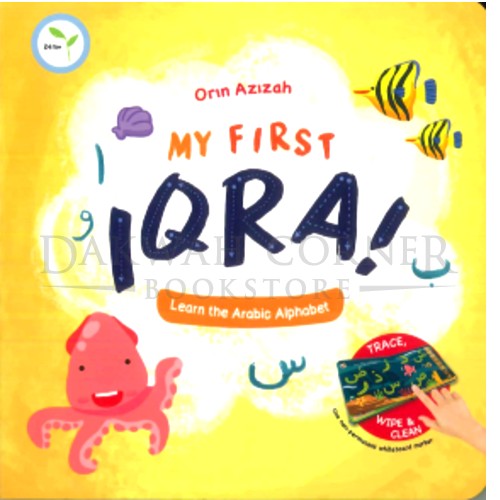
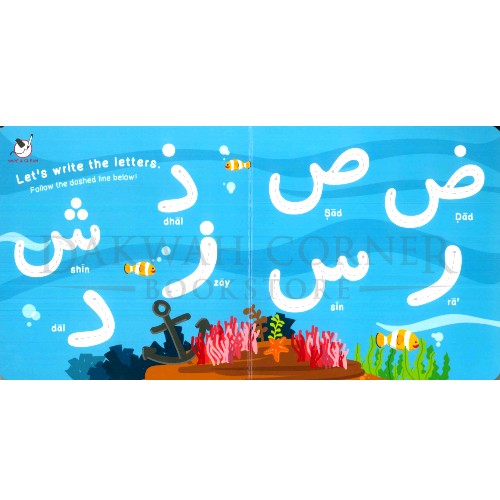
My First Iqra! : Learn the Arabic Alphabet (Kube)
Highlights:
A fun-filled, colourful, interactive book where children can learn and practice the Arabic alphabet in an interactive way. Use your finger to trace the alphabets or use the wipe and clean option to practice. Once mastered the alphabet, you can then learn the various vowels before the next stage of learning a few Arabic words.
Suitable for 24m+ years old
RM40.00
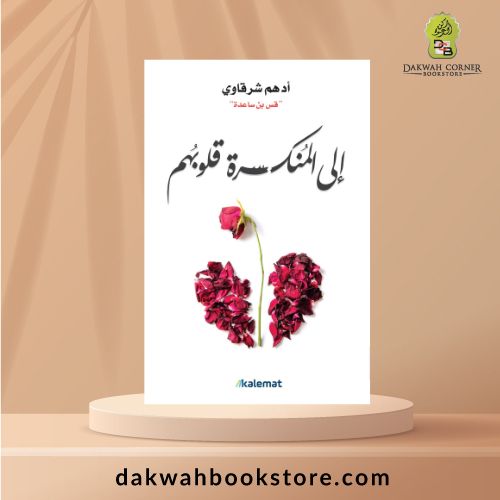
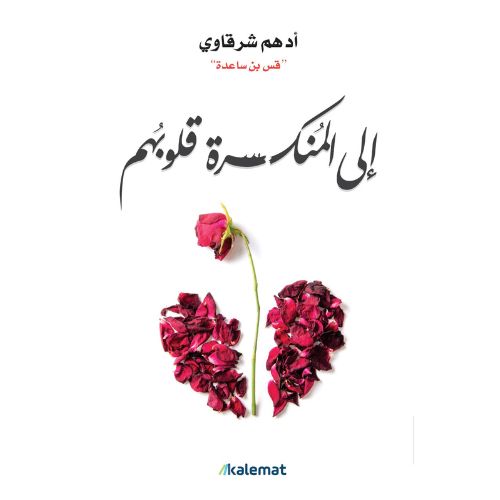
[MM] Ila Munkasarah Qulubuhim / الي المنكسرة قلوبهم
Highlights:
ما دامت الأشياءُ لا تخدش كرامتي ، و لا تكسر كبريائي ، فأنا أتمسك ! أما في اللحظة التي أًهان فيها ، فإني أُفلتُ إفلاتاً لا إمساكَ بعده ، و لم يحدث أبداً أن سقط مني شيٌ، ثم انحنيت لألتقطه ،
لطالما كانت كرامتي أكبر من قلبي ، و هذه من أكثر الصفات التي تعجبني في نفسي !
RM75.00
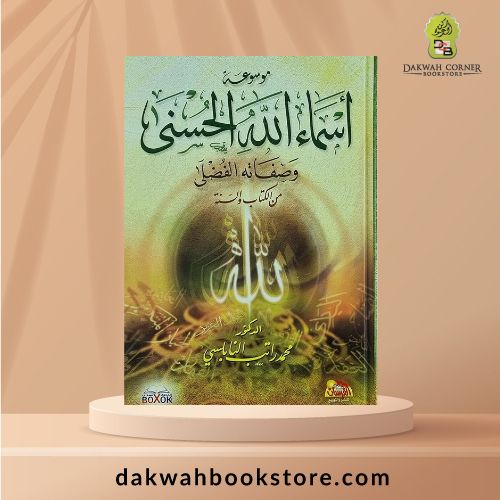
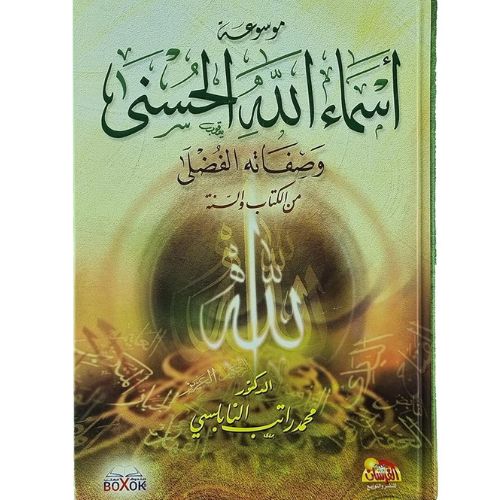
[AC] Mausū’at Asmā’ Allāh al-Ḥusnā / موسوعة أسماء الله الحسني
Highlights:
الدكتور محمد راتب النابلسي في موسوعته هذه، فضلاً عن نقله لما في كتب العلماء الأجلاء، قديماً وحديثاً، من روح لأسماء الله الحسنى، يسلك أسلوباً جديداً في شرحه لهذه الأسماء الحسنى، يعتمد على آيات الله في الآفاق، وعلى آيات الله في النفس البشرية
RM175.00
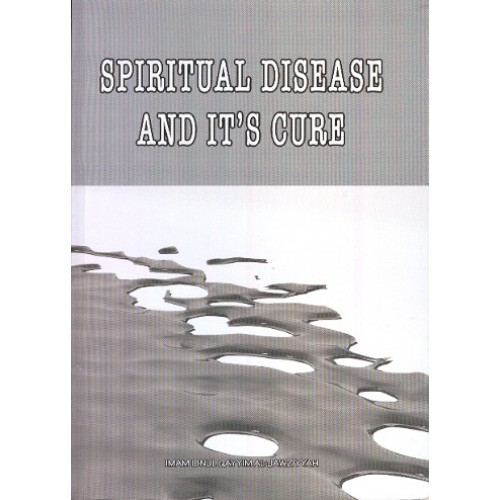
Spiritual Disease and It’s Cure
Highlights:
The Imam was asked a long question of which a part was – What is the opinion of the scholars regarding a man who is afflicted by a disease, and knows that if it should continue it would damage his life? The Imam Quoted the Hadith from Sahih Bukhari The prophet (S) said: ‘Allah has appointed a remedy for every disease He has sent down’ Imam Ahmad reported on the authority of Usamah bin Shareek that the ‘ Prophet (S) said Allah has not made a disease without providing a remedy for it, wih the exception of one disease, namely old age’ This Applies to the medicine for the heart, soul and body. The well being of the servant’s heart, is far more important than that of his body, for while the well being of his body enables him to lead a life that is free from illnesses in this world, that of the heart ensures him both a fortunate life in this world and eternal bliss in the next.
Imam Ibn al-Qayyim al-Jawziyya was born into a scholarly and virtuous family in 691 AH/ 1292 A.D. At that time Damascus was a centre of literature and thought. Many schools were located there and he studied and graduated under the protection, direction and sponsorship of his father. He was particularly influenced by his Shaykh and teacher Imam Ibn Taymiyyah, and also by Ibn ash-Shirazi amongst others. Ibn al-Qayyim al-Jawziyya died in the city of Damascus the year 751 AH/1350 C.E.,when he was scarcely 60 years old, and was buried at the cemetery of Bab- al-Saghir, near the grave of his father – Rahimahuma Allah.
RM56.00
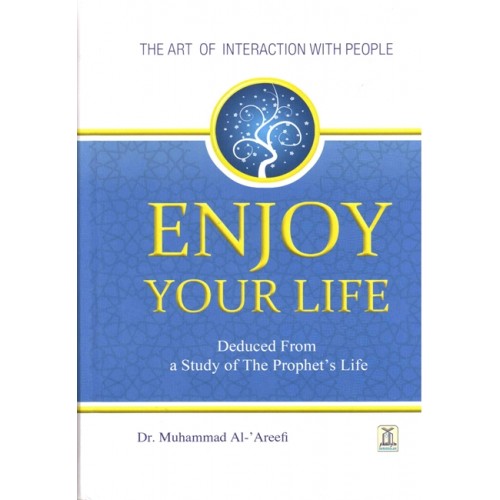
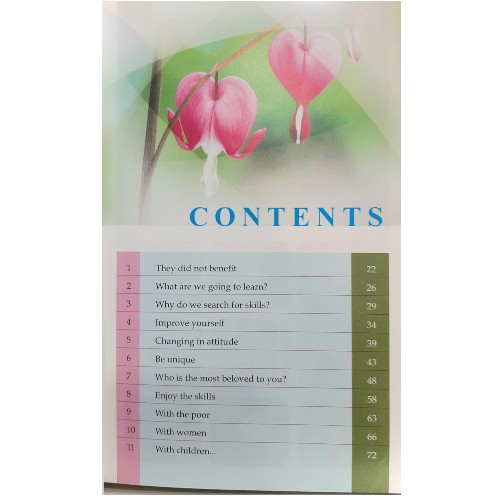
Enjoy Your Life (Full Color) – Darussalam
Highlights:
This is an exquisite collection of incidents from the life of the Prophet (S), stories from our Islamic Heritage, and thought-provoking anecdotes from the life of the author. The aim of the book is to train the reader to enjoy living his life by practicing various self-development and inter-personal skills. What is so compelling and inspiring about this book is that, in order to highlight the benefit of using social skills, the author draws from the lives of the Prophet (S) and his Companions. This book is both a practical systematic guide to self-improvement and a treasure trove of historical incidents. It increases self-awareness, whilst nurturing the soul and strengthening the spirit. The books author is a prominent figure in the field of Islamic Dawah and has authored more than twenty published works.
RM82.00
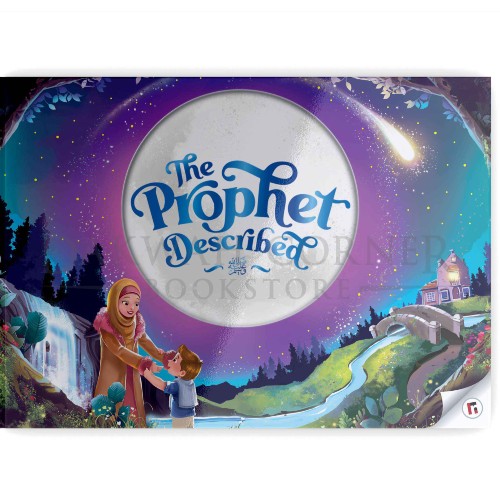
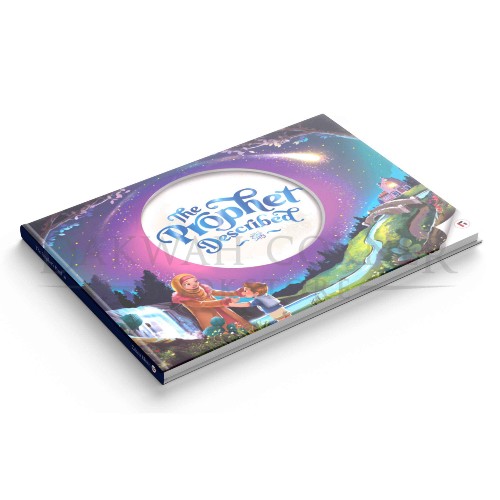
The Prophet (S) Described (Learning Roots)
Highlights:
If you were asked to describe the appearance of the Prophet Muhammad (S), what would you say?
The Prophet Described weaves together classical accounts of the appearance and character of Allah’s finest creation, using the narrations of those closest to him. Expertly crafted into a story-conversation between a mother and son, and using flowing, rhyming text, this book makes learning about Allah’s Messenger (S), a rich and captivating experience. With spectacular illustrations that subtly echo the descriptions, this book is a treasure to be read over and over again.
RM65.00


Umar ibn Abdul-Azeez The Just Caliph (IIPH)
Highlights:
This book, written by Luqman Nagy, highlights the life and times of ‘Umar ibn ‘Abdul-‘Azeez, a truly exceptional Muslim ruler who, during his twenty-nine months in office, governed the Ummah totally in accordance with the Qur’an and the Sunnah. His sincere devotion to the religion of Islam enabled ‘Umar ibn ‘Abdul-‘Azeez to bring prosperity and contentment not only to the Ummah but to all those residing within the Umayyad state.
RM54.00
There are no reviews yet.